The Aeolian Mode

The Aeolian mode is the natural minor scale under its modal name. On the white keys it runs from A to A, the notes of C major with A as home. It’s the reference point for the minor modes: Dorian, Phrygian and Locrian can each be heard as Aeolian with a note or two changed.

The Aeolian mode on every note

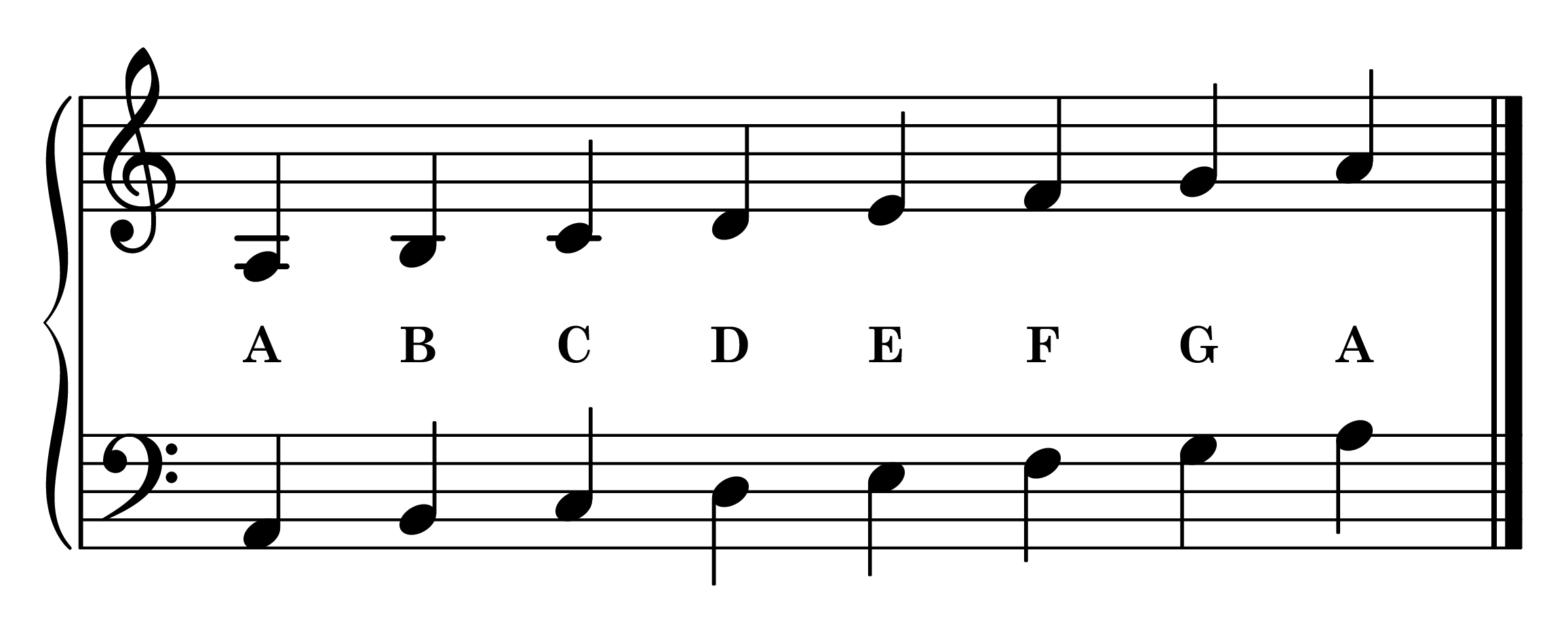
A Aeolian
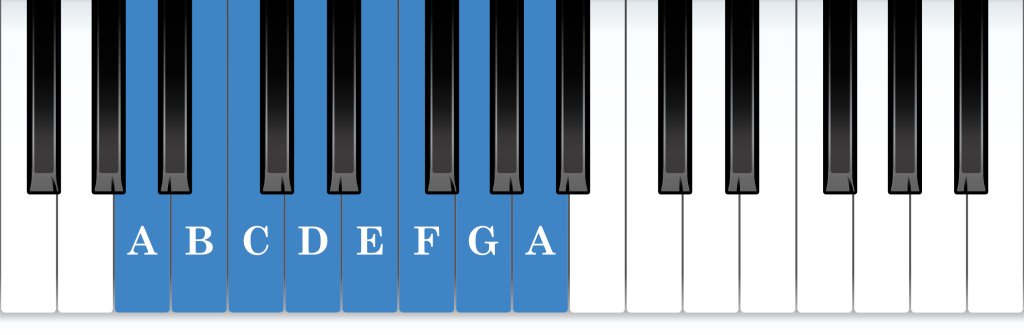
A Aeolian mode piano notes diagram
A Aeolian mode notes on staff with note names
Notes: A B C D E F G A
RH Fingering: 1 2 3 1 2 3 4 5

LH Fingering: 5 4 3 2 1 3 2 1

Parent Scale: C Major Scale

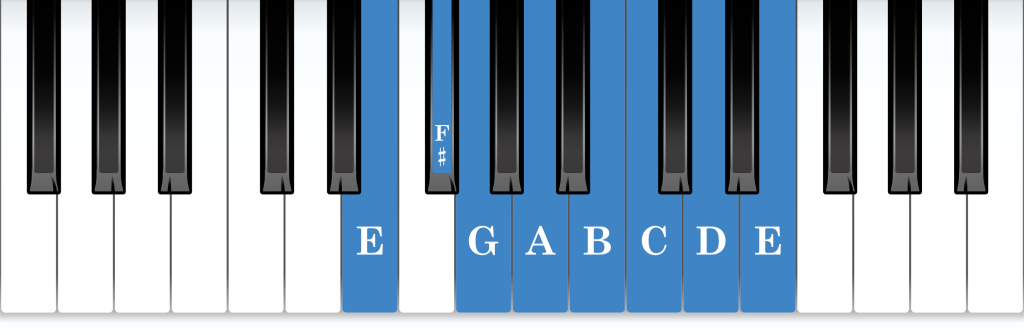
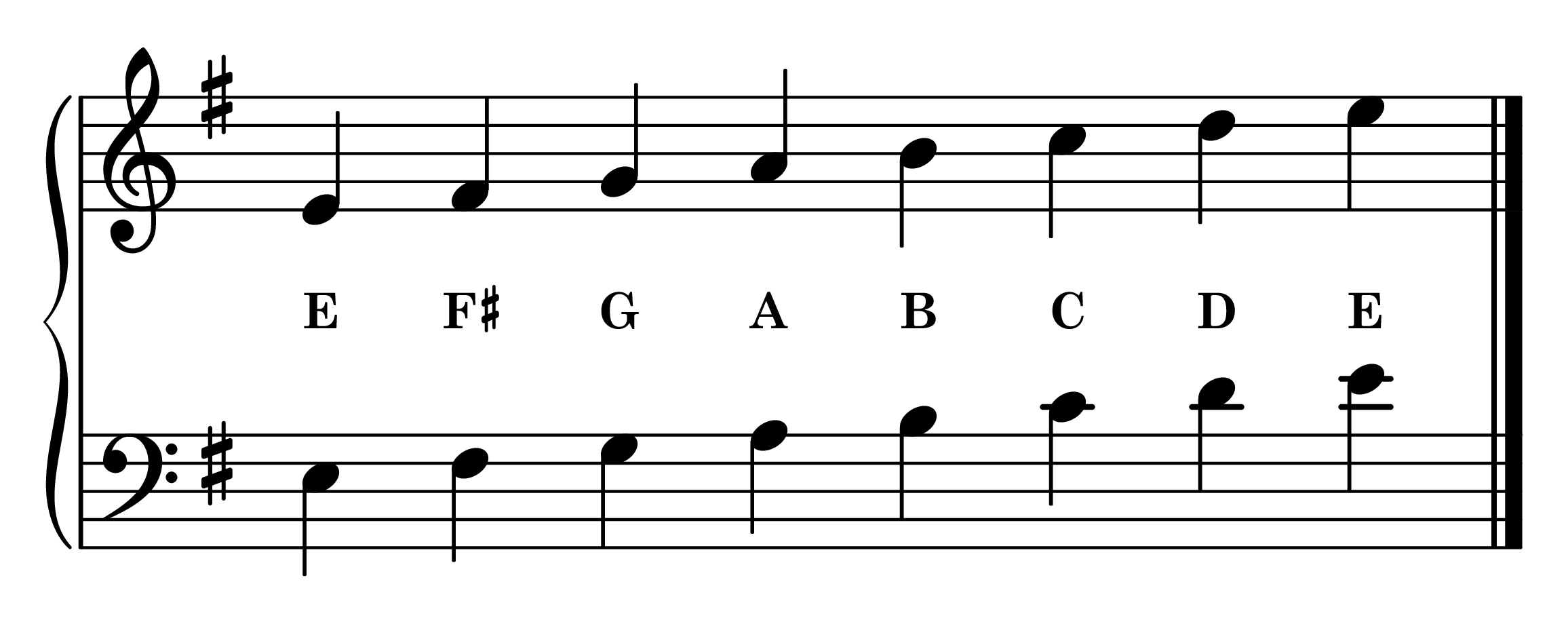
E Aeolian

E Aeolian mode piano notes diagram
E Aeolian mode notes on staff with note names
Notes: E F♯ G A B C D E
RH Fingering: 1 2 3 1 2 3 4 5

LH Fingering: 5 4 3 2 1 3 2 1

Parent Scale: G Major Scale

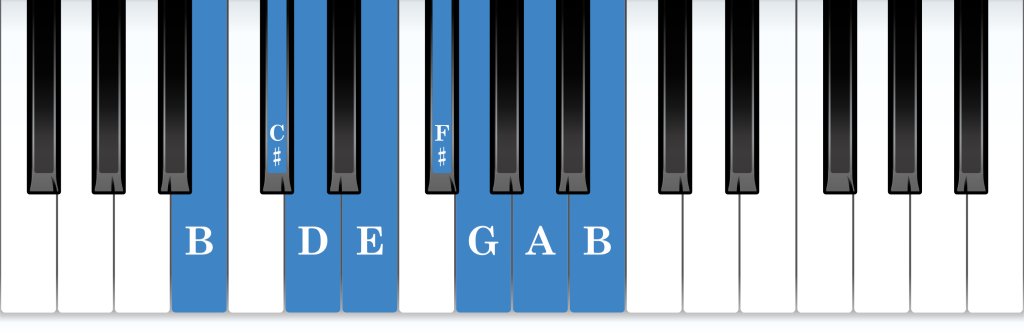
B Aeolian

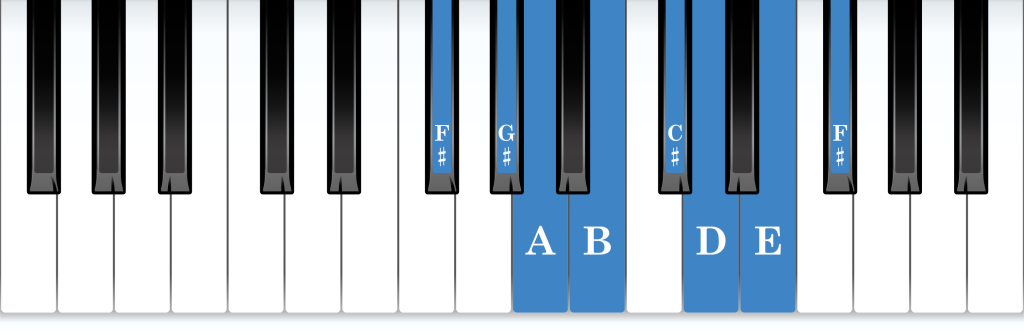
B Aeolian mode piano notes diagram
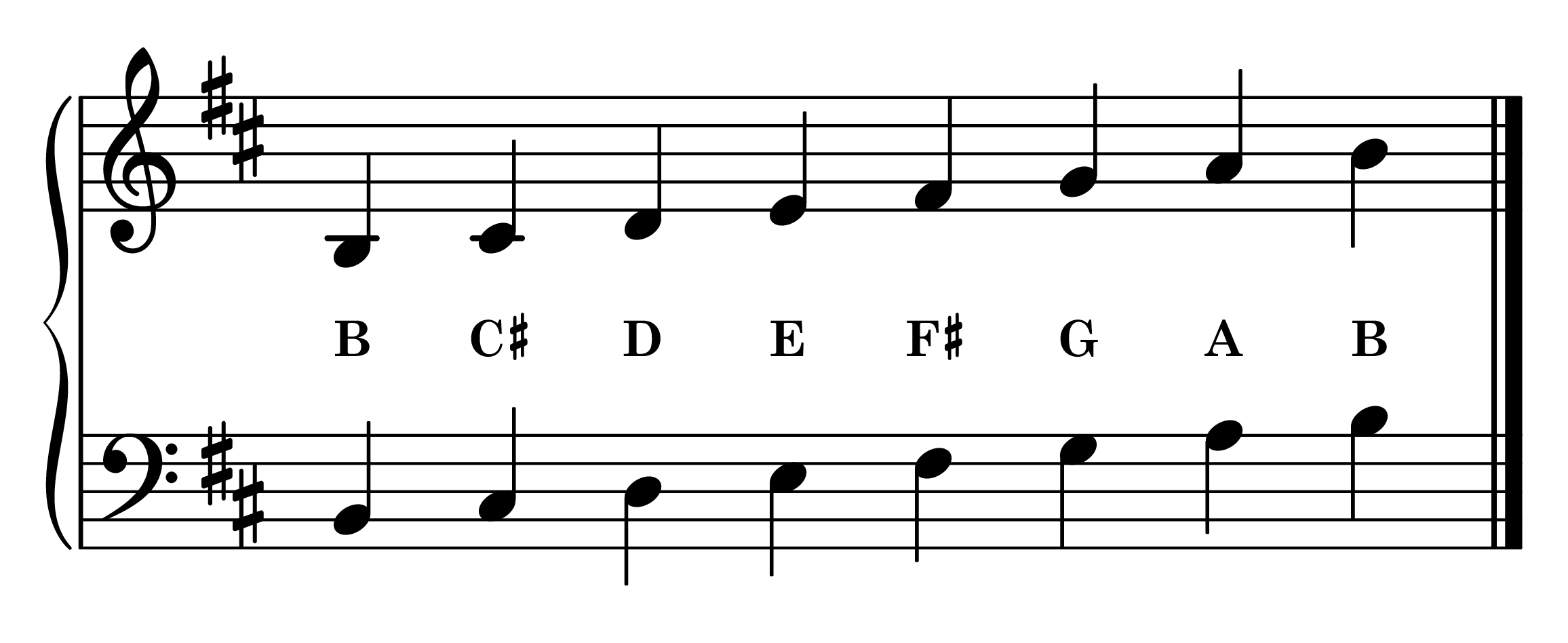
B Aeolian mode notes on staff with note names
Notes: B C♯ D E F♯ G A B
RH Fingering: 1 2 3 1 2 3 4 5

LH Fingering: 4 3 2 1 4 3 2 1

Parent Scale: D Major Scale

F-sharp Aeolian

F-sharp Aeolian mode piano notes diagram
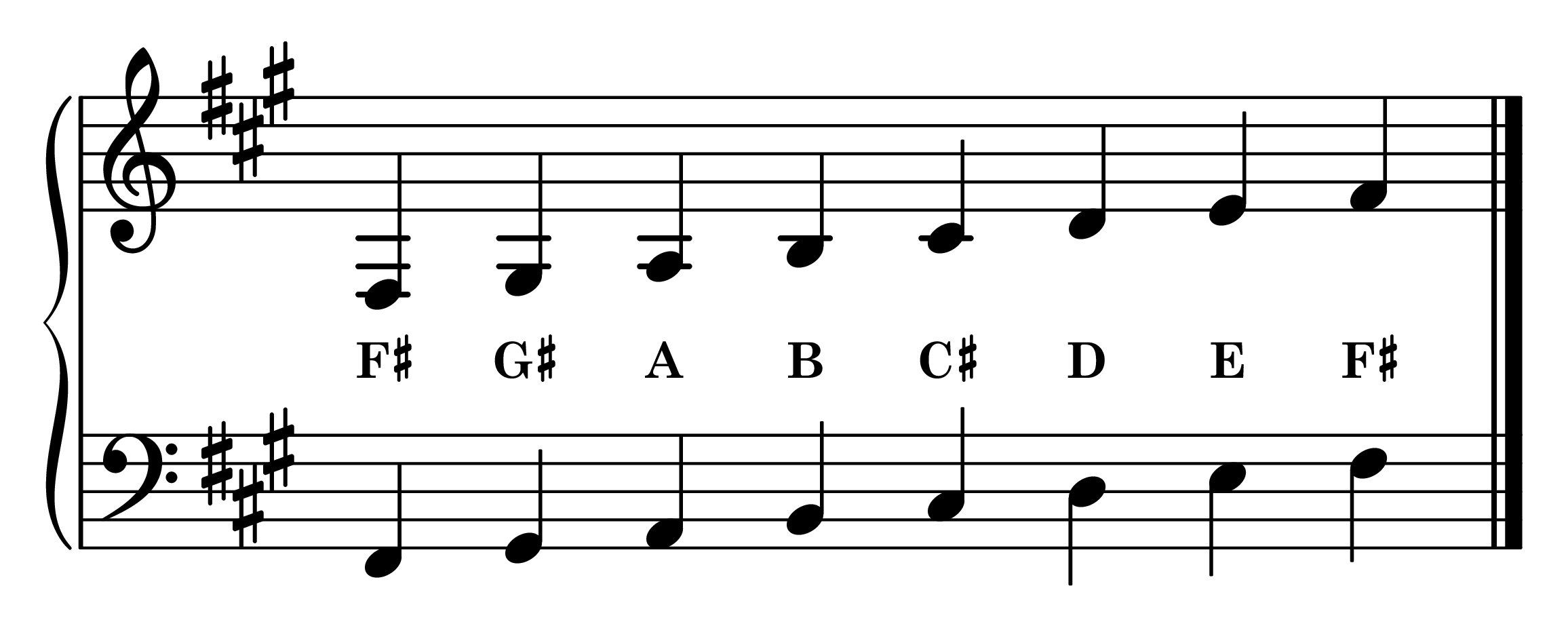
F-sharp Aeolian mode notes on staff with note names
Notes: F♯ G♯ A B C♯ D E F♯
RH Fingering: 3 4 1 2 3 1 2 3

LH Fingering: 4 3 2 1 3 2 1 4

Parent Scale: A Major Scale

C-sharp Aeolian

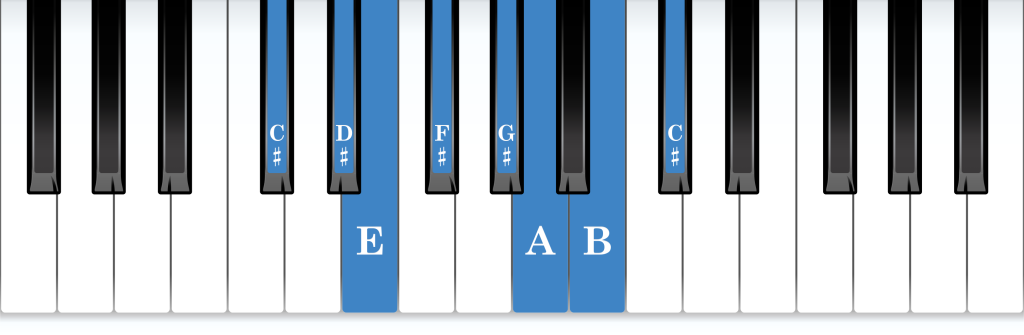
C-sharp Aeolian mode piano notes diagram
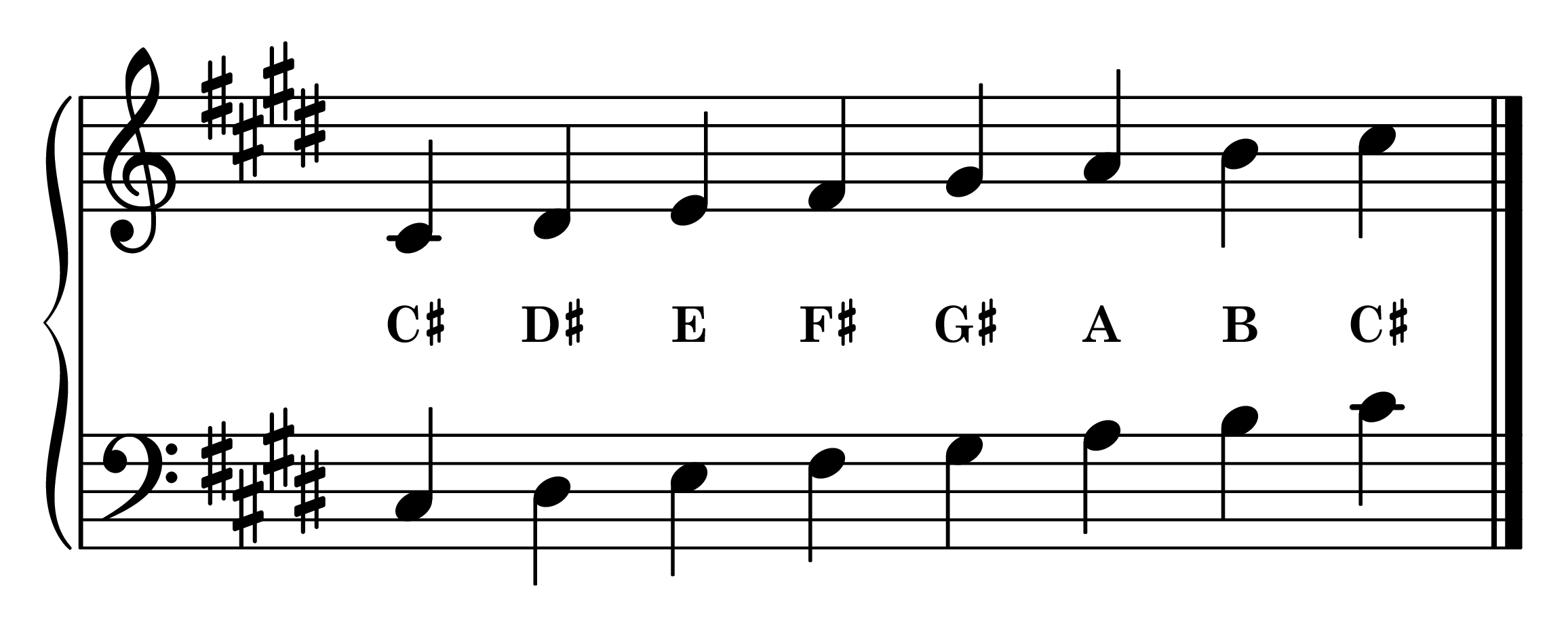
C-sharp Aeolian mode notes on staff with note names
Notes: C♯ D♯ E F♯ G♯ A B C♯
RH Fingering: 3 4 1 2 3 1 2 3

LH Fingering: 3 2 1 4 3 2 1 3

Parent Scale: E Major Scale

G-sharp Aeolian

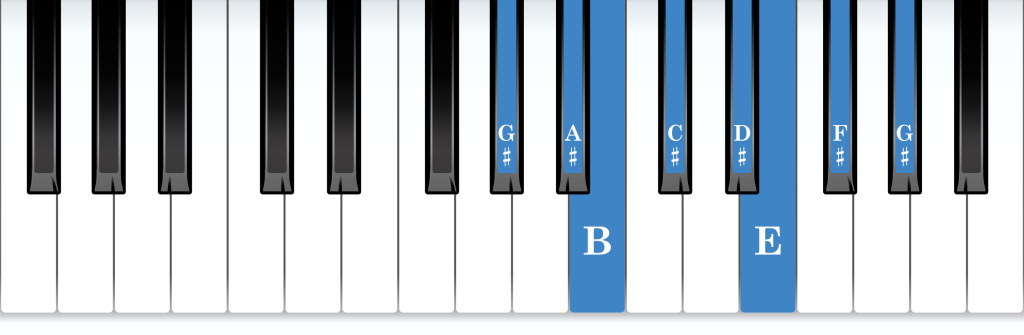
G-sharp Aeolian mode piano notes diagram
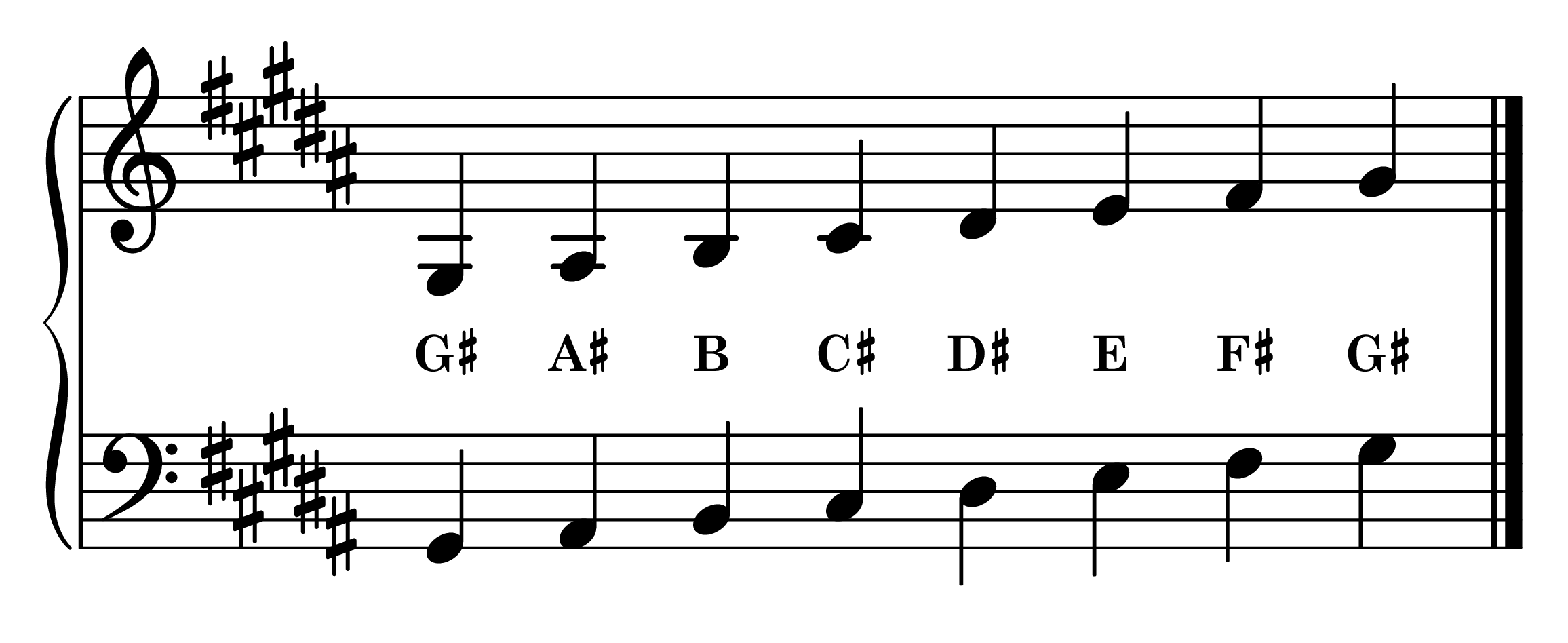
G-sharp Aeolian mode notes on staff with note names
Notes: G♯ A♯ B C♯ D♯ E F♯ G♯
RH Fingering: 3 4 1 2 3 1 2 3

LH Fingering: 3 2 1 3 2 1 4 3

Parent Scale: B Major Scale

E-flat Aeolian

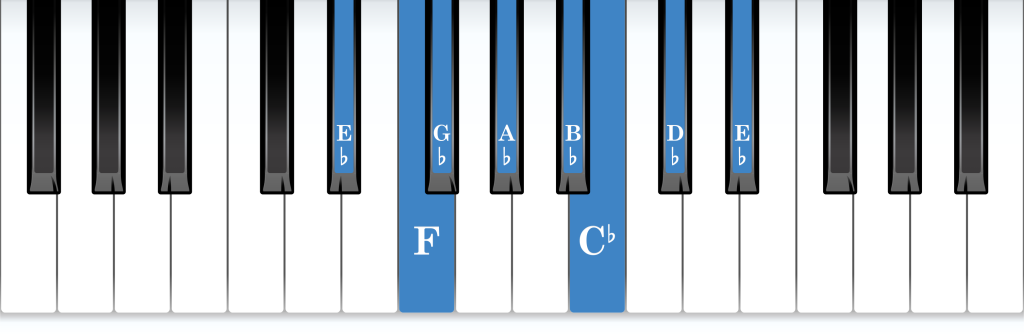
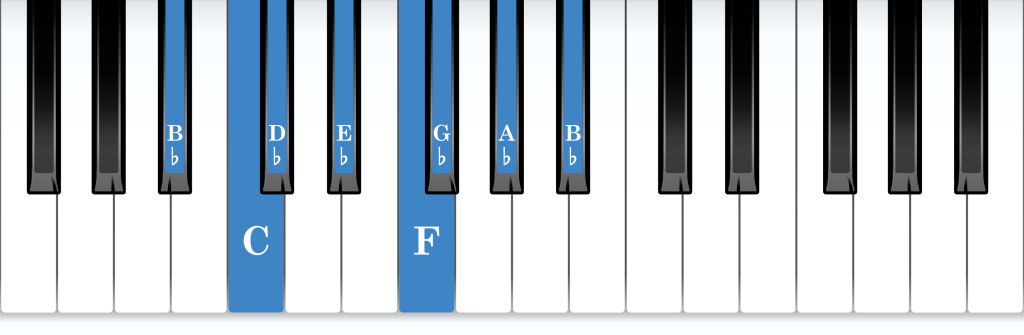
E-flat Aeolian mode piano notes diagram
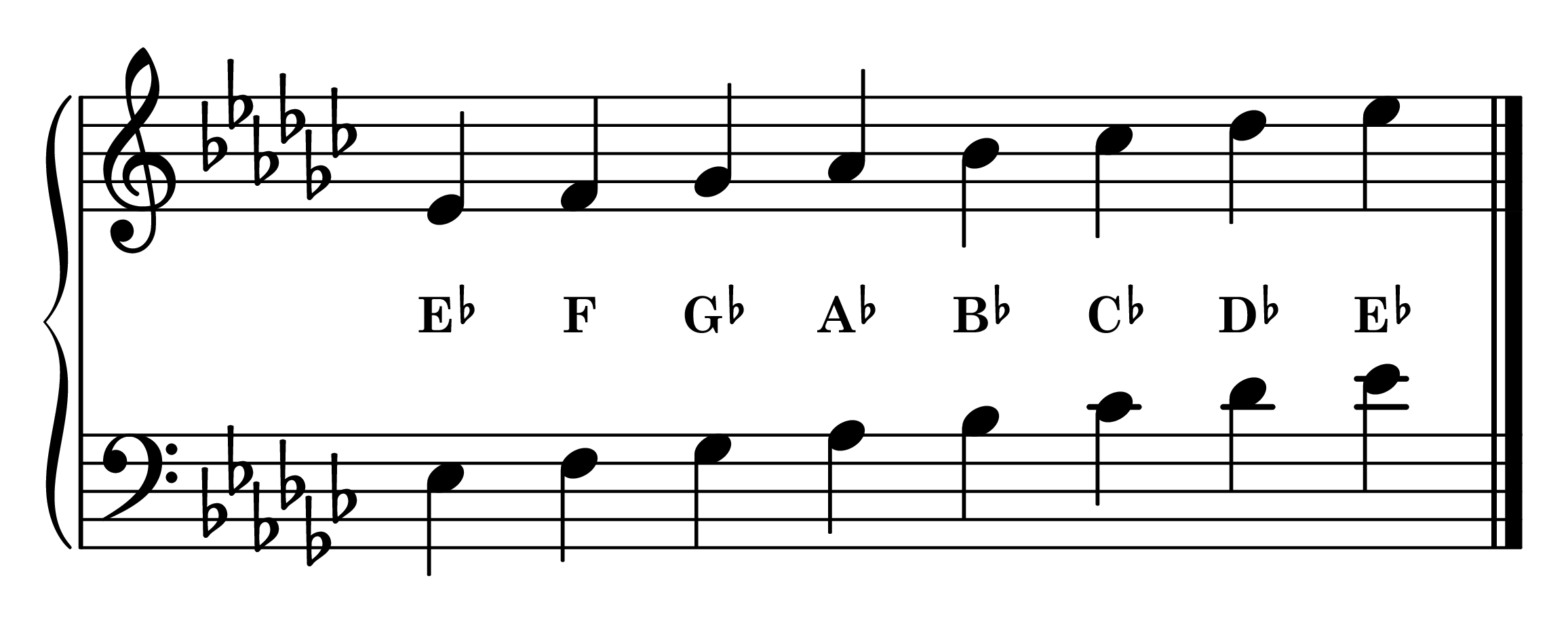
E-flat Aeolian mode notes on staff with note names
Notes: Eâ™­ F Gâ™­ Aâ™­ Bâ™­ Câ™­ Dâ™­ Eâ™­
RH Fingering: 3 1 2 3 4 1 2 3

LH Fingering: 2 1 4 3 2 1 3 2

Parent Scale: G-flat Major Scale

B-flat Aeolian

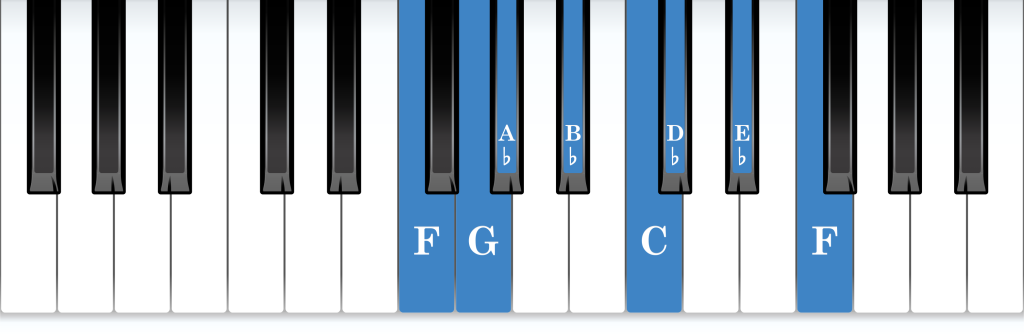
B-flat Aeolian mode piano notes diagram
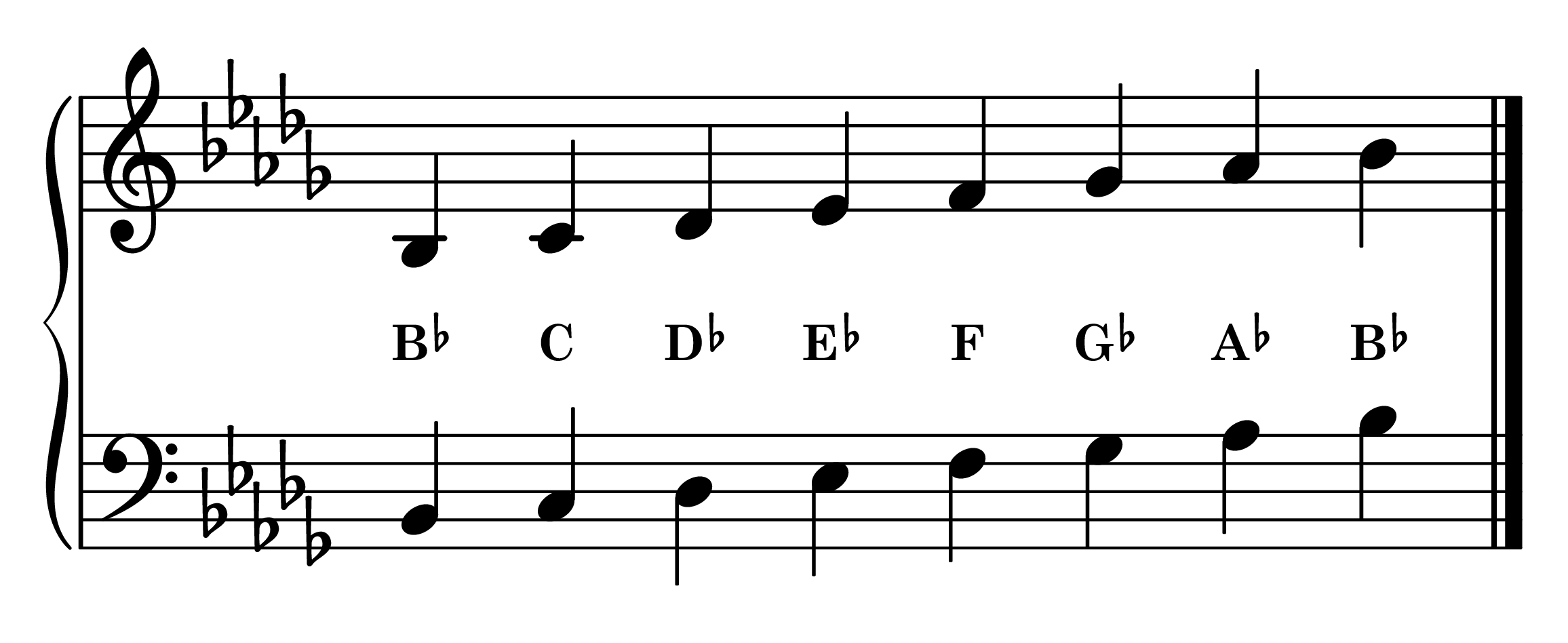
B-flat Aeolian mode notes on staff with note names
Notes: Bâ™­ C Dâ™­ Eâ™­ F Gâ™­ Aâ™­ Bâ™­
RH Fingering: 4 1 2 3 1 2 3 4

LH Fingering: 2 1 3 2 1 4 3 2

Parent Scale: D-flat Major Scale

F Aeolian

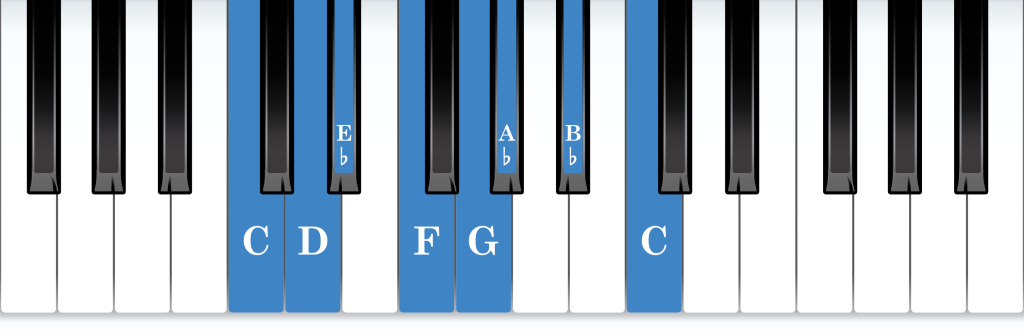
F Aeolian mode piano notes diagram
F Aeolian mode notes on staff with note names
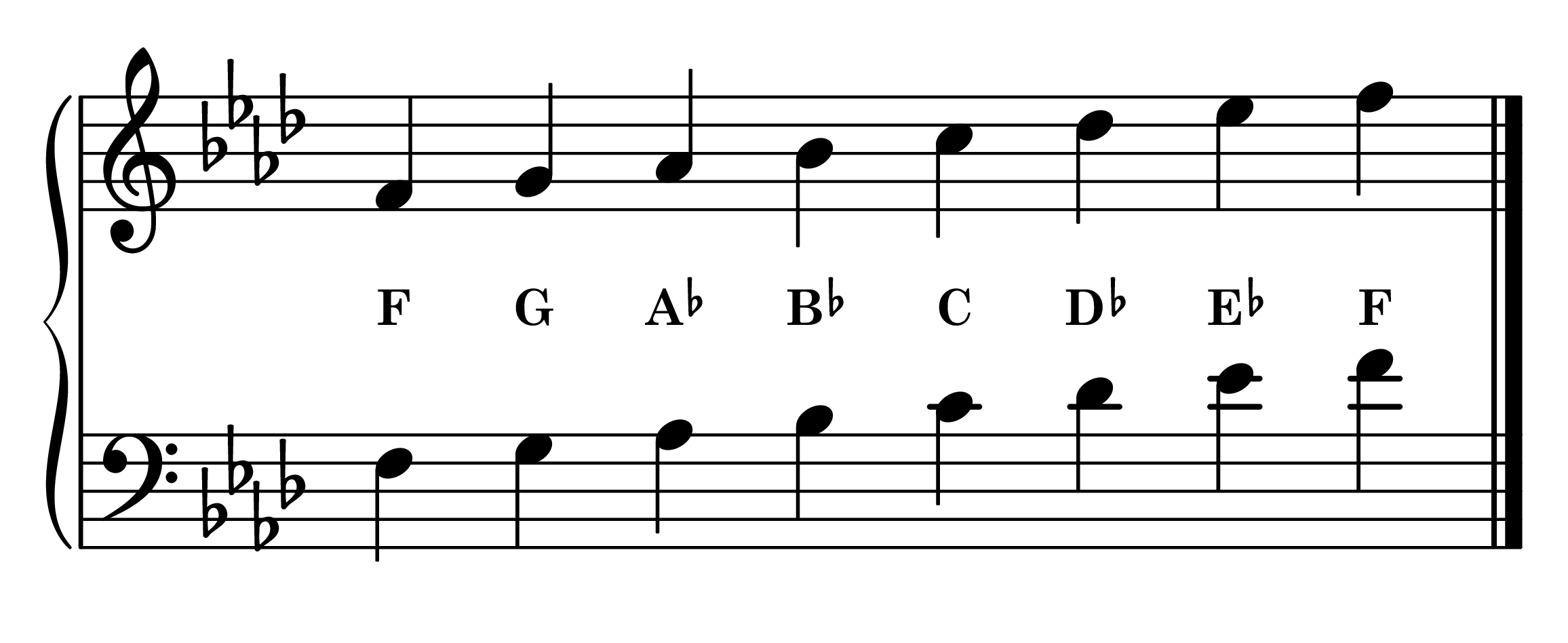
Notes: F G Aâ™­ Bâ™­ C Dâ™­ Eâ™­ F
RH Fingering: 1 2 3 4 1 2 3 4

LH Fingering: 5 4 3 2 1 3 2 1

Parent Scale: A-flat Major Scale

C Aeolian

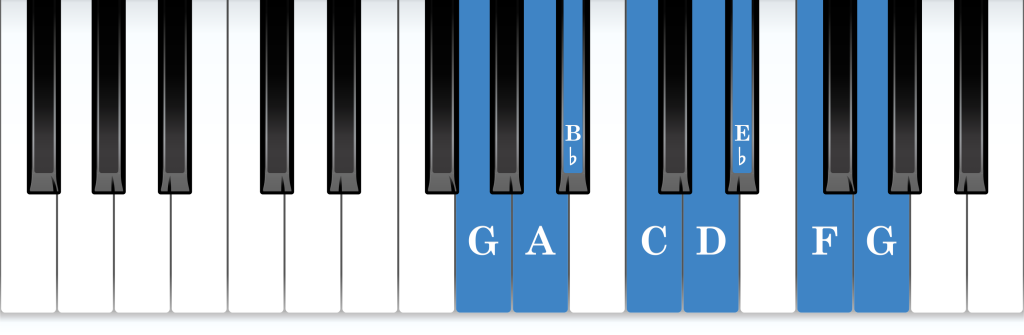
C Aeolian mode piano notes diagram
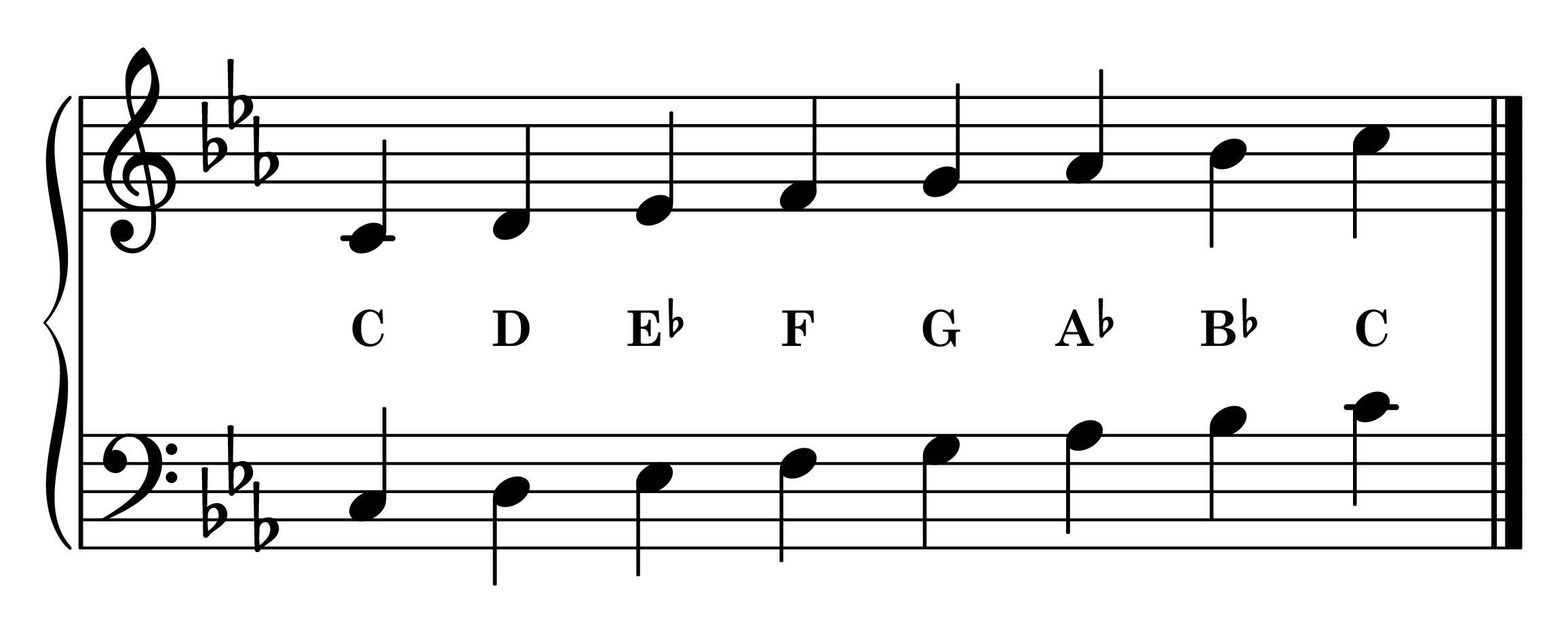
C Aeolian mode notes on staff with note names
Notes: C D Eâ™­ F G Aâ™­ Bâ™­ C
RH Fingering: 1 2 3 1 2 3 4 5

LH Fingering: 5 4 3 2 1 3 2 1

Parent Scale: E-flat Major Scale

G Aeolian

G Aeolian mode piano notes diagram
G Aeolian mode notes on staff with note names
Notes: G A Bâ™­ C D Eâ™­ F G
RH Fingering: 1 2 3 1 2 3 4 5

LH Fingering: 5 4 3 2 1 3 2 1

Parent Scale: B-flat Major Scale

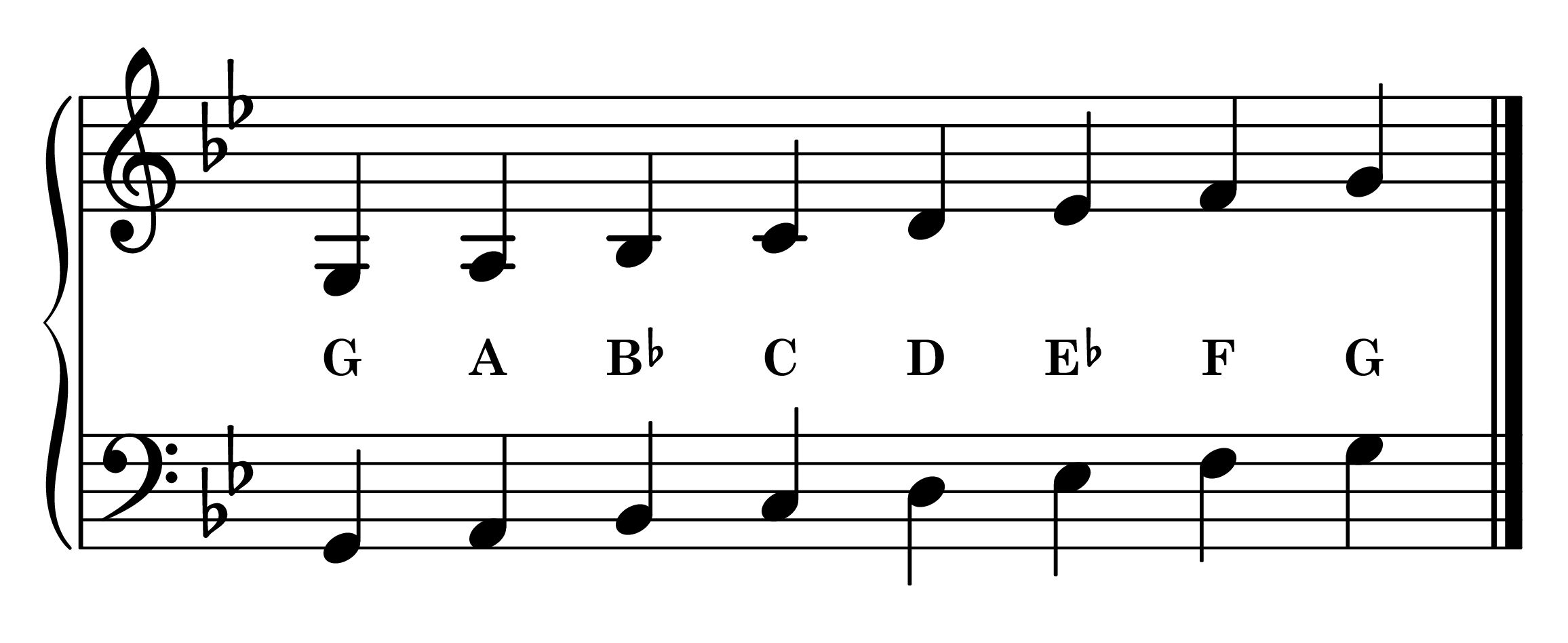
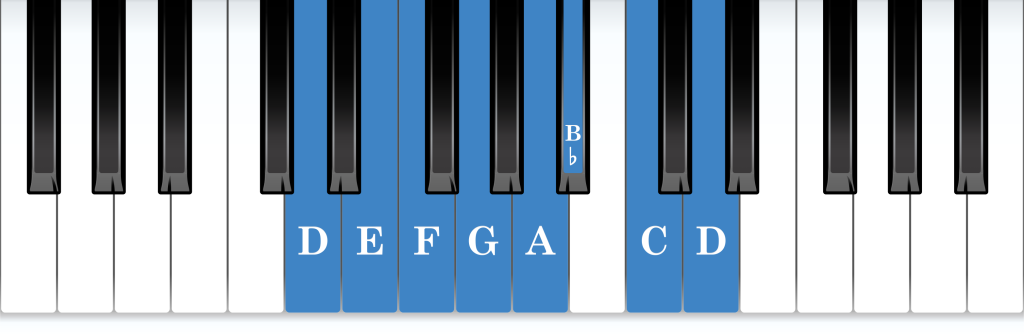
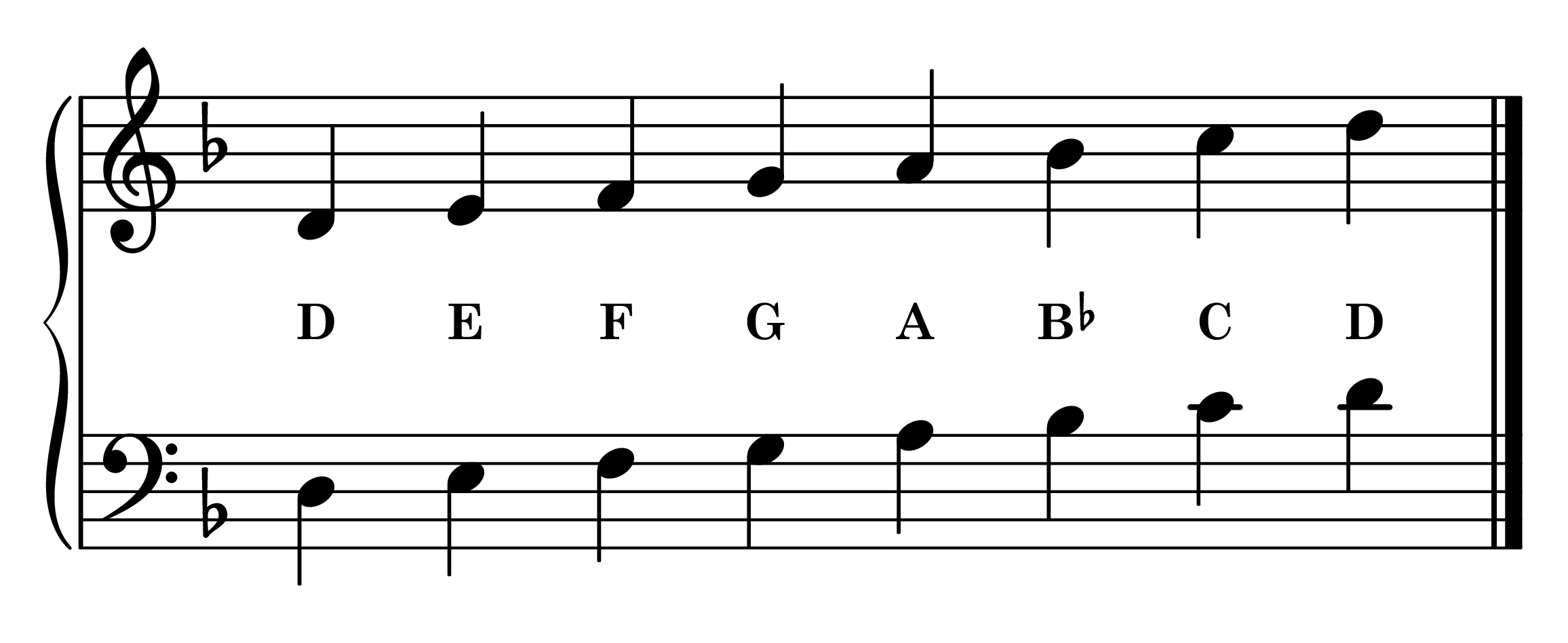
D Aeolian

D Aeolian mode piano notes diagram
D Aeolian mode notes on staff with note names
Notes: D E F G A Bâ™­ C D
RH Fingering: 1 2 3 1 2 3 4 5

LH Fingering: 5 4 3 2 1 3 2 1

Parent Scale: F Major Scale

What gives the Aeolian mode its sound

Aeolian has a minor 3rd, a minor 6th and a minor 7th above the tonic. The lowered 6th gives it its darker, heavier quality, and the lowered 7th means there’s no leading tone. That’s why music in minor keys usually raises the 7th near a cadence, which turns the natural minor into the harmonic minor.

Try playing A Aeolian and then A Dorian, and listen to the 6th: F in one, F-sharp in the other.

Finding Aeolian on any note

Aeolian is the major scale played from its 6th note: A Aeolian uses the notes of C major, and E Aeolian the notes of G major. It’s also simply the natural minor scale, so each Aeolian lesson links to that scale’s own lesson and uses the same fingering.

Where Aeolian is heard

Like Ionian, Aeolian was added to the church modes by Glarean in 1547. As the natural minor, it sits underneath a great deal of music in minor keys, though composers usually raise its 7th, and often its 6th, as the music moves toward a cadence.

Scroll to Top