
The Lydian Mode
The Lydian mode is the brightest of the modes. On the white keys it runs from F to F, the notes of C major with F as home. Compared with the major scale on the same note, only the 4th changes: it’s raised a half step, a tritone above the tonic.
The Lydian mode on every note
F Lydian
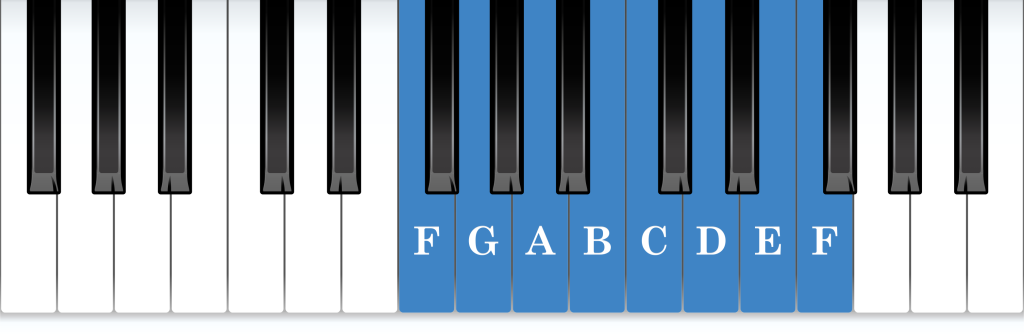
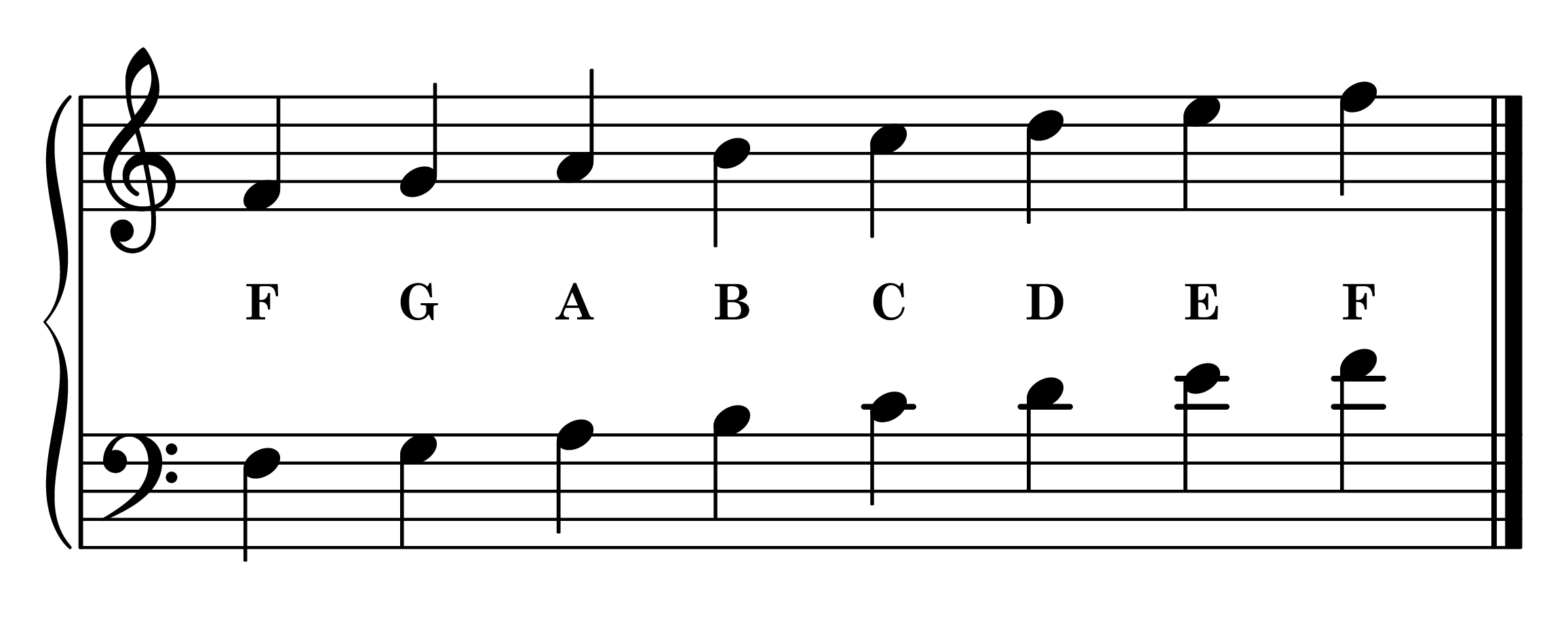
LH Fingering: 5 4 3 2 1 3 2 1
C Lydian
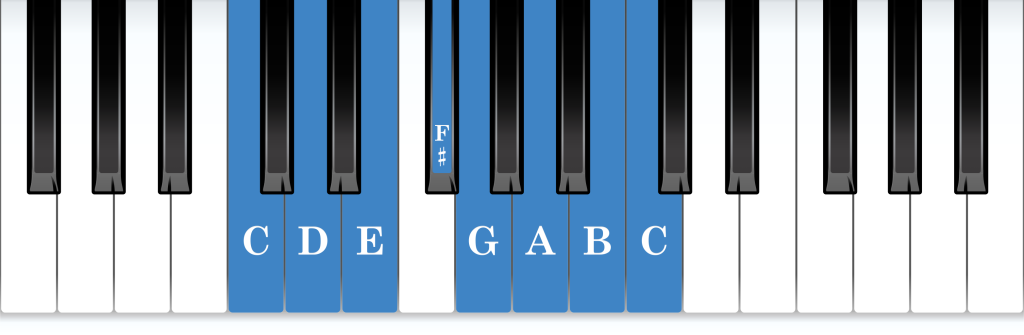
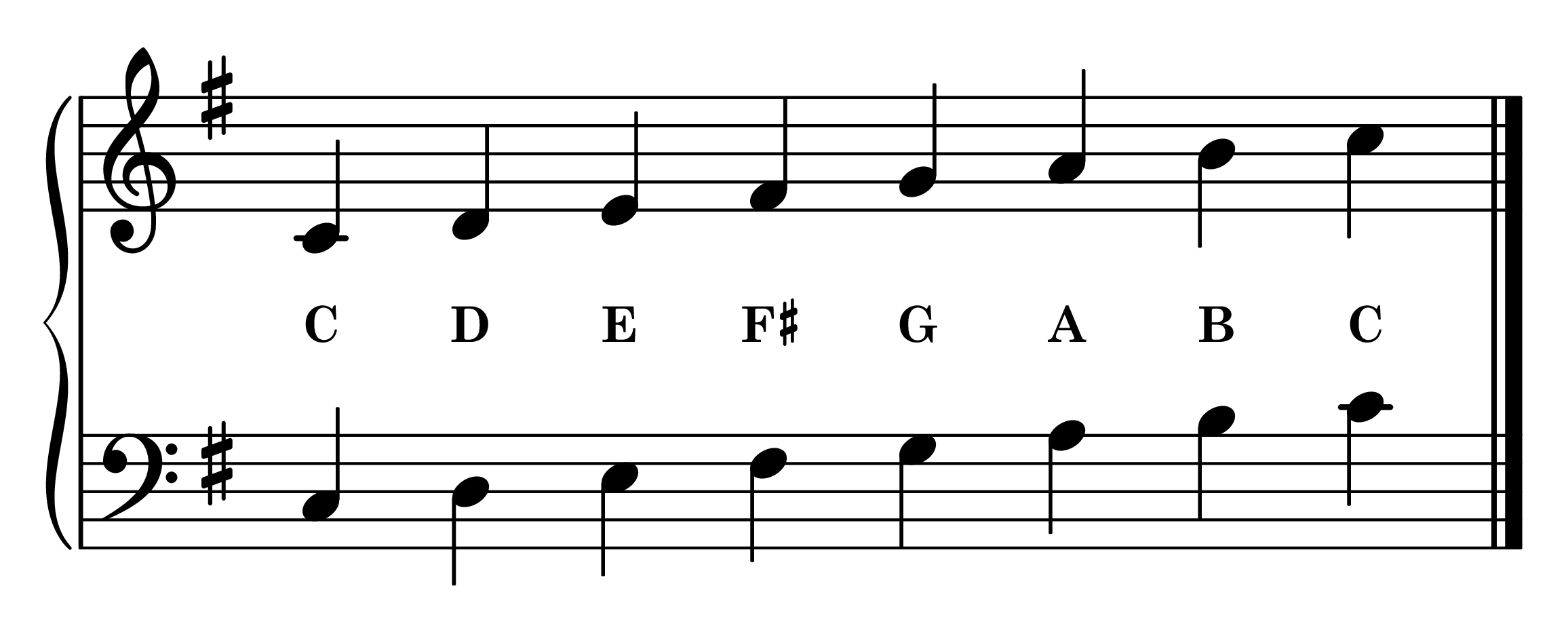
LH Fingering: 5 4 3 2 1 3 2 1
G Lydian
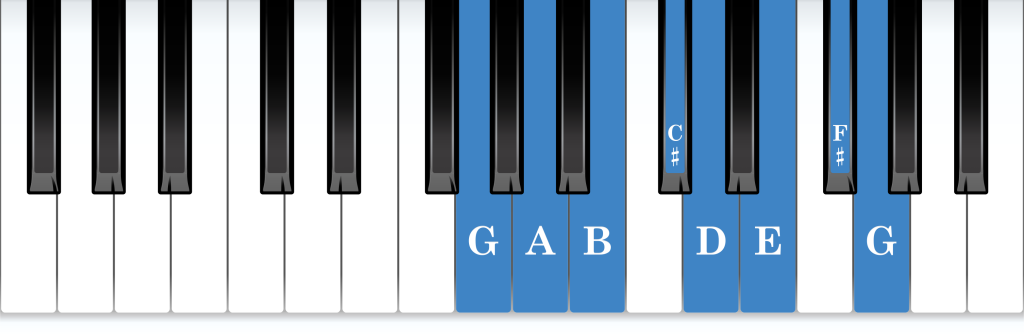
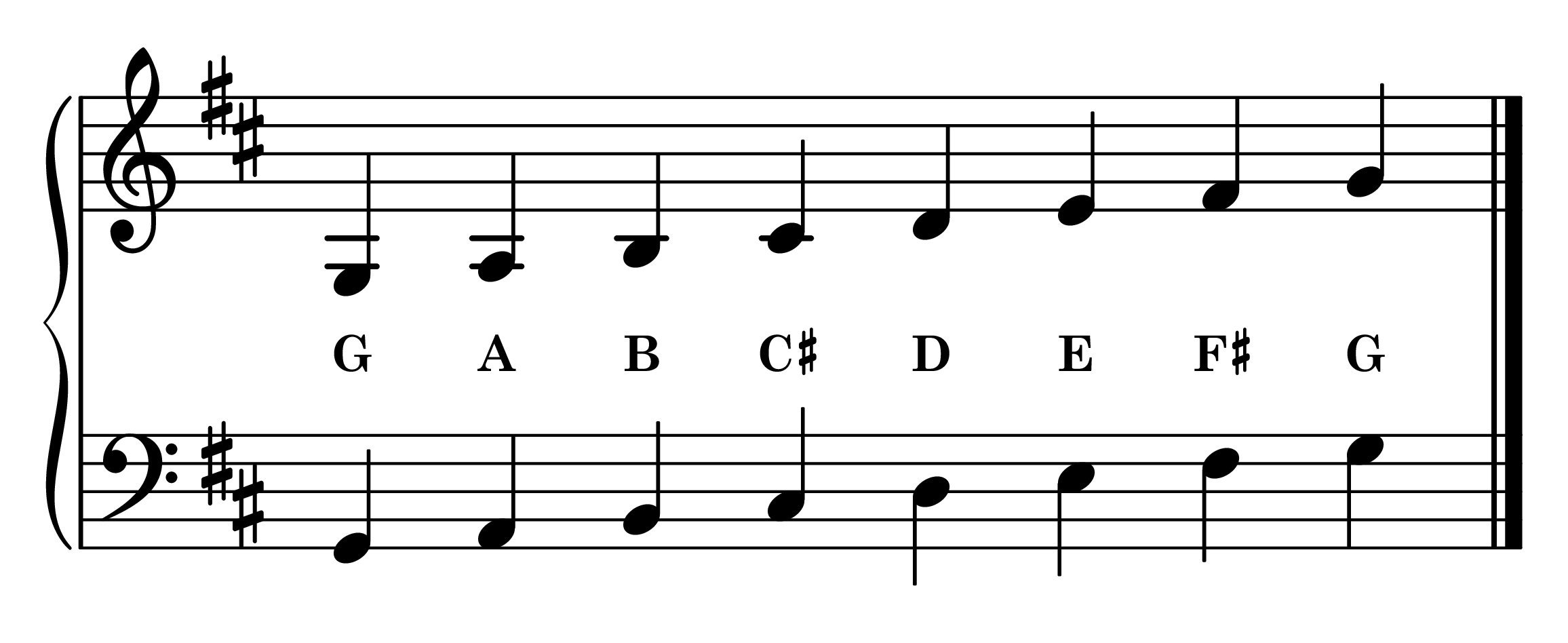
LH Fingering: 5 4 3 2 1 3 2 1
D Lydian
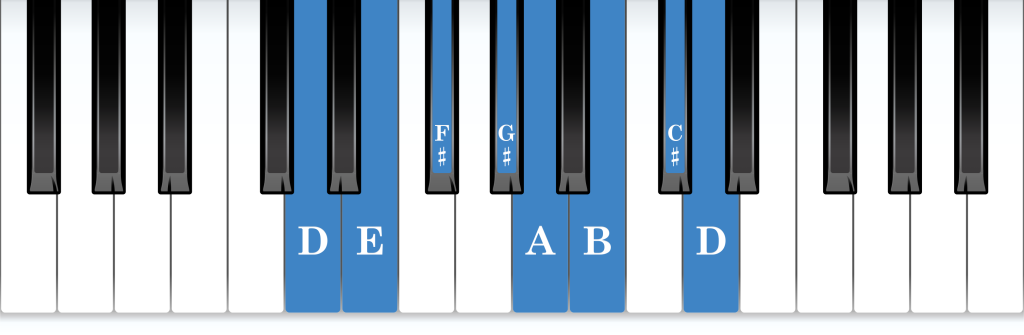
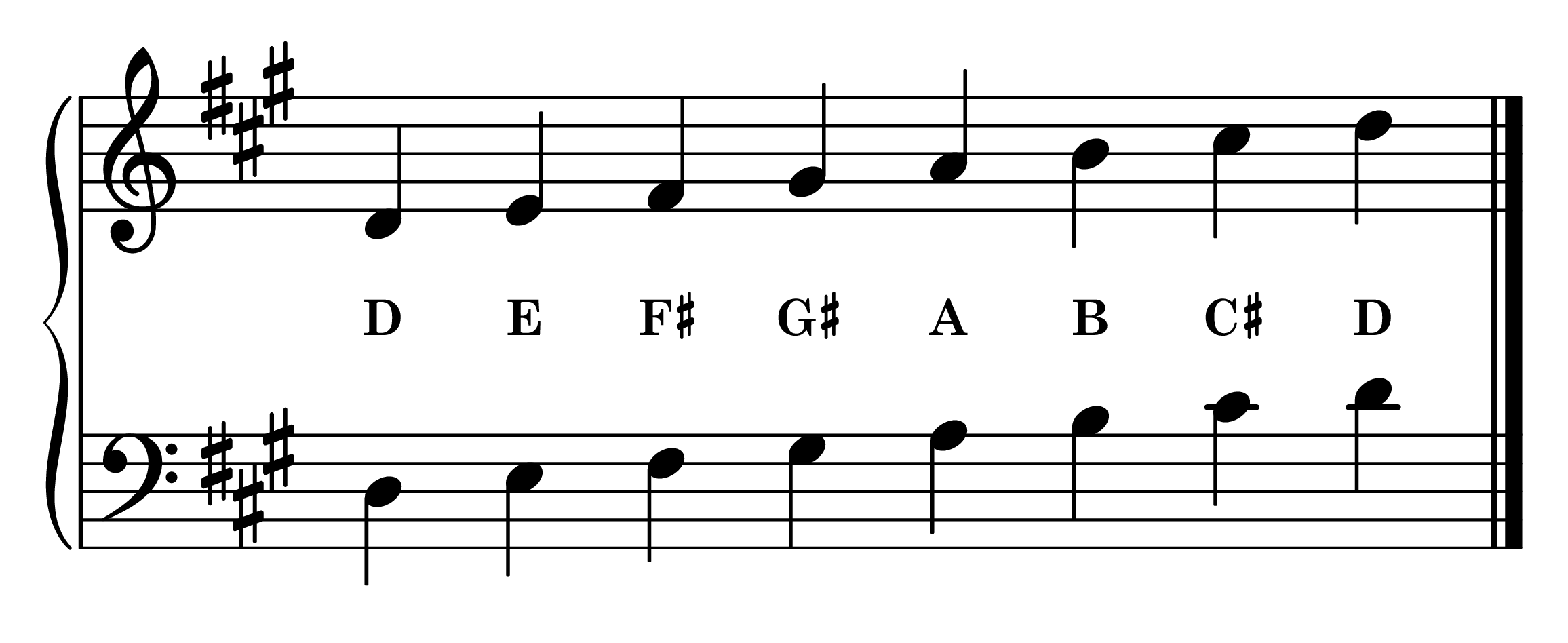
LH Fingering: 5 4 3 2 1 3 2 1
A Lydian
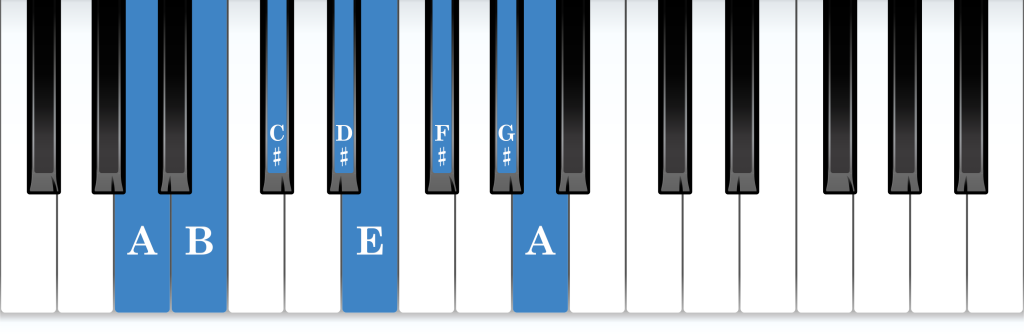
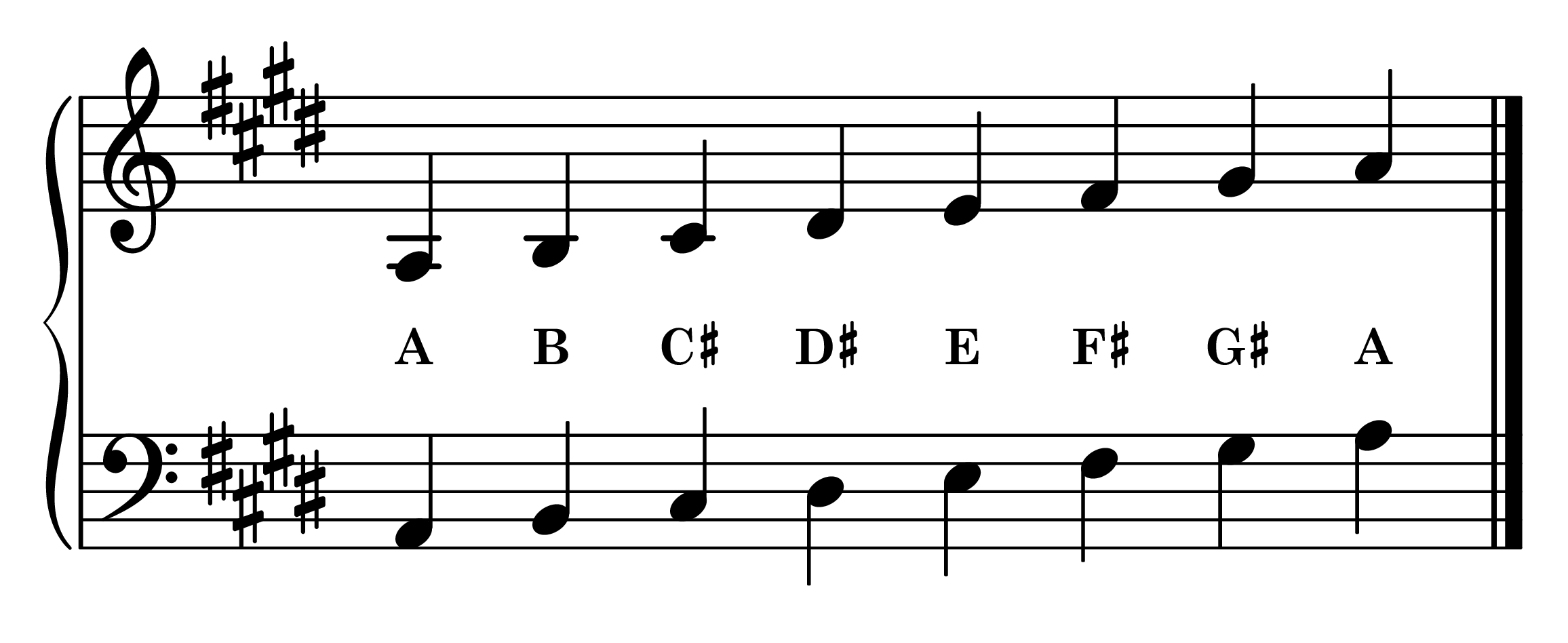
LH Fingering: 5 4 3 2 1 3 2 1
E Lydian
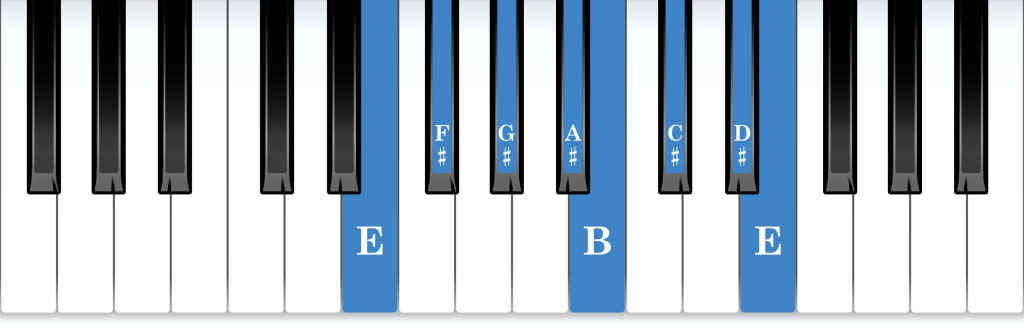
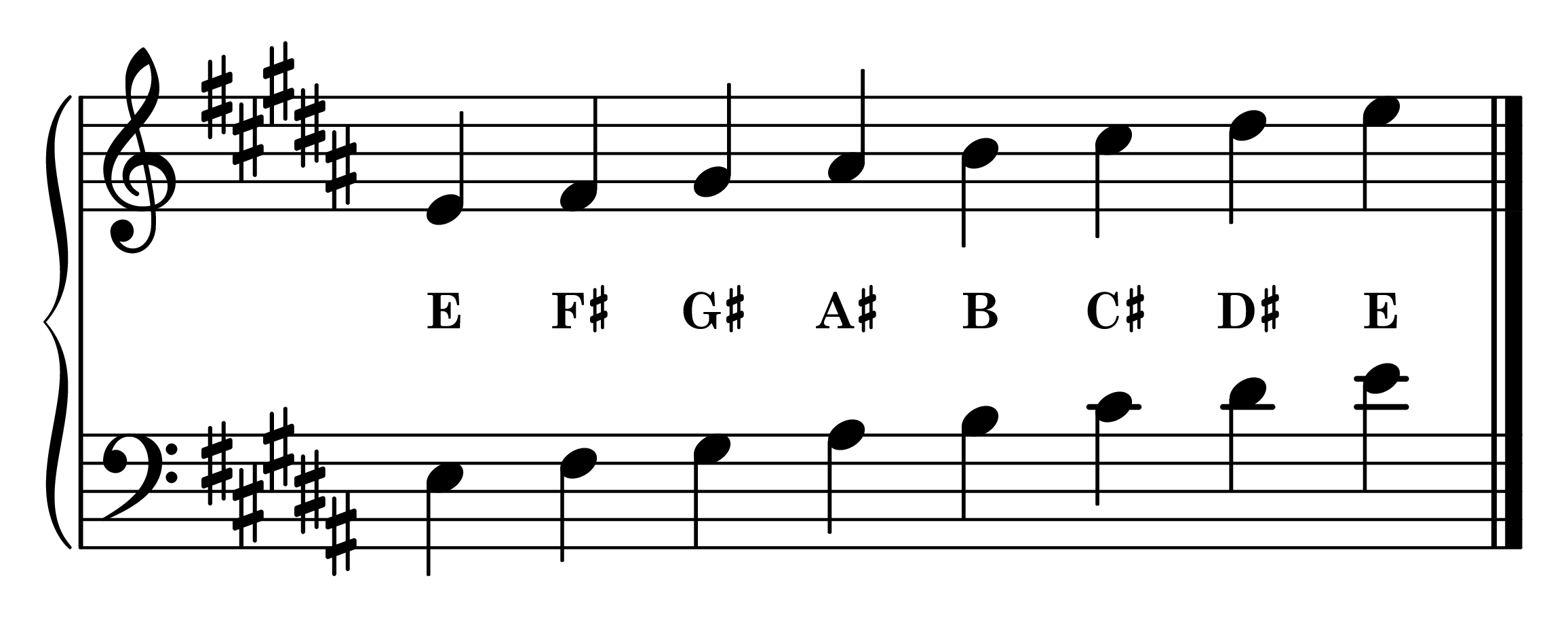
LH Fingering: 5 4 3 2 1 3 2 1
B Lydian
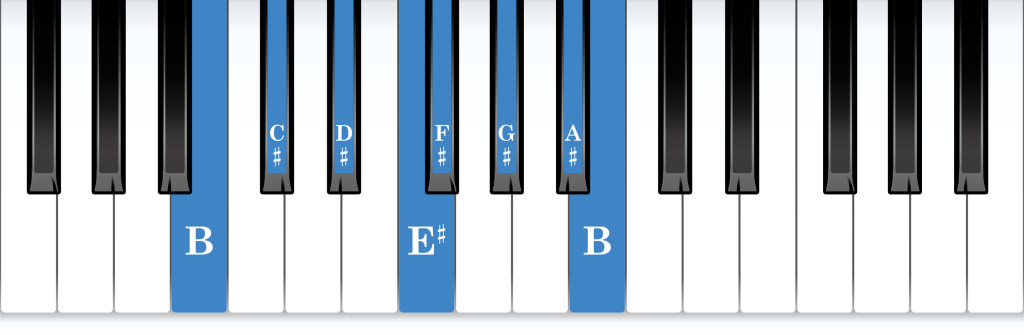
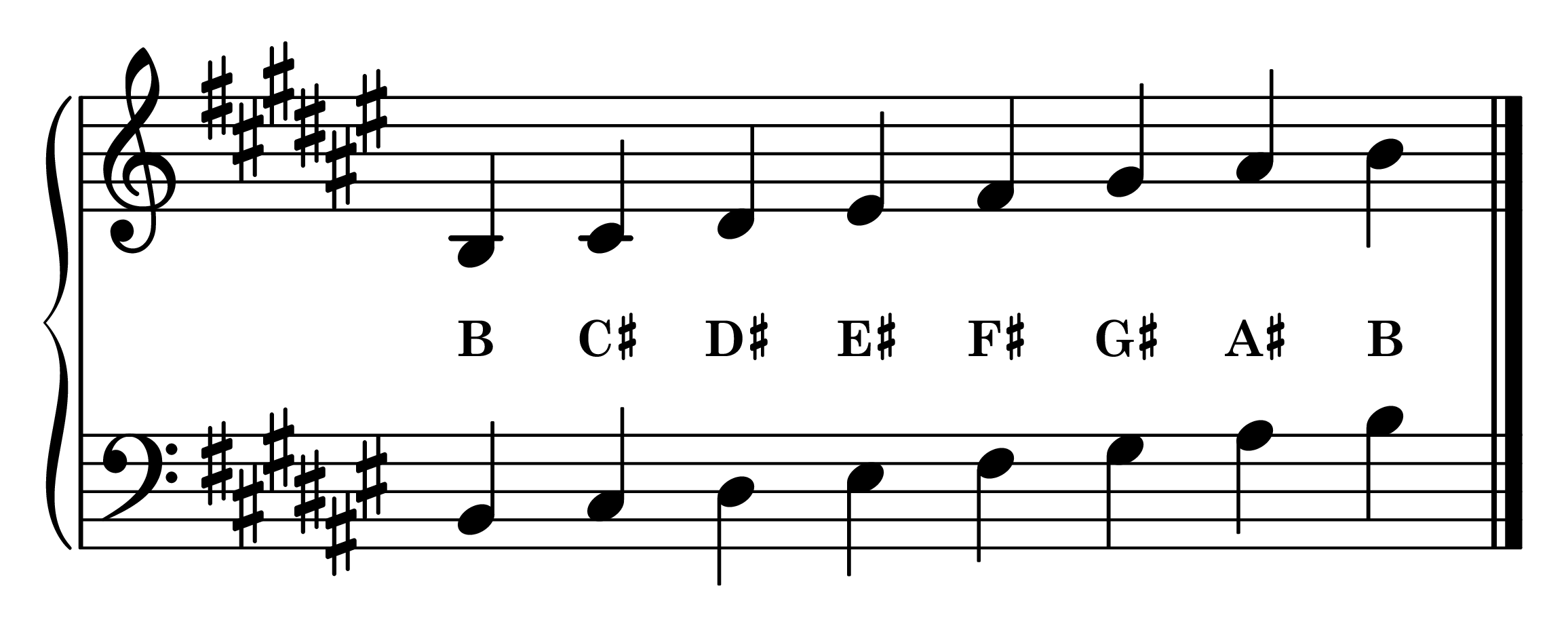
LH Fingering: 4 3 2 1 4 3 2 1
G-flat Lydian
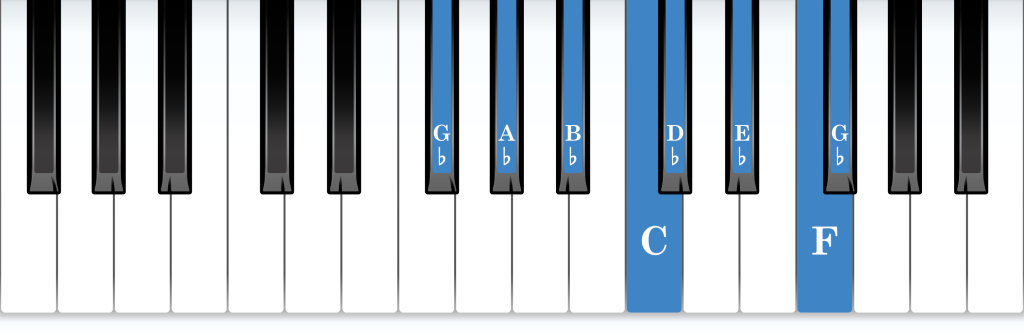
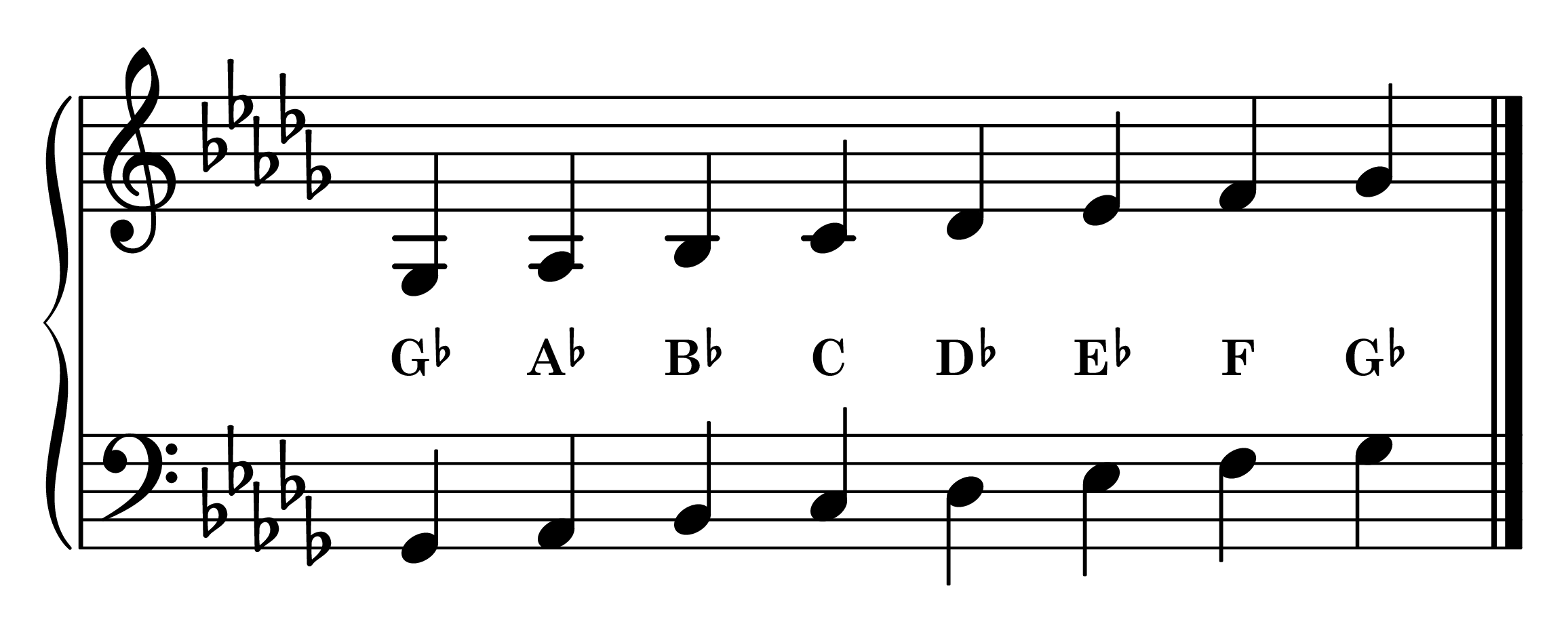
LH Fingering: 4 3 2 1 3 2 1 4
D-flat Lydian
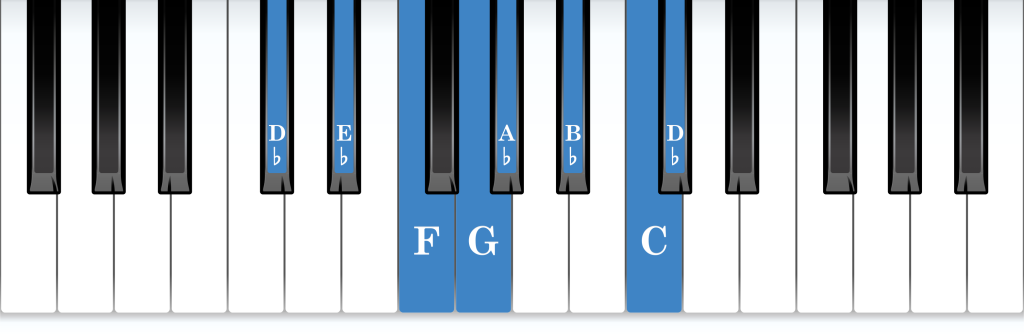
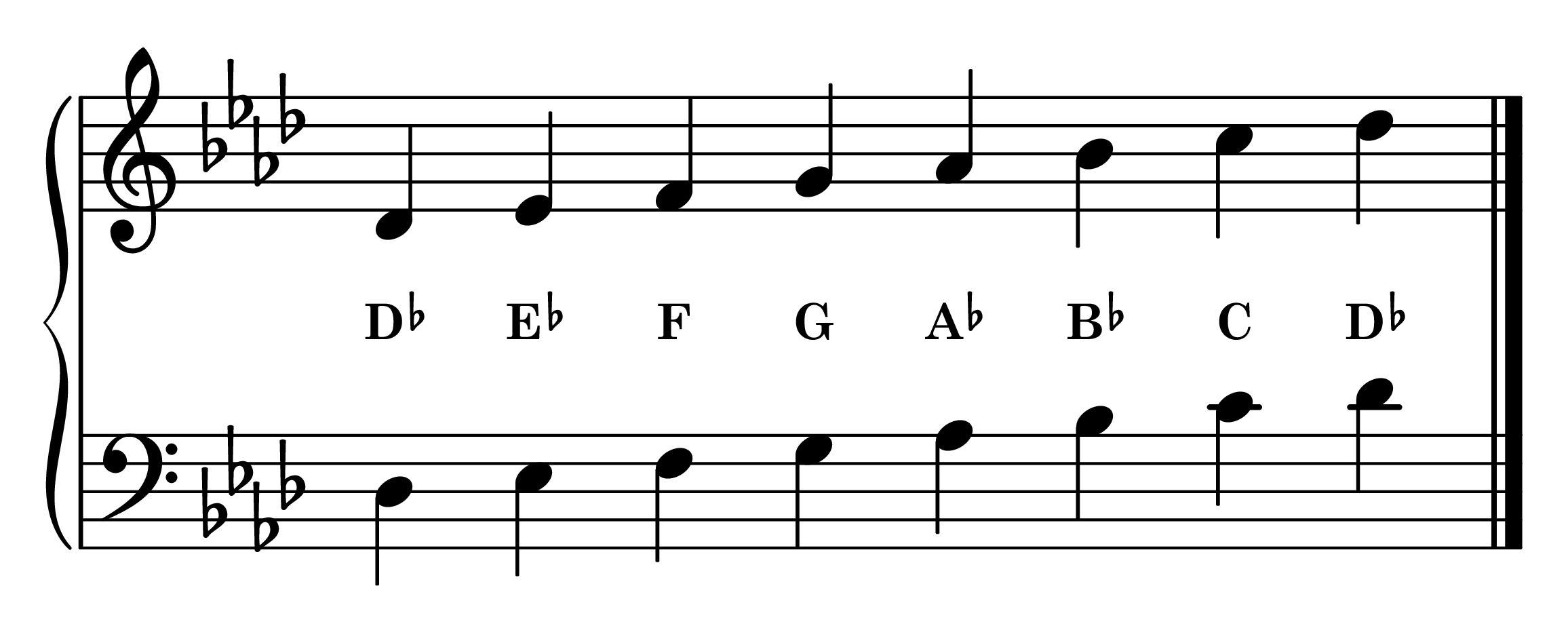
LH Fingering: 4 3 2 1 3 2 1 4
A-flat Lydian
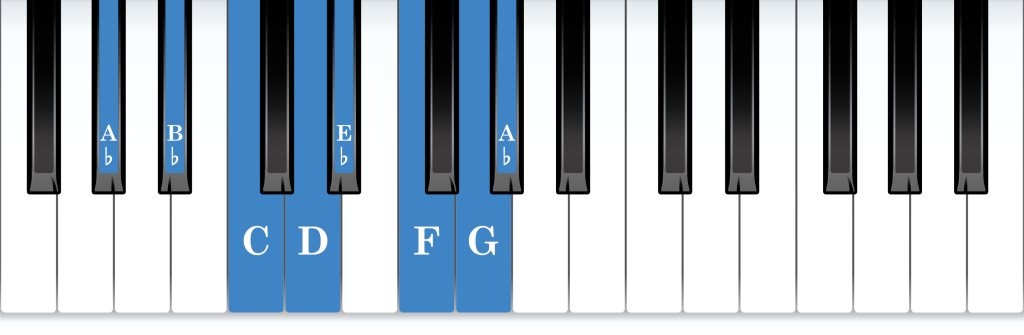
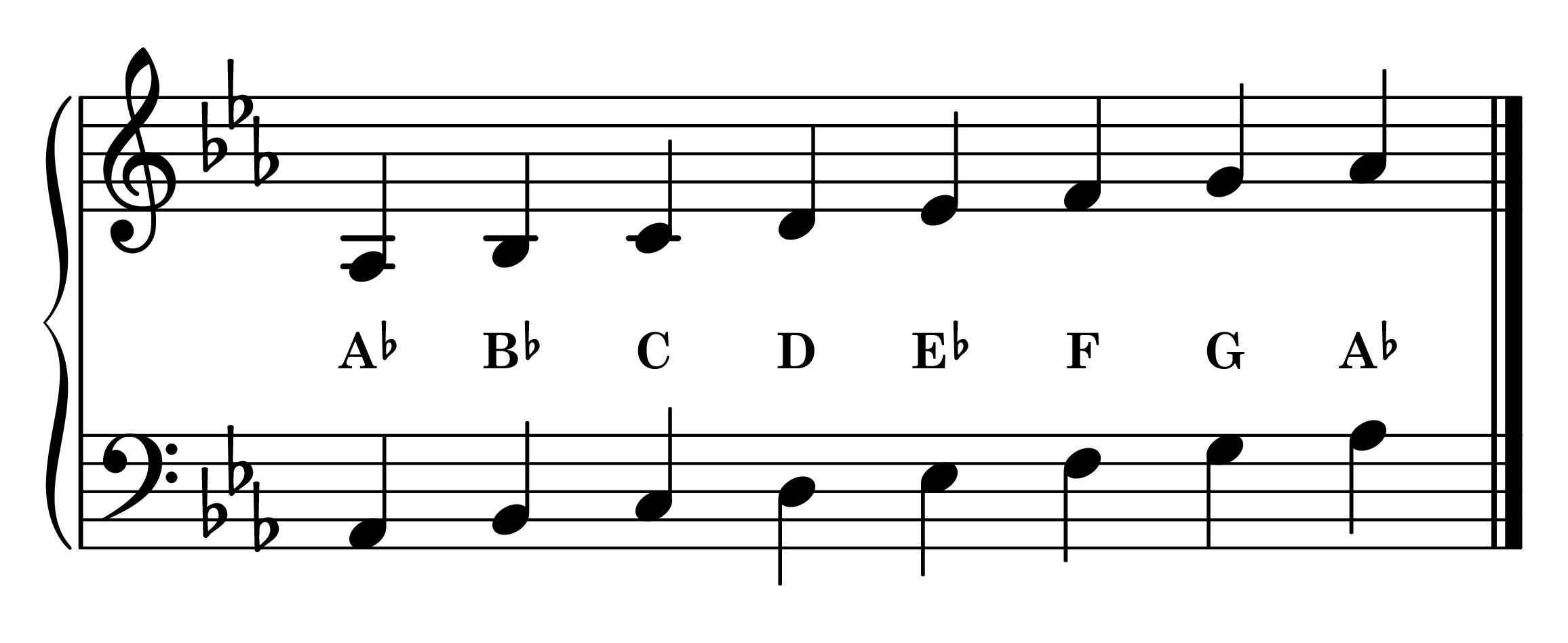
LH Fingering: 4 3 2 1 3 2 1 4
E-flat Lydian
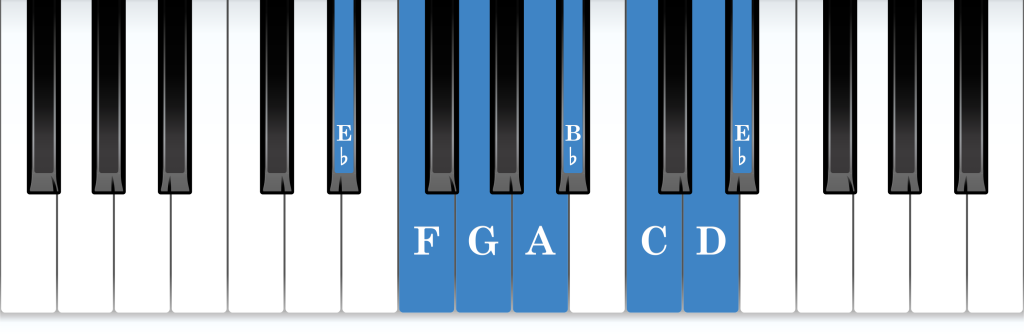
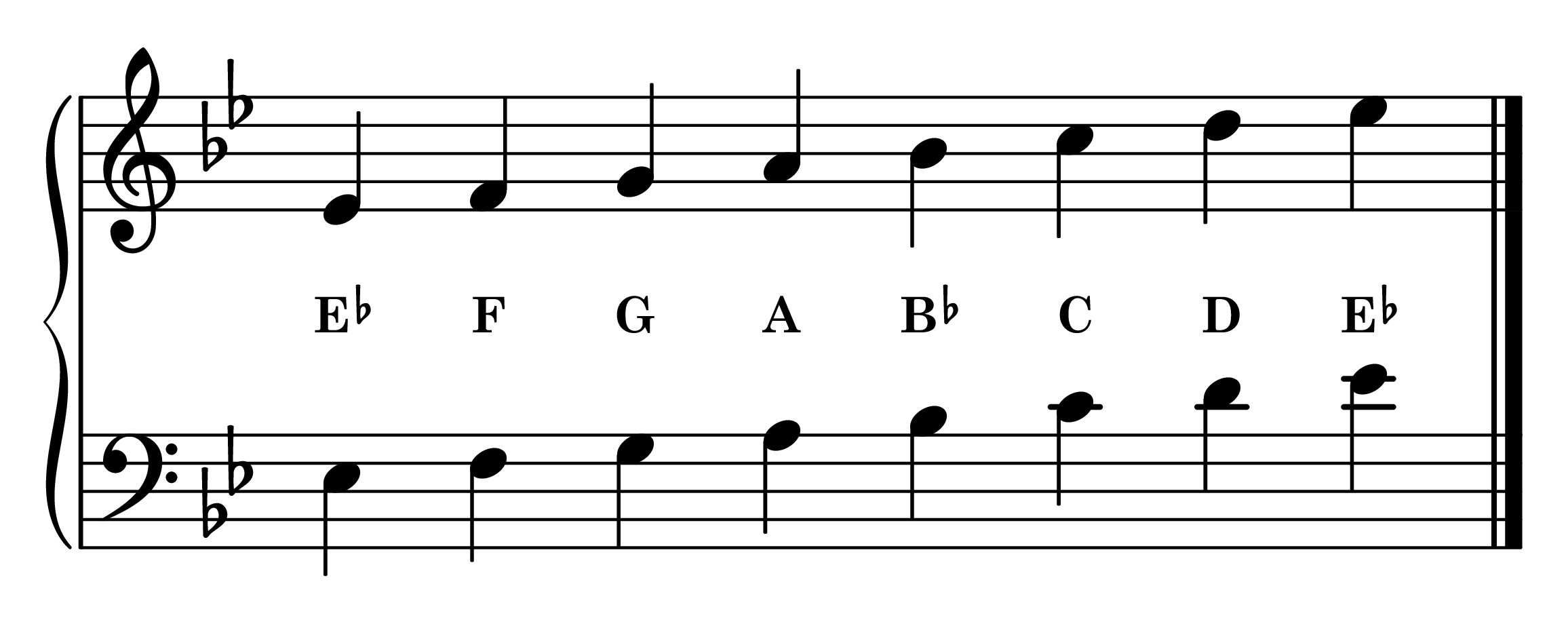
LH Fingering: 4 3 2 1 3 2 1 4
B-flat Lydian
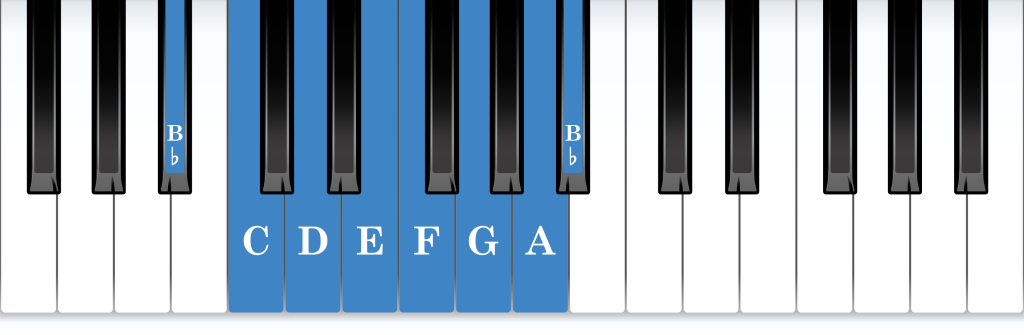
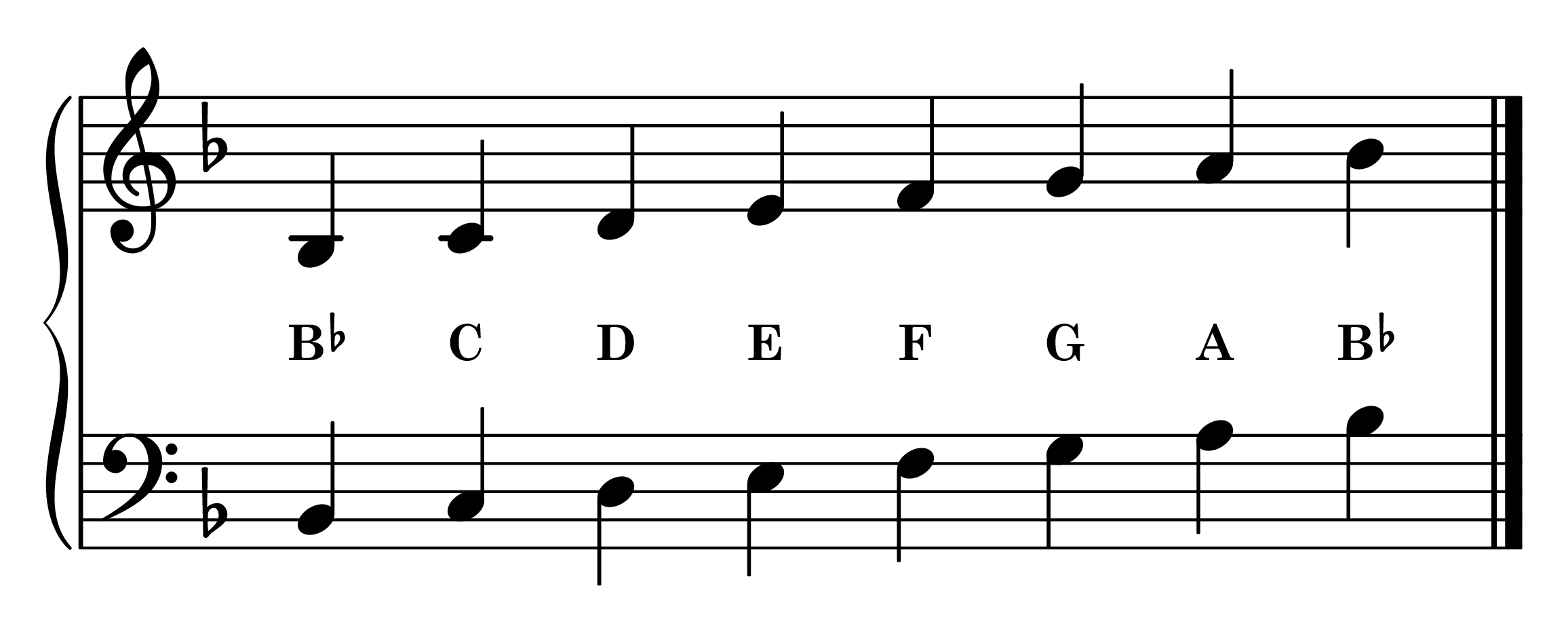
LH Fingering: 2 1 3 2 1 4 3 2
What gives the Lydian mode its sound
In the major scale, the 4th is the note that wants to fall to the 3rd. In Lydian the 4th is raised, so instead of falling it leans upward toward the 5th, and the whole scale seems to rise and float. It’s major, but brighter and less grounded than the major scale.
Try playing F major and then F Lydian, and listen to the 4th: B-flat in one, B in the other.
Finding Lydian on any note
Lydian is the major scale played from its 4th note: F Lydian uses the notes of C major, and G Lydian the notes of D major. Or, starting from the major scale on the same note, we raise the 4th: F major with B instead of B-flat.
Where Lydian is heard
Lydian is the fifth of the church modes, although in practice chant often softened its 4th with a B-flat, which turned it into something close to F major. Beethoven wrote the slow movement of his String Quartet Op. 132 in the Lydian mode and said so in its title, a hymn of thanksgiving “in the Lydian mode.”
More about the modes: