
The Phrygian Mode
The Phrygian mode is the darkest of the commonly used minor modes. On the white keys it runs from E to E, the notes of C major with E as home. Compared with the natural minor on the same note, only the 2nd changes: it’s lowered a half step, so it sits right above the tonic.
The Phrygian mode on every note
E Phrygian
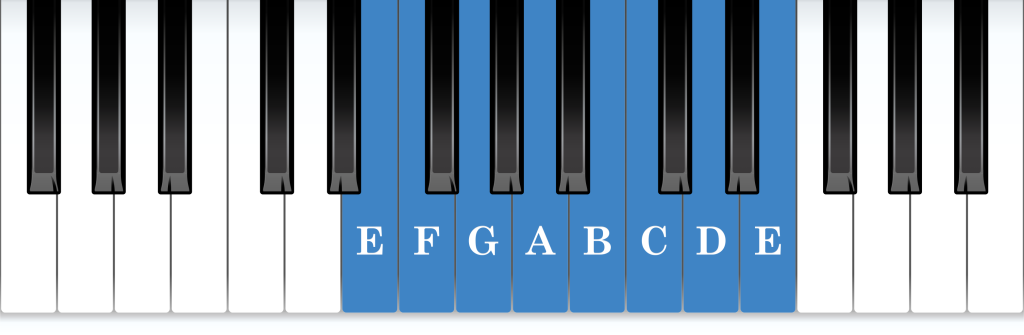
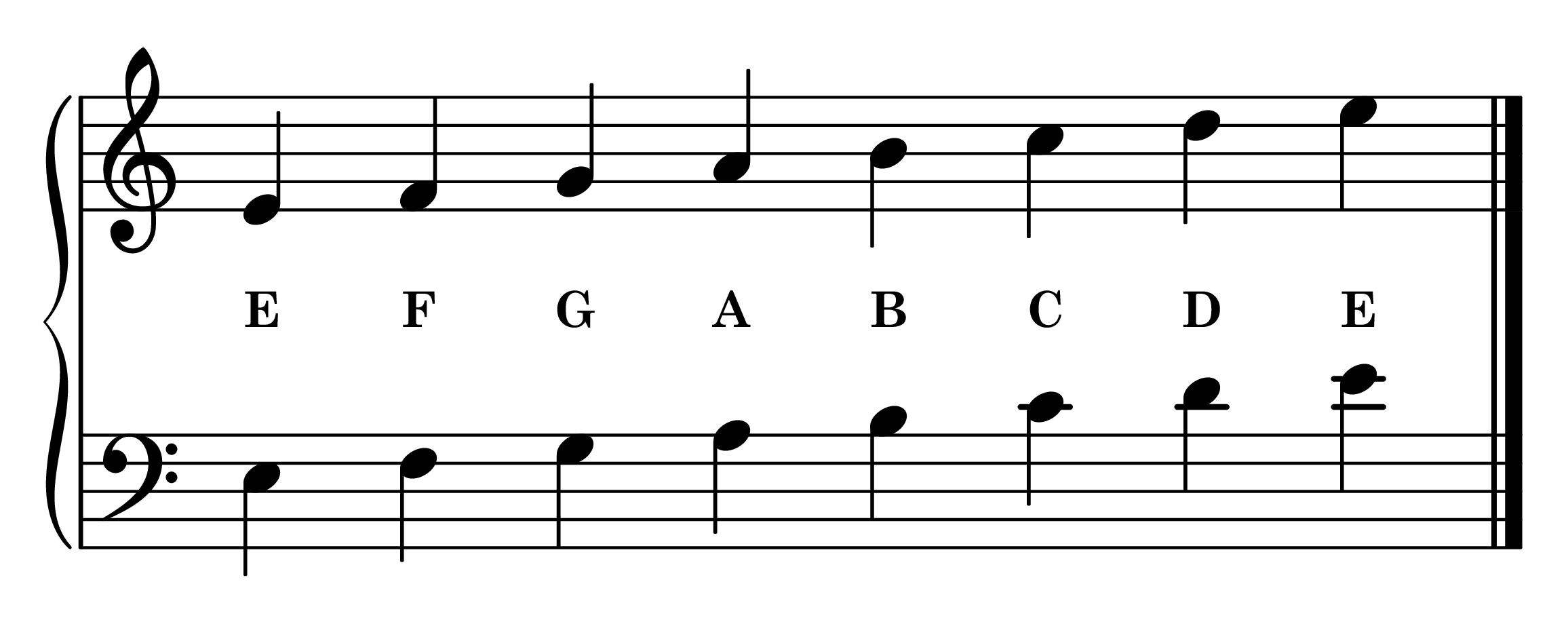
LH Fingering: 5 4 3 2 1 3 2 1
B Phrygian
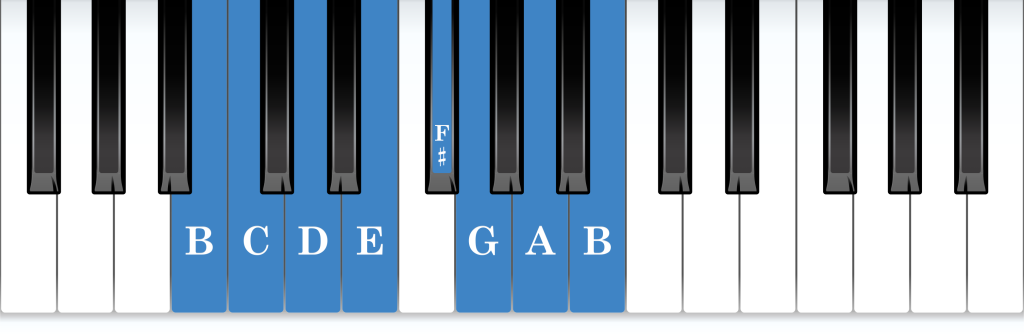
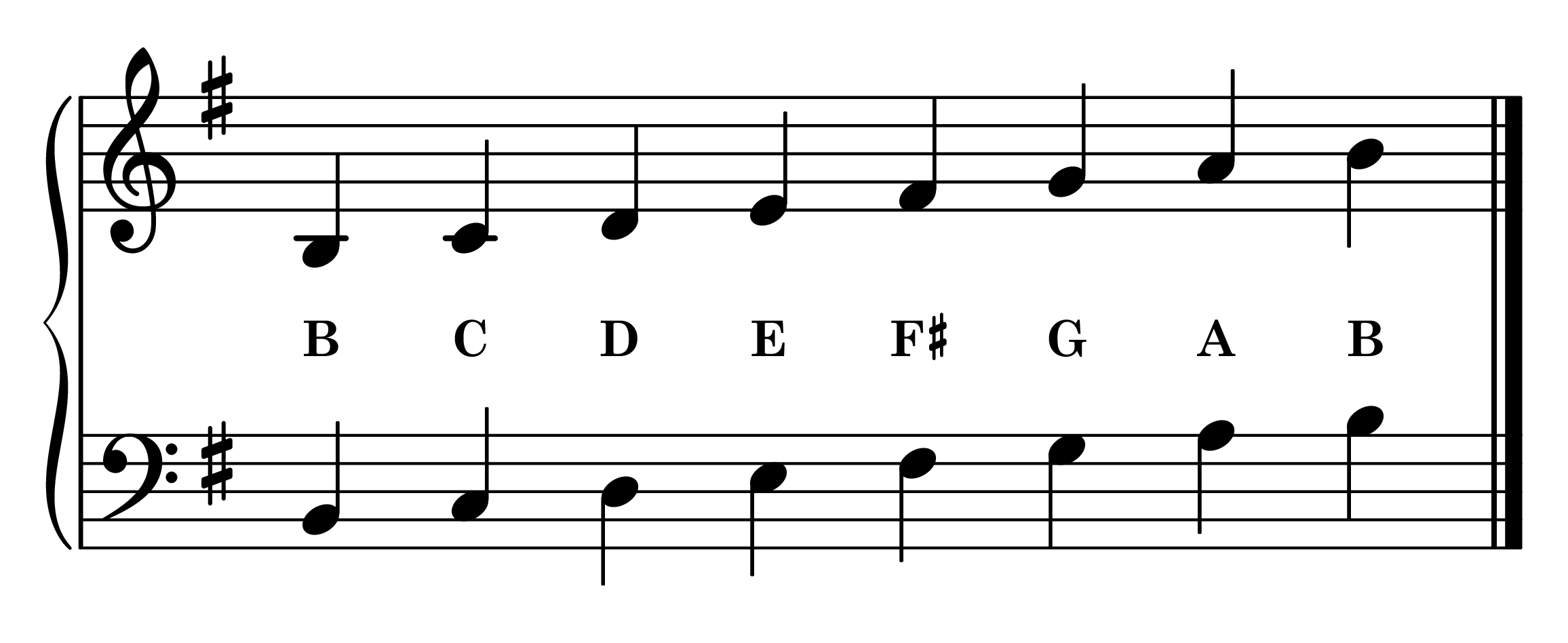
LH Fingering: 3 2 1 3 2 1 4 3
F-sharp Phrygian
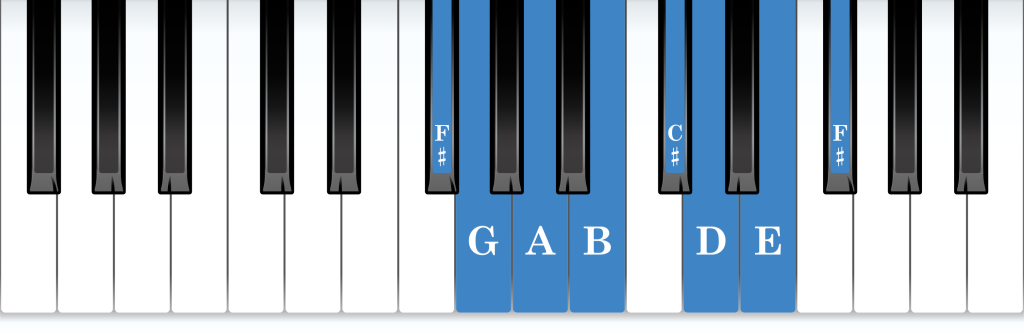
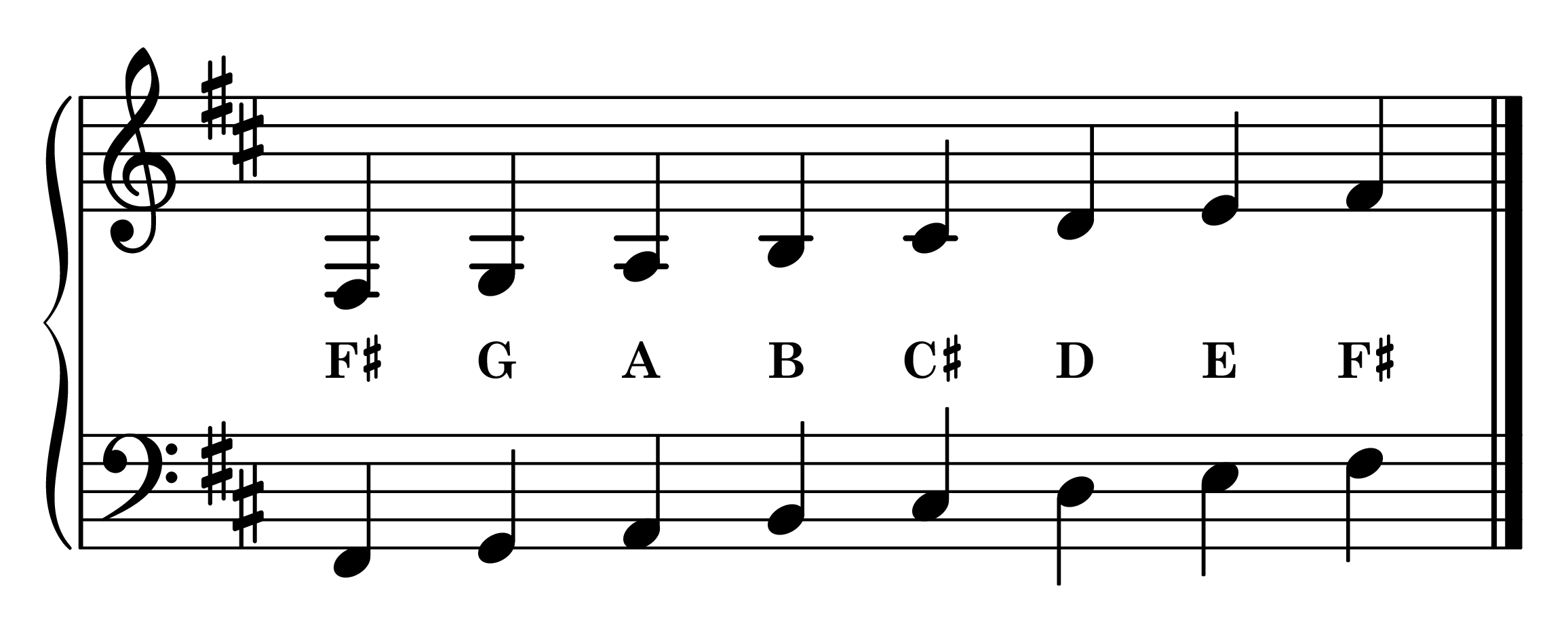
LH Fingering: 3 2 1 3 2 1 4 3
C-sharp Phrygian
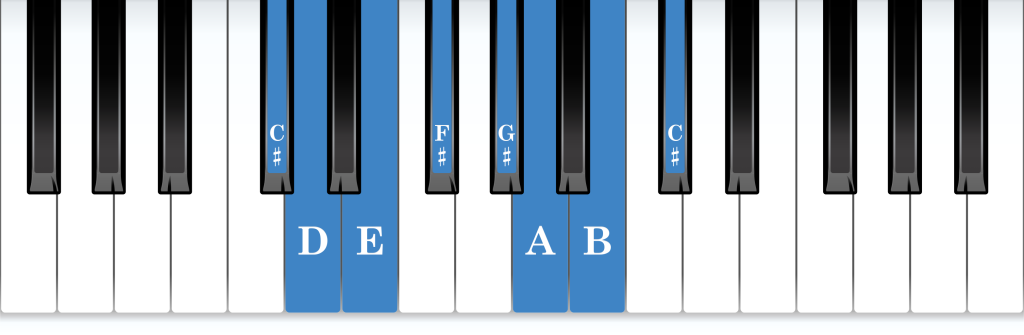
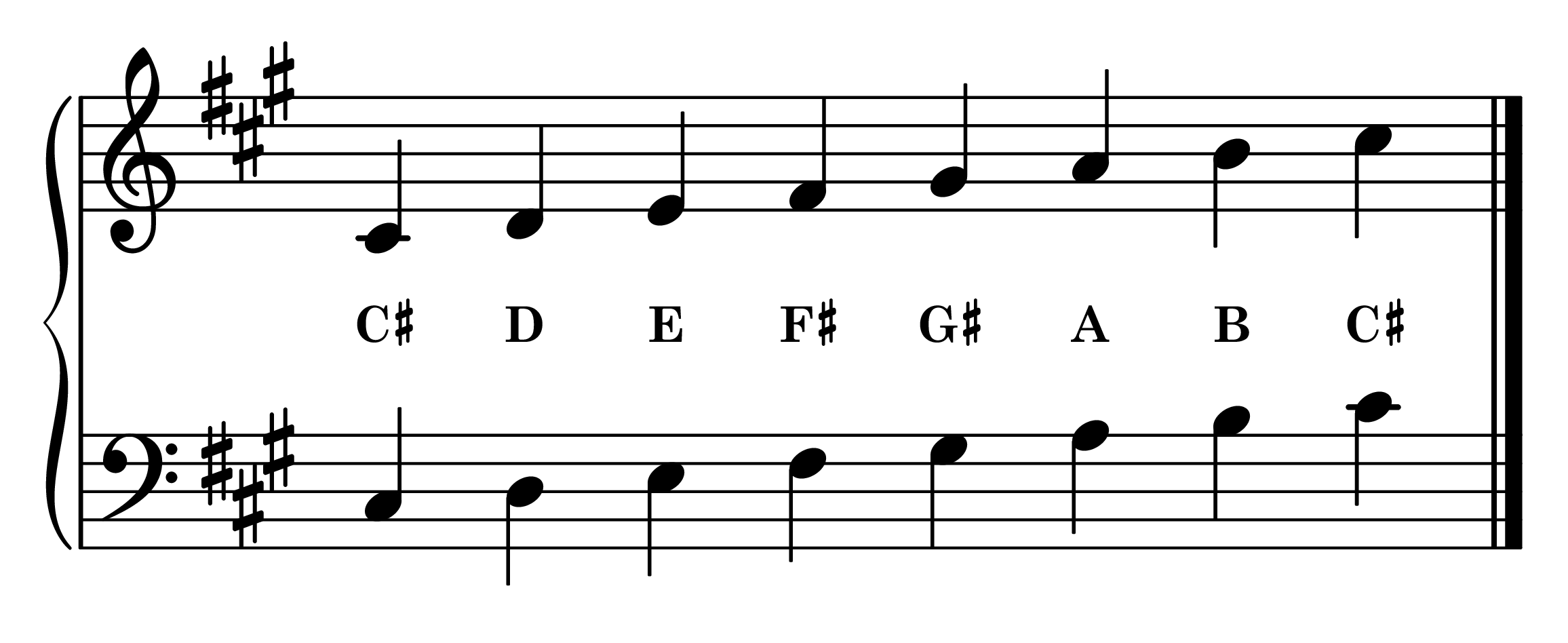
LH Fingering: 3 2 1 3 2 1 4 3
G-sharp Phrygian
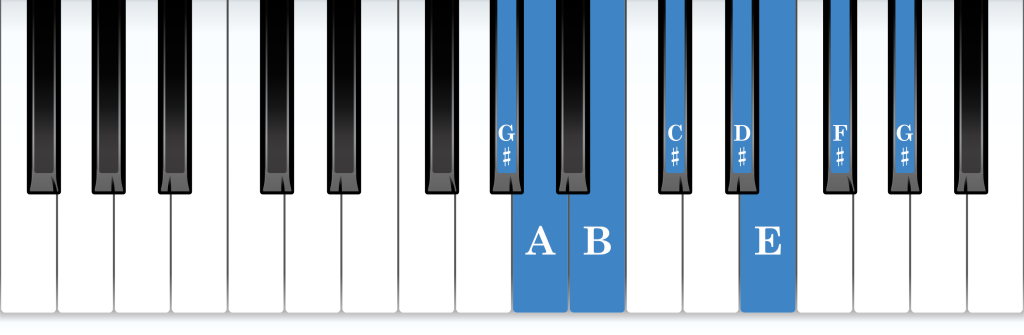
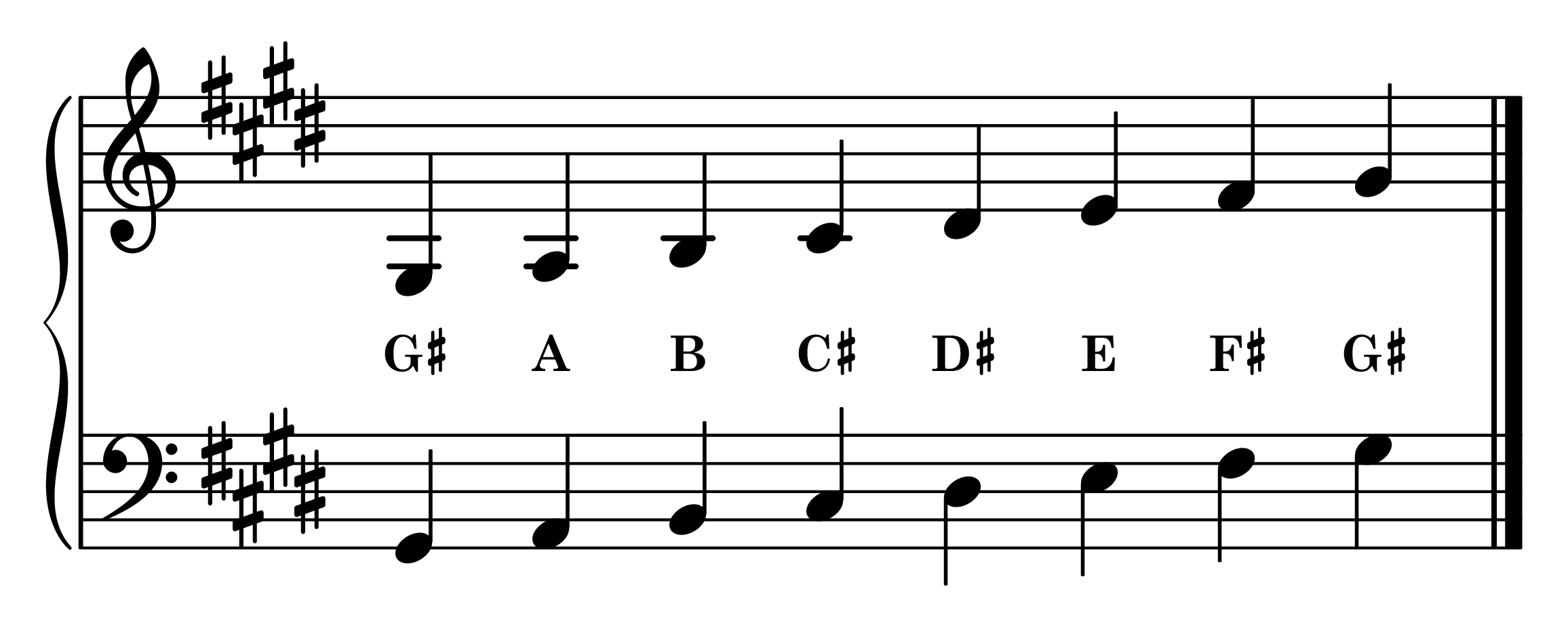
LH Fingering: 3 2 1 3 2 1 4 3
D-sharp Phrygian
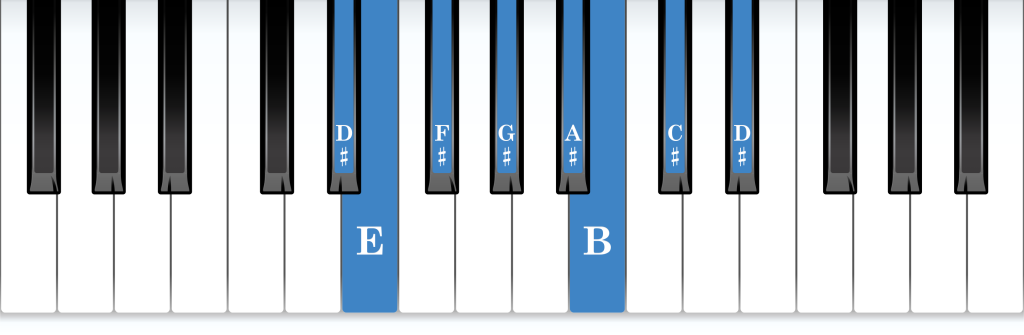
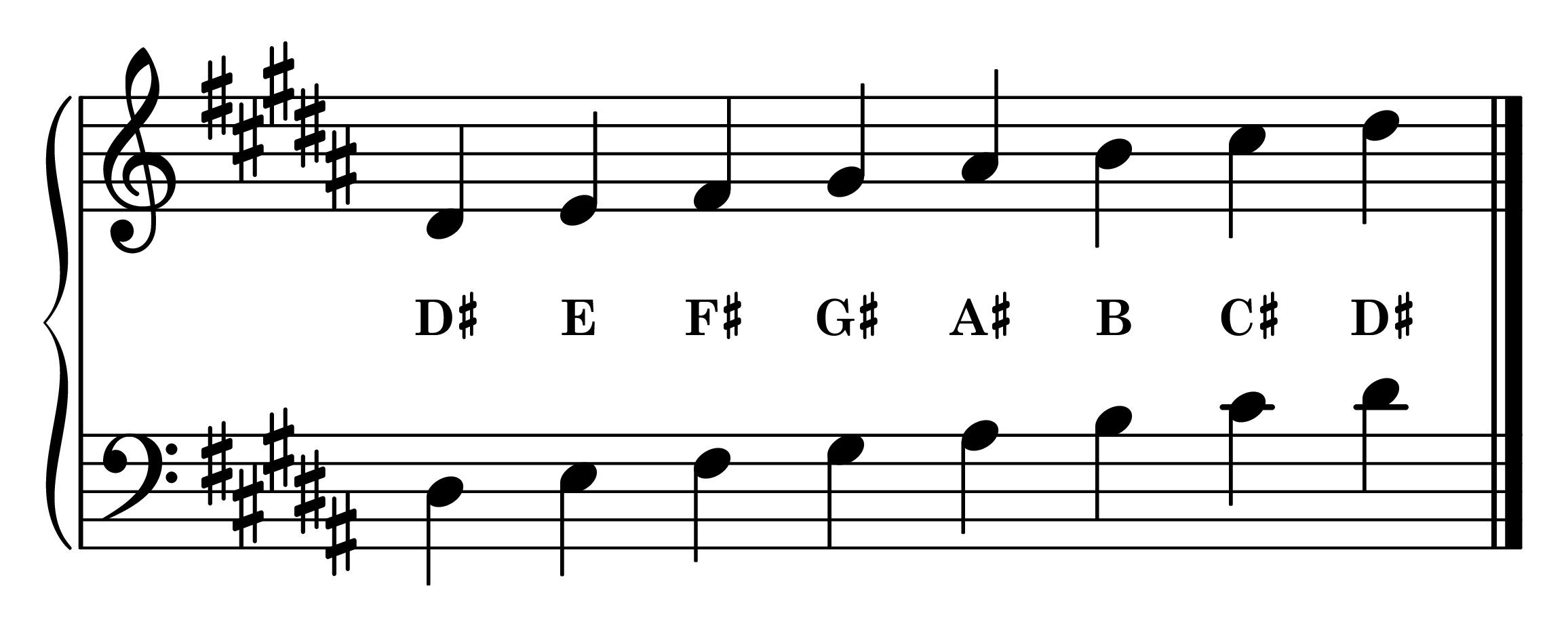
LH Fingering: 2 1 4 3 2 1 3 2
B-flat Phrygian
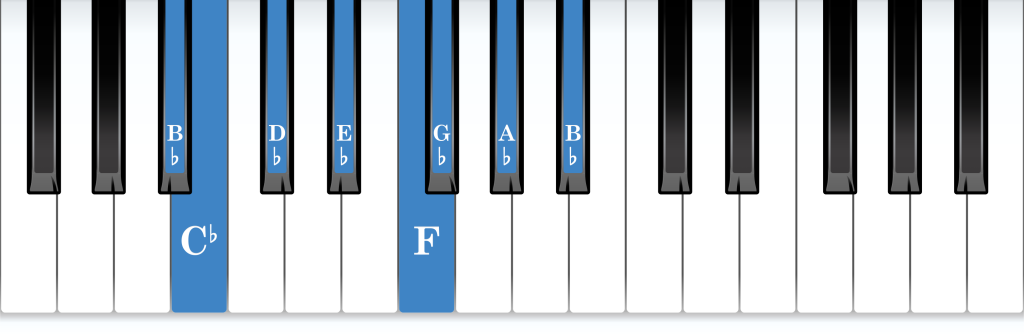
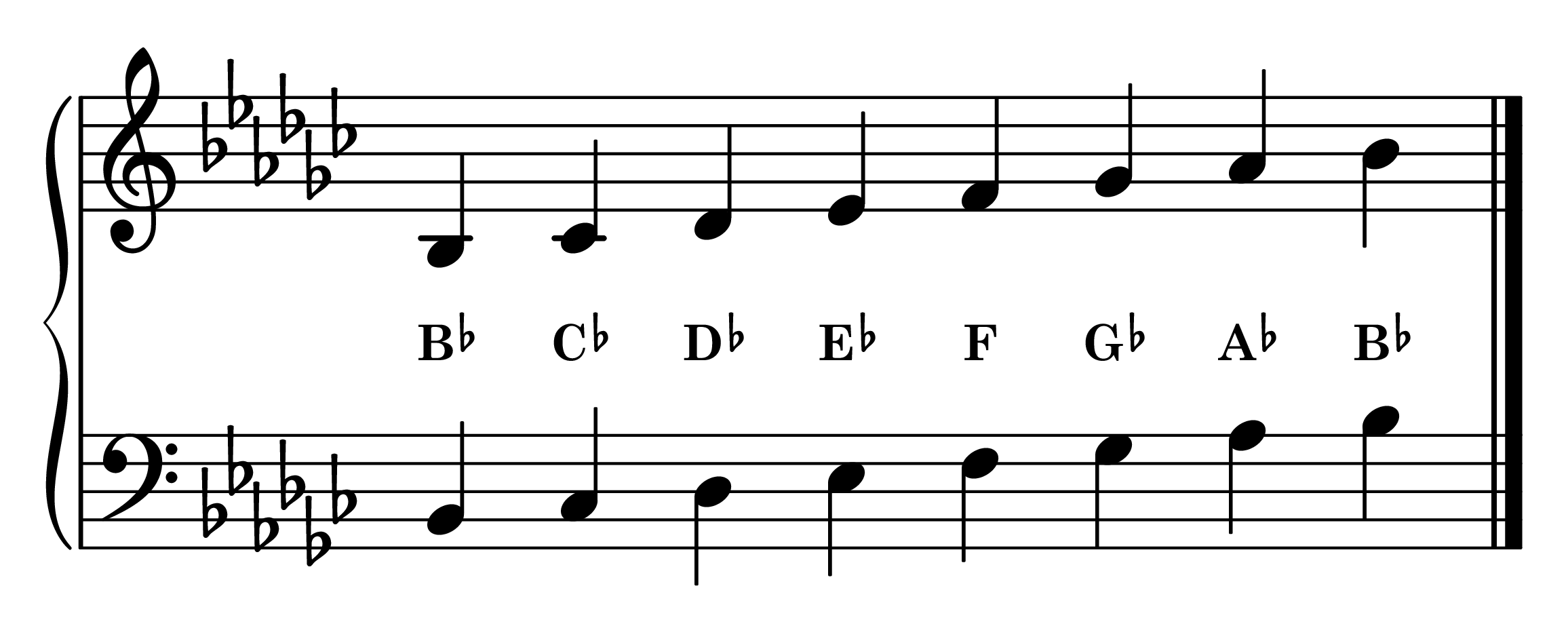
LH Fingering: 2 1 3 2 1 4 3 2
F Phrygian
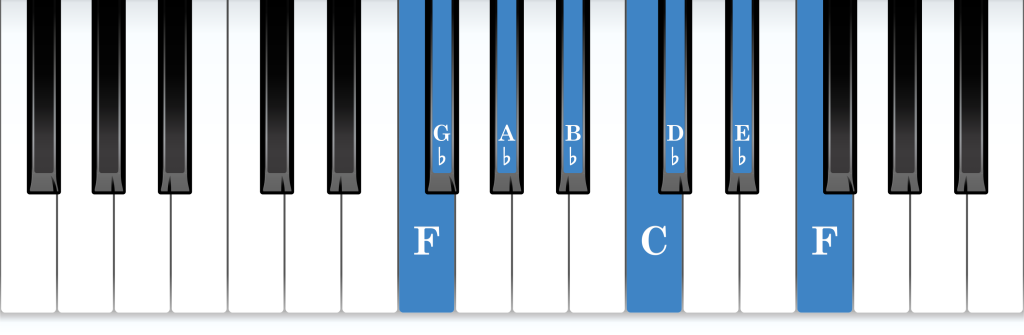
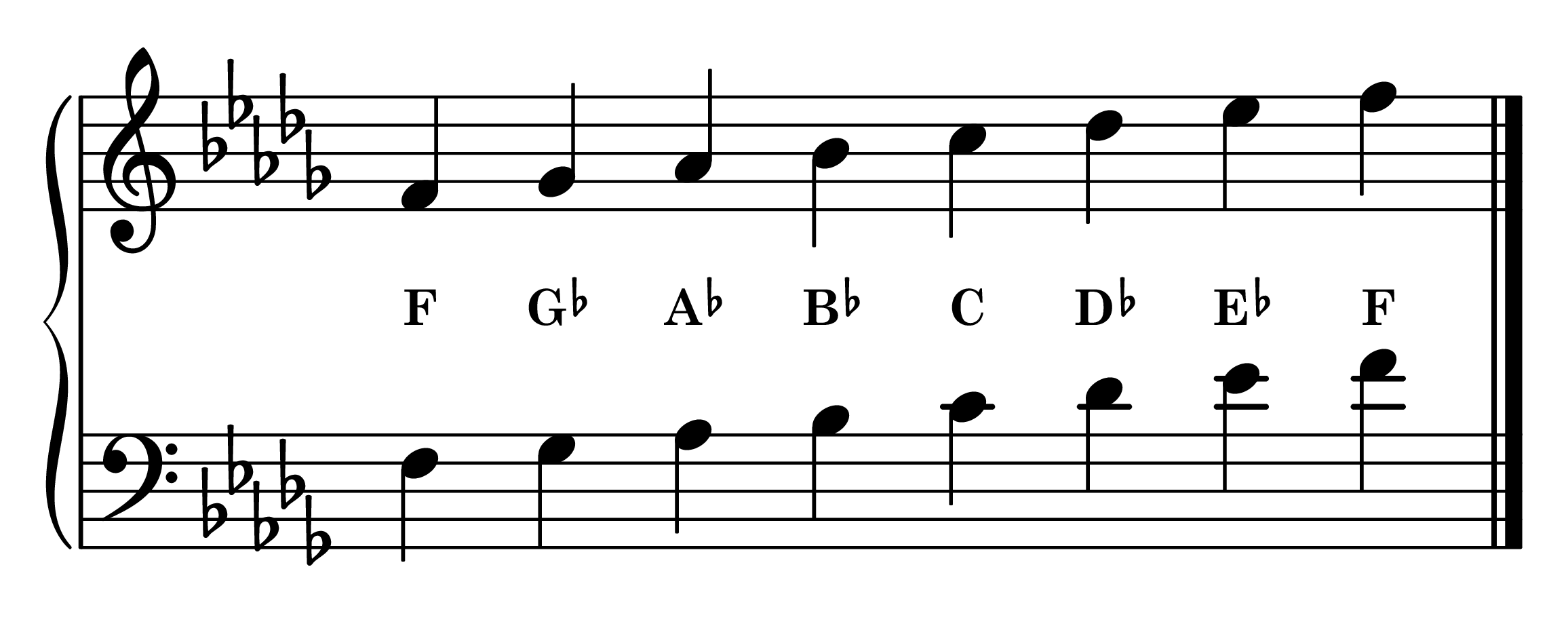
LH Fingering: 5 4 3 2 1 3 2 1
C Phrygian
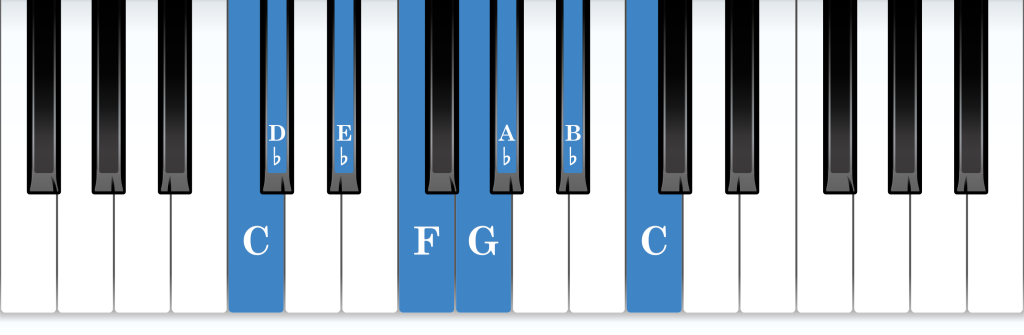
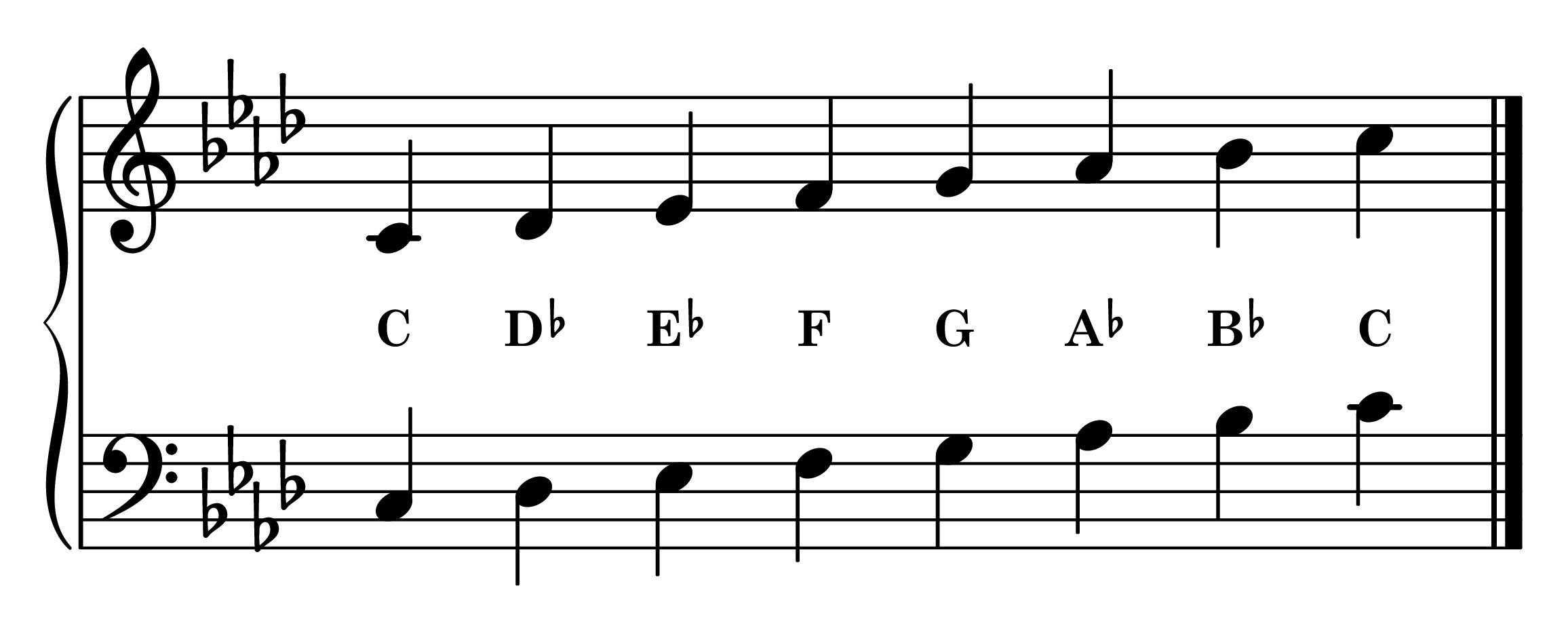
LH Fingering: 5 4 3 2 1 3 2 1
G Phrygian
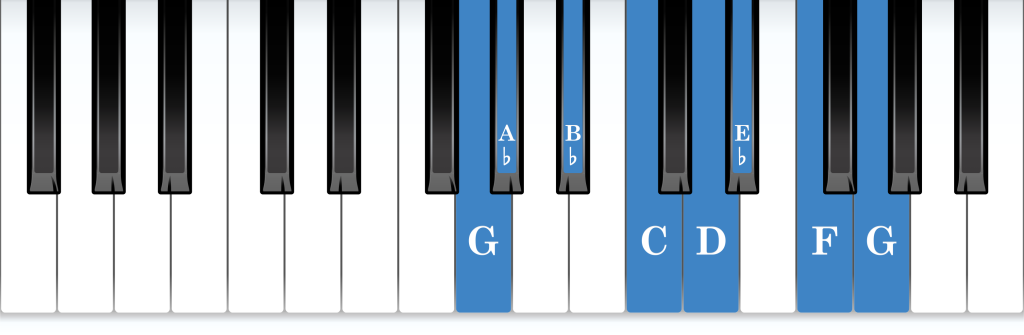
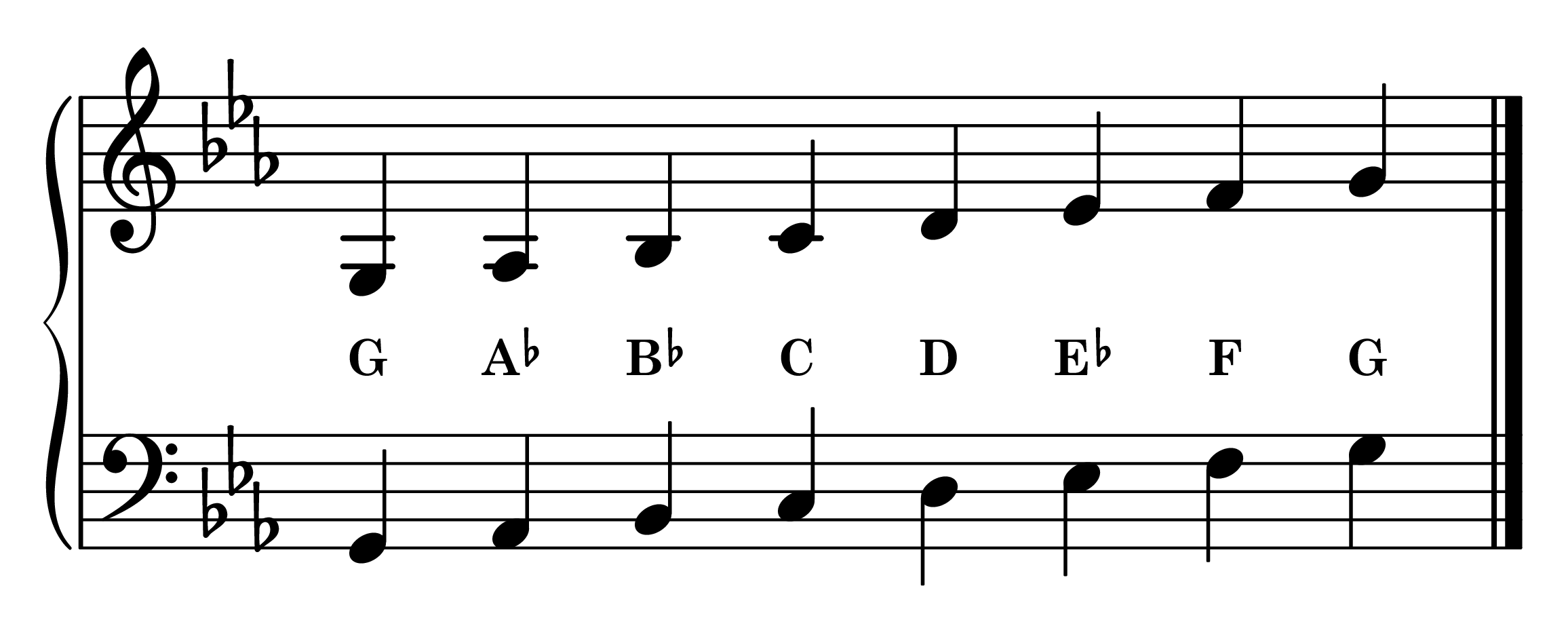
LH Fingering: 5 4 3 2 1 3 2 1
D Phrygian
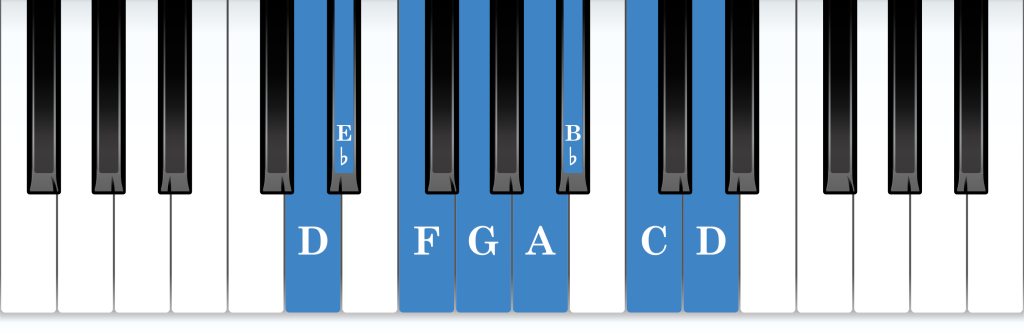
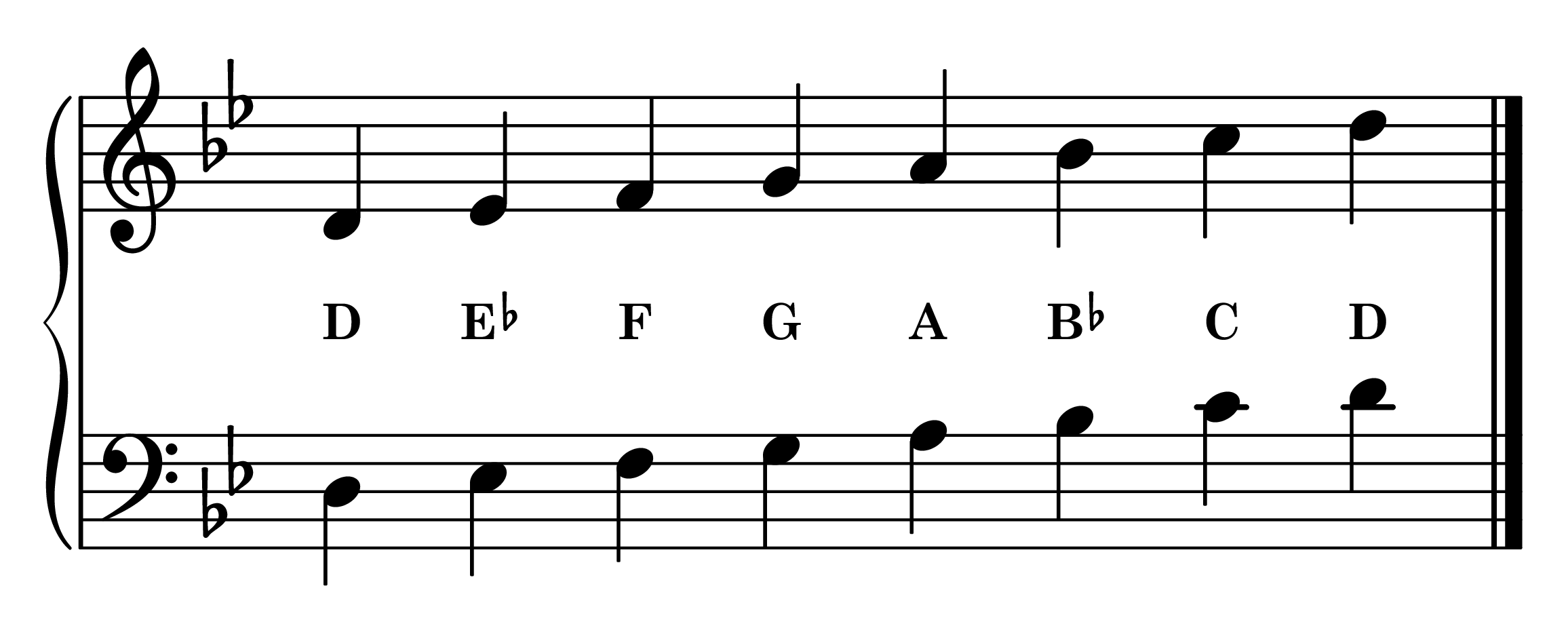
LH Fingering: 5 4 3 2 1 3 2 1
A Phrygian
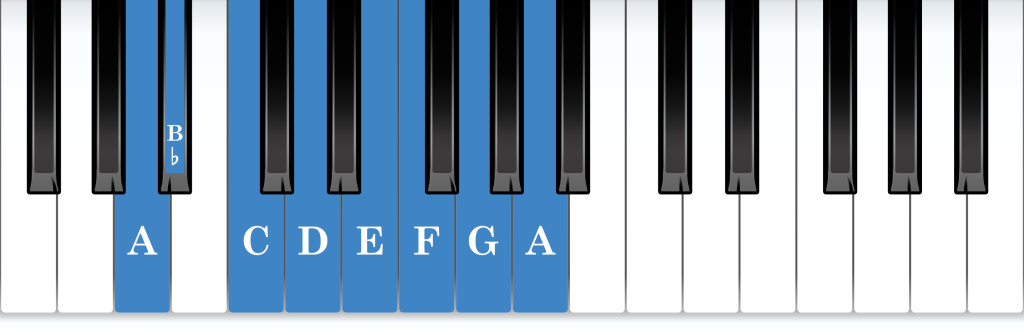
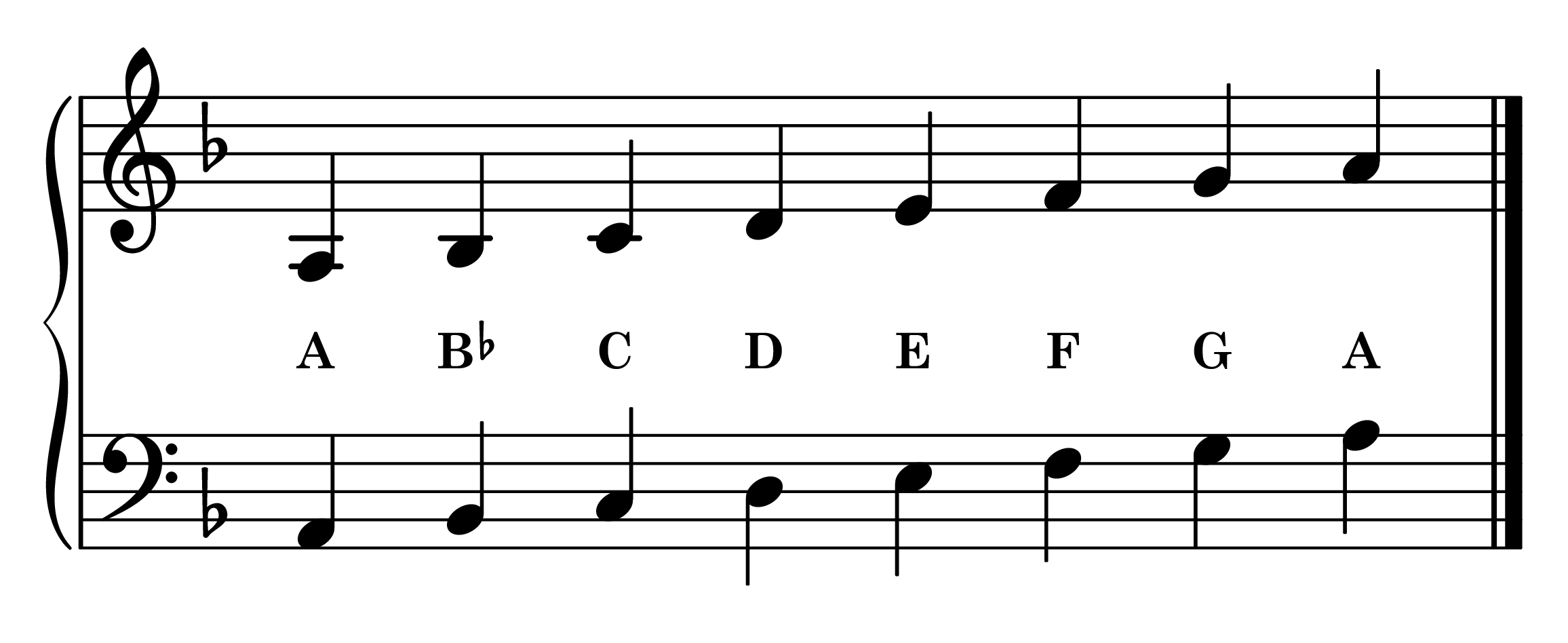
LH Fingering: 5 4 3 2 1 3 2 1
What gives the Phrygian mode its sound
That half step between the 1st and 2nd notes gives Phrygian its character. The scale begins by leaning on the tonic from just above, and on the way back down the 2nd falls onto the tonic with a strong, sighing pull. The rest of the scale is natural minor, so the sound is dark and inward.
Try playing E natural minor and then E Phrygian, and listen to the first step of each: F-sharp in one, F in the other.
Finding Phrygian on any note
Phrygian is the major scale played from its 3rd note: E Phrygian uses the notes of C major, and F-sharp Phrygian the notes of D major. Or, starting from the natural minor on the same note, we lower the 2nd: E natural minor with F instead of F-sharp.
Where Phrygian is heard
Phrygian is the third of the church modes. Its half step down onto the final shaped a whole cadence: the Phrygian cadence, where the bass steps down a half step onto the dominant, is a standard ending in Baroque slow movements. Brahms opens the slow movement of his Fourth Symphony with a theme in E Phrygian.
More about the modes: