
Questions and answers
No questions on this lesson yet. Be the first to ask one.
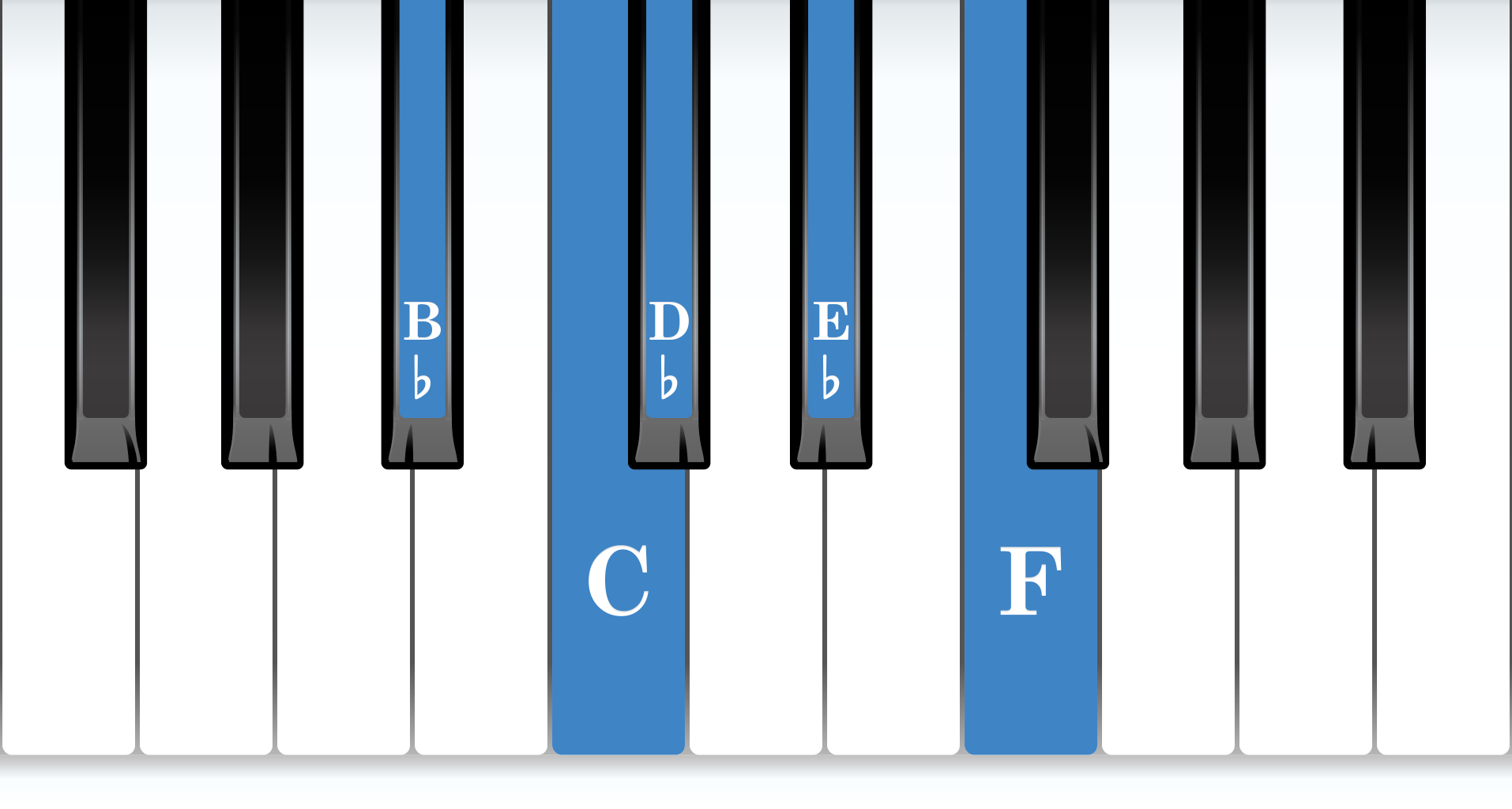
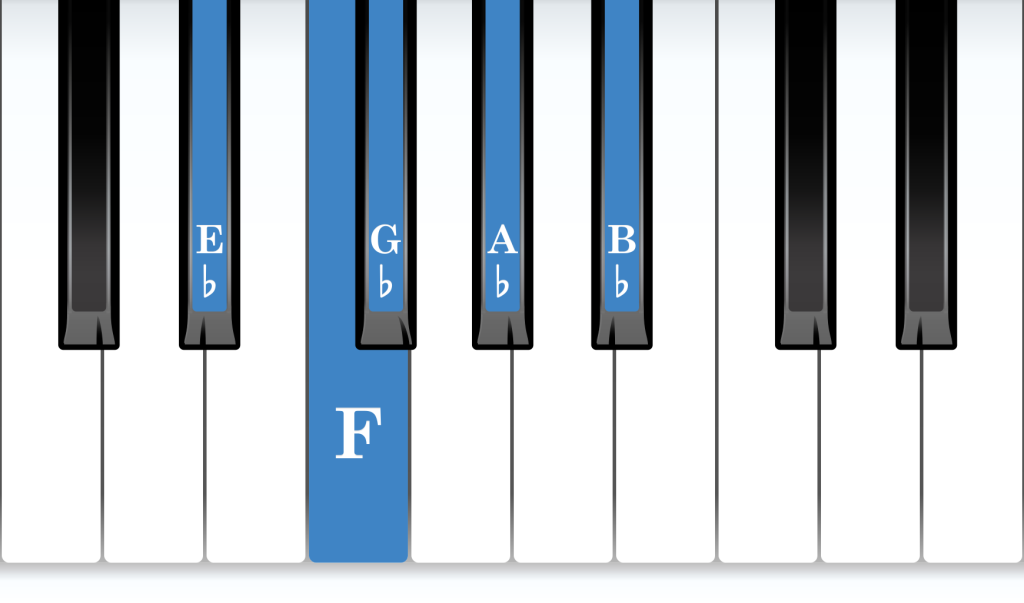
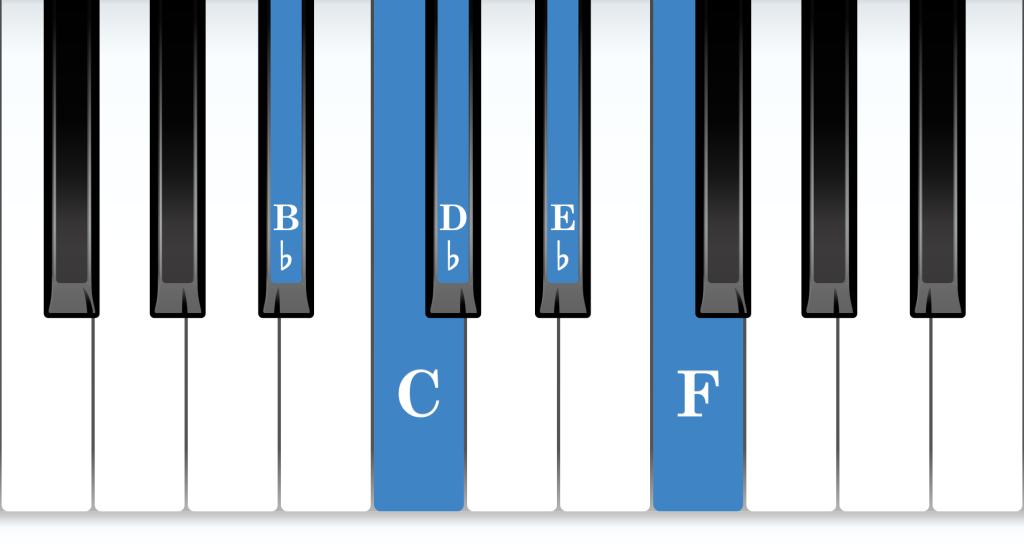
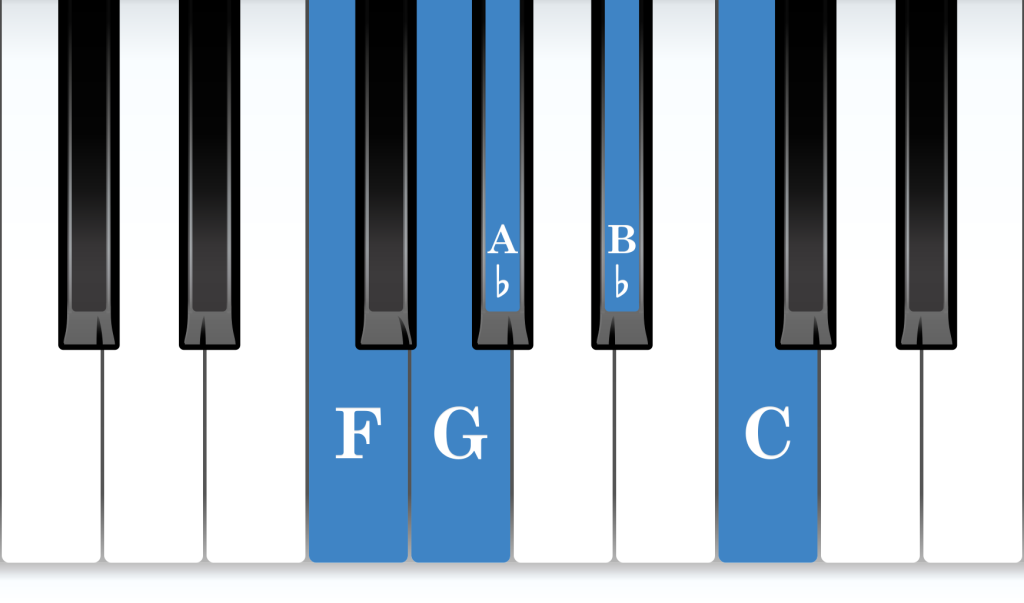
The B-flat minor 5-finger pattern, also called B-flat minor position, is the first five notes of the B-flat minor scale, B-flat, C, D-flat, E-flat, and F, one finger on each key. Let’s look at where it sits on the keyboard and on the staff, and how to practice it so that each finger becomes reliable on its own.
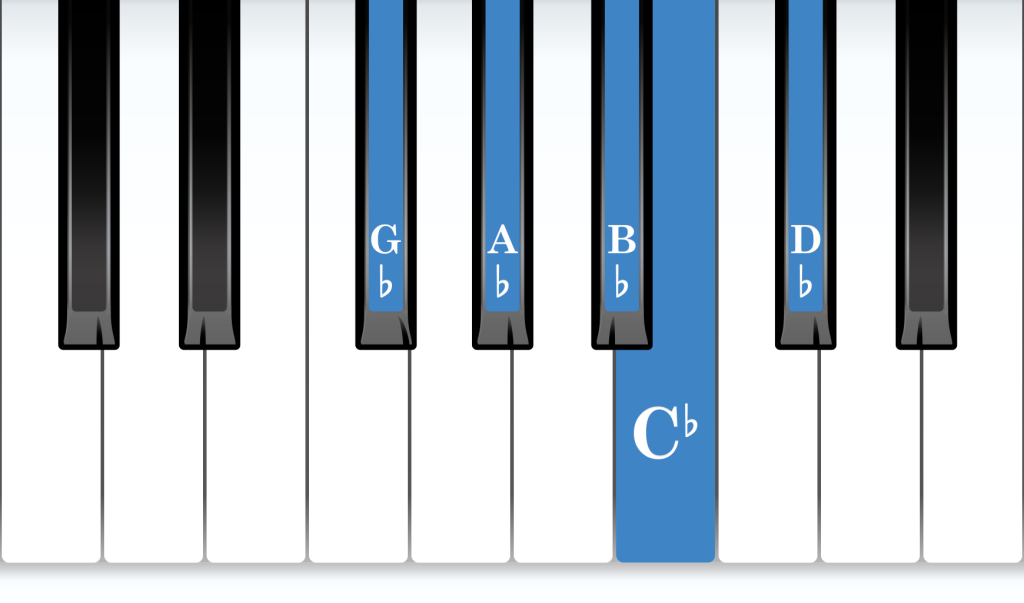
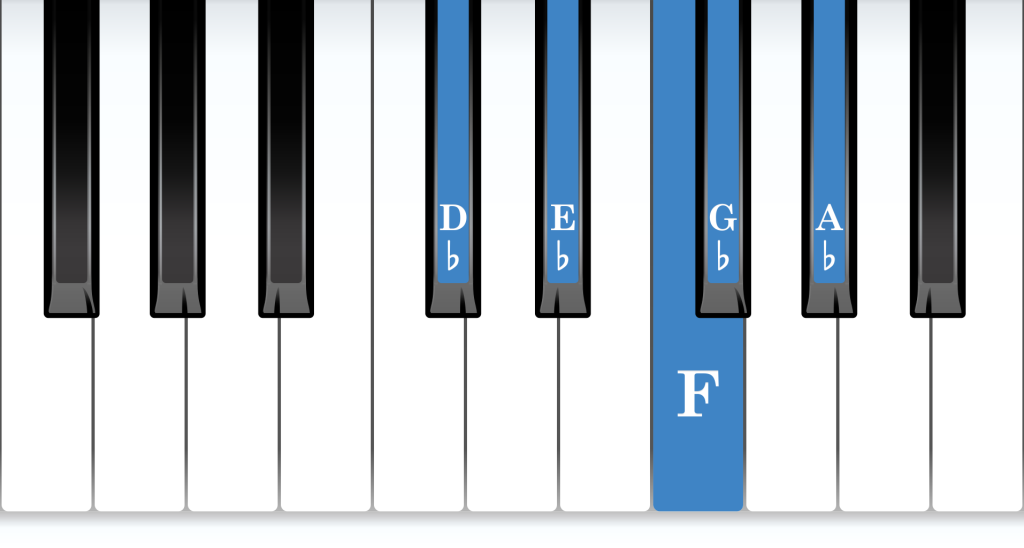
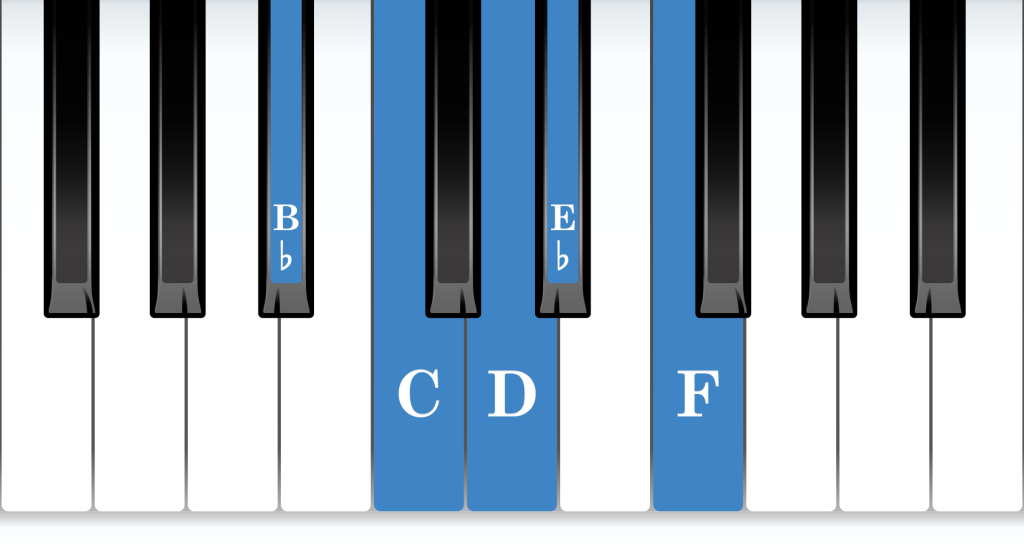
The B-flat minor 5-finger pattern is a single black key, B-flat, then a single white key, C, then two more black keys, D-flat and E-flat, then one more white key, F. As a terrain, it’s mostly raised: the black keys form the surface, and C and F are the dips in it. The hand sits well in toward the fallboard, and the white keys are what it finds its place by.
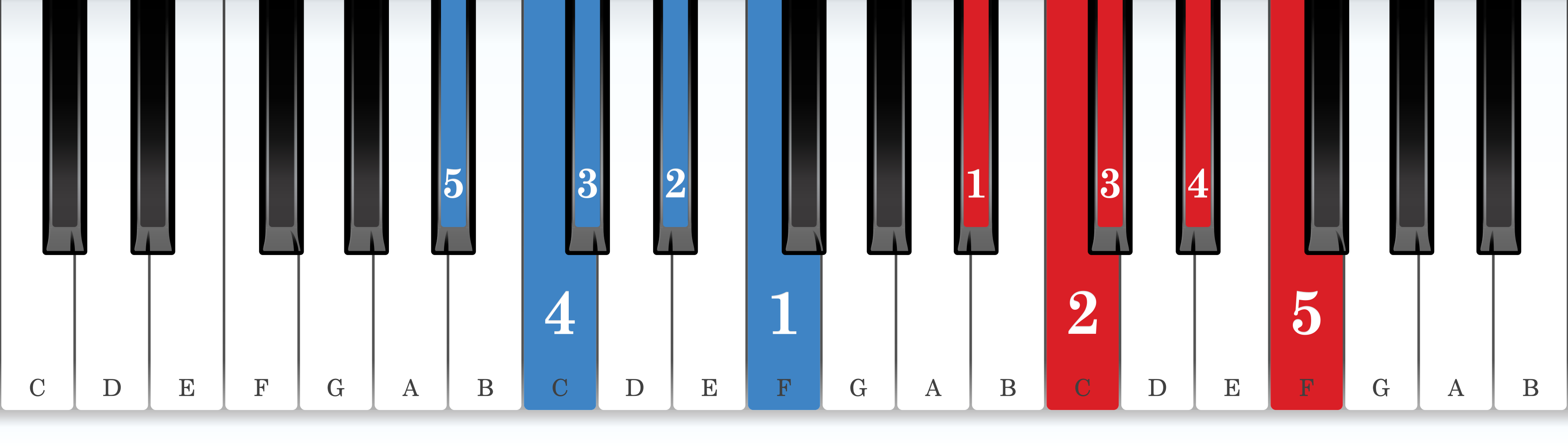
In the right hand, the thumb plays B-flat and each finger takes the next key up, so the 5th finger lands on F. The left hand is the mirror image: the 5th finger plays B-flat and the thumb plays F. The chart below shows both hands an octave apart, the left hand in blue and the right hand in red.
The black keys sit further back than the white ones, so the hand settles a little further in, with the fingers on B-flat, D-flat, and E-flat reaching forward onto them (1, 3, and 4 in the right hand) while the others stay on the white keys.
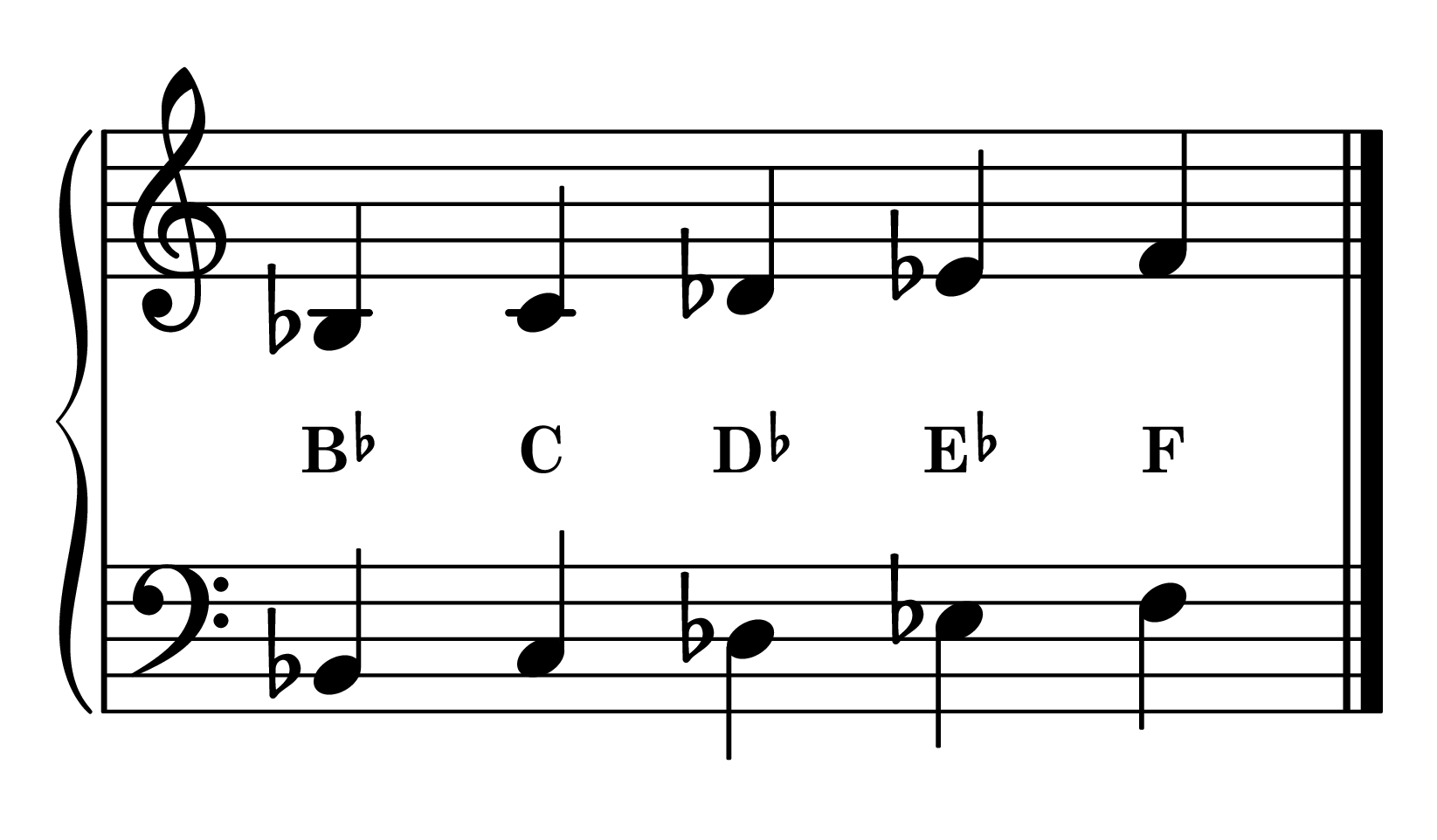
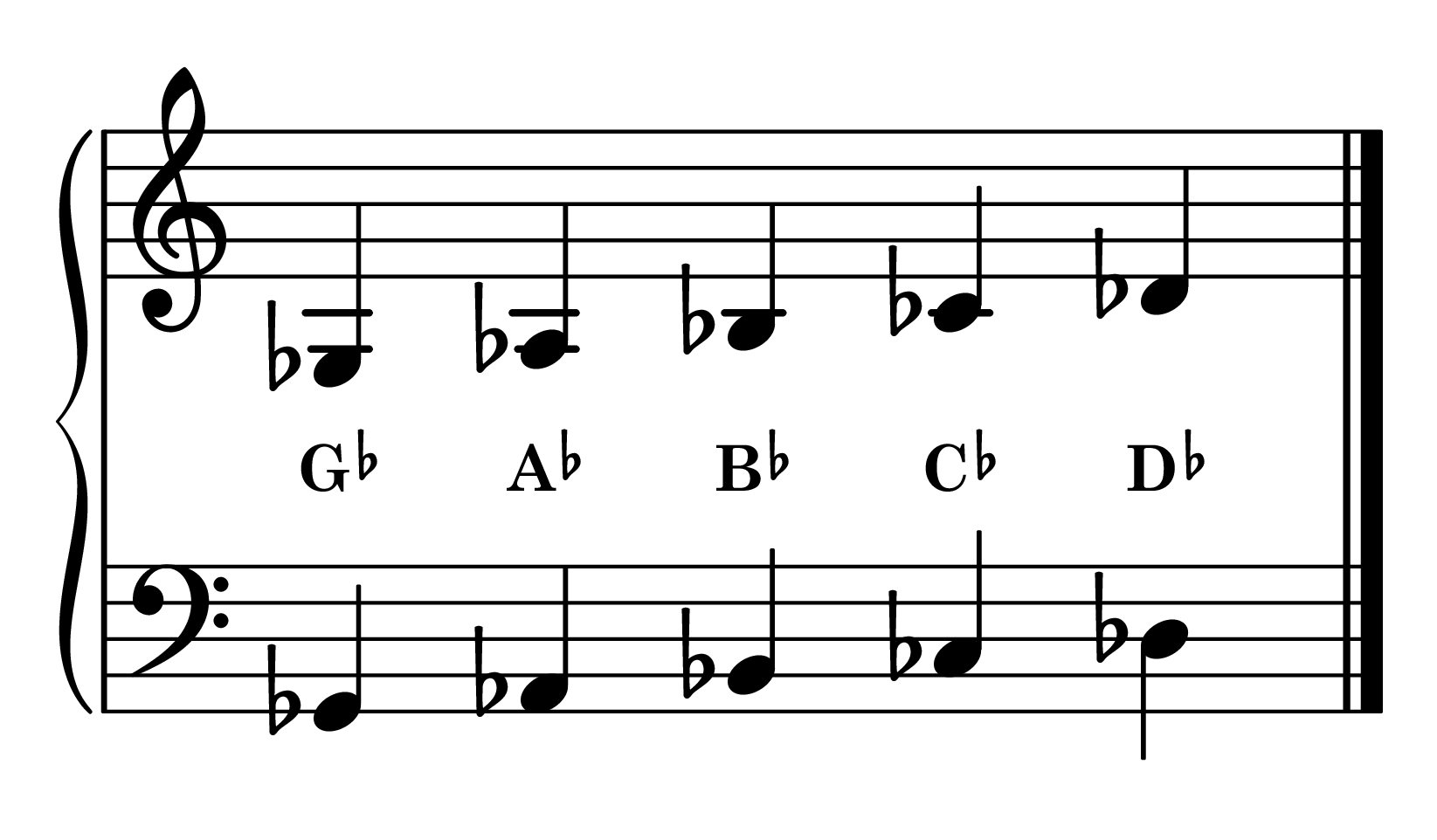
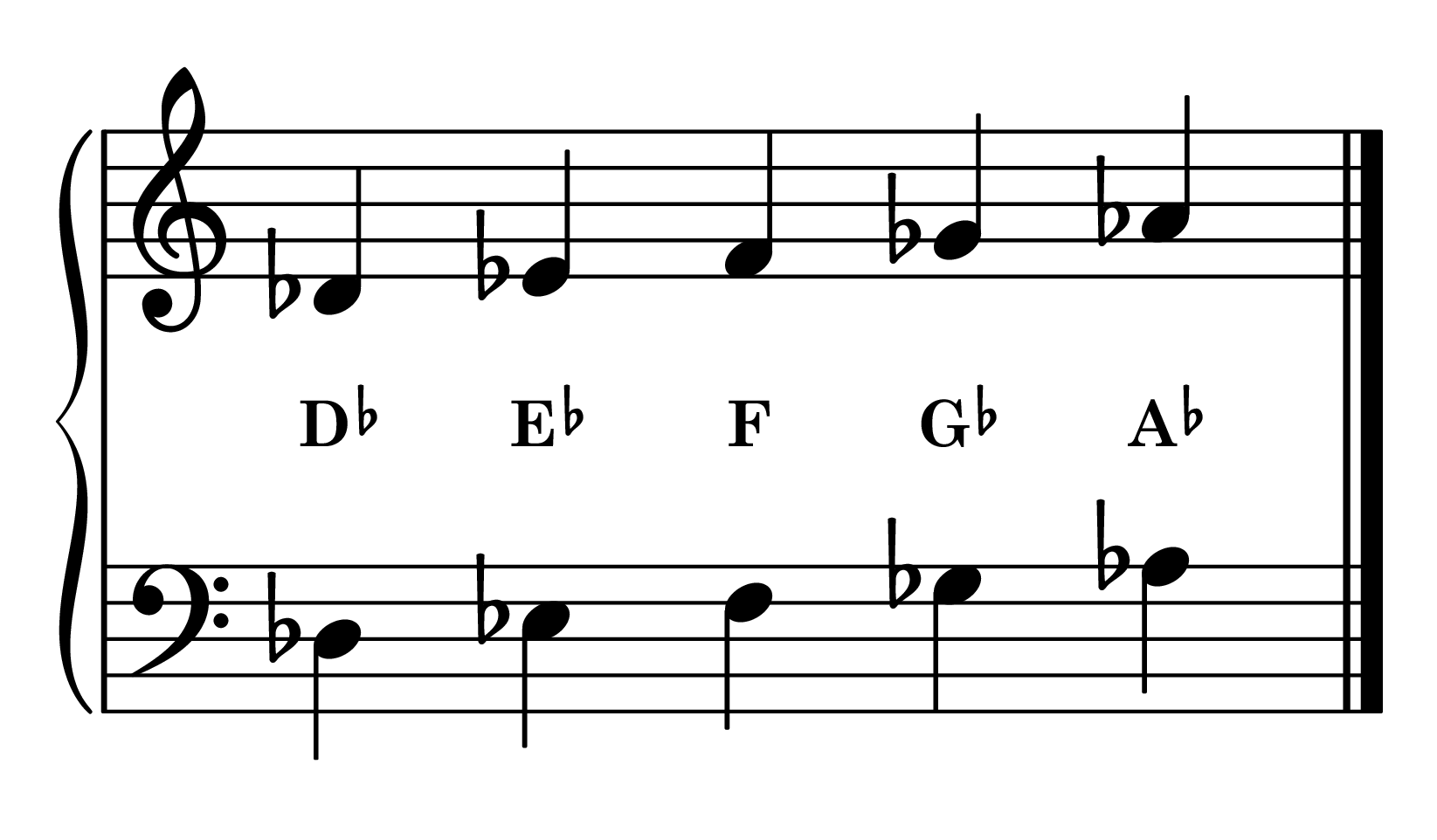
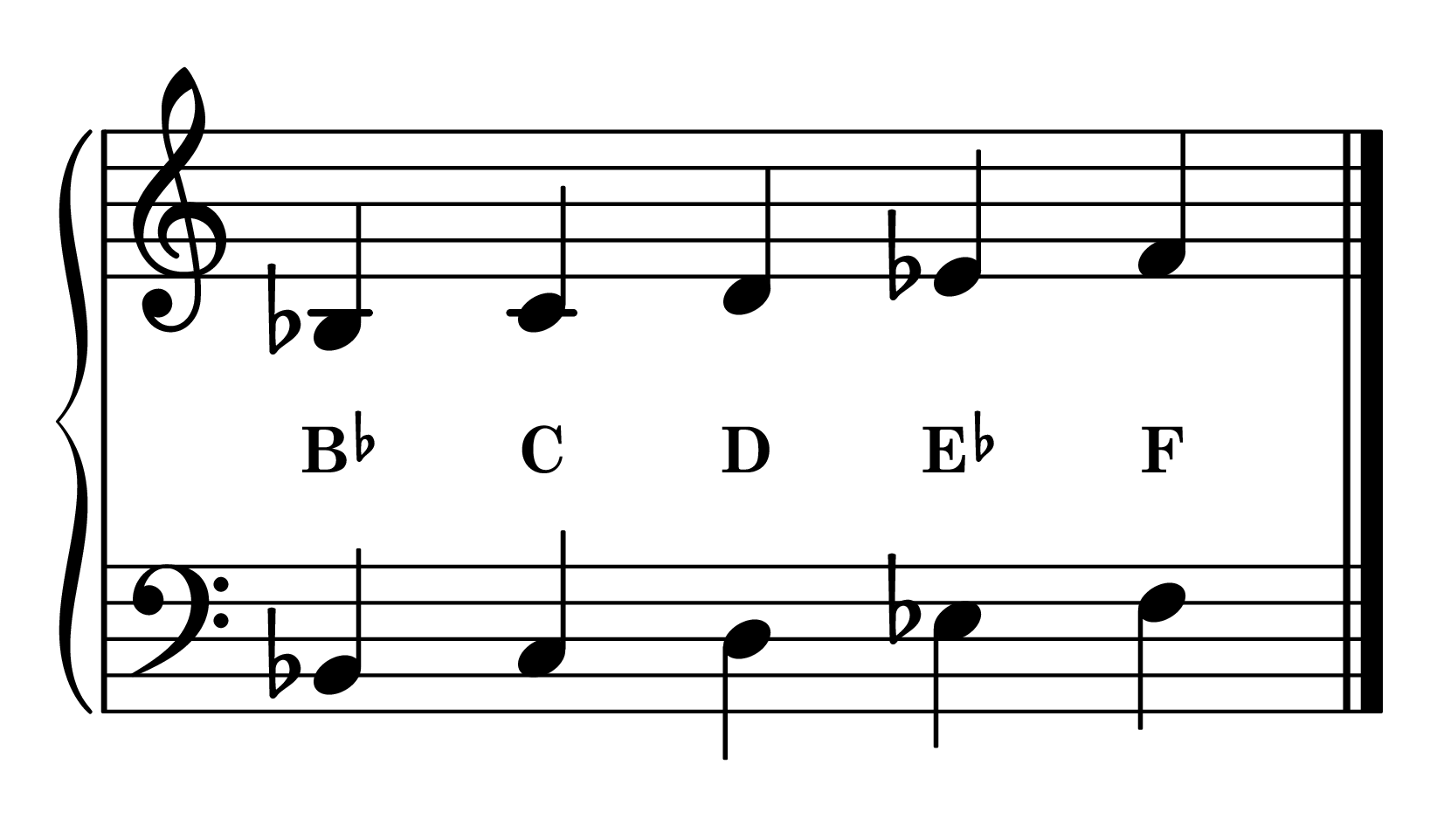
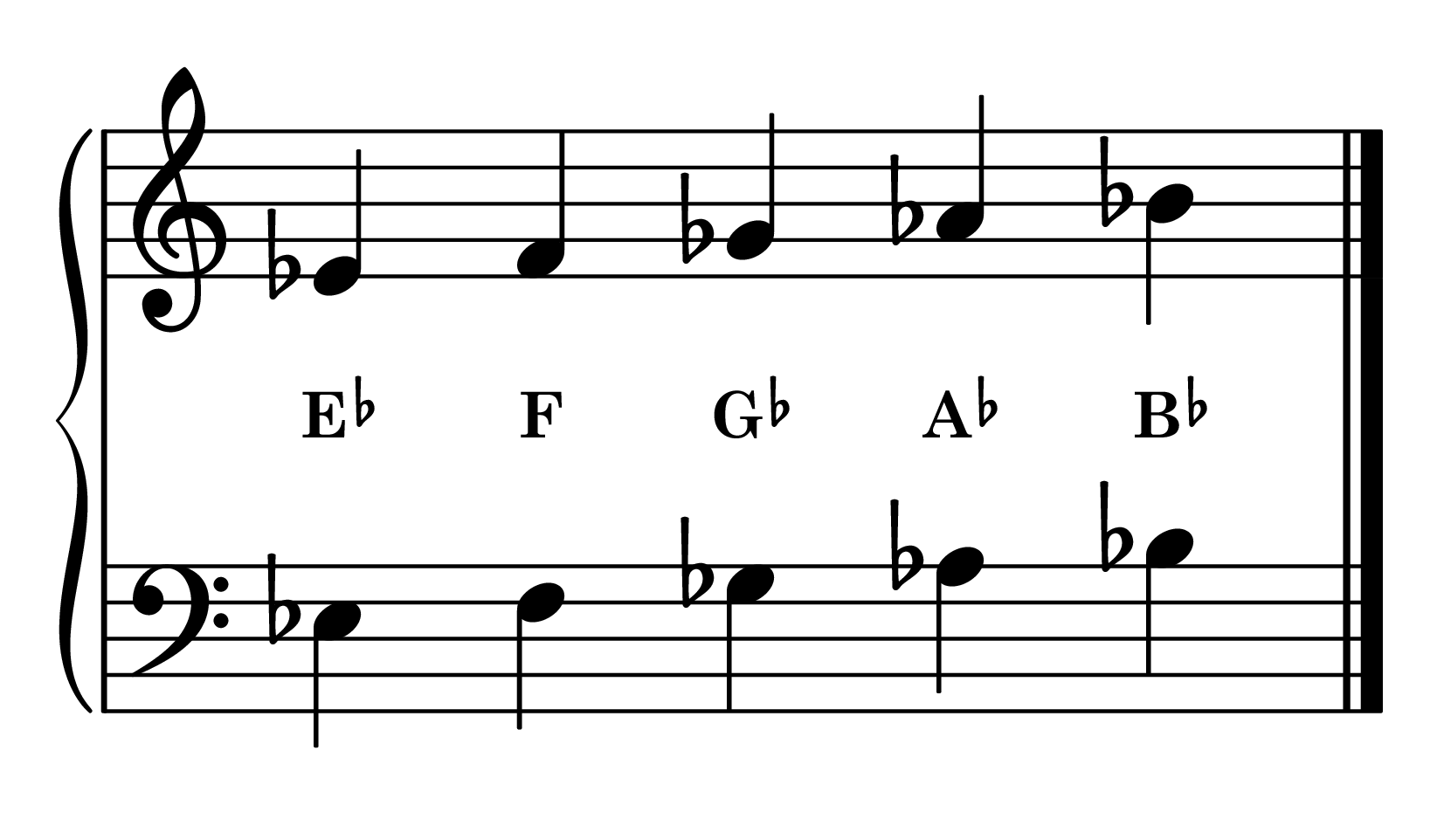
On the staff, the five notes, B-flat, C, D-flat, E-flat, and F, climb by step, moving from line to space to line, with the right hand in the treble clef and the left hand an octave lower in the bass clef. Here each flat is written beside its note, so B-flat, D-flat, and E-flat show up directly on the staff.
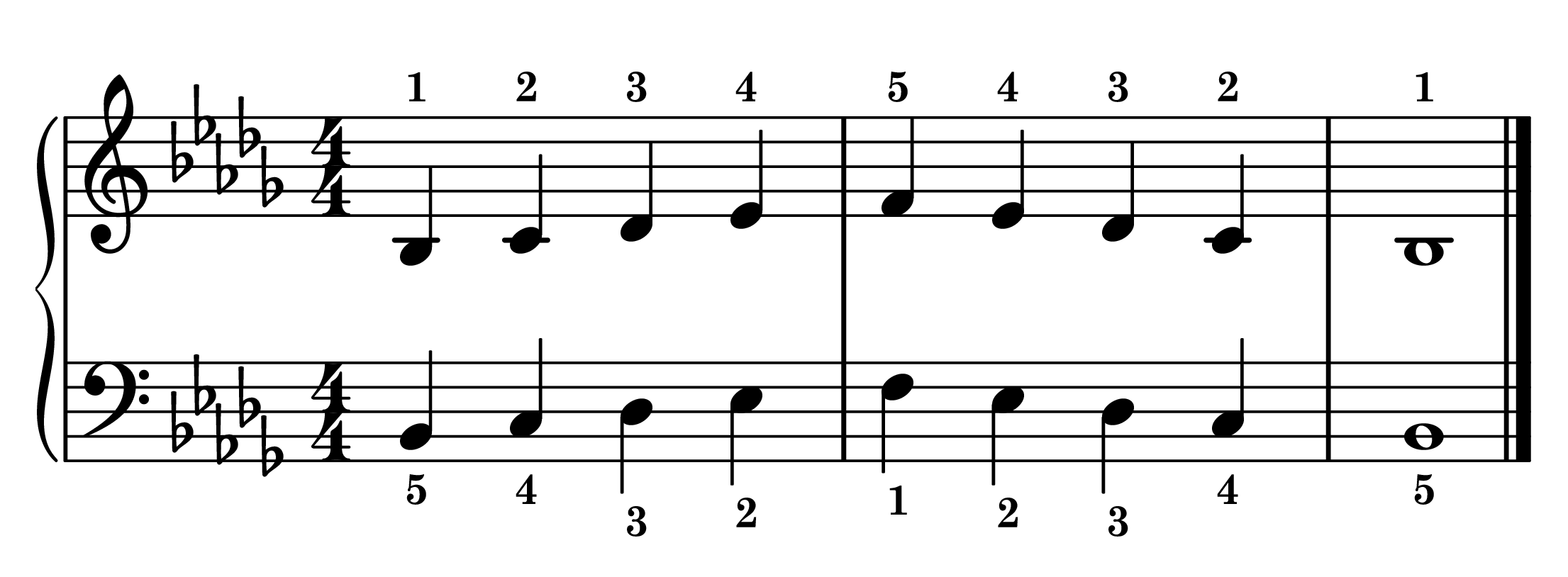
Next, the pattern as we’ll practice it: up to F and back down, one note per beat, ending on a whole note. The fingering above the right hand runs 1-2-3-4-5-4-3-2-1, and below the left hand 5-4-3-2-1-2-3-4-5. The two hands play the same notes an octave apart, but only on D-flat do they use the same finger, the 3rd. In this version the flats move into the key signature at the start of each staff, as they would in a piece in B-flat minor.
The pattern is short enough that the difficulty is not in the notes. What tends to go wrong is evenness: the thumb lands heavily, the 4th and 5th fingers come out softer and a little late, and the line has bumps in it. Let’s work on it in a few stages.
A few things tend to go wrong in the B-flat minor 5-finger pattern:
Other techniques related to the B-flat minor 5-finger pattern:
No questions on this lesson yet. Be the first to ask one.
Continue learning with our full library of piano 5-finger position lessons
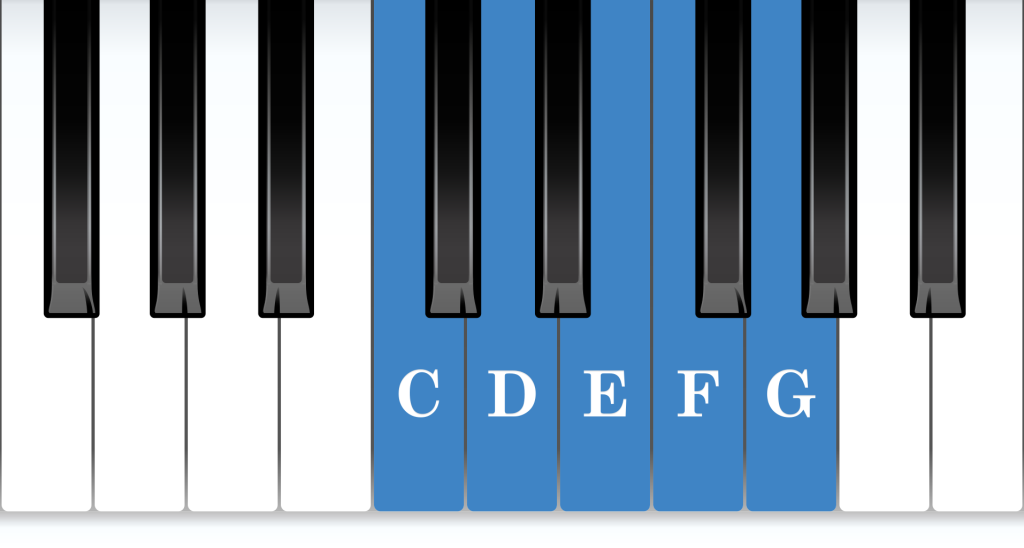
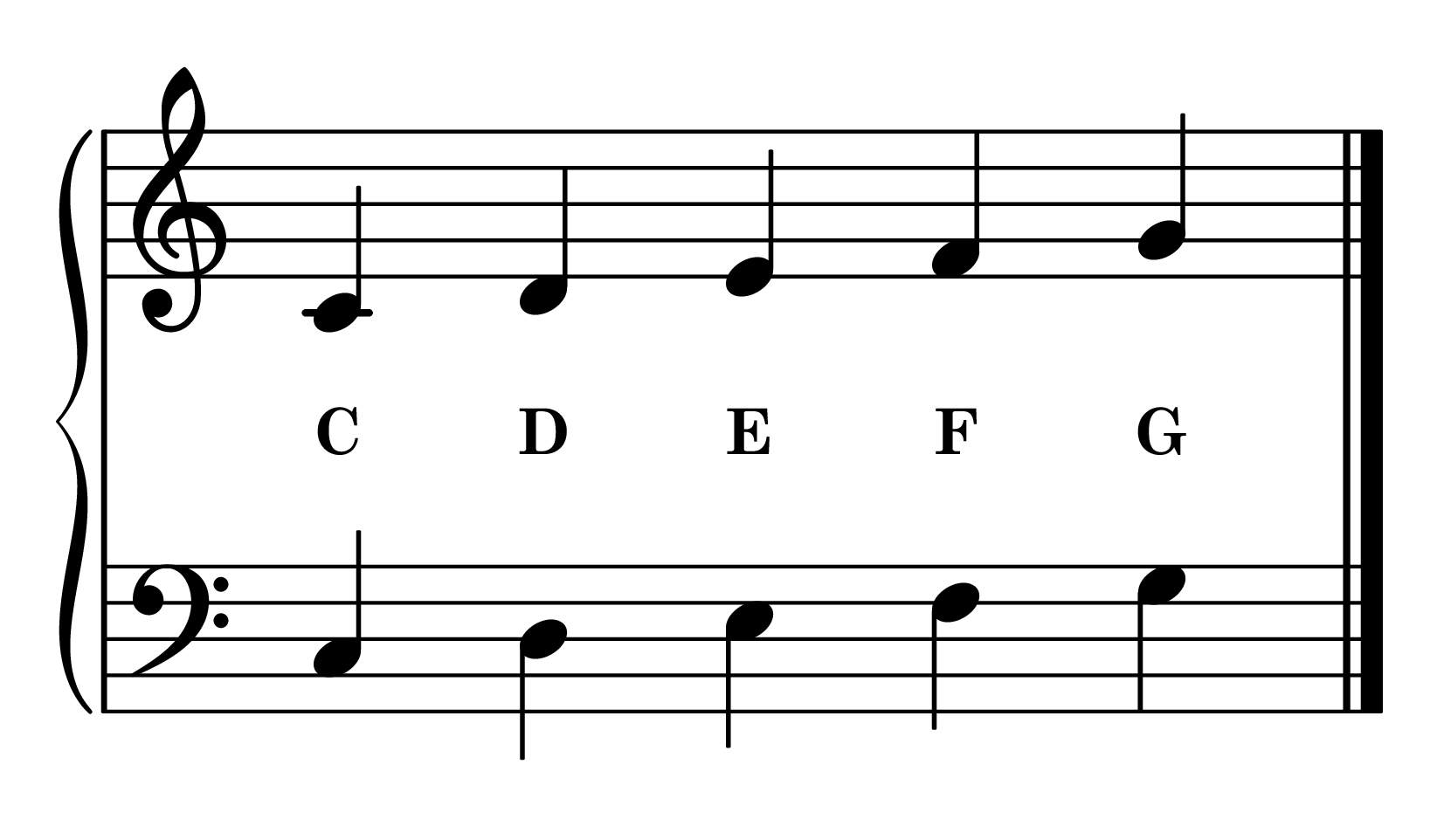
LH Fingering: 5 4 3 2 1
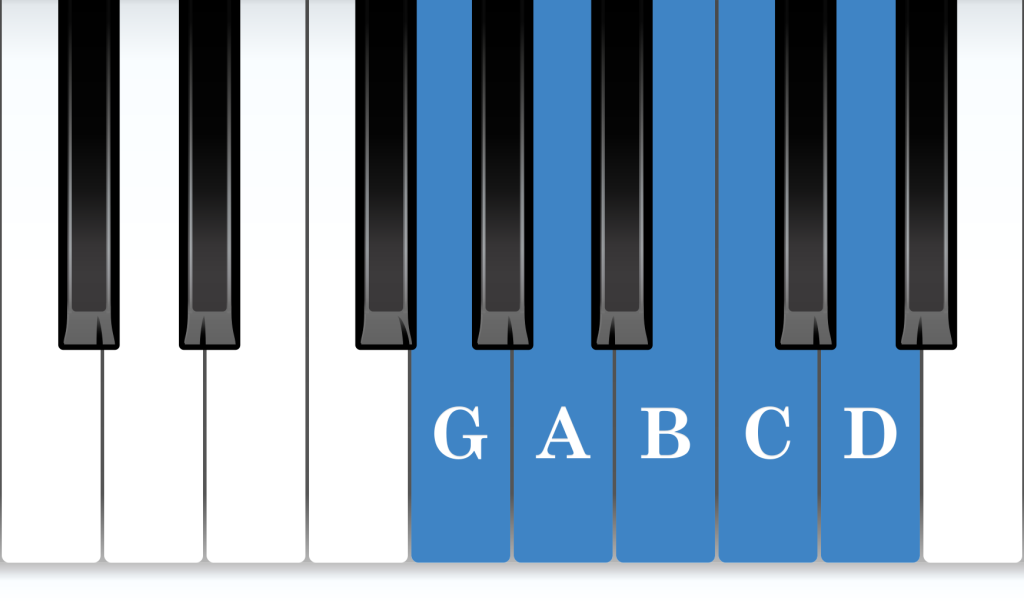
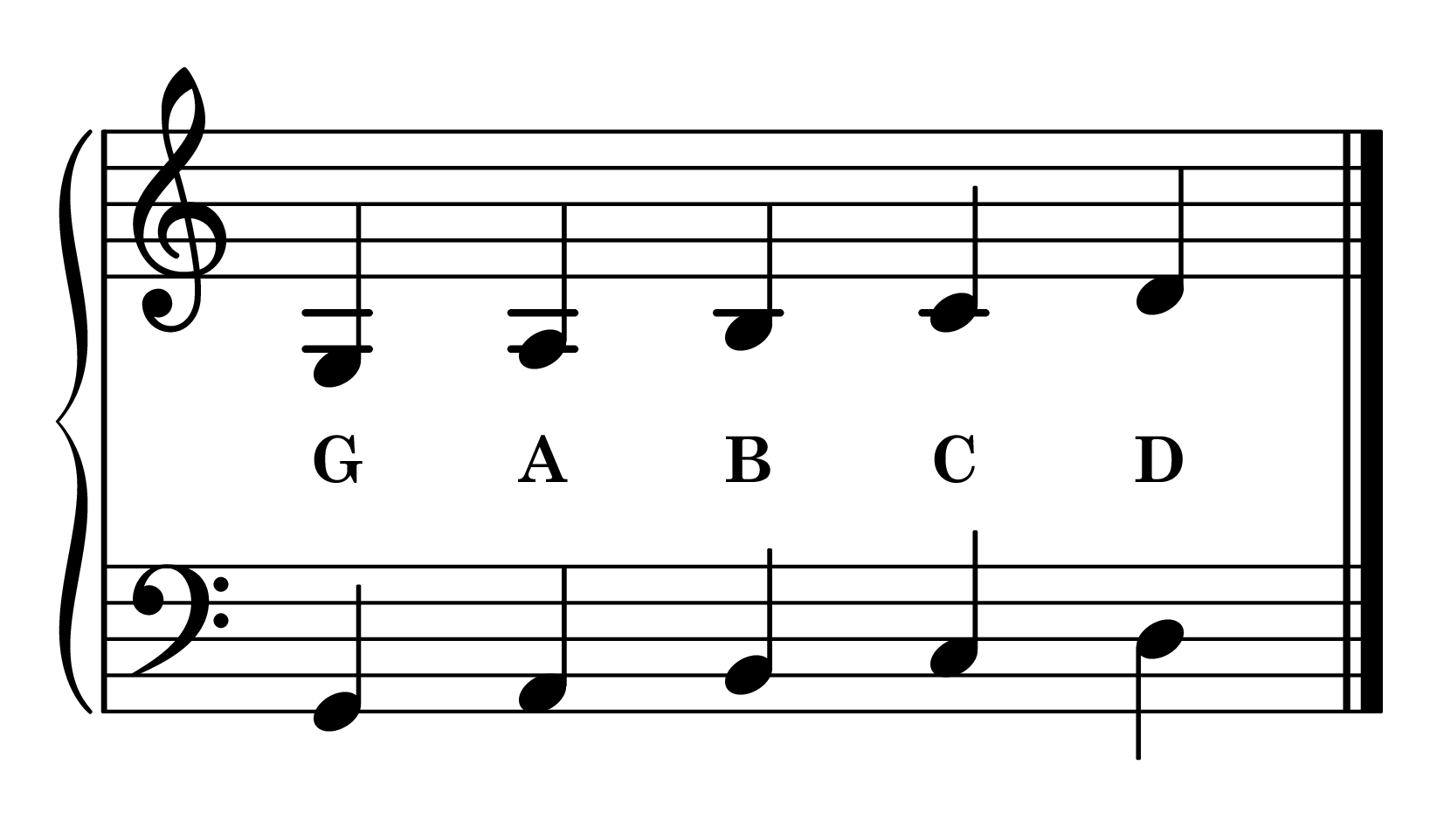
LH Fingering: 5 4 3 2 1
LH Fingering: 5 4 3 2 1
LH Fingering: 5 4 3 2 1
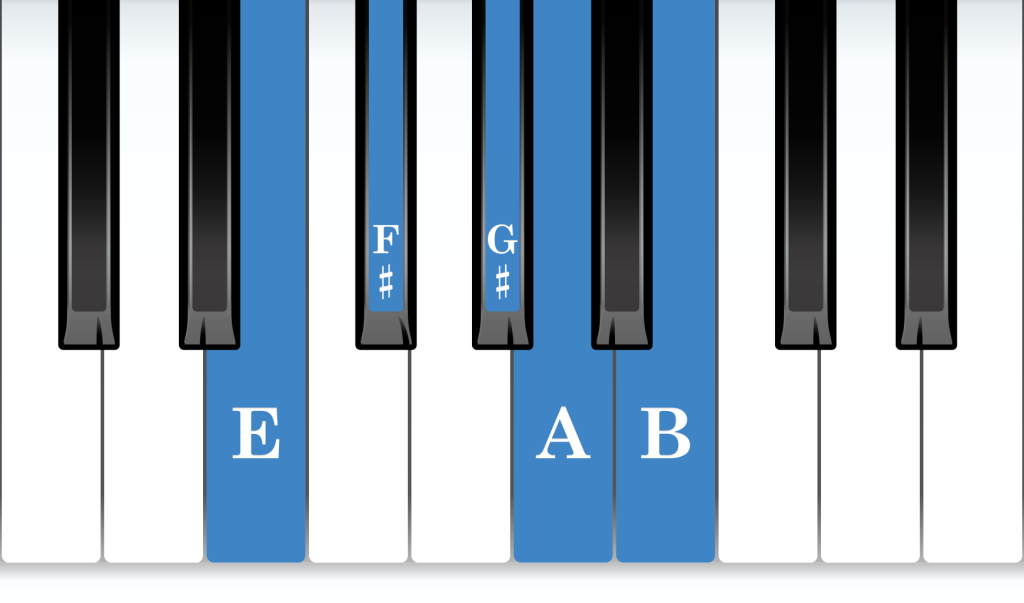
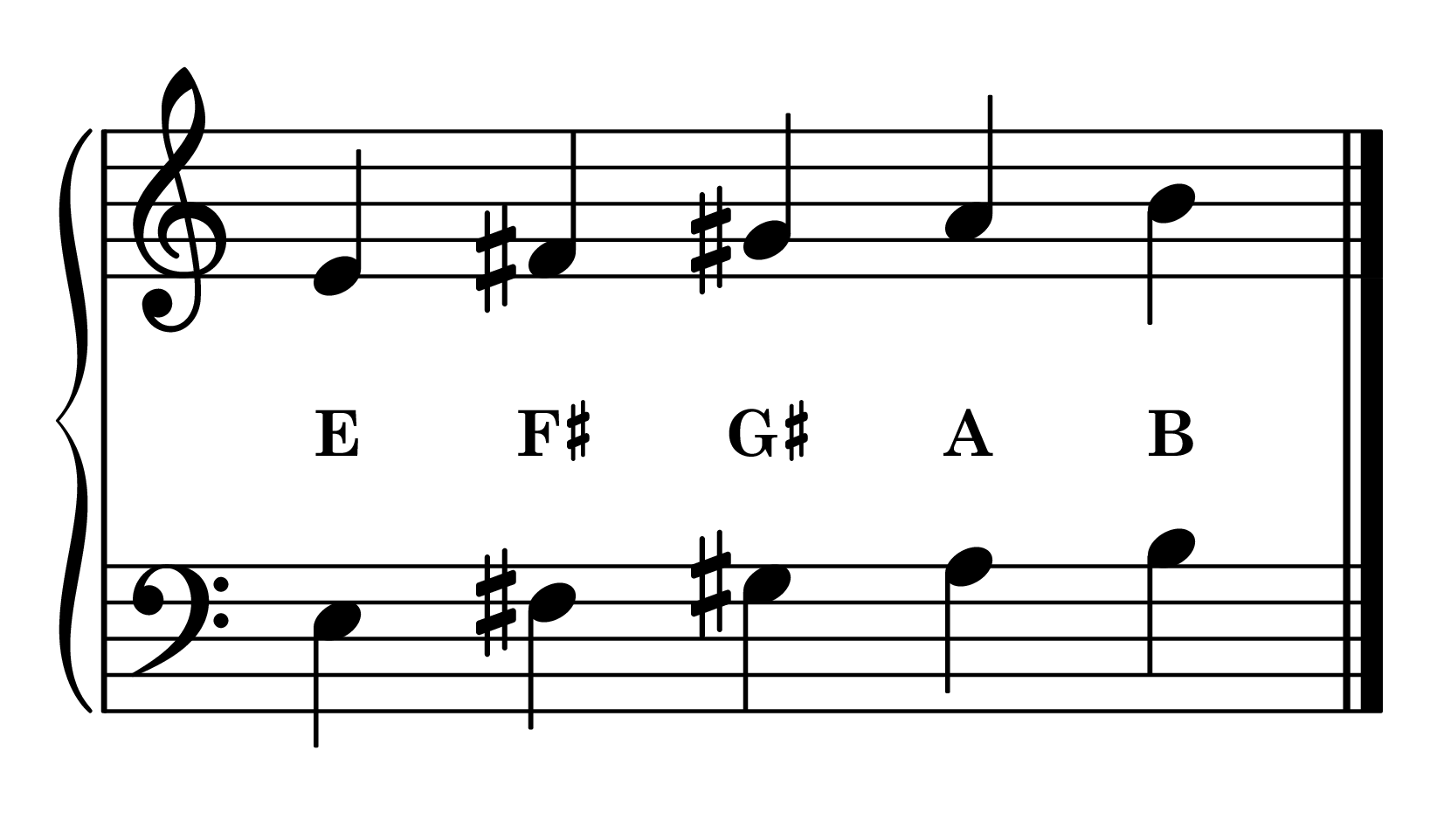
LH Fingering: 5 4 3 2 1
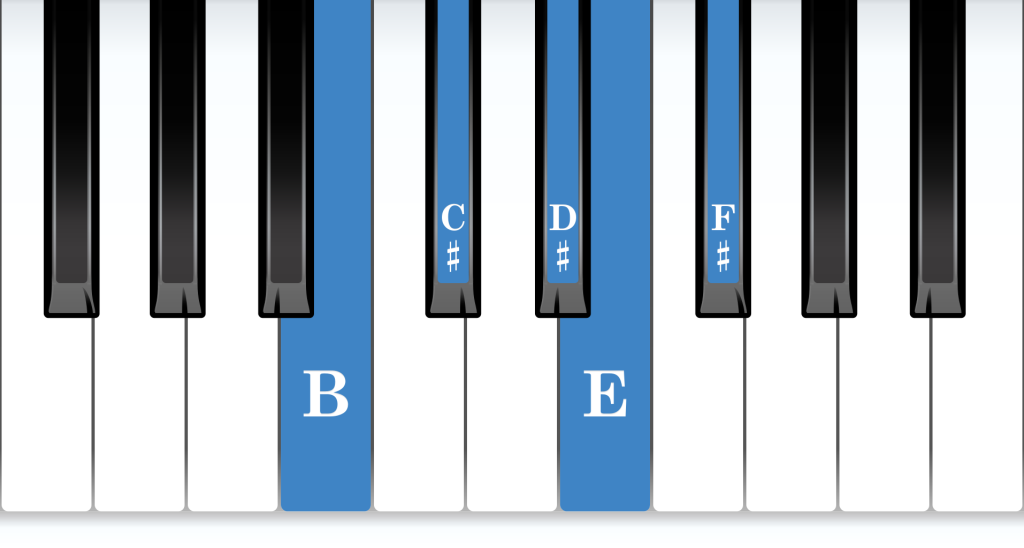
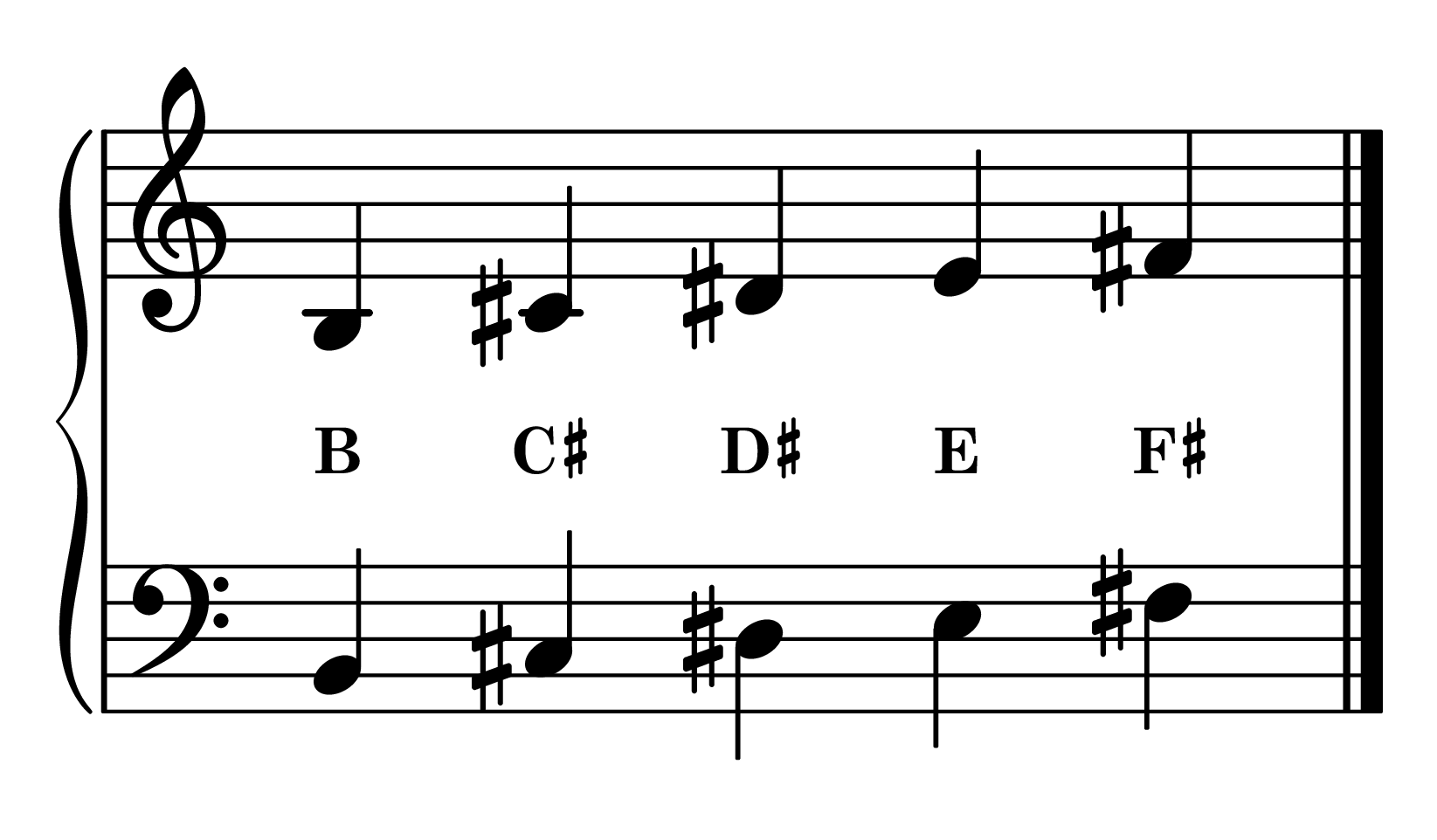
LH Fingering: 5 4 3 2 1
LH Fingering: 5 4 3 2 1
LH Fingering: 5 4 3 2 1
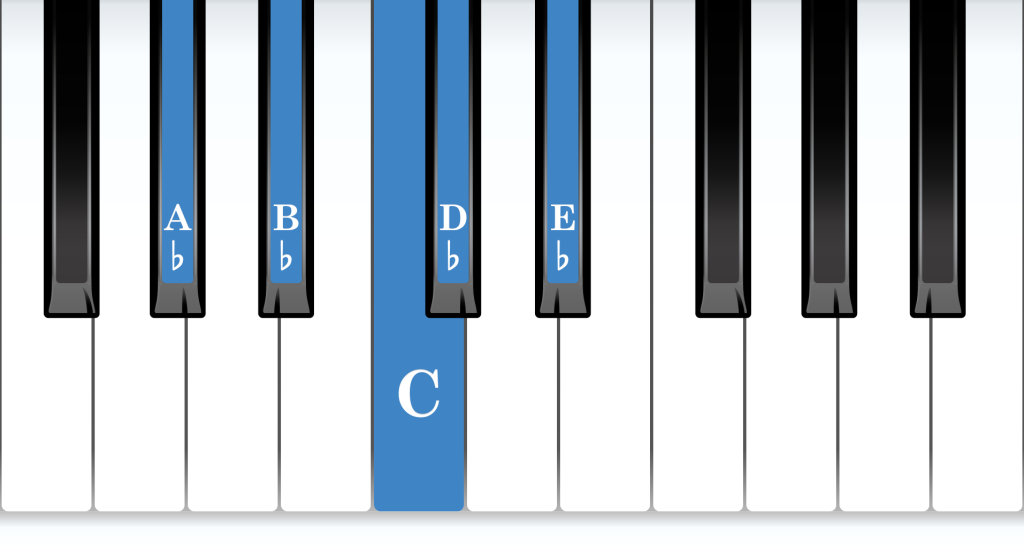
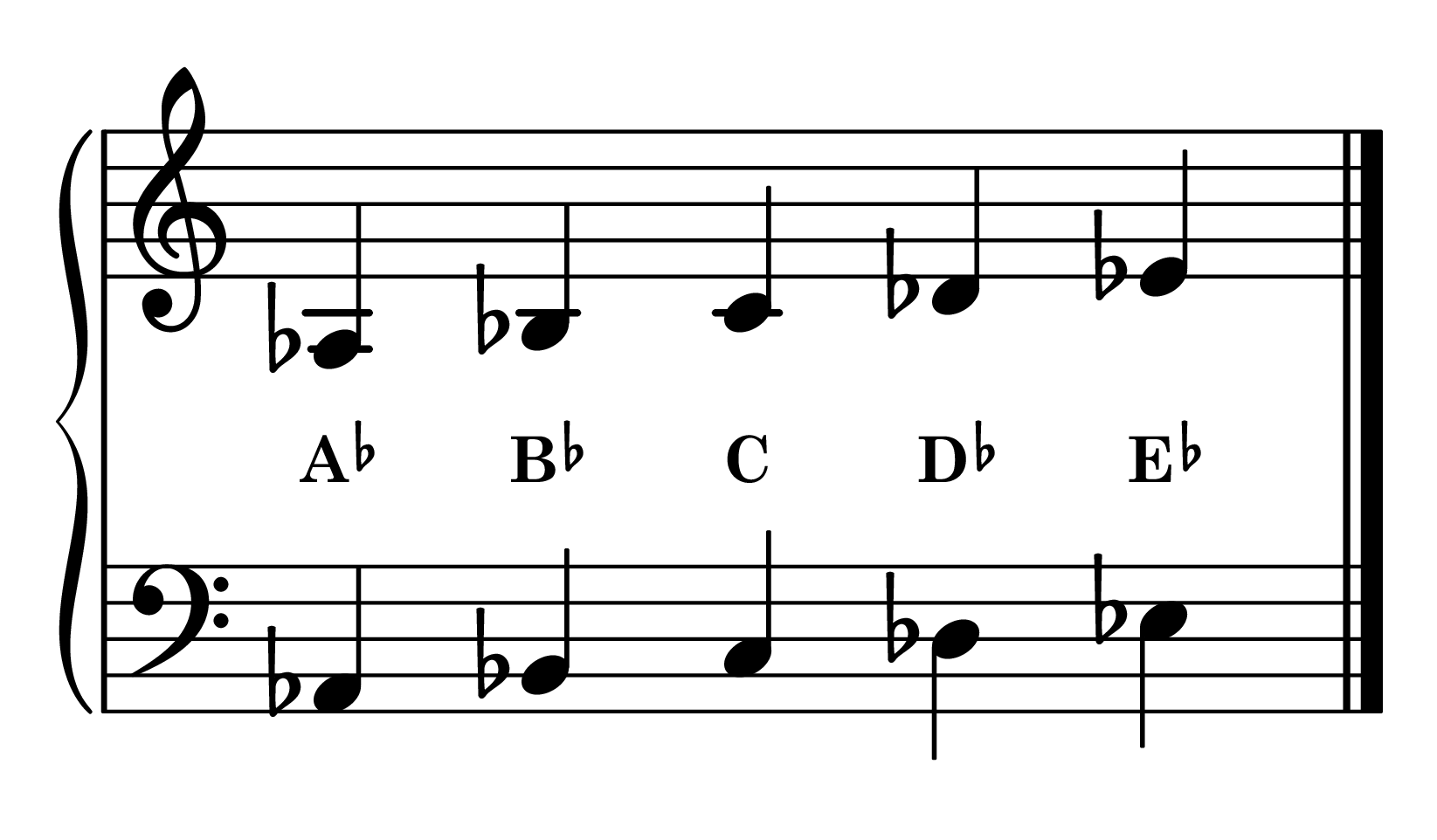
LH Fingering: 5 4 3 2 1
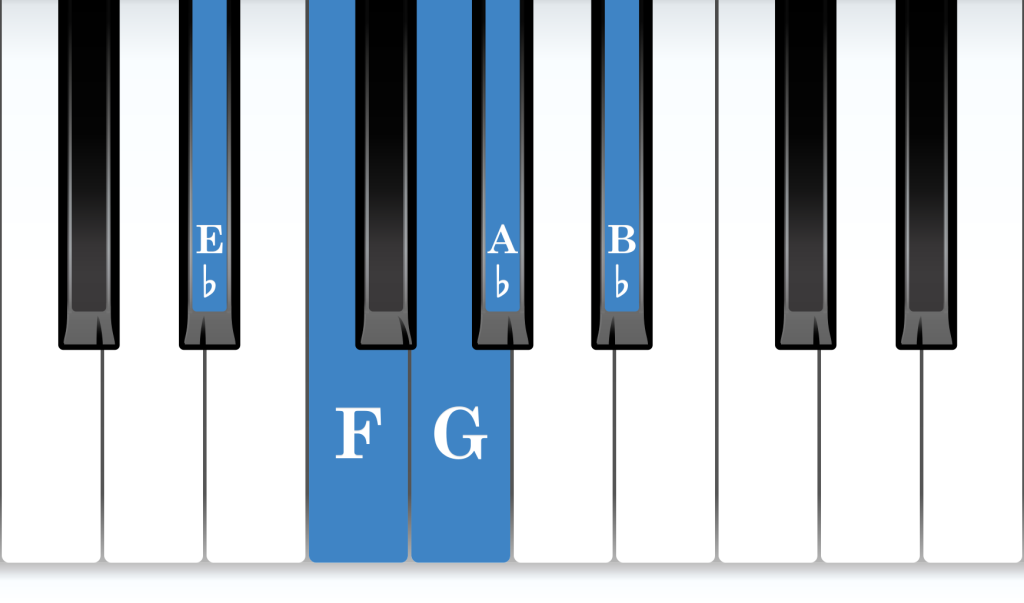
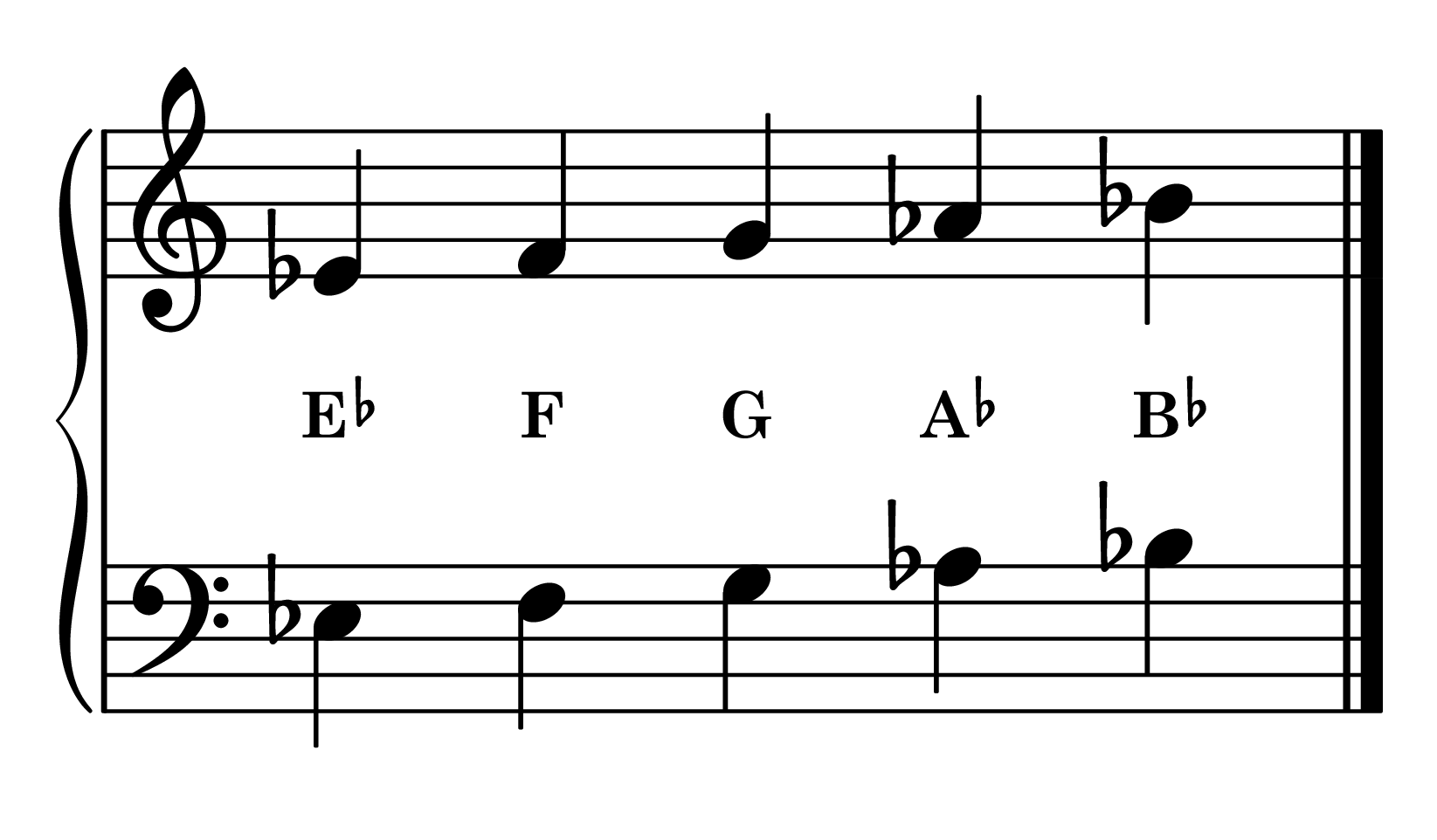
LH Fingering: 5 4 3 2 1
LH Fingering: 5 4 3 2 1
LH Fingering: 5 4 3 2 1
LH Fingering: 5 4 3 2 1
LH Fingering: 5 4 3 2 1
LH Fingering: 5 4 3 2 1
LH Fingering: 5 4 3 2 1
LH Fingering: 5 4 3 2 1
LH Fingering: 5 4 3 2 1
LH Fingering: 5 4 3 2 1
LH Fingering: 5 4 3 2 1
LH Fingering: 5 4 3 2 1
LH Fingering: 5 4 3 2 1
LH Fingering: 5 4 3 2 1
LH Fingering: 5 4 3 2 1