
Questions and answers
No questions on this lesson yet. Be the first to ask one.
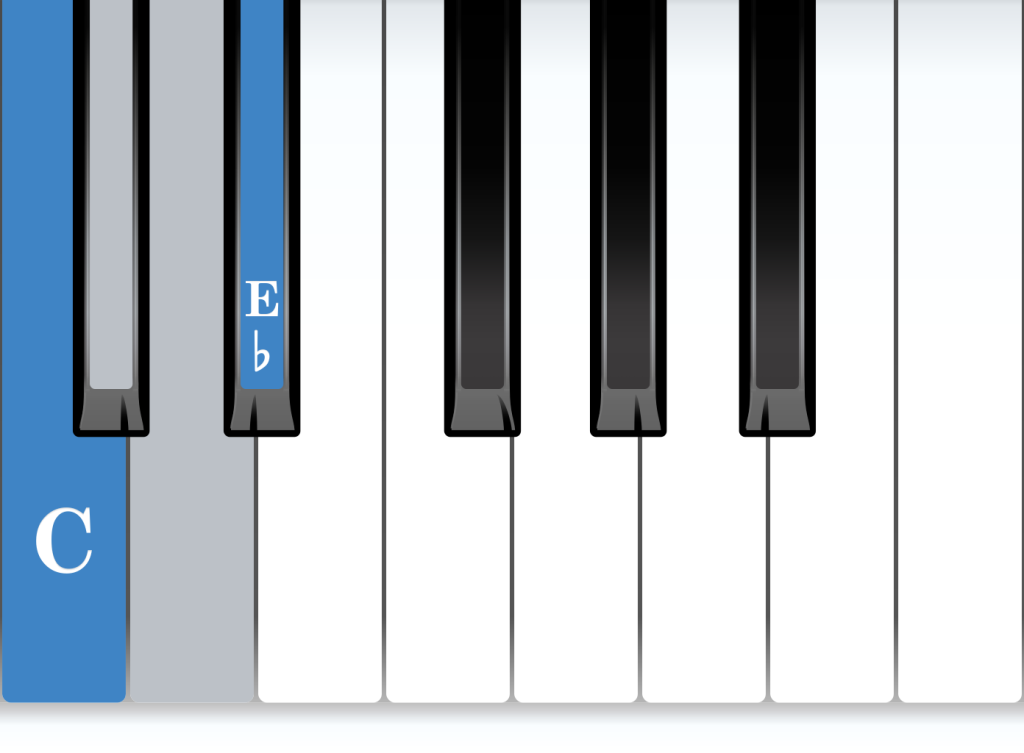
A major third spans four half steps. From C, for example, a major third up is E. The number in its name counts the letter names it covers, including both ends: from C to E, C D E is three, so it is a third. The four half steps make it major. With one half step less, C to E♭, it would be a minor third.
The major third is the bottom of every major chord (C to E in C major), and it sits on top of every minor chord (E♭ to G in C minor). Played together, the two notes blend easily and sound bright and settled. It’s the interval that makes a major chord sound major.
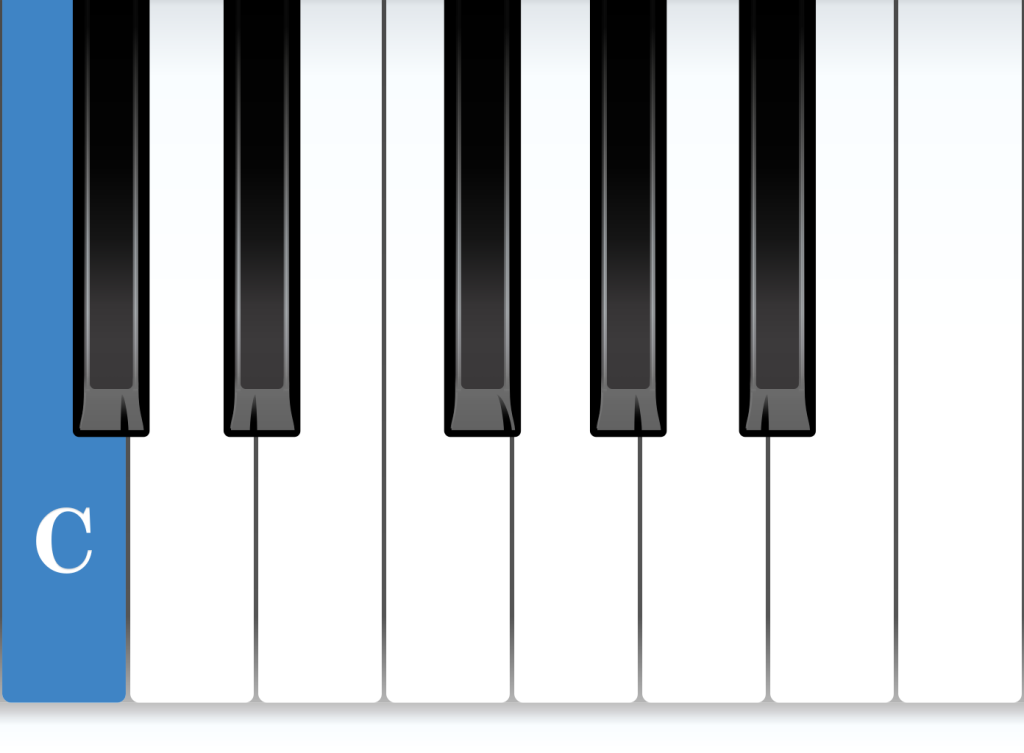
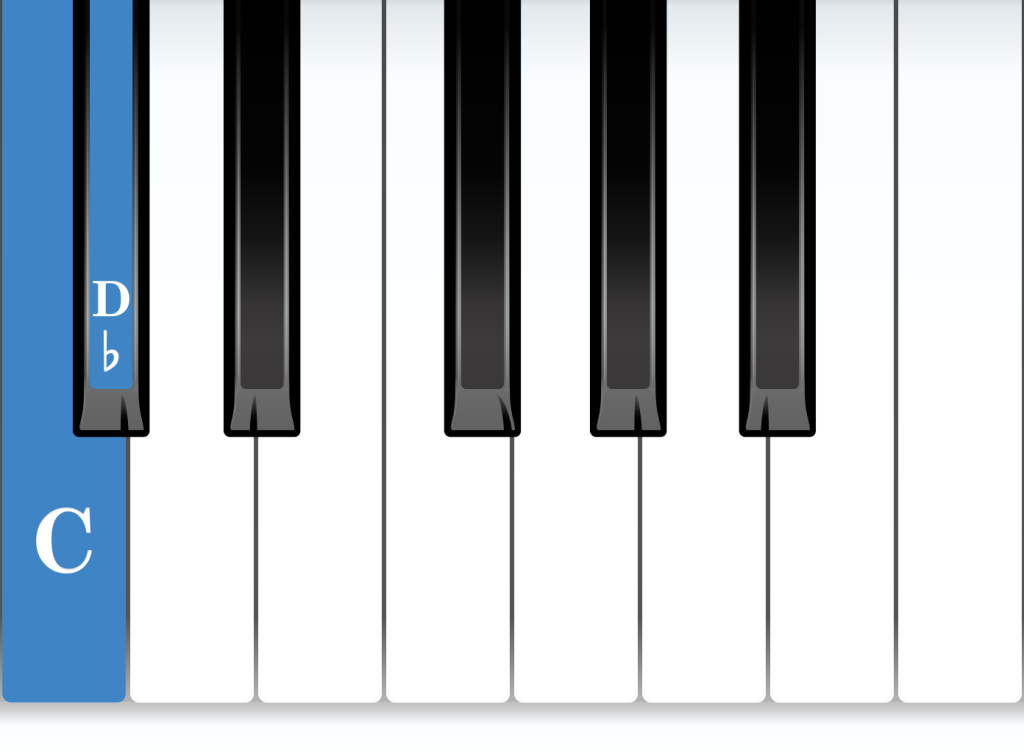
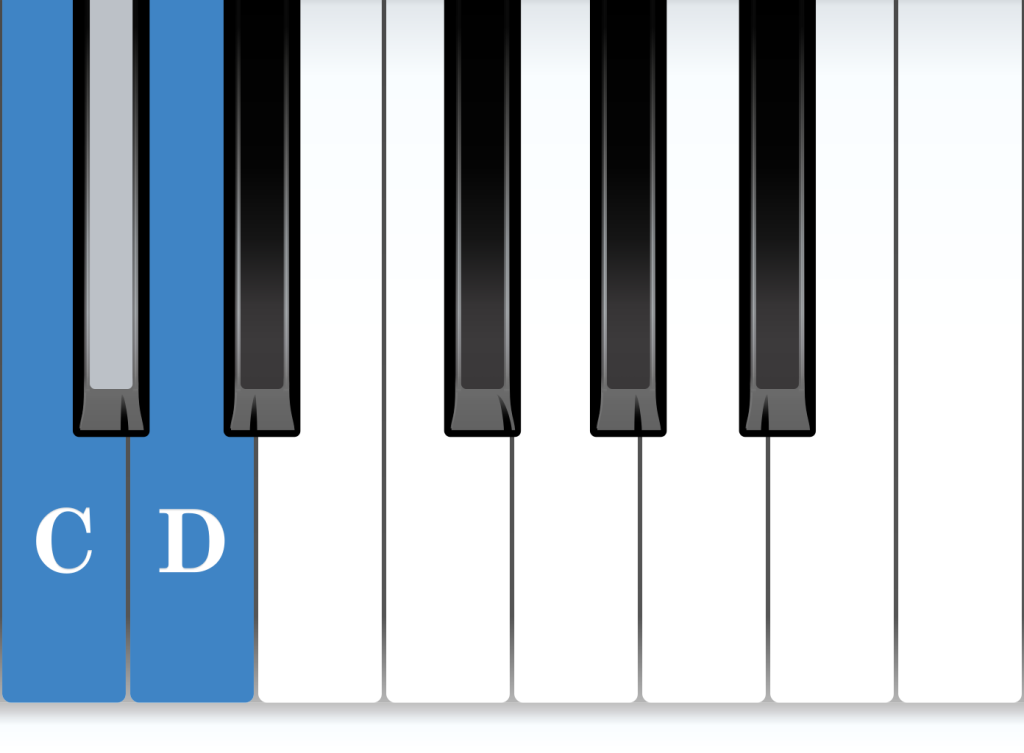
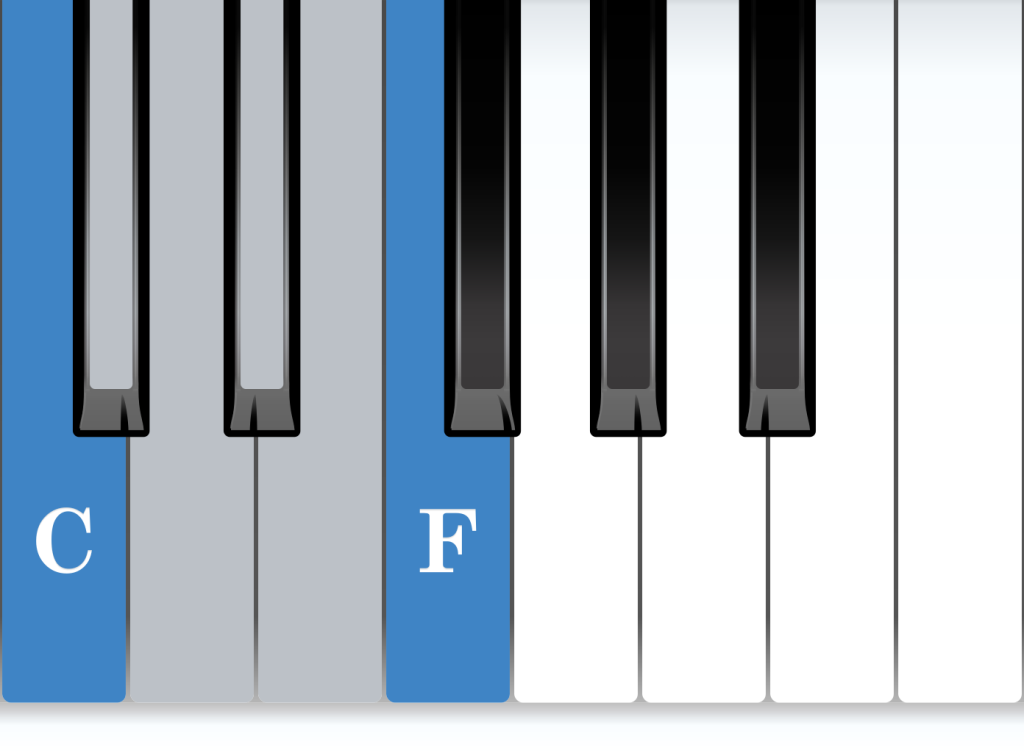
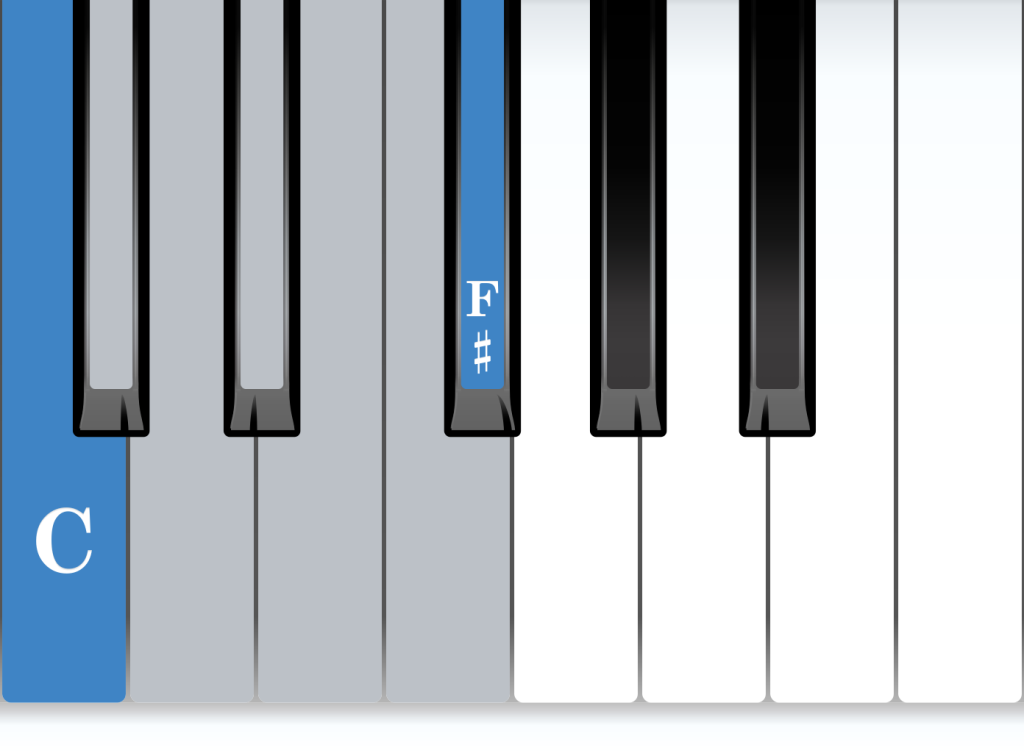
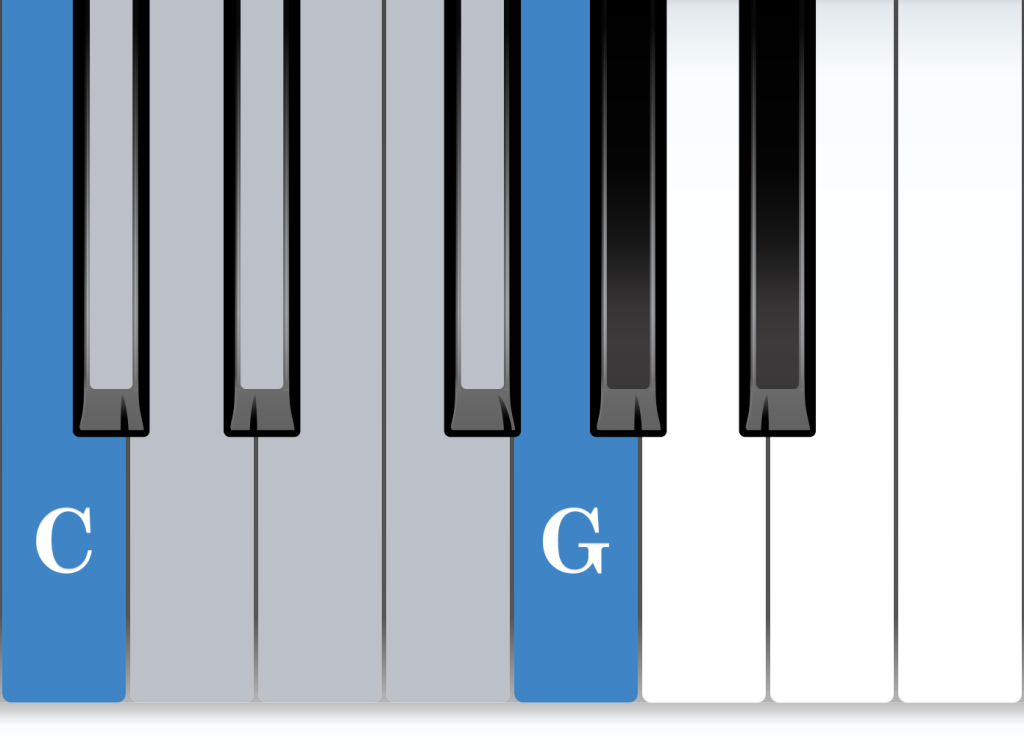
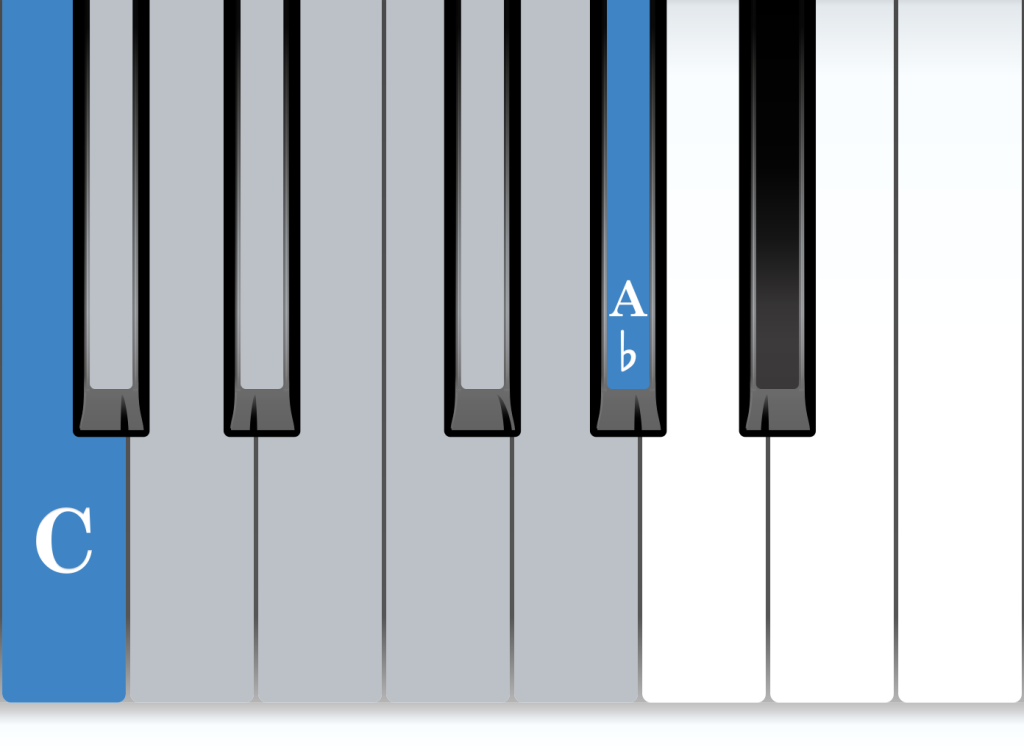
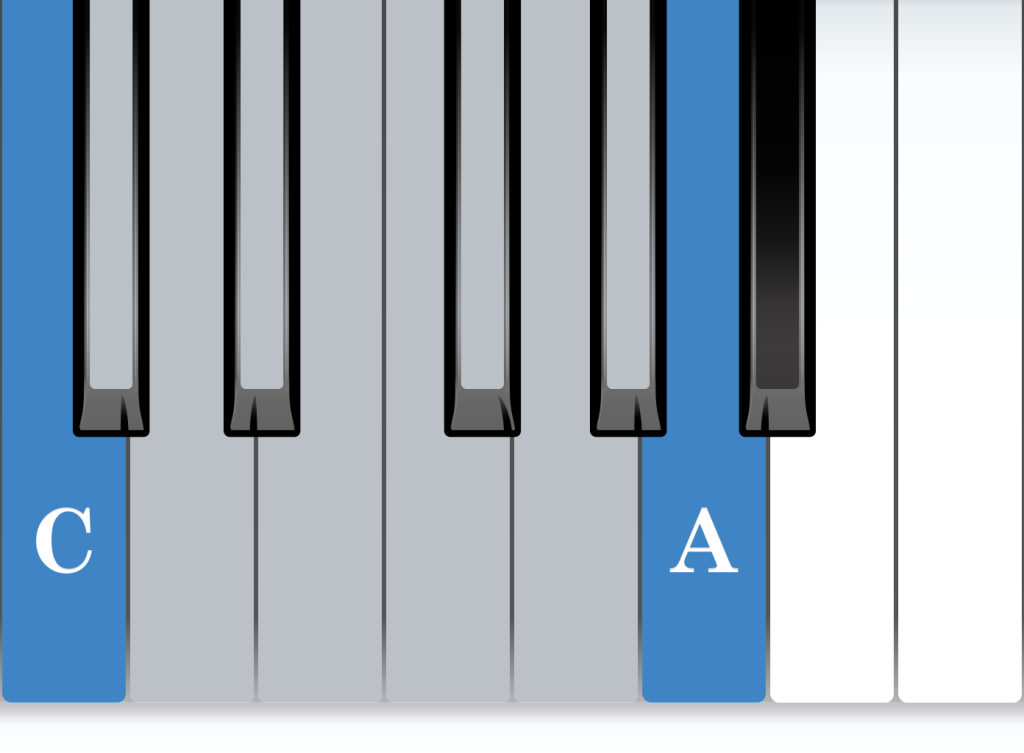
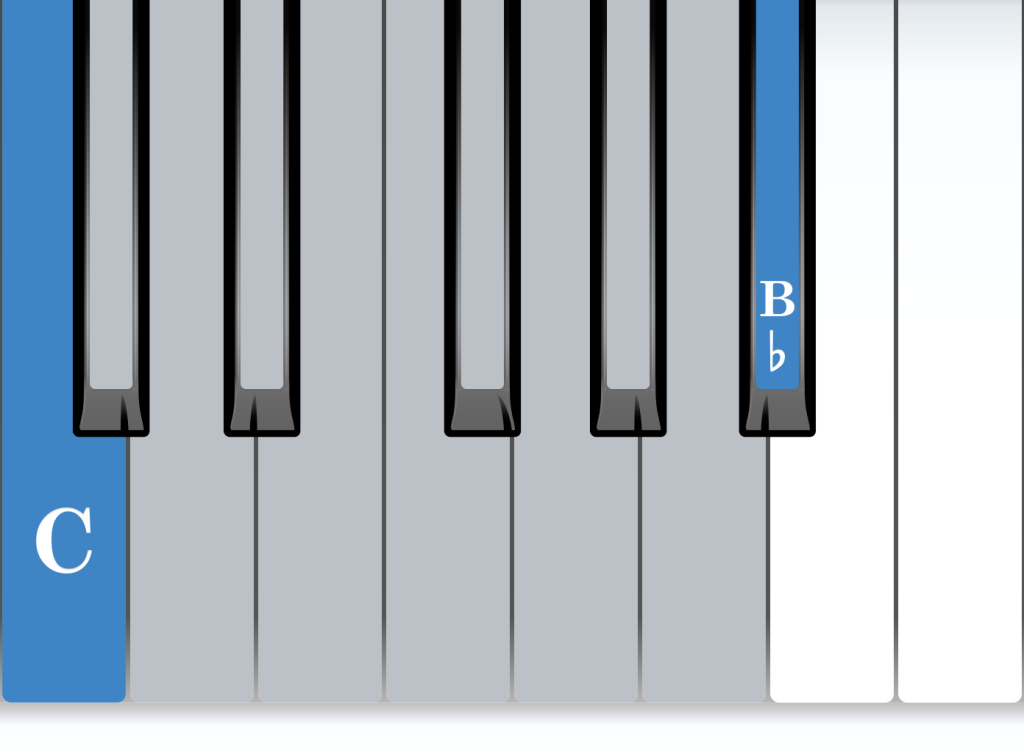
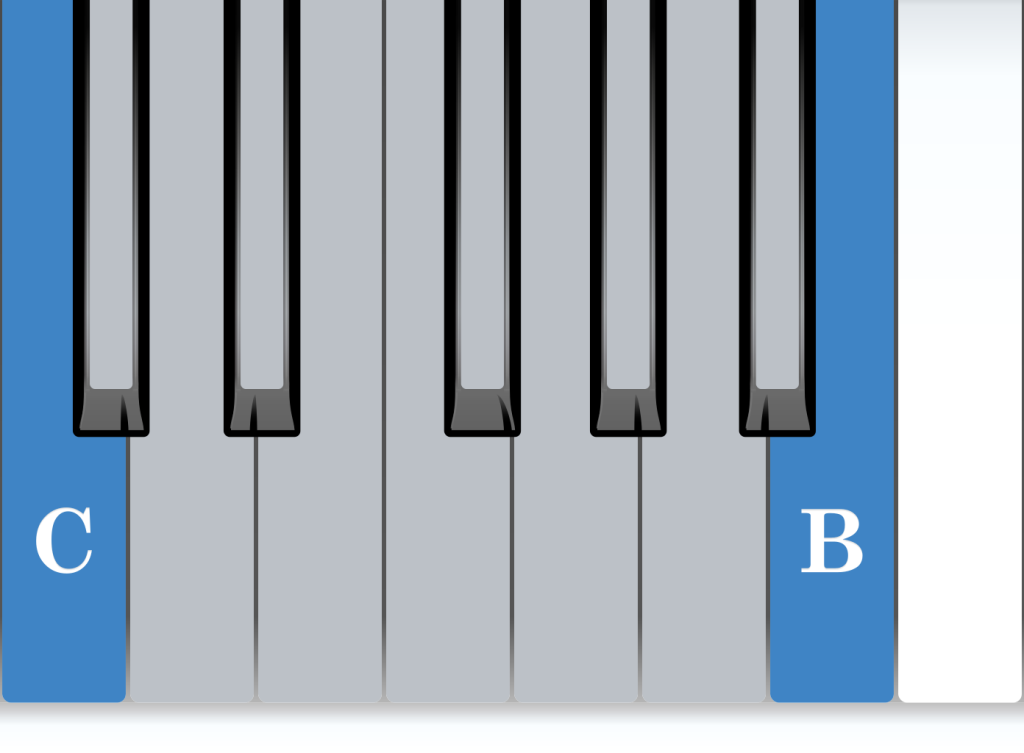
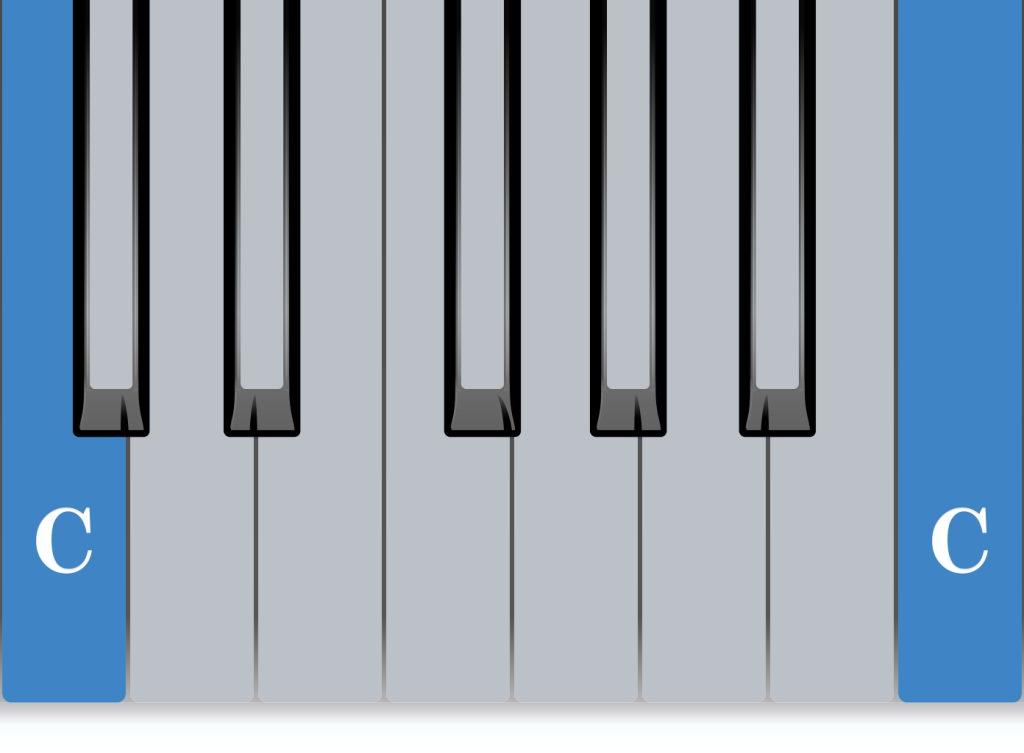
On the keyboard, a major third always has three keys between its two notes. Depending on where it starts, those notes can fall on white or black keys, which gives it four different shapes.
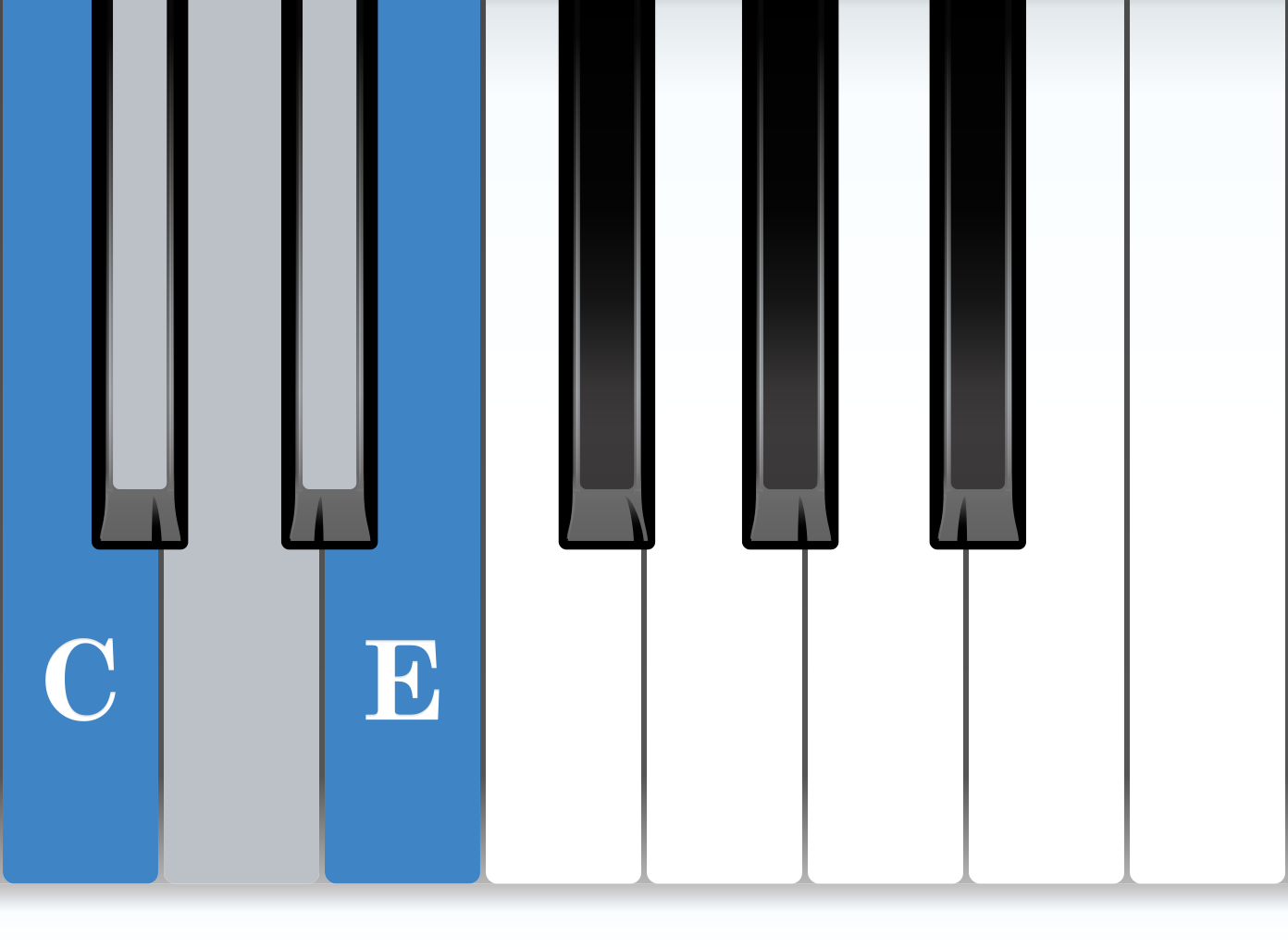
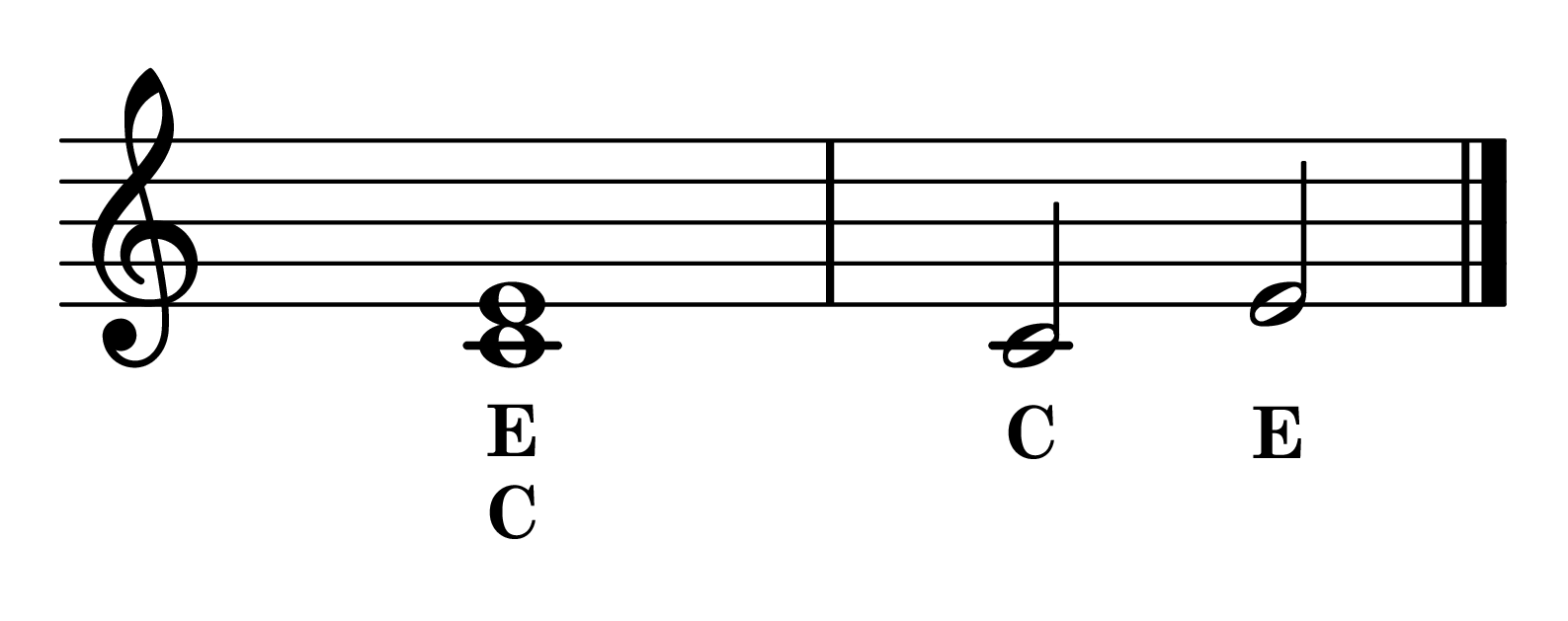
Each shape sits a little differently under the hand, so it is worth knowing them all. Under each keyboard, the same notes are on the staff: played together, then up, then down.
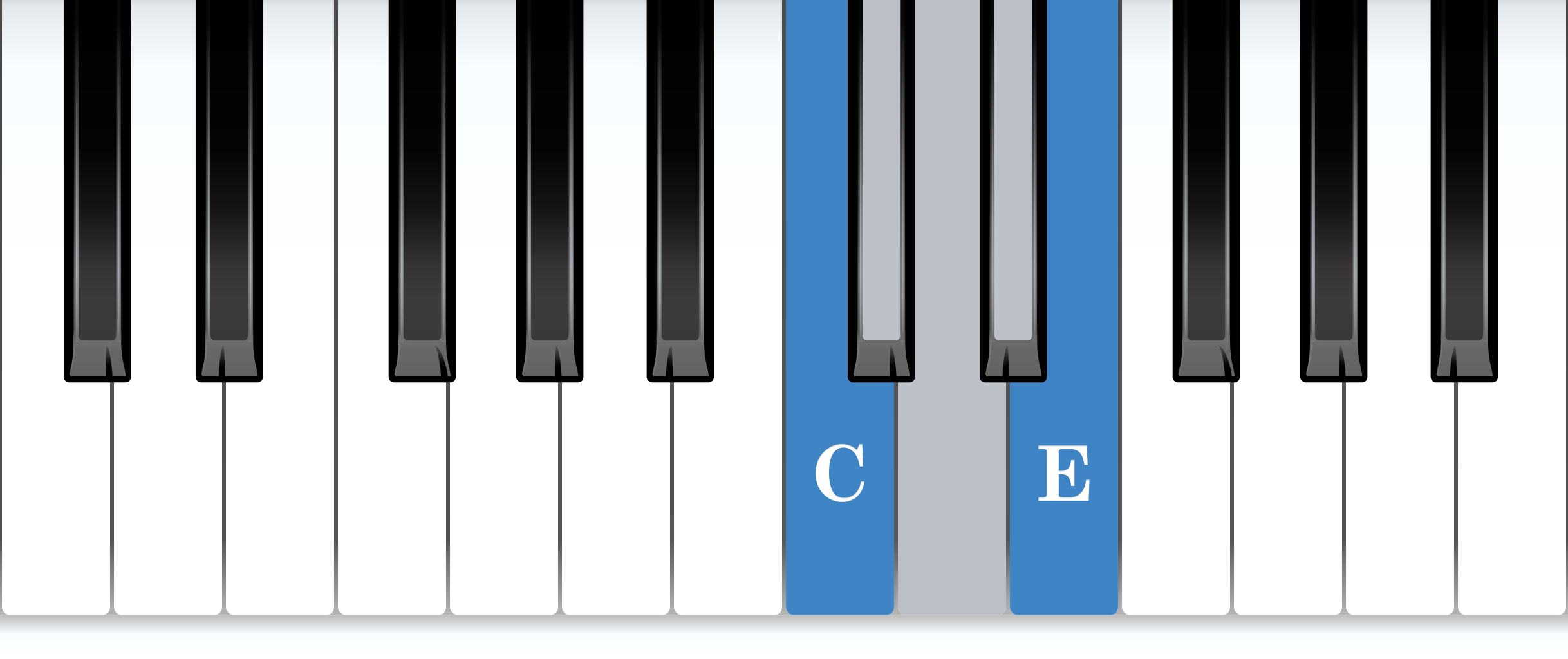
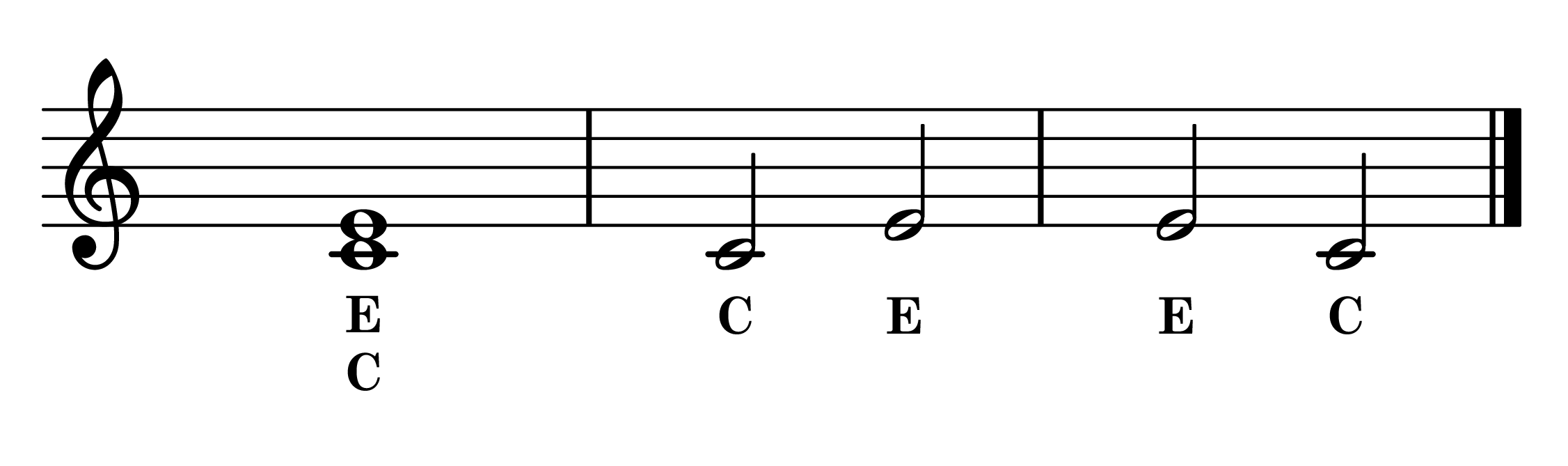
Major thirds that share this same shape are C–E, F–A, and G–B. There are three keys in between (one white, two black).
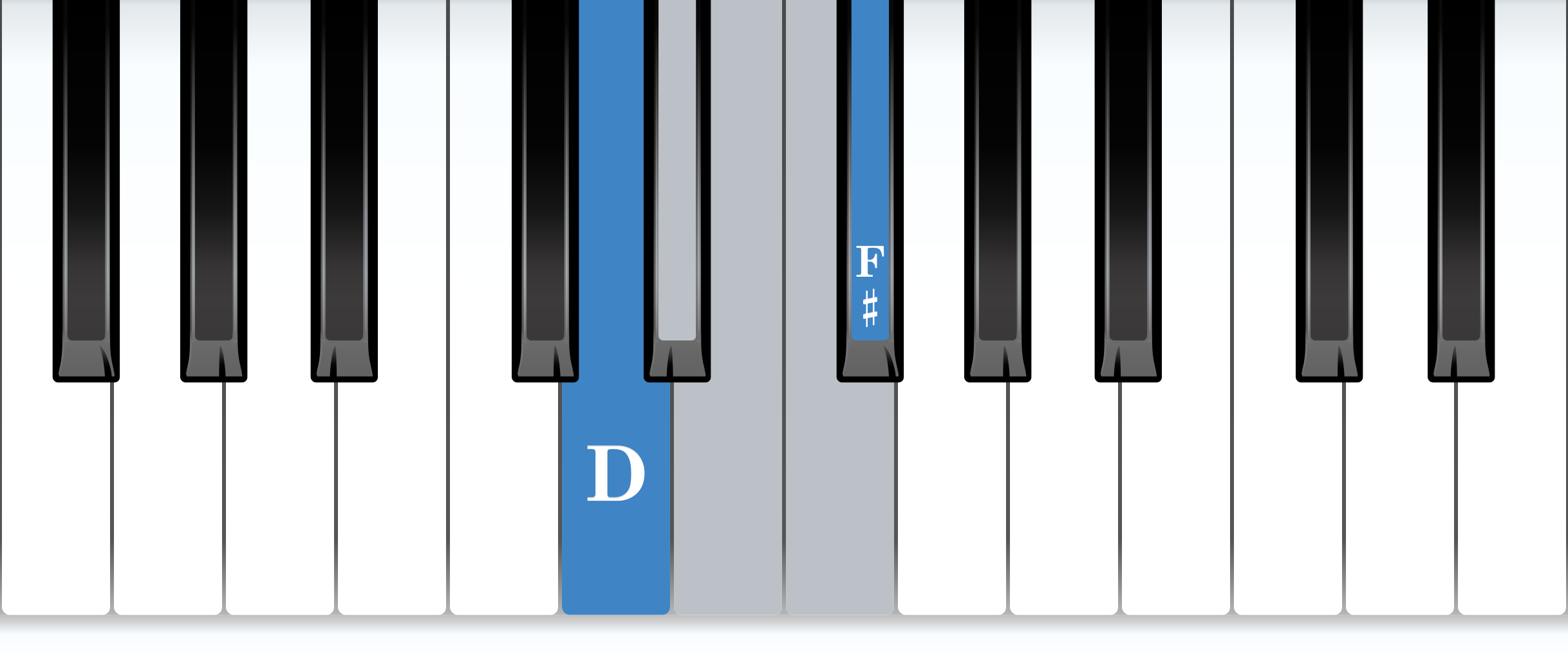
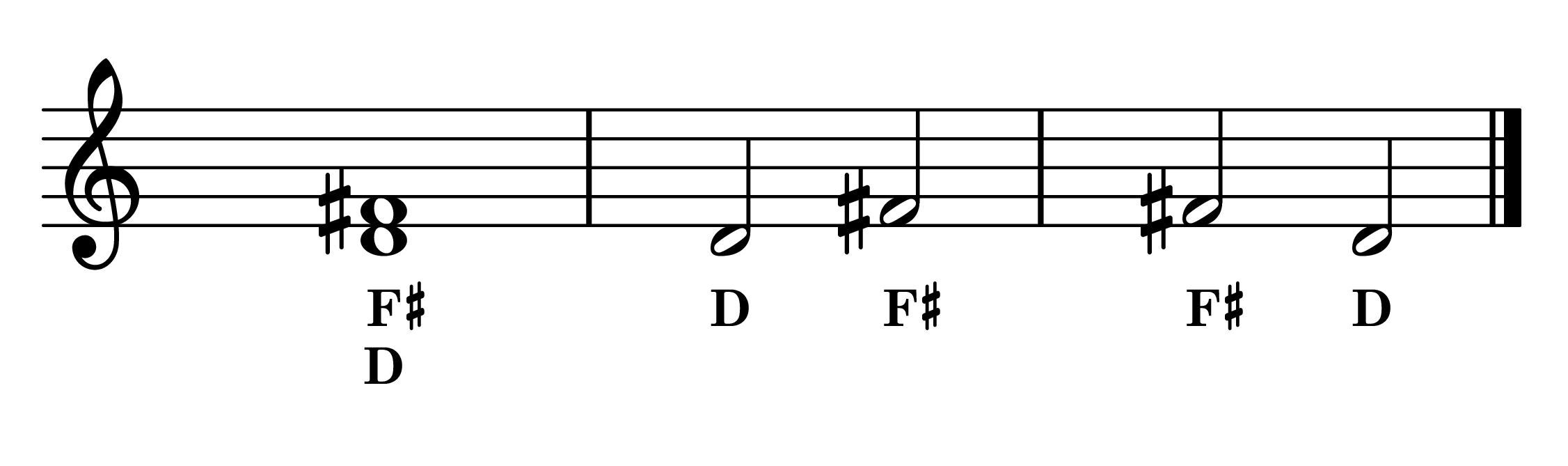
Major thirds that share this same shape are D–F♯, E–G♯, A–C♯, and B–D♯. There are three keys in between (two white, one black).
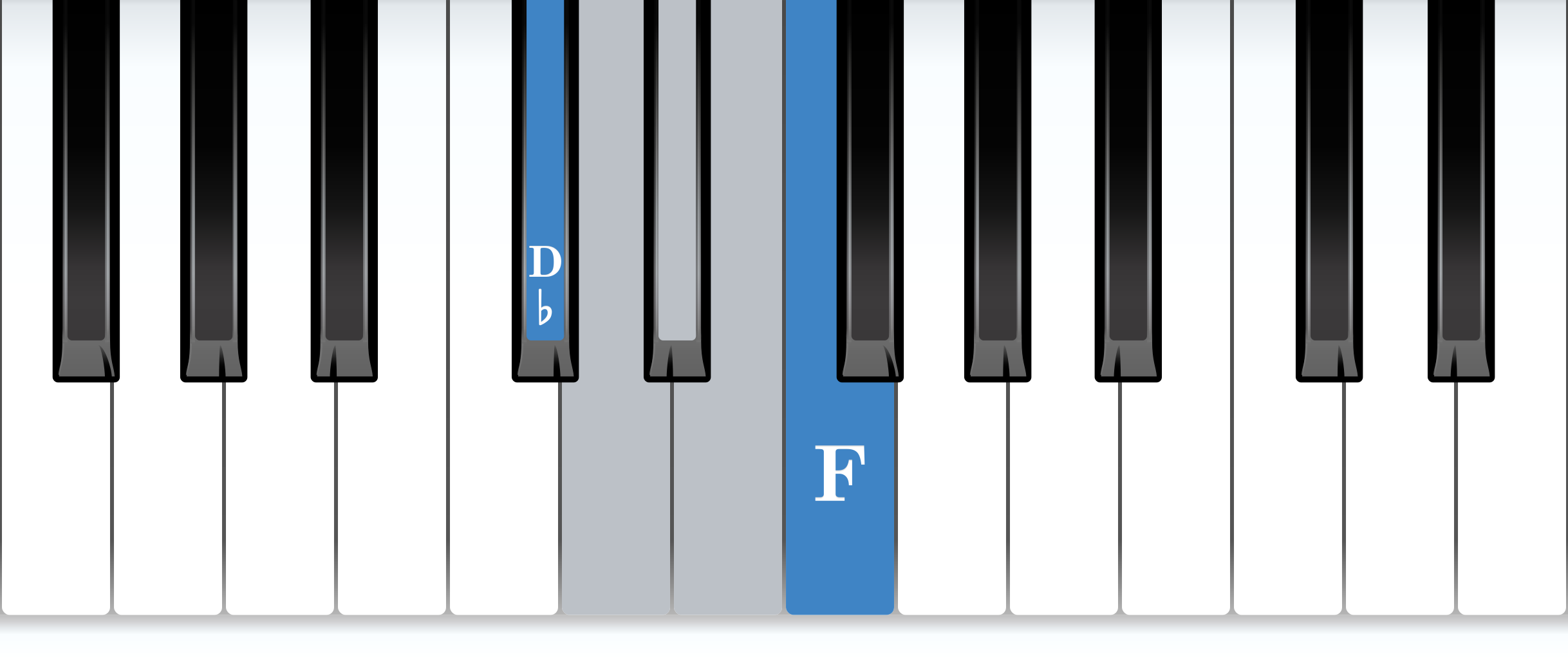
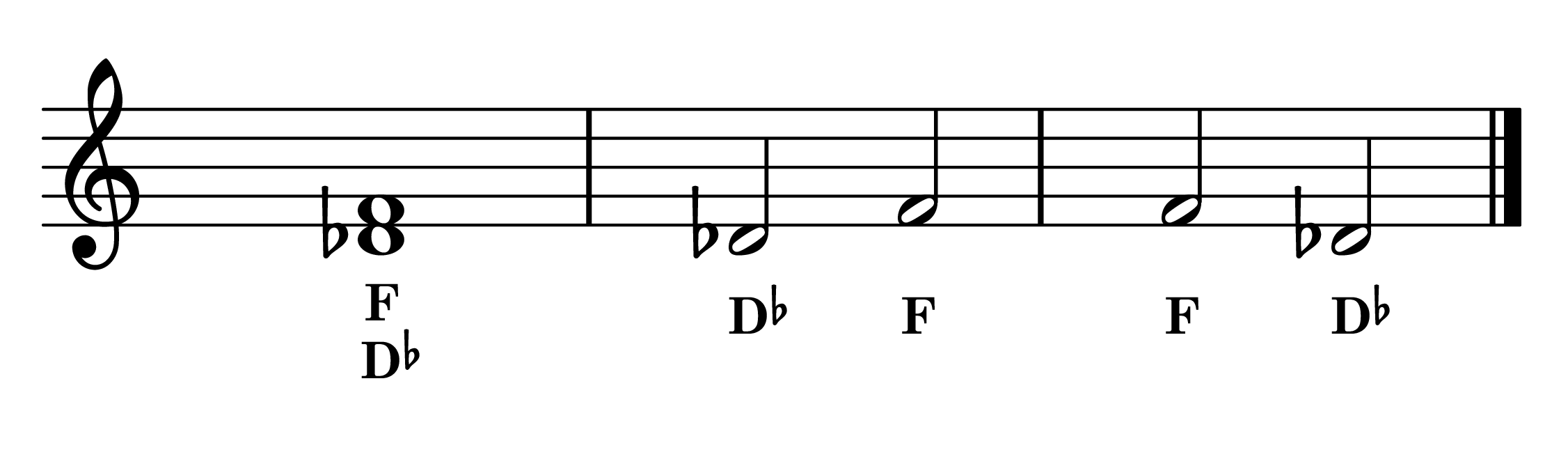
Major thirds that share this same shape are D♭–F, E♭–G, A♭–C, and B♭–D. There are three keys in between (two white, one black).
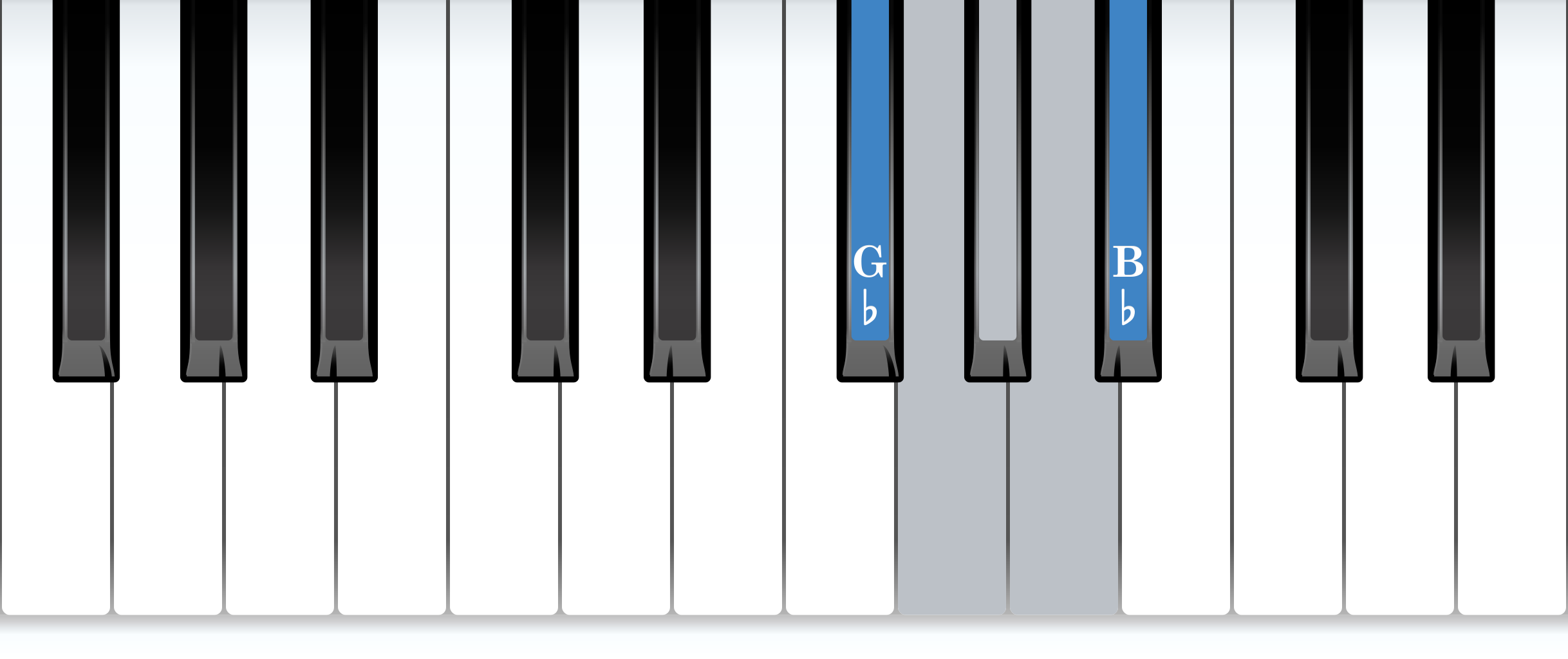
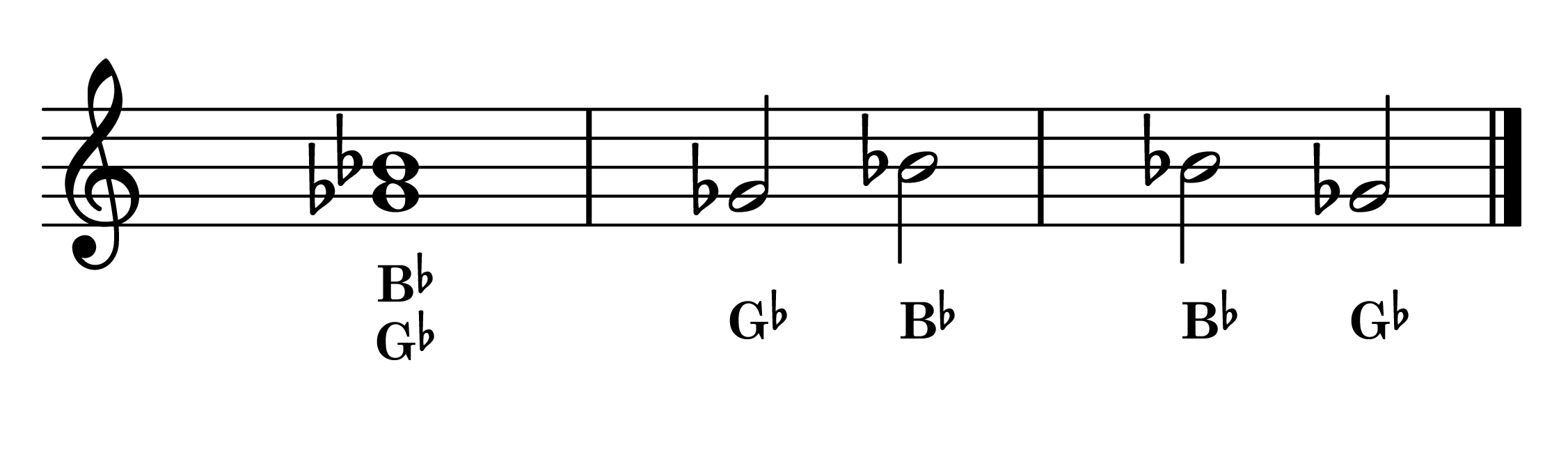
G♭–B♭ is the only major third with this shape. There are three keys in between (two white, one black).
A third goes from a line to the next line up, or from a space to the next space. Both notes are on lines, or both are in spaces. That stays true whatever the accidentals are: every third looks like a third, and the accidentals tell us its quality.
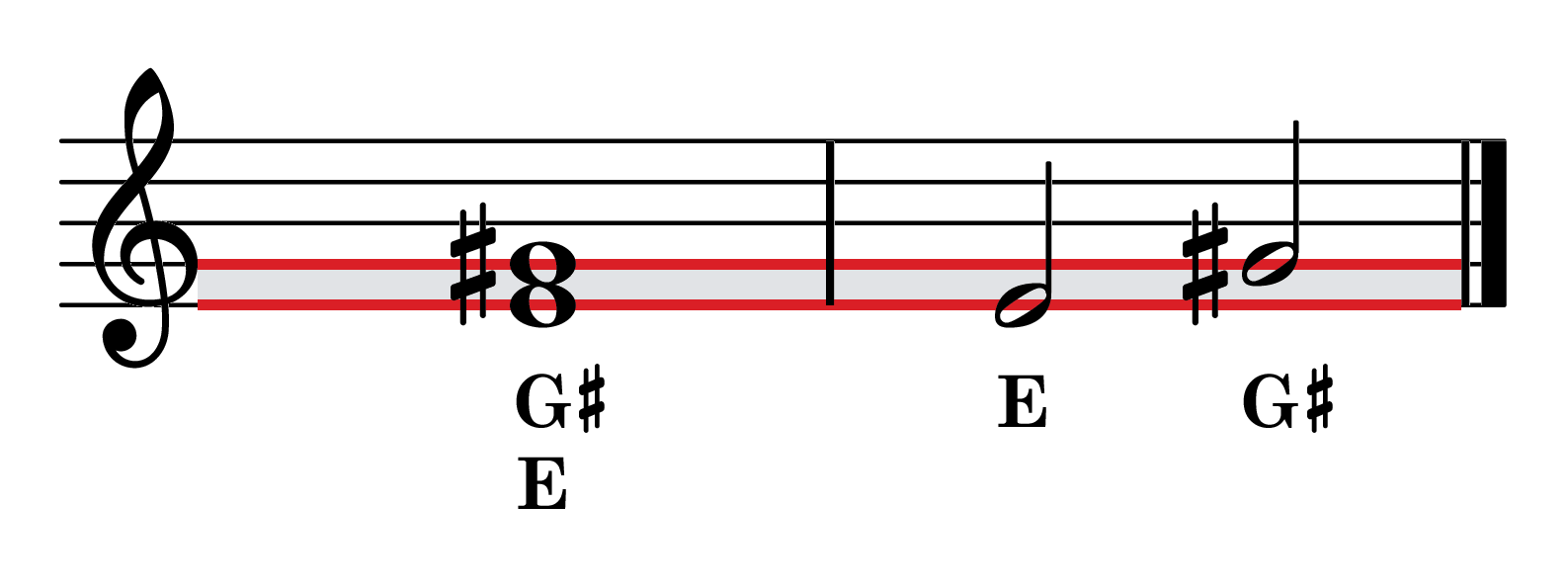
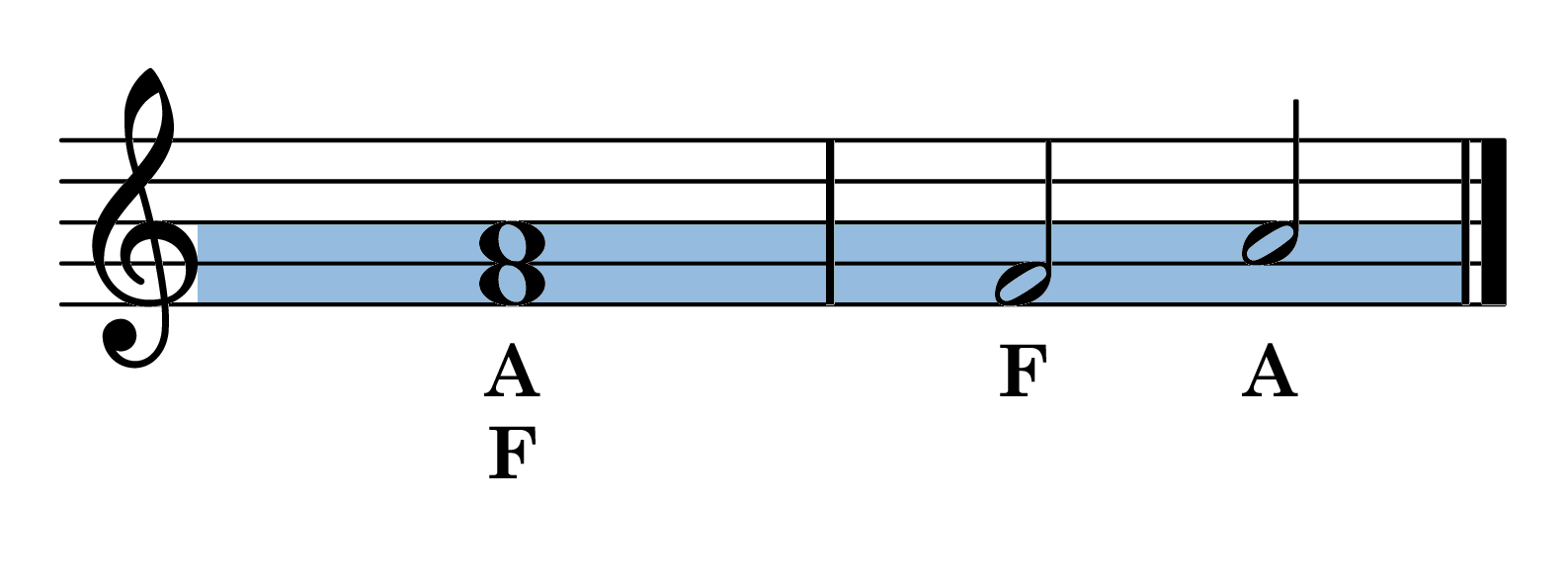
This is what makes intervals so useful for reading. Rather than naming every note from the clef, we read from one note to the next: once we know where we are, the shape on the staff tells us how far to move. Reading this way is relational rather than absolute, and it is much faster.
It works the same in the treble and bass clef, and at any height on the staff, so a reader who knows the look of a third recognizes it everywhere.
In melodies and five-finger patterns, a third often skips a finger: 1 and 3, 2 and 4, 3 and 5. One note is skipped on the staff, and one finger is skipped in the hand.
The spacing on the staff and the spacing in the hand belong together. In a five-finger pattern, a step on the staff is often the next finger, and a skipped note a skipped finger, so the distance we see becomes a distance we feel.
If we move the lower note up an octave (or the upper note down one), a major third becomes a minor sixth: C to E turns into E to C. The numbers of an interval and its inversion add up to nine, and their half steps to twelve (4 + 8). Major becomes minor.
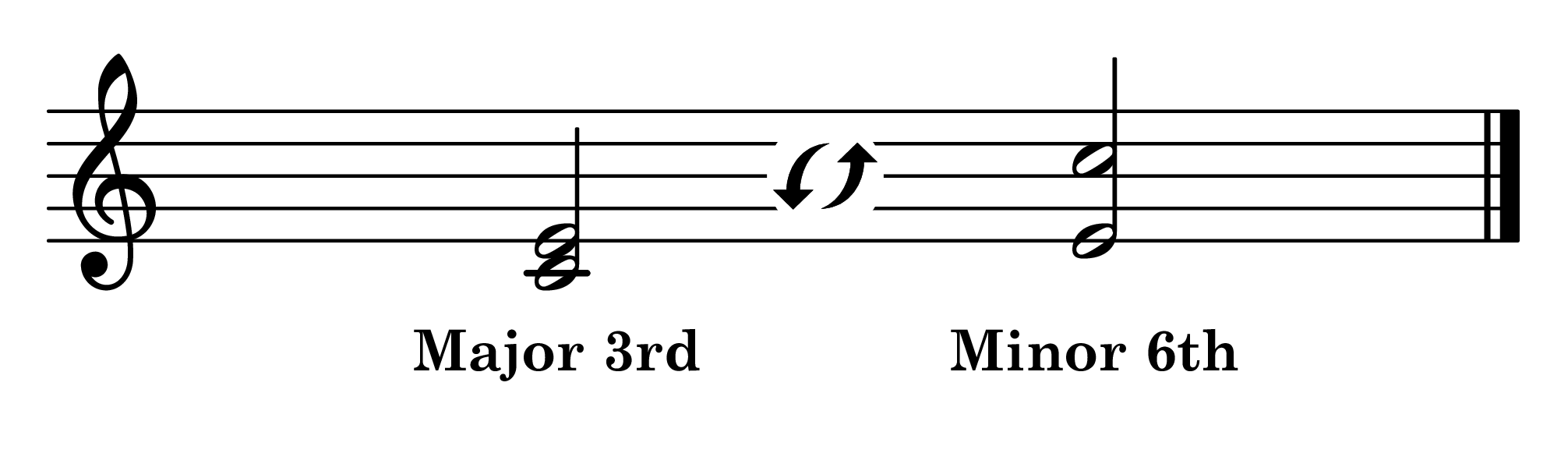
On the keyboard the shapes swap as well: a white-to-black shape inverts to a black-to-white one, and a white-to-white shape stays white to white.
No questions on this lesson yet. Be the first to ask one.