The Complete Guide to Piano Arpeggios

Learn to play and practice arpeggios with a simplified, practical approach
Contents
    Add a header to begin generating the table of contents
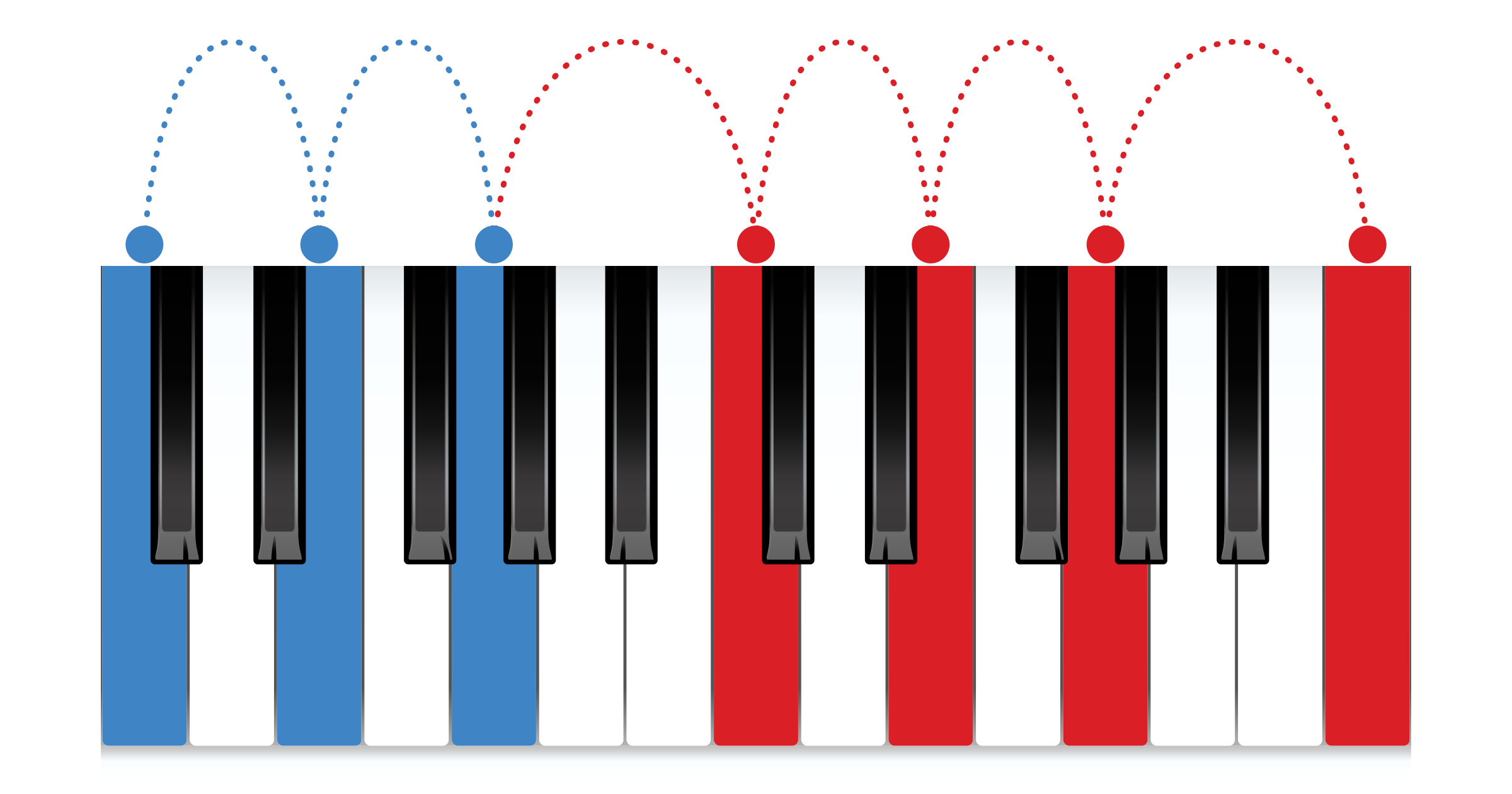
    C major arpeggio bouncing up two octaves of the piano keyboard, left hand blue, right hand red

    What are piano arpeggios, and why are they important?

    Arpeggios are an essential technique in piano playing that involve playing the notes of a chord individually, one after the other, rather than all at once. In other words, an arpeggio is a broken chord. When played on the piano, arpeggios can add a sense of movement, fluidity, and richness to a piece of music. Arpeggios can be played in a variety of patterns, such as ascending or descending, and can be used in a wide range of musical styles, from classical to jazz to pop.

    Learning to play arpeggios is an important skill for any pianist, as it provides a vital familiarity with some of the most common patterns seen in music, and also helps to build finger dexterity, hand coordination, and overall musicianship.

    How piano arpeggios are constructed

    At their core, arpeggios are chords, and even though they are played as a sequence of notes that can span a large distance on the piano, it’s important to visualize them as single chords.

    Piano arpeggios in the 12 major keys

    First, we’ll cover arpeggios in all the major keys on the piano.
    C Major Arpeggios

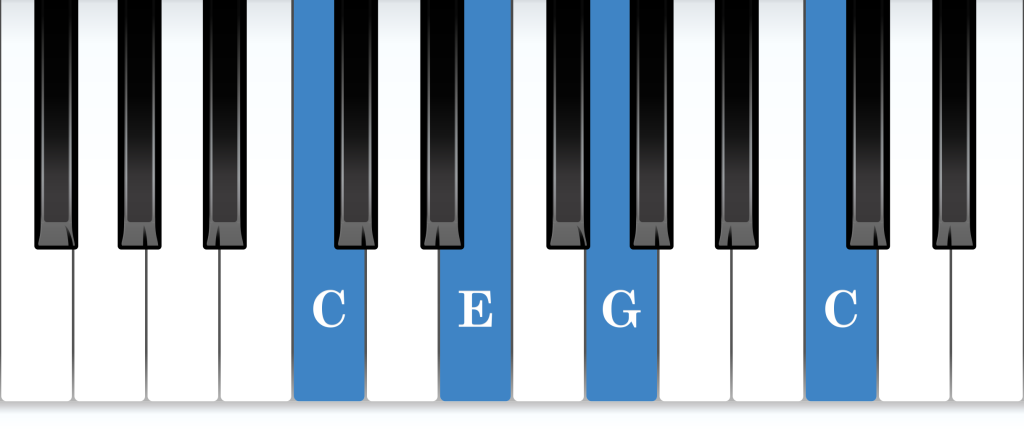
    C major arpeggio piano notes diagram
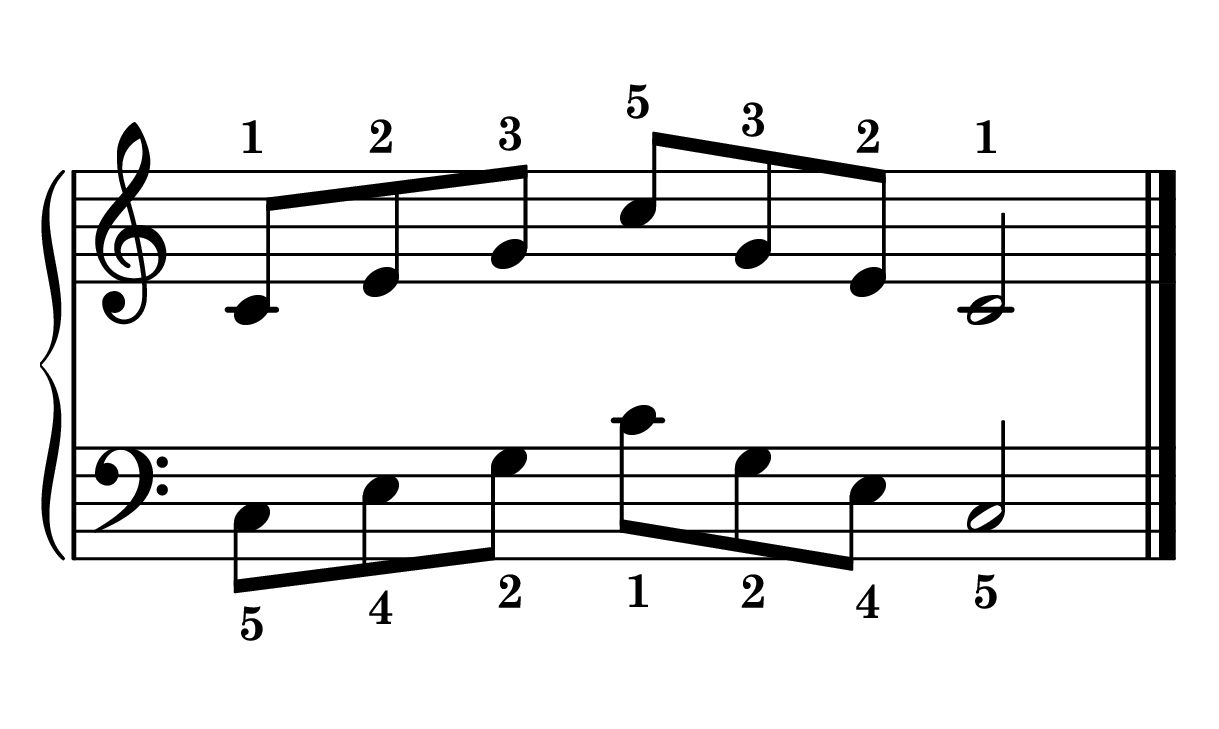
    C major arpeggio piano in root position in one octave notes on staff with fingering
    Learn how to play arpeggios in the key of C Major

    G Major Arpeggios

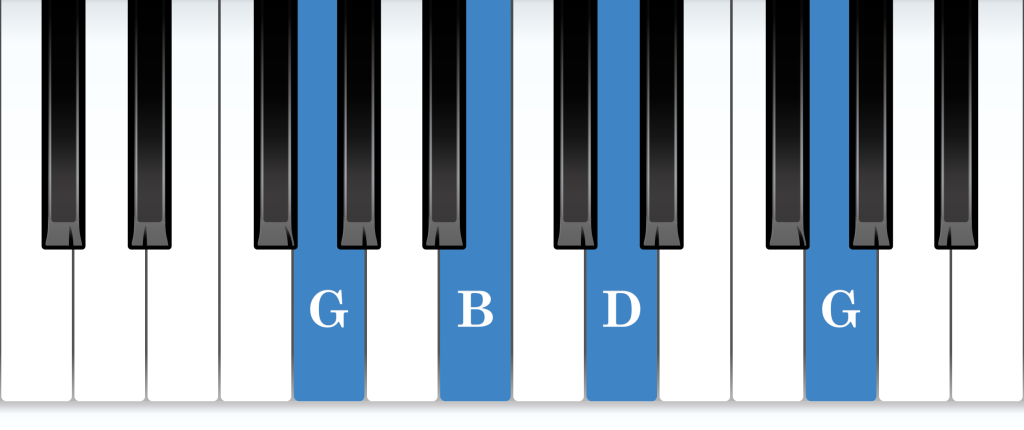
    G major arpeggio piano notes diagram
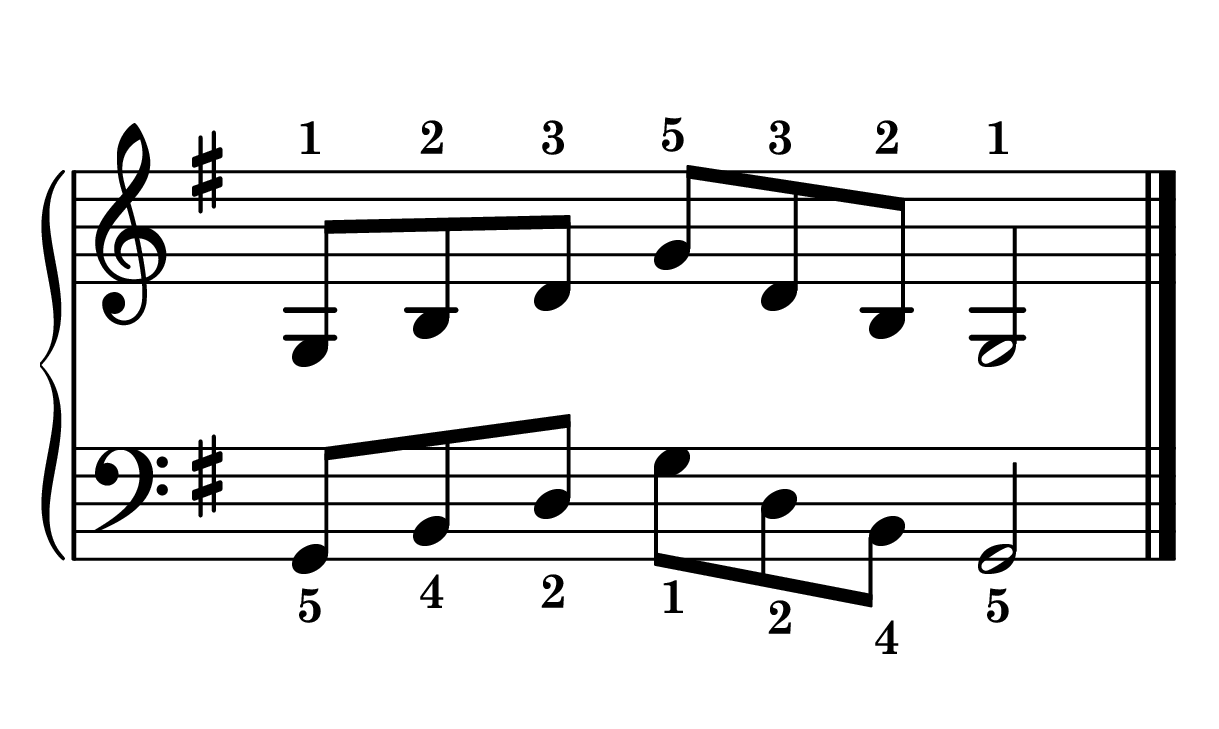
    G major arpeggio piano in root position in one octave notes on staff with fingering
    Learn how to play arpeggios in the key of G Major

    D Major Arpeggios

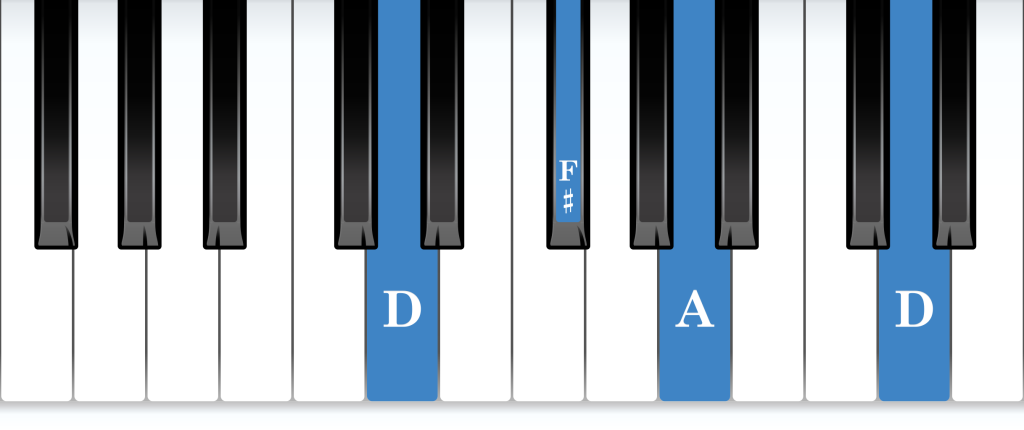
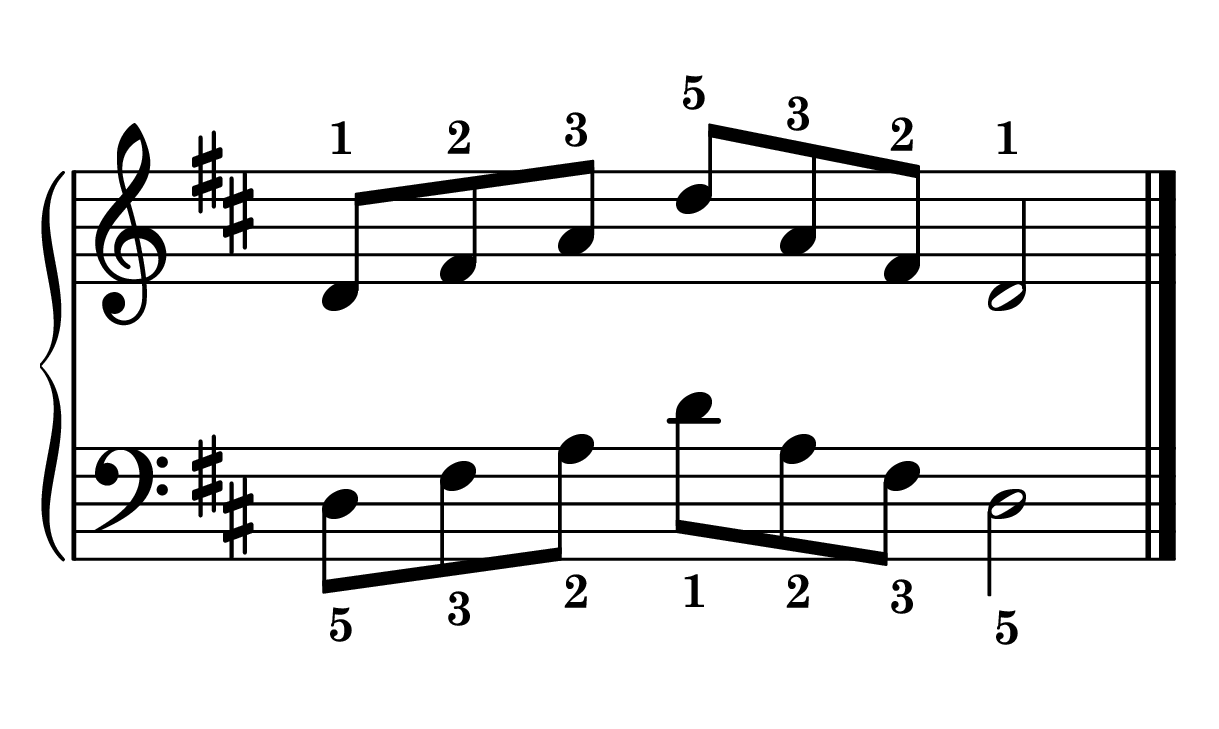
    D major arpeggio piano notes diagram
    D major arpeggio piano in root position in one octave notes on staff with fingering
    Learn how to play arpeggios in the key of D Major

    A Major Arpeggios

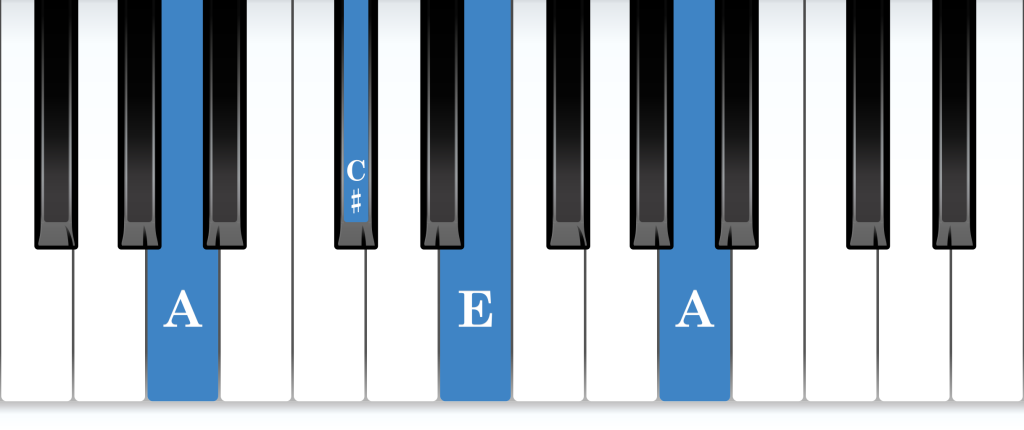
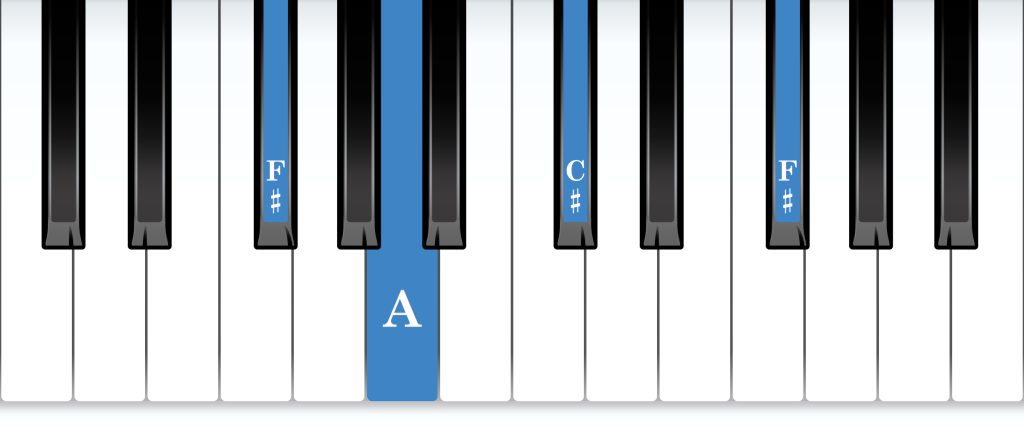
    A major arpeggio piano notes diagram
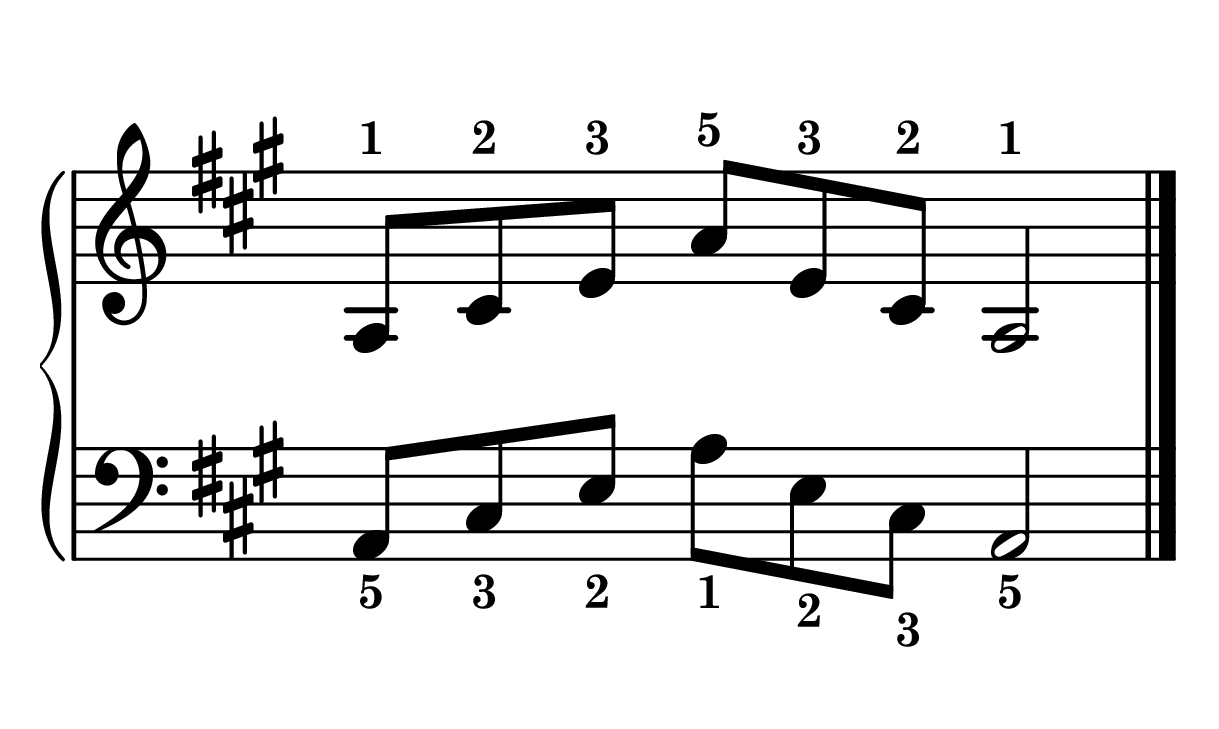
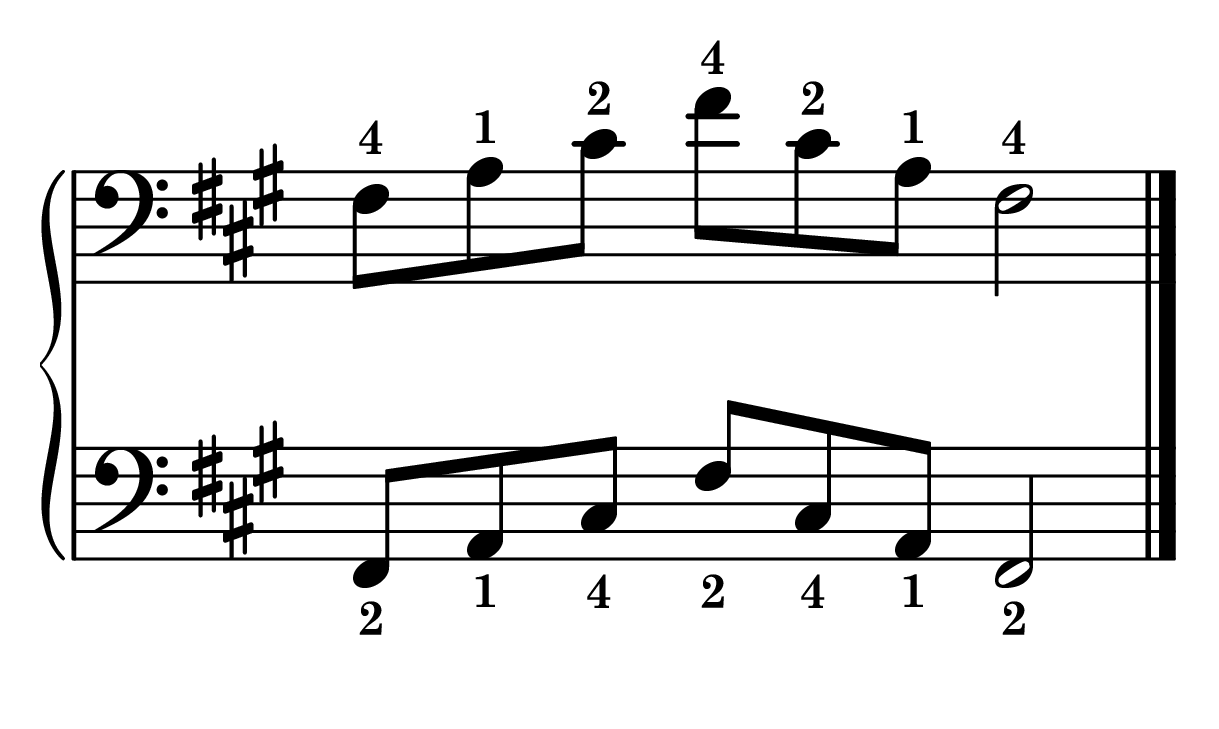
    A major arpeggio piano in root position in one octave notes on staff with fingering
    Learn how to play arpeggios in the key of A Major

    E Major Arpeggios

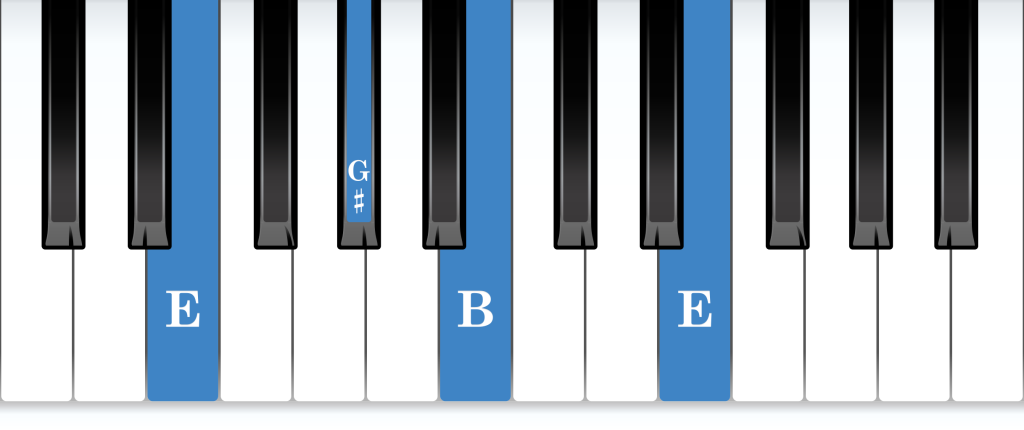
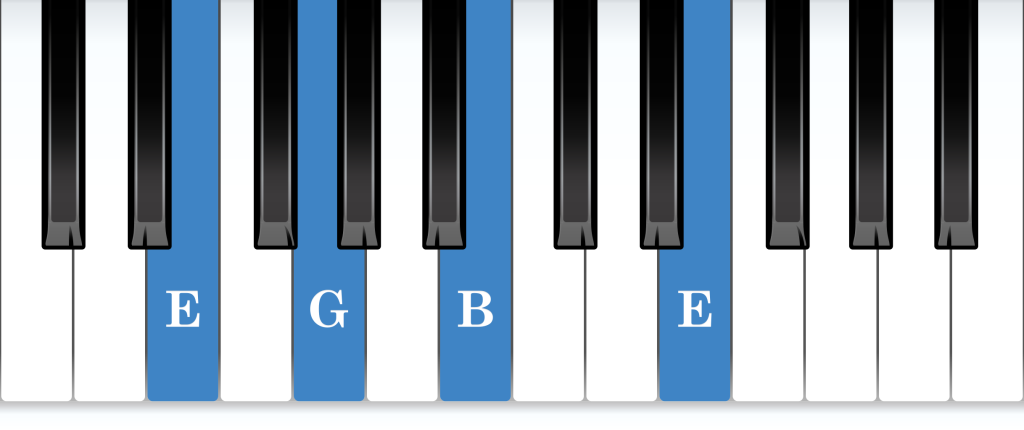
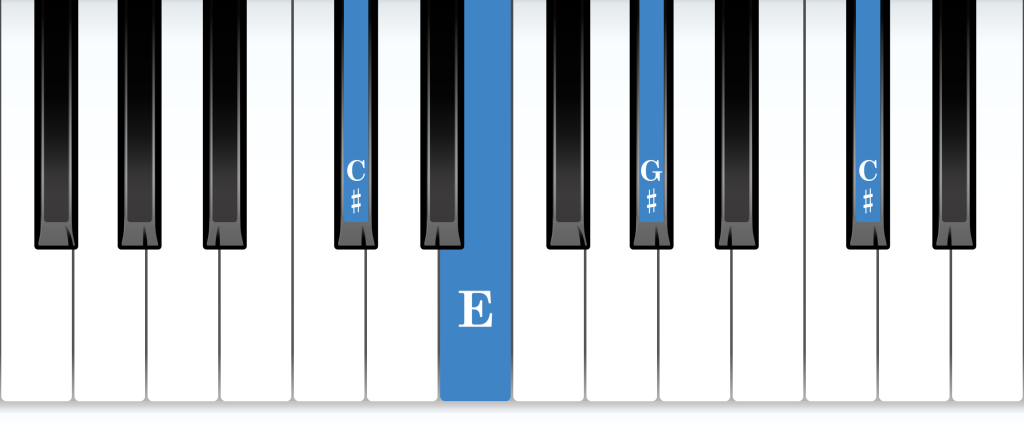
    E major arpeggio piano notes diagram
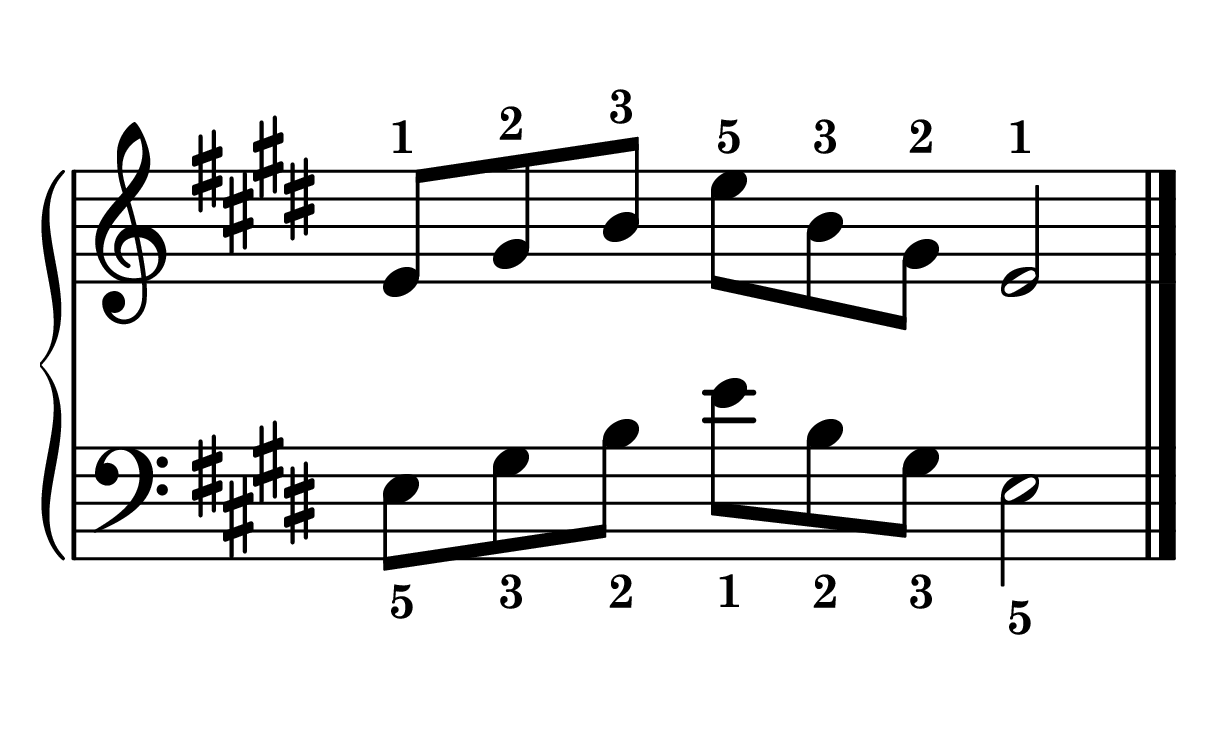
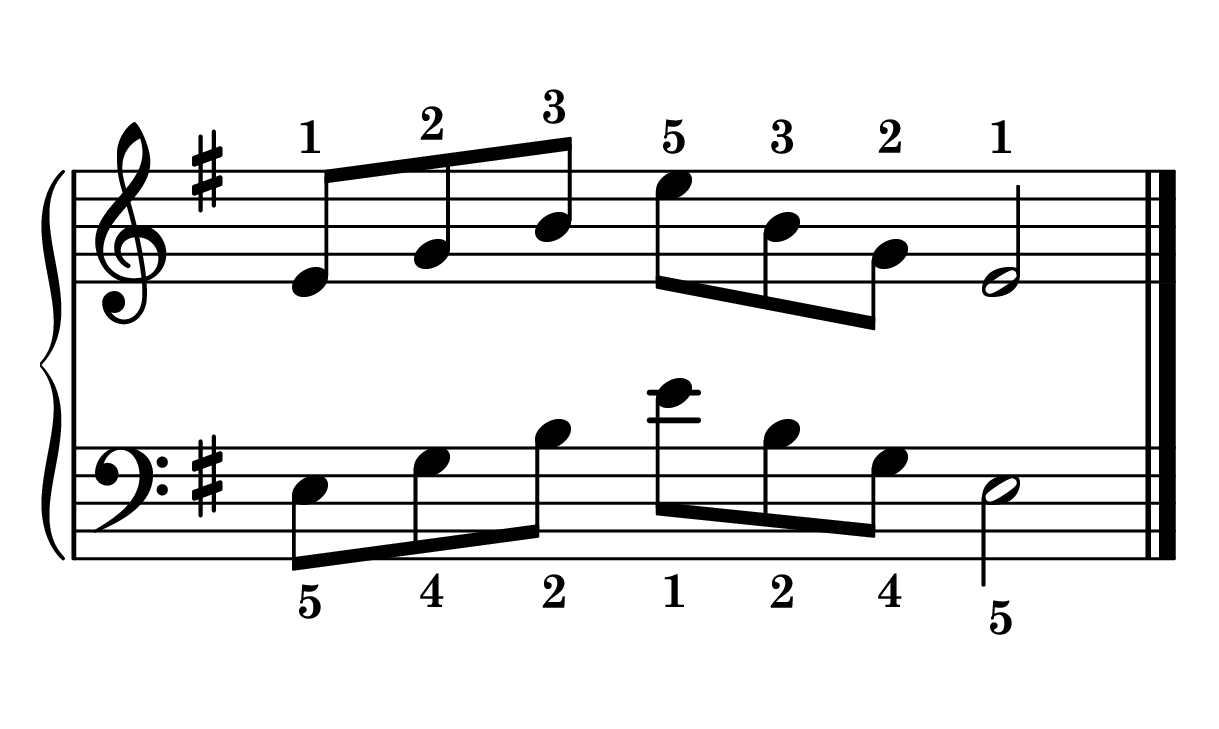
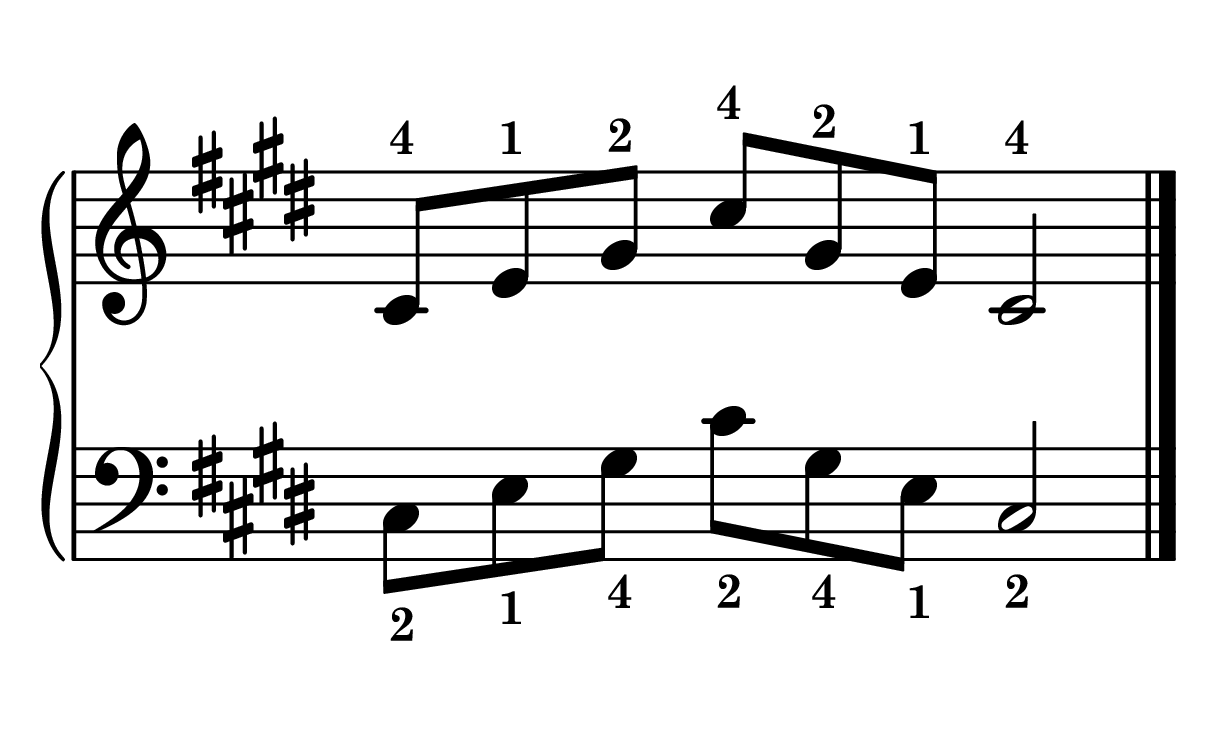
    E major arpeggio piano in root position in one octave notes on staff with fingering
    Learn how to play arpeggios in the key of E Major

    B Major Arpeggios

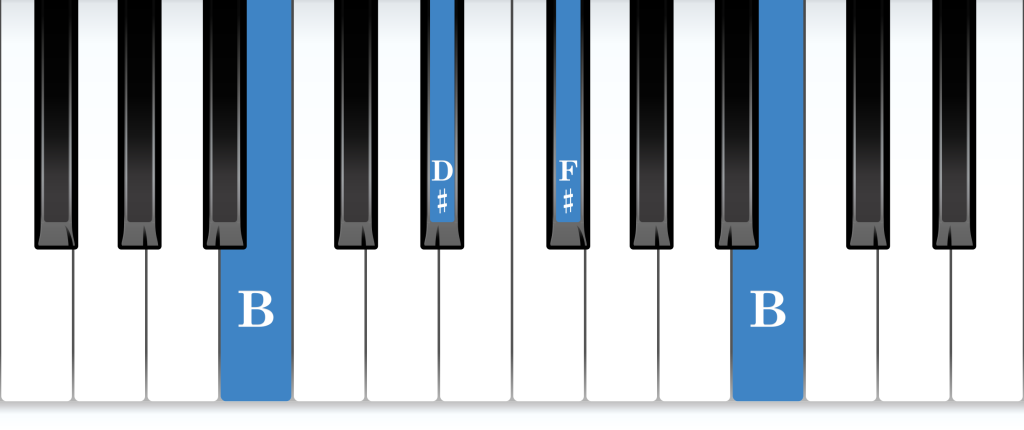
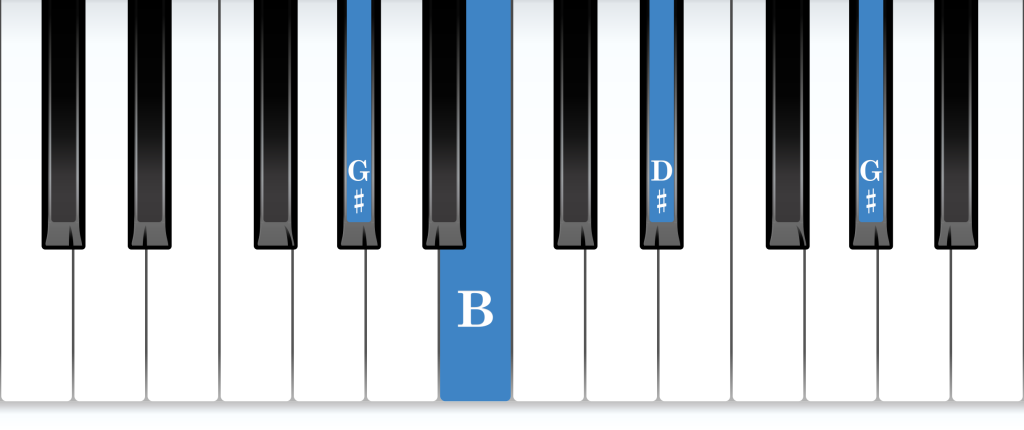
    B major arpeggio piano notes diagram
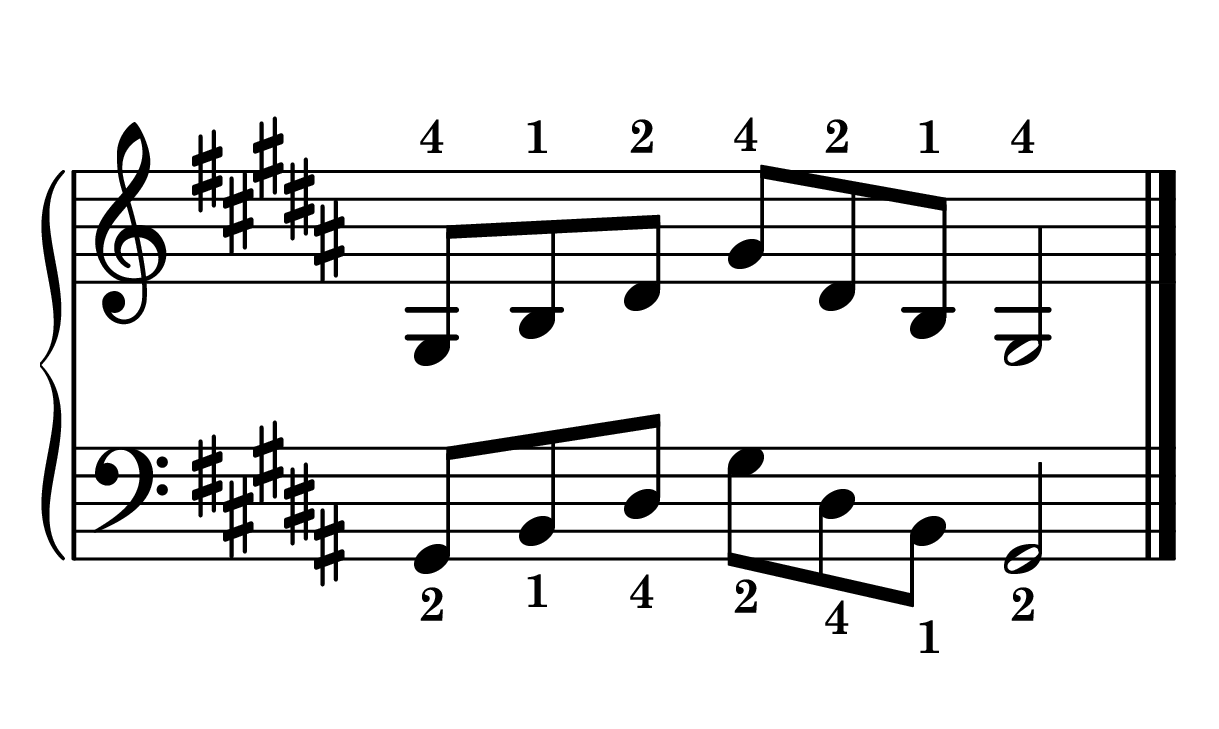
    B major arpeggio piano in root position in one octave notes on staff with fingering
    Learn how to play arpeggios in the key of B Major

    G-flat Major Arpeggios

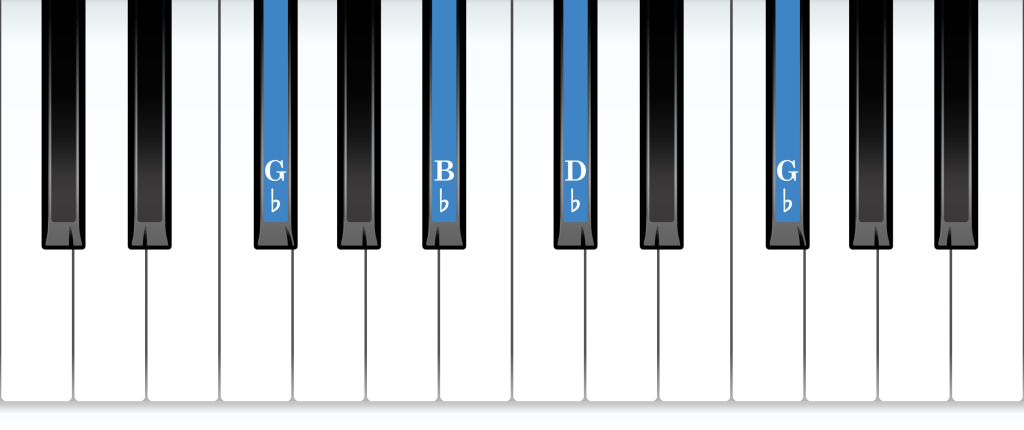
    G-flat major arpeggio piano notes diagram
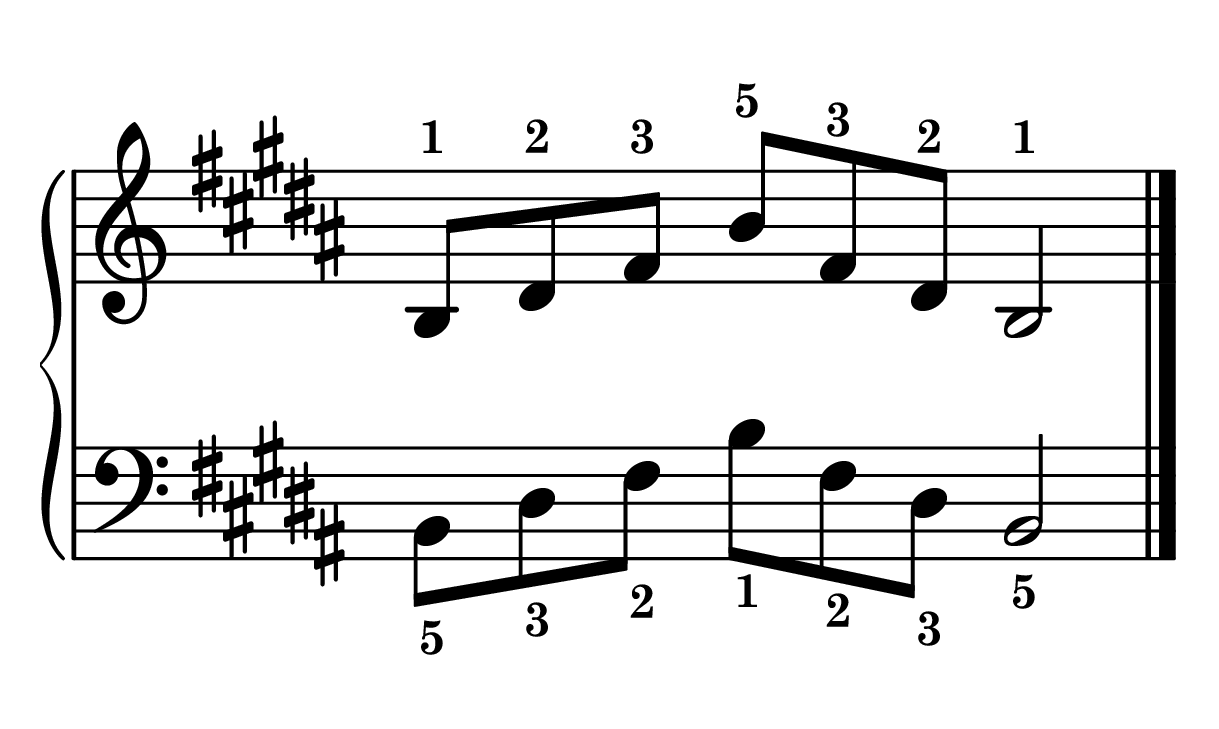
    G-flat major arpeggio piano in root position in one octave notes on staff with fingering
    Learn how to play arpeggios in the key of G-flat Major

    D-flat Major Arpeggios

    D-flat major arpeggio piano notes diagram
    D-flat major arpeggio piano in root position in one octave notes on staff with fingering
    Learn how to play arpeggios in the key of D-flat Major

    A-flat Major Arpeggios

    A-flat major arpeggio piano notes diagram
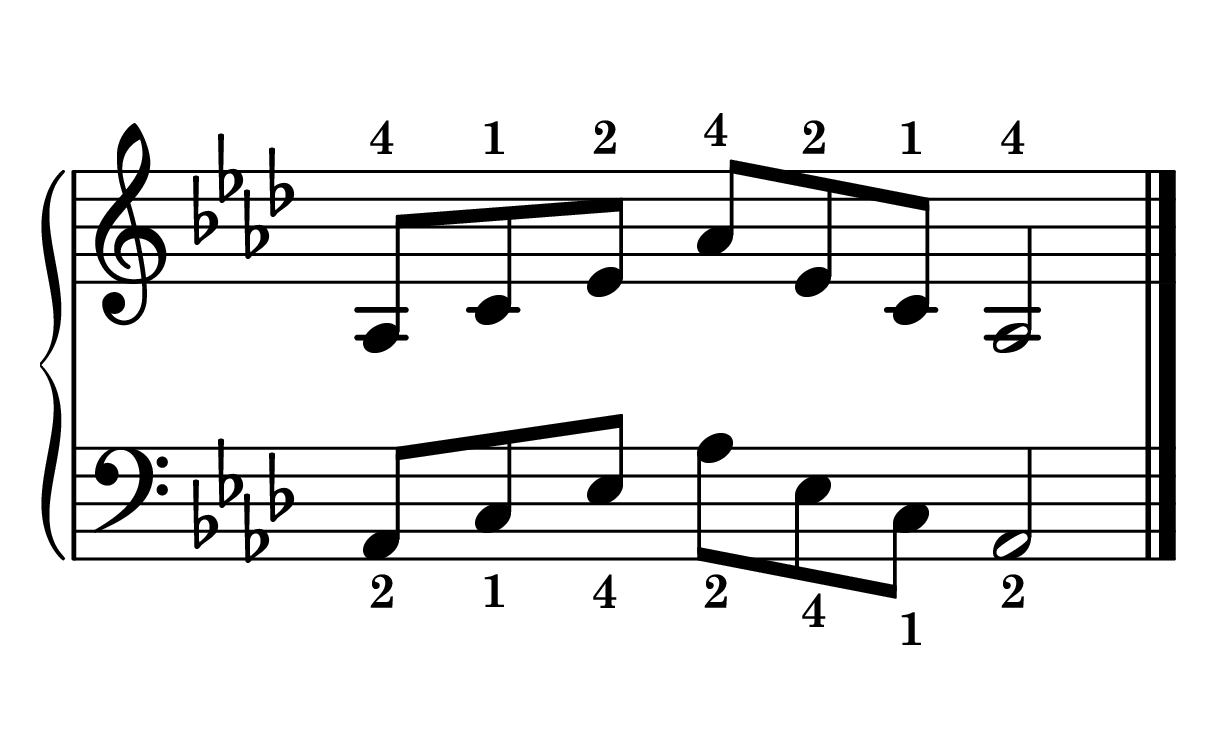
    A-flat major arpeggio piano in root position in one octave notes on staff with fingering
    Learn how to play arpeggios in the key of A-flat Major

    E-flat Major Arpeggios

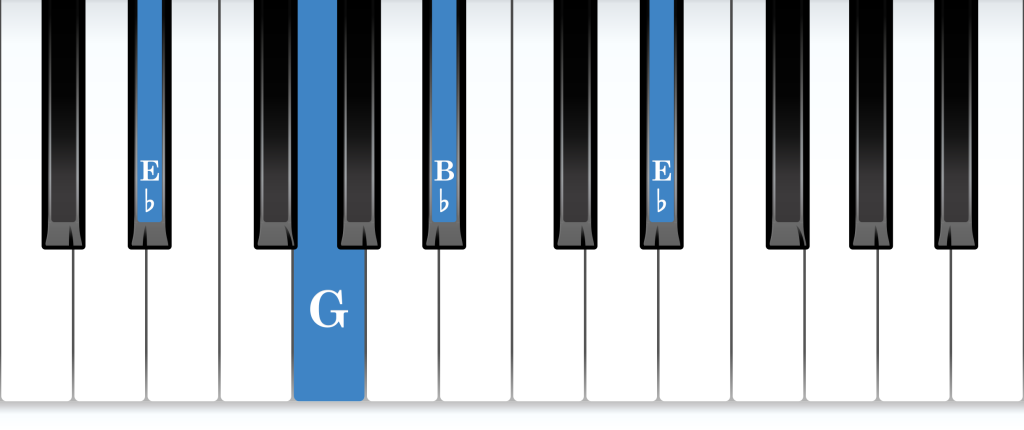
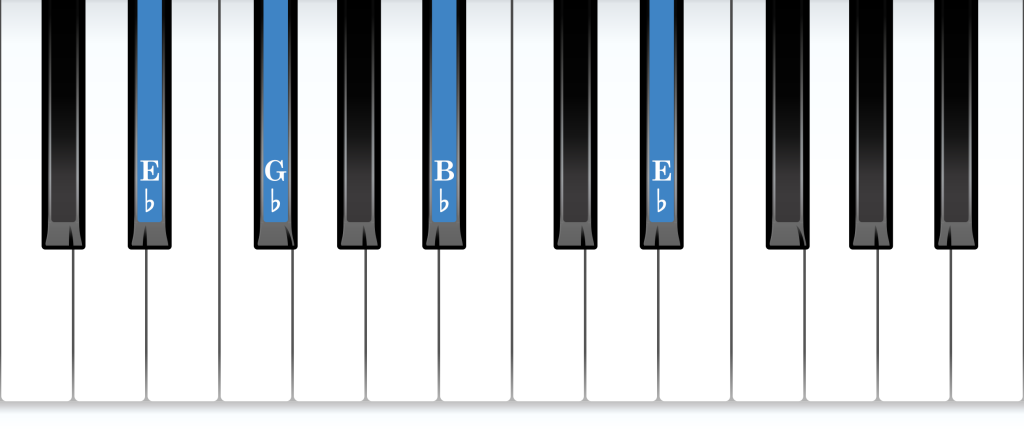
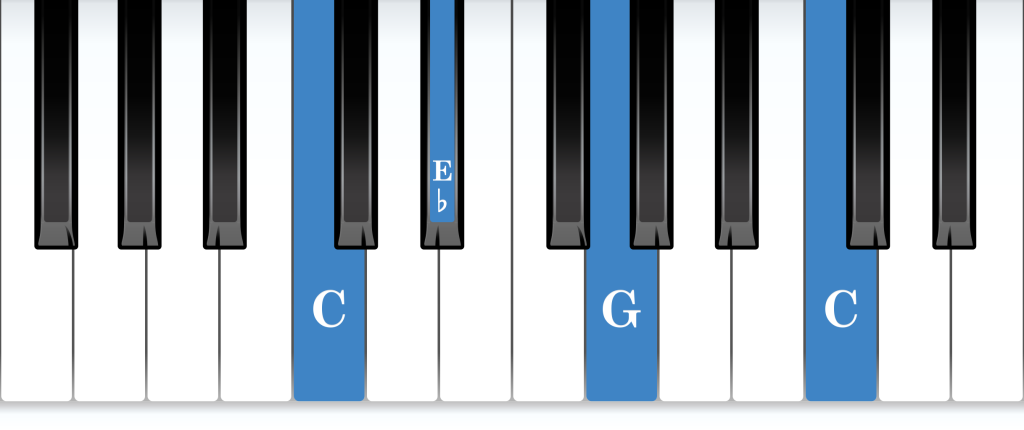
    E-flat major arpeggio piano notes diagram
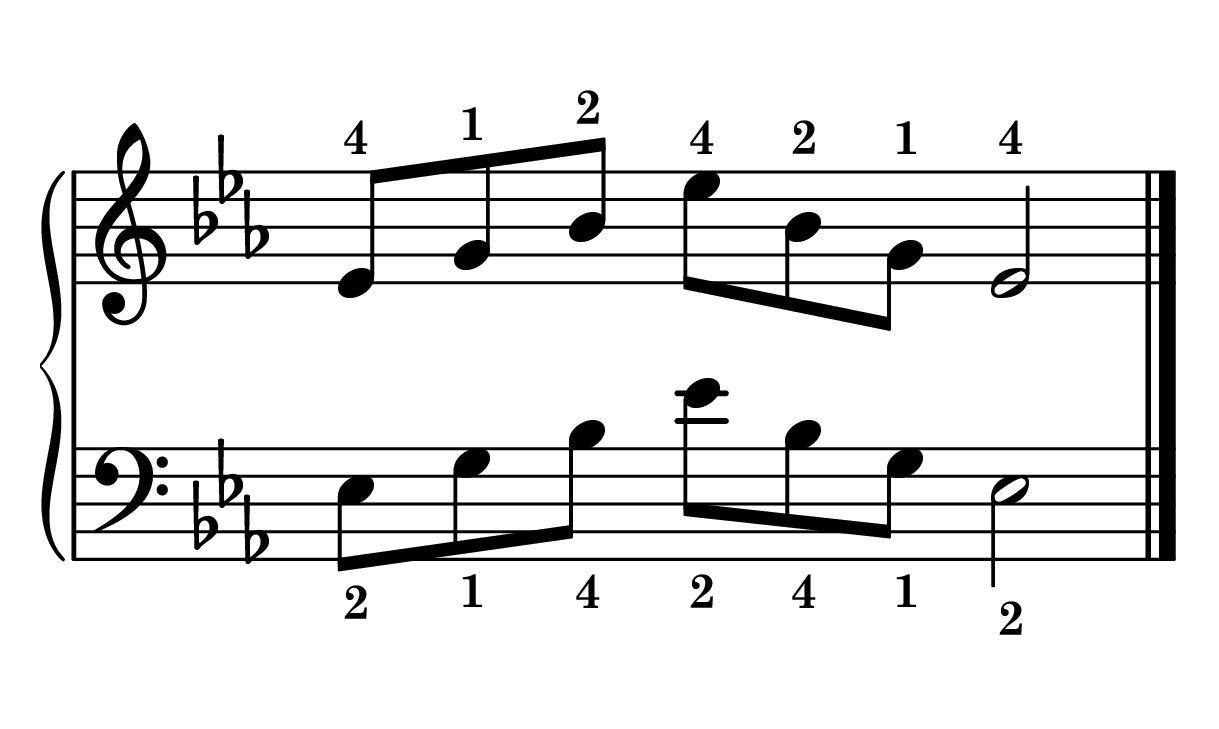
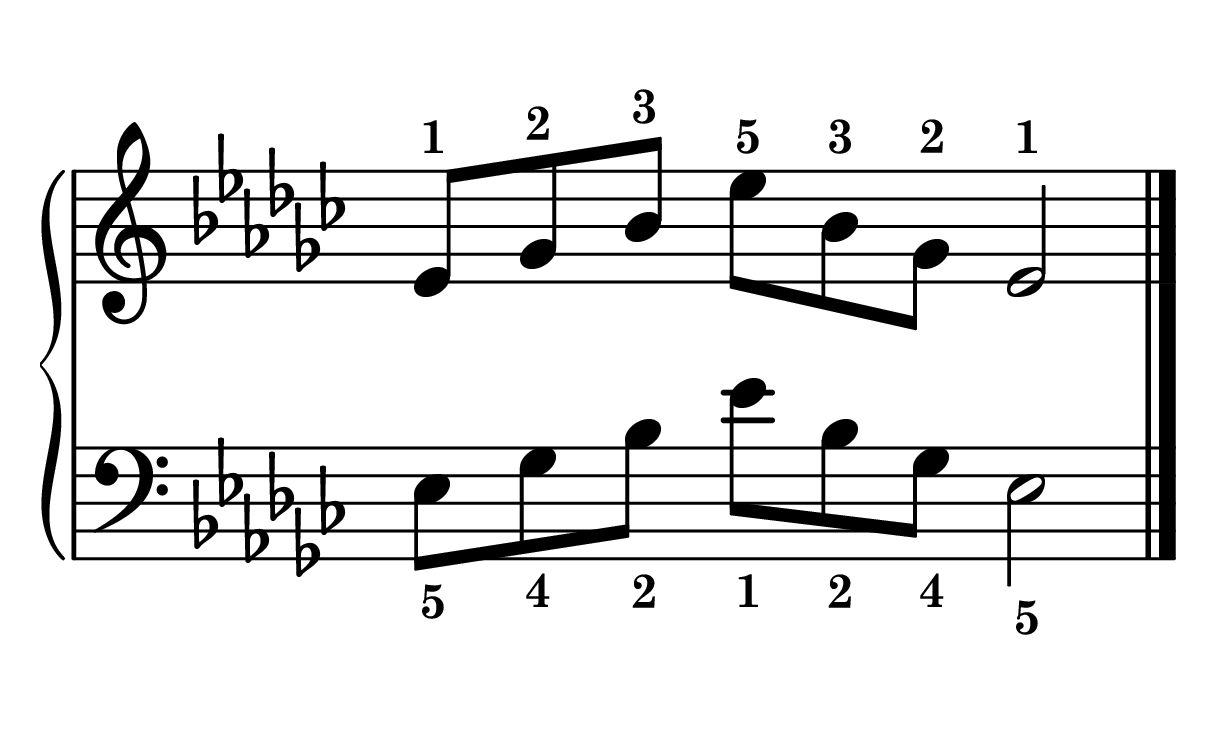
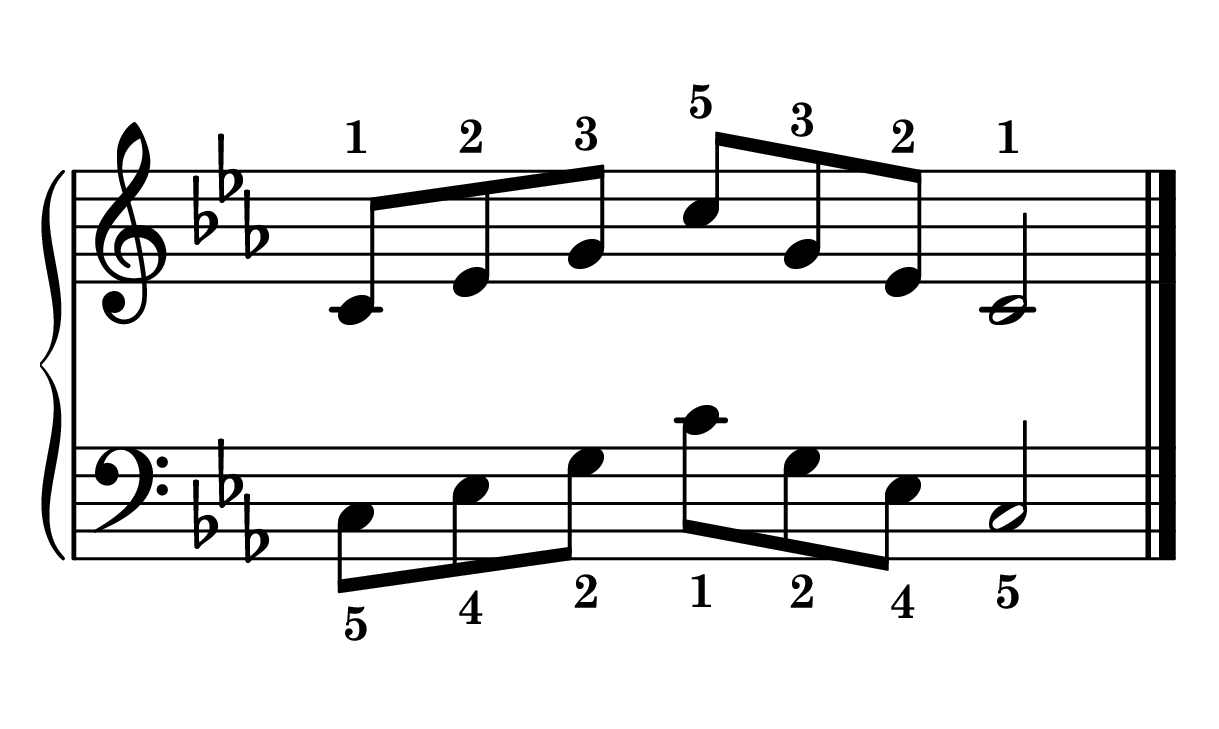
    E-flat major arpeggio piano in root position in one octave notes on staff with fingering
    Learn how to play arpeggios in the key of E-flat Major

    B-flat Major Arpeggios

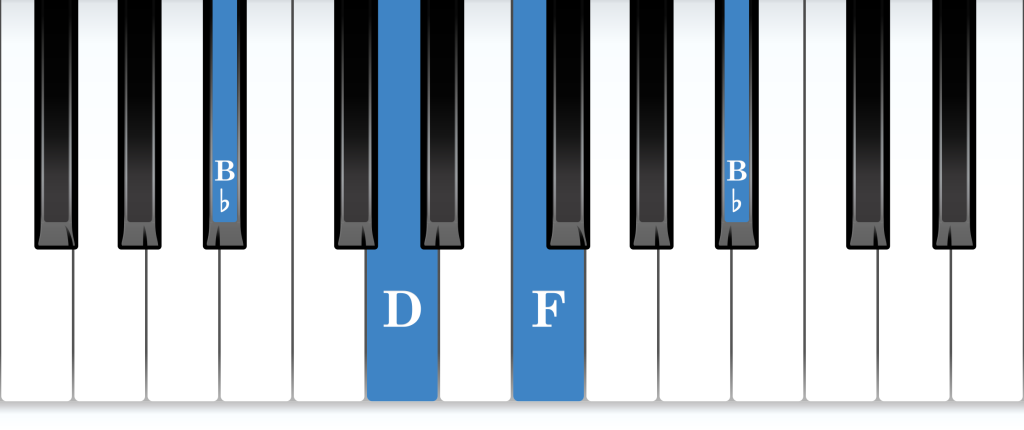
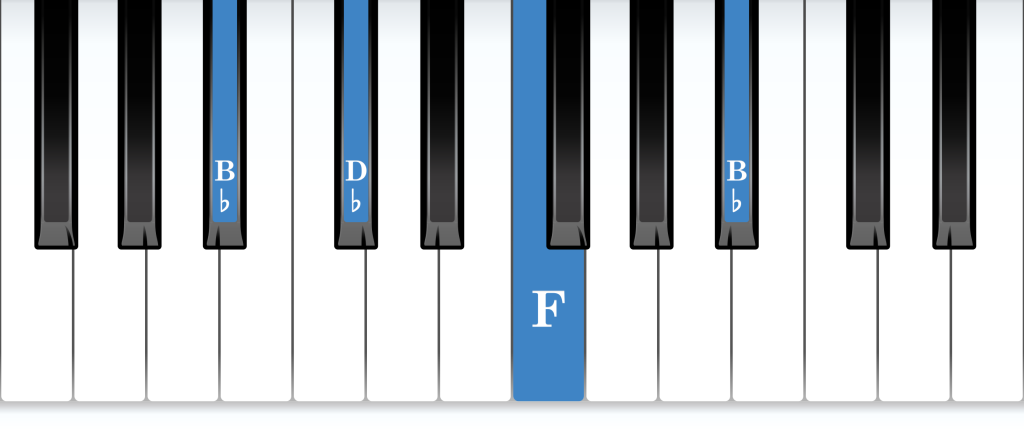
    B-flat major arpeggio piano notes diagram
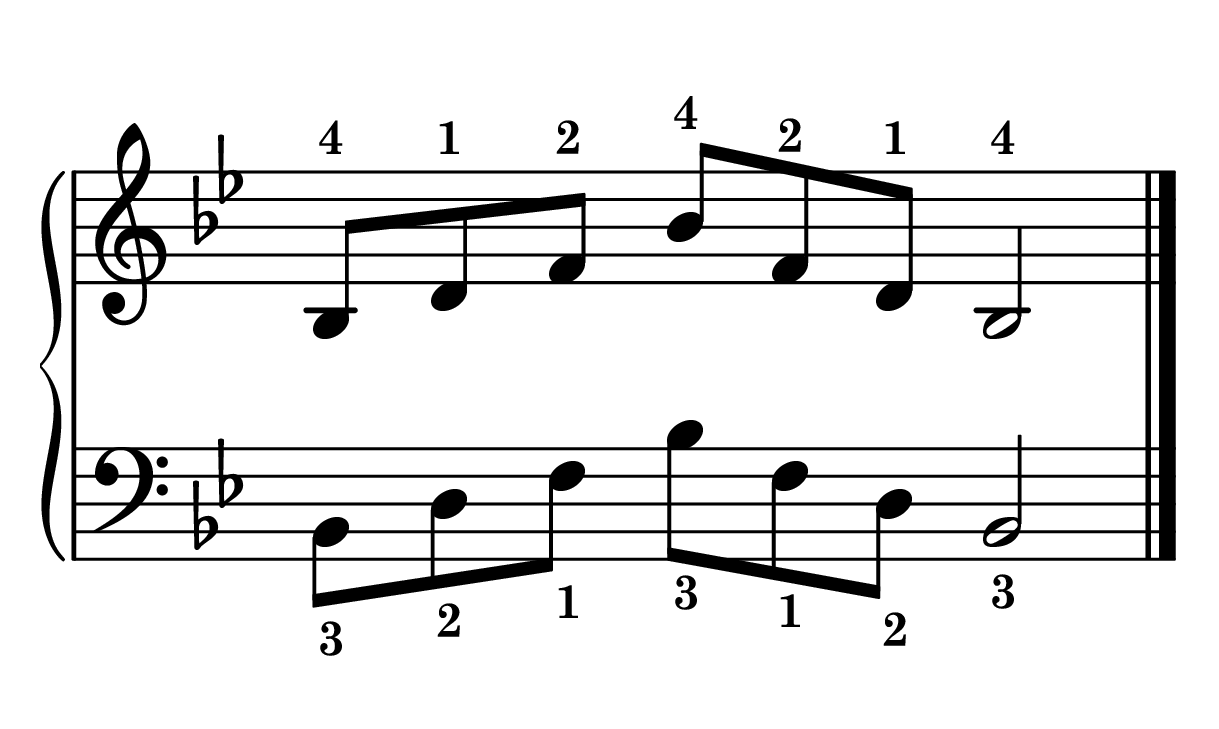
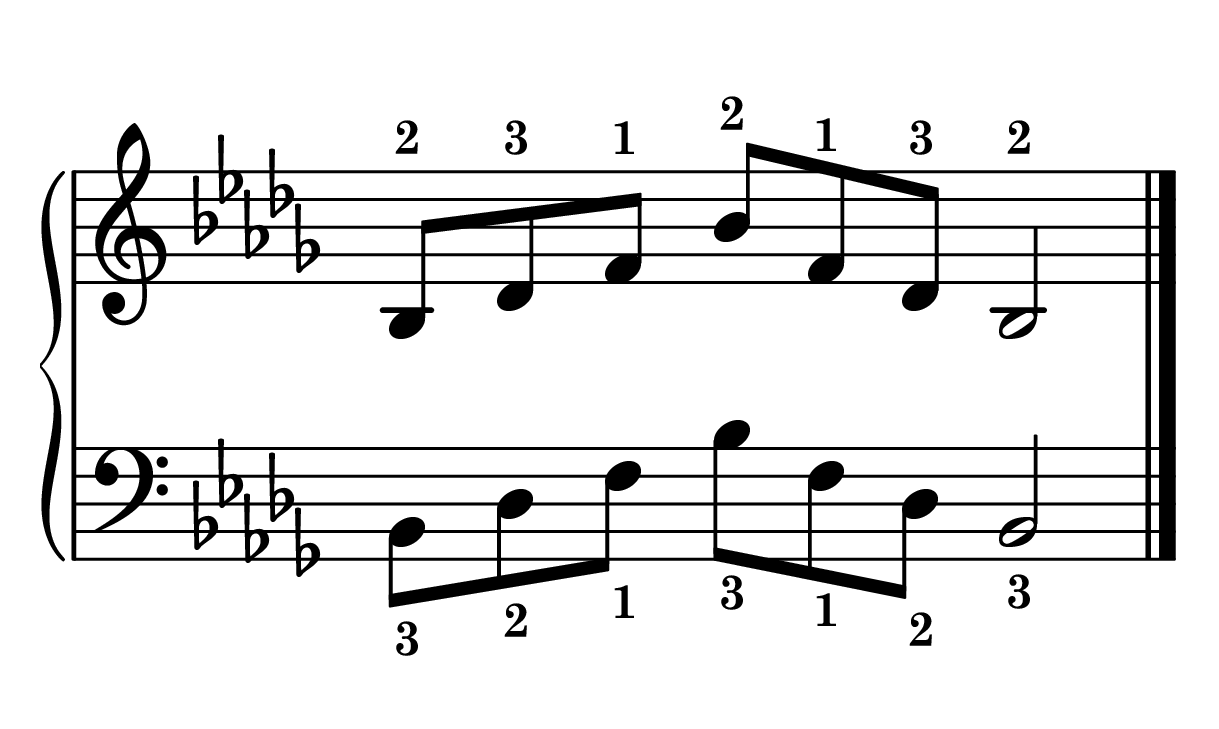
    B-flat major arpeggio piano in root position in one octave notes on staff with fingering
    Learn how to play arpeggios in the key of B-flat Major

    F Major Arpeggios

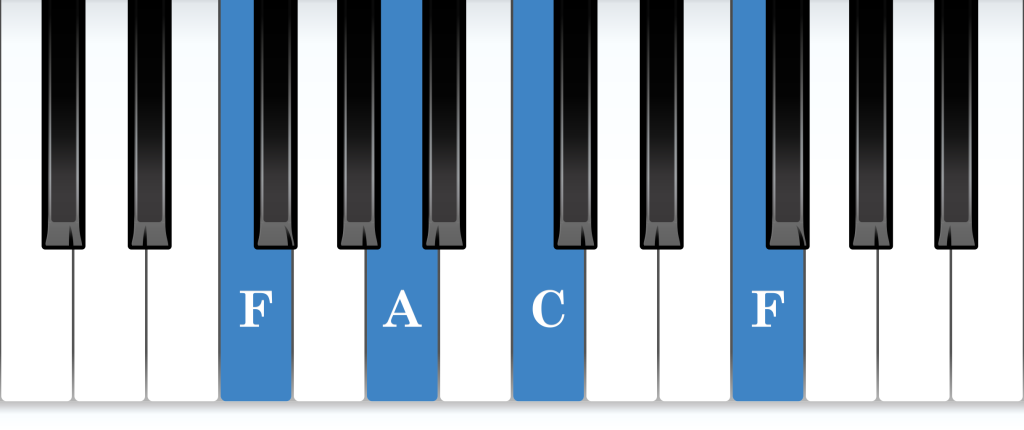
    F major arpeggio piano notes diagram
    F major arpeggio piano in root position in one octave notes on staff with fingering
    Learn how to play arpeggios in the key of F Major

    Piano arpeggios in the 12 minor keys

    Now we’ll cover the minor key arpeggios. 
    A Minor Arpeggios

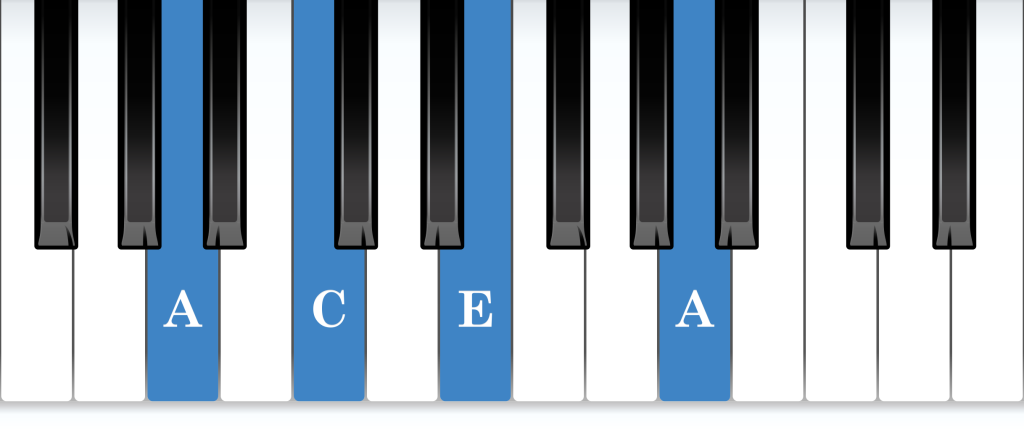
    A minor arpeggio piano notes diagram
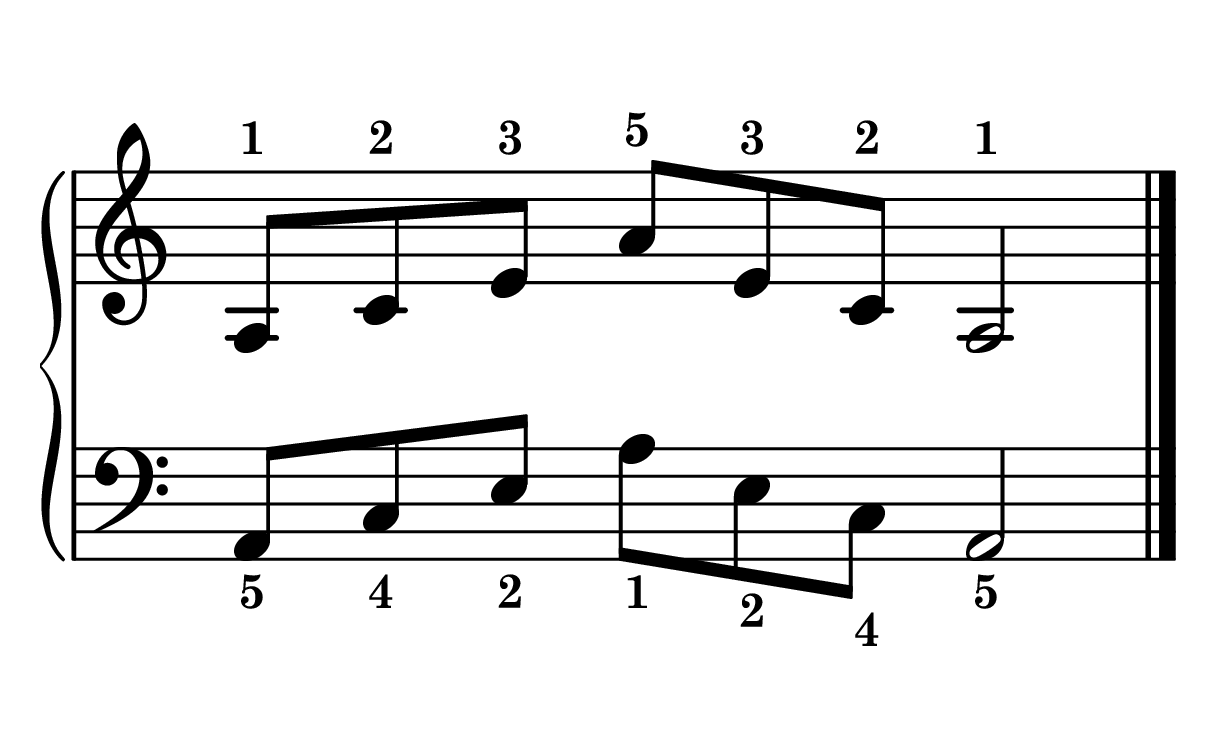
    A minor arpeggio piano in root position in one octave notes on staff with fingering
    Learn how to play arpeggios in the key of A Minor

    E Minor Arpeggios

    E minor arpeggio piano notes diagram
    E minor arpeggio piano in root position in one octave notes on staff with fingering
    Learn how to play arpeggios in the key of E Minor

    B Minor Arpeggios

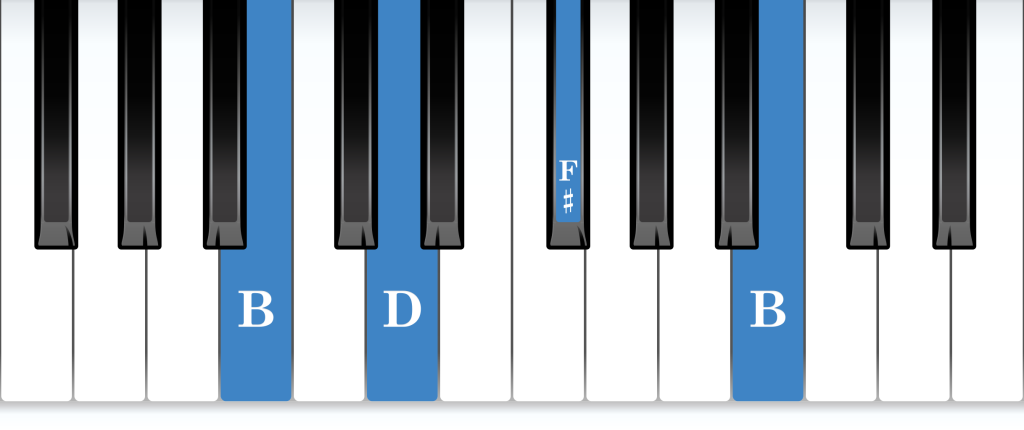
    B minor arpeggio piano notes diagram
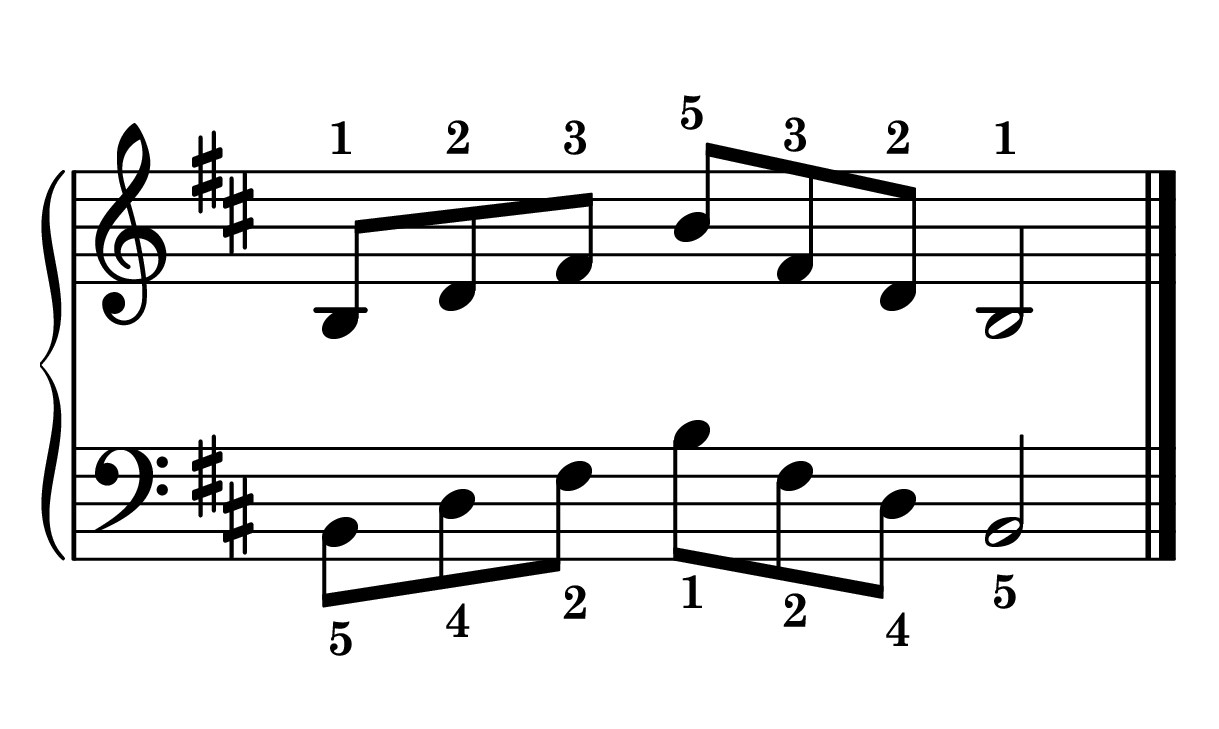
    B minor arpeggio piano in root position in one octave notes on staff with fingering
    Learn how to play arpeggios in the key of B Minor

    F-sharp Minor Arpeggios

    F-sharp minor arpeggio piano notes diagram
    F-sharp minor arpeggio piano in root position in one octave notes on staff with fingering
    Learn how to play arpeggios in the key of F-sharp Minor

    C-sharp Minor Arpeggios

    C-sharp minor arpeggio piano notes diagram
    C-sharp minor arpeggio piano in root position in one octave notes on staff with fingering
    Learn how to play arpeggios in the key of C-sharp Minor

    G-sharp Minor Arpeggios

    G-sharp minor arpeggio piano notes diagram
    G-sharp minor arpeggio piano in root position in one octave notes on staff with fingering
    Learn how to play arpeggios in the key of G-sharp Minor

    E-flat Minor Arpeggios

    E-flat minor arpeggio piano notes diagram
    E-flat minor arpeggio piano in root position in one octave notes on staff with fingering
    Learn how to play arpeggios in the key of E-flat Minor

    B-flat Minor Arpeggios

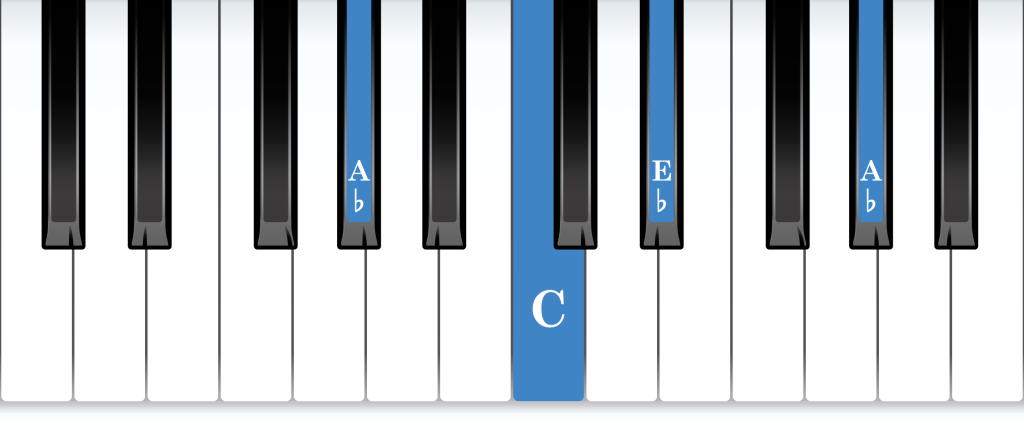
    B-flat minor arpeggio piano notes diagram
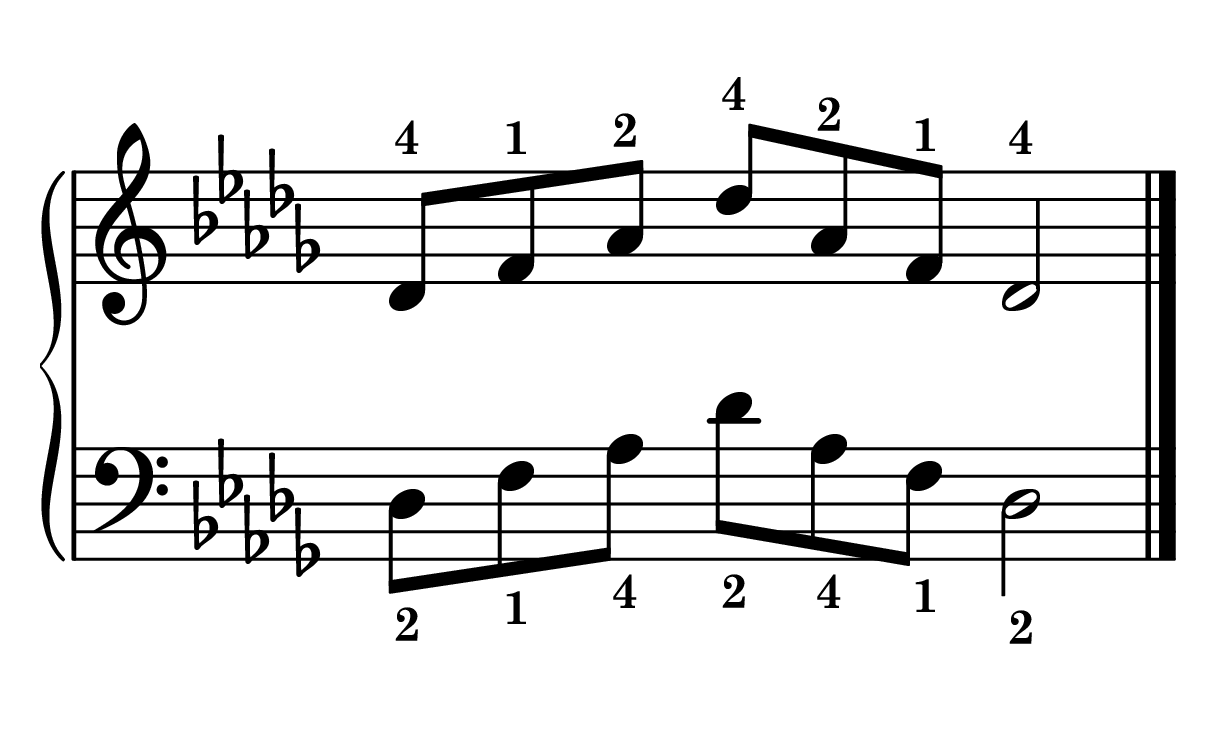
    B-flat minor arpeggio piano in root position in one octave notes on staff with fingering
    Learn how to play arpeggios in the key of B-flat Minor

    F Minor Arpeggios

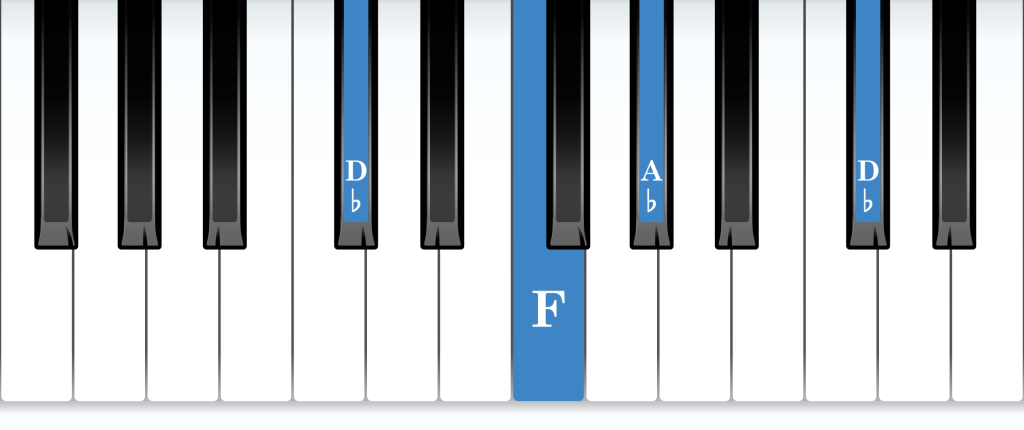
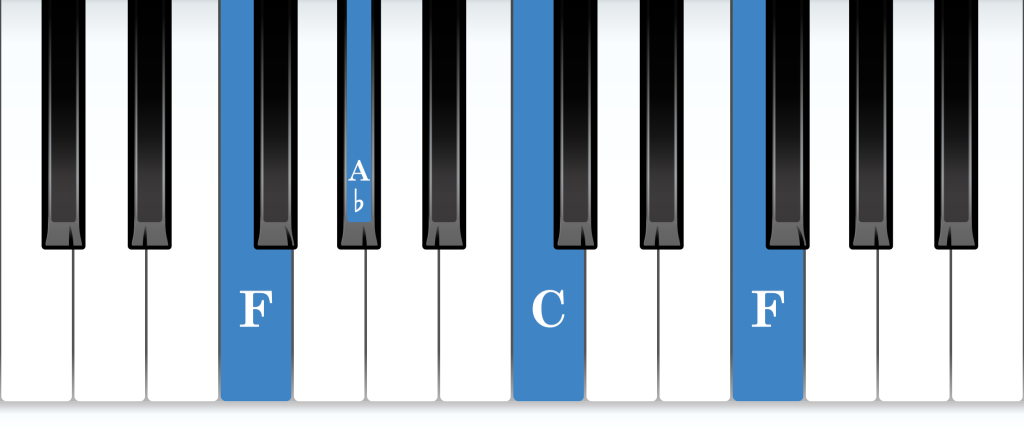
    F minor arpeggio piano notes diagram
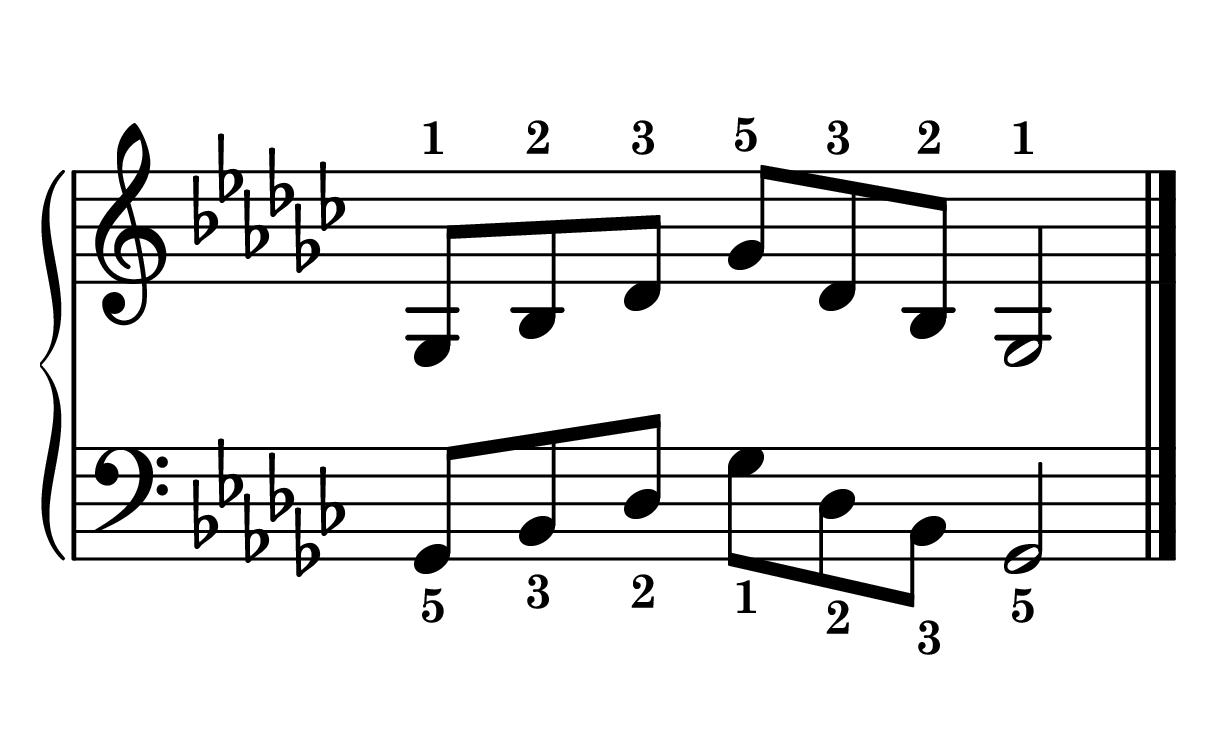
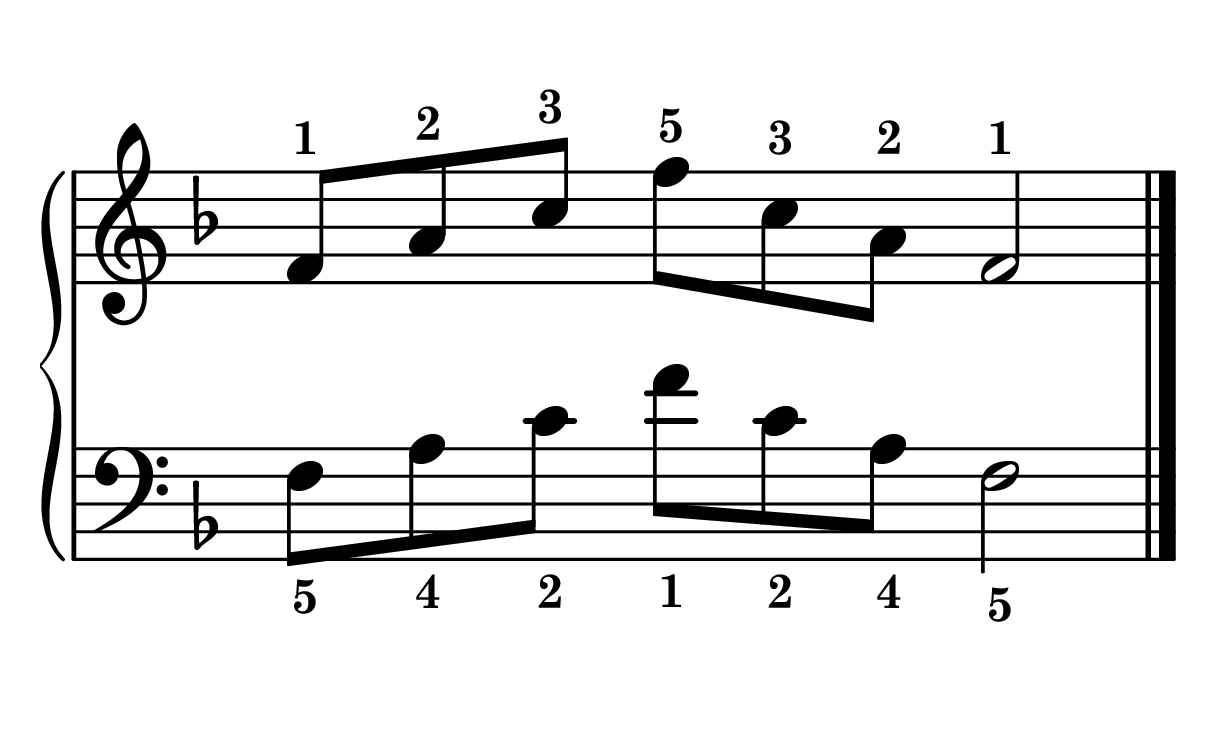
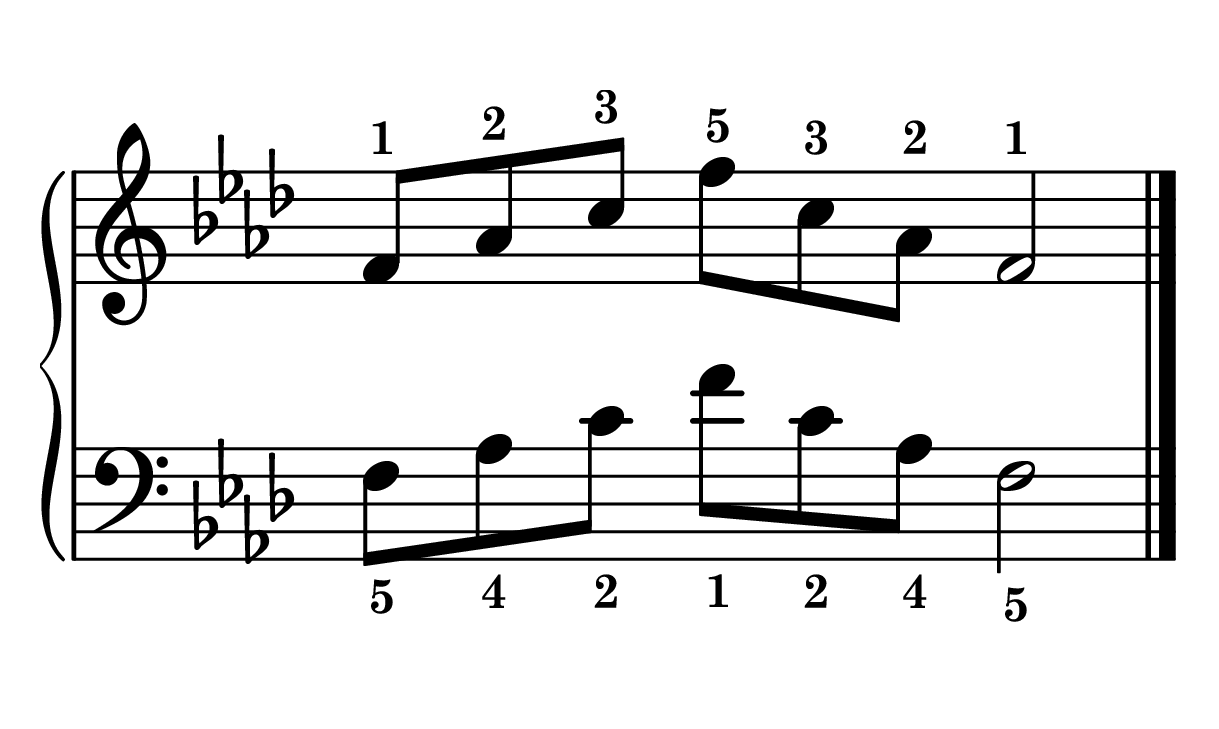
    F minor arpeggio piano in root position in one octave notes on staff with fingering
    Learn how to play arpeggios in the key of F Minor

    C Minor Arpeggios

    C minor arpeggio piano notes diagram
    C minor arpeggio piano in root position in one octave notes on staff with fingering
    Learn how to play arpeggios in the key of C Minor

    G Minor Arpeggios

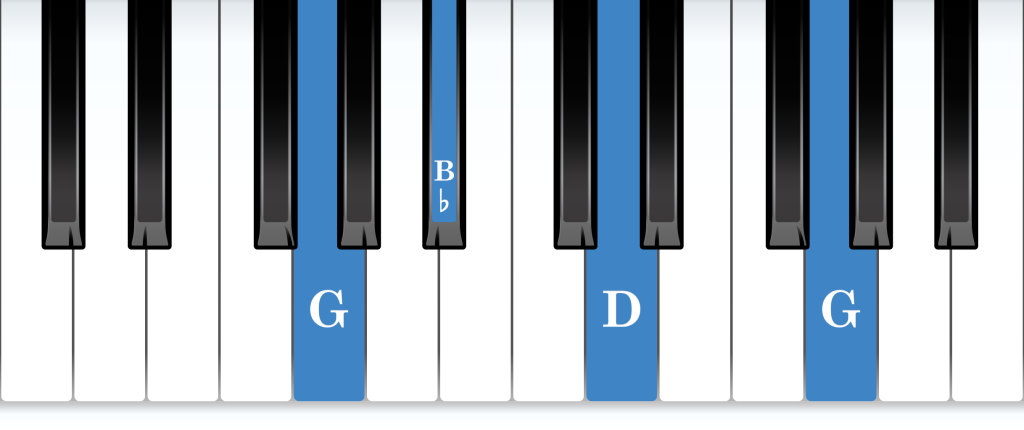
    G minor arpeggio piano notes diagram
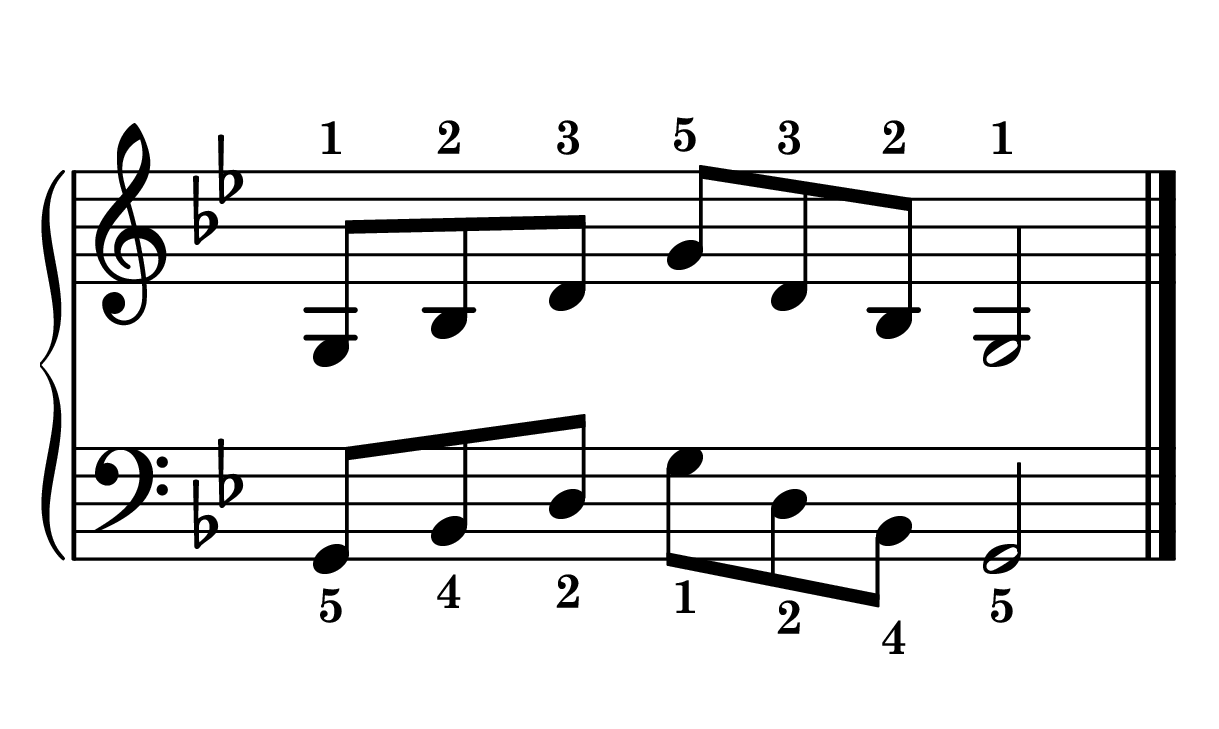
    G minor arpeggio piano in root position in one octave notes on staff with fingering
    Learn how to play arpeggios in the key of G Minor

    D Minor Arpeggios

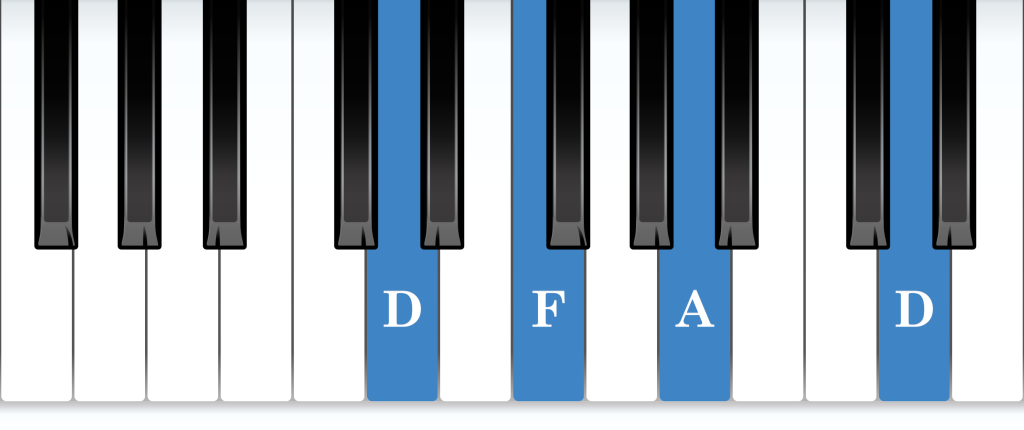
    D minor arpeggio piano notes diagram
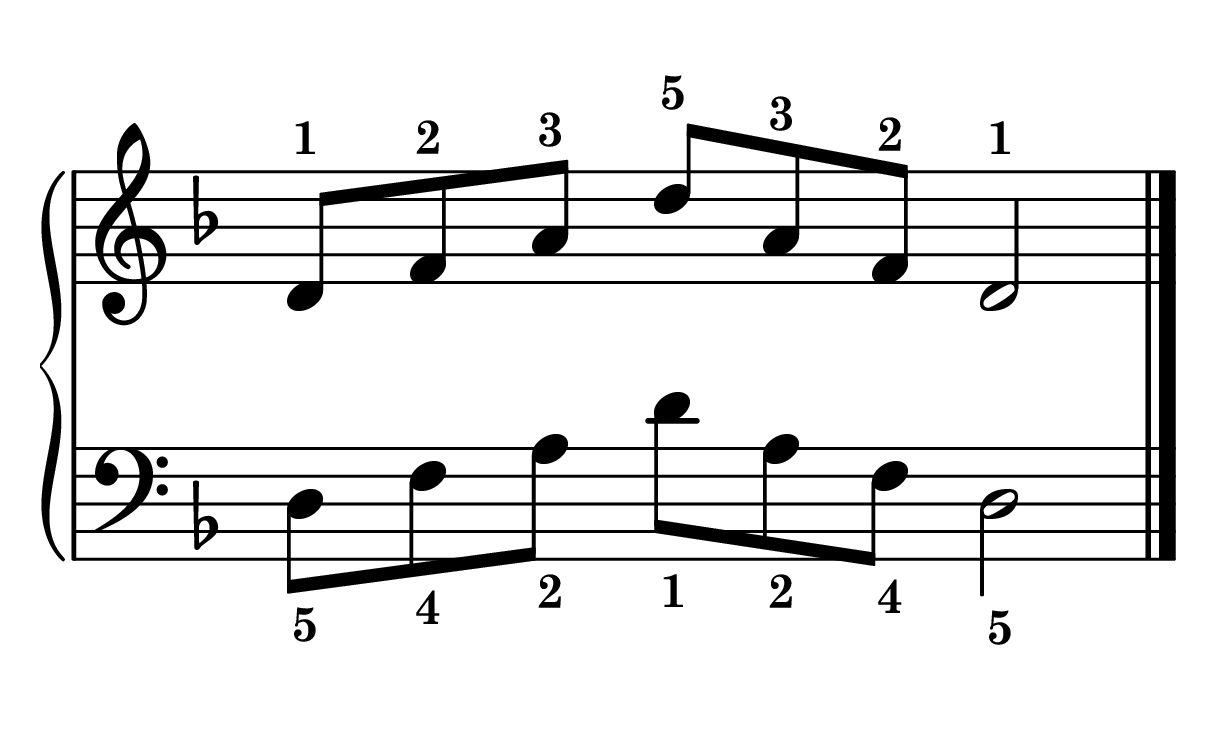
    D minor arpeggio piano in root position in one octave notes on staff with fingering
    Learn how to play arpeggios in the key of D Minor

    Arpeggios are an essential component of piano technique, and practicing and playing them can bring numerous benefits to pianists of all levels. 

    First and foremost, arpeggios are great for developing finger dexterity, hand coordination, and overall technical proficiency on the piano. Consistent practice of arpeggios can help you build strength, agility, and precision in your playing, which can be applied to many other aspects of piano technique.

    In addition to improving technique, arpeggios can also improve your understanding of music theory and harmony. By playing arpeggios, you’ll start to hear and feel the relationship between the notes of a chord, as well as the tension and resolution that occurs when chords are played in succession. This understanding can be applied to pieces of music, and make you better at recognizing chord progressions and harmonic patterns.

    Moreover, fluid and controlled arpeggios add a sense of movement, fluidity, and richness to your playing. There are countless arpeggio patterns and variations to explore, from simple triads to complex seventh chords and other combinations.  Overall, studying arpeggios gives you a chance to truly expand your technical toolbox, understand what you’re playing on a deeper level, and refine your skills as a musician. 

    Questions and answers

    No questions here yet. Be the first to ask one.

    Scroll to Top

    Ask a question

    Questions go straight to Loren. Answers are posted at the bottom of the page.

    Your email is only used to reply and is never shown on the site.