Questions and answers
No questions on this lesson yet. Be the first to ask one.
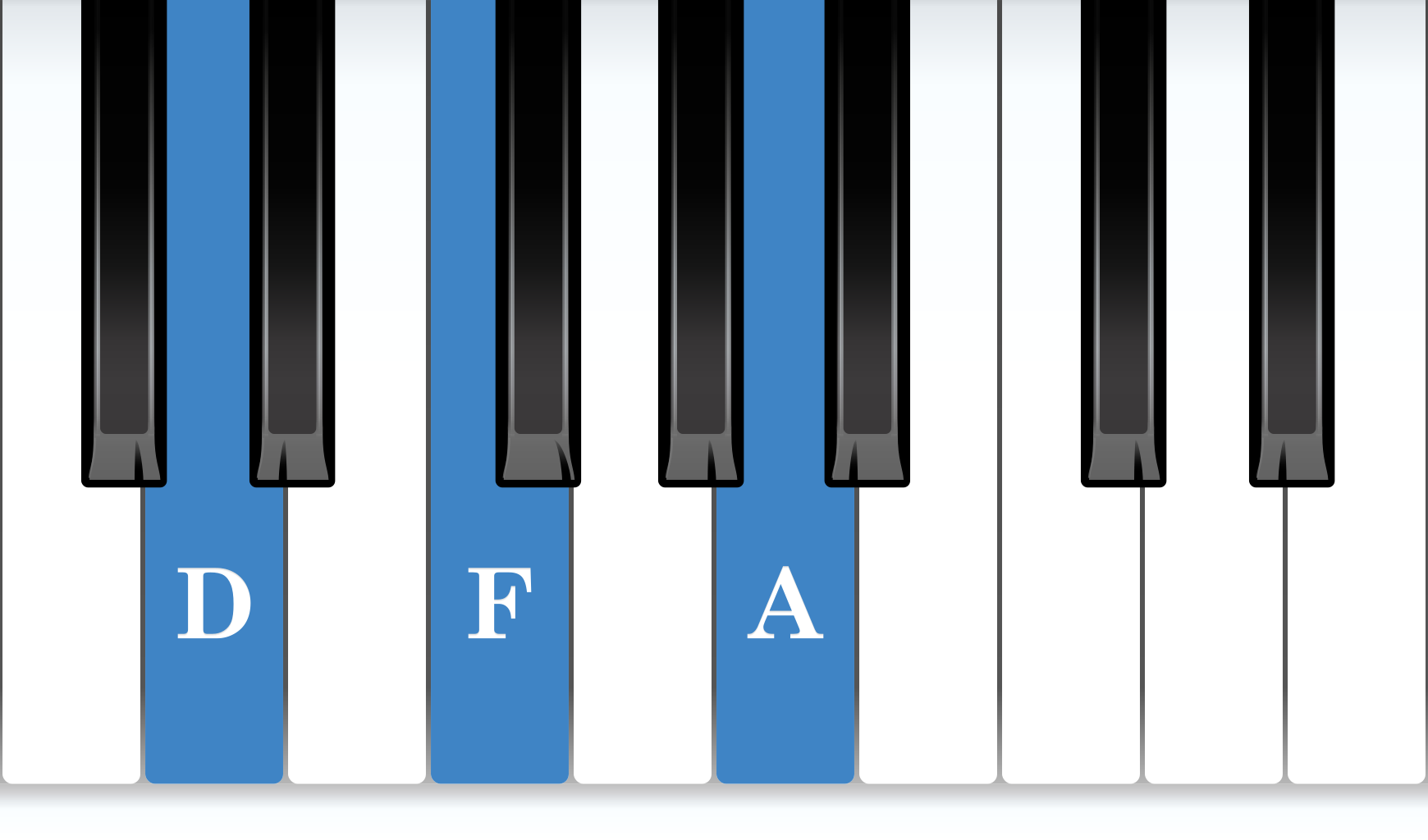
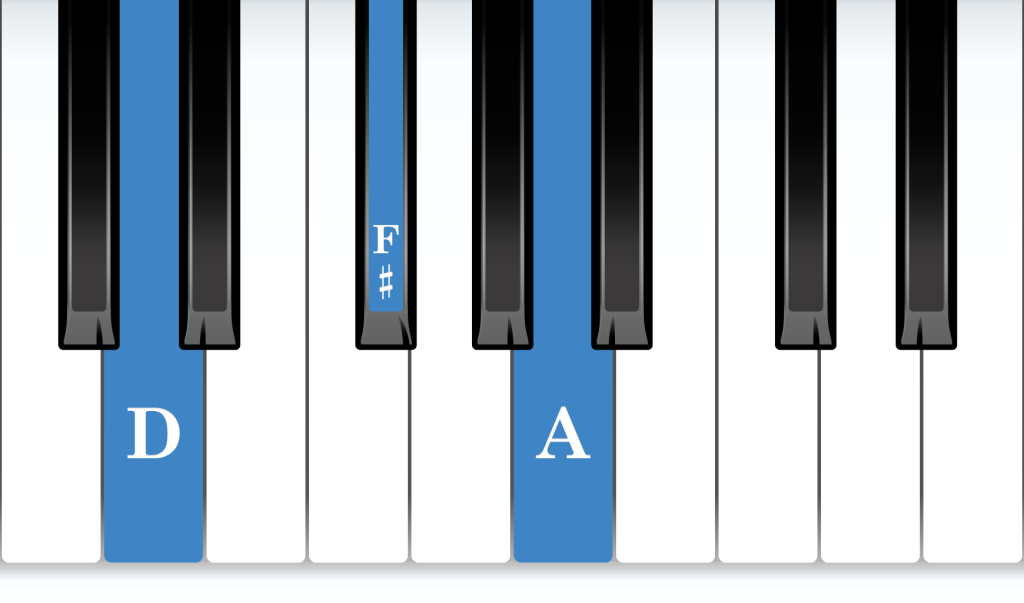
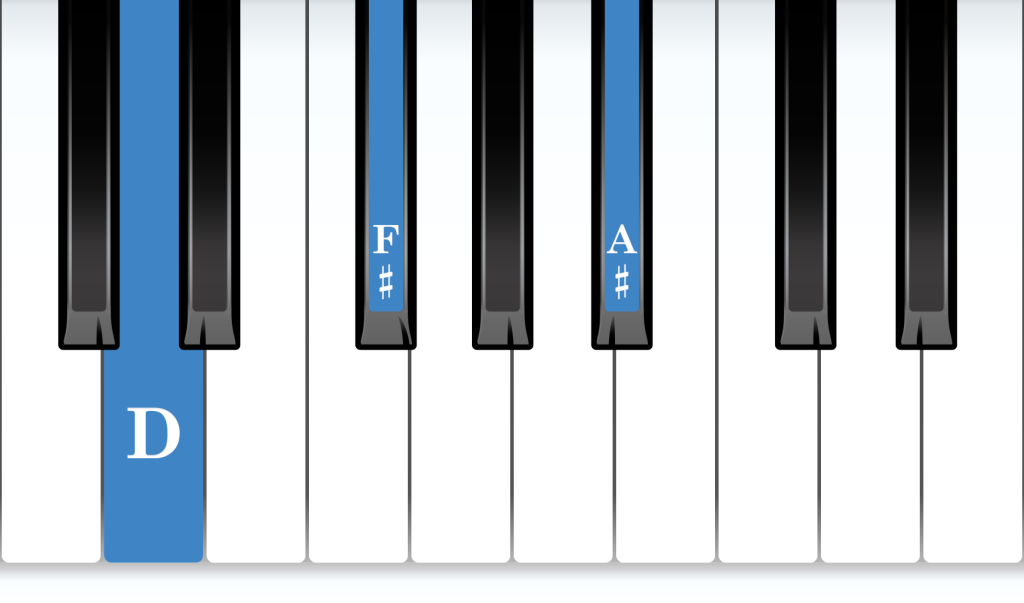
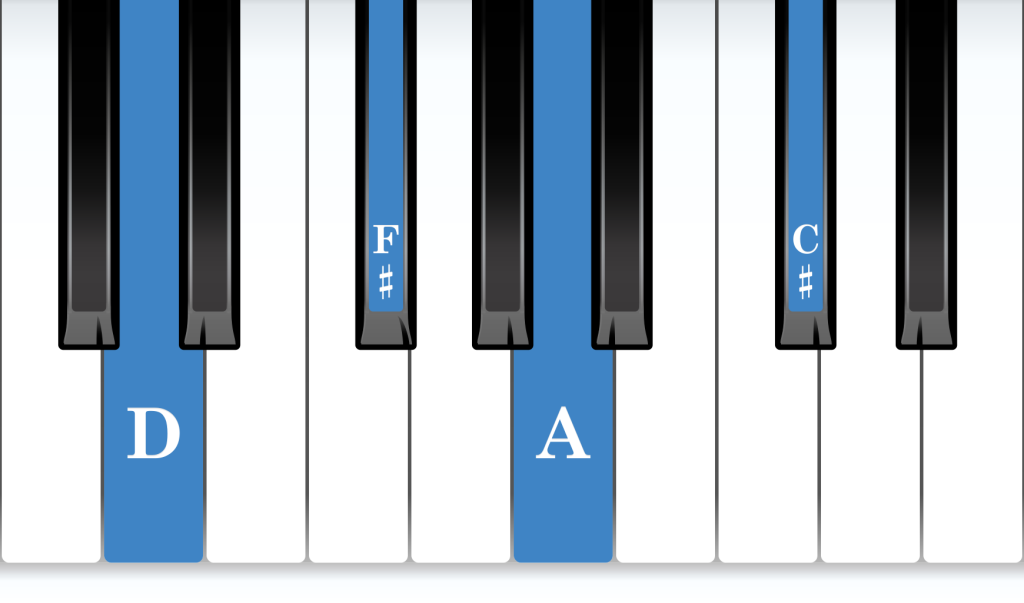
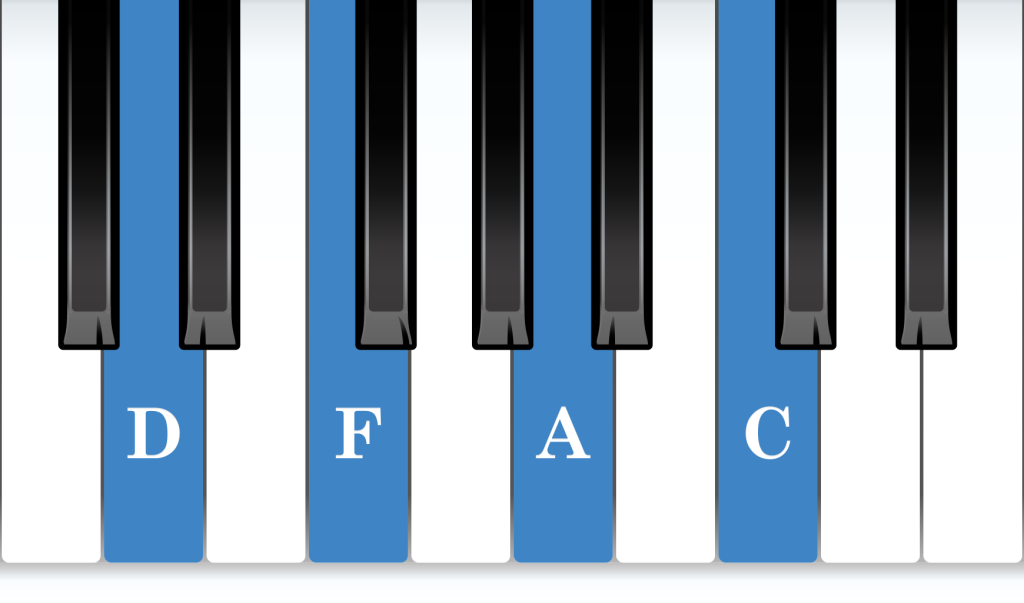
The D Minor Chord is D, F, and A, all white keys. It's the same shape as D major with the middle note moved down from F-sharp to F, and that small change is where its darker, more inward sound comes from. With every note on a white key, the hand can stay relaxed and fairly flat.
Let’s go through some charts that will familiarize you with the D Minor Chord and how to play it in the various forms you will encounter in pieces of music. First, we’ll look at the fundamental chord and its inversions; then, we’ll explore some more complex voicings.
In root position, the notes of the D minor chord are stacked in thirds with D on the bottom. The appearance on the staff is evenly spaced, as is the feeling of the space in between your fingers while playing.
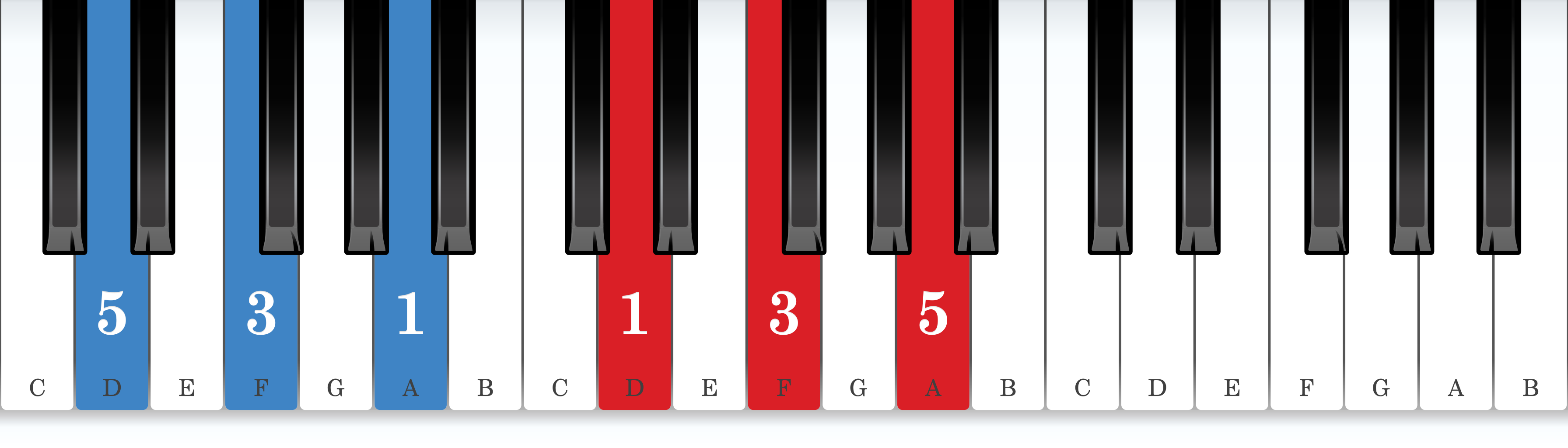
| D Minor Chord in root position | |
|---|---|
| Note Order | D F A |
| Left Hand Fingering | 5 3 1 |
| Right Hand Fingering | 1 3 5 |
| Chord Symbol | Dm |
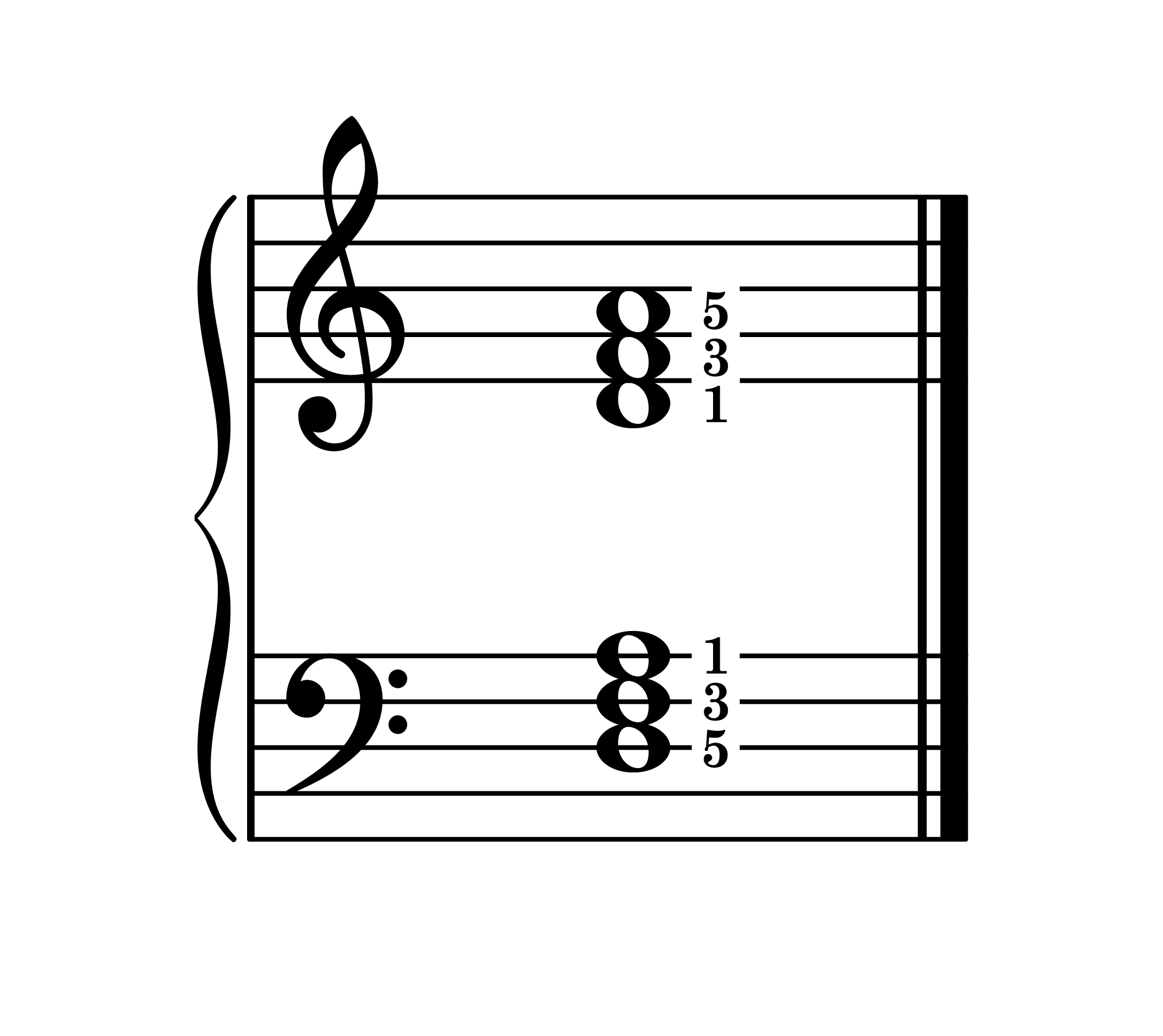
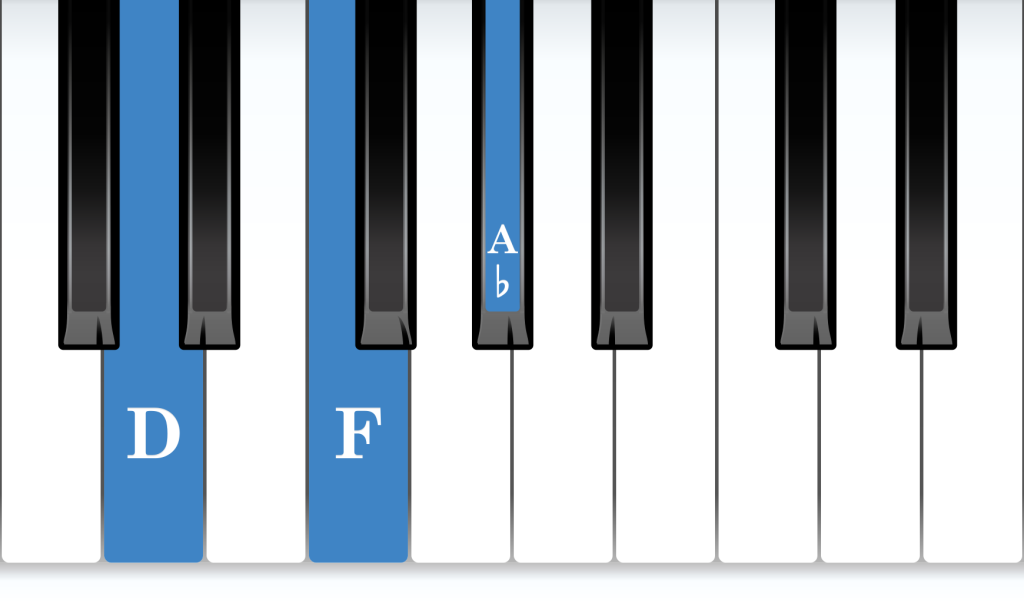
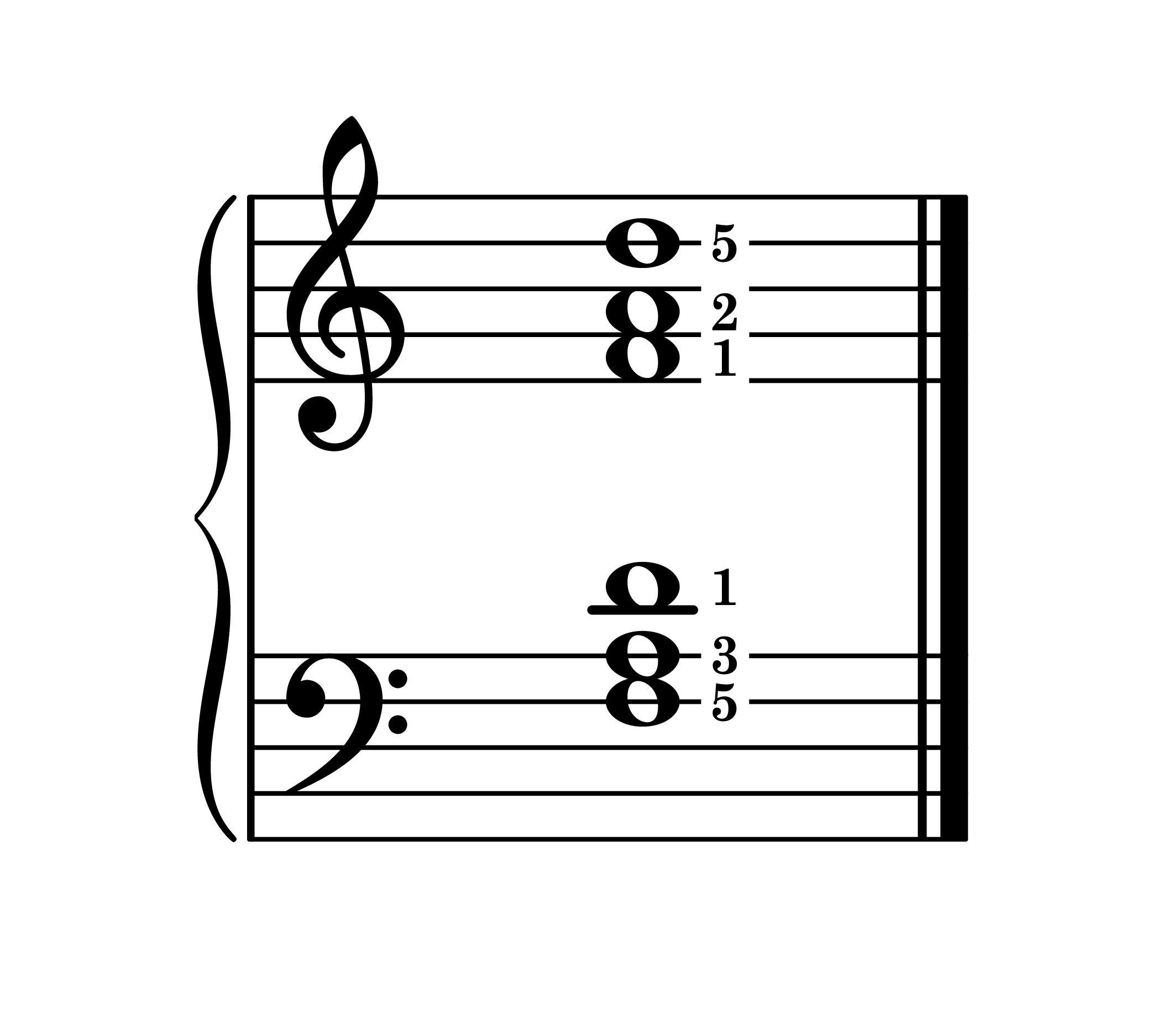
In first inversion, the third of the chord (F) becomes the bottom note, and the root (D) jumps up to the top.
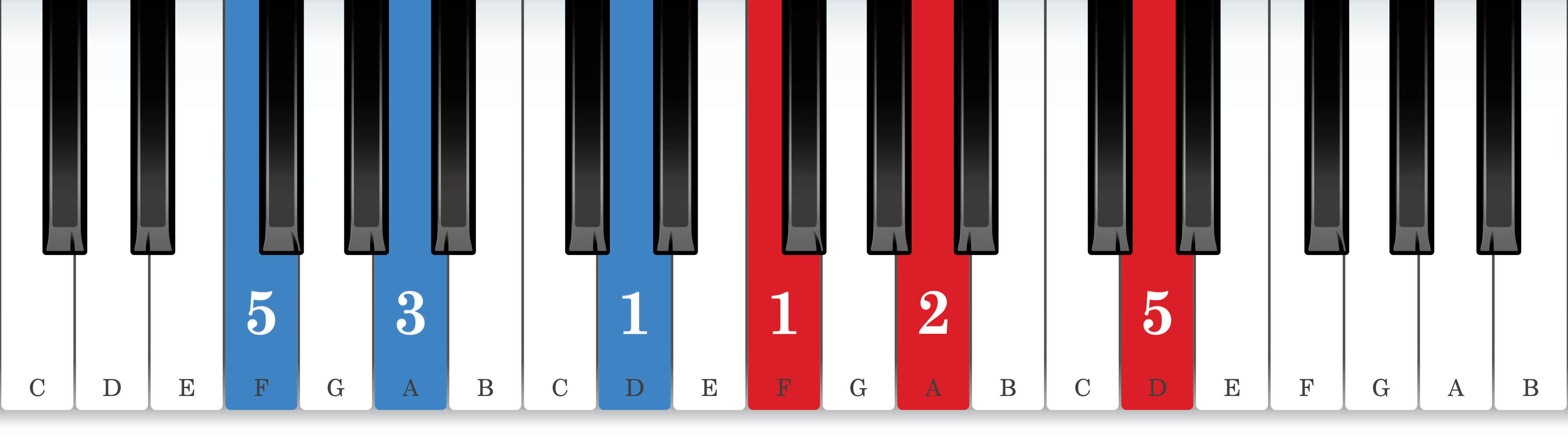
| D Minor Chord in 1st inversion | |
|---|---|
| Note Order | F A D |
| Left Hand Fingering | 5 3 1 |
| Right Hand Fingering | 1 2 5 |
| Chord Symbol | Dm6 or Dm/F |
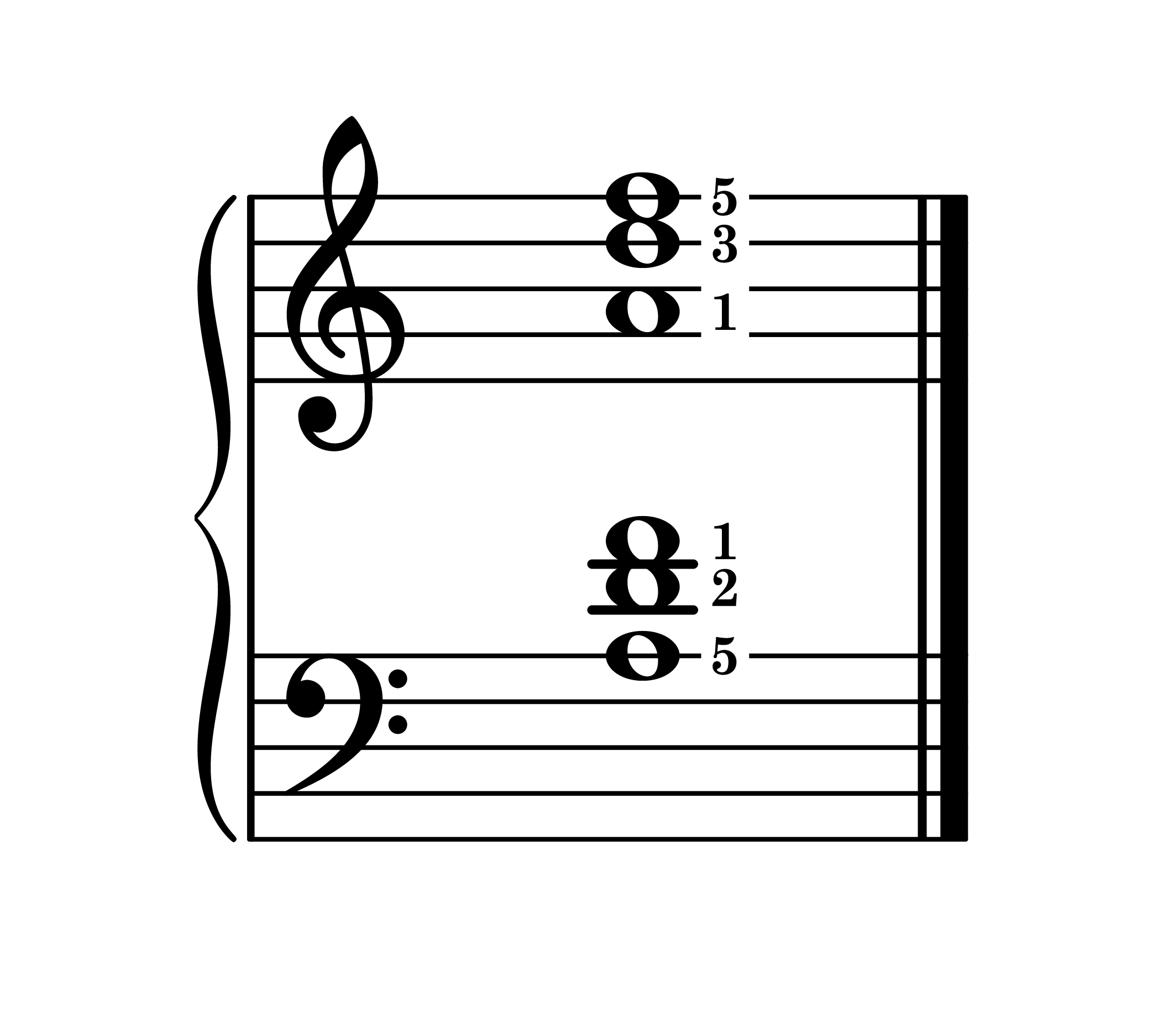
In second inversion, the fifth of the chord (A) is on the bottom, and the third of the chord (F) goes to the top.
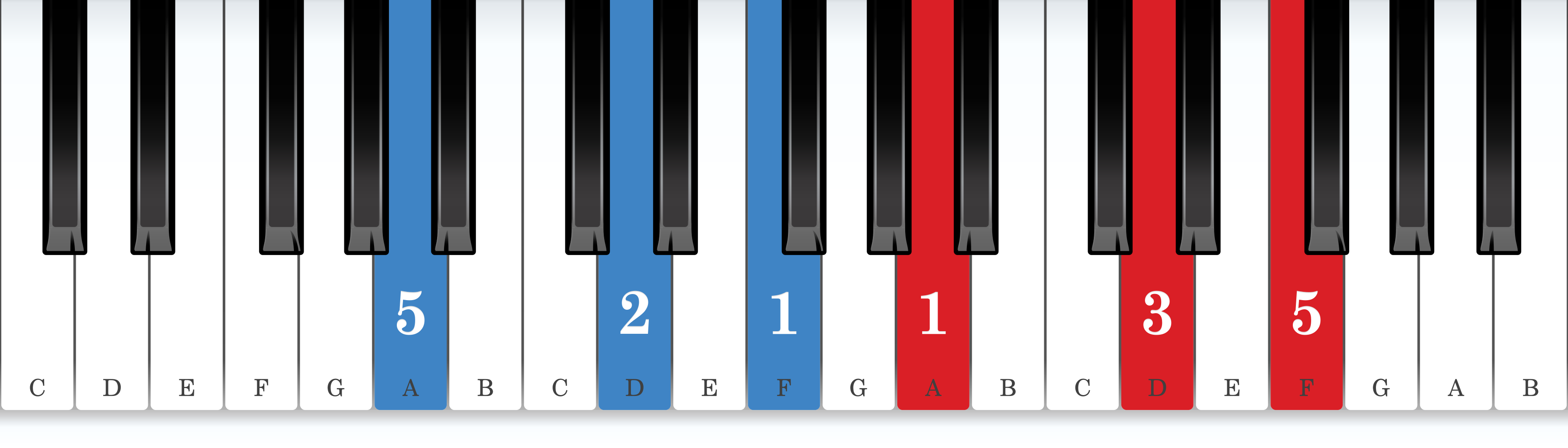
| D Minor Chord in 2nd inversion | |
|---|---|
| Note Order | A D F |
| Left Hand Fingering | 5 2 1 |
| Right Hand Fingering | 1 3 5 |
| Chord Symbol | Dm6/4 or Dm/A |
A minor chord has the lowered third, which gives it a quieter, darker color. In a major key the minor chords play supporting roles. In a minor key the minor tonic chord is home.
The D minor chord is the supertonic (ii) in C major, the mediant (iii) in B♭ major, and the submediant (vi) in F major. In minor keys, it is the tonic (i) in D minor, the subdominant (iv) in A minor, and the dominant (v) in G minor.
The place a student meets a minor chord most often is ii, leading to V and then home. In C major that is Dm – G – C. In D minor the everyday pattern is i – iv – V – i: Dm – Gm – A – Dm, where the major V comes from the raised seventh. A minor chord is also the relative minor of the major chord a minor third above it, so a piece can move between the two and change color without leaving the key.
No questions on this lesson yet. Be the first to ask one.