Lesson Steps
    Add a header to begin generating the table of contents

    B-flat Minor Piano Chords

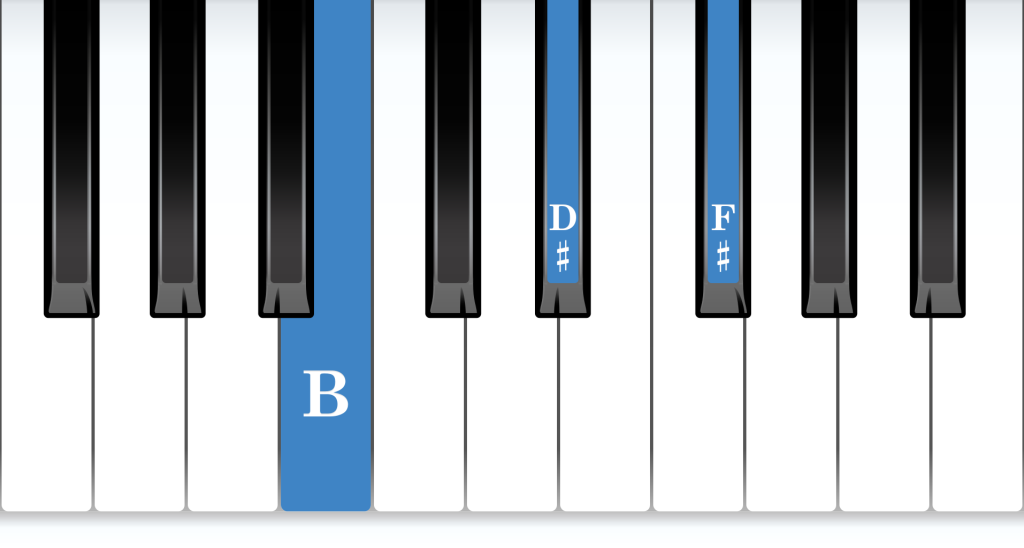
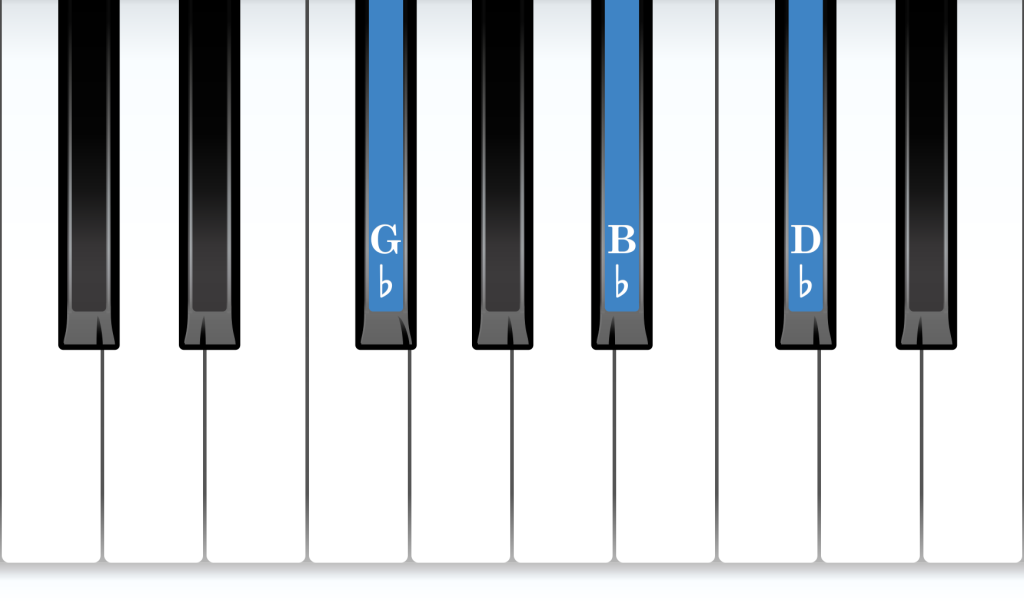
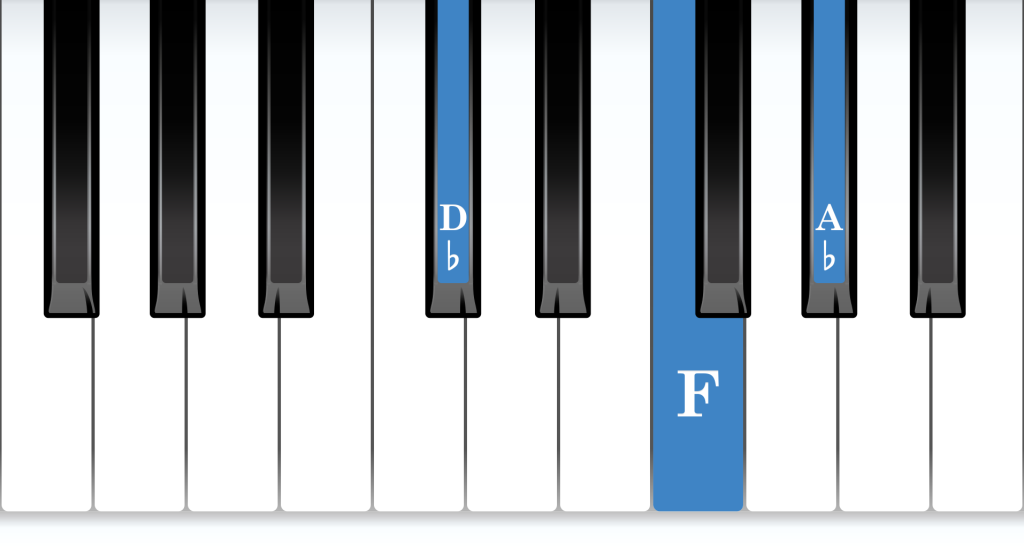
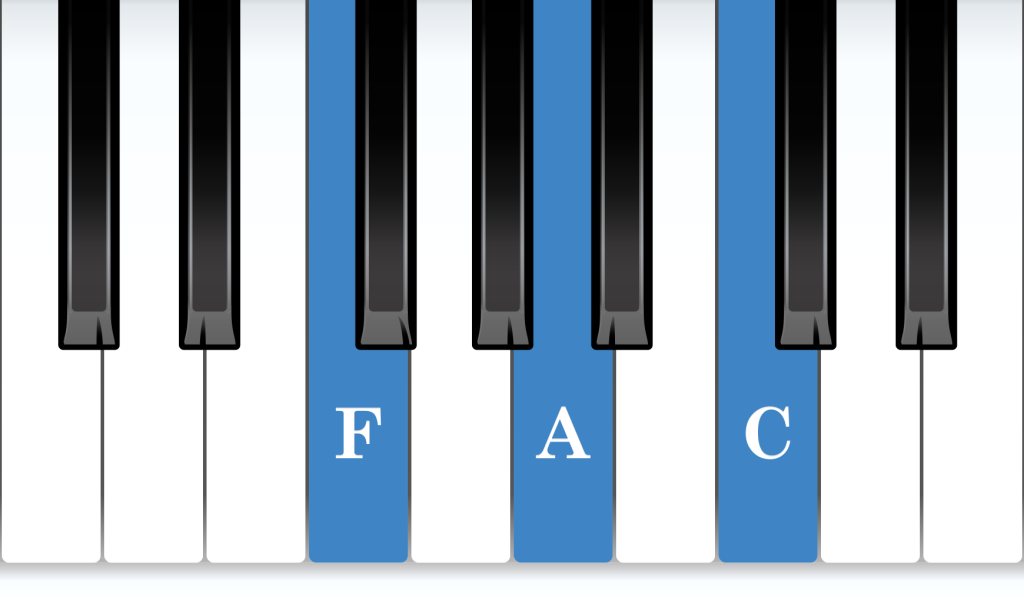
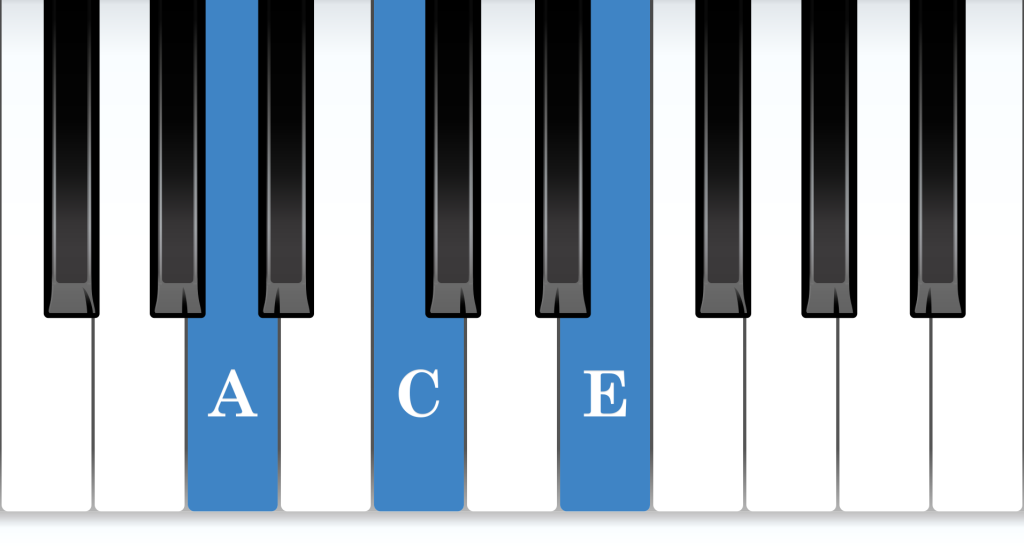
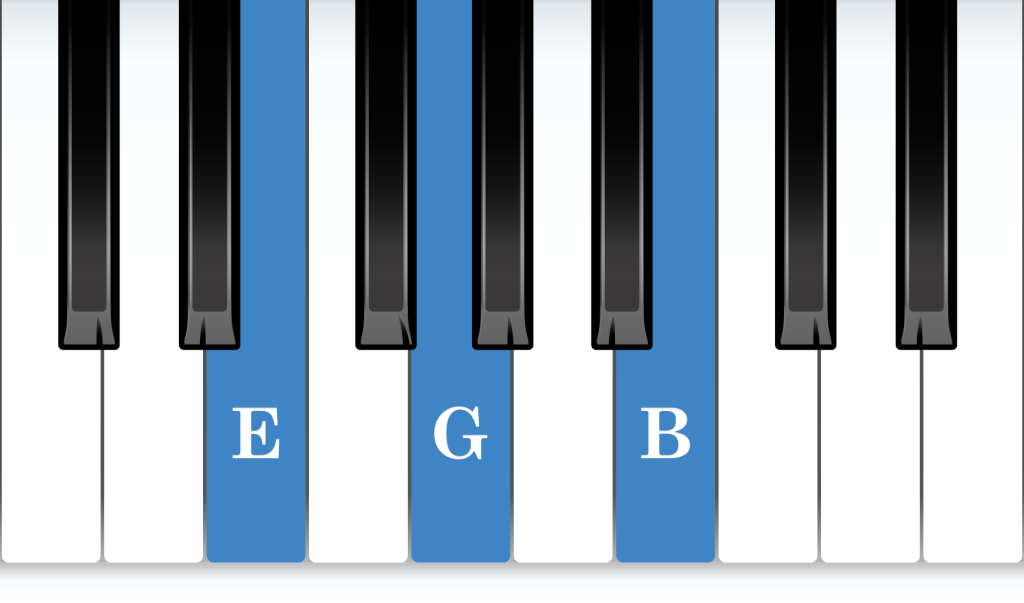
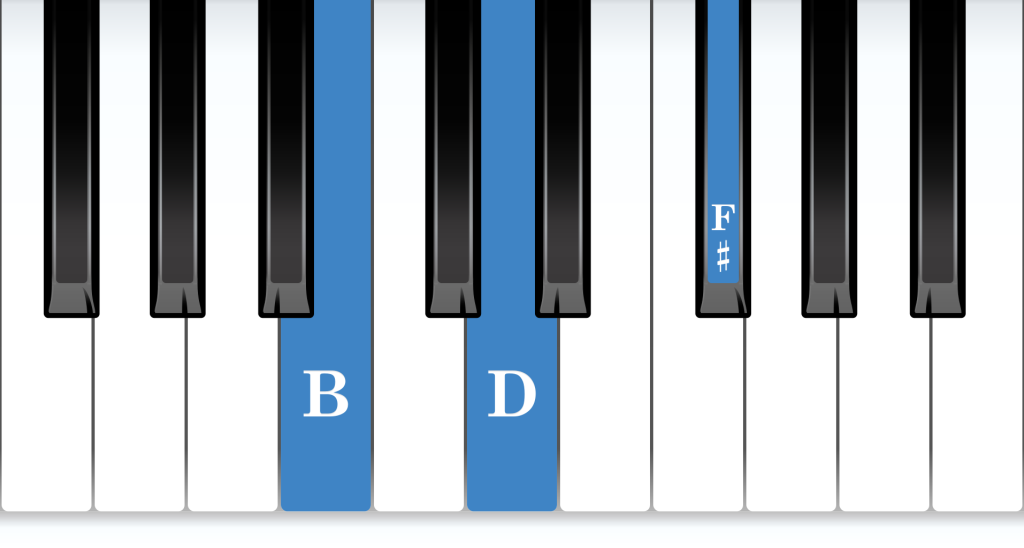
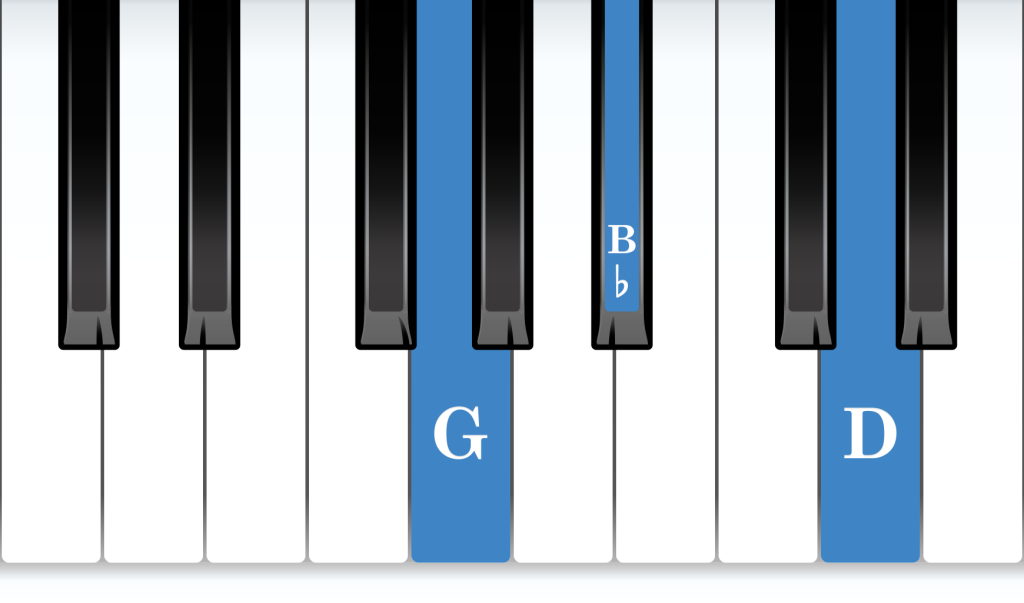
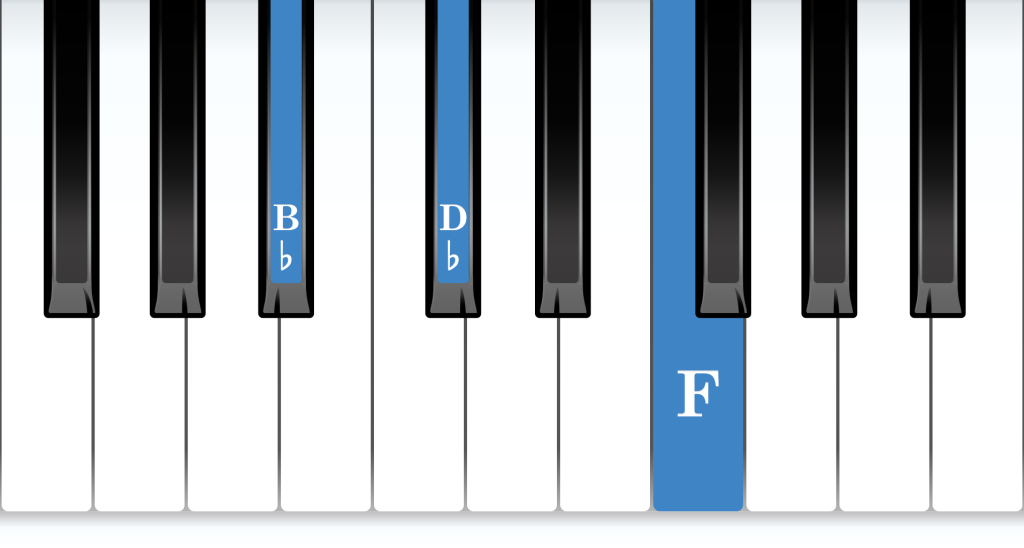
    The key of B-flat minor is built around the B-flat minor chord, B-flat, D-flat, and F. Let’s go through that chord and its inversions, then the other chords that belong to the key, and then put the most important ones together in cadences.

    Lesson Steps
      Add a header to begin generating the table of contents

      The B-flat minor triad and its inversions

      The most fundamental chord in any key is its triad, three notes built from the first, third, and fifth degrees of the scale.
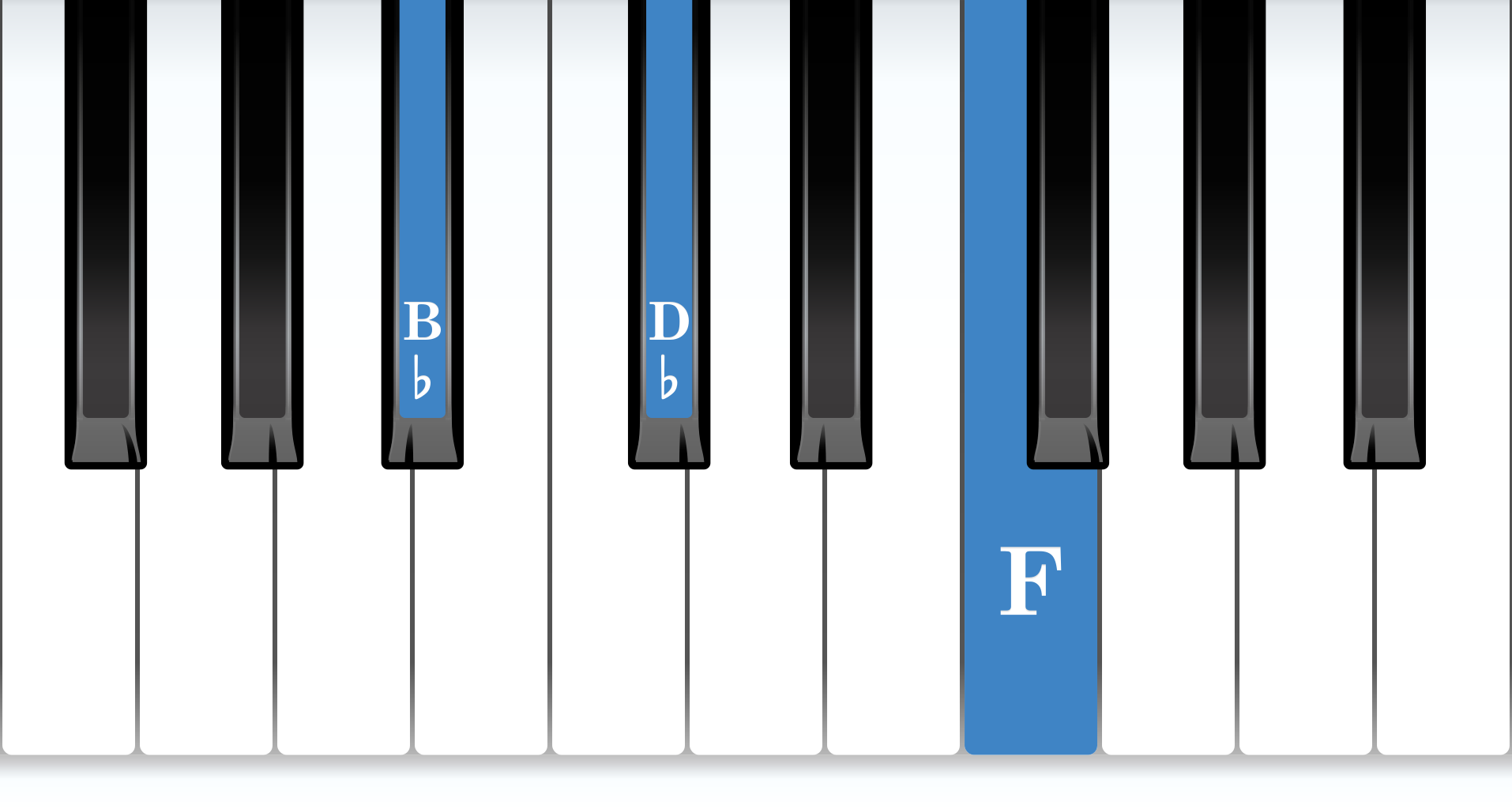
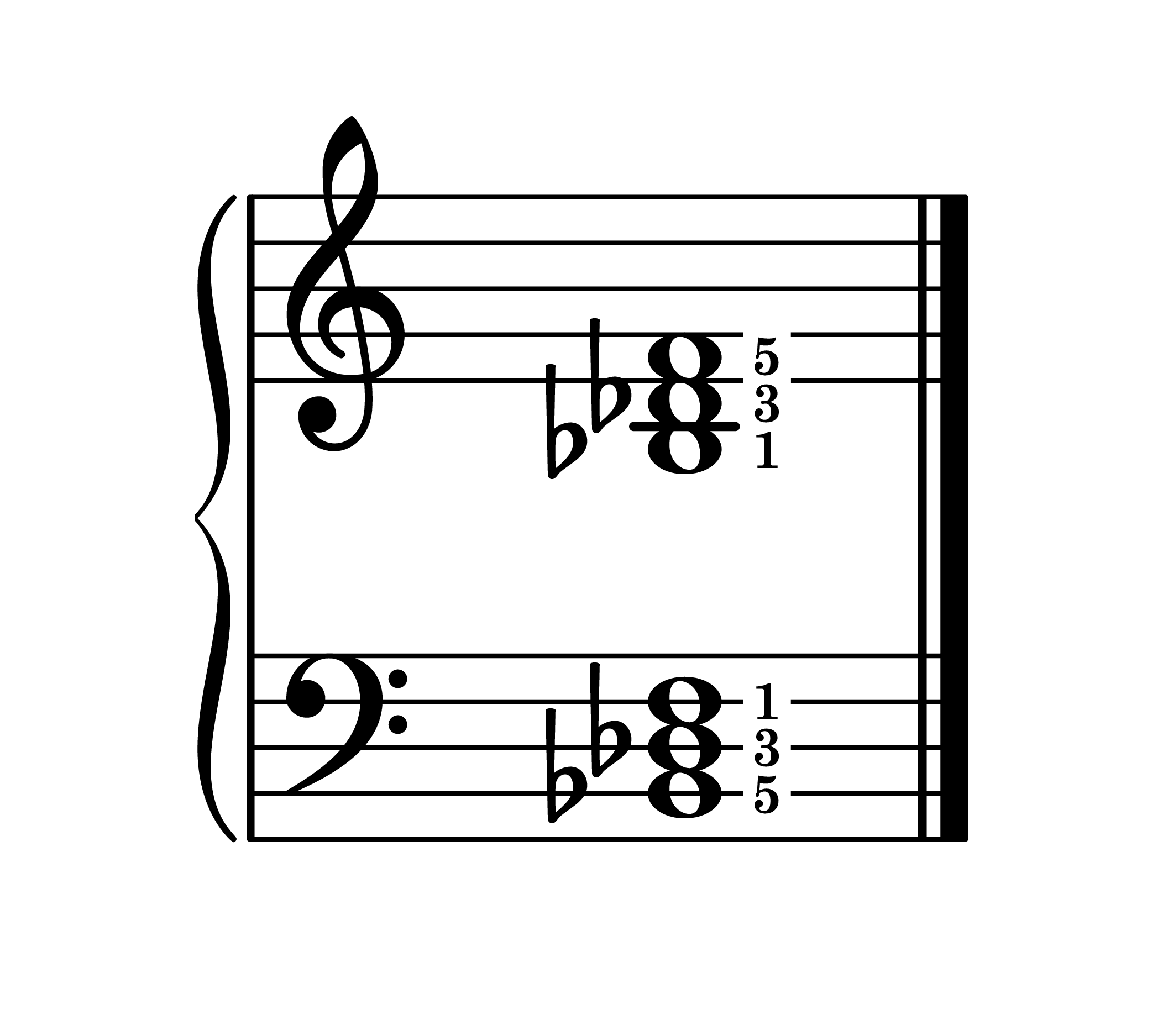
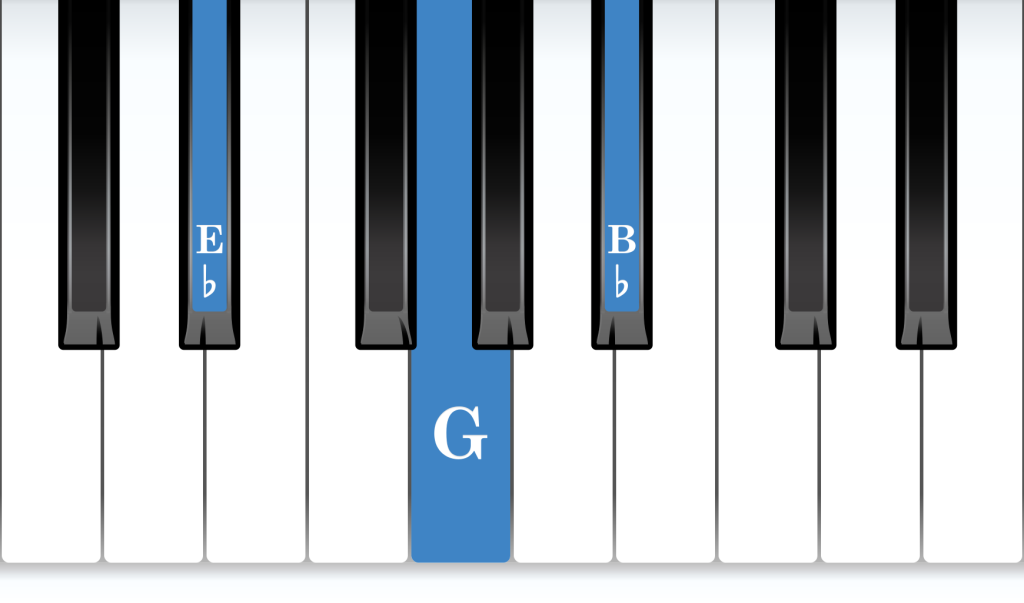
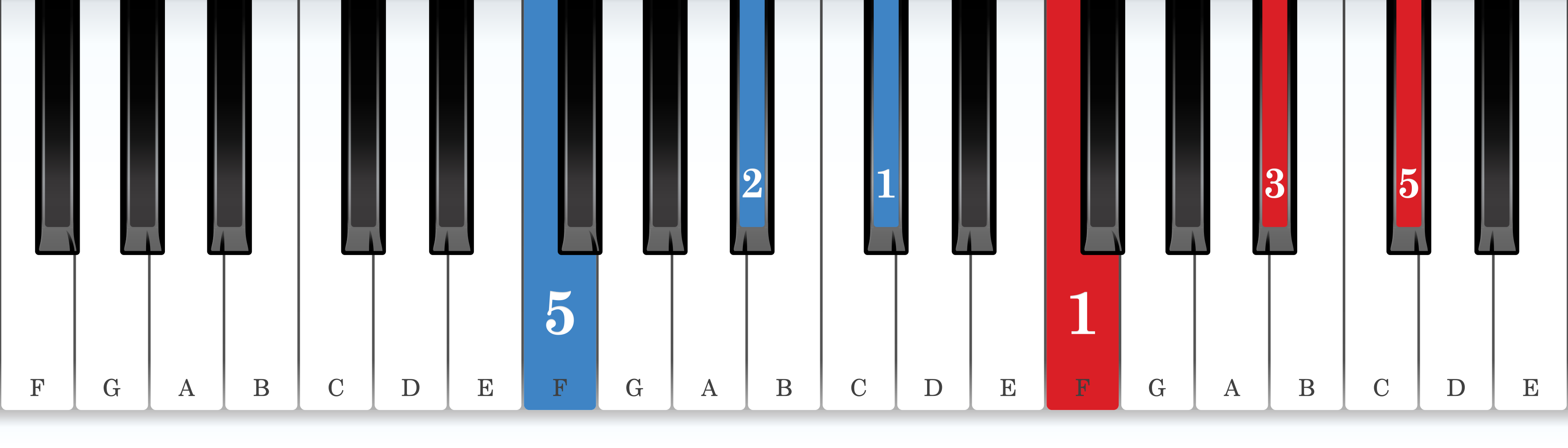
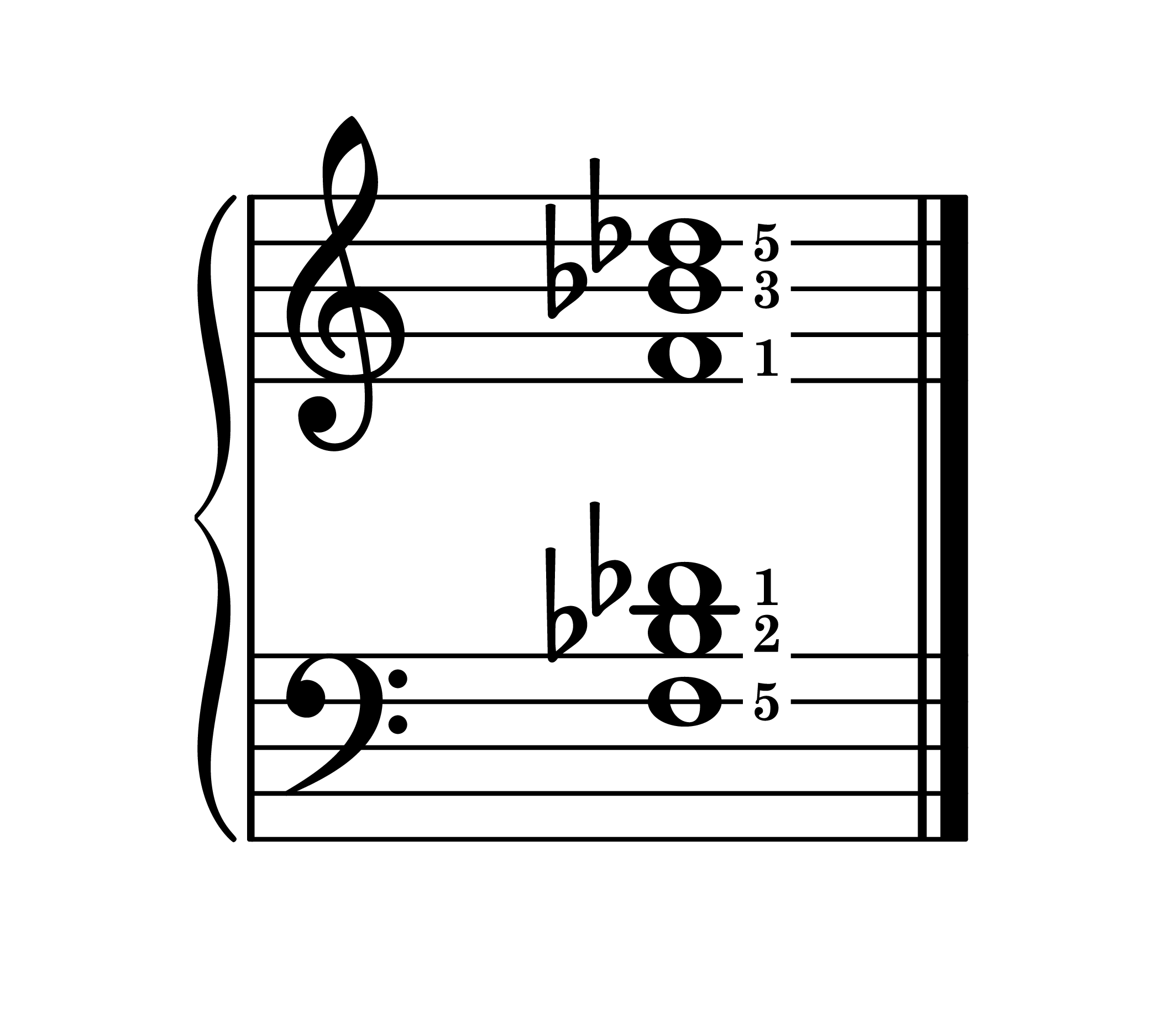
      In B-flat minor, those notes are B-flat, D-flat, and F. The key signature of B-flat minor has five flats: B-flat, E-flat, A-flat, D-flat, and G-flat. The third, D-flat, is a minor third above B-flat, which is what makes this a minor chord. Because there are three notes, there are three ways to stack them, which we call inversions.

      Let’s start with the B-flat minor triad in each of its three positions, so the chord becomes familiar from every side.

      The B-flat minor chord in root position

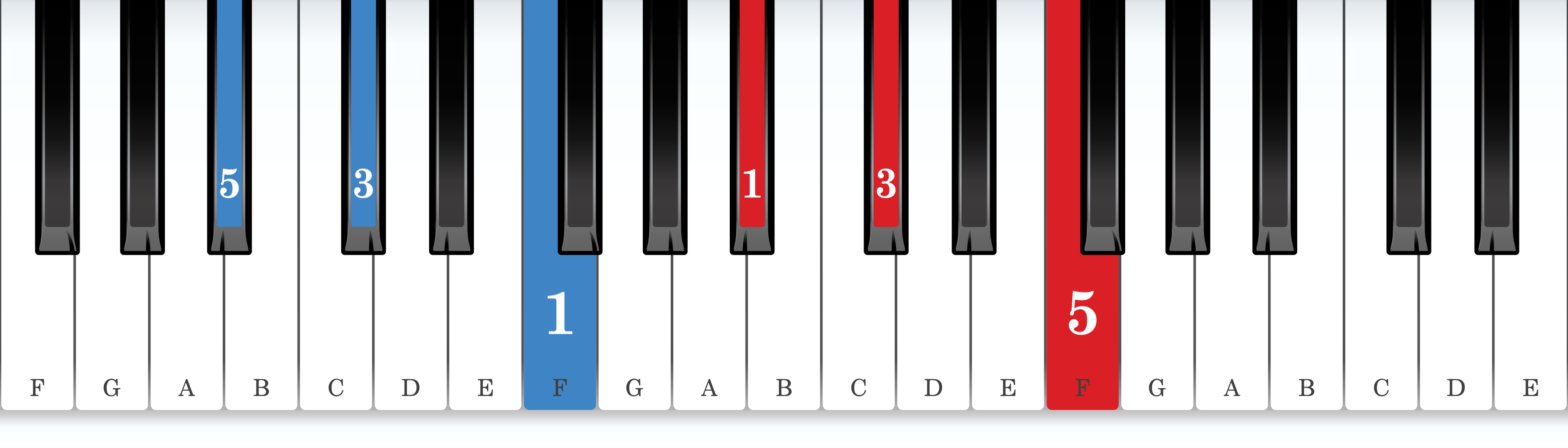
      In root position, B-flat is on the bottom, with D-flat and F stacked above it in thirds. On the staff this is the most even-looking shape a triad can have: three notes on consecutive lines or consecutive spaces. The fingering is 1-3-5 in the right hand and 5-3-1 in the left. F is the only white key, so the hand sits further in, and the finger on F reaches slightly down and out to it.
      The B-flat minor chord in first inversion

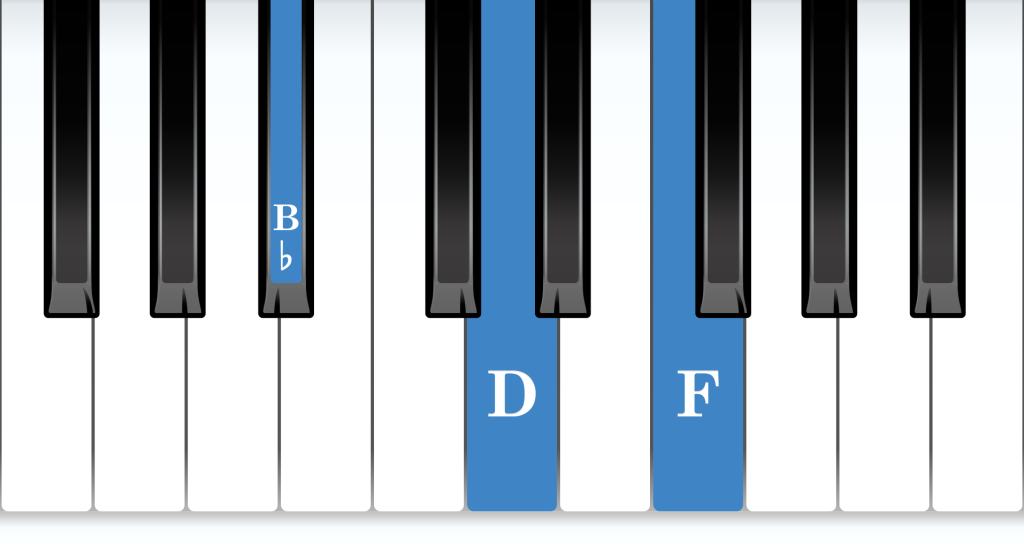
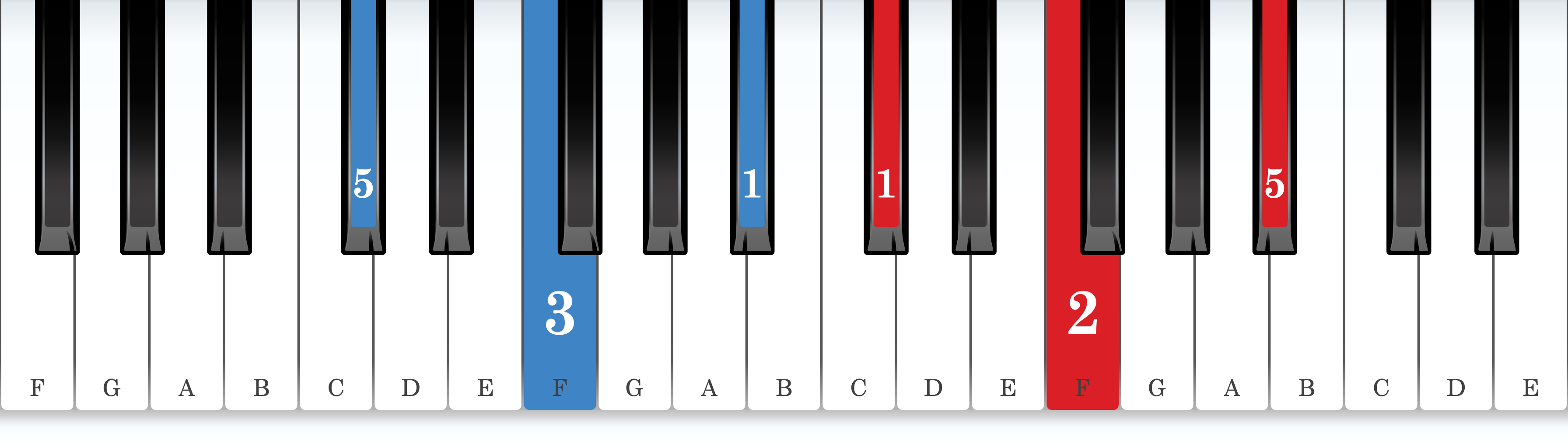
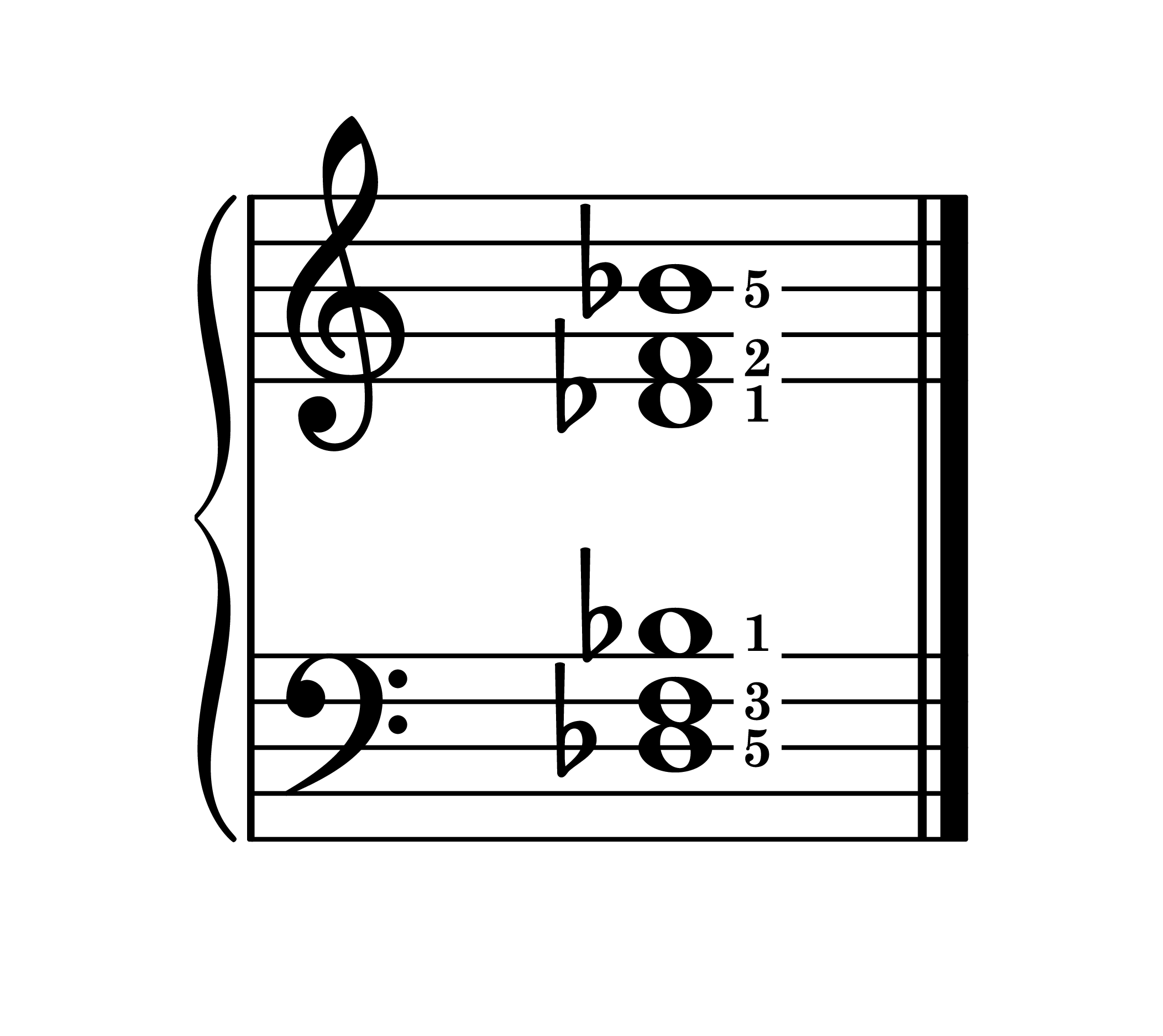
      In first inversion, the third of the chord, D-flat, becomes the bottom note, and the root, B-flat, moves up to the top: D-flat, F, B-flat. The gap between the top two notes is now a fourth, so the right hand changes to 1-2-5, with the 5th finger reaching up to B-flat. The left hand keeps 5-3-1. In this position the right thumb starts on D-flat, a black key. Letting the hand come in toward the fallboard keeps the thumb from catching the front edge of the key. The left thumb is on a black key too, B-flat, so both hands sit further in.
      The B-flat minor chord in second inversion

      In second inversion, the fifth of the chord, F, is on the bottom, and the third, D-flat, moves to the top: F, B-flat, D-flat. Now the fourth is at the bottom of the chord, so the left hand changes to 5-2-1, while the right hand goes back to 1-3-5. Now the right thumb gets F, a white key, while 3 and 5 sit on the black keys B-flat and D-flat. In the left hand it’s the other way around: the thumb lands on D-flat, a black key, so the whole hand moves in a little to meet it.
      Other chords in the key of B-flat minor

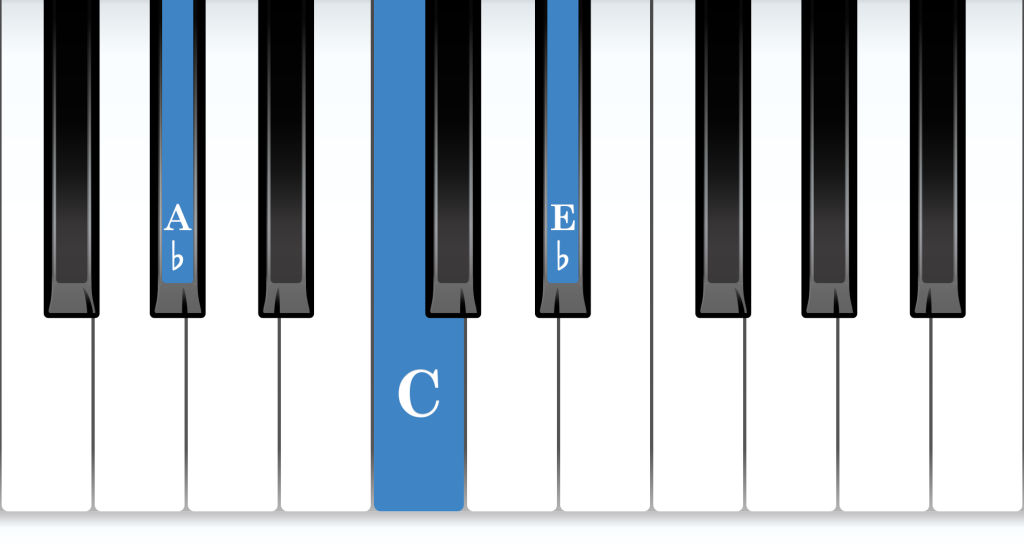
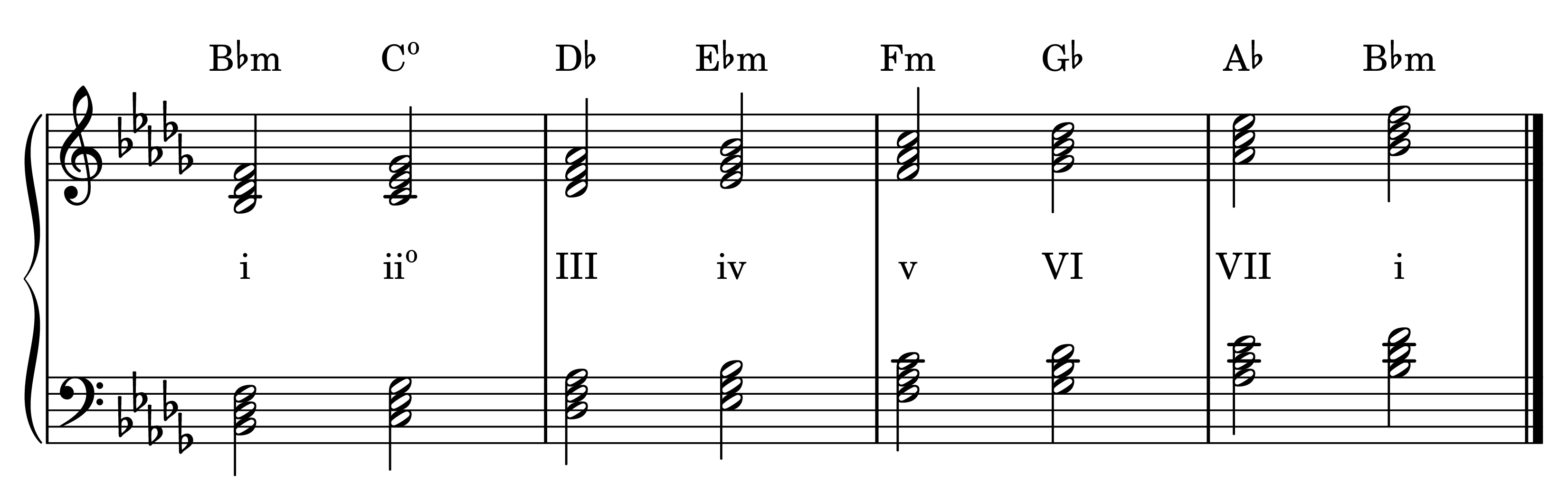
      Building a triad on every note of the B-flat minor scale gives us the other chords of the key. Each chord takes its notes from the scale, so the same shape changes quality as it moves up: in B-flat minor, the triads are B-flat minor (i), C diminished (ii°), D-flat major (III), E-flat minor (iv), F minor (v), G-flat major (VI), and A-flat major (VII). These come from the natural minor scale; the cadences below raise the seventh for the dominant. Every one of these chords has at least one black key, so in B-flat minor the hand never lies completely flat; it keeps adjusting its depth from chord to chord. E-flat minor and G-flat major lie entirely on black keys.

      Try playing them in a row, keeping the same hand shape, and listen to how the color changes from chord to chord.
      B-flat minor cadence chord progressions

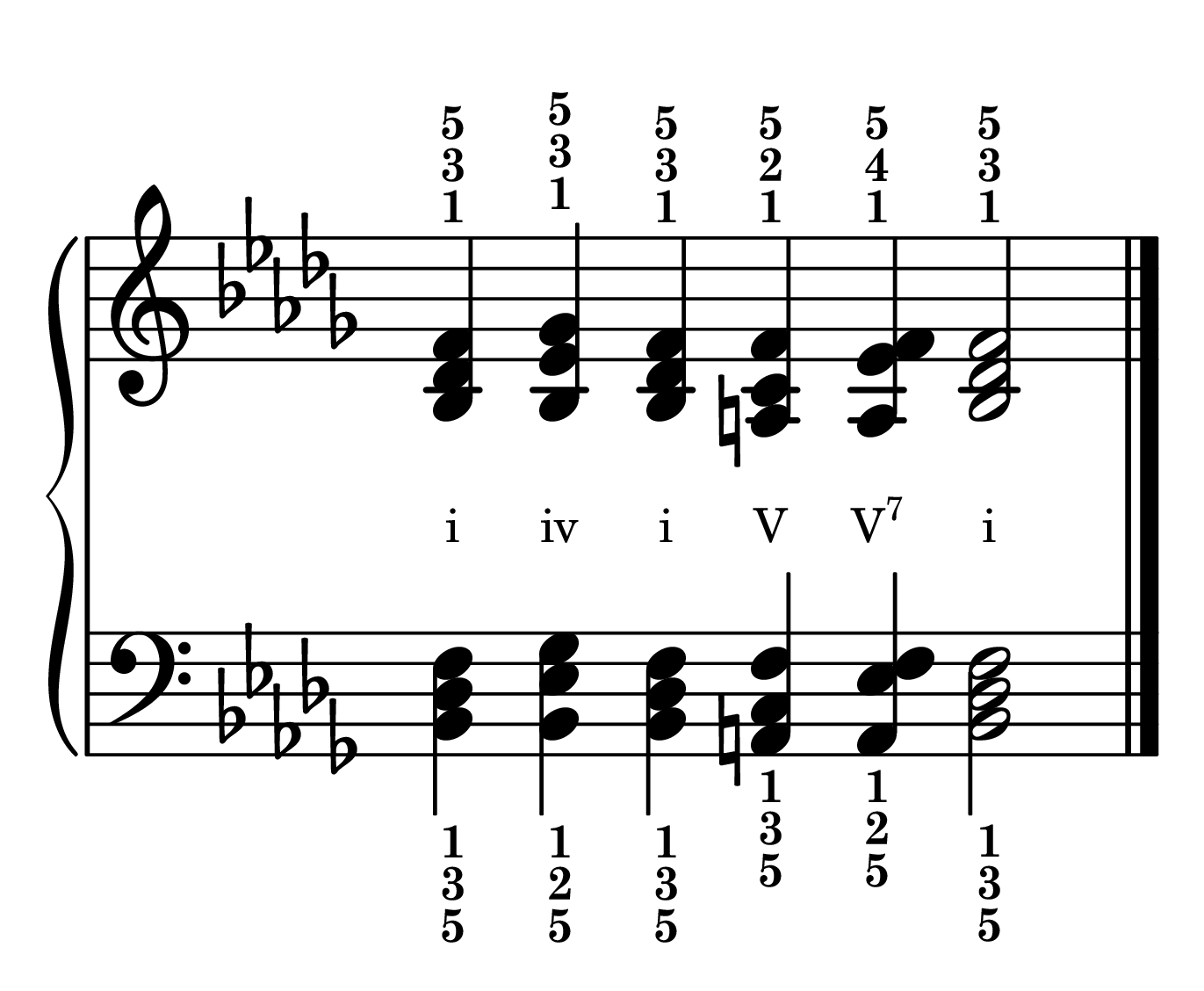
      The primary chords are the i, iv, and V chords, also called the tonic, subdominant, and dominant of the key. In B-flat minor, those chords are B-flat minor, E-flat minor, and F major. The dominant takes its third, A, from the harmonic minor scale: the raised seventh turns the F minor chord of the natural minor into a major chord, which gives it its pull back to B-flat.

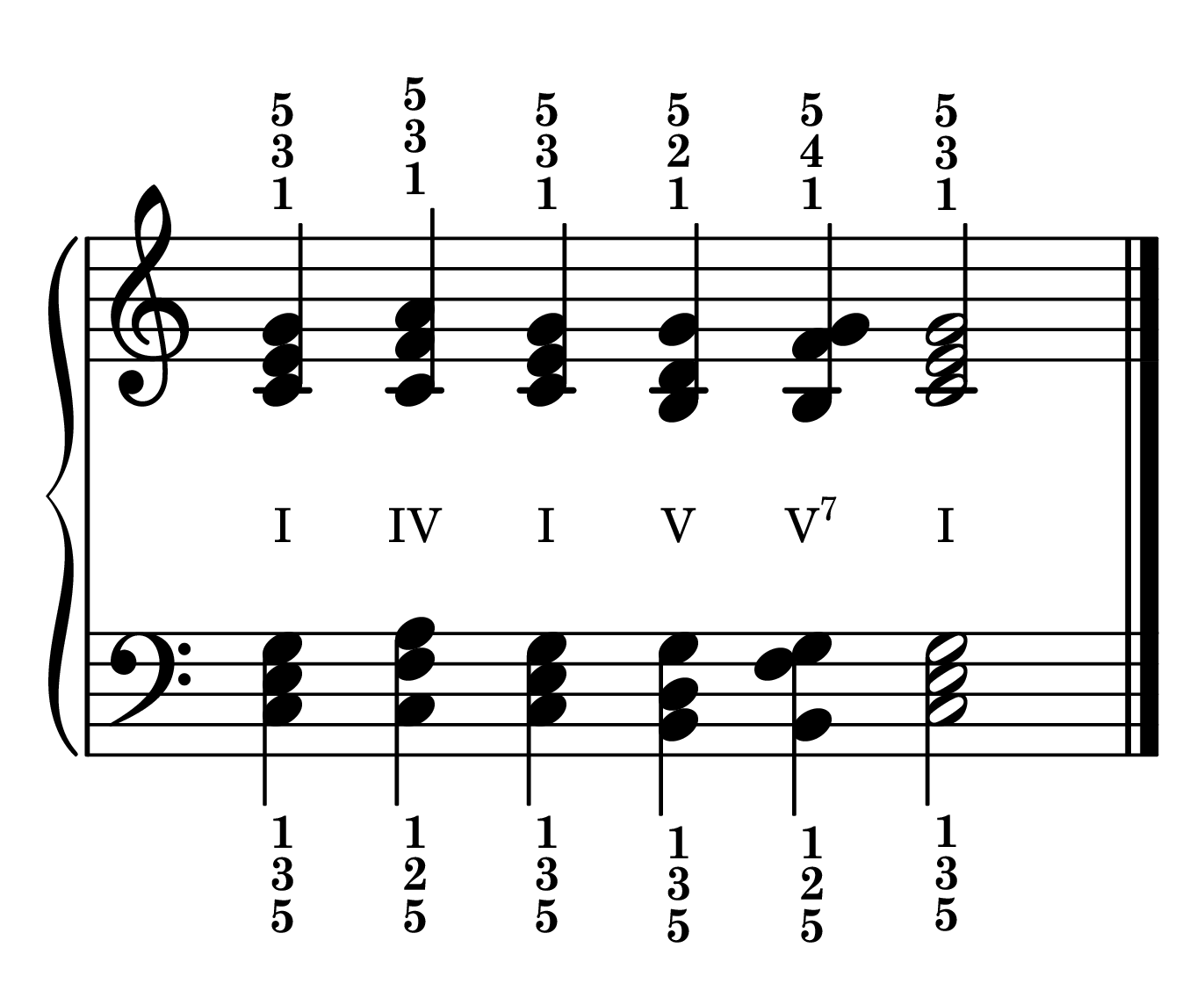
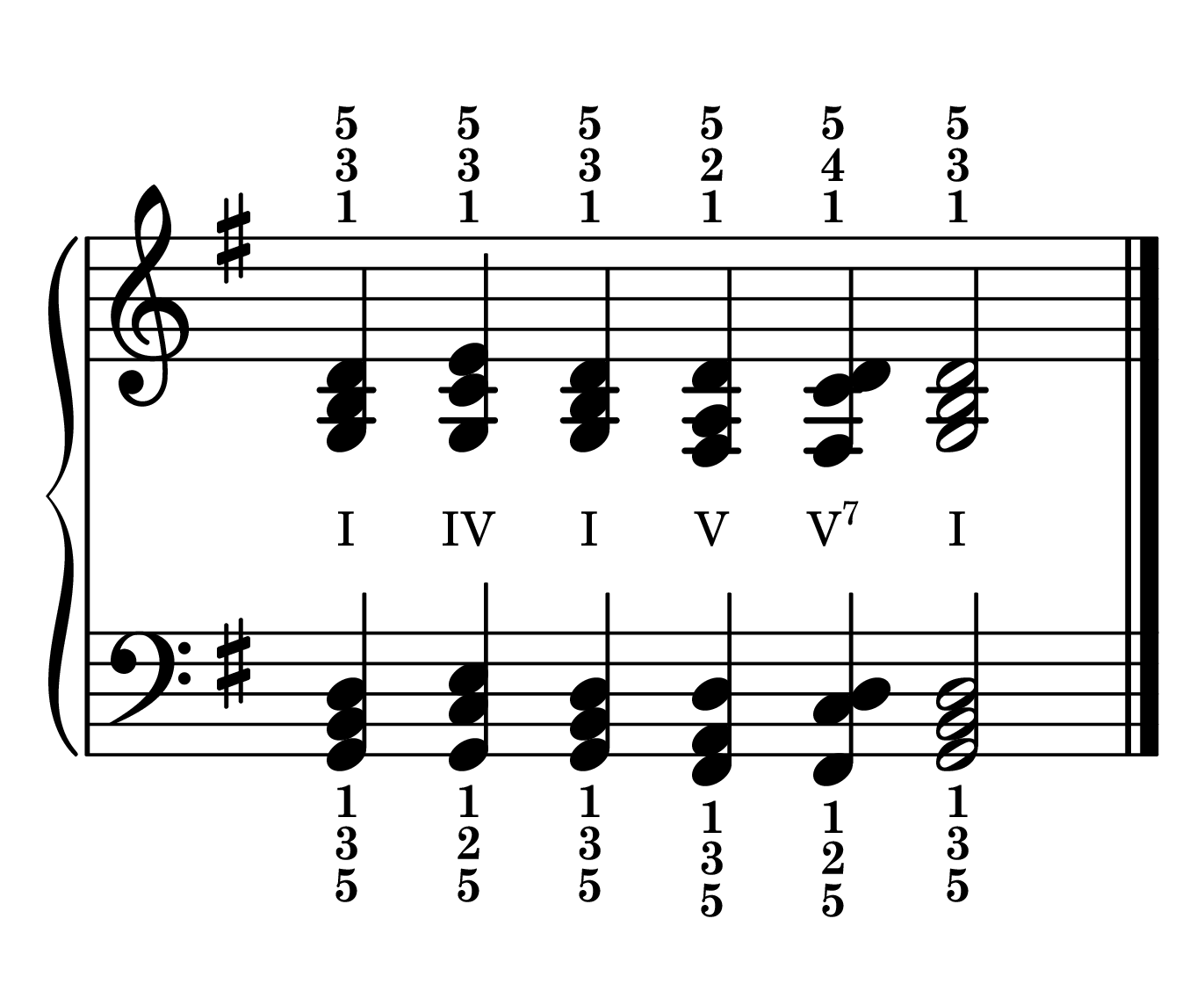
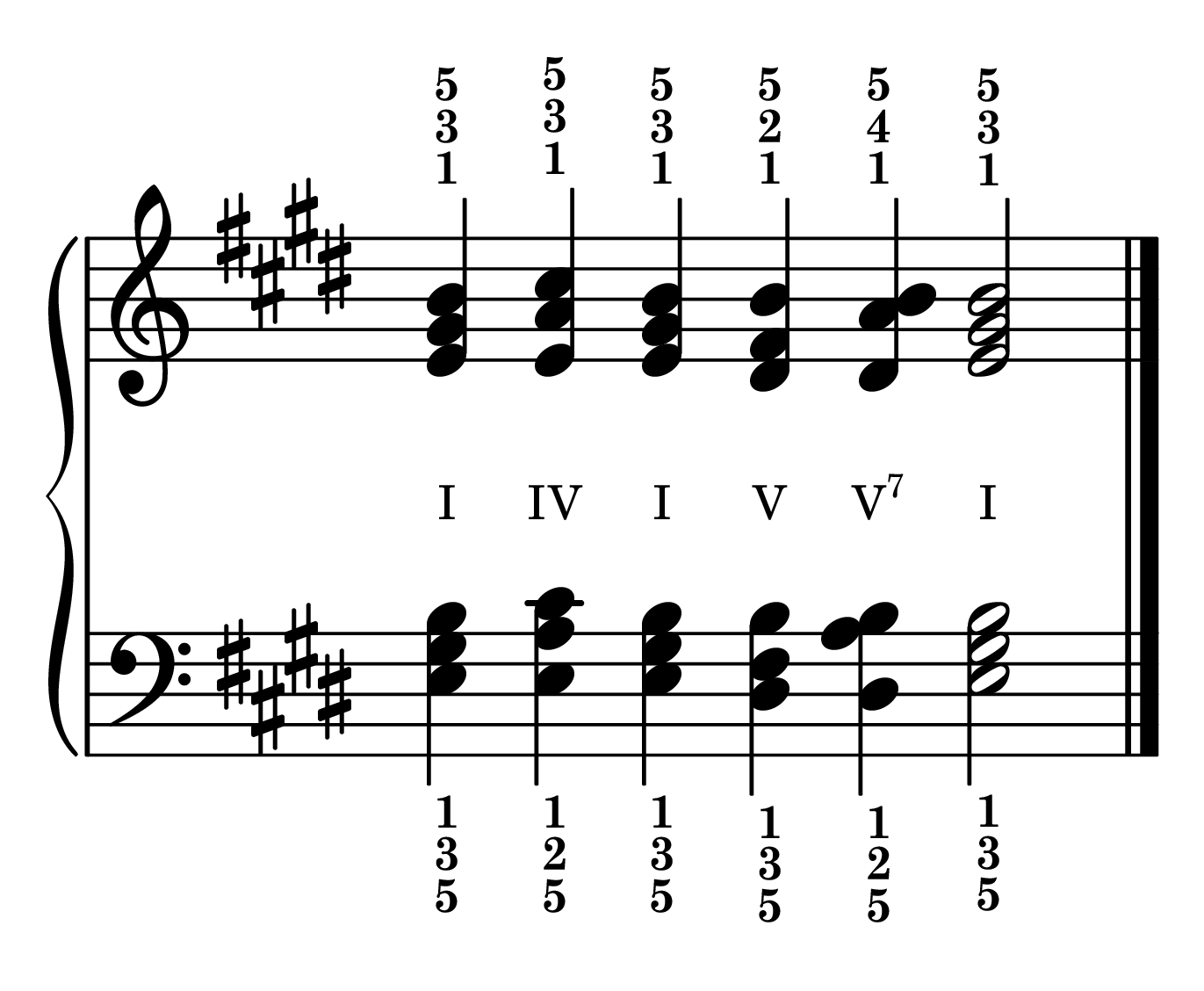
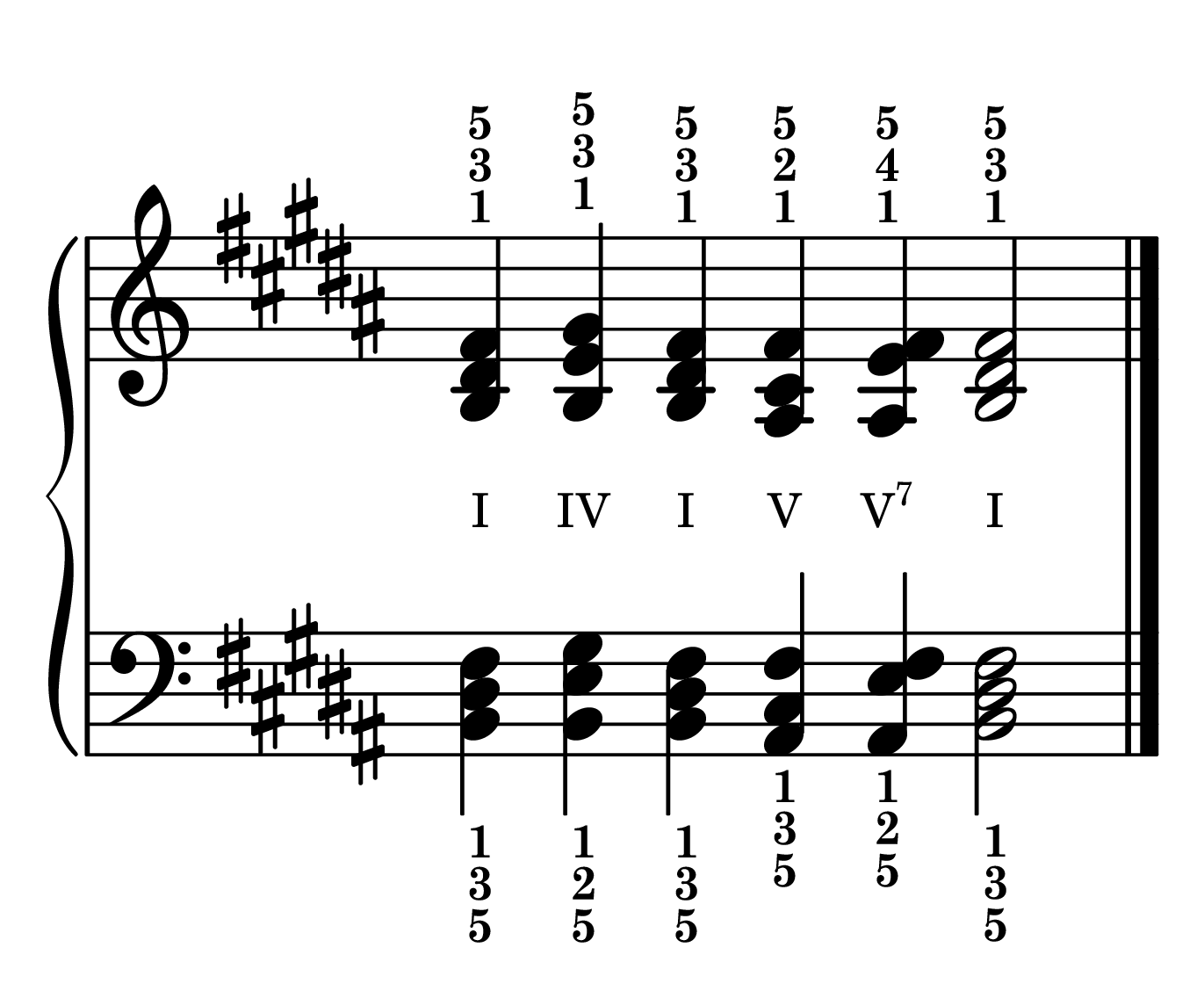
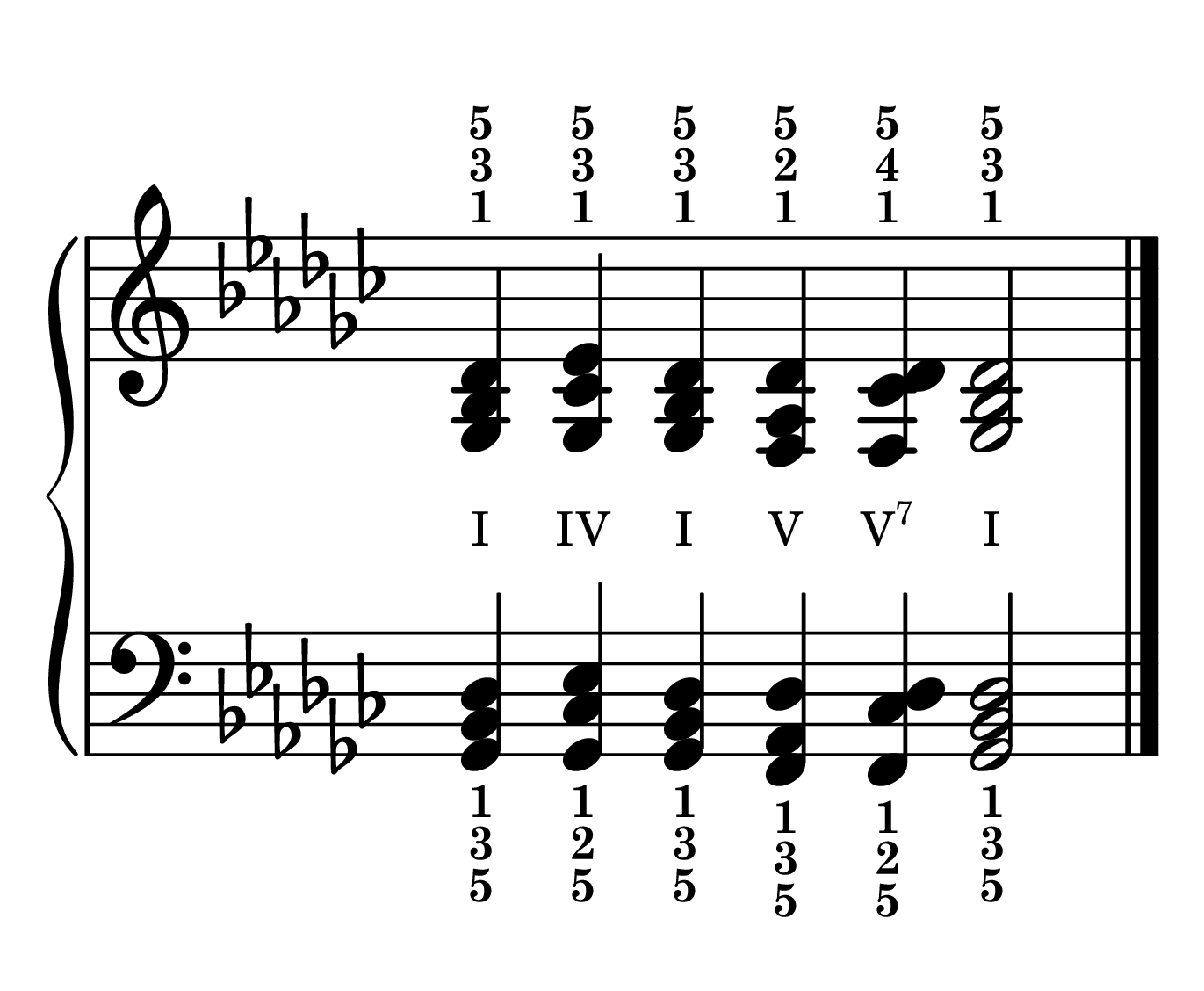
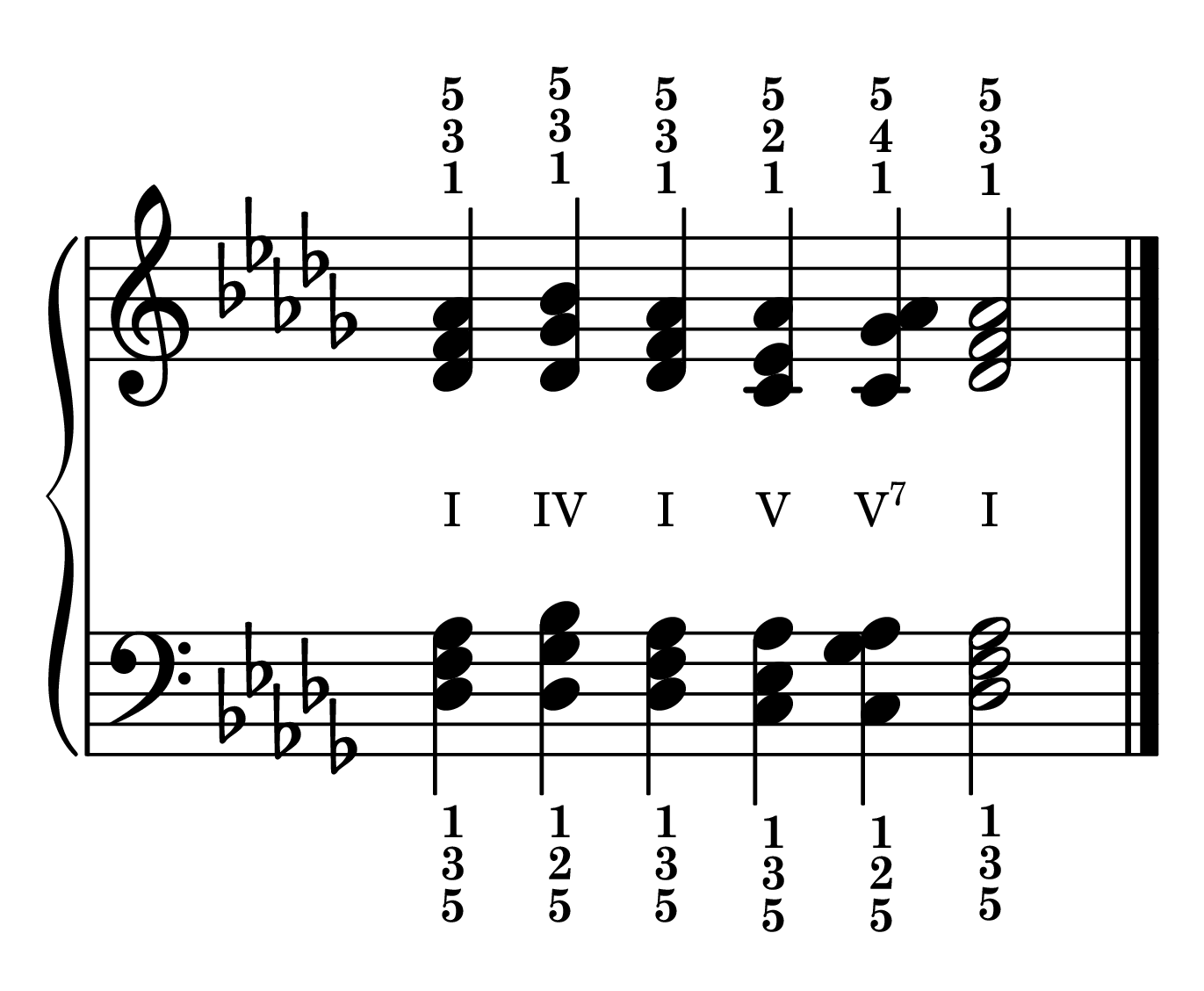
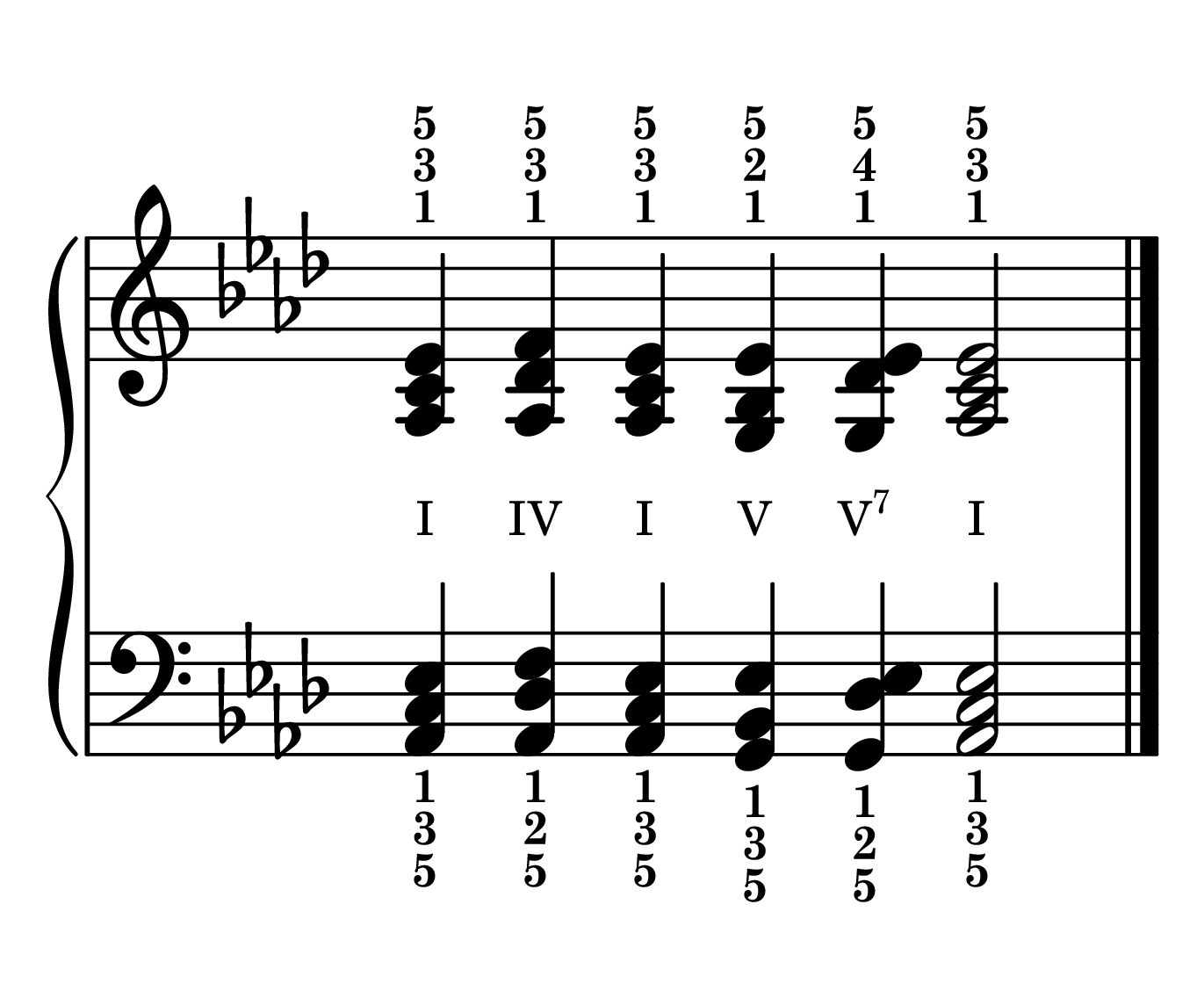
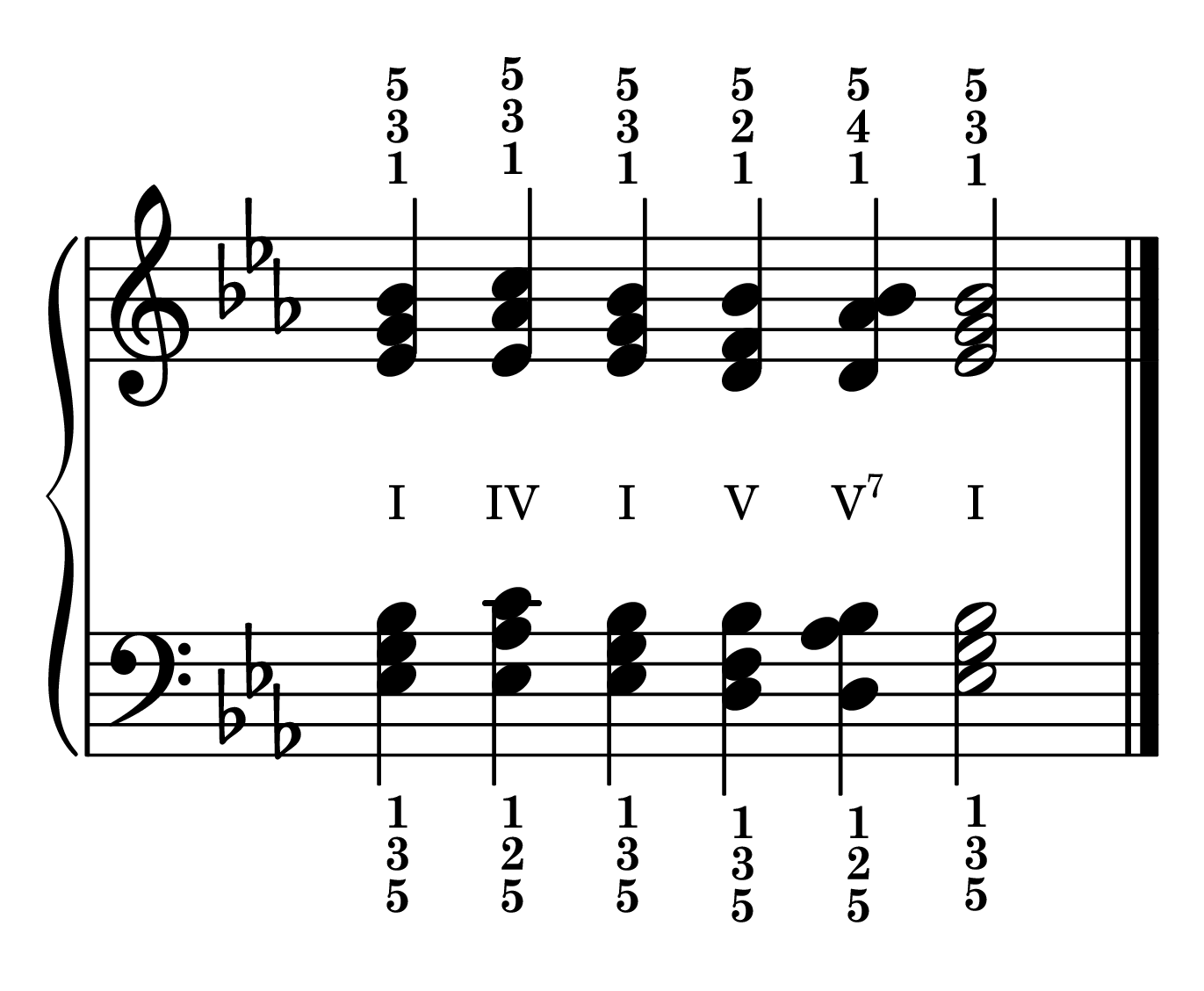
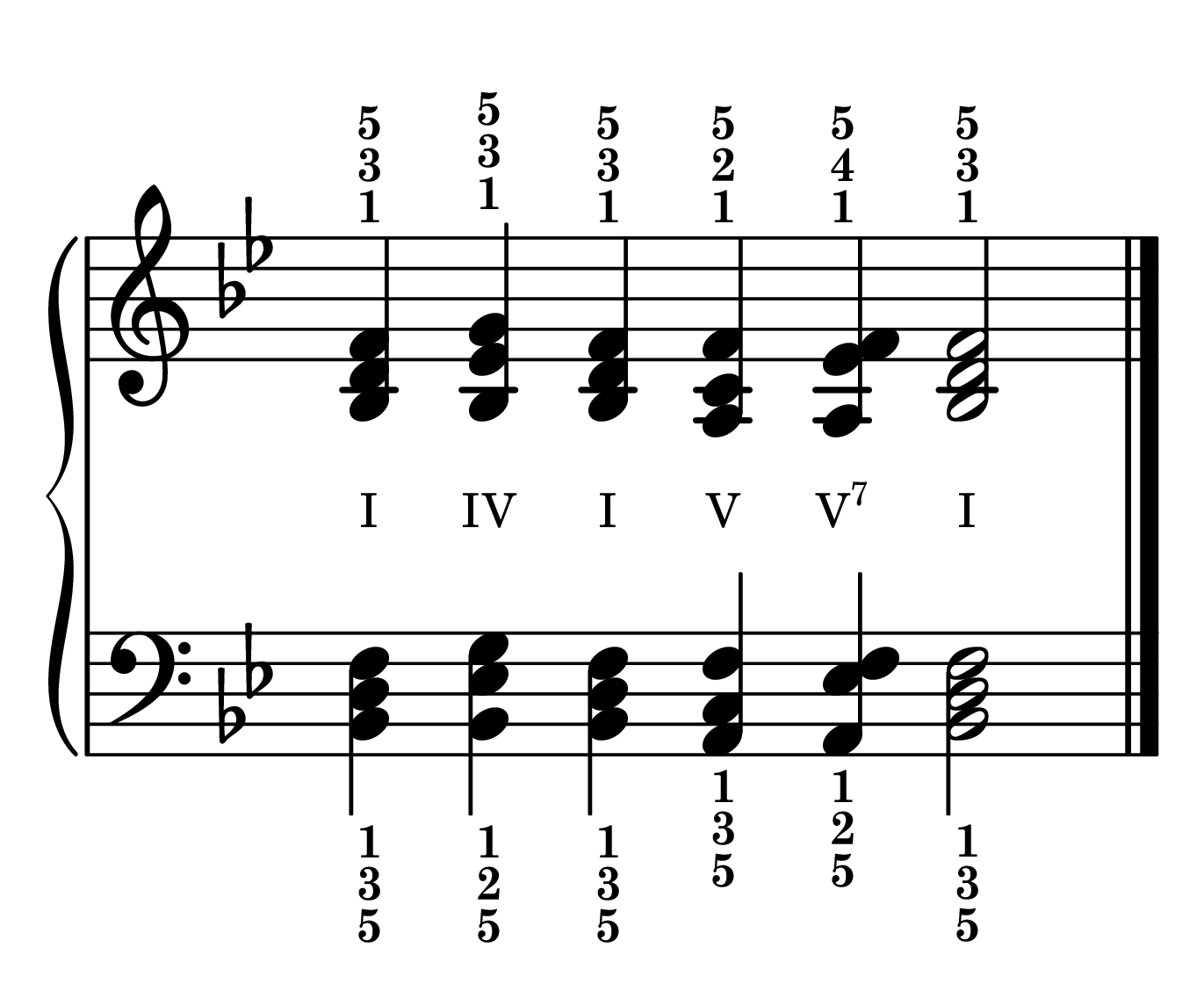
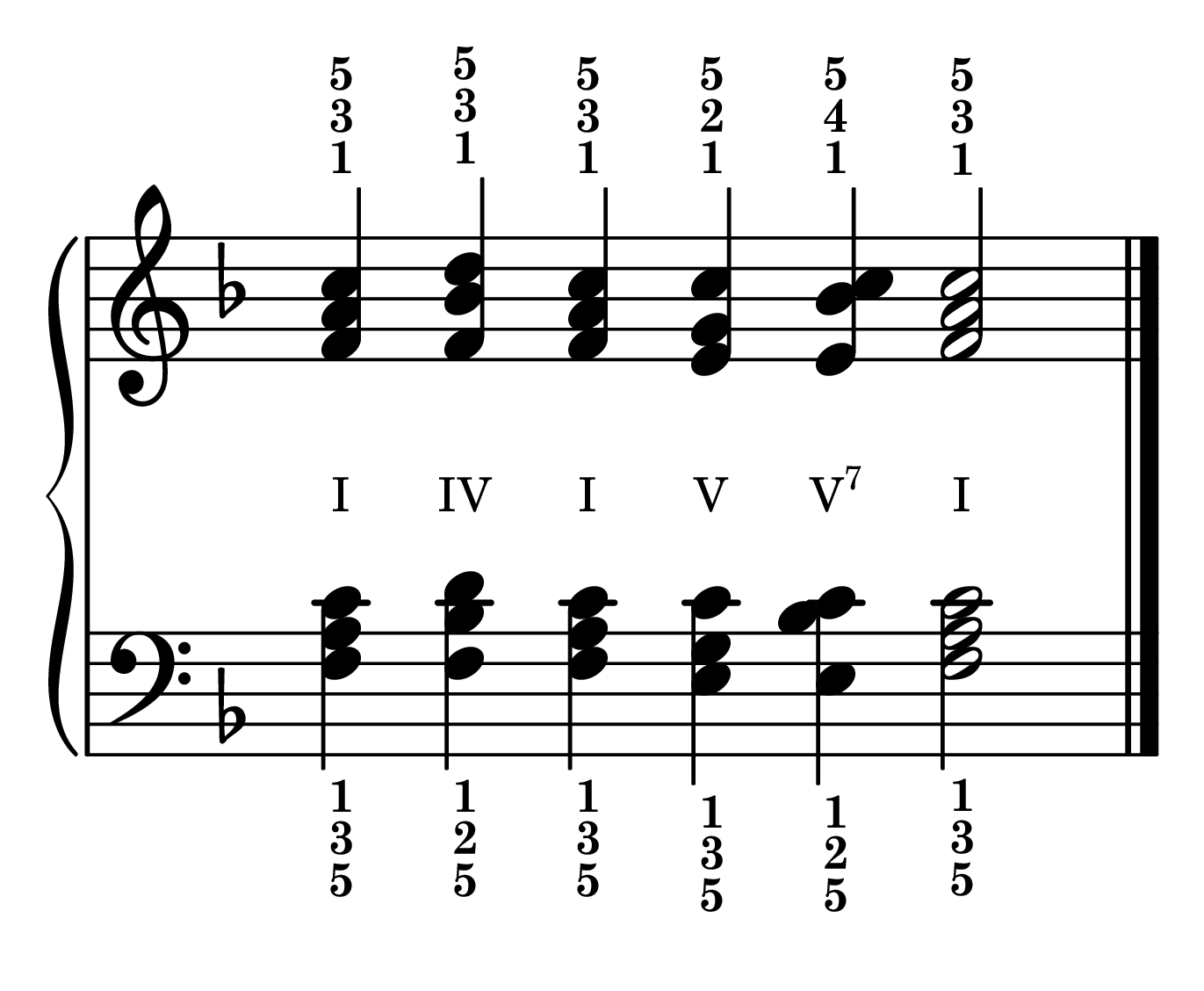
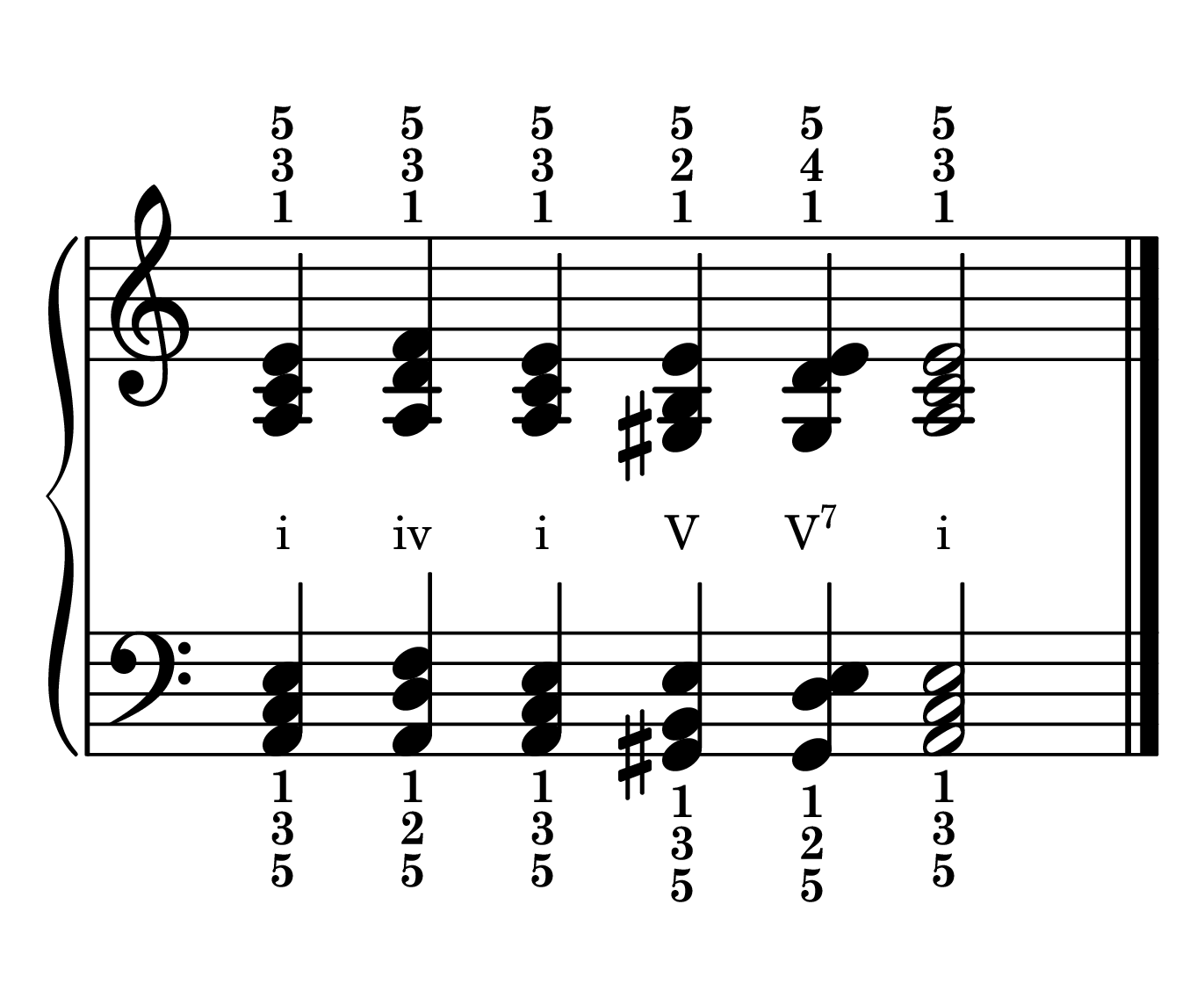
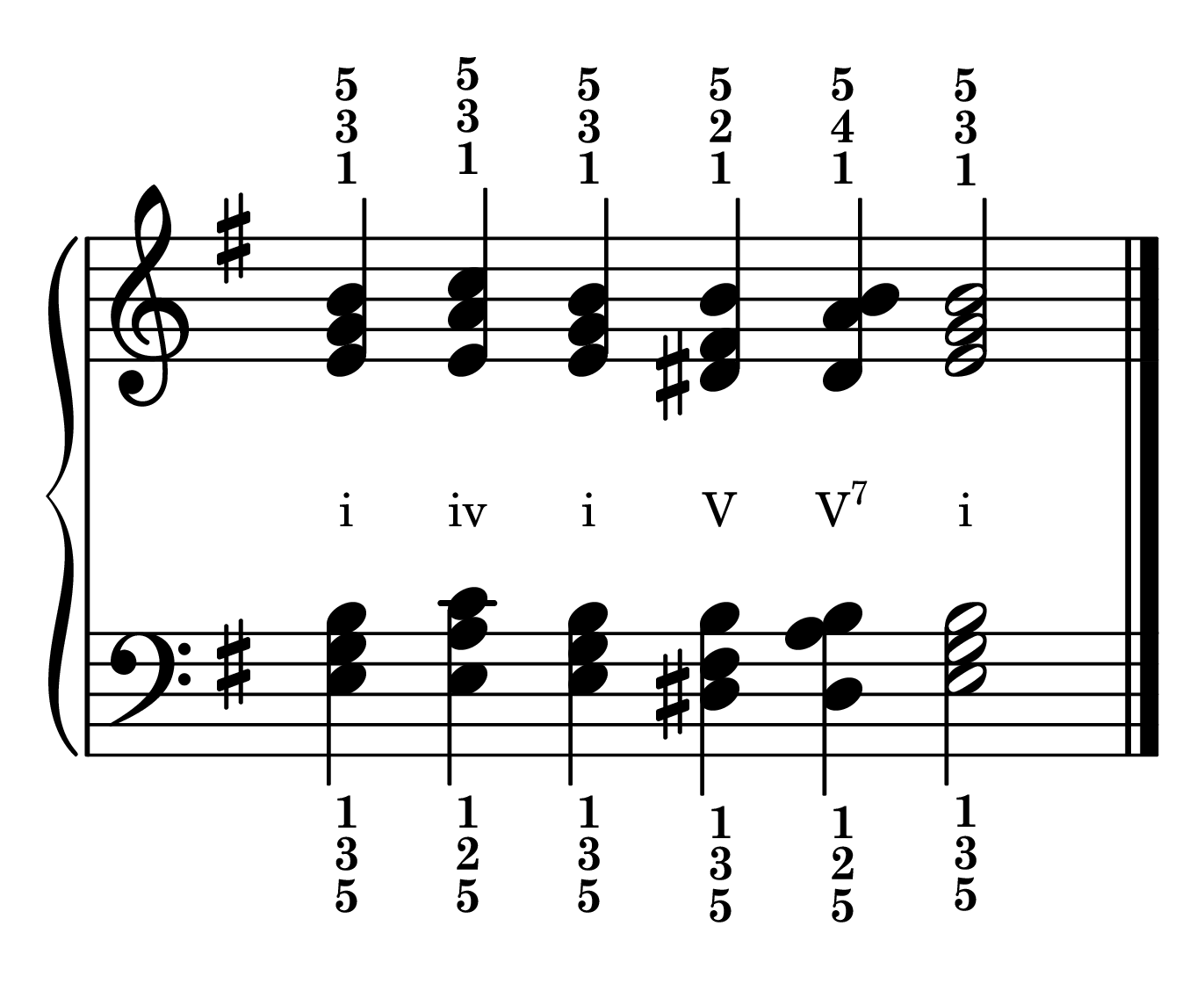
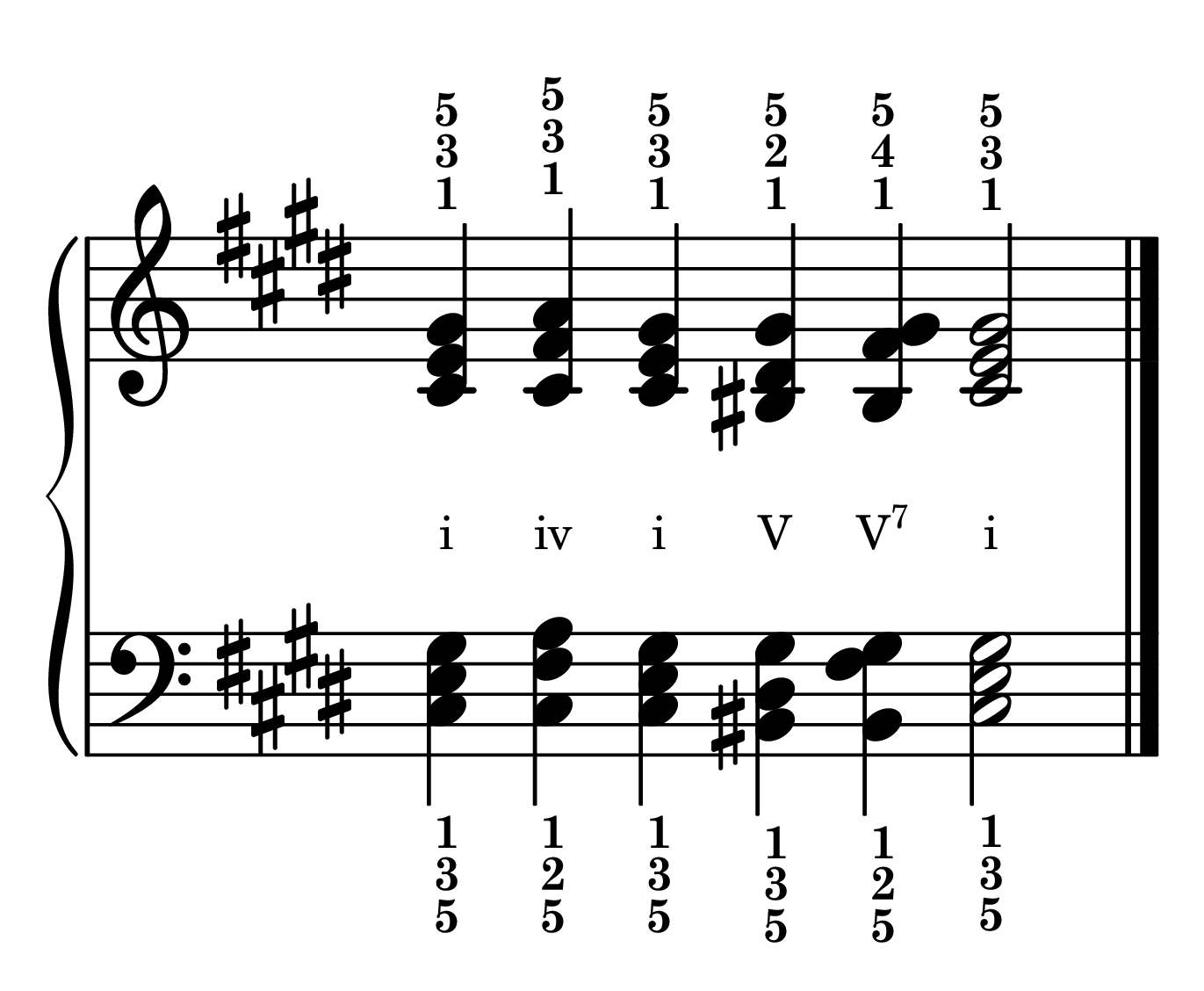
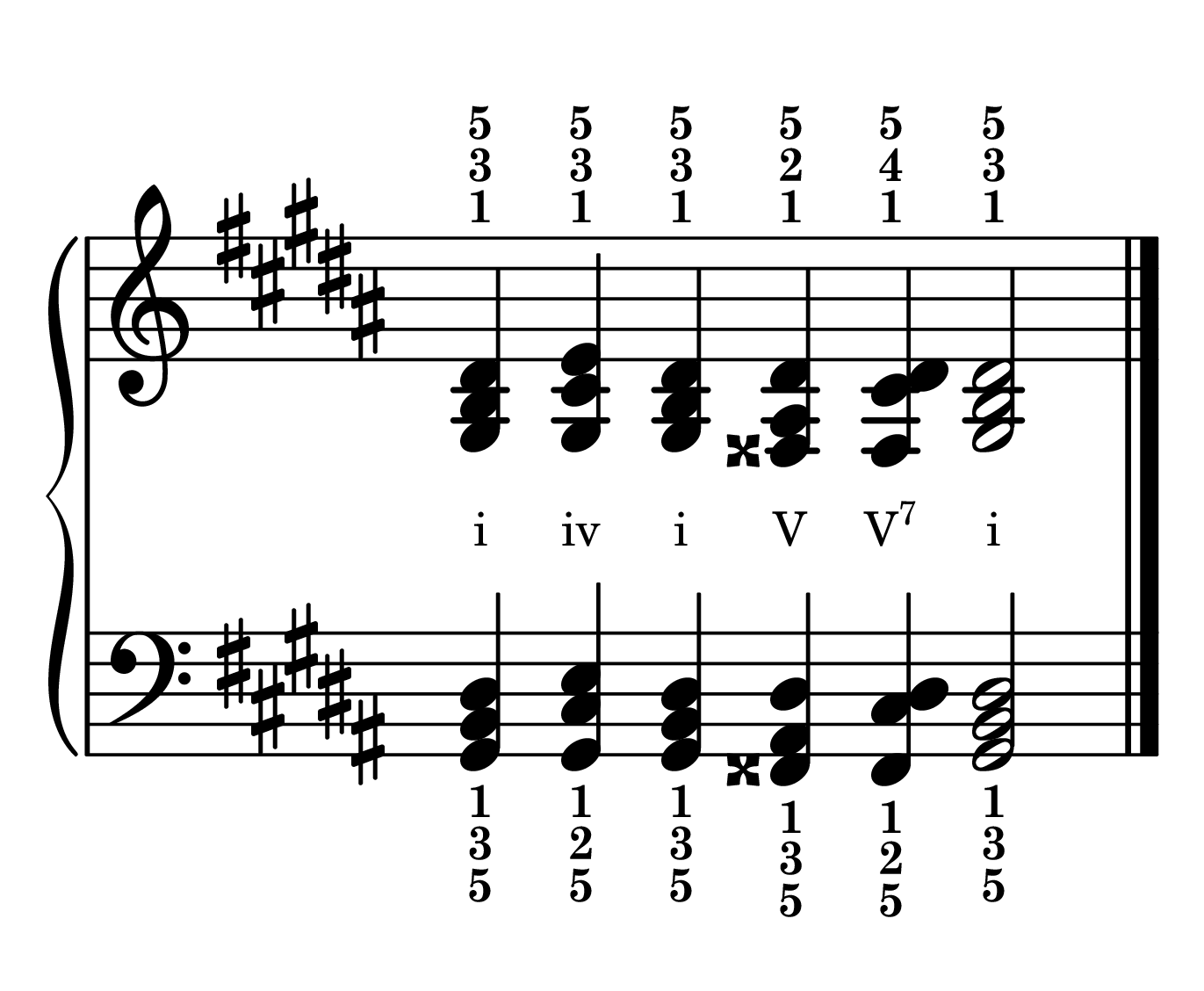
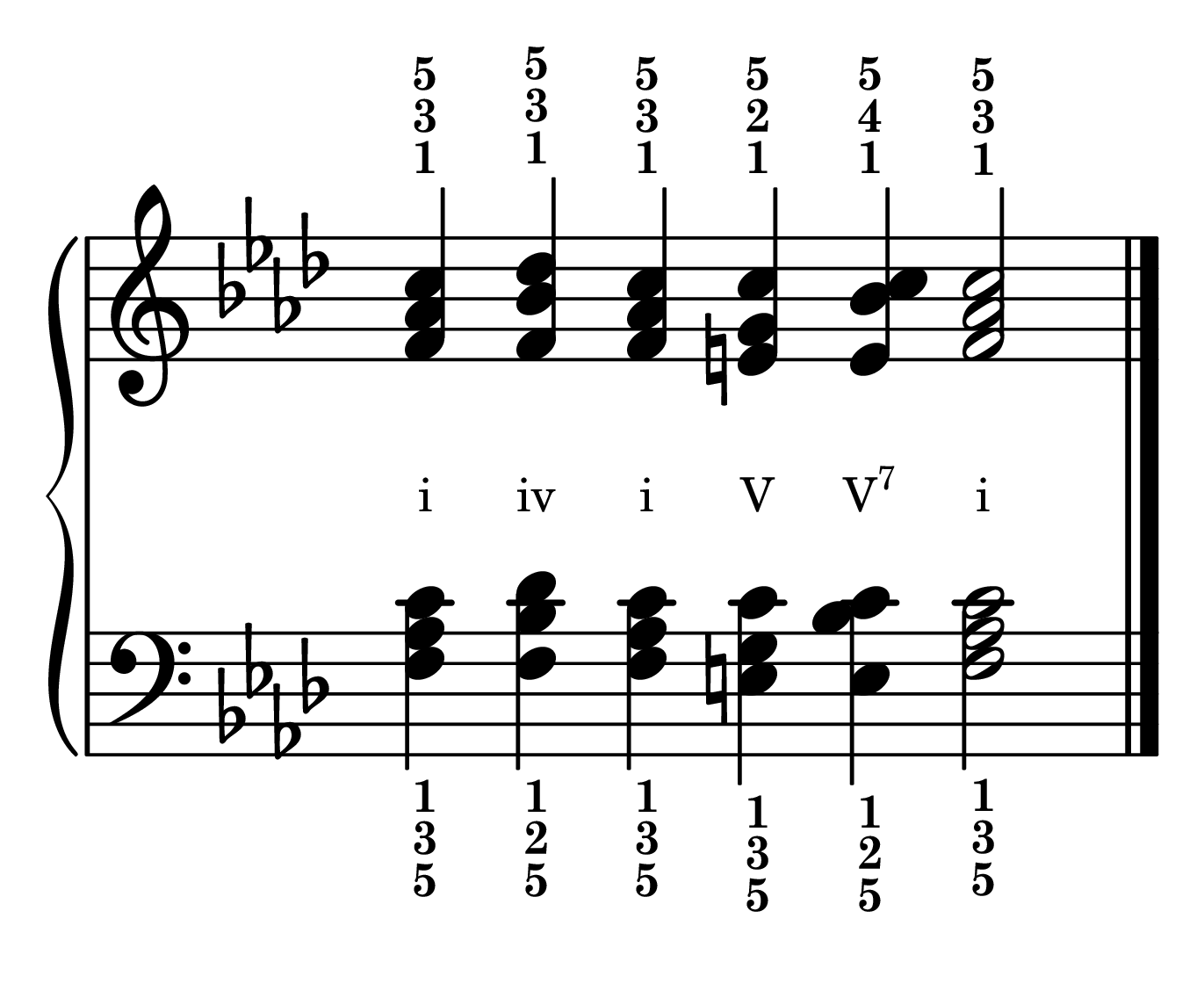
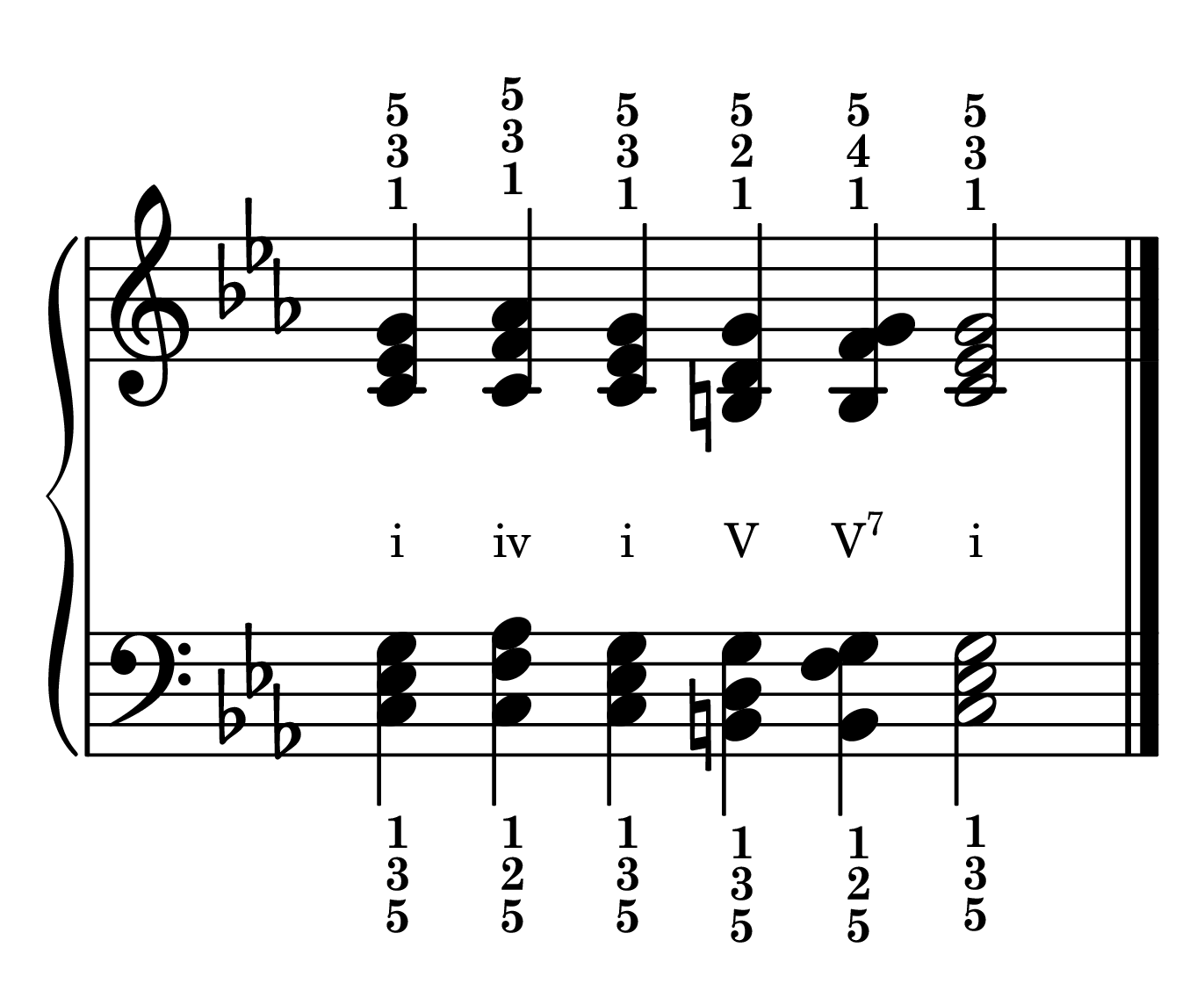
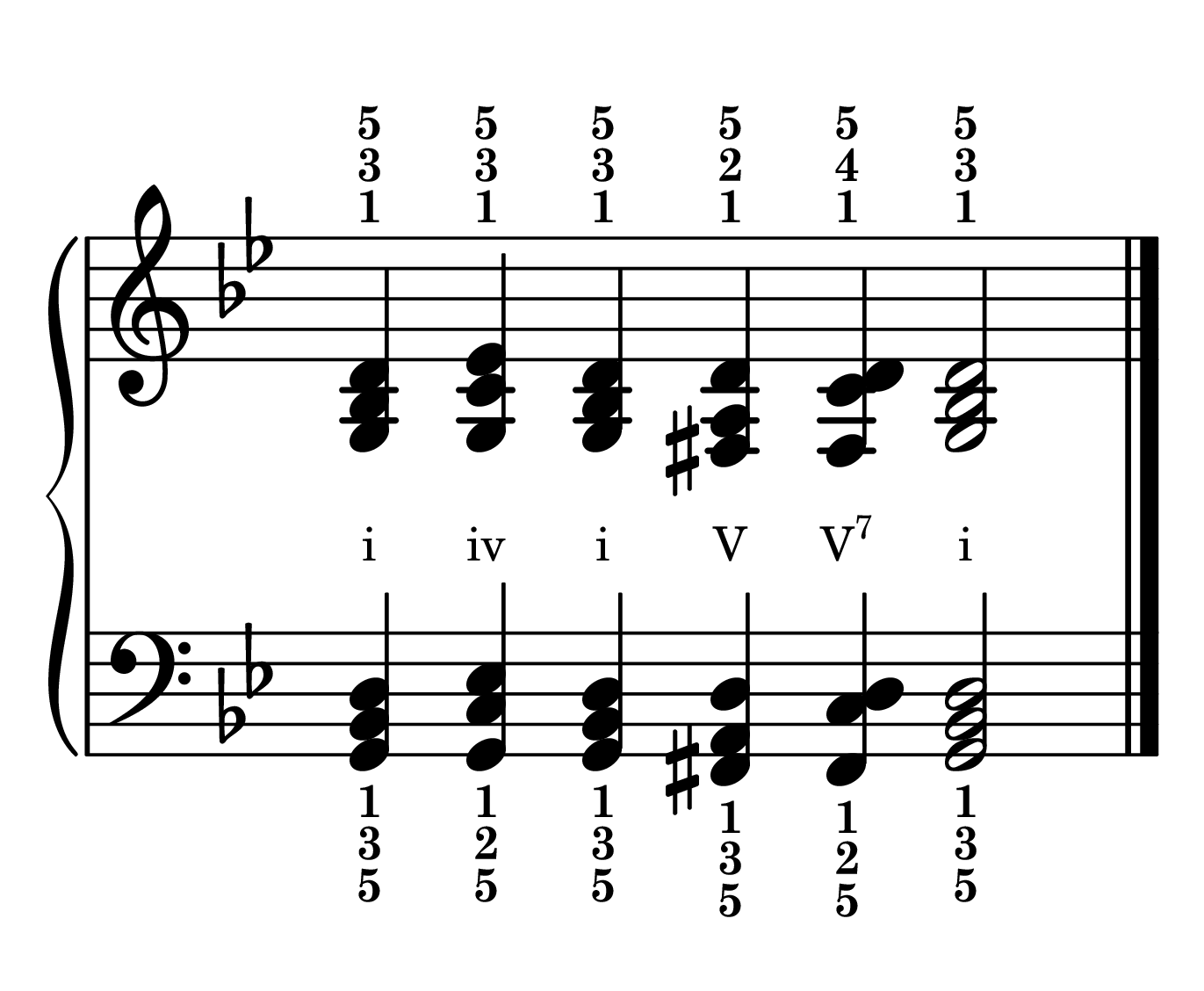
      A cadence puts them in order: i–iv–i–V–V7–i, with the F dominant 7th just before the end. The hands move as little as possible between chords, so each one connects to the next by the nearest notes. Played slowly, it shows how the key holds together, and it gets the fingers used to shapes that come up constantly in real music. A few notes connect the whole cadence. B-flat is a common tone of the i and iv chords, and F is shared by i and V, so each change has a common thread running through it. In the F dominant 7th, A, the leading tone, sits a half step below B-flat and rises to it at the end, while E-flat falls to D-flat. Listening for those two moves is the quickest way to hear the cadence close. A isn’t in the key signature: it’s the raised seventh of the scale, so it is written with an accidental.
      Next, try starting the cadence from each inversion of the B-flat minor triad. The chords are the same; only the voicing moves, so each version sits in a different part of the hand and ends on a different note at the top:
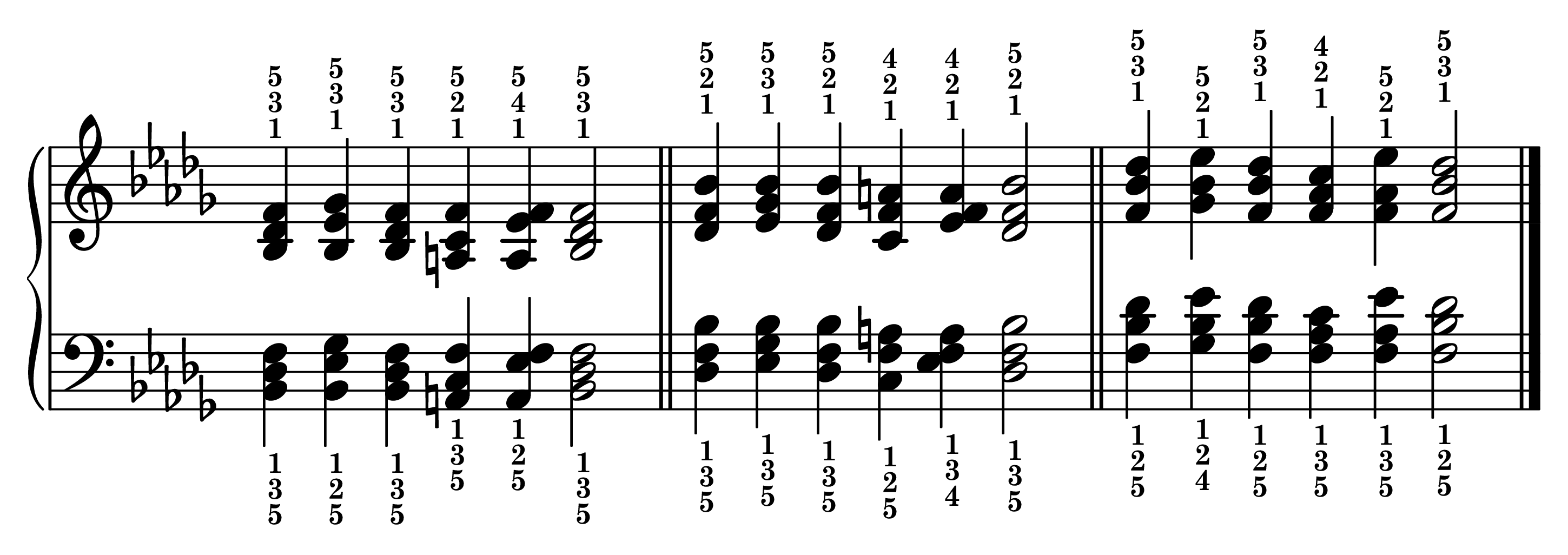
      Cadence chord progressions in the key of B-flat minor starting from each inversion of the B-flat minor triad
      click image to enlarge

      How to play and practice chords

      When we play and practice chords and chord progressions, it’s important to keep technique in mind. After all, we’re not just trying to push the right buttons or remember the theory, we want to make our chords sound as musical as possible. 

      Play with a rich, full sound. The deeper into the keys we get, the more our fingers remember the spacing and hand positions of each chord. 

      Make sure all fingers go down at the same time. This is actually accomplished by using the weight of your arm and back instead of trying to just play many notes together at once with each separate finger. 

      Instead of stiffly or matter-of-factly lifting our hand to exit a chord, we gently float off of each chord, subtly rolling the wrist and moving our arms out in a push-up motion for a smooth exit sound and transition to the next chord. 

      Other techniques related to B-flat minor piano chords:

      Questions and answers

      No questions on this lesson yet. Be the first to ask one.

      Explore More Piano Chords

      Continue learning with our full library of piano chord lessons
      Browse Chords in Major Keys

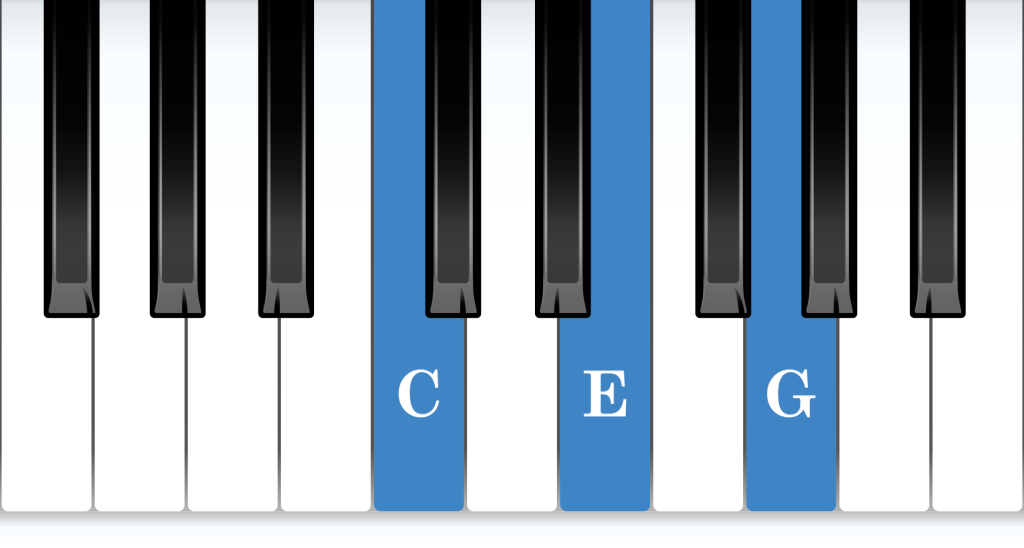
      1. C Major Chords

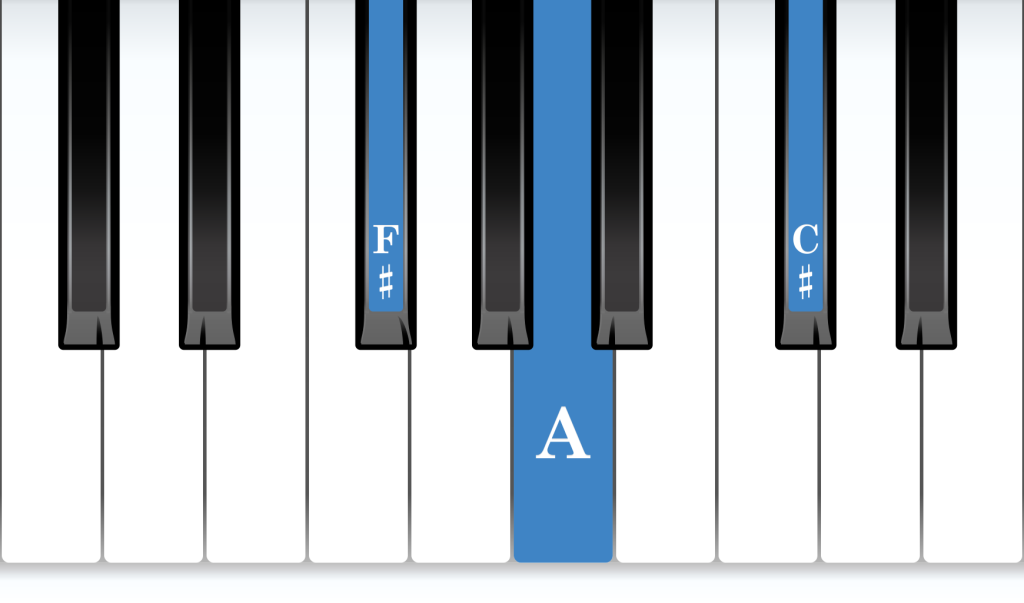
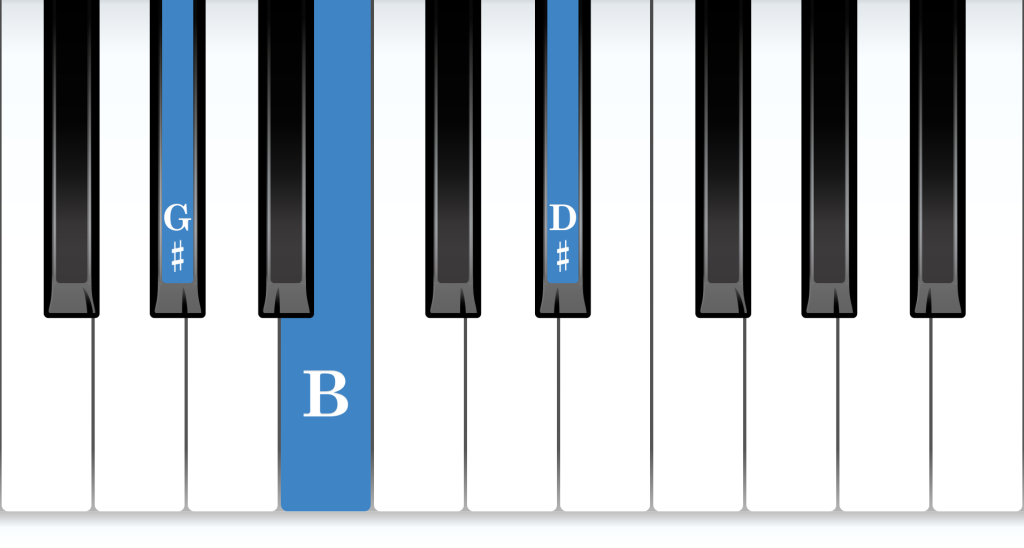
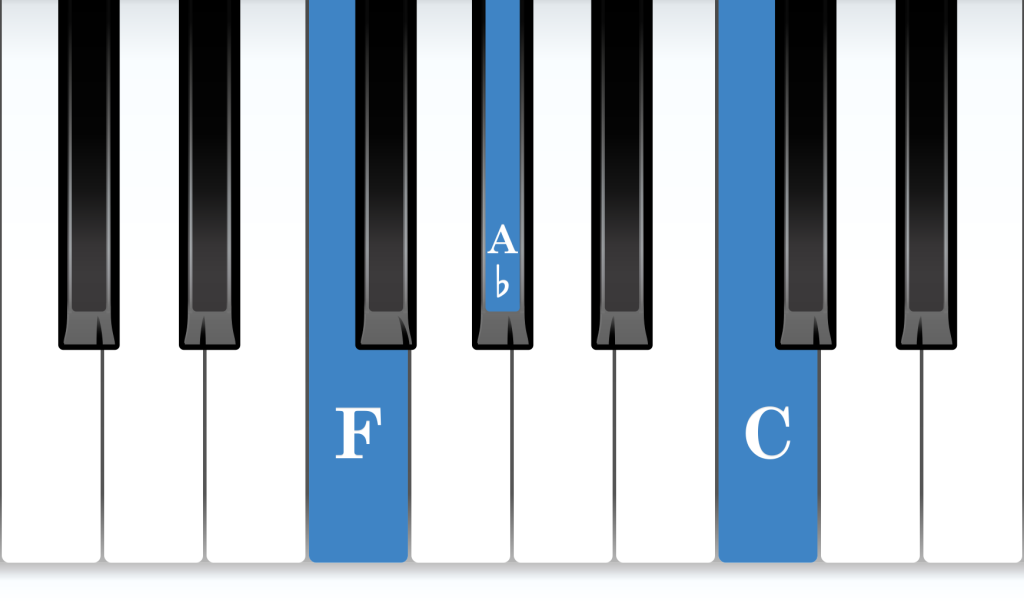
        C Major piano chord notes diagram
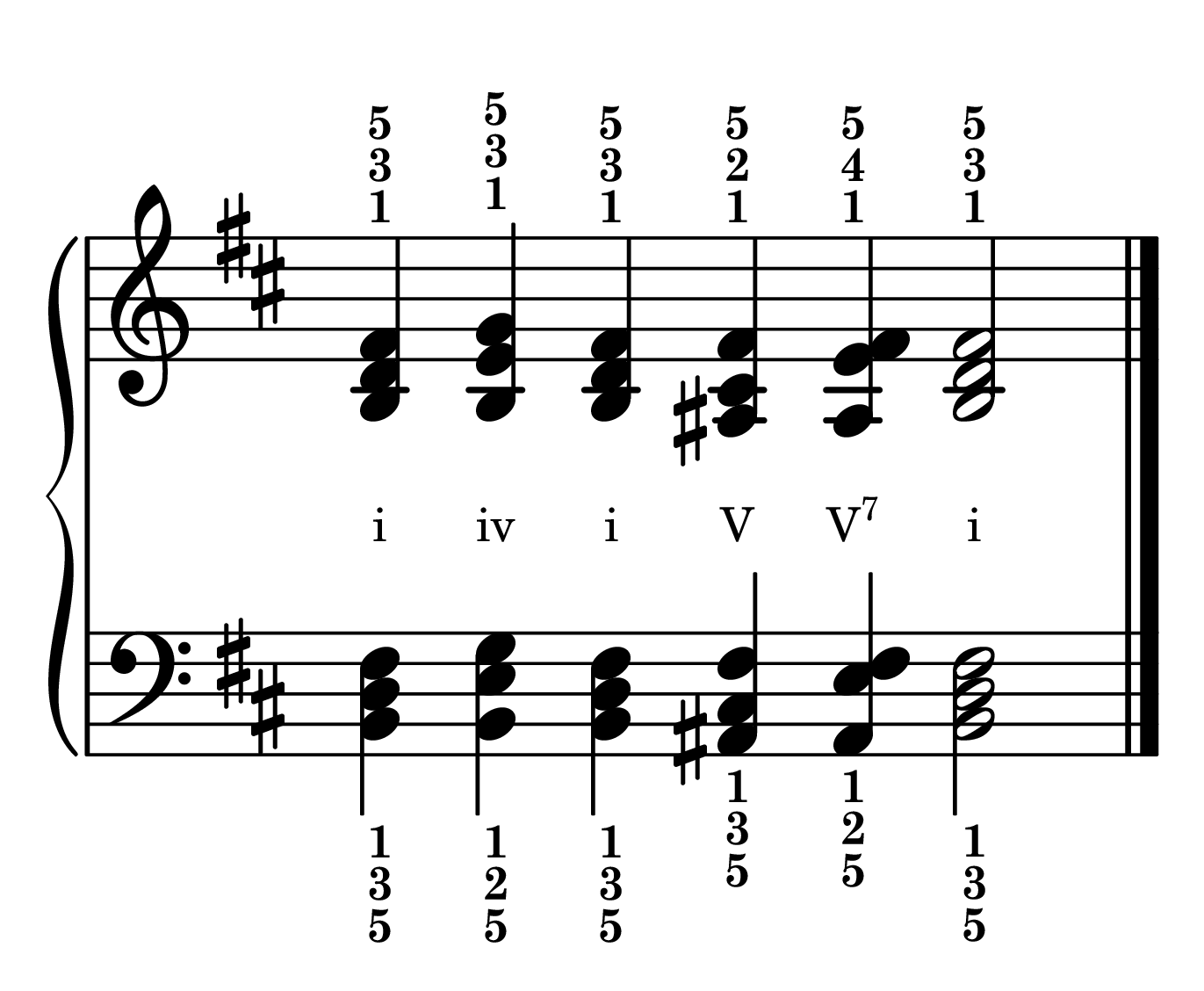
        Cadence chord progression primary chords in the key of C major in root position with roman numerals
        Chords, cadences, and progressions in the key of C Major
      2. G Major Chords

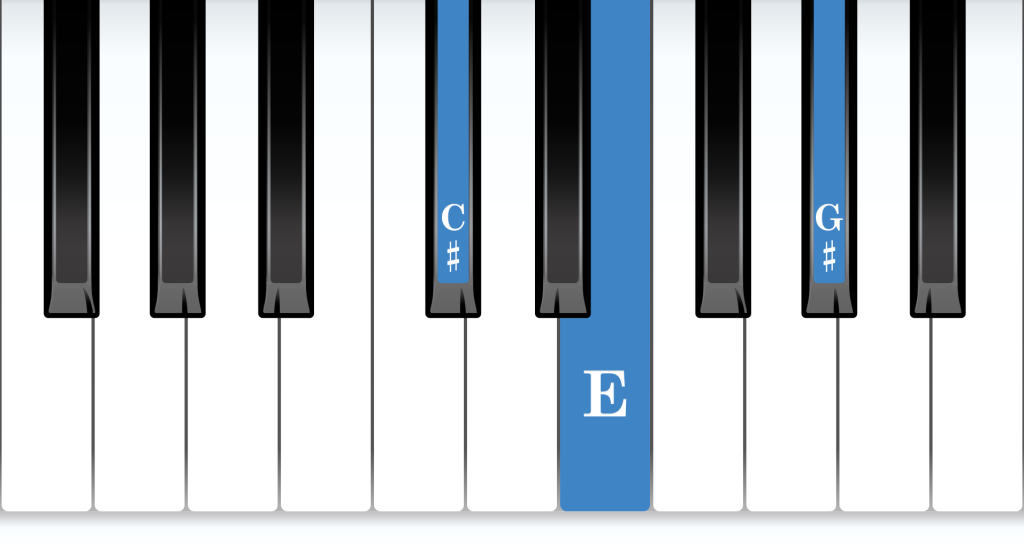
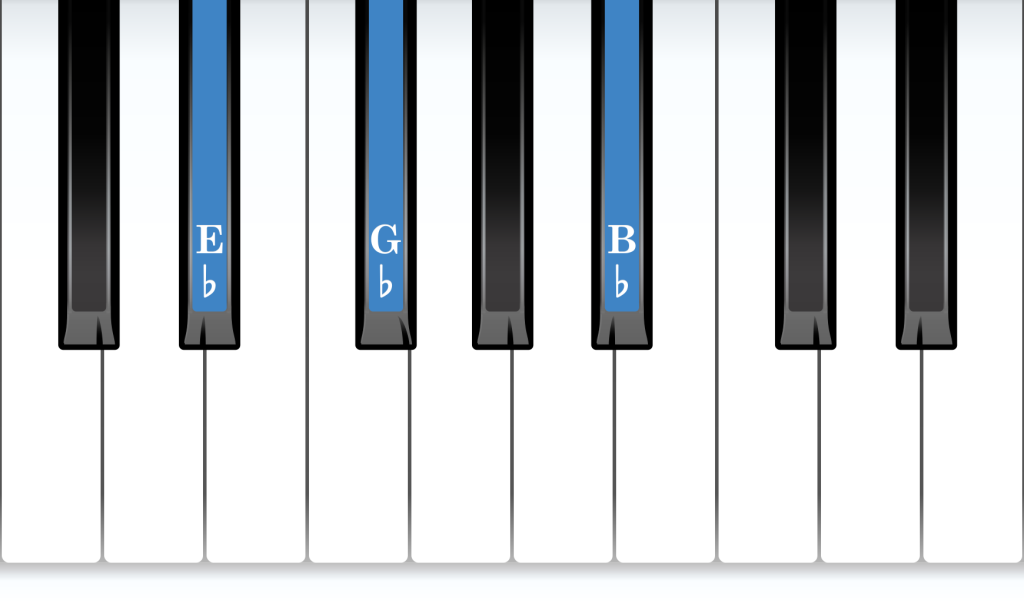
        G Major piano chord notes diagram
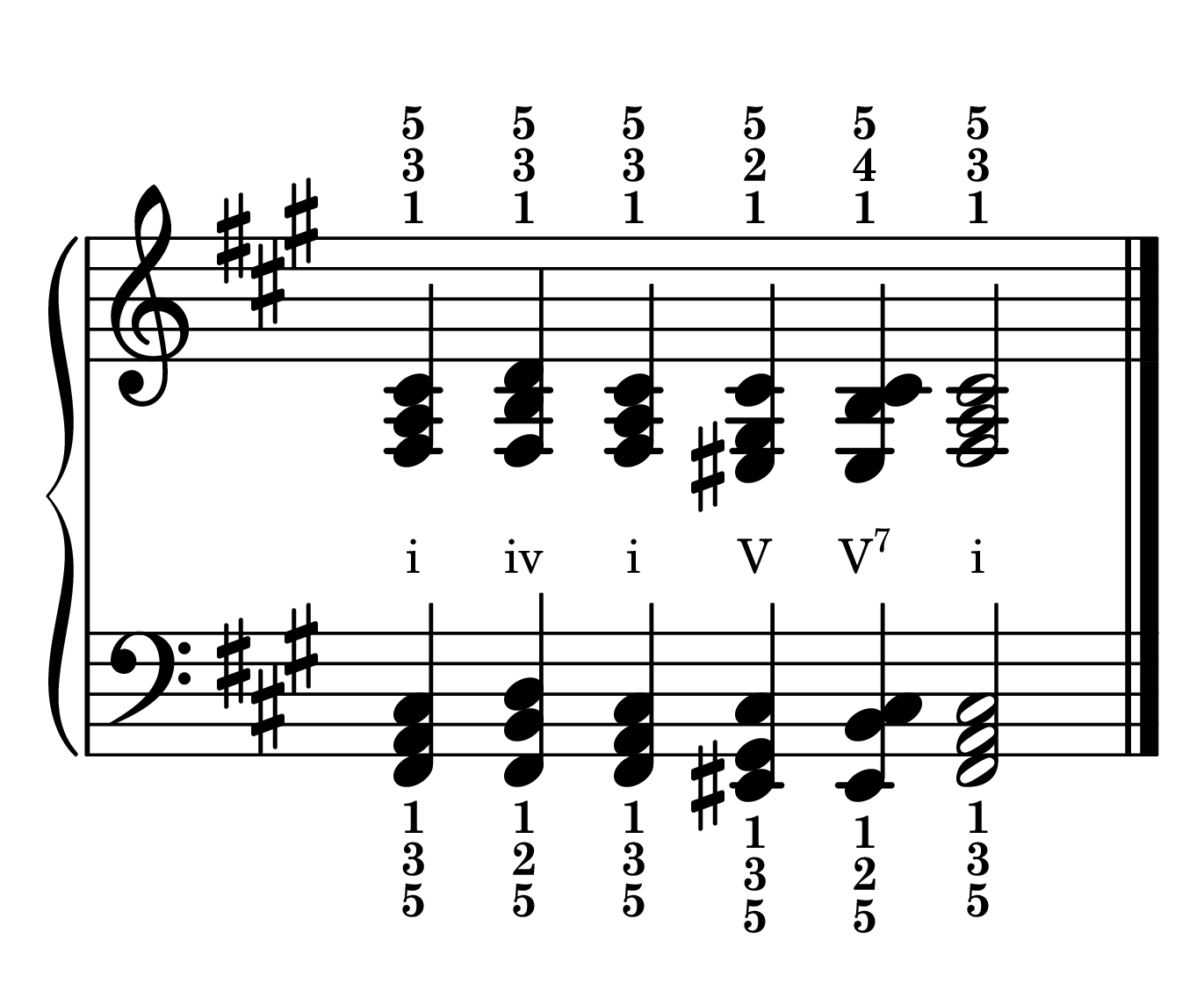
        Cadence chord progression primary chords in the key of G major in root position with roman numerals
        Chords, cadences, and progressions in the key of G Major
      3. D Major Chords
        D Major piano chord notes diagram
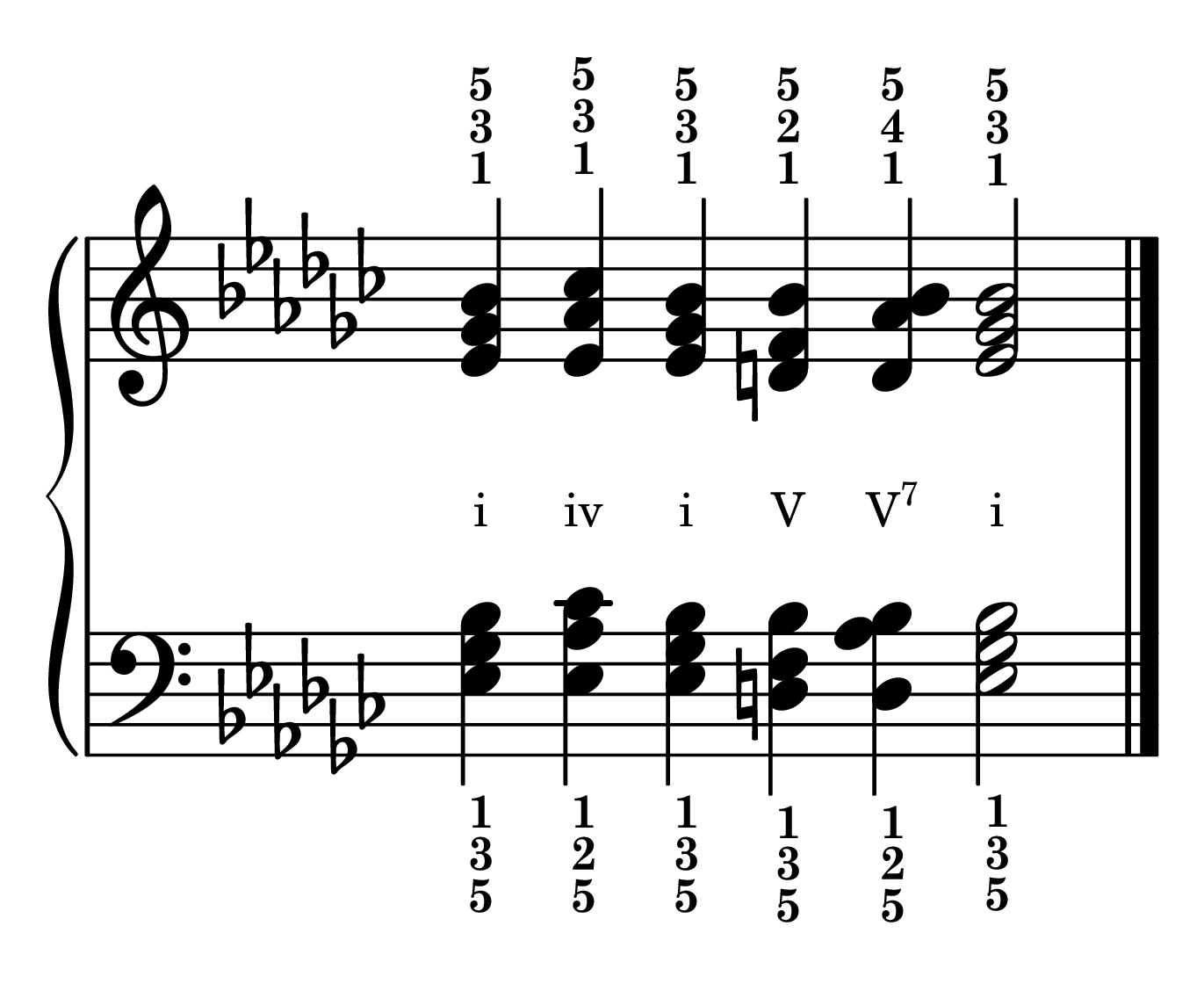
        Cadence chord progression primary chords in the key of D major in root position with roman numerals
        Chords, cadences, and progressions in the key of D Major
      4. A Major Chords

        A Major piano chord notes diagram
        Cadence chord progression primary chords in the key of A major in root position with roman numerals
        Chords, cadences, and progressions in the key of A Major
      5. E Major Chords

        E Major piano chord notes diagram
        Cadence chord progression primary chords in the key of E major in root position with roman numerals
        Chords, cadences, and progressions in the key of E Major
      6. B Major Chords

        B Major piano chord notes diagram
        Cadence chord progression primary chords in the key of B major in root position with roman numerals
        Chords, cadences, and progressions in the key of B Major
      7. G-flat Major Chords

        G-flat Major piano chord notes diagram
        Cadence chord progression primary chords in the key of G-flat major in root position with roman numerals
        Chords, cadences, and progressions in the key of G-flat Major
      8. D-flat Major Chords

        D-flat Major piano chord notes diagram
        Cadence chord progression primary chords in the key of D-flat major in root position with roman numerals
        Chords, cadences, and progressions in the key of D-flat Major
      9. A-flat Major Chords

        A-flat Major piano chord notes diagram
        Cadence chord progression primary chords in the key of A-flat major in root position with roman numerals
        Chords, cadences, and progressions in the key of A-flat Major
      10. E-flat Major Chords

        E-flat Major piano chord notes diagram
        Cadence chord progression primary chords in the key of E-flat major in root position with roman numerals
        Chords, cadences, and progressions in the key of E-flat Major
      11. B-flat Major Chords

        B-flat Major piano chord notes diagram
        Cadence chord progression primary chords in the key of B-flat major in root position with roman numerals
        Chords, cadences, and progressions in the key of B-flat Major
      12. F Major Chords

        F Major piano chord notes diagram
        Cadence chord progression primary chords in the key of F major in root position with roman numerals
        Chords, cadences, and progressions in the key of F Major

      Browse Chords in Minor Keys

      A Minor Chords

      A Minor piano chord notes diagram
      Cadence chord progression primary chords in the key of A minor in root position with roman numerals
      Chords, cadences, and progressions in the key of A Minor

      E Minor Chords

      E Minor piano chord notes diagram
      Cadence chord progression primary chords in the key of E minor in root position with roman numerals
      Chords, cadences, and progressions in the key of E Minor

      B Minor Chords

      B Minor piano chord notes diagram
      Cadence chord progression primary chords in the key of B minor in root position with roman numerals
      Chords, cadences, and progressions in the key of B Minor

      F-sharp Minor Chords

      F-sharp Minor piano chord notes diagram
      Cadence chord progression primary chords in the key of F-sharp minor in root position with roman numerals
      Chords, cadences, and progressions in the key of F-sharp Minor

      C-sharp Minor Chords

      C-sharp Minor piano chord notes diagram
      Cadence chord progression primary chords in the key of C-sharp minor in root position with roman numerals
      Chords, cadences, and progressions in the key of C-sharp Minor

      G-sharp Minor Chords

      G-sharp Minor piano chord notes diagram
      Cadence chord progression primary chords in the key of G-sharp minor in root position with roman numerals
      Chords, cadences, and progressions in the key of G-sharp Minor

      E-flat Minor Chords

      E-flat Minor piano chord notes diagram
      Cadence chord progression primary chords in the key of E-flat minor in root position with roman numerals
      Chords, cadences, and progressions in the key of E-flat Minor

      B-flat Minor Chords

      B-flat Minor piano chord notes diagram
      Cadence chord progression primary chords in the key of B-flat minor in root position with roman numerals
      Chords, cadences, and progressions in the key of B-flat Minor

      F Minor Chords

      F Minor piano chord notes diagram
      Cadence chord progression primary chords in the key of F minor in root position with roman numerals
      Chords, cadences, and progressions in the key of F Minor

      C Minor Chords

      C Minor piano chord notes diagram
      Cadence chord progression primary chords in the key of C minor in root position with roman numerals
      Chords, cadences, and progressions in the key of C Minor

      G Minor Chords

      G Minor piano chord notes diagram
      Cadence chord progression primary chords in the key of G minor in root position with roman numerals
      Chords, cadences, and progressions in the key of G Minor

      D Minor Chords

      D Minor piano chord notes diagram
      Cadence chord progression primary chords in the key of D minor in root position with roman numerals
      Chords, cadences, and progressions in the key of D Minor
      Scroll to Top

      Ask a question about this lesson

      Questions go straight to Loren. Answers are posted at the bottom of the lesson.

      Your email is only used to reply and is never shown on the site.