
The Ionian Mode
The Ionian mode is the major scale under its modal name. On the white keys it runs from C to C. It’s the most familiar sound in Western music, and that familiarity is what makes it useful here: each of the other six modes can be heard as this scale with one or two notes moved.
The Ionian mode on every note
C Ionian
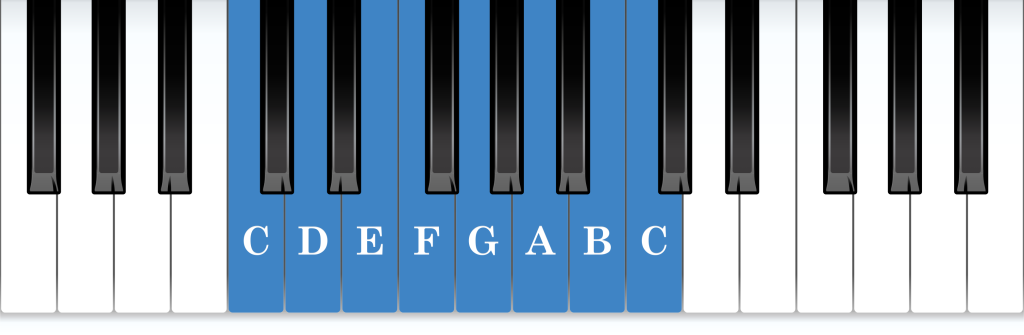
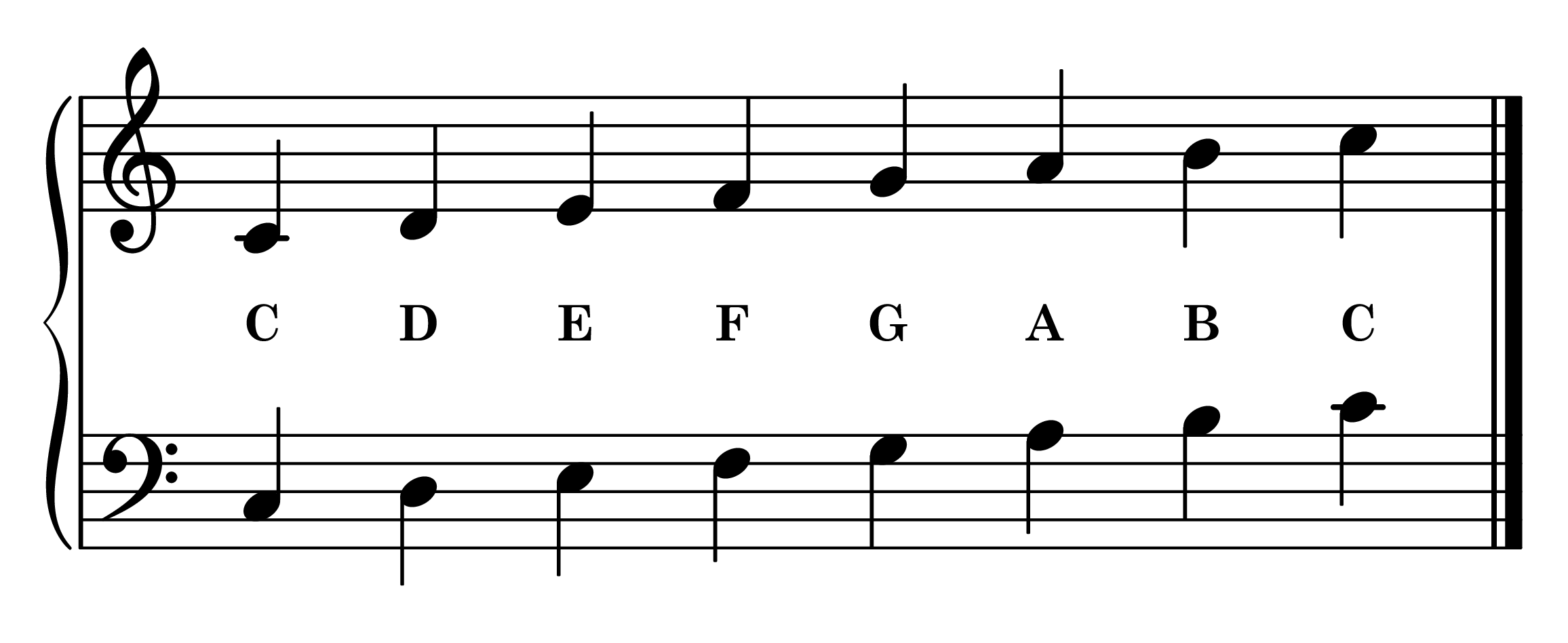
LH Fingering: 5 4 3 2 1 3 2 1
G Ionian
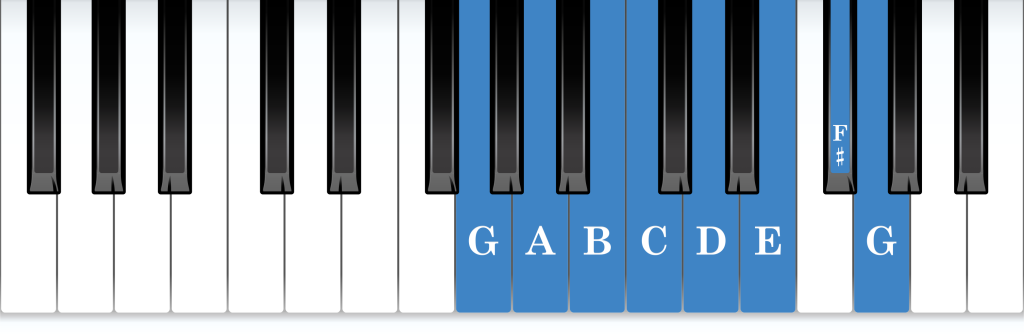
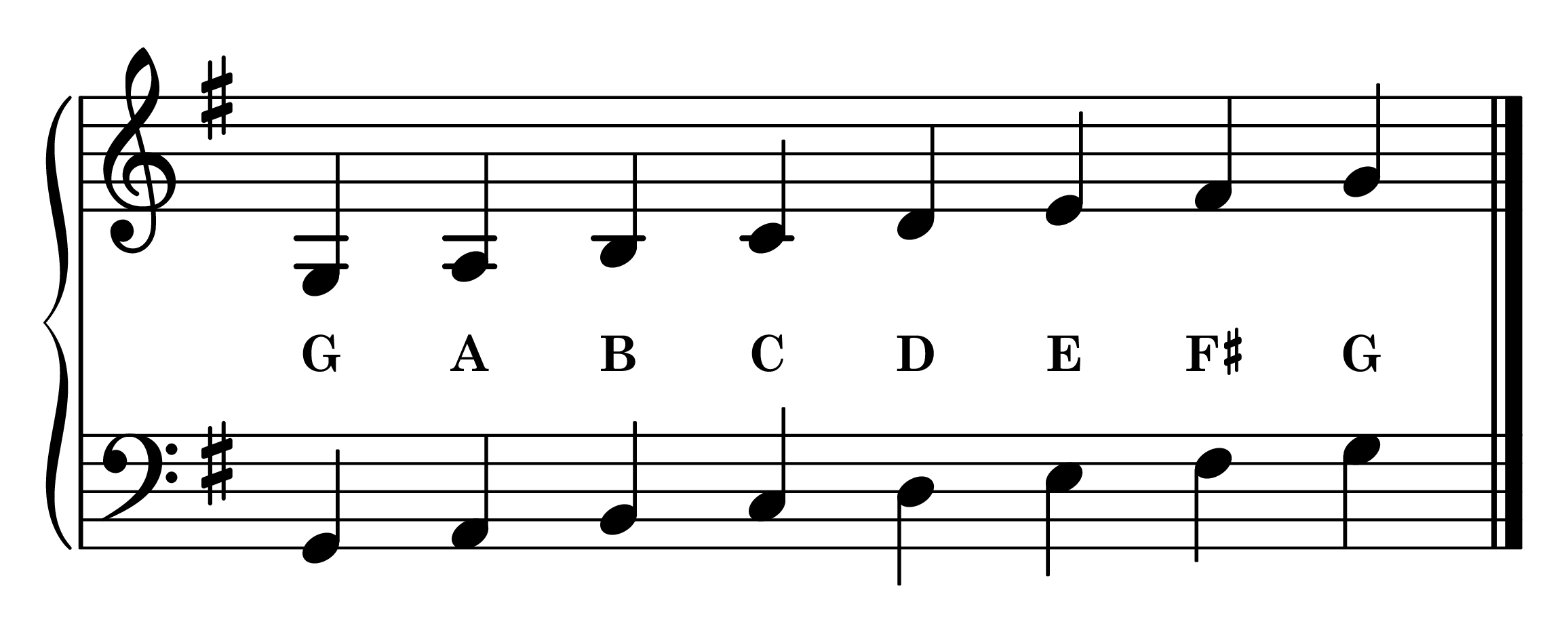
LH Fingering: 5 4 3 2 1 3 2 1
D Ionian
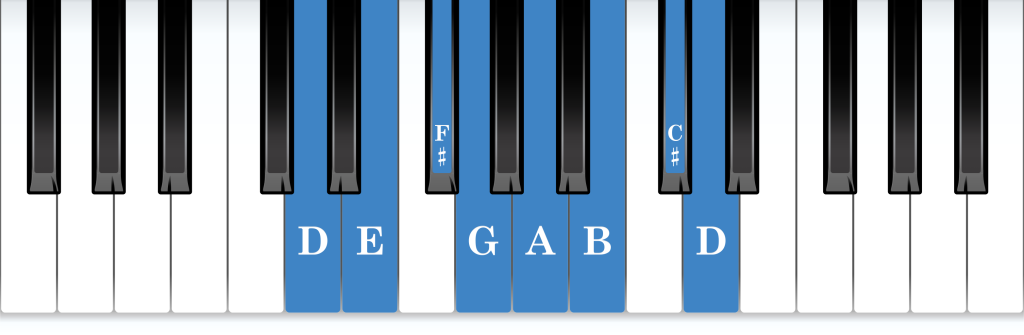
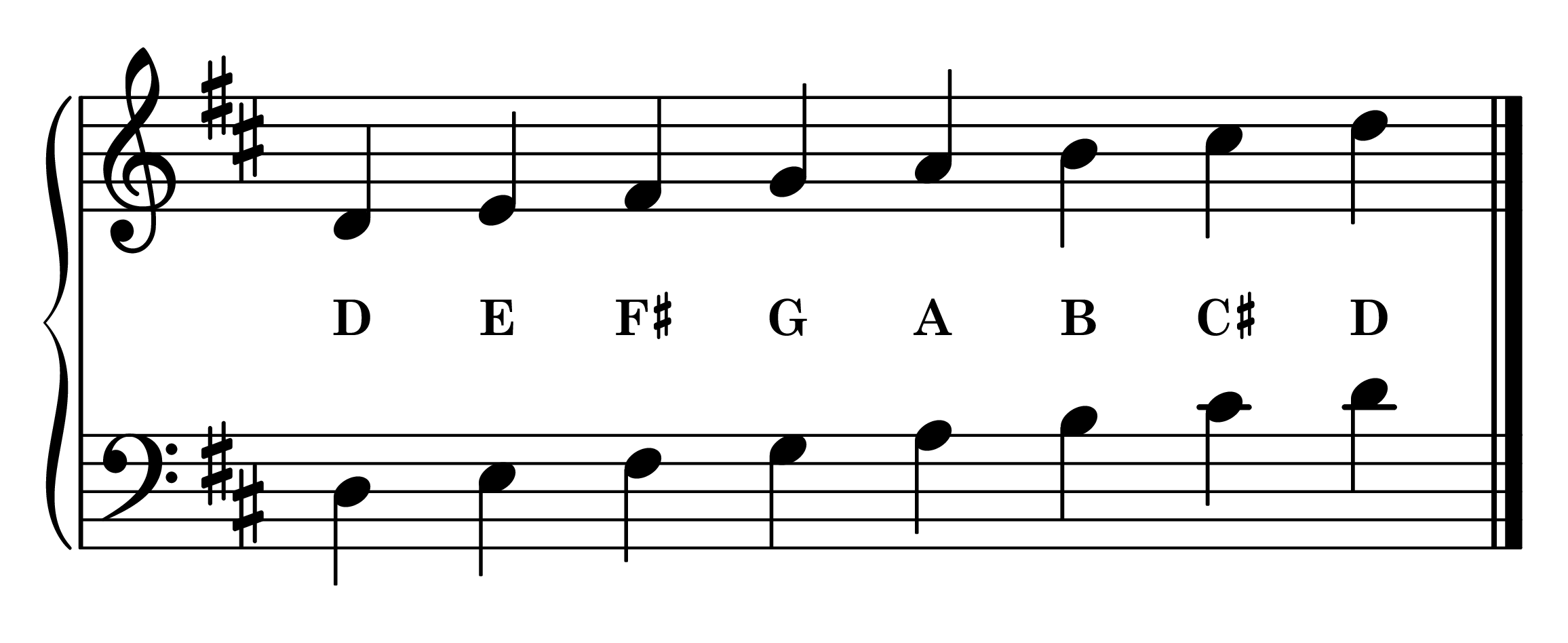
LH Fingering: 5 4 3 2 1 3 2 1
A Ionian
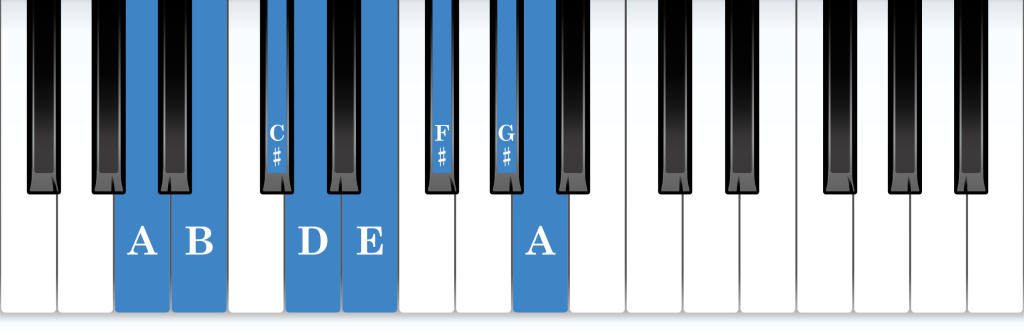
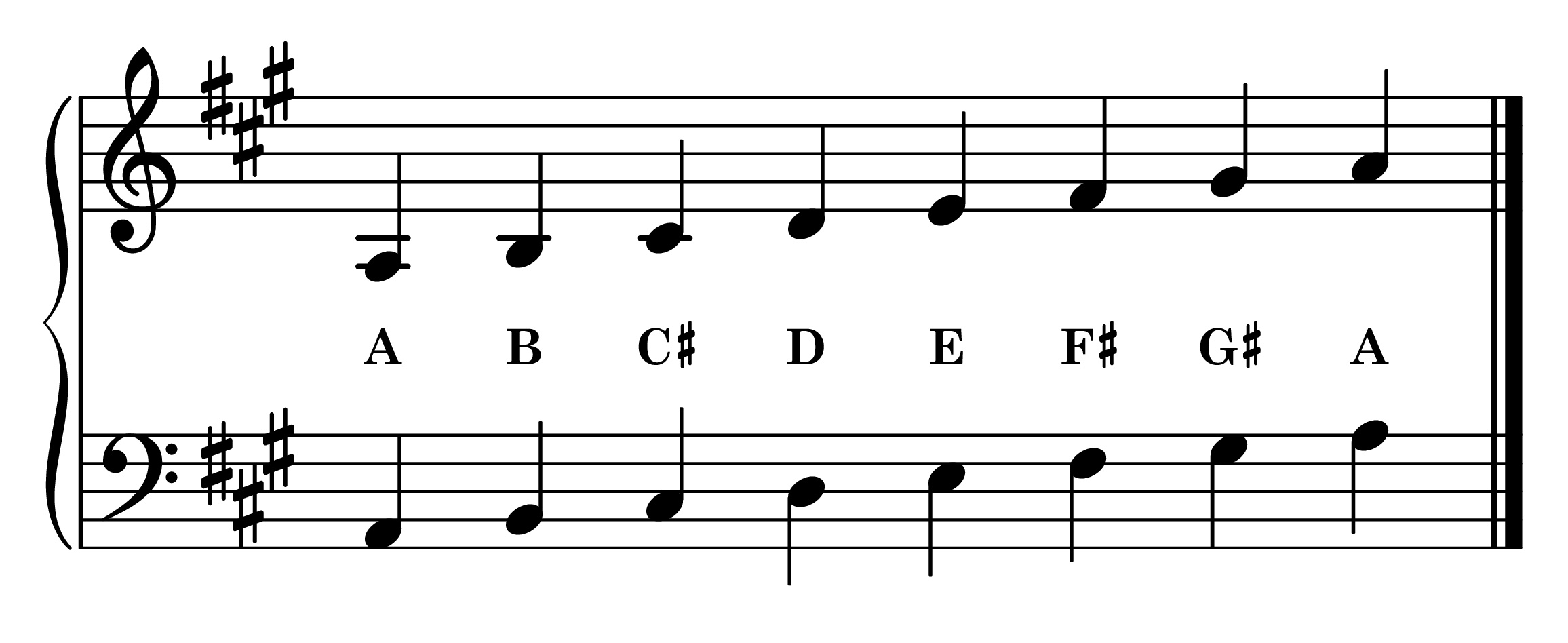
LH Fingering: 5 4 3 2 1 3 2 1
E Ionian
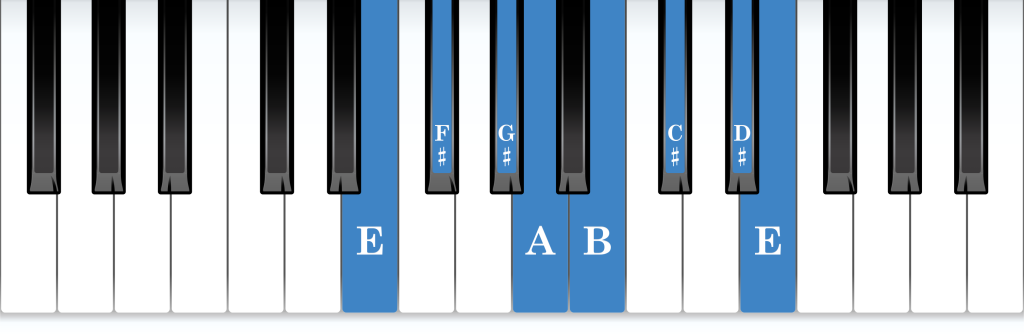
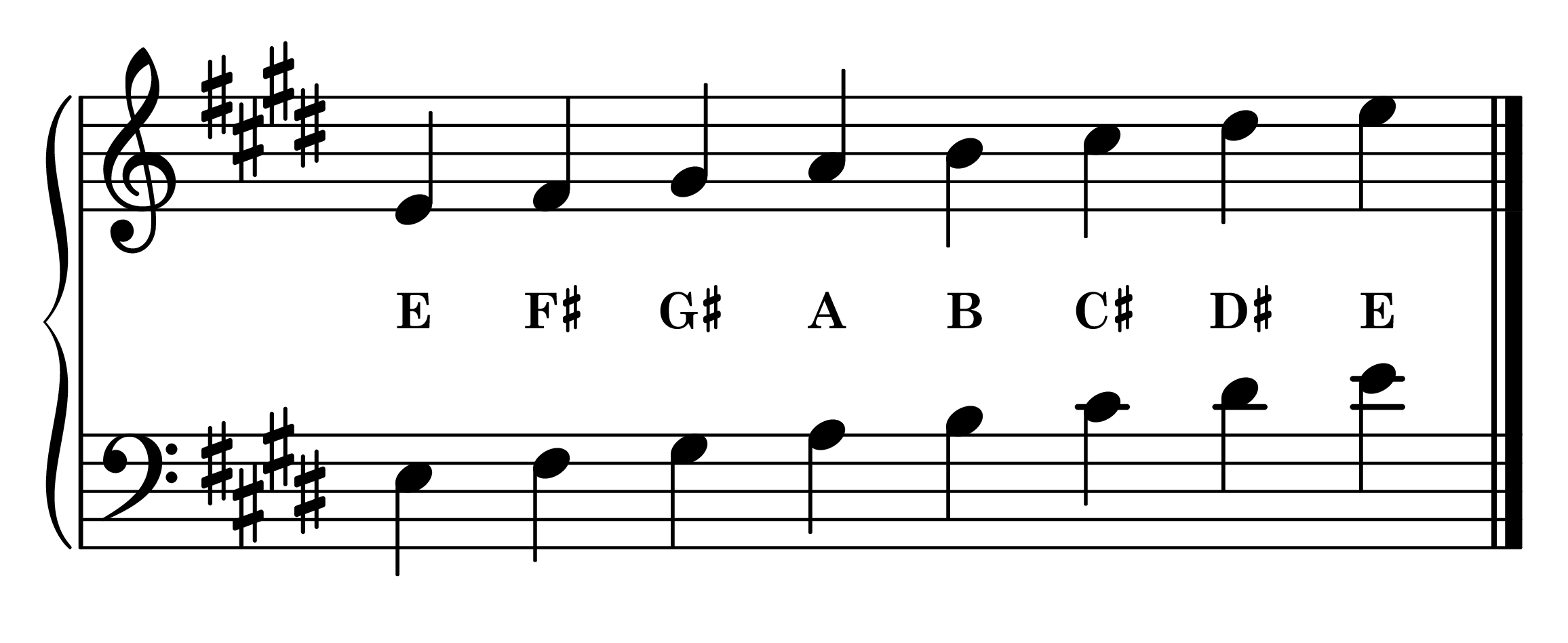
LH Fingering: 5 4 3 2 1 3 2 1
B Ionian
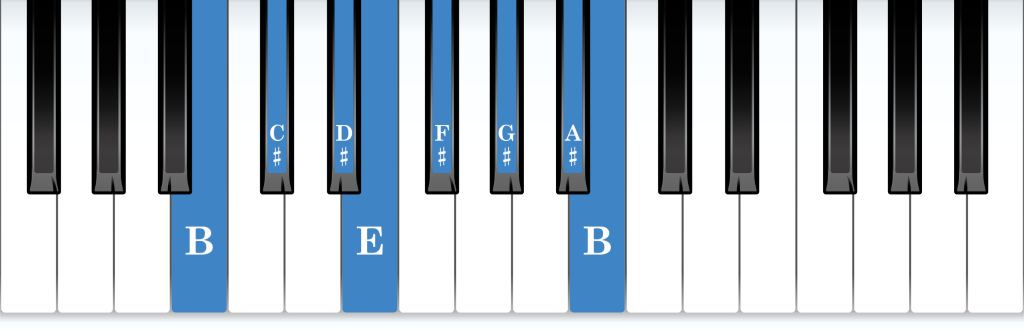
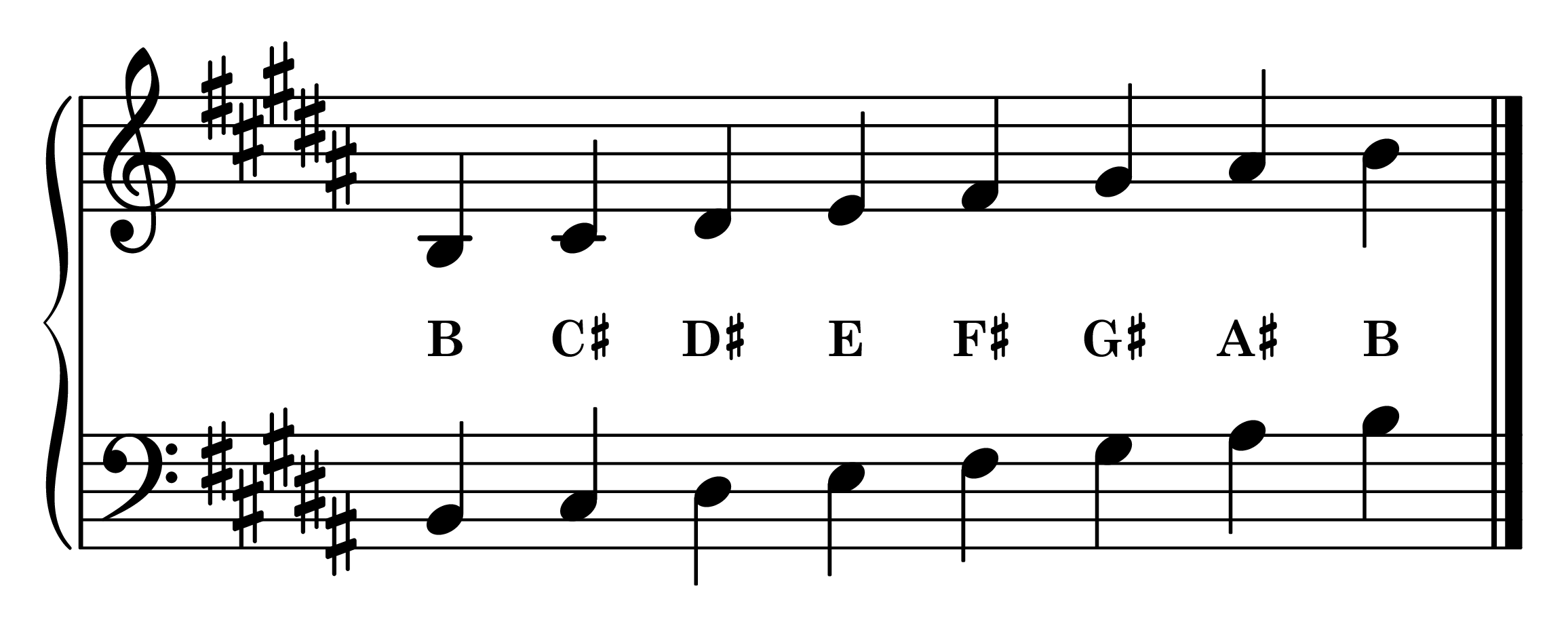
LH Fingering: 4 3 2 1 4 3 2 1
G-flat Ionian
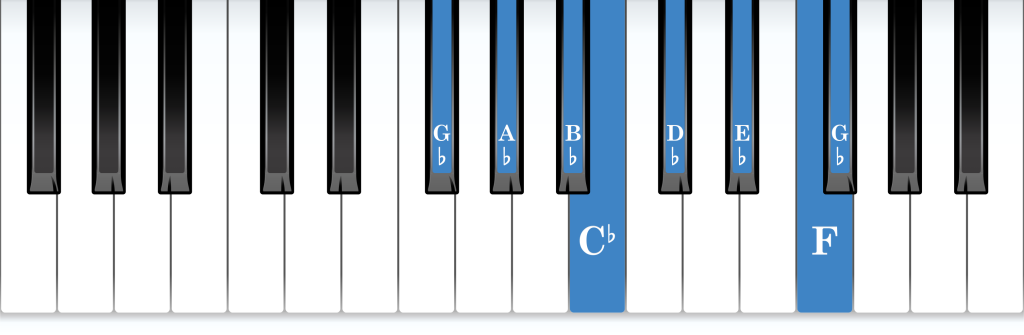
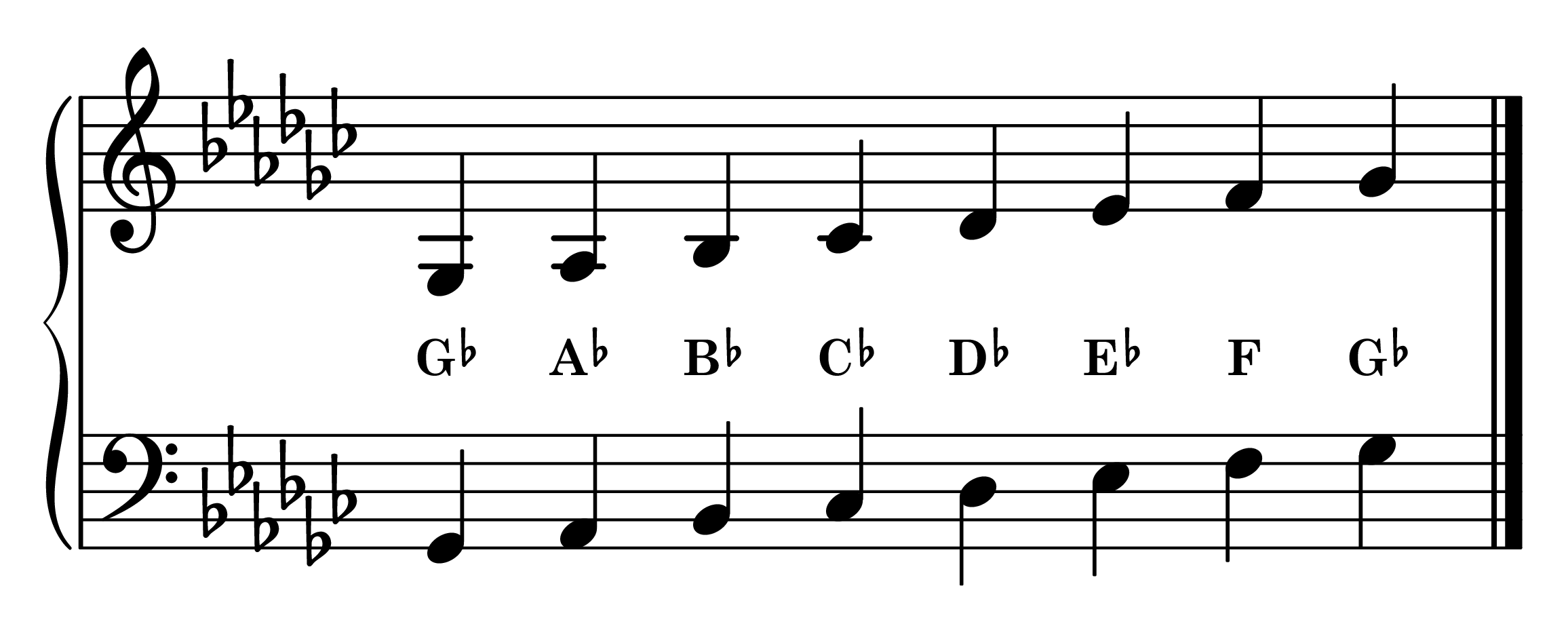
LH Fingering: 4 3 2 1 3 2 1 4
D-flat Ionian
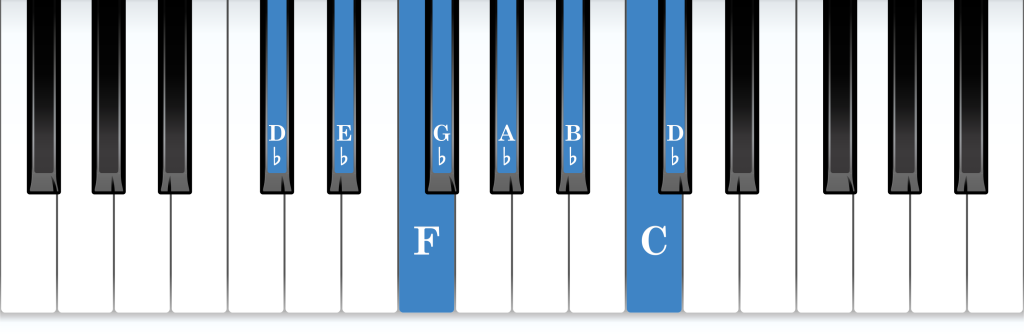
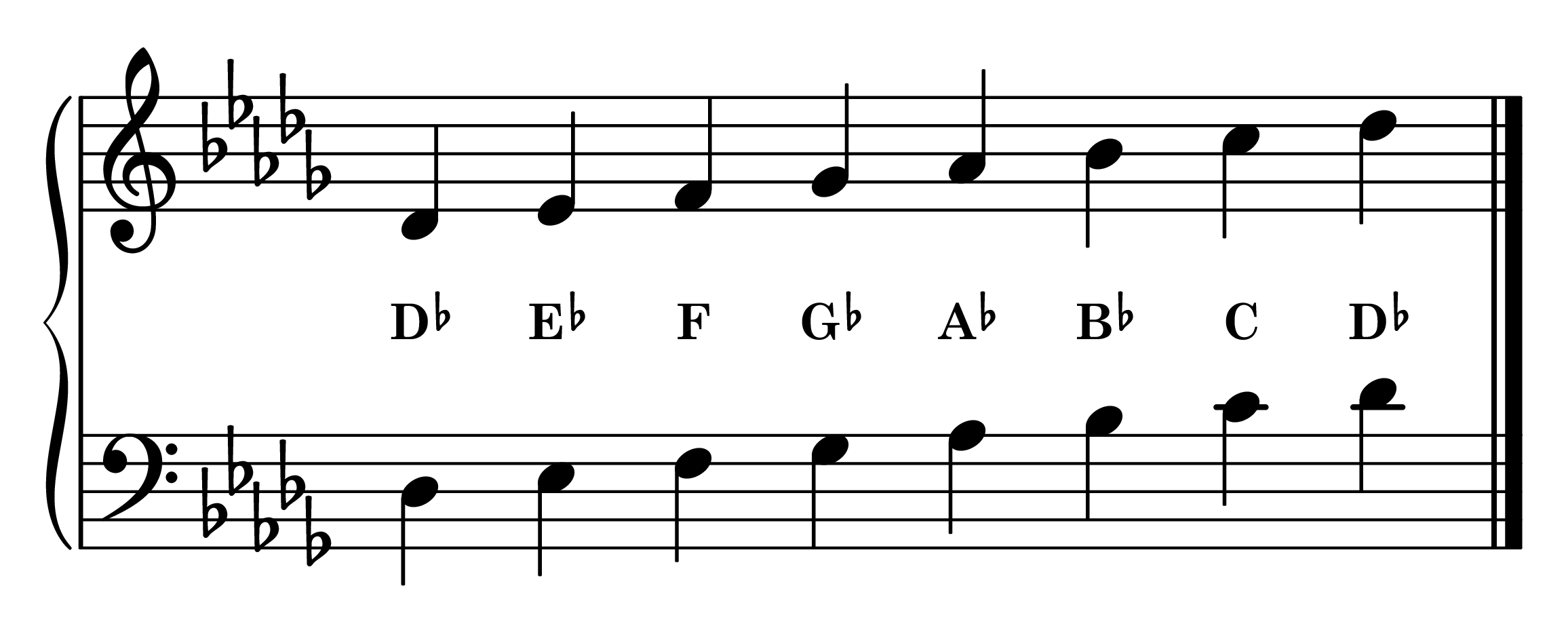
LH Fingering: 3 2 1 4 3 2 1 3
A-flat Ionian
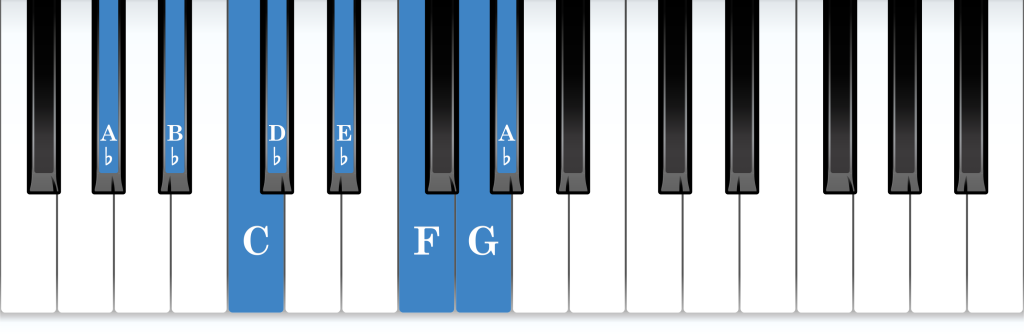
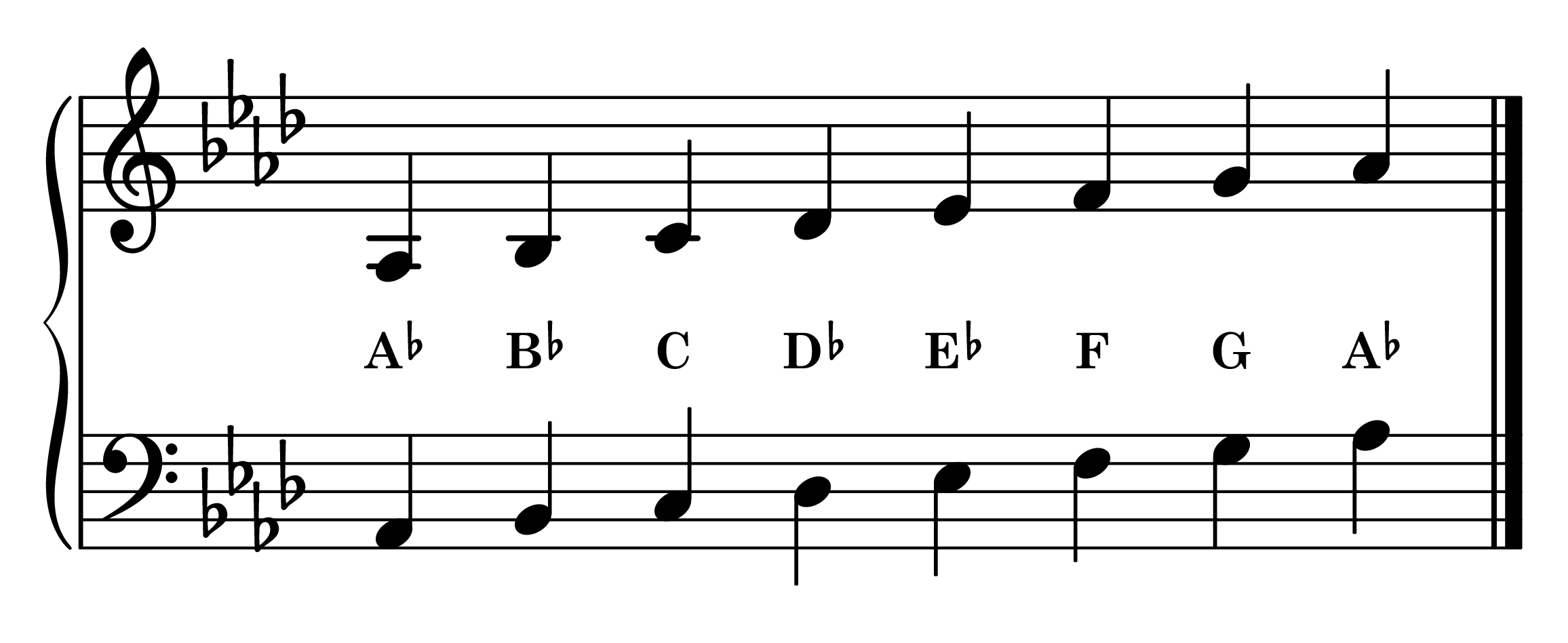
LH Fingering: 3 2 1 4 3 2 1 3
E-flat Ionian
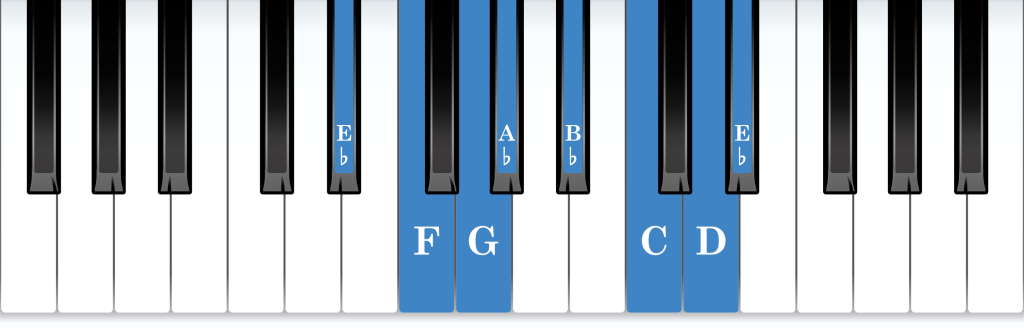
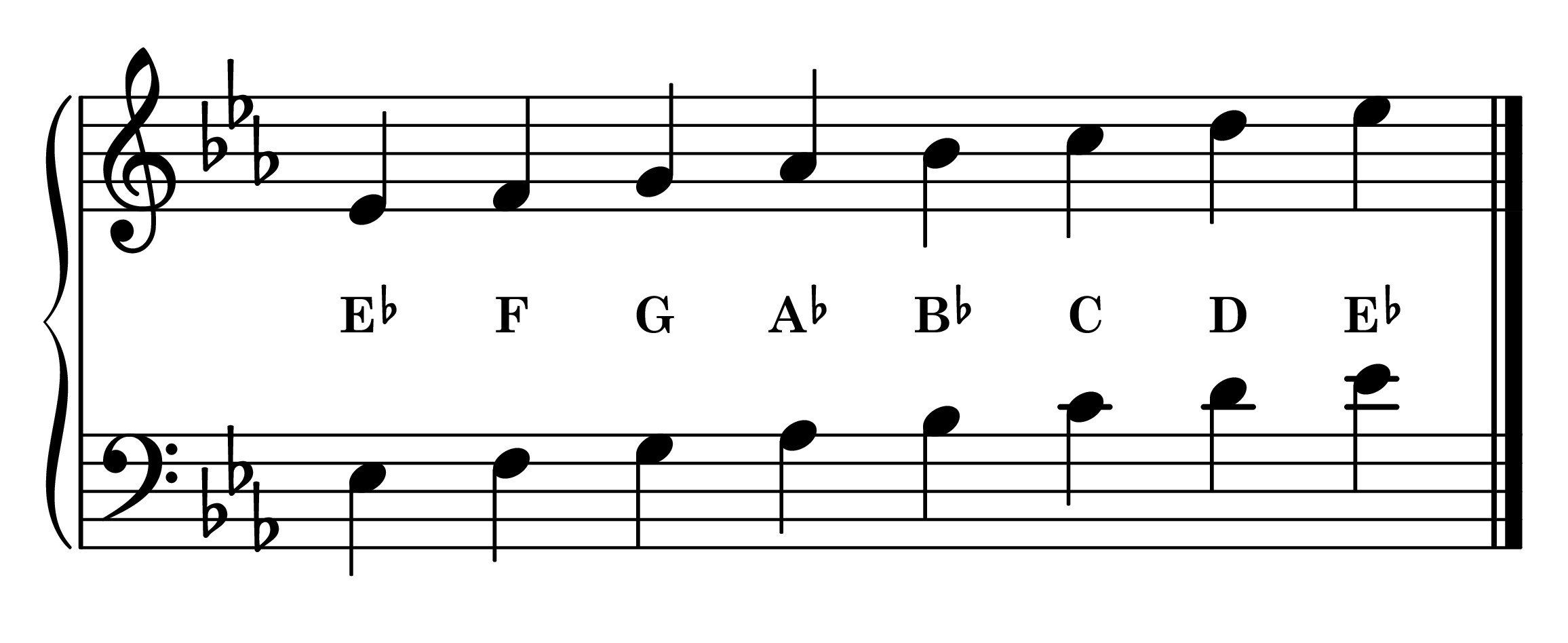
LH Fingering: 3 2 1 4 3 2 1 3
B-flat Ionian
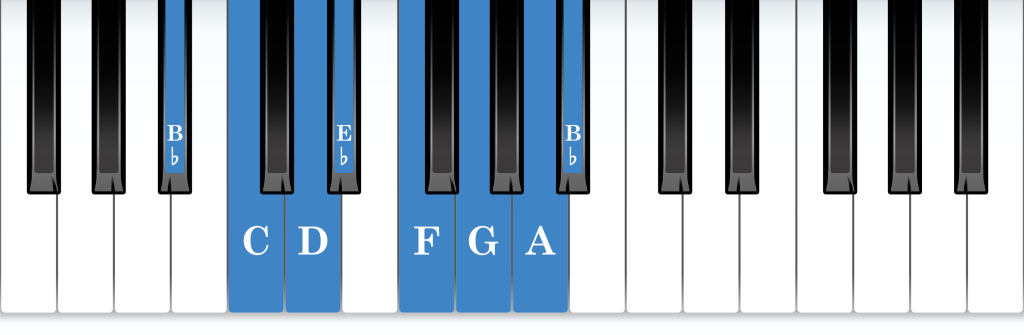
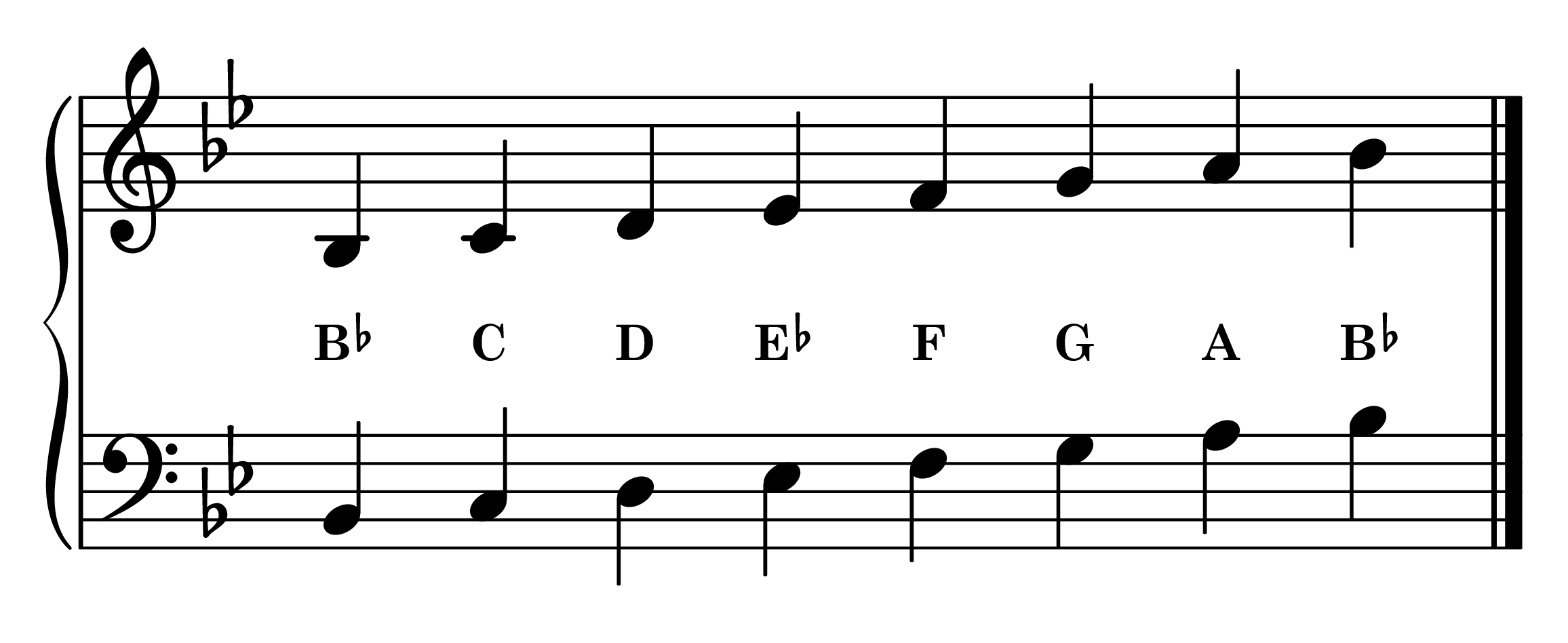
LH Fingering: 3 2 1 4 3 2 1 3
F Ionian
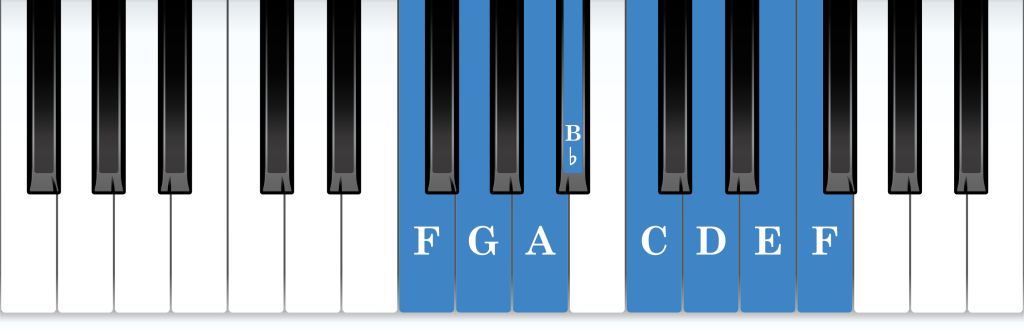
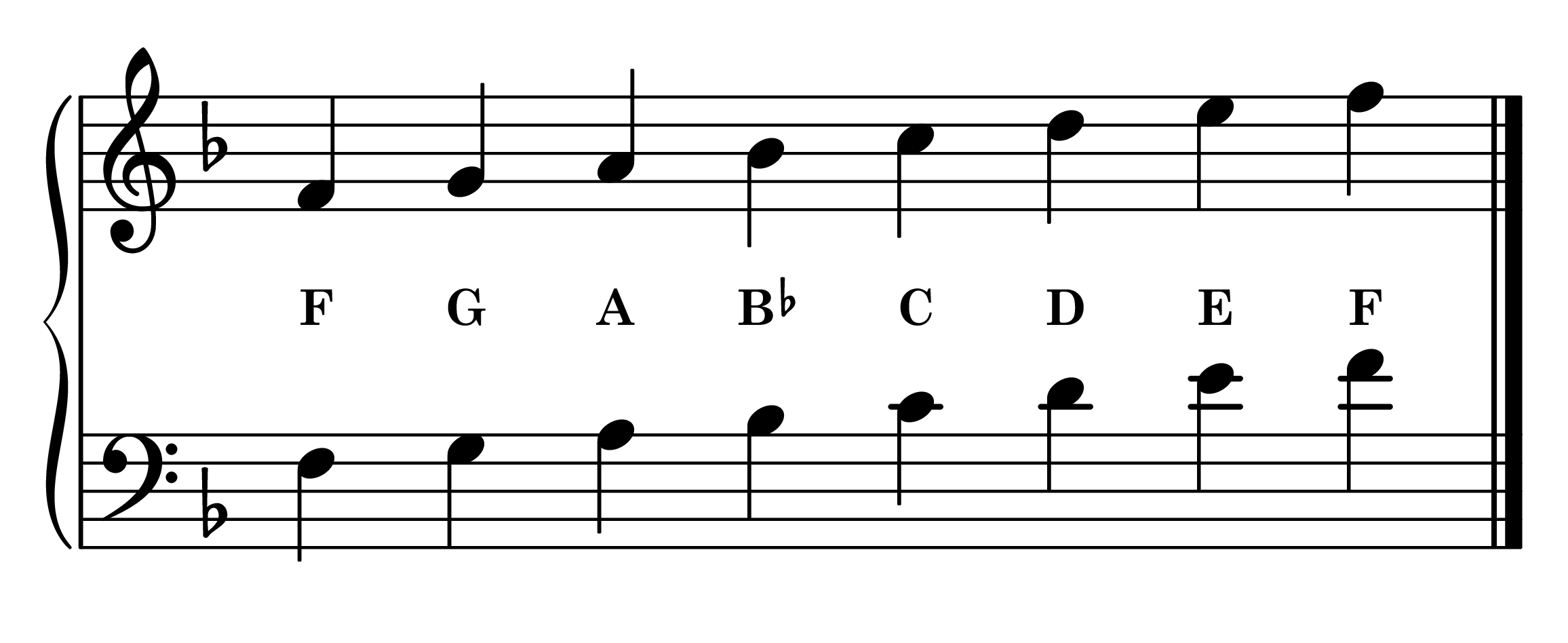
LH Fingering: 5 4 3 2 1 3 2 1
What gives the Ionian mode its sound
Ionian has a major 3rd above the tonic, a perfect 5th, and a 7th just a half step below the octave. That 7th, the leading tone, pulls strongly up to the tonic, and it’s a large part of why the major scale sounds so settled when it arrives home.
Two modes sit right next to it. Lydian raises the 4th, and Mixolydian lowers the 7th; everything else stays the same. Playing Ionian between those two on the same note is a good way to hear what each of them changes.
Finding Ionian on any note
Since Ionian is the major scale, finding it on any note is the same as building a major scale: whole step, whole step, half step, whole step, whole step, whole step, half step. The fingering on each Ionian lesson is the fingering of that major scale, and each one links to the scale’s own lesson.
Where Ionian is heard
Most of the music we know in major keys, from Bach chorales and Mozart sonatas to hymn tunes, is built on this scale. The name Ionian came late: the Swiss theorist Heinrich Glarean added it to the church modes in 1547, giving a name to a scale musicians had been using for a long time.
More about the modes: