Lesson Steps
    Add a header to begin generating the table of contents

    Minor Second Interval (Half Step)

    minor second overview

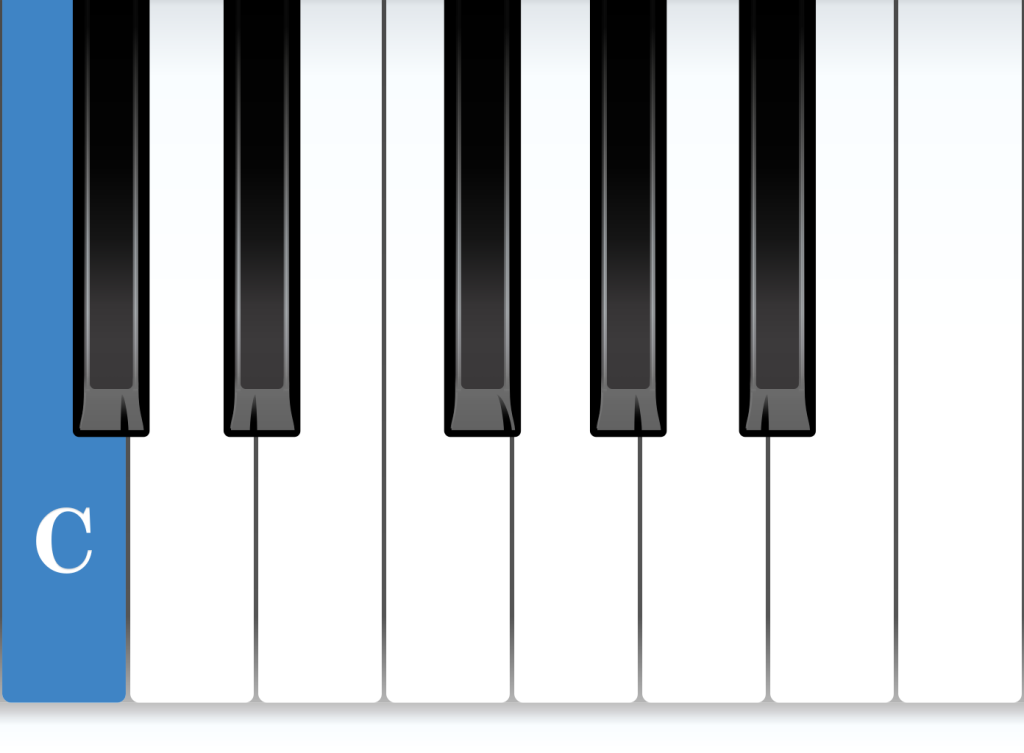
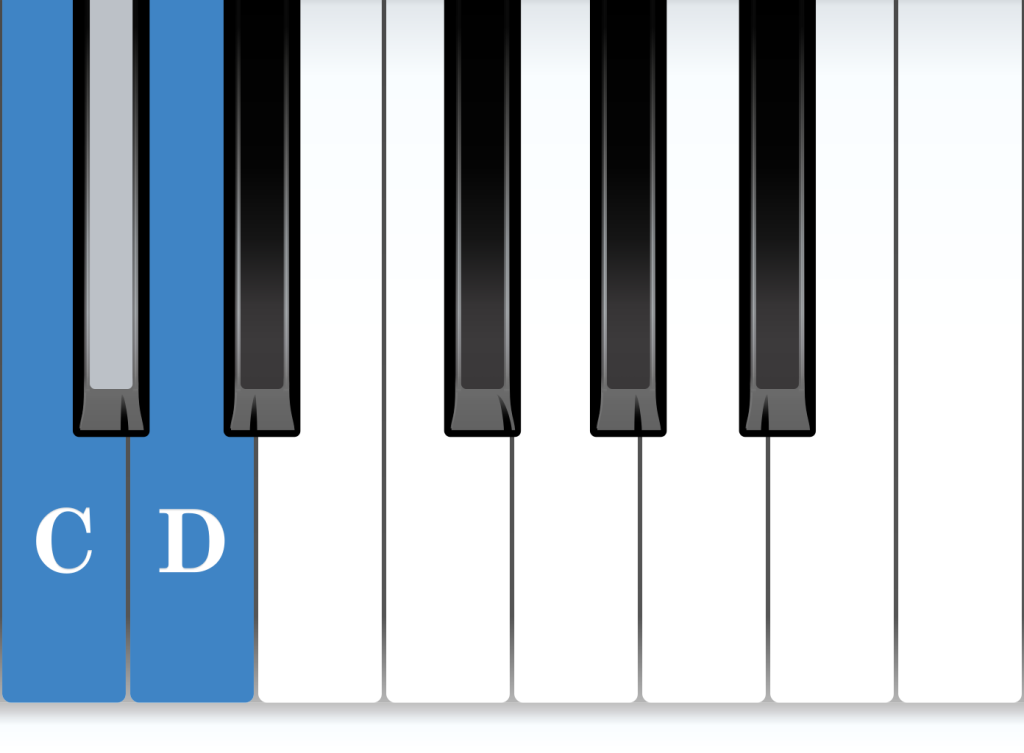
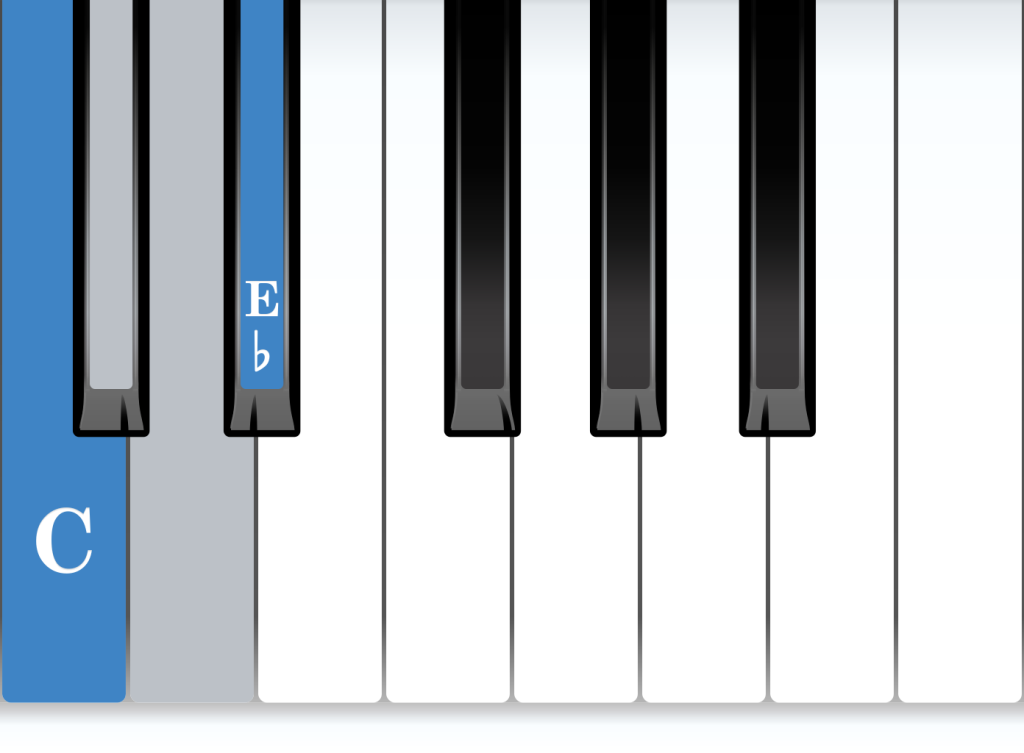
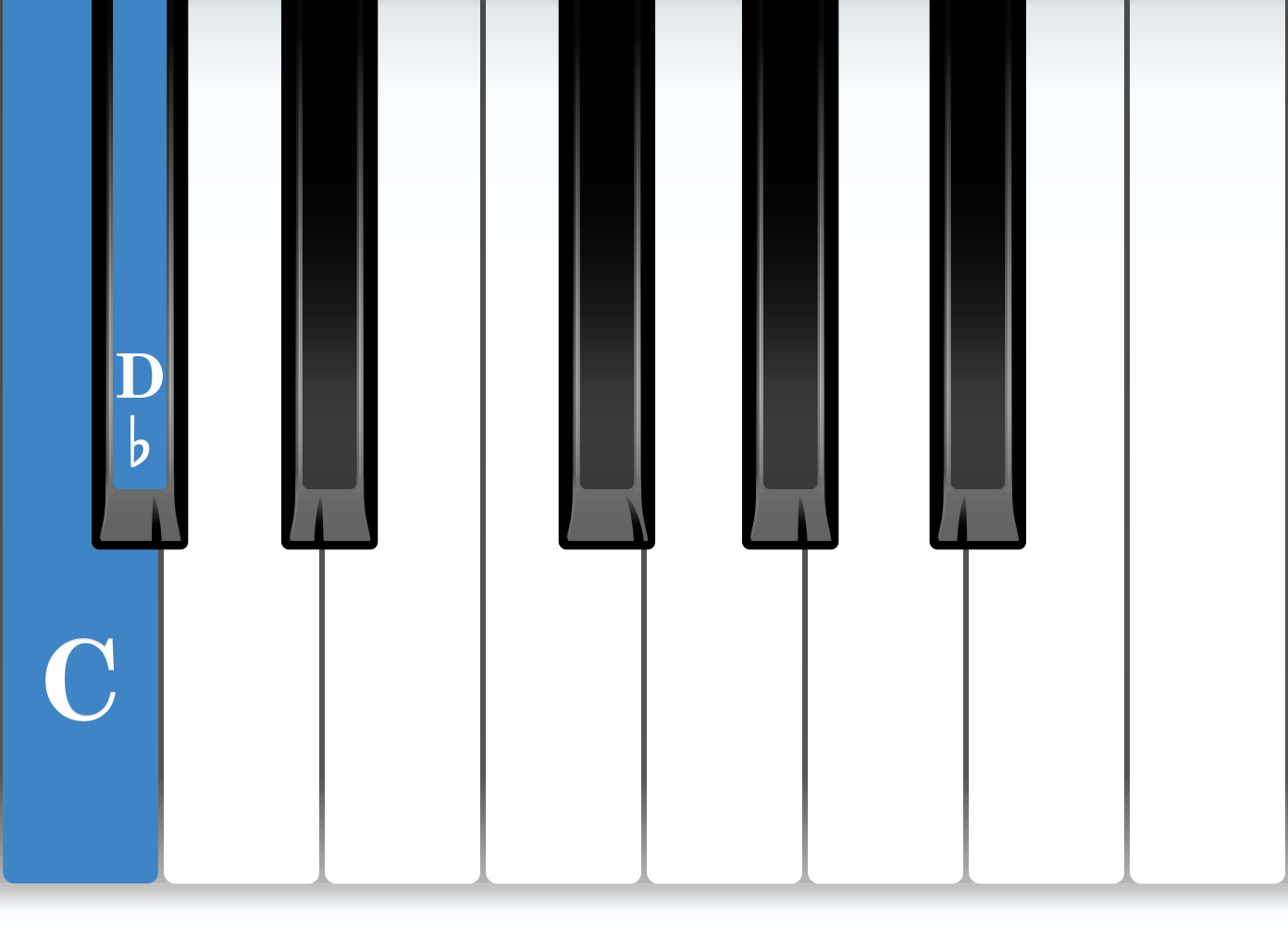
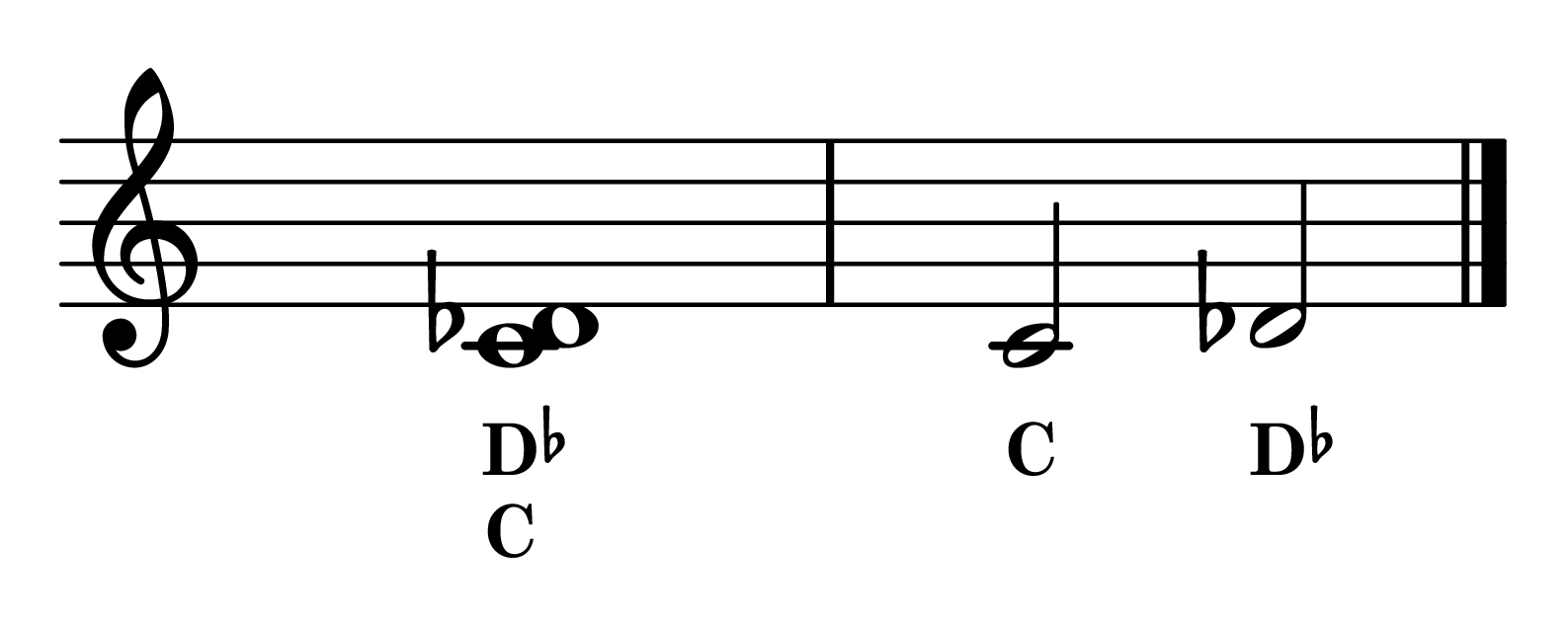
    A minor second spans one half step. From C, for example, a minor second up is D♭. The number in its name counts the letter names it covers, including both ends: from C to D♭, C D is two, so it is a second. The one half step makes it minor. With one half step more, C to D, it would be a major second.
    Lesson Steps
      Add a header to begin generating the table of contents

      The half step is the smallest distance on the keyboard, and played together the two notes rub against each other. Played one after the other, it’s the strongest pull in tonal music: the leading tone rising to the tonic (B to C in C major), or a sigh falling a half step onto a chord tone.

      On the keyboard, the two notes of a minor second are always neighbors, with no key in between. Depending on where it starts, those notes can fall on white or black keys, which gives it three different shapes.

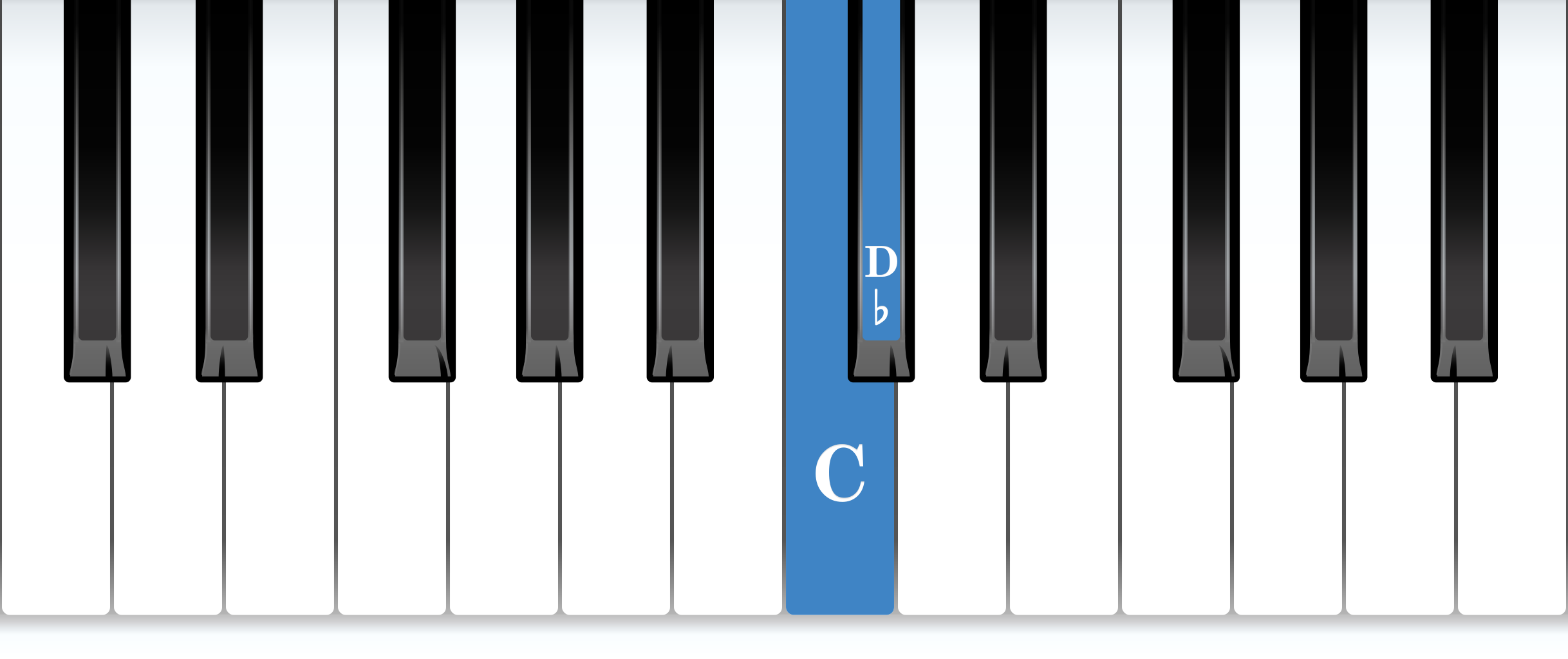
      The shapes of the minor second on the piano

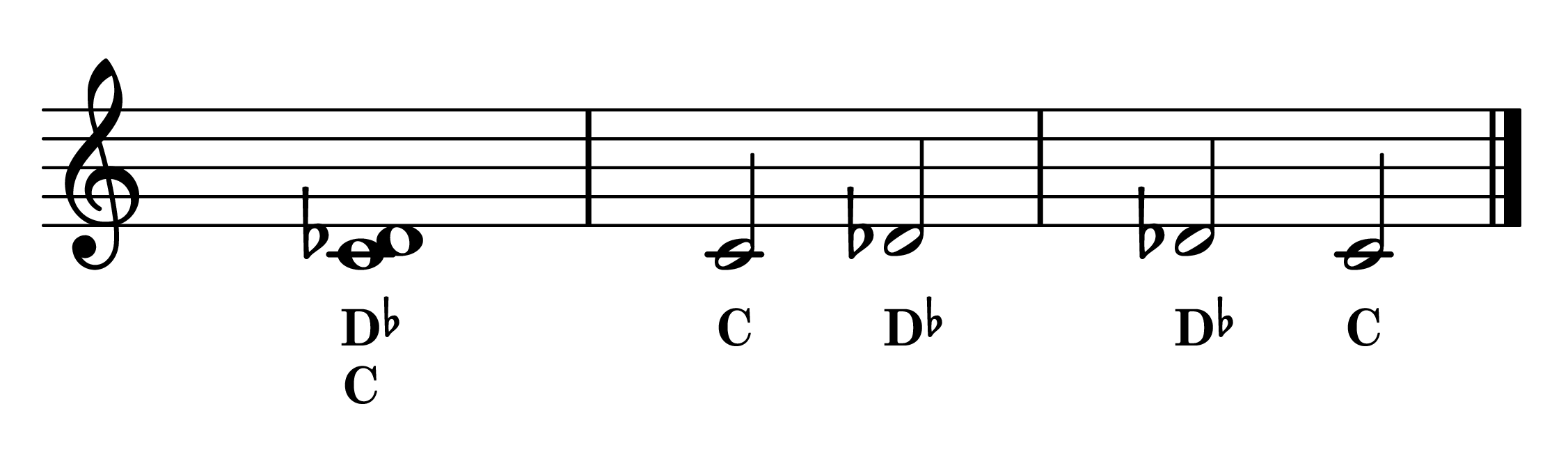
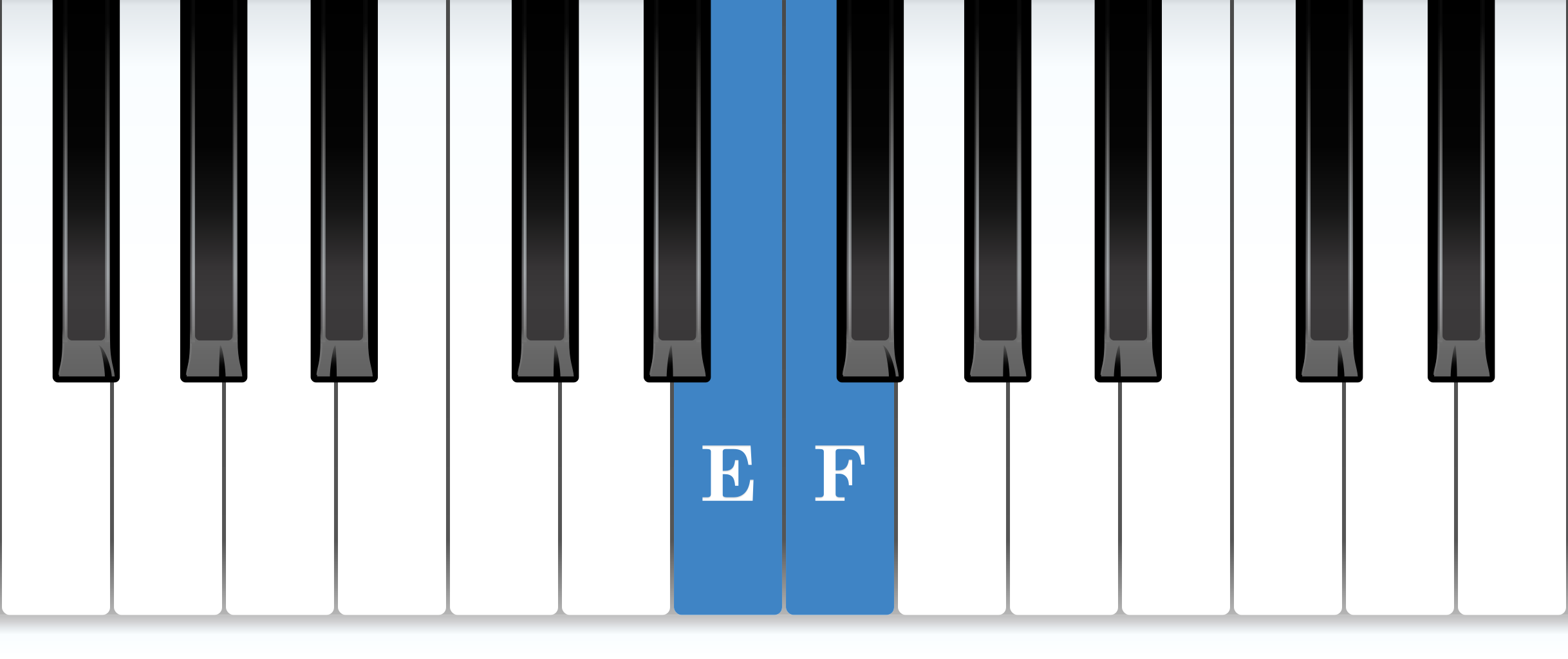
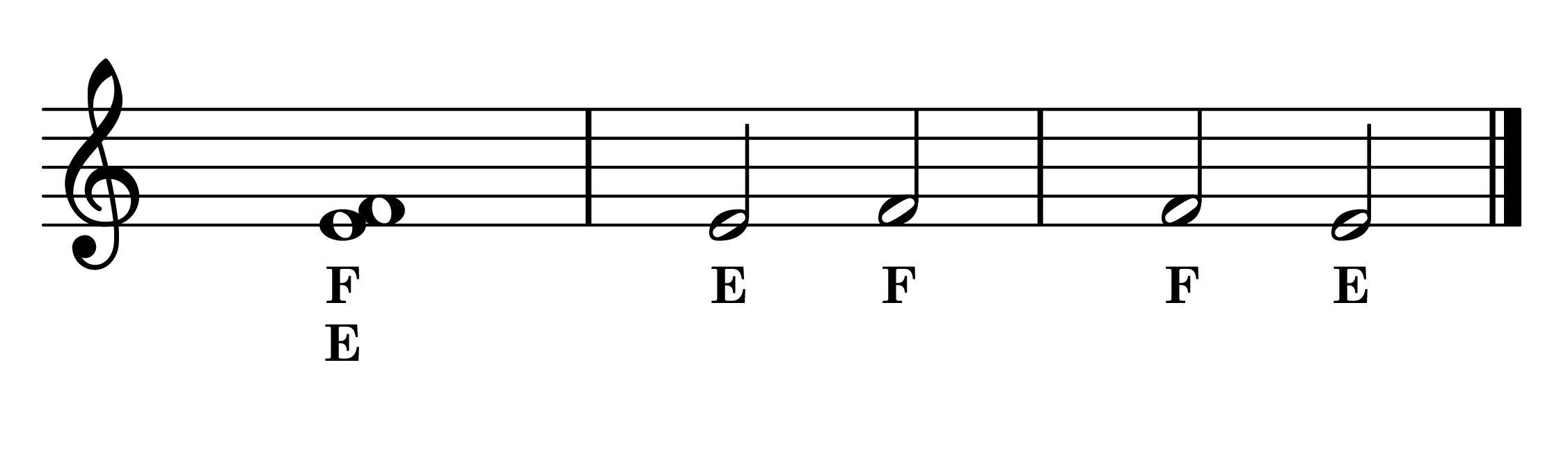
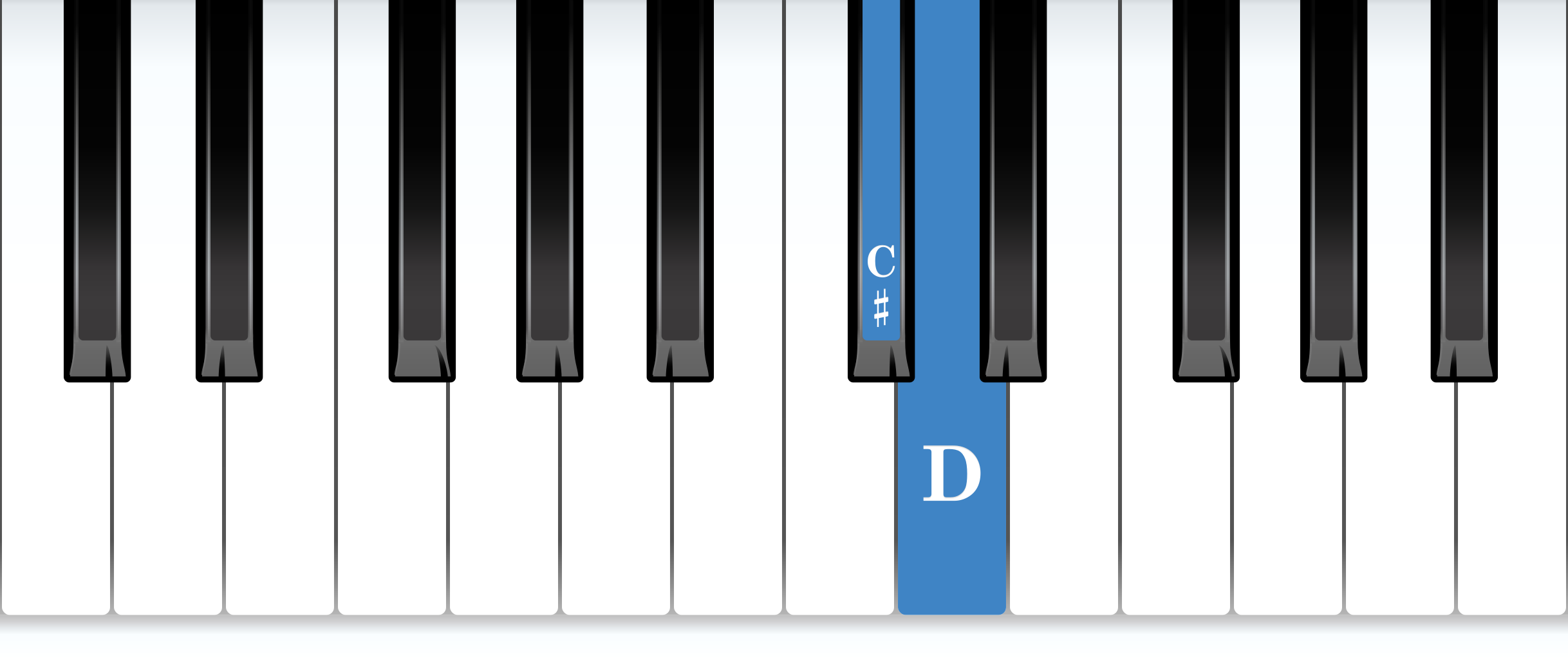
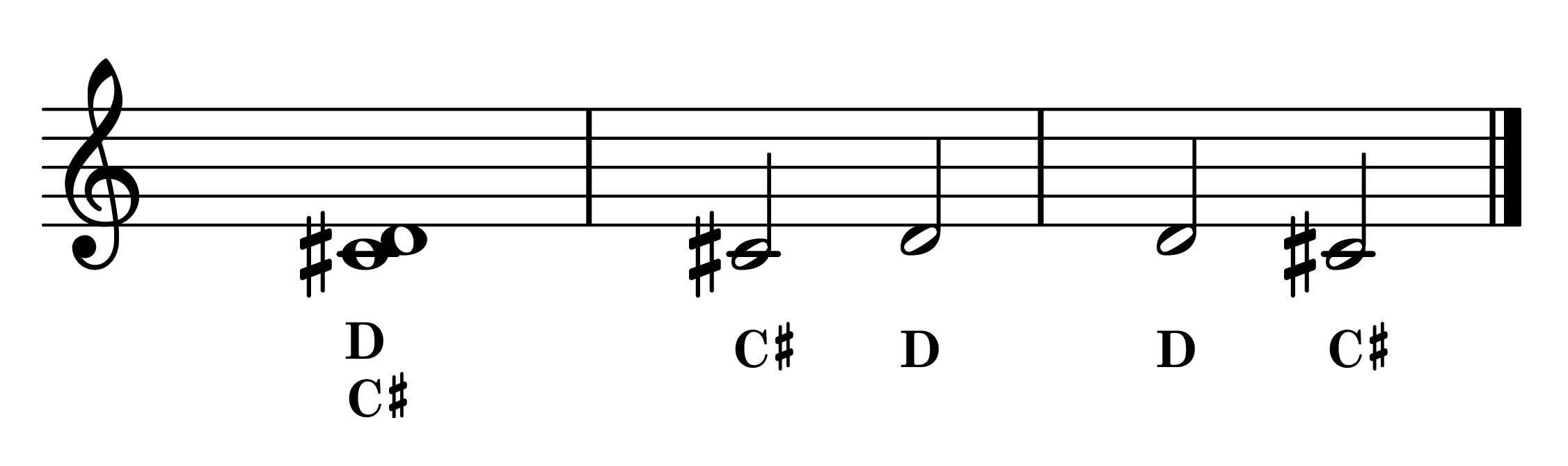
      Each shape sits a little differently under the hand, so it is worth knowing them all. Under each keyboard, the same notes are on the staff: played together, then up, then down.
      White key to black key: C to D♭

      Minor seconds that share this same shape are C–D♭, D–E♭, F–G♭, G–A♭, and A–B♭. There are no keys in between: the two keys are neighbors.
      White key to white key: E to F

      Minor seconds that share this same shape are E–F and B–C. There are no keys in between: the two keys are neighbors.
      Black key to white key: C♯ to D

      Minor seconds that share this same shape are C♯–D, D♯–E, F♯–G, G♯–A, and A♯–B. There are no keys in between: the two keys are neighbors.

      Reading the minor second on the staff

      A second goes from a line to the next space, or from a space to the next line: the two notes are neighbors. Played together, the note heads are too close to stack, so they sit side by side, touching. That stays true whatever the accidentals are: every second looks like a second, and the accidentals tell us its quality.
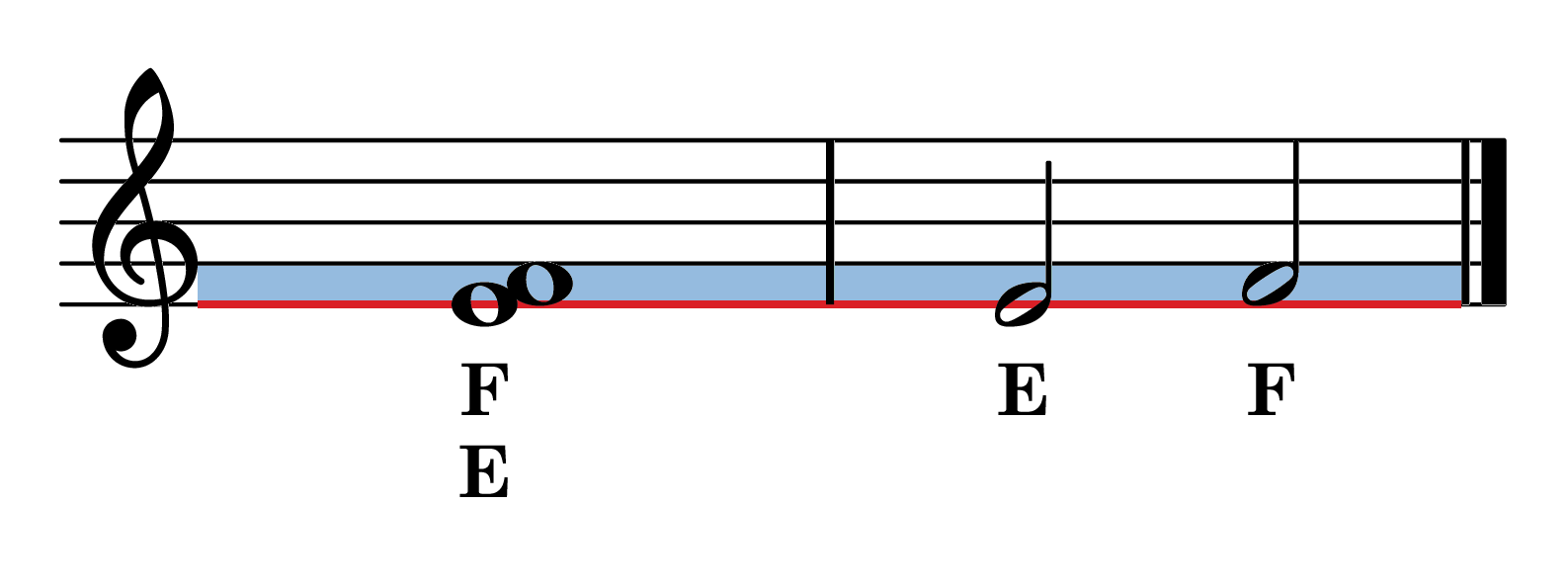
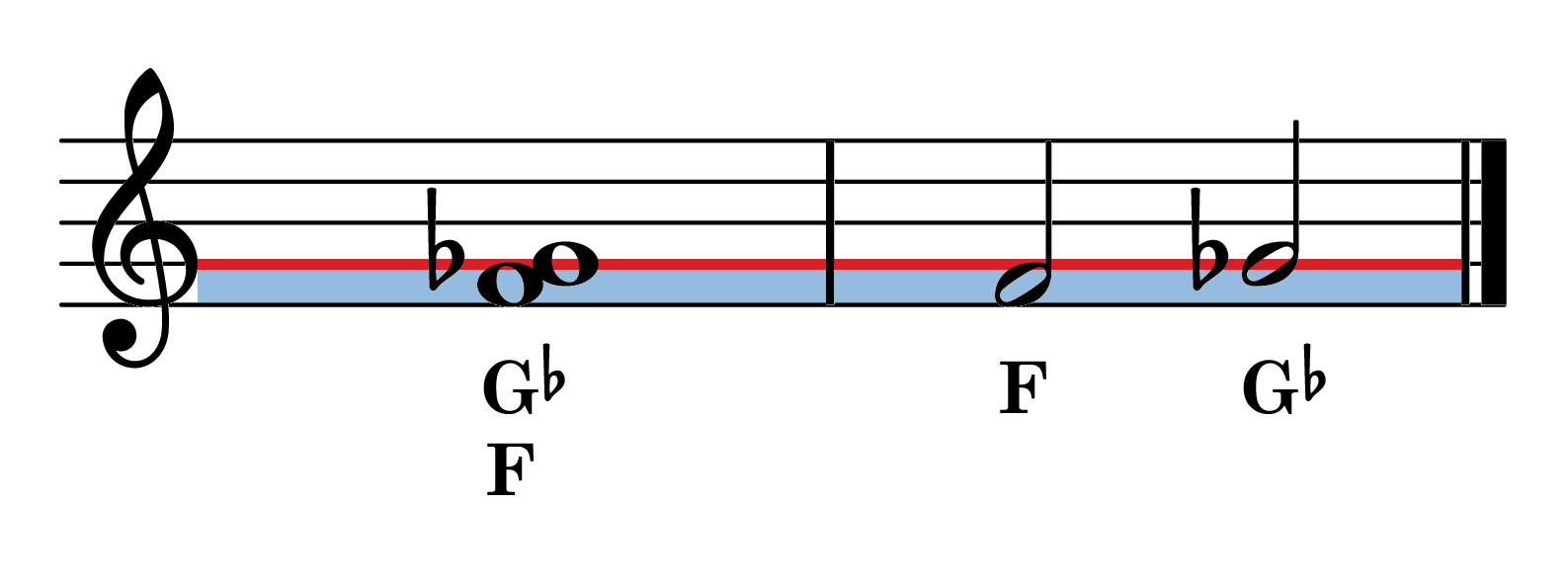
      This is what makes intervals so useful for reading. Rather than naming every note from the clef, we read from one note to the next: once we know where we are, the shape on the staff tells us how far to move. Reading this way is relational rather than absolute, and it is much faster.

      It works the same in the treble and bass clef, and at any height on the staff, so a reader who knows the look of a second recognizes it everywhere.

      The minor second in the hand

      In scales and five-finger patterns, seconds usually fall under neighboring fingers: 1 and 2, 2 and 3, 3 and 4. The half step is the closest two fingers ever play, so the fingers sit close together, and on the white-to-white shapes (E–F, B–C) the two keys are right next to each other.

      The spacing on the staff and the spacing in the hand belong together. In a five-finger pattern, a step on the staff is often the next finger, and a skipped note a skipped finger, so the distance we see becomes a distance we feel.

      Inverting the minor second

      If we move the lower note up an octave (or the upper note down one), a minor second becomes a major seventh: C to D♭ turns into D♭ to C. The numbers of an interval and its inversion add up to nine, and their half steps to twelve (1 + 11). Minor becomes major.
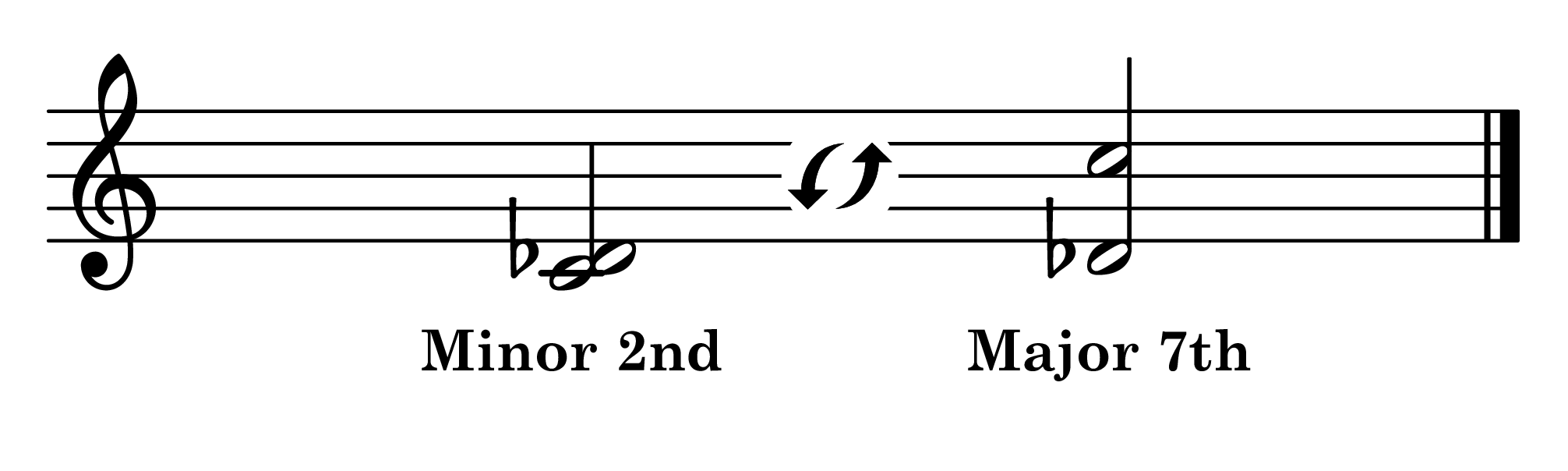
      On the keyboard the shapes swap as well: a white-to-black shape inverts to a black-to-white one, and a white-to-white shape stays white to white.

      Practice the minor second

      • Play the first shape, C to D♭, together and then one note after the other, and listen to the sound before moving on.
      • Find the same shape at every place it occurs on the keyboard (the lists under each image), then the other shapes. Notice how the hand changes as the keys change color, while the sound stays a minor second.
      • Play a minor second up from all twelve keys, naming the upper note as we go.
      • Read it: look for minor seconds in a piece we know, and before playing each one, name the interval from its look on the staff.
      • Once the shapes are reliable, play the interval without looking at the hands, feeling the span between the fingers.

      Avoid common mistakes with the minor second

      • Spelling it with one letter. C to C♯ covers the same keys as C to D♭, but on the staff it’s a different interval (an augmented unison): a second always uses two neighboring letters.
      • Counting keys instead of half steps. The starting key isn’t counted: from C, the first half step is C♯.
      • Reading every note from the clef. Naming each note separately is slow. Reading the interval from the previous note is what lets the eye stay ahead of the hands.

      Other intervals

      Unison

      Unison piano interval from C, C, notes diagram
      Same pitch

      Major Second

      Major Second piano interval from C, C to D, notes diagram
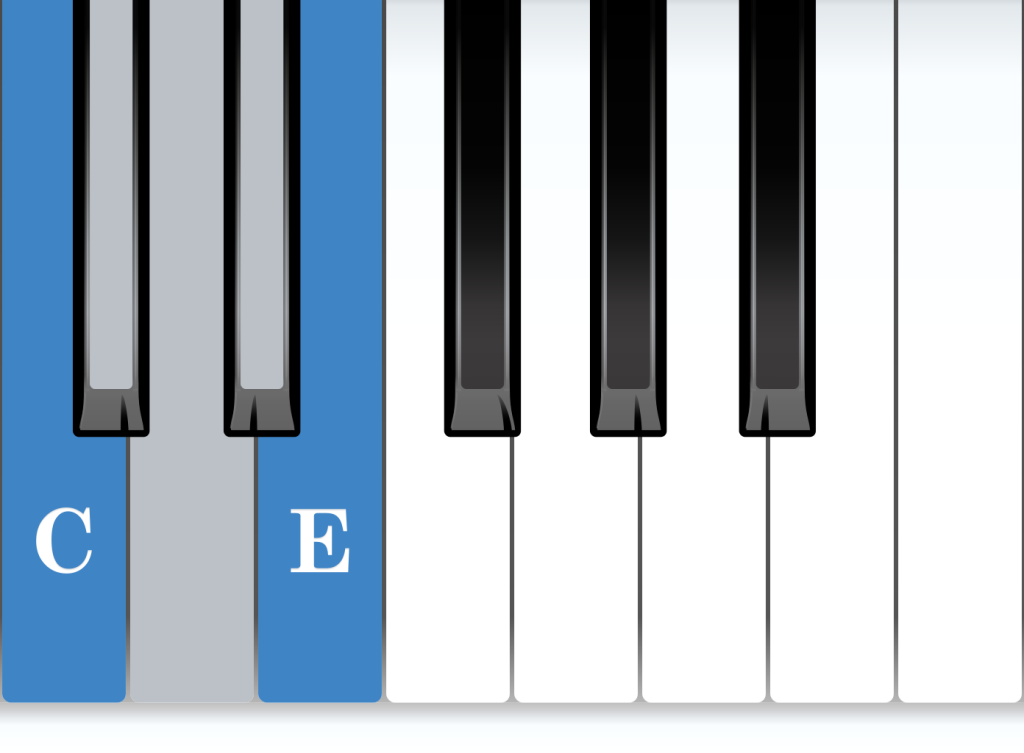
      2 half steps

      Minor Third

      Minor Third piano interval from C, C to E-flat, notes diagram
      3 half steps

      Major Third

      Major Third piano interval from C, C to E, notes diagram
      4 half steps

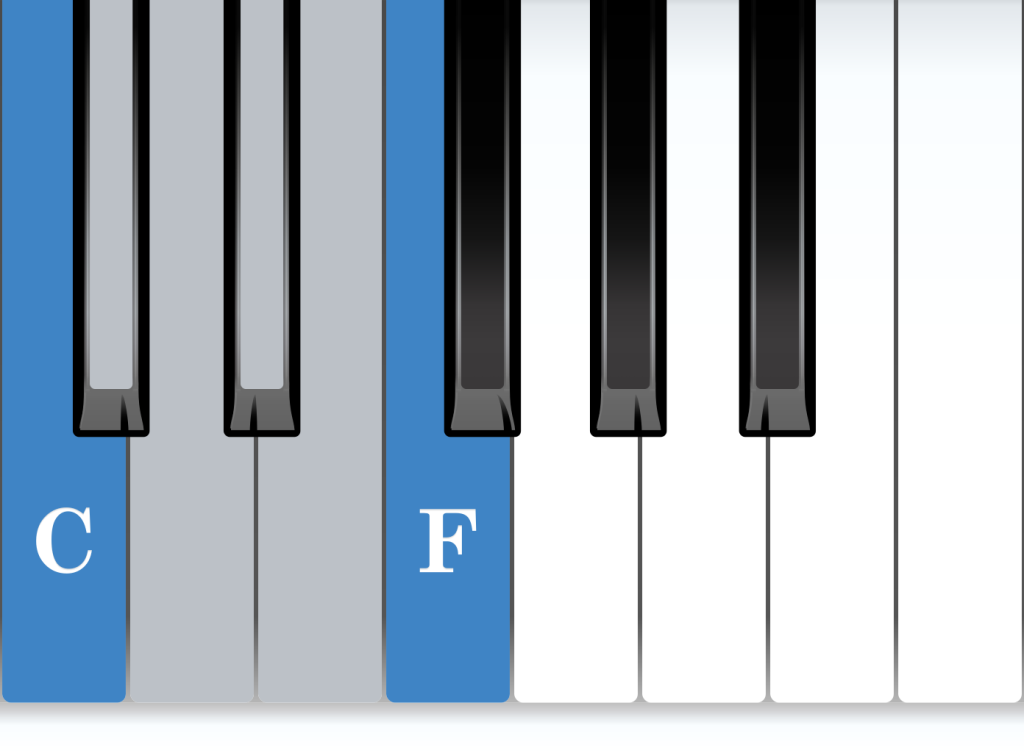
      Perfect Fourth

      Perfect Fourth piano interval from C, C to F, notes diagram
      5 half steps

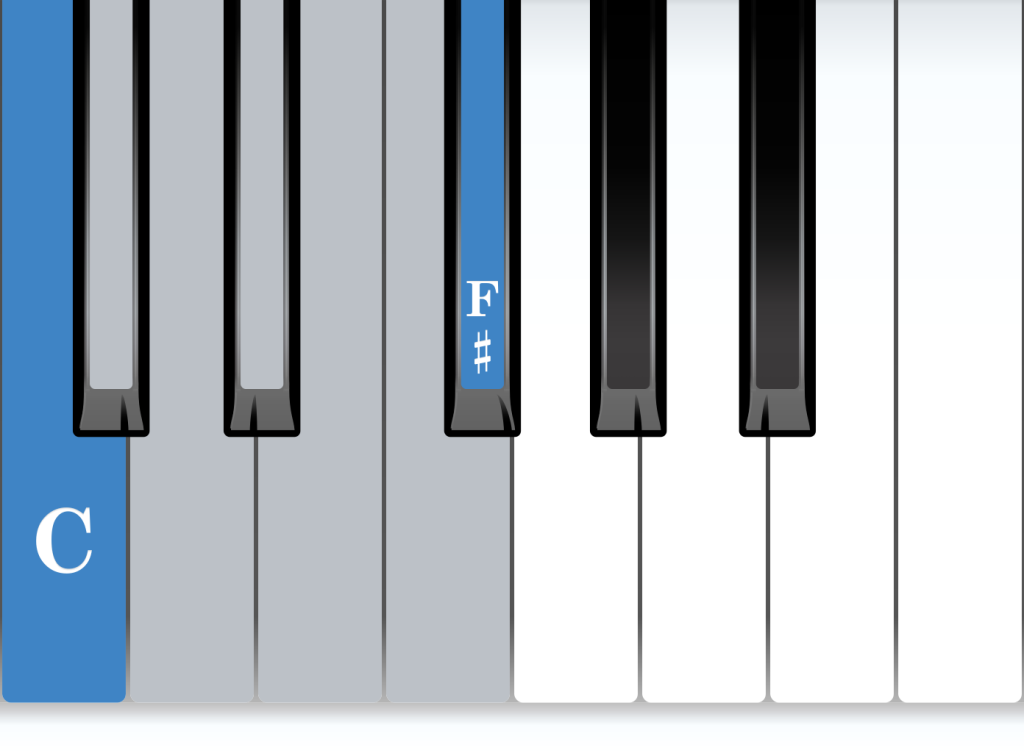
      Tritone

      Tritone piano interval from C, C to F-sharp, notes diagram
      6 half steps

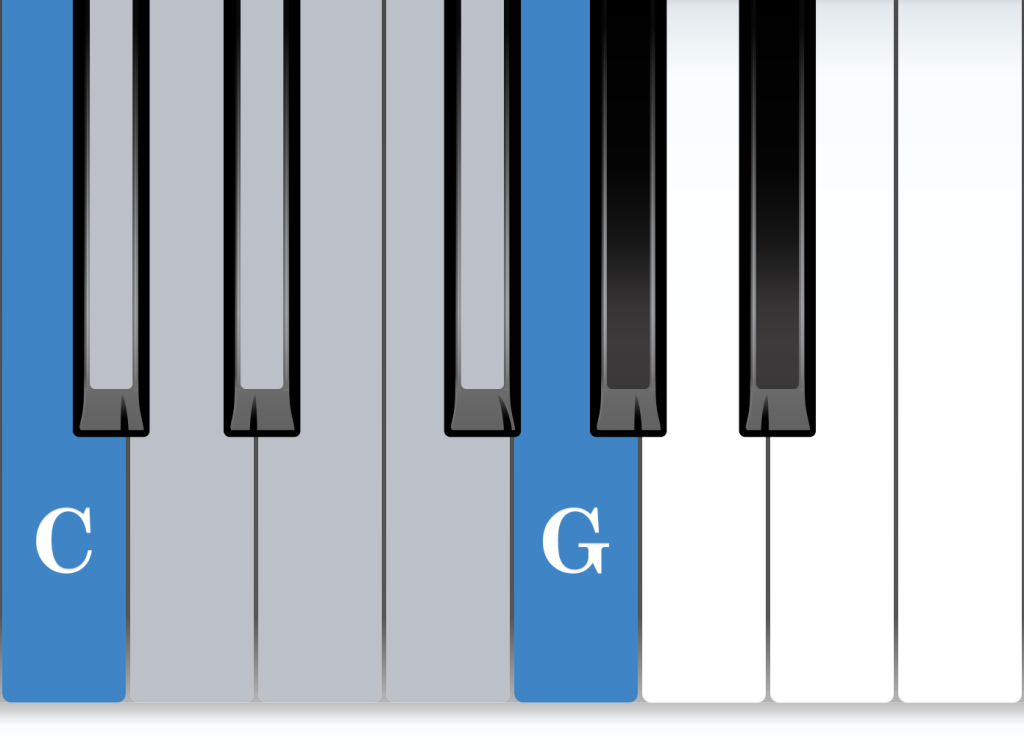
      Perfect Fifth

      Perfect Fifth piano interval from C, C to G, notes diagram
      7 half steps

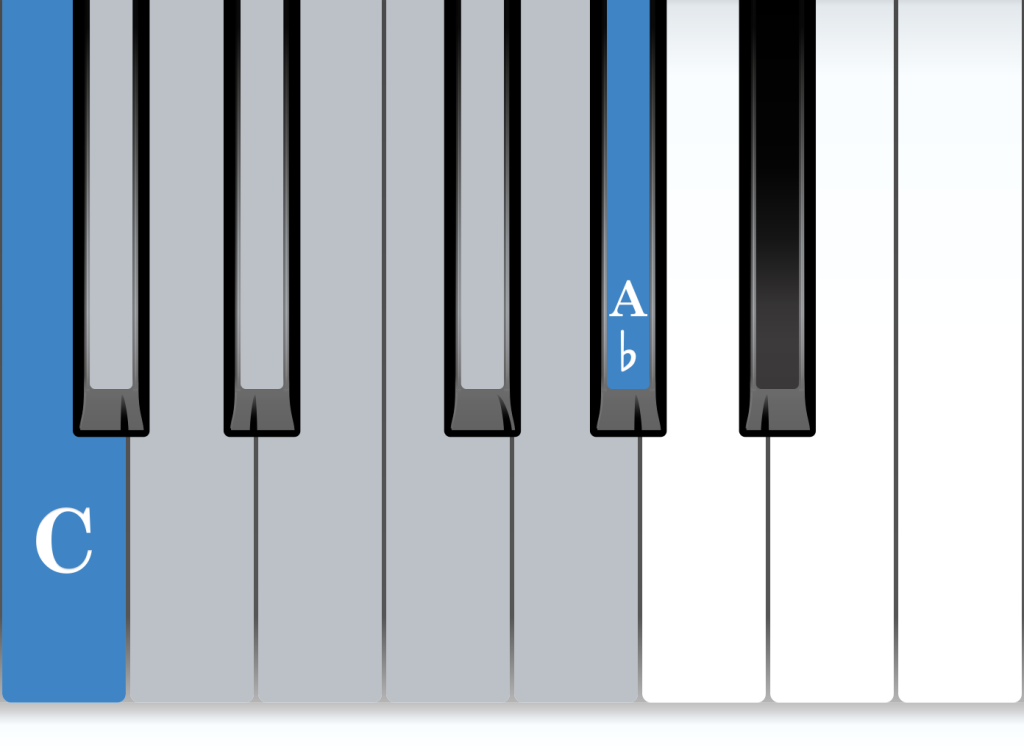
      Minor Sixth

      Minor Sixth piano interval from C, C to A-flat, notes diagram
      8 half steps

      Major Sixth

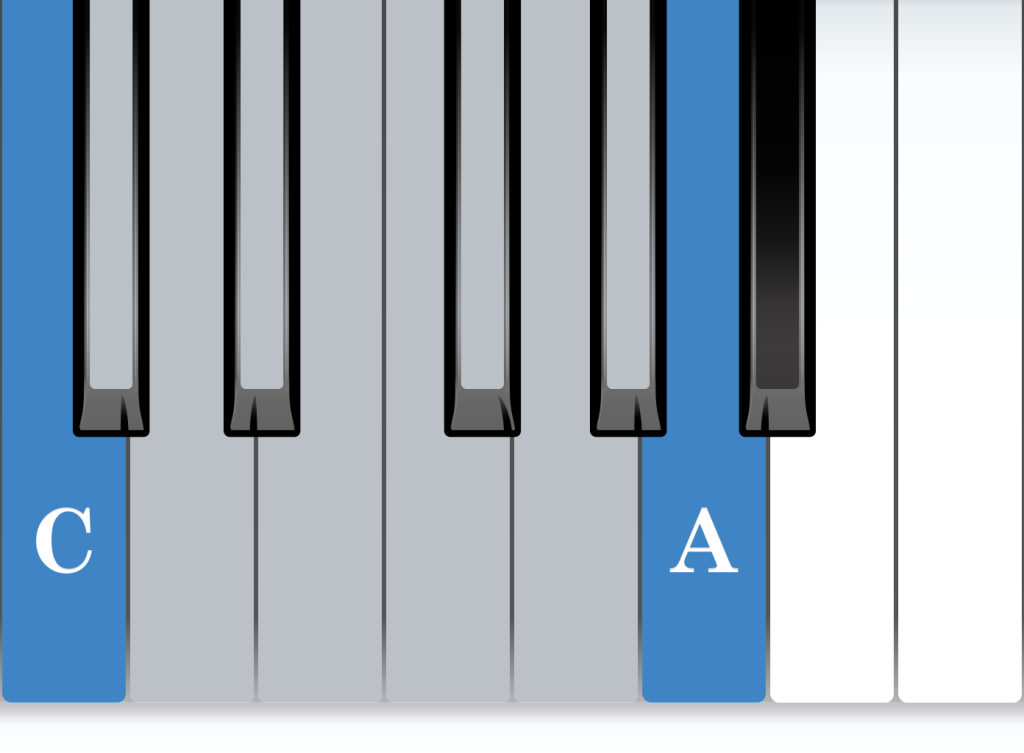
      Major Sixth piano interval from C, C to A, notes diagram
      9 half steps

      Minor Seventh

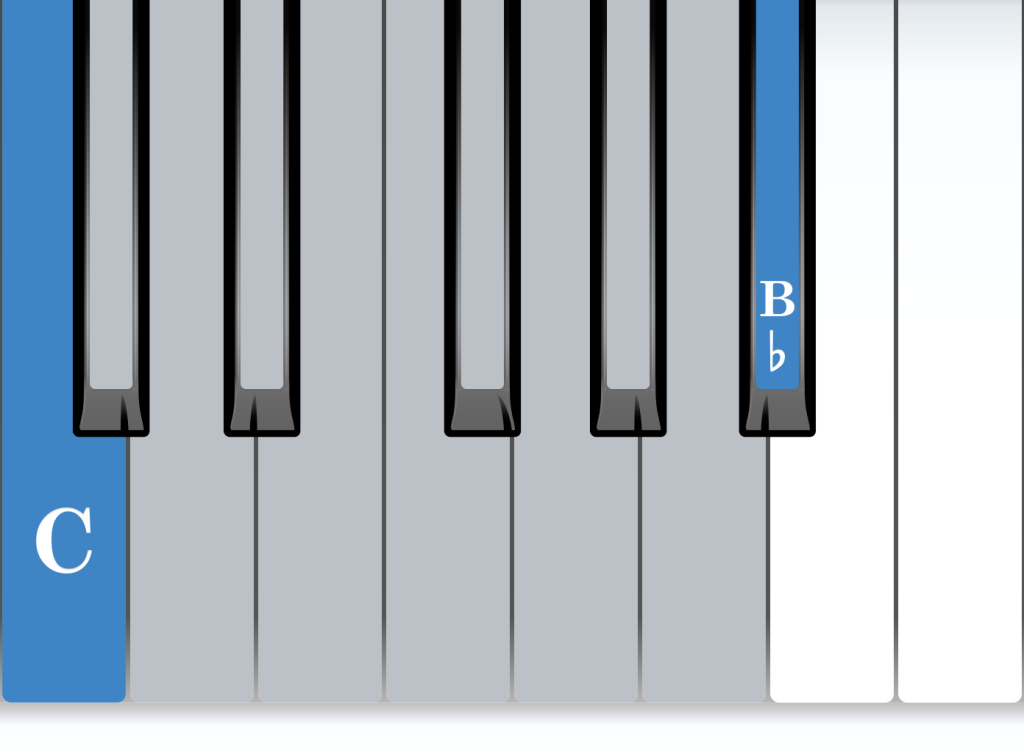
      Minor Seventh piano interval from C, C to B-flat, notes diagram
      10 half steps

      Major Seventh

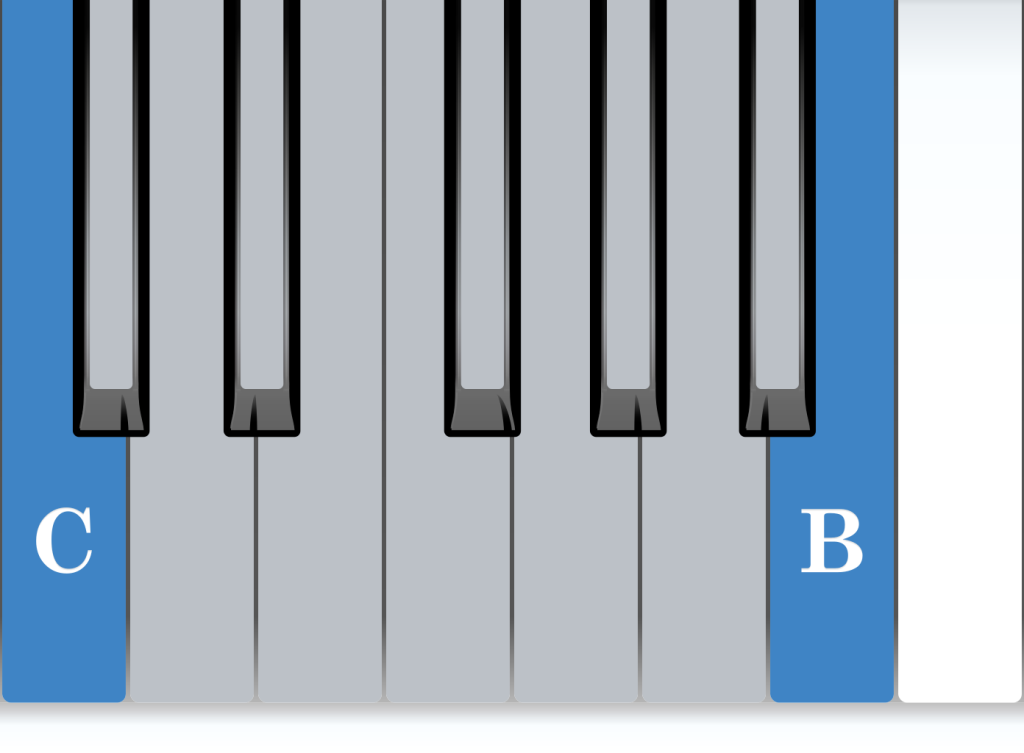
      Major Seventh piano interval from C, C to B, notes diagram
      11 half steps

      Octave

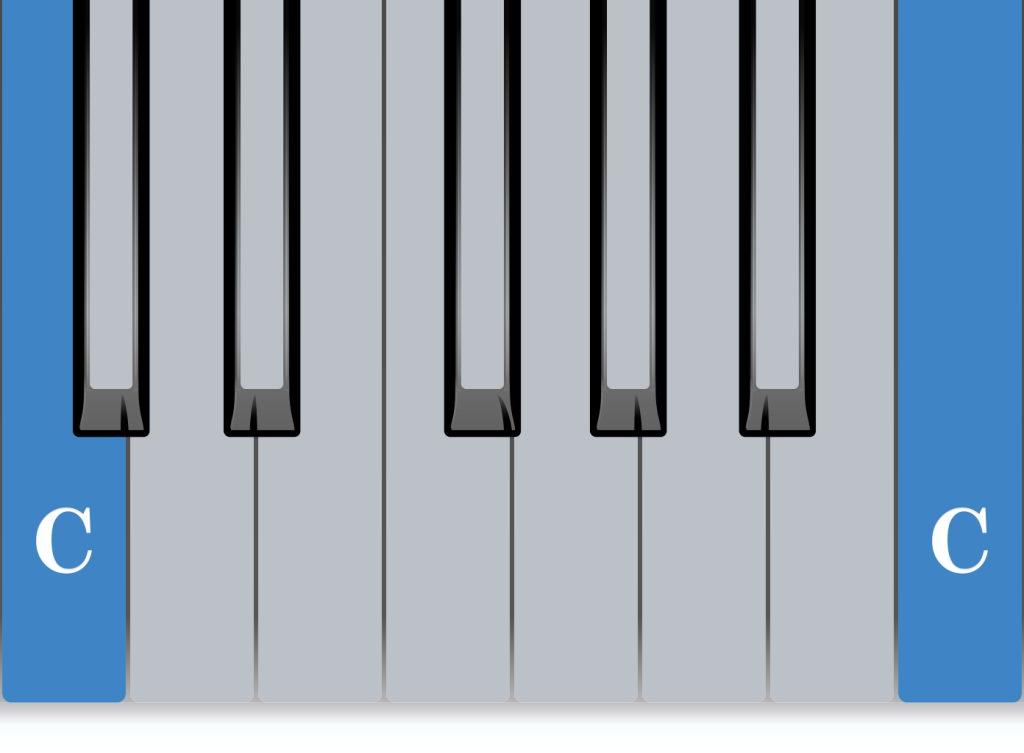
      Octave piano interval from C, C, notes diagram
      12 half steps

      Questions and answers

      No questions on this lesson yet. Be the first to ask one.

      Scroll to Top

      Ask a question about this lesson

      Questions go straight to Loren. Answers are posted at the bottom of the lesson.

      Your email is only used to reply and is never shown on the site.