
The Complete Guide to Piano Intervals
Learn the thirteen intervals on the piano: how they sound, how they look on the keyboard and on the staff, and how they feel in the hand
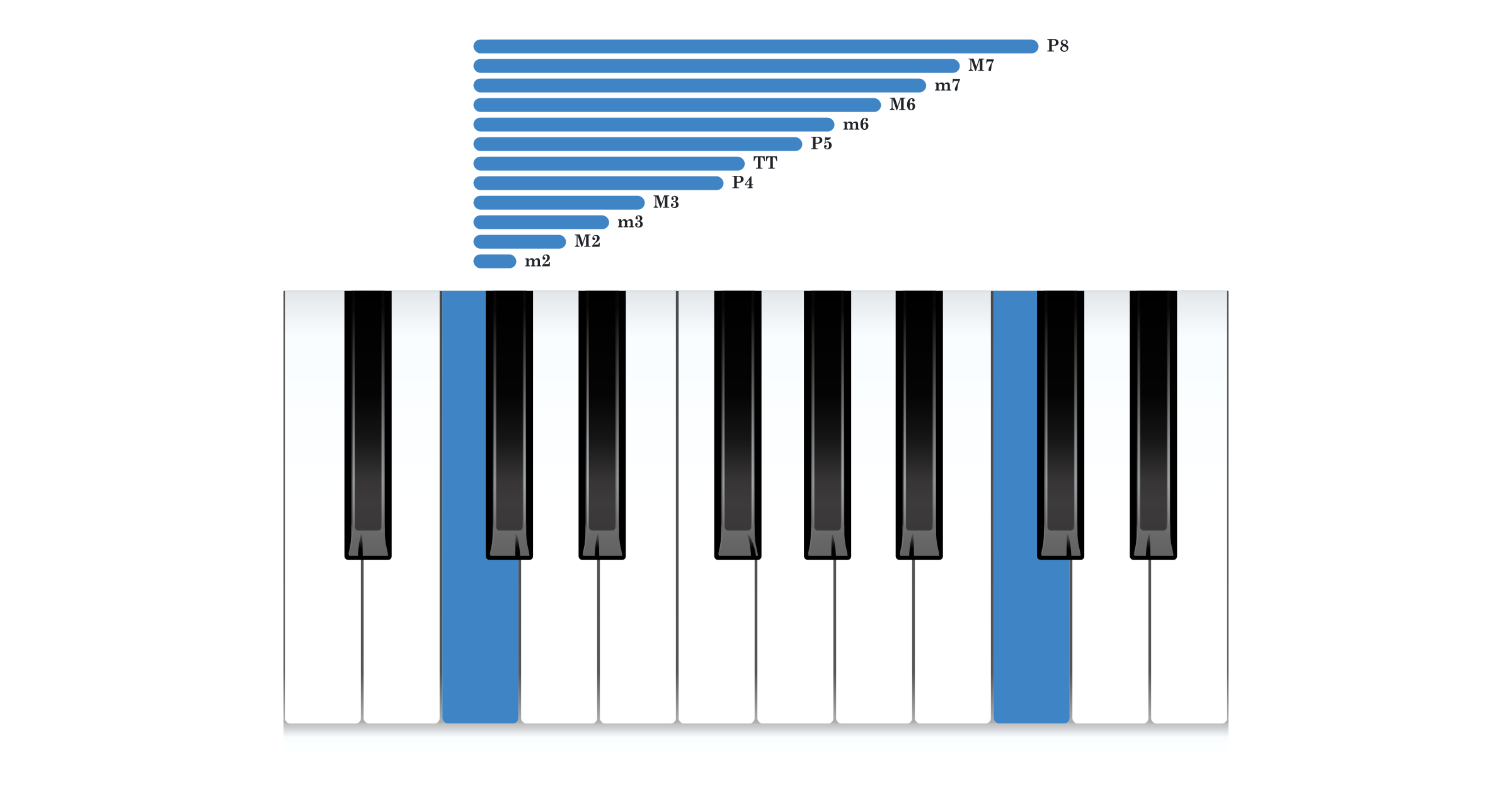
Intervals are one of the foundations of playing the piano. Every melody moves by intervals, every chord is built from them, and once we know them well, reading music changes: instead of working out each note on its own, we start to see how far the next note is from the one we just played.
We’re going to explore what an interval is, how intervals are named, and why they matter so much for reading. Each of the thirteen intervals, from the unison to the octave, has its own lesson with every shape it takes on the keyboard, the same notes on the staff, and how it feels under the fingers.
What is an interval on the piano?
An interval is the distance between two notes. Its name has two parts: a number and a quality. (For example, in the interval of a major 3rd, “major” is the quality and “3rd” is the number.)
The number counts letter names, including both ends. From C up to E covers C, D and E, three letter names, so it is a third. From C up to G covers five, so it is a fifth. The number tells us how far apart the notes look on the staff.
The quality (major, minor, perfect, augmented or diminished) depends on the exact number of half steps.
Half steps and whole steps.
A half step is the distance between any note of the keyboard and its very next adjacent note, black or white.
A whole step is the distance between any note of the keyboard and a note 2 half steps away, black or white.
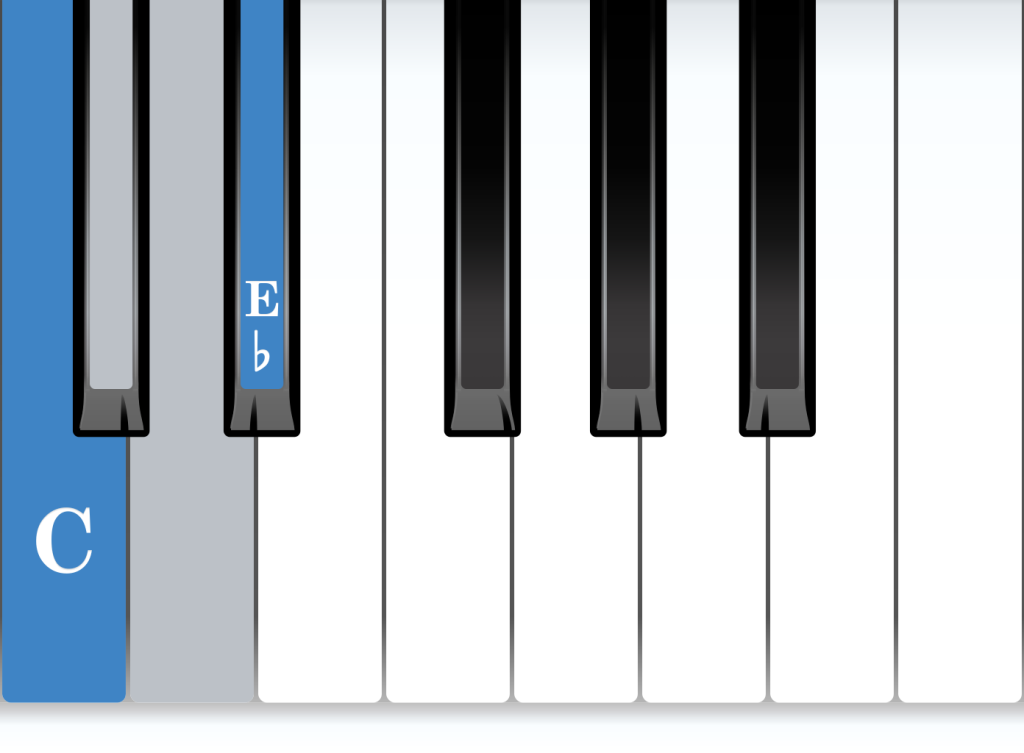
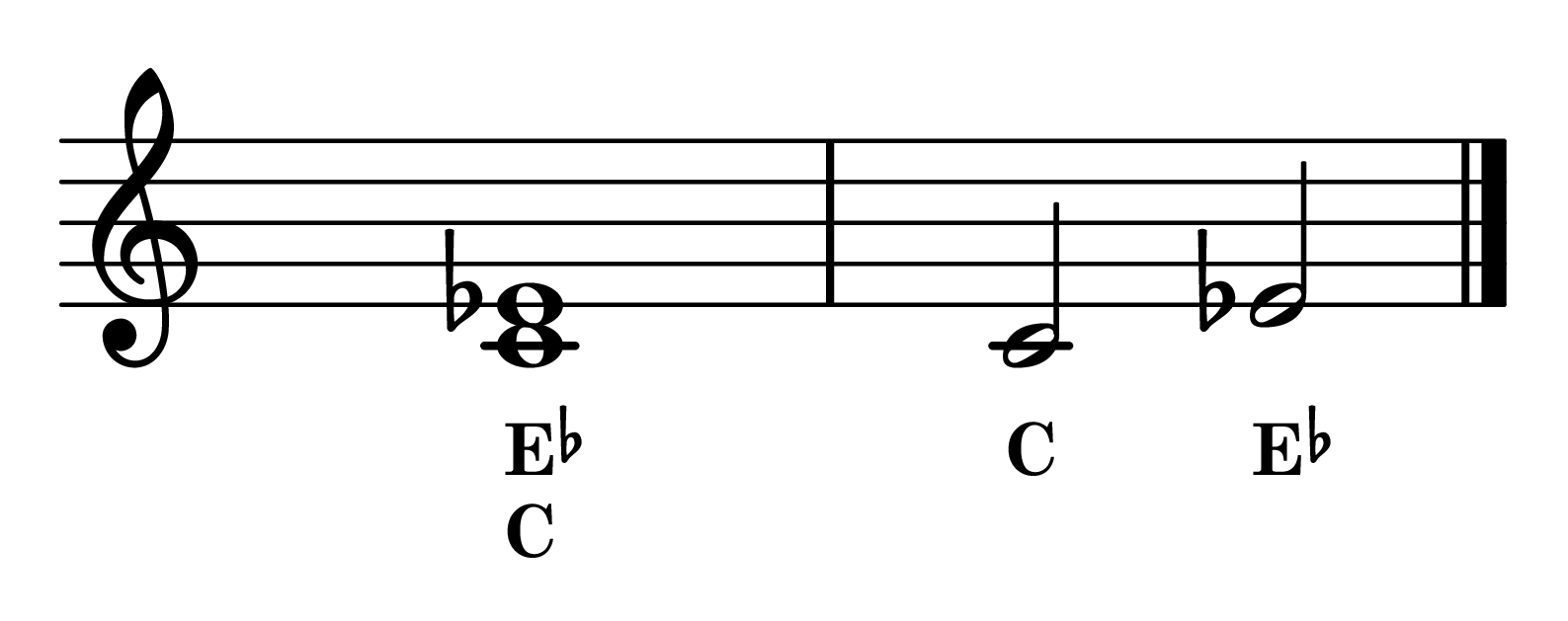
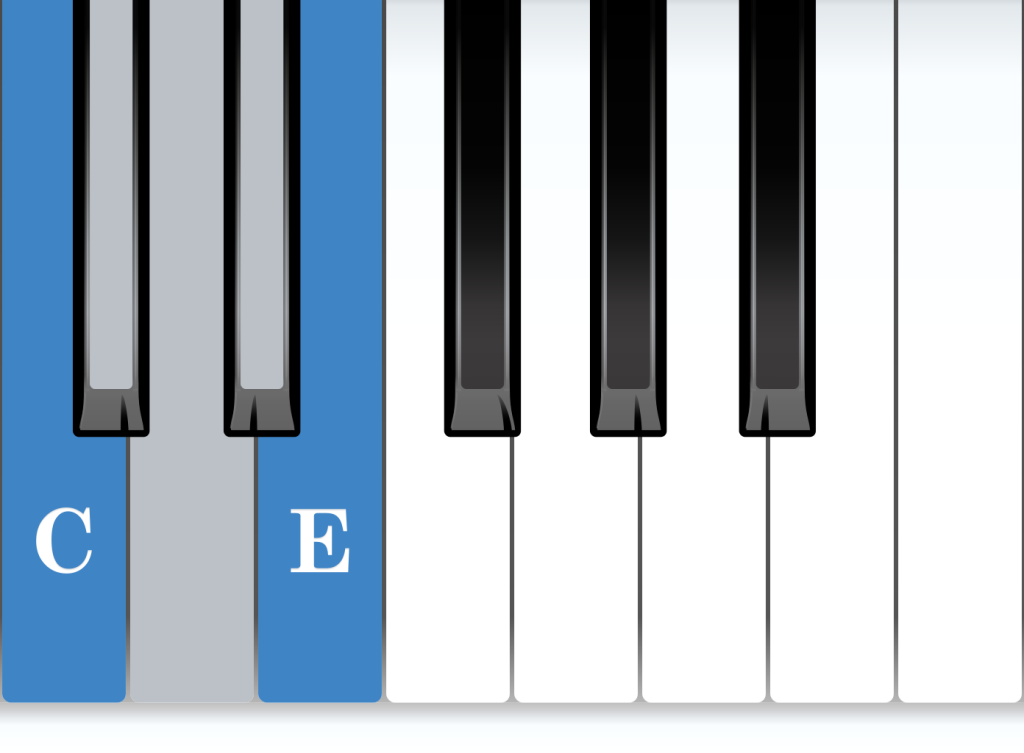
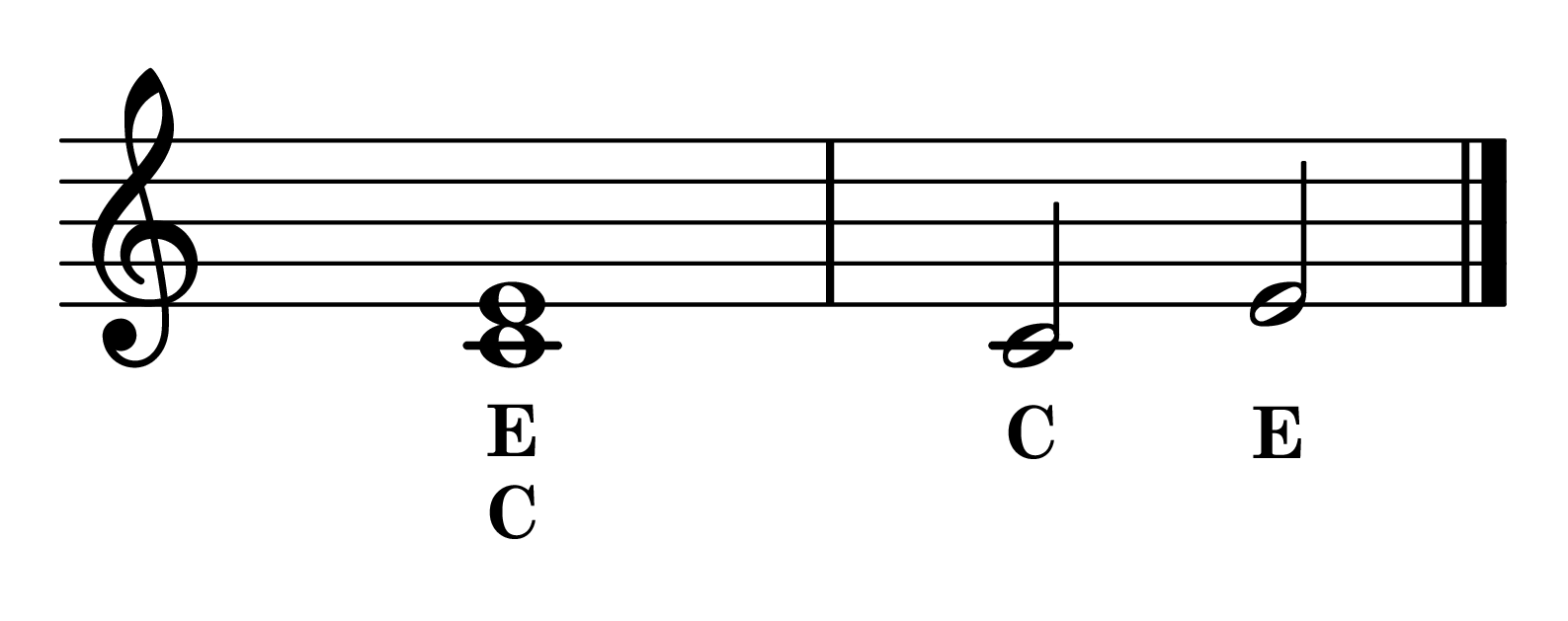
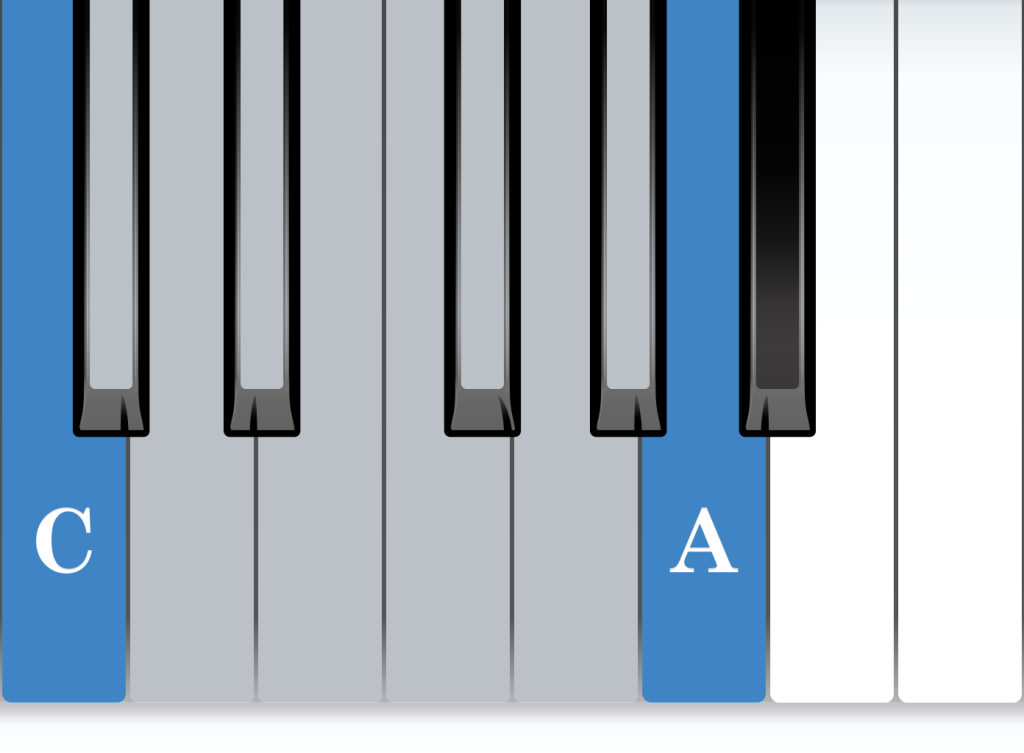
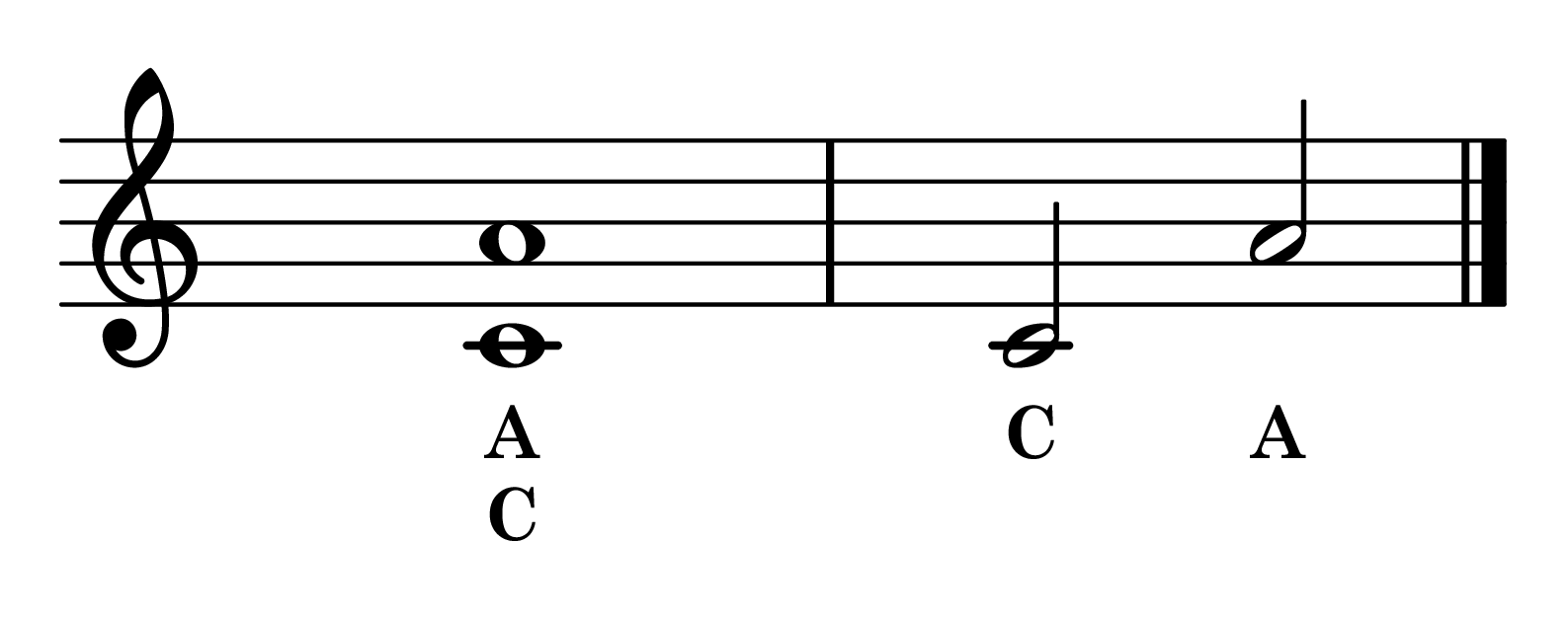
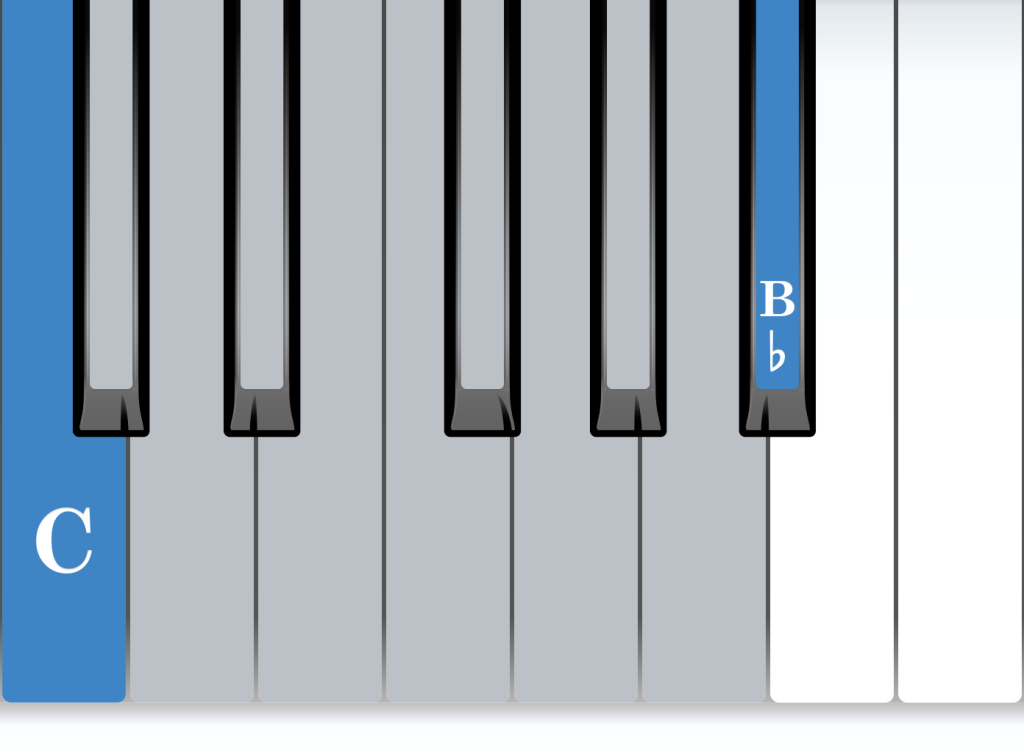
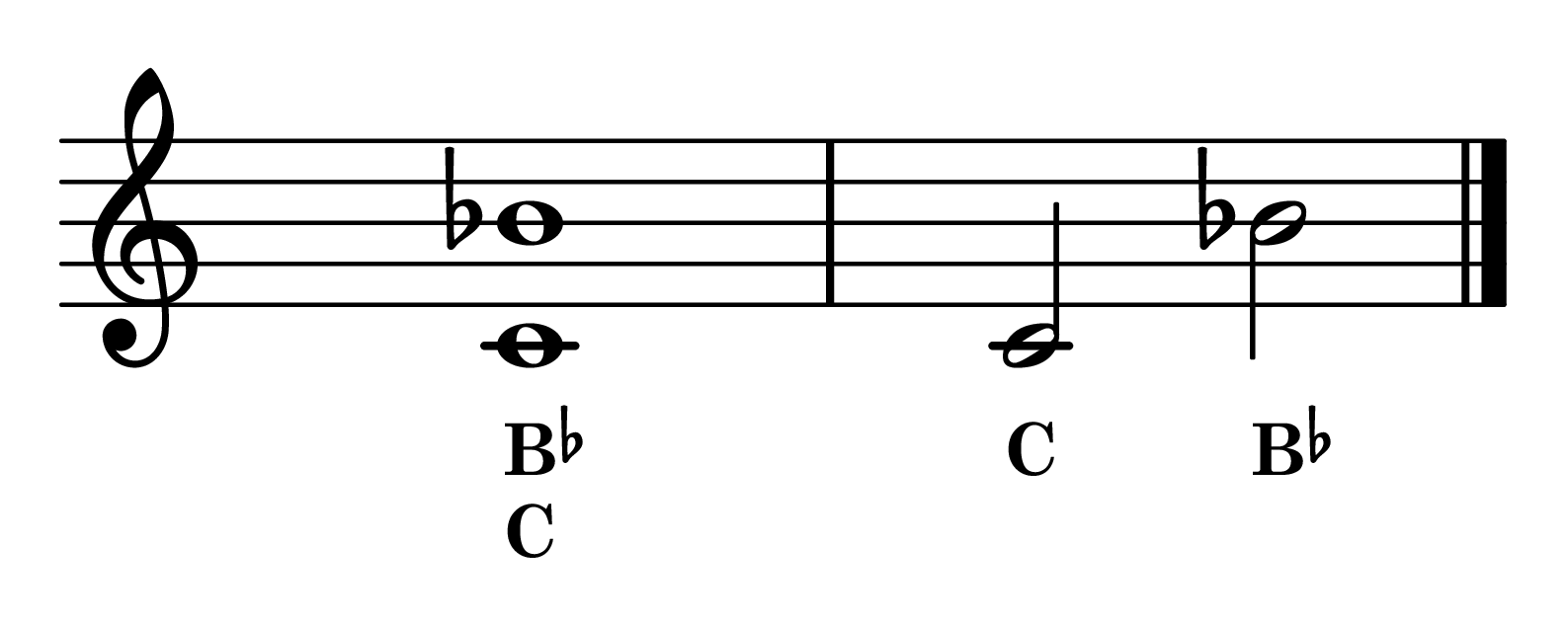
C up to E is four half steps, a major third; C up to E♭ is three, a minor third. Both are thirds and look like thirds on the staff; the half steps make the difference.
The piano is a good instrument for seeing this, because the keyboard lays every half step out in a line. We can count the keys between two notes, and we can also see the shape the interval makes: whether its notes fall on white or black keys.
Harmonic and melodic intervals
When the two notes are played together, the interval is harmonic. This is the vertical side of music, when we hear the interval resonating together.
When two notes are played one after the other, it is melodic. this is the horizontal side, when we hear the contour of a melody.
The distance is the same either way, but the ear hears it differently, and it is worth listening to every interval both ways.
Reading music by intervals
One of the most useful things intervals do is change the way we read. If we name every note from the clef, reading stays slow, because each note is a separate problem. Reading by intervals is relational rather than absolute: once we know where we are, we look at how far the next note is and move by that distance.
The staff makes this easier than it might seem, because each interval number has its own look:
- Seconds go from a line to the next space, or a space to the next line: neighbors.
- Thirds go from a line to the next line, or a space to the next space.
- Fourths go from a line to a space (or a space to a line) with one line and one space in between; fifths from a line to a line with one line in between.
- Sixths, sevenths and octaves continue the pattern: odd numbers (3rds, 5ths, 7ths) stay on lines or stay in spaces, even numbers (2nds, 4ths, 6ths, octaves) go from a line to a space.
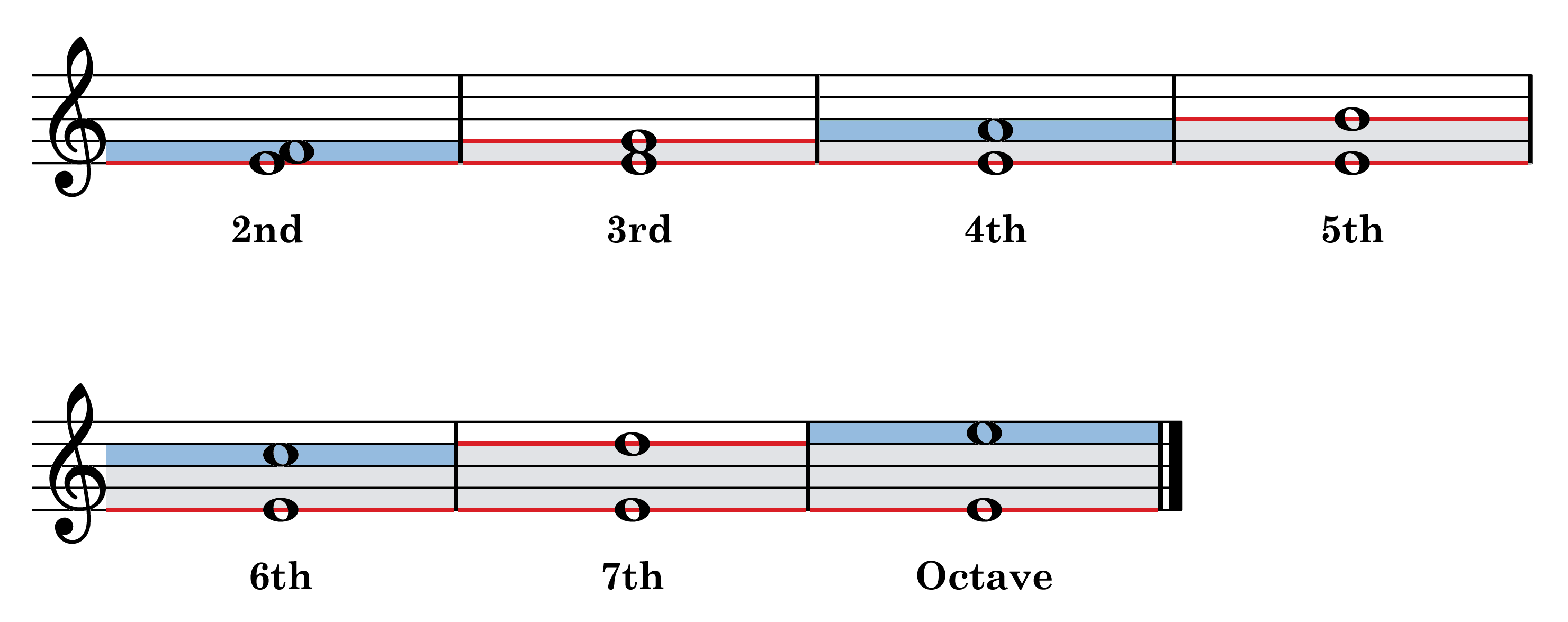
This works in the treble and bass clef alike, at any height on the staff, and whatever the accidentals are. The accidentals then tell us the quality.
The staff and the hand. The spacing we see on the staff also has a spacing in the hand. In a five-finger pattern, a step on the staff is often the next finger, and a skipped note is often a skipped finger: a third often falls under 1 and 3, a fifth under 1 and 5. Beyond the fifth, the hand opens to the span as a whole shape. The more we connect the distance we see with the distance we feel, the less we need to look at the hands.
Major, minor and perfect intervals
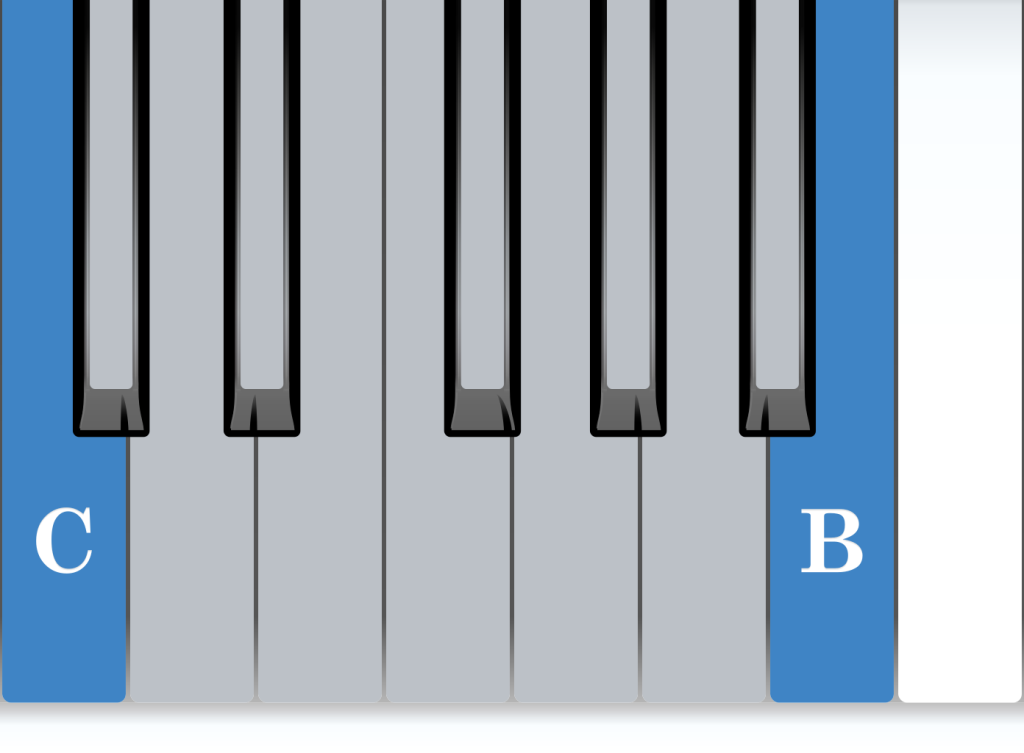
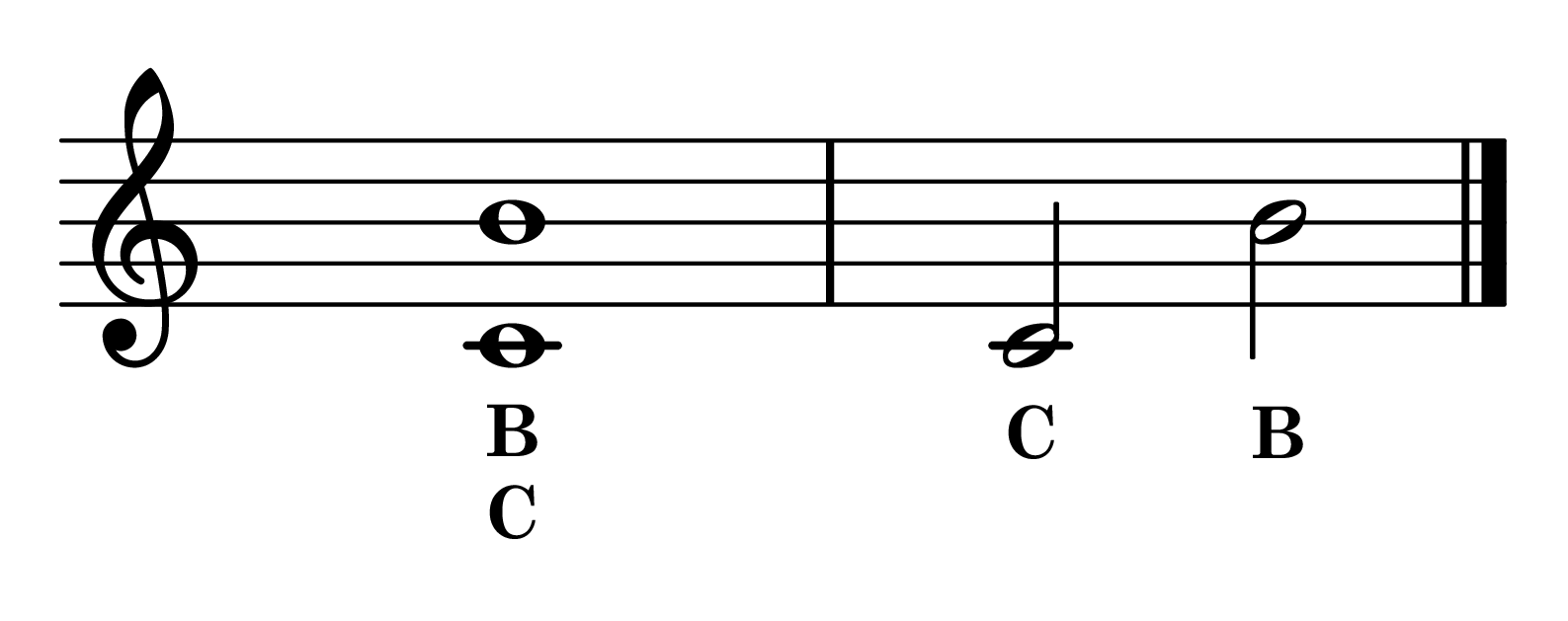
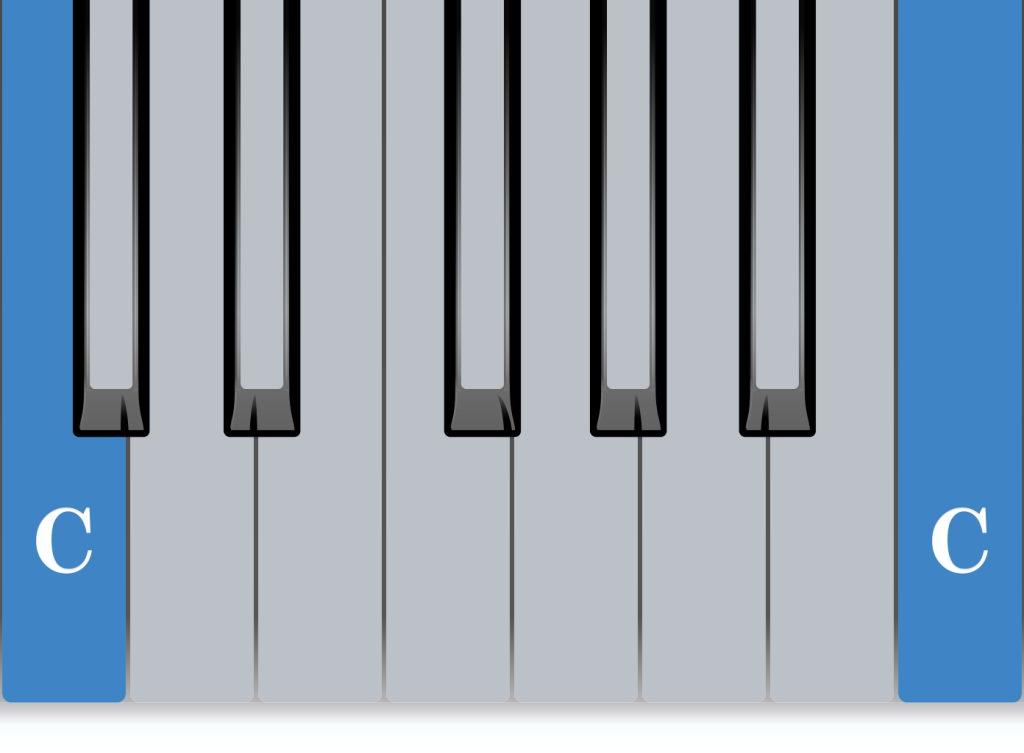
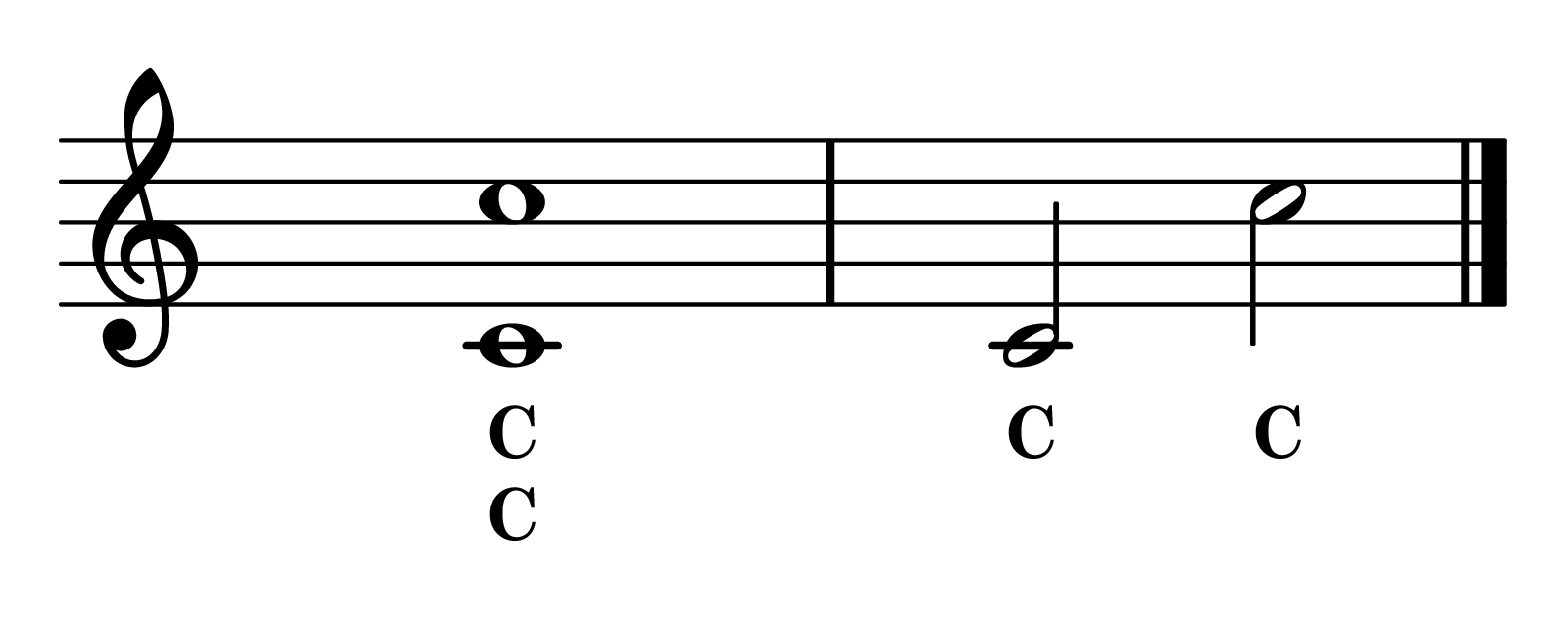
Within the octave there are thirteen intervals, from the unison (no distance at all) to the octave (twelve half steps):
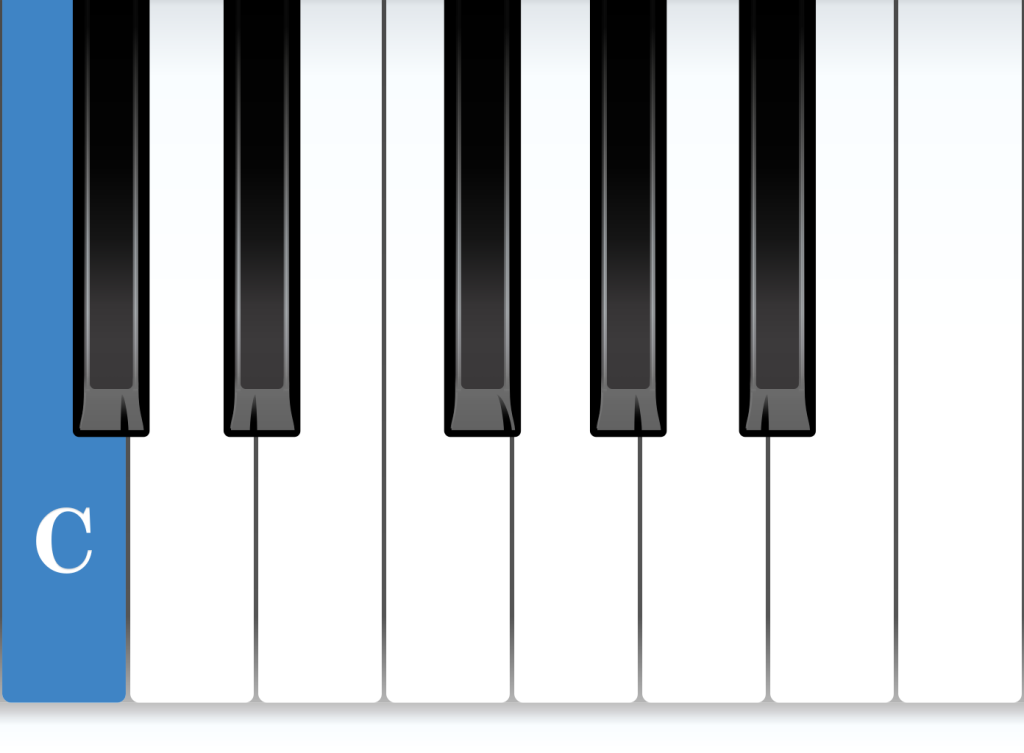
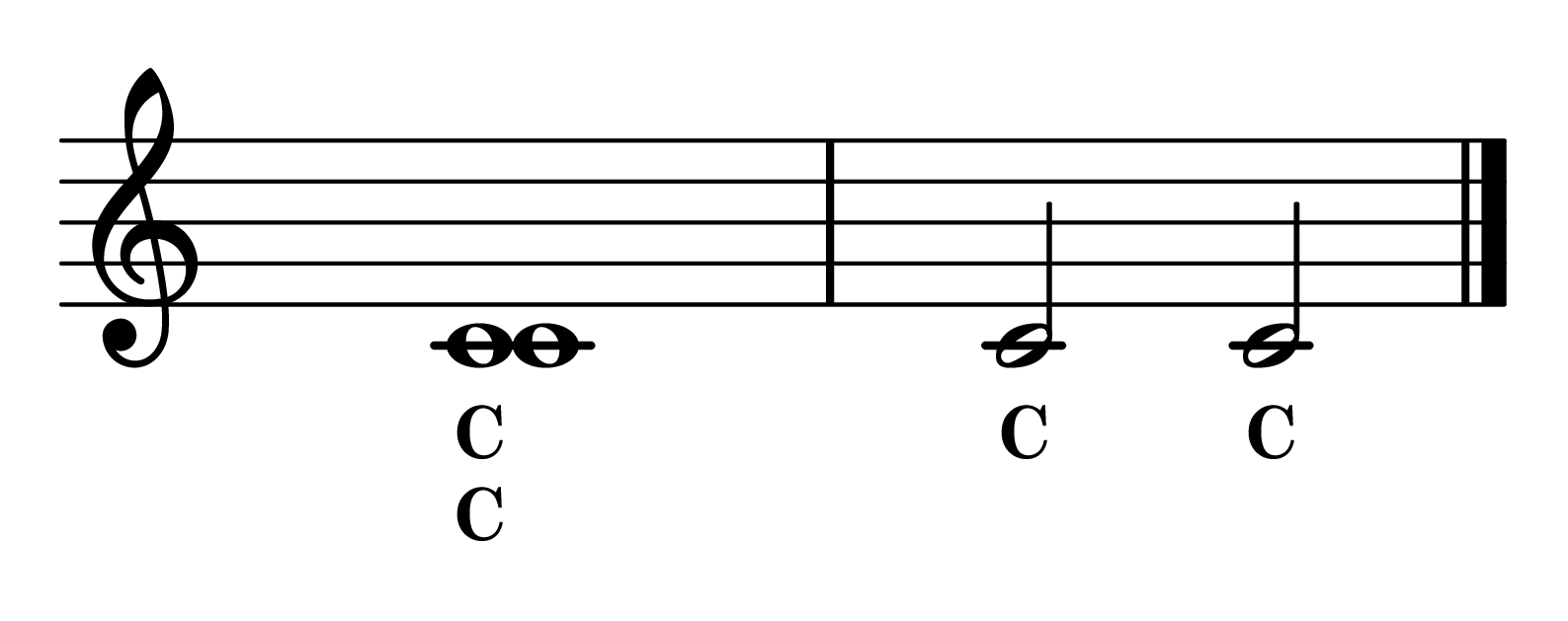
- Unison: the same note
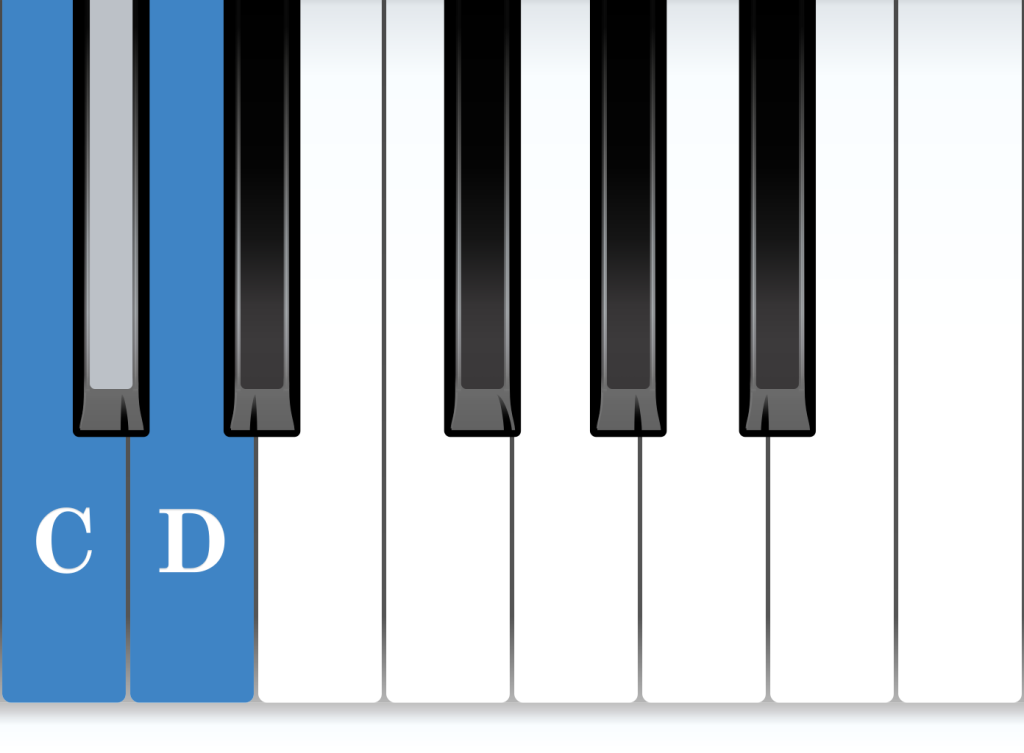
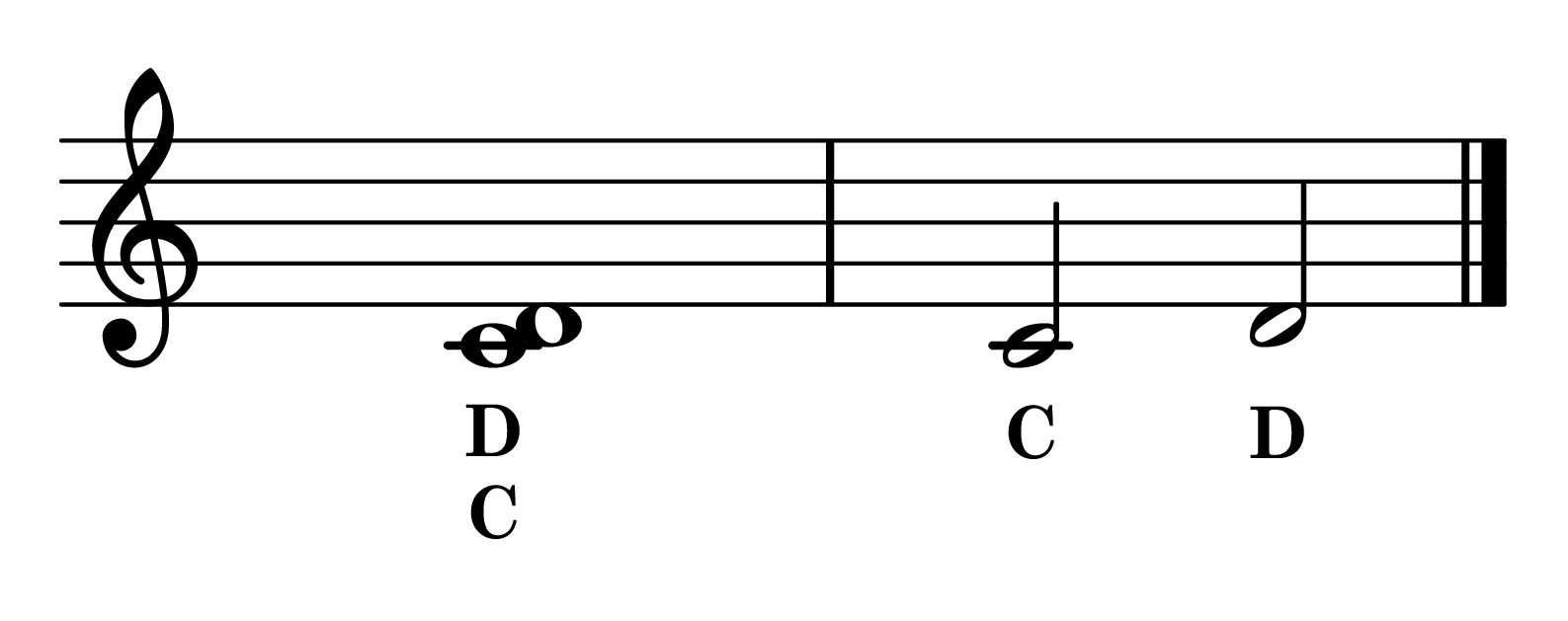
- Minor second (Half Step): 1 half step
- Major second (Whole Step): 2 half steps
- Minor third: 3 half steps
- Major third: 4 half steps
- Perfect fourth: 5 half steps
- Tritone (augmented fourth or diminished fifth): 6 half steps
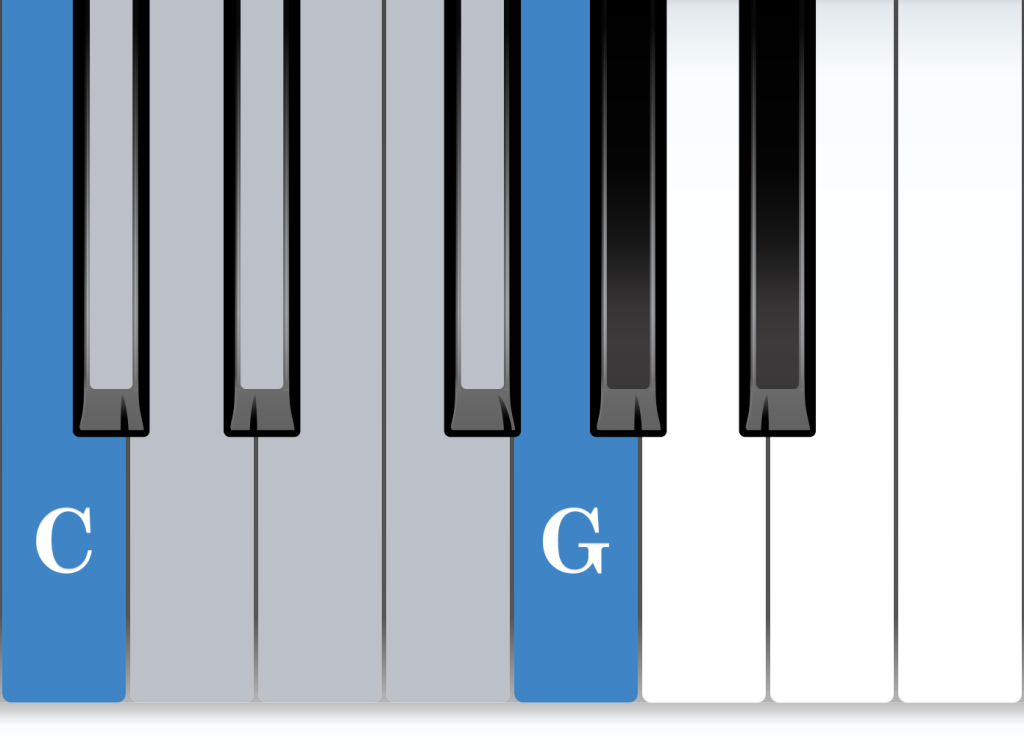
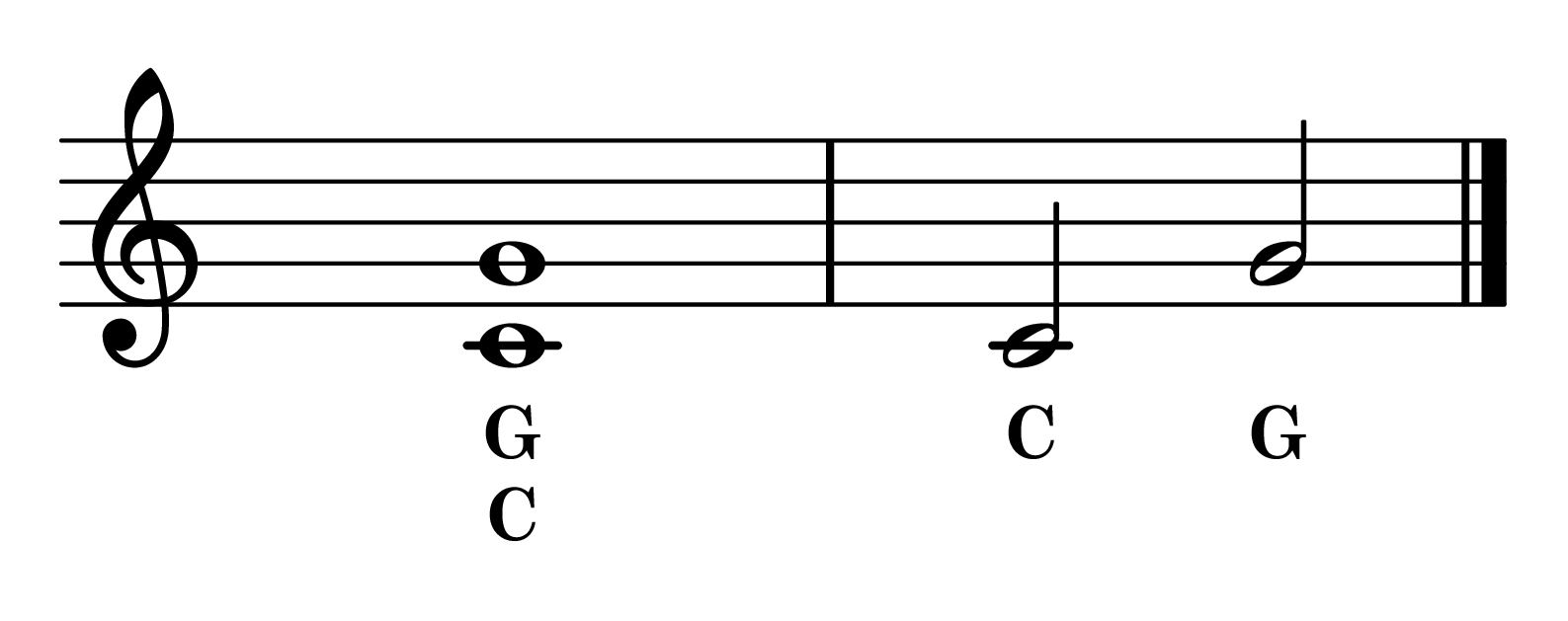
- Perfect fifth: 7 half steps
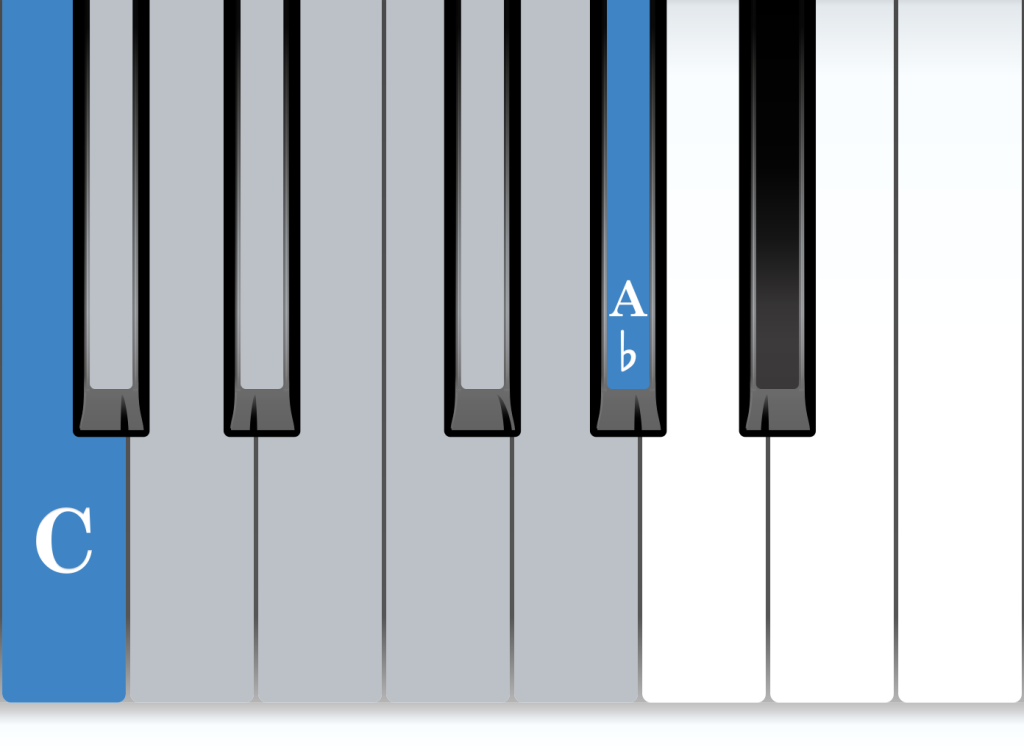
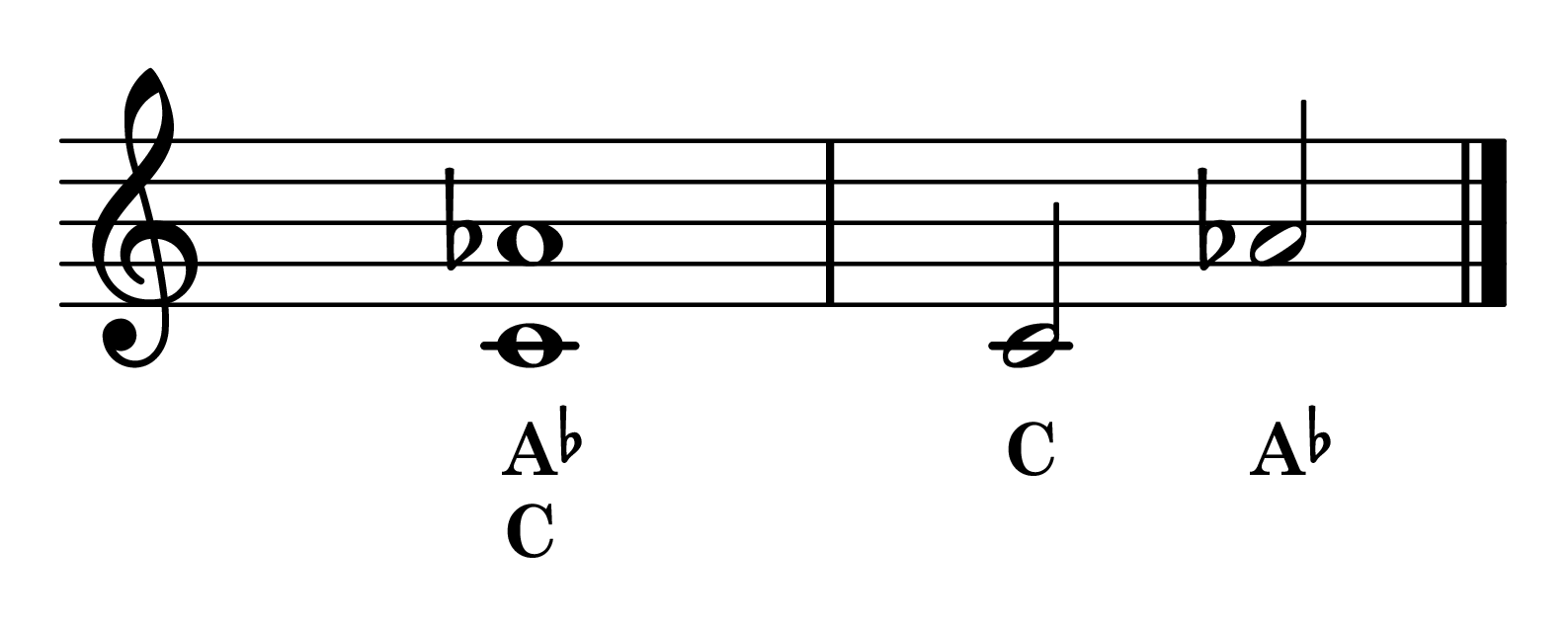
- Minor sixth: 8 half steps
- Major sixth: 9 half steps
- Minor seventh: 10 half steps
- Major seventh: 11 half steps
- Octave: 12 half steps
Seconds, thirds, sixths and sevenths come in two sizes, major and minor, a half step apart. The major forms are the distances from the first note of a major scale up to its 2nd, 3rd, 6th and 7th. Major intervals tend to sound brighter, minor ones softer and darker, though the context always matters.
Unisons, fourths, fifths and octaves have only one common size, called perfect. They sound the same in major and minor keys, and they are the most open, stable sounds we have.
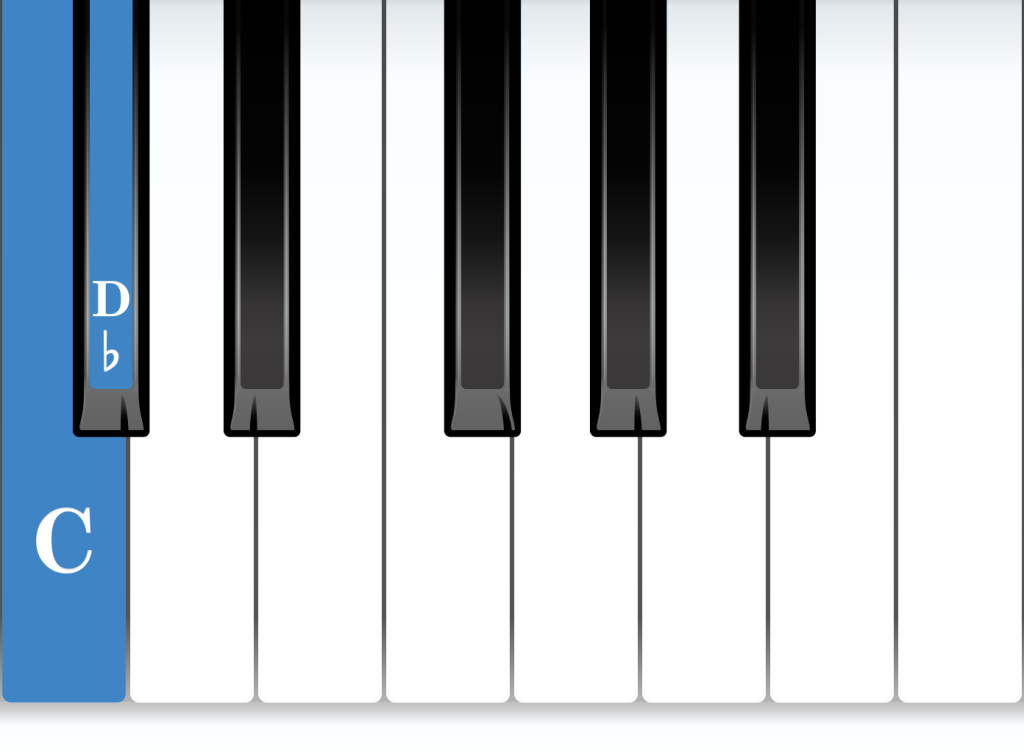
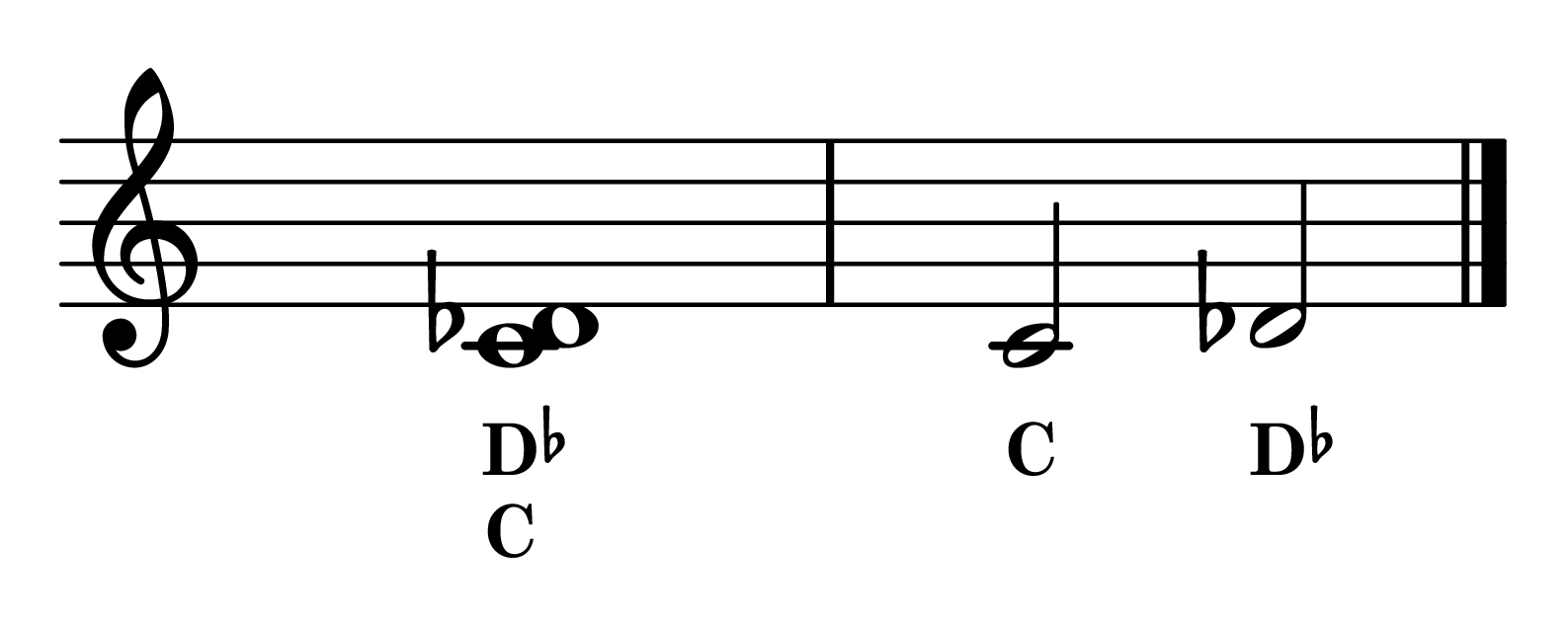
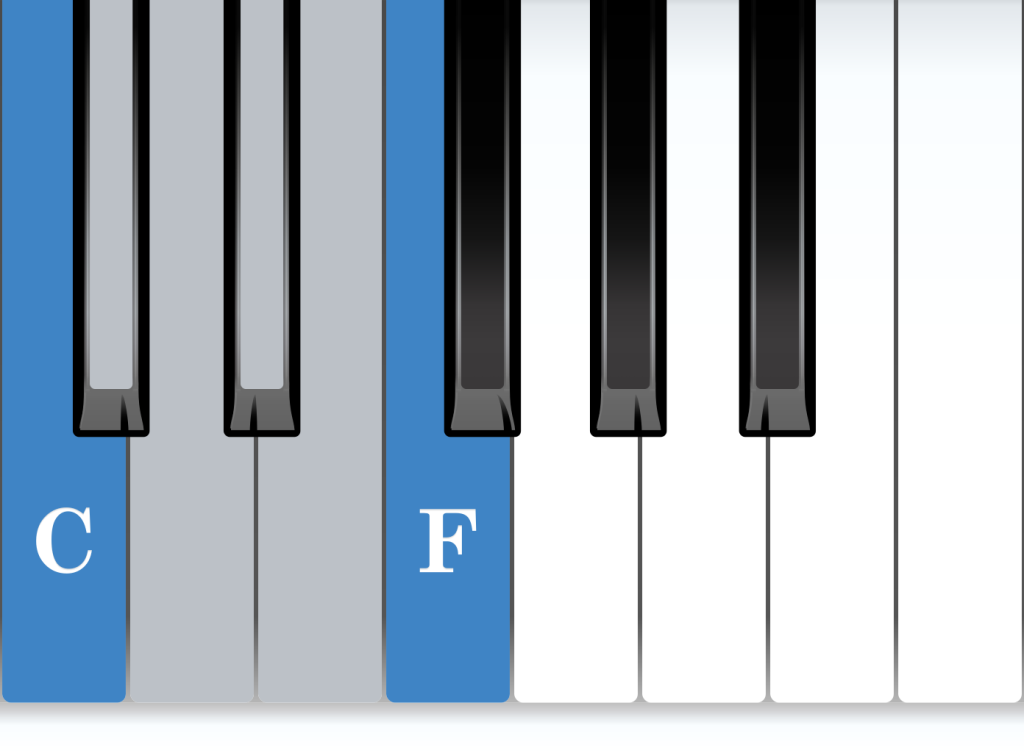
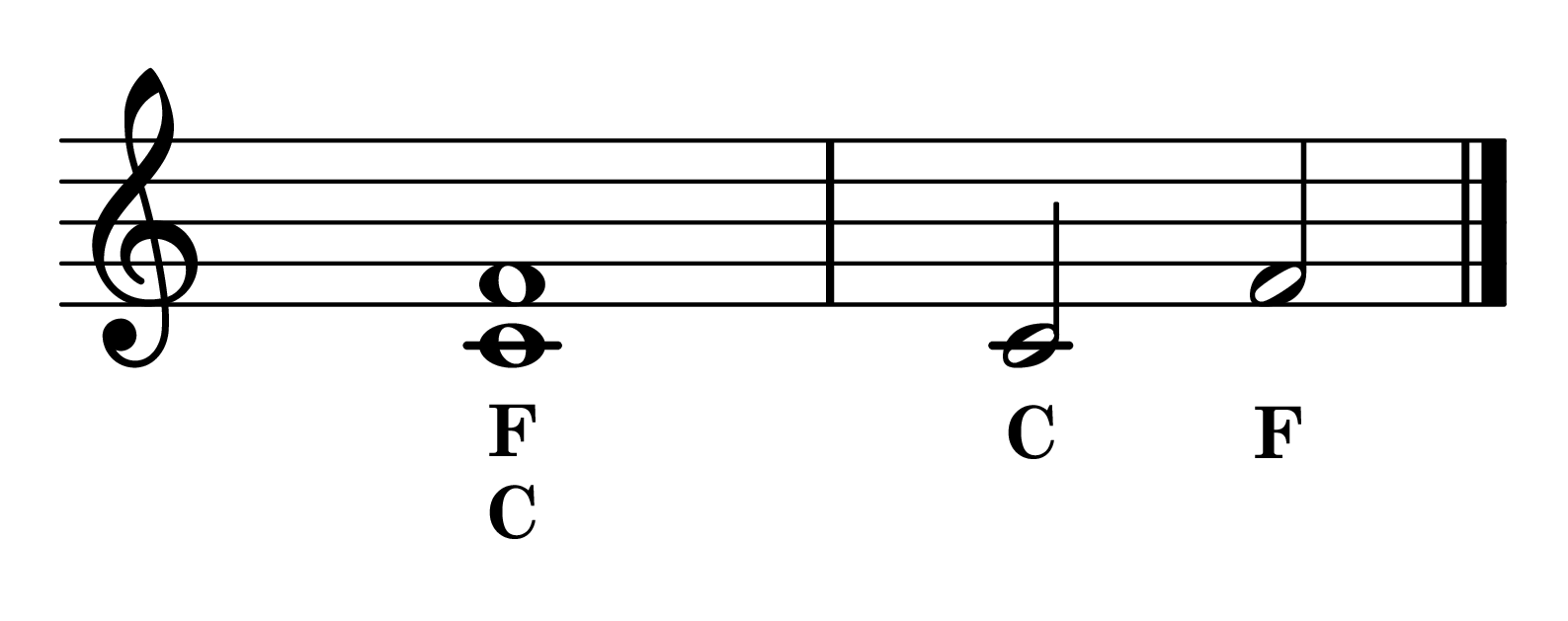
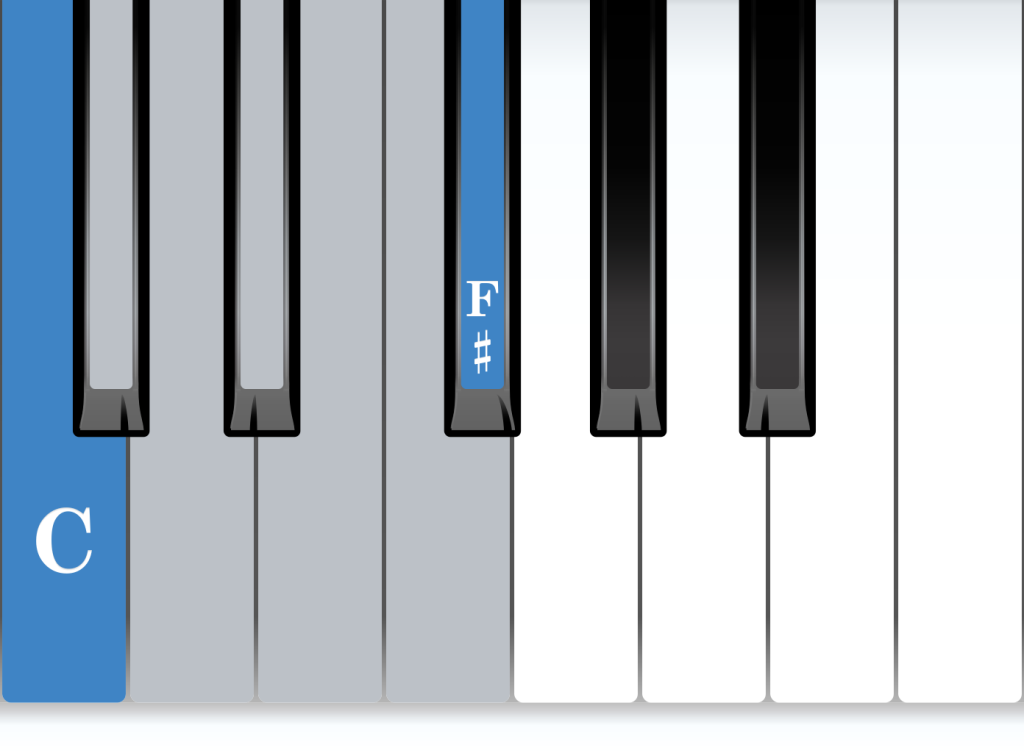
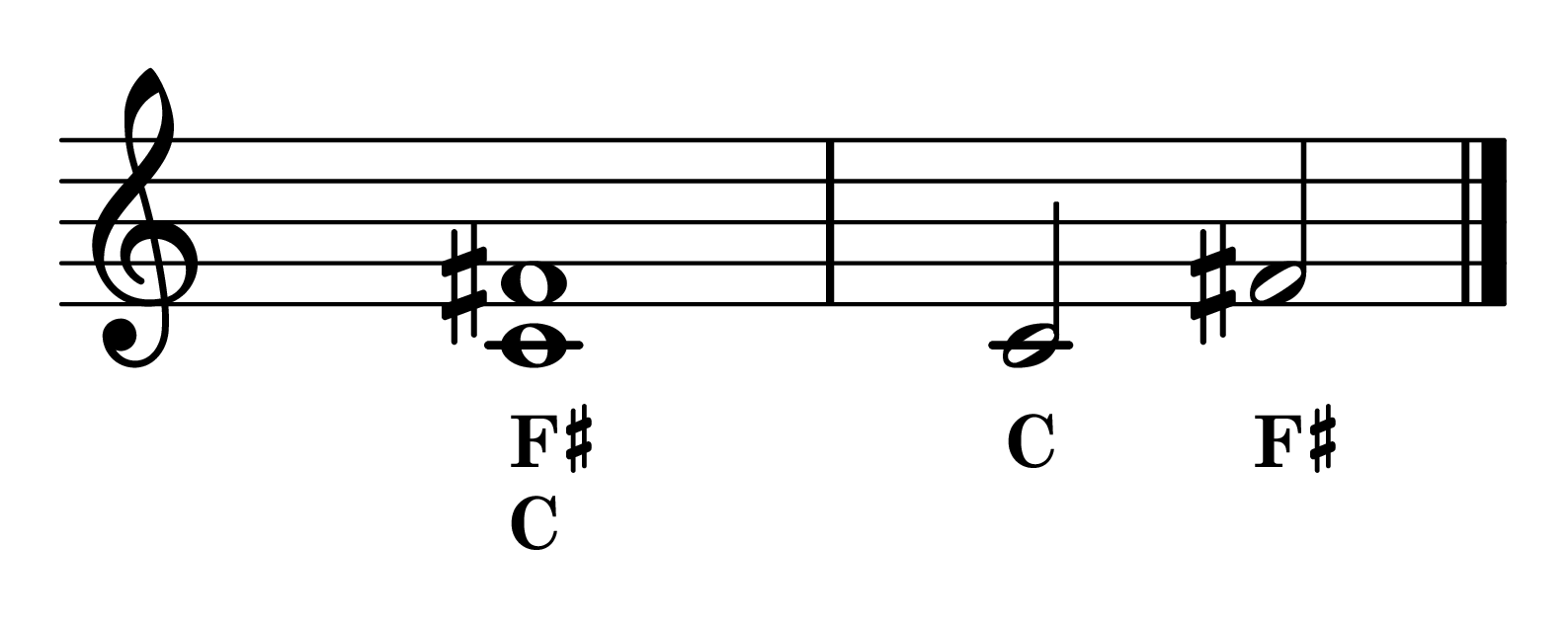
Make any interval a half step larger than major or perfect and it becomes augmented; a half step smaller than minor or perfect and it becomes diminished. The spelling decides which name applies: C up to C♯ is an augmented unison (one letter name), while C up to D♭ is a minor second (two letter names), even though they are the same keys.
Each interval has its own lesson: every shape it takes on the keyboard, the same notes on the staff, how it sounds, and how it feels in the hand.
The 13 Intervals
Inverting intervals
Inverting an interval turns it upside down: the lower note moves up an octave (or the upper note down one). C up to E, a major third, becomes E up to C, a minor sixth.
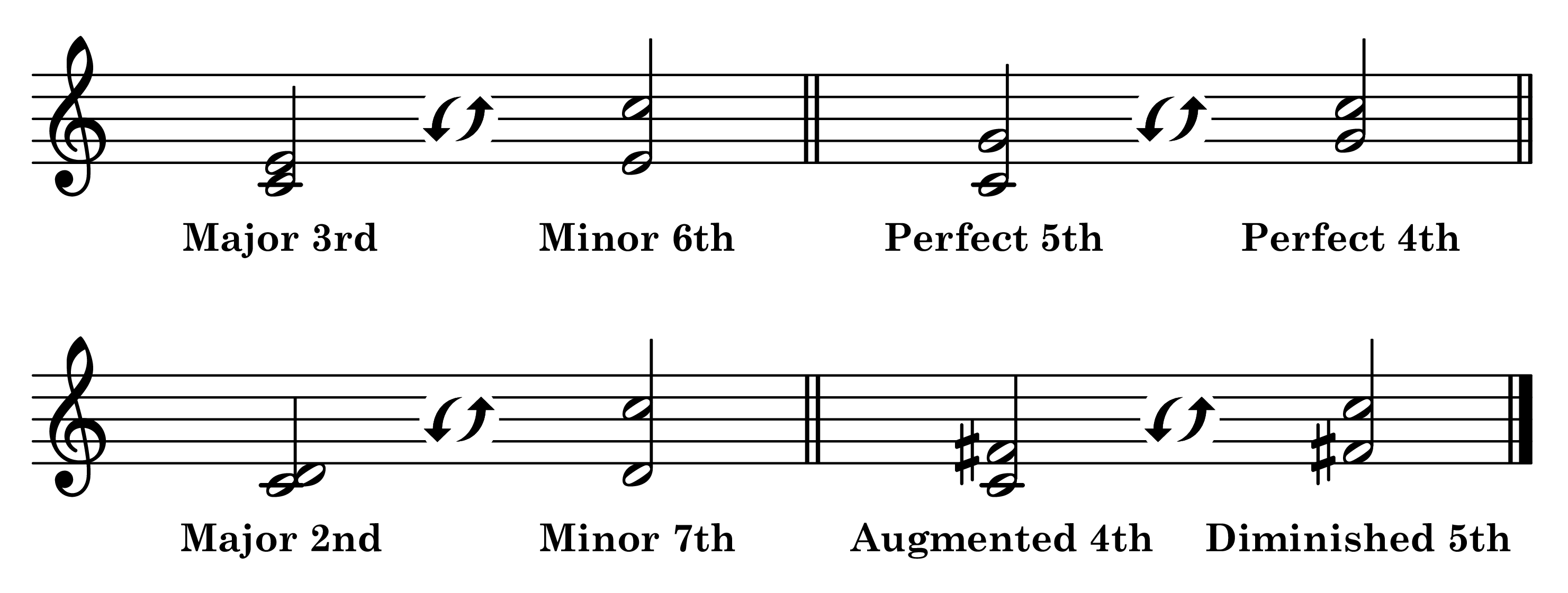
Two simple rules cover every inversion. The numbers add up to nine: a third becomes a sixth, a second becomes a seventh, a fourth becomes a fifth. And the qualities swap: major becomes minor, minor becomes major, augmented becomes diminished, while perfect stays perfect. The half steps add up to twelve (four plus eight for the third and sixth). The tritone is its own inversion: six half steps either way.
Inversion is more than a theory exercise. It helps us recognize chords in their inversions, it shortens the counting for wide intervals (a seventh is easier to find as an octave minus a step), and on the keyboard it swaps an interval’s shapes: a white-to-black shape inverts to a black-to-white one.
Where intervals lead
Intervals connect to almost everything else we play. Scales are made of seconds; chords are stacked thirds; arpeggios spread those thirds across the keyboard; and the modes are the same seconds arranged around a different home note.
Beyond the octave, the same names continue as compound intervals: a ninth is an octave plus a second, a tenth an octave plus a third. They sound and work much like their simple forms, a little more spread out.
Most of all, intervals are practice for the eye and the ear together. The more readily we recognize a third on the staff, hear it, and feel it under the hand, the more fluently we read and the more we hear in the music we play.
Questions and answers
No questions here yet. Be the first to ask one.