Questions and answers
No questions on this lesson yet. Be the first to ask one.
The D-flat major scale uses all five black keys, with just two white keys, F and C. The fingering lines up with the groups of black keys, so the hand shape repeats naturally. What tends to help is noticing that the thumbs only ever play the two white keys, which gives both hands a clear point to tuck the thumb under.
| D-flat Major Scale Overview | |
|---|---|
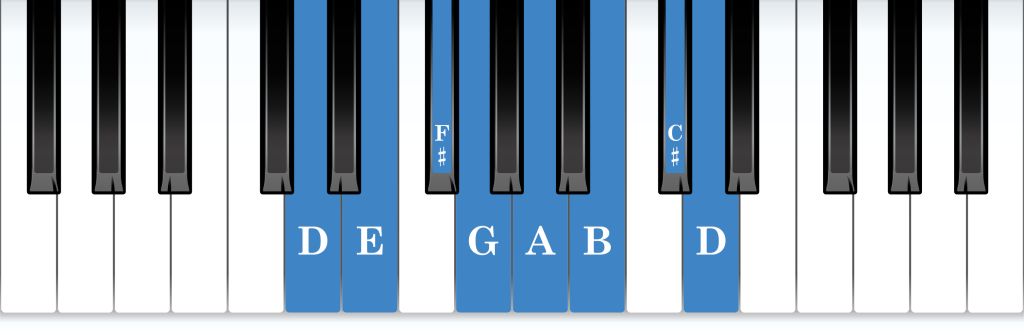
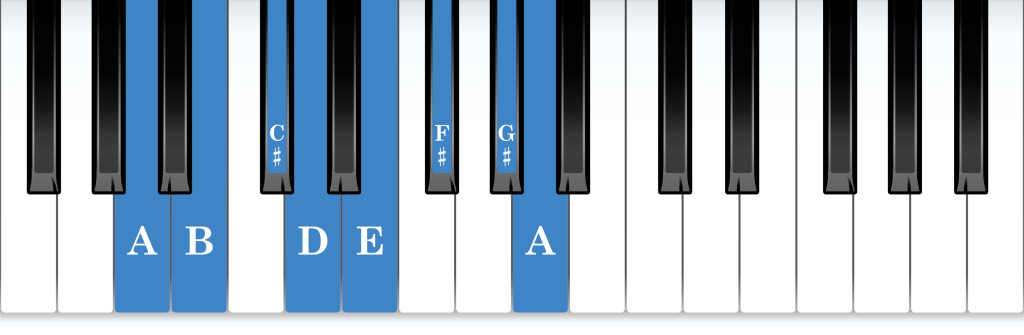
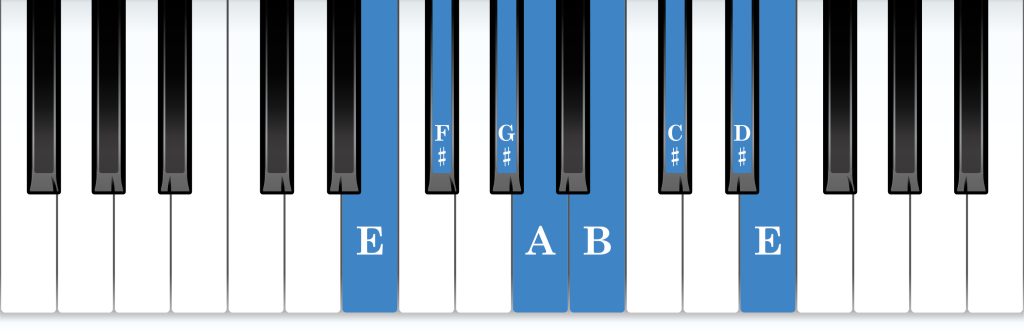
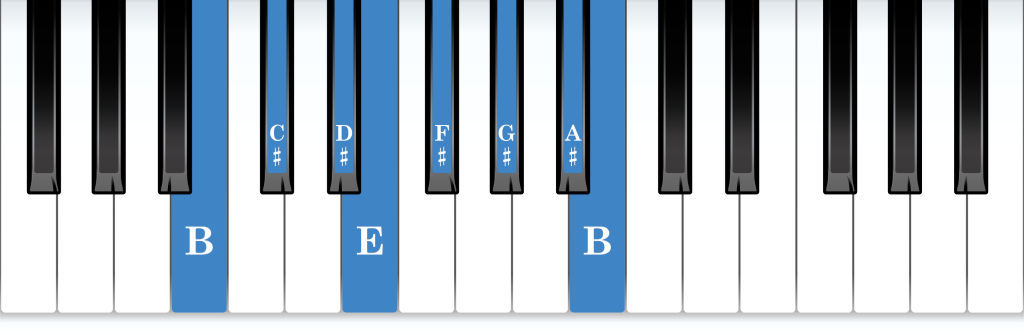
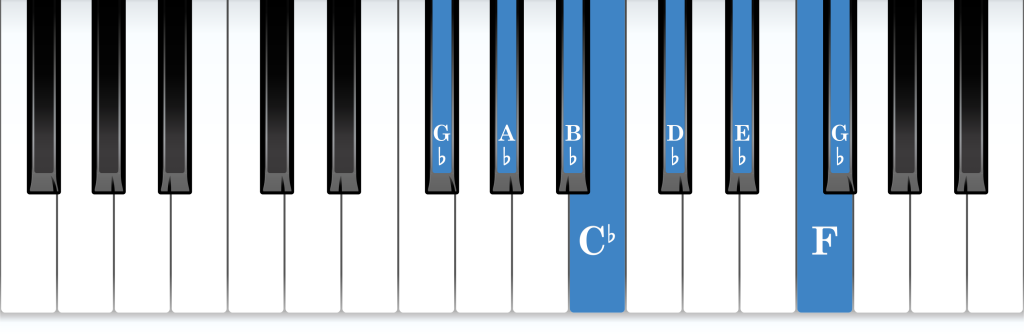
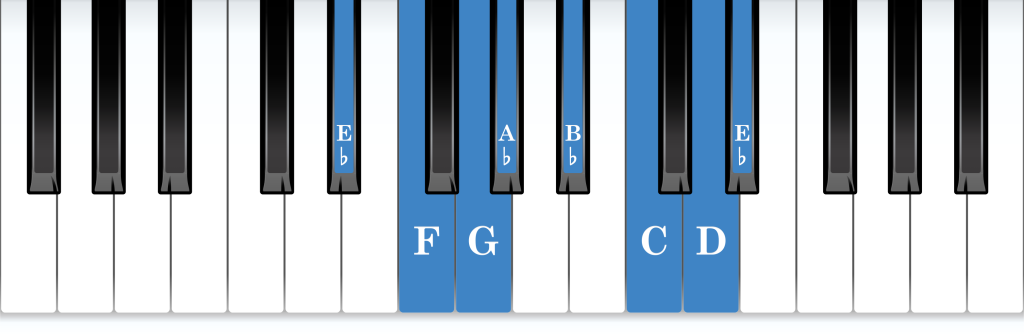
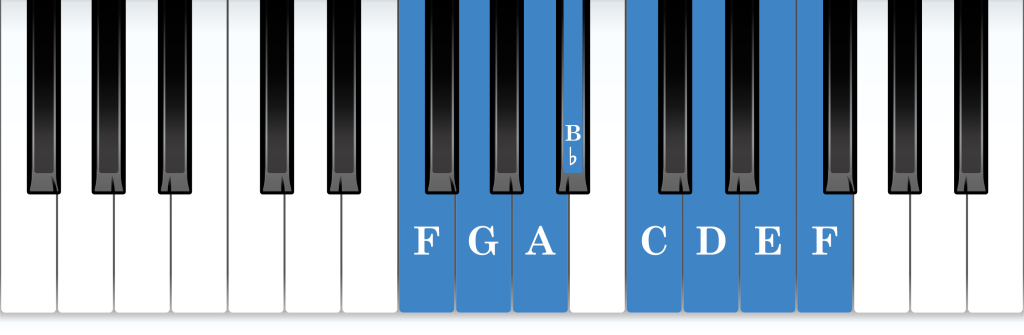
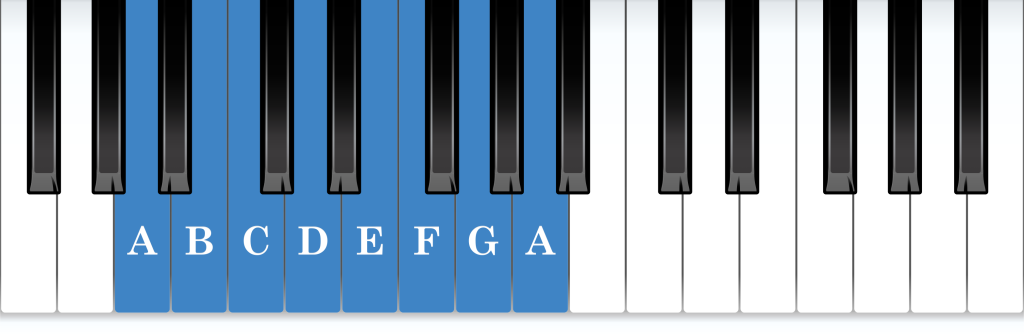
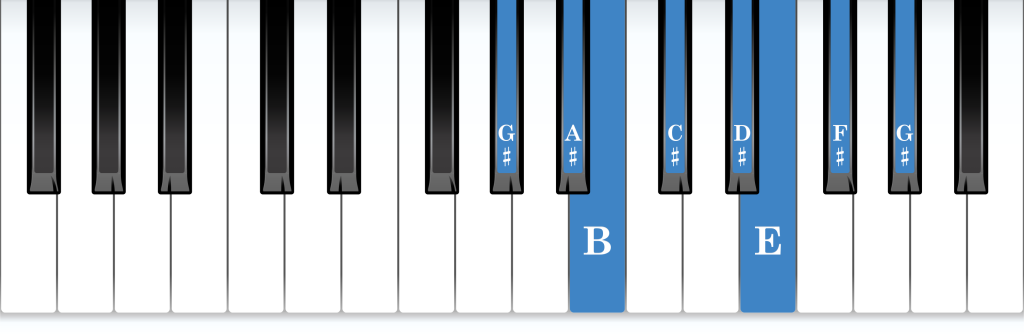
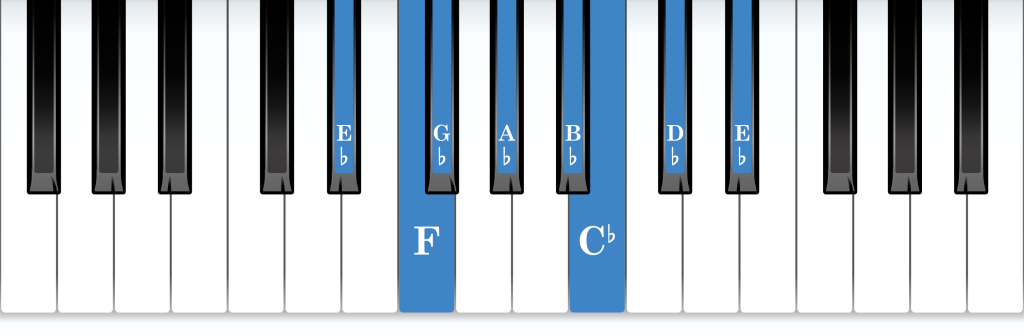
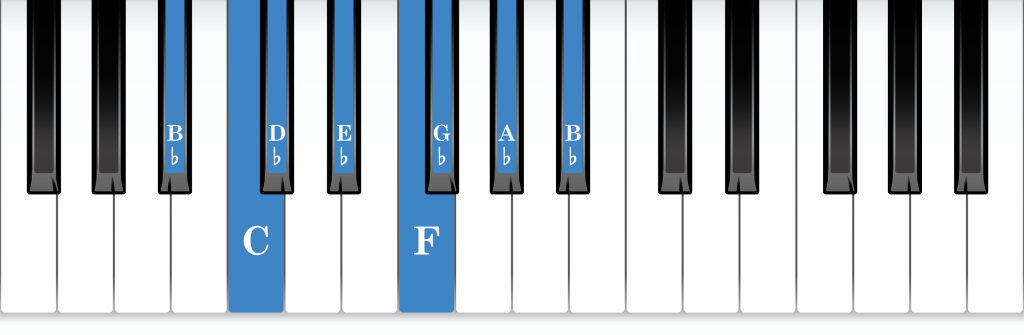
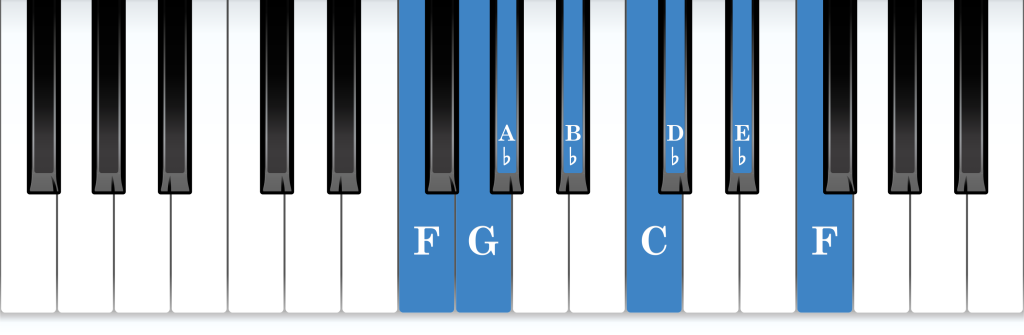
| Keyboard Layout | 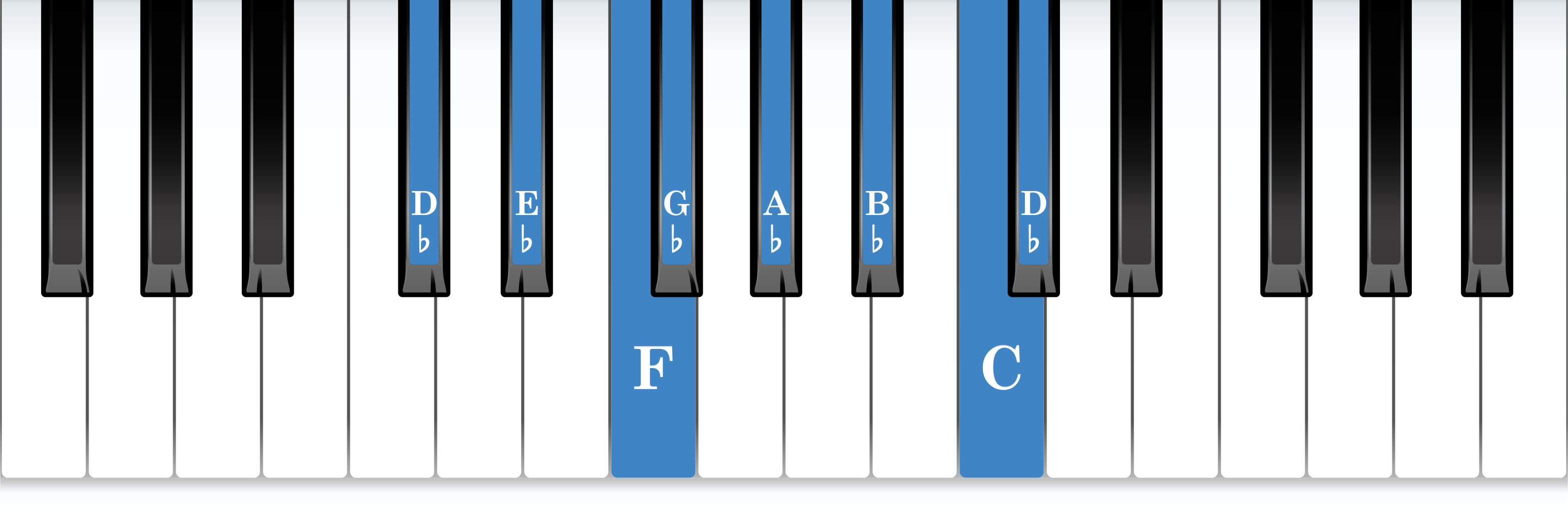 |
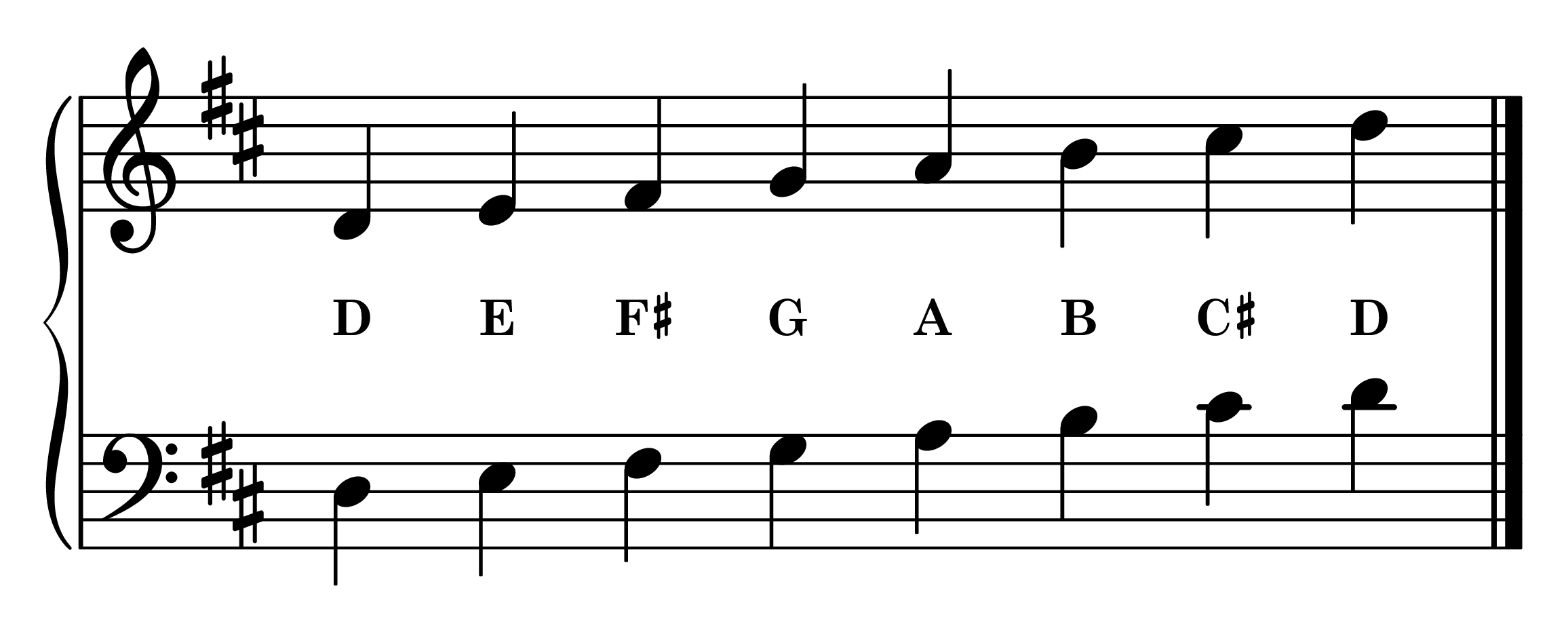
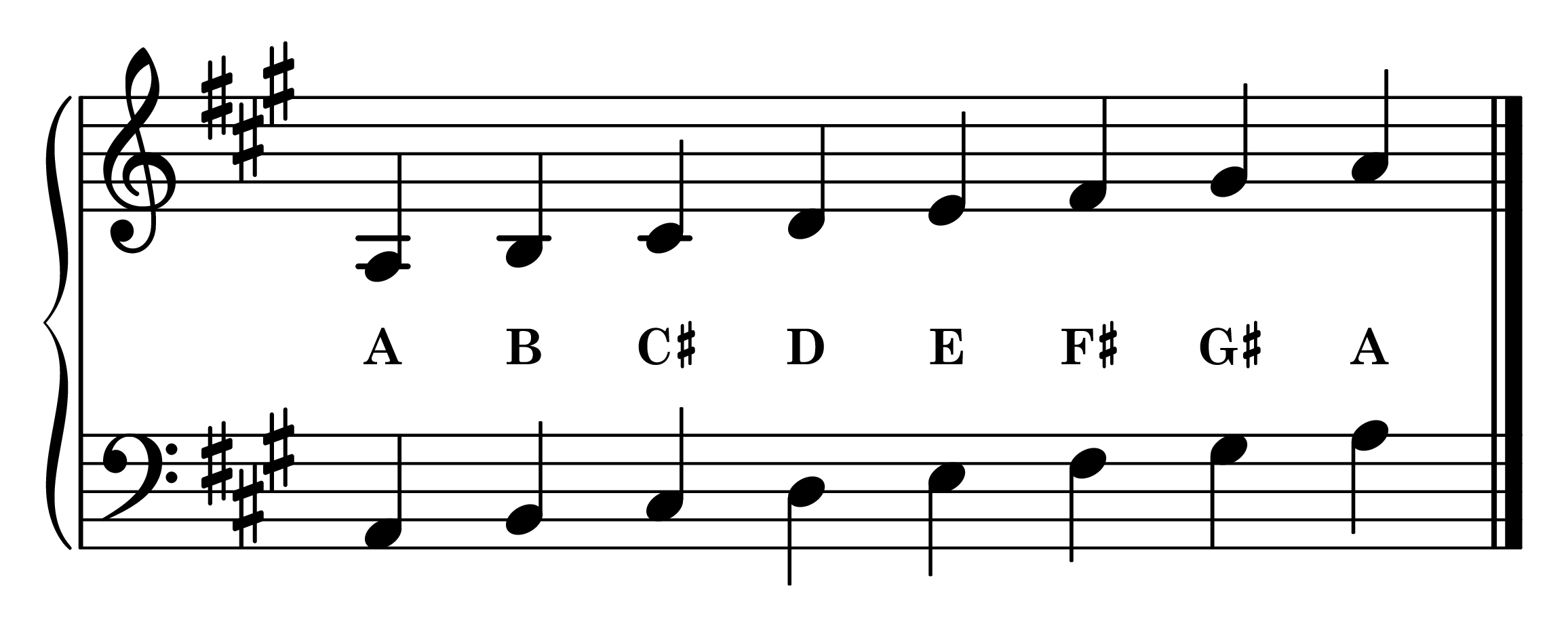
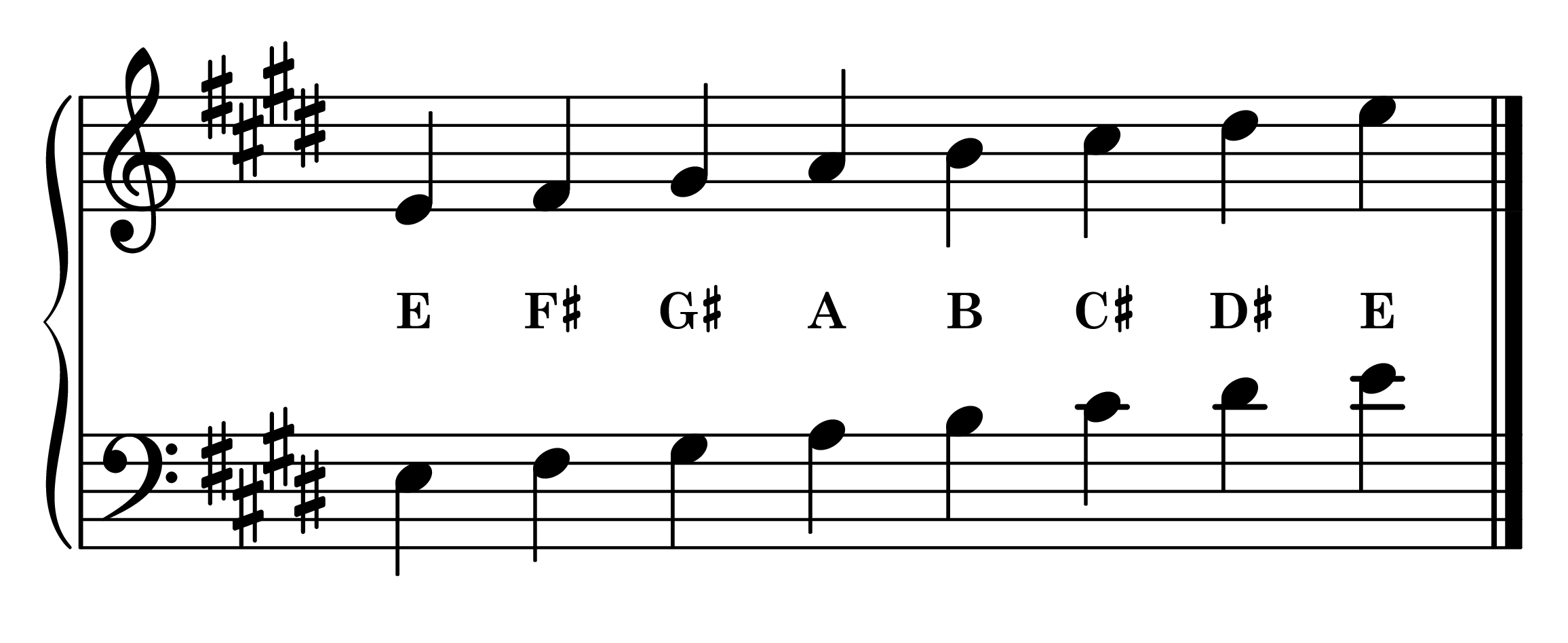
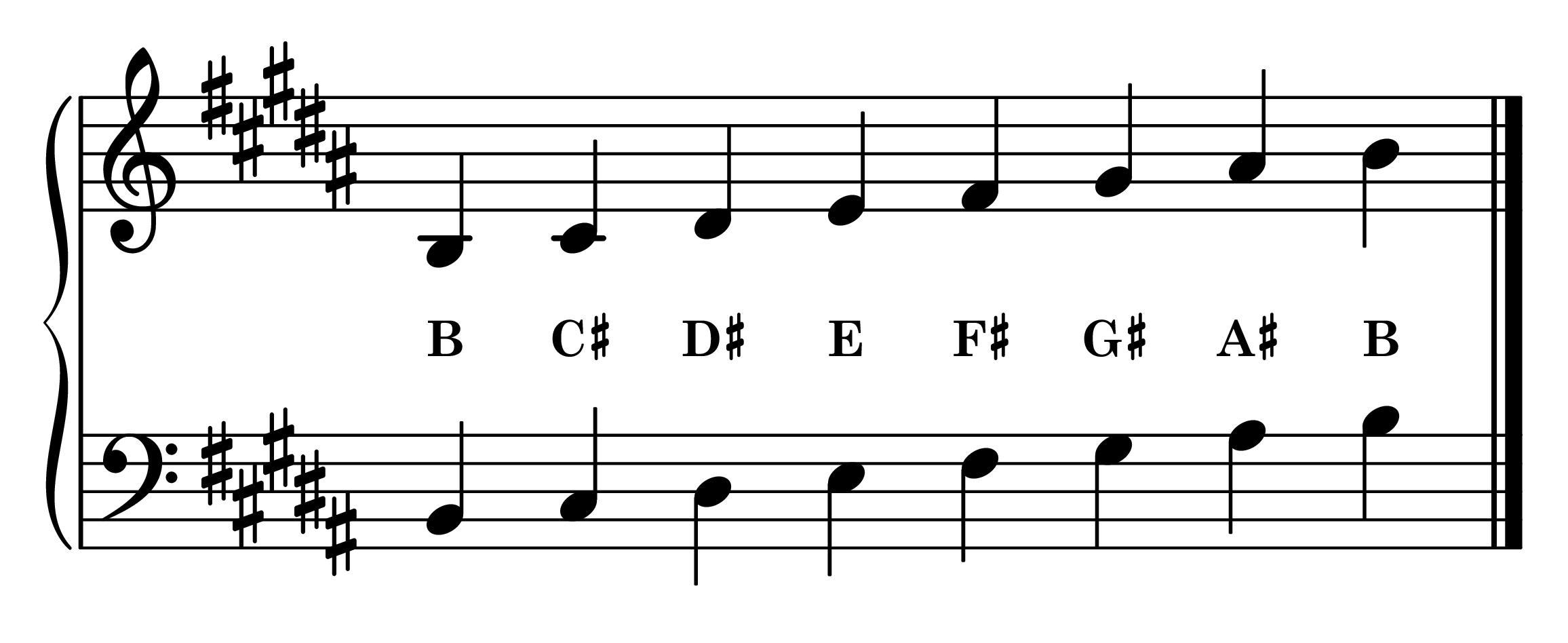
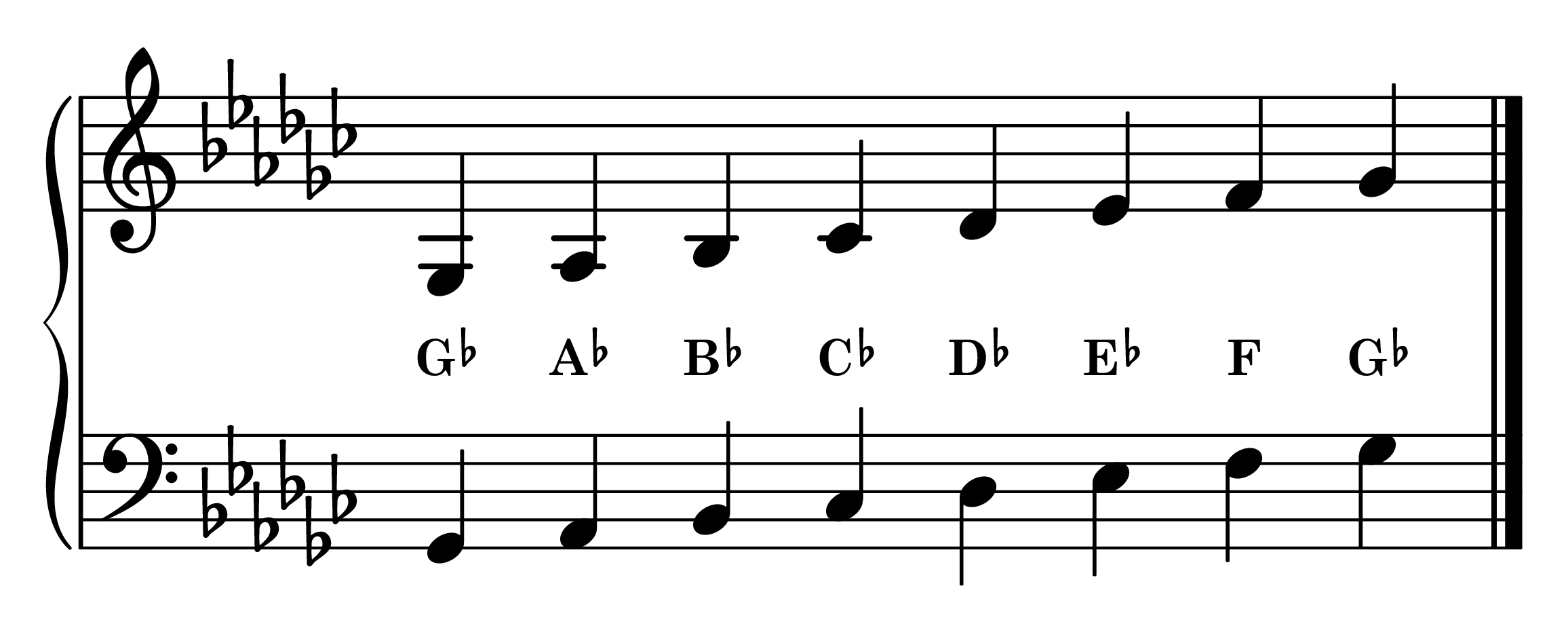
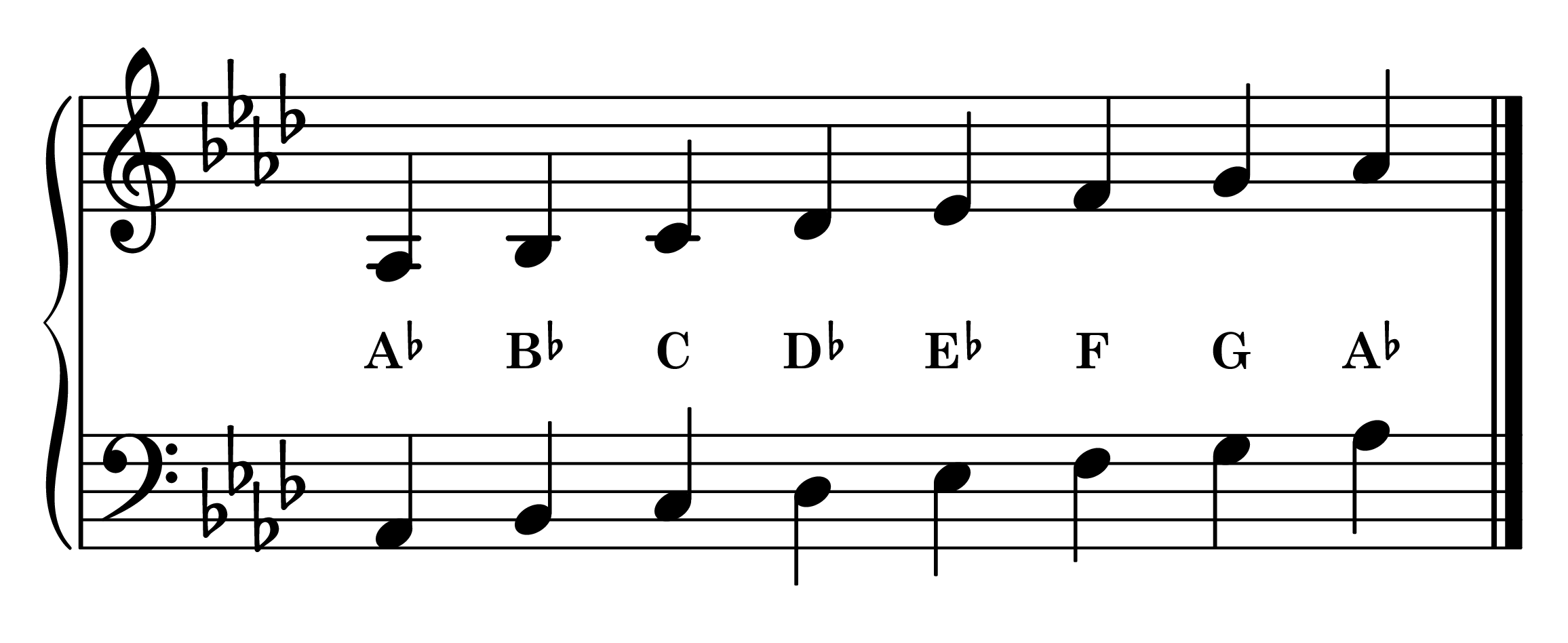
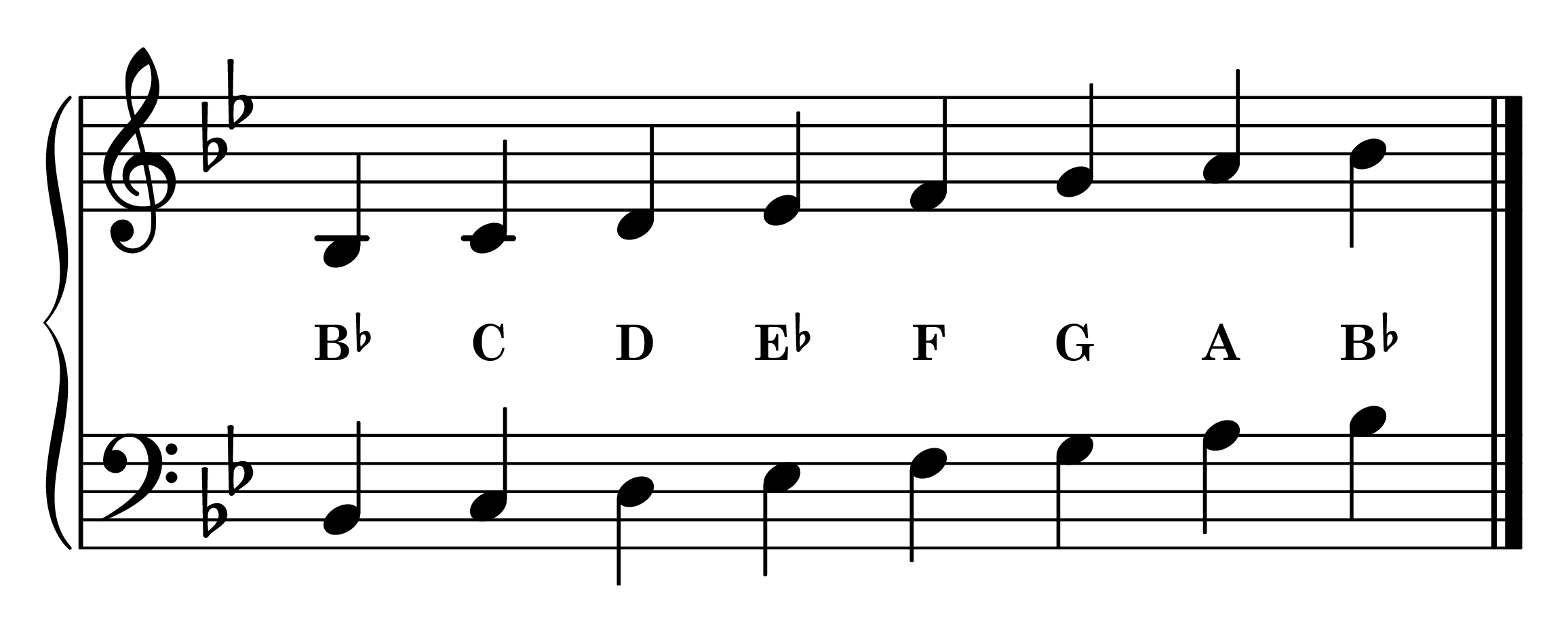
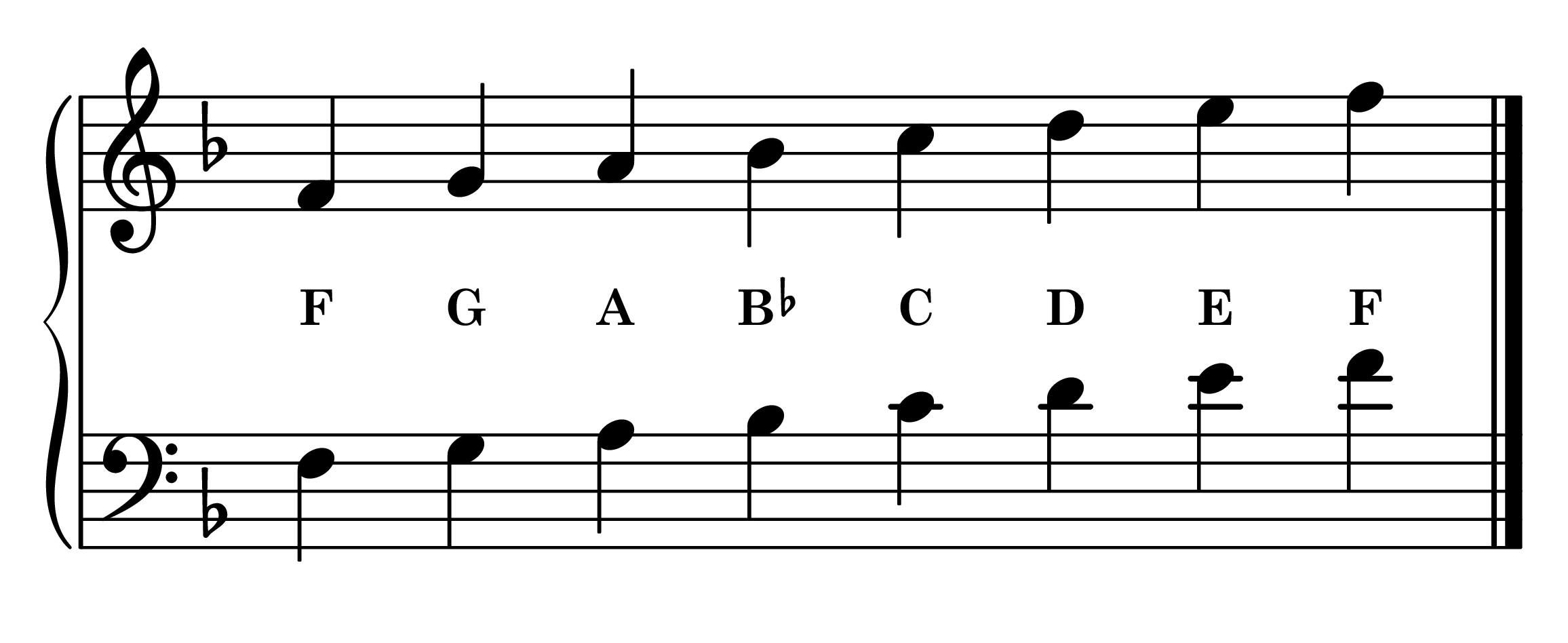
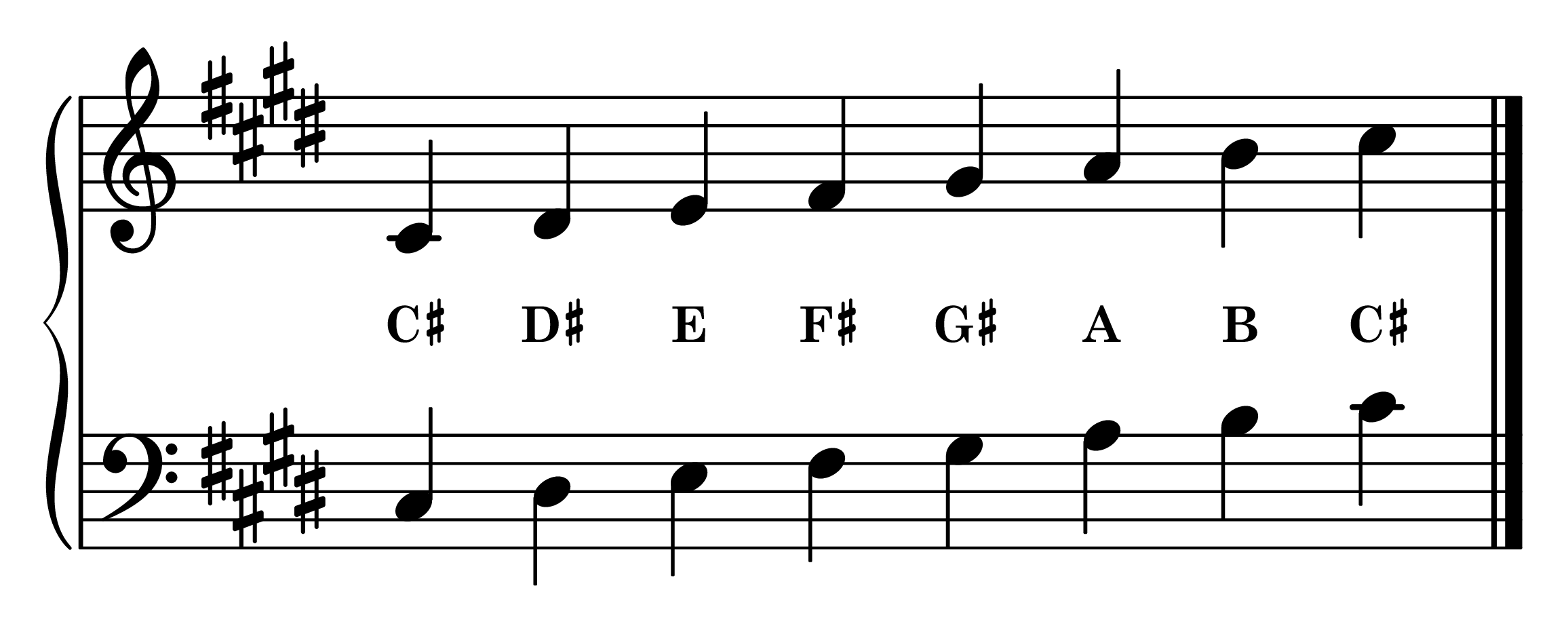
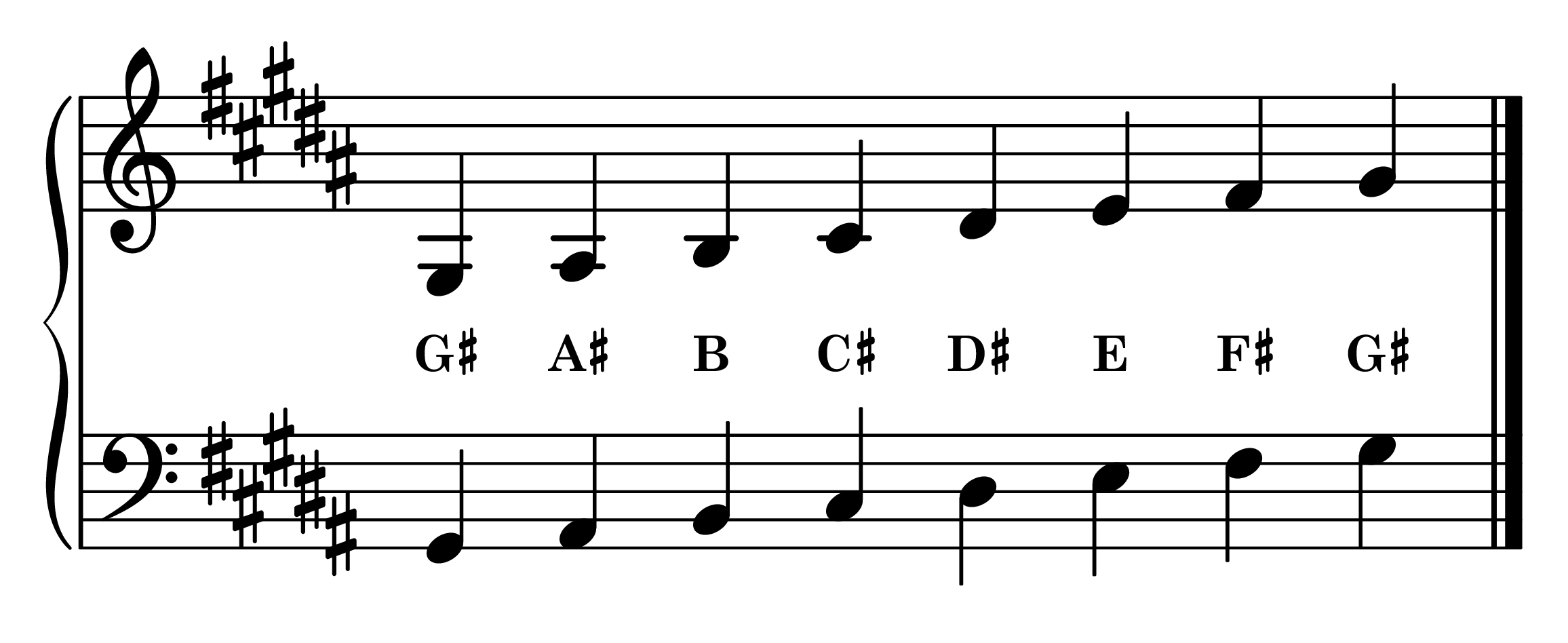
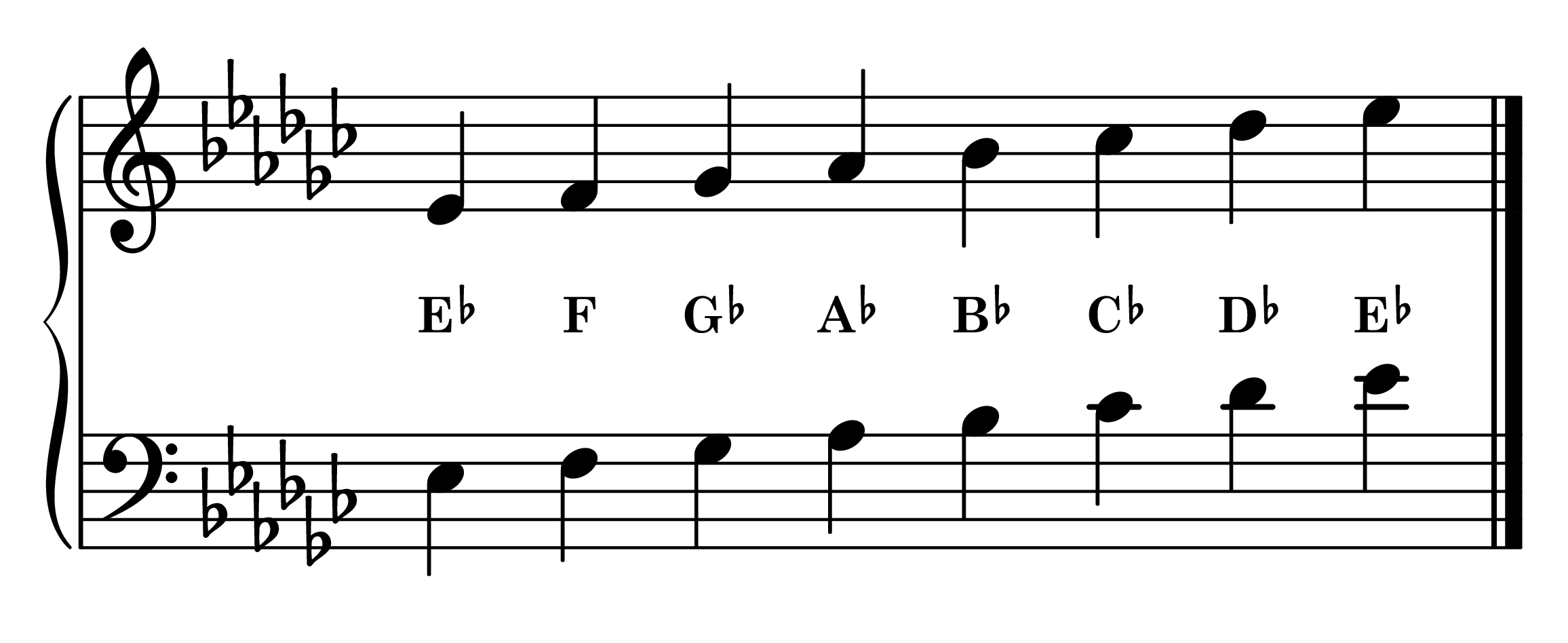
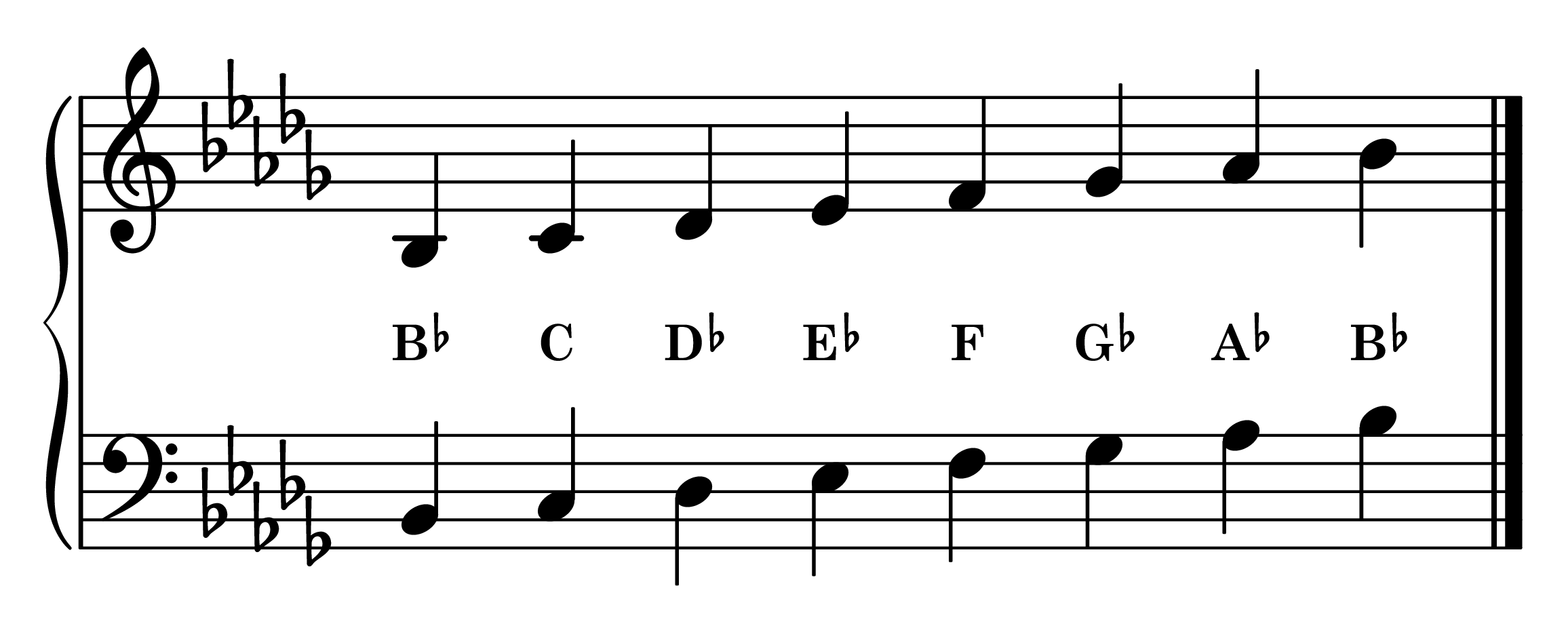
| Staff Layout | 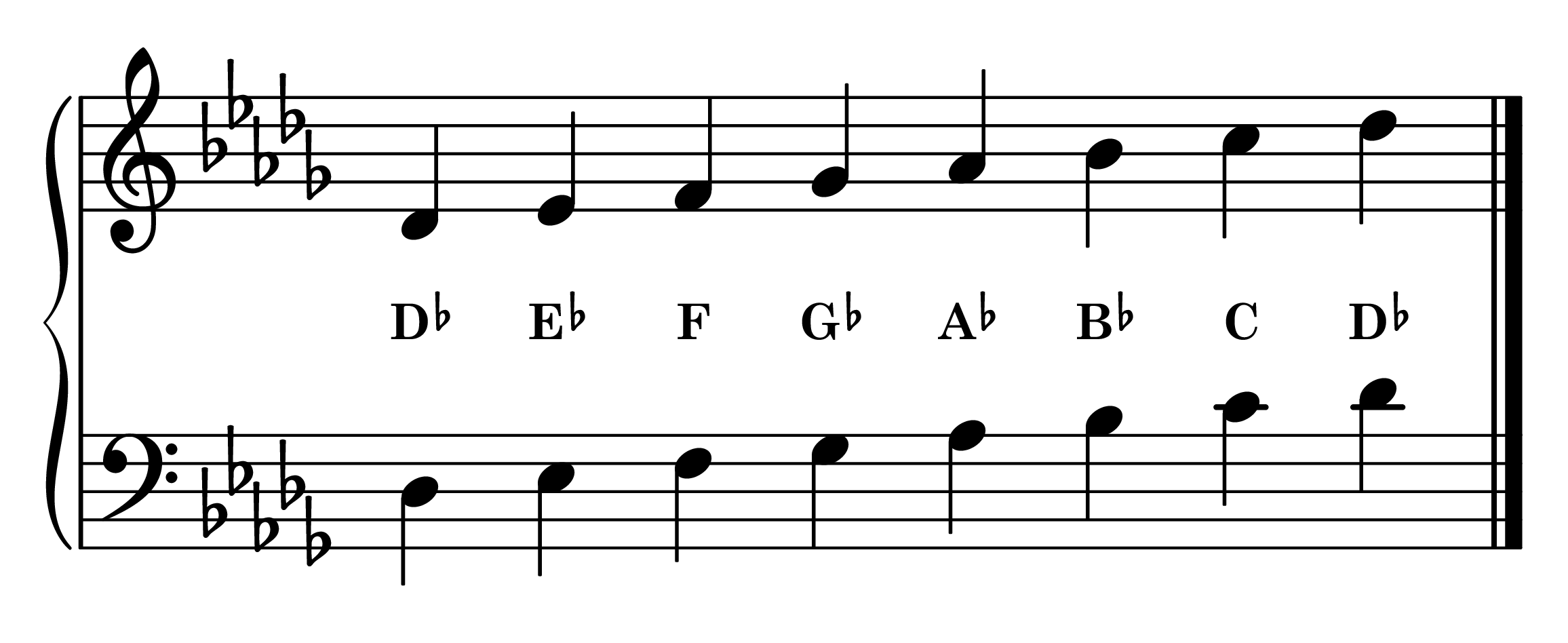 |
| Key Signature | Five flats (B♭, E♭, A♭, D♭, G♭) |
| Notes of Scale | D♭, E♭, F, G♭, A♭, B♭, C, D♭ |
| RH Fingering | 2 3 - 1 2 3 4 - 1 2 |
| LH Fingering | 3 2 1 - 4 3 2 1 - 3 |
| Relative Scale | B-flat Minor Scale |
| Parallel Scale | C-sharp Minor Scale |
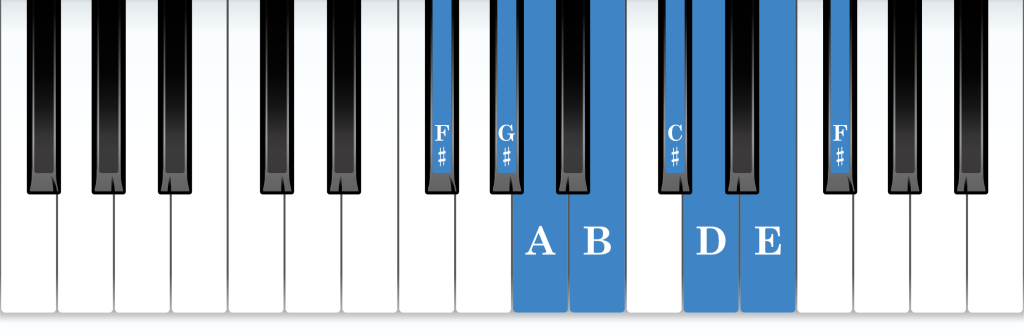
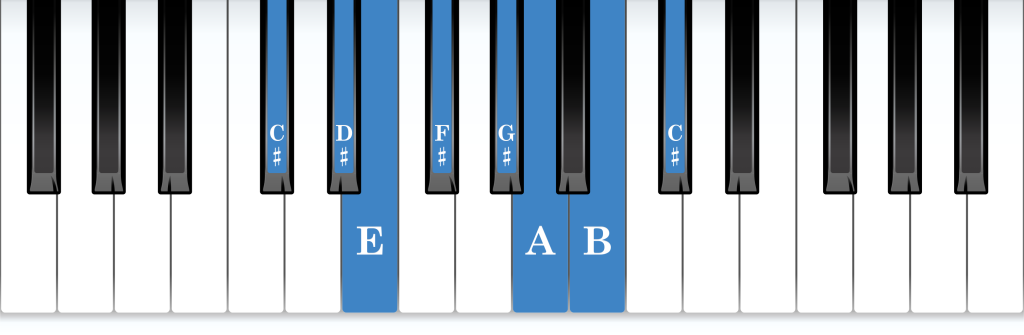
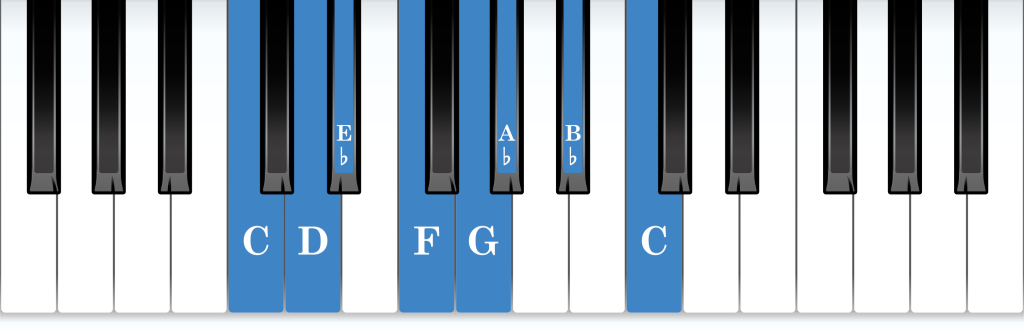
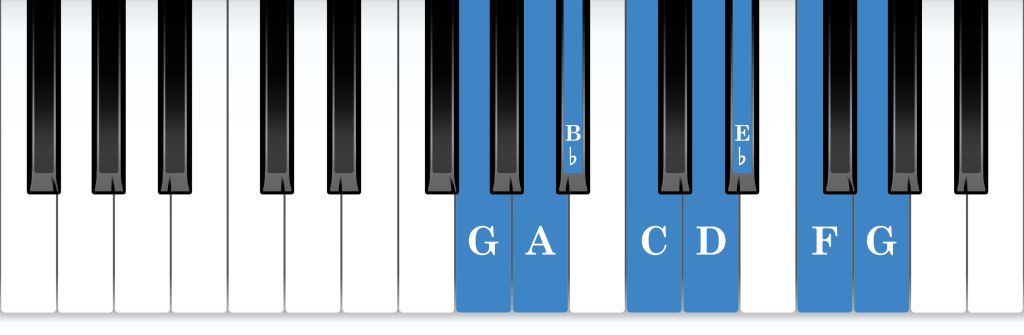
The D-flat major scale uses all five black keys, with only two white keys, F and C. As a terrain, it’s the two groups of black keys, the pair D-flat and E-flat and the three G-flat, A-flat, and B-flat, with the white keys filling the gaps.
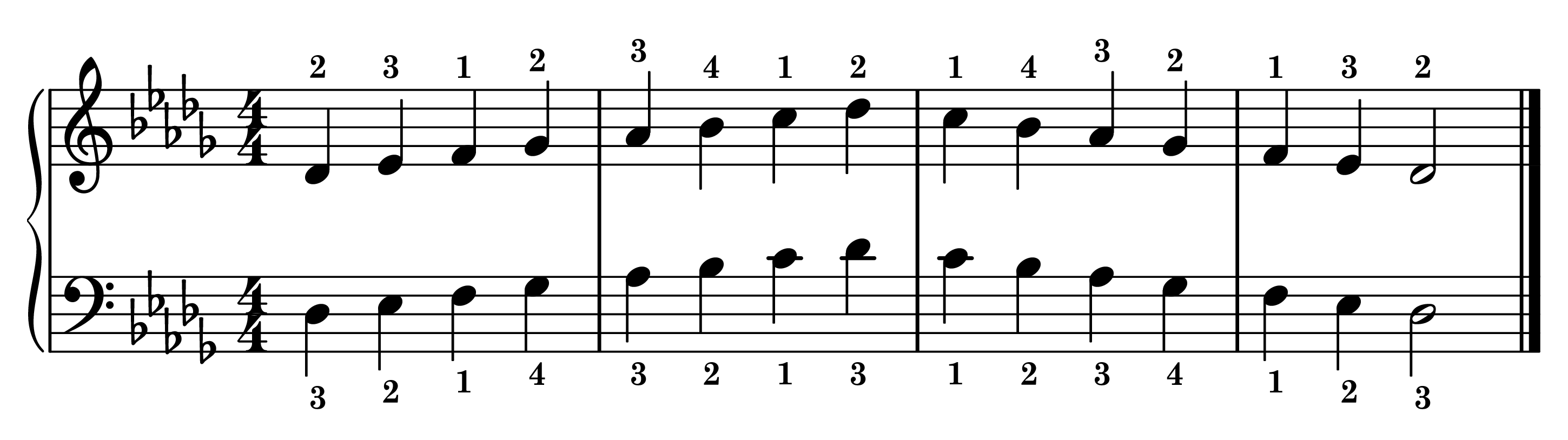
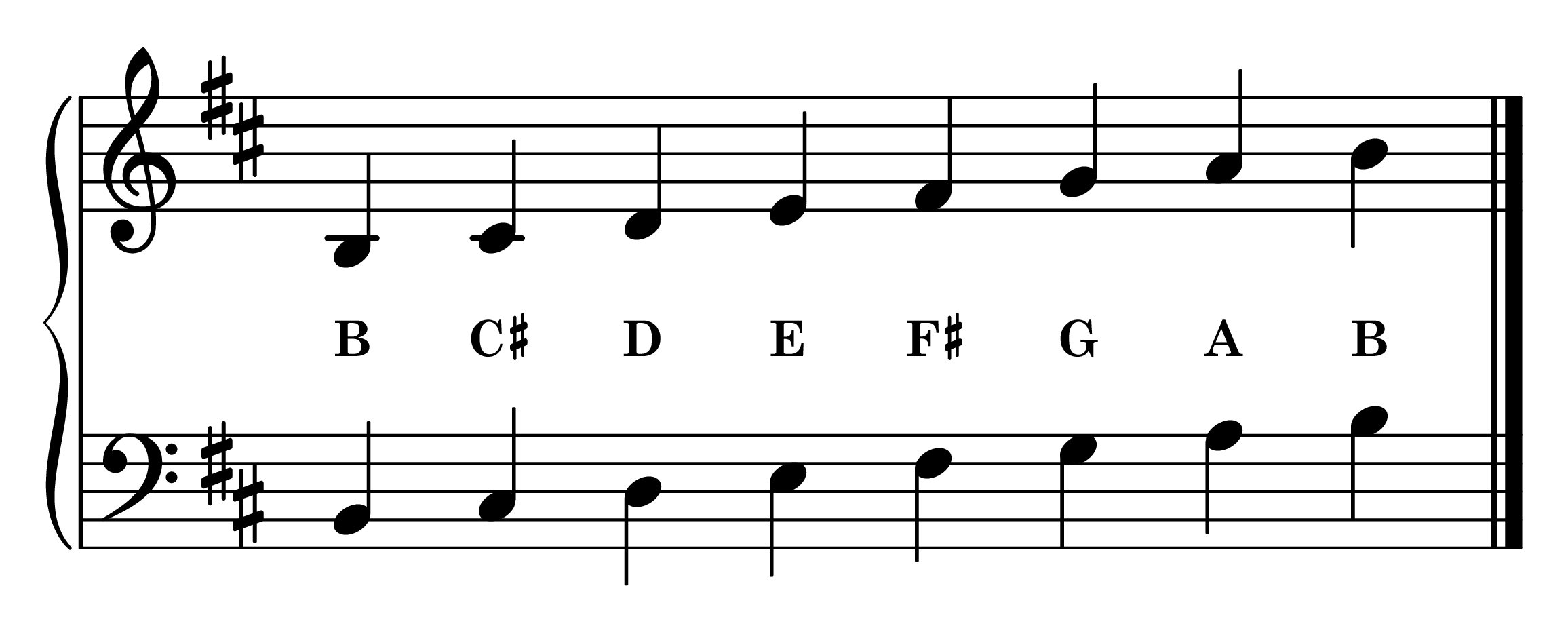
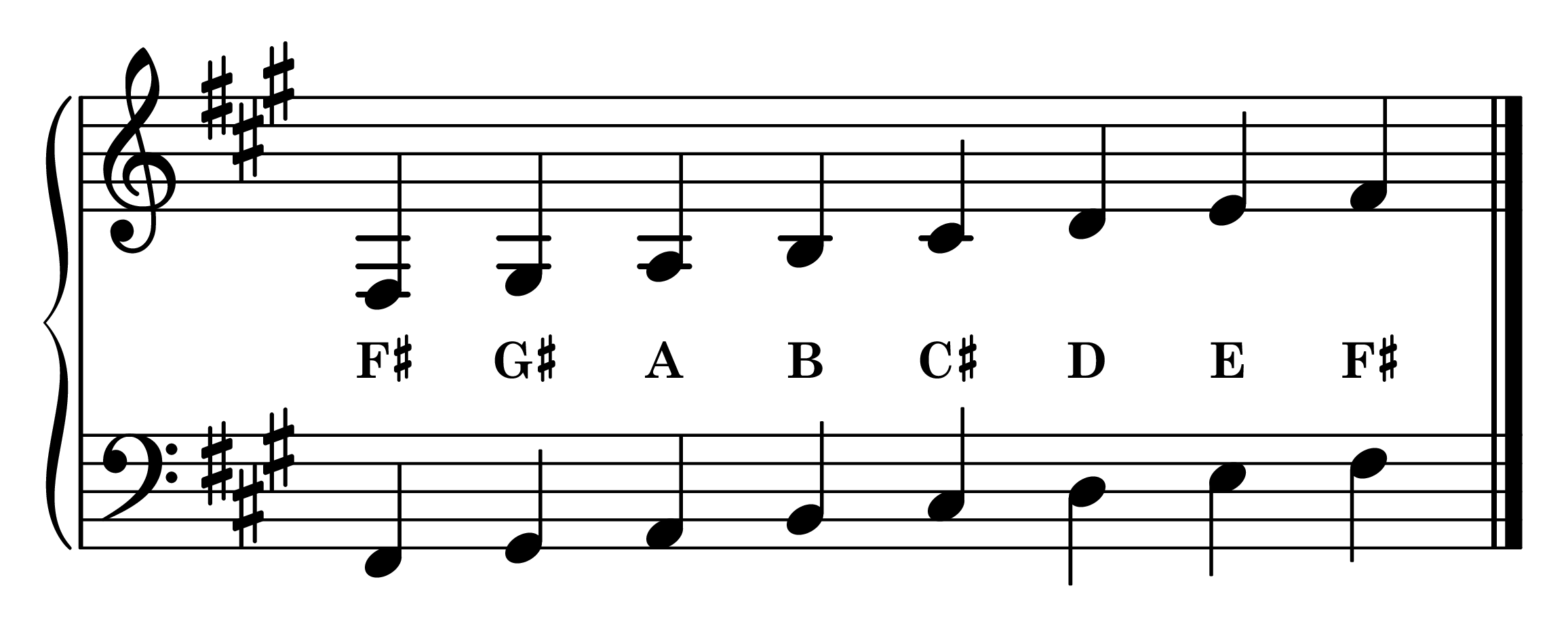
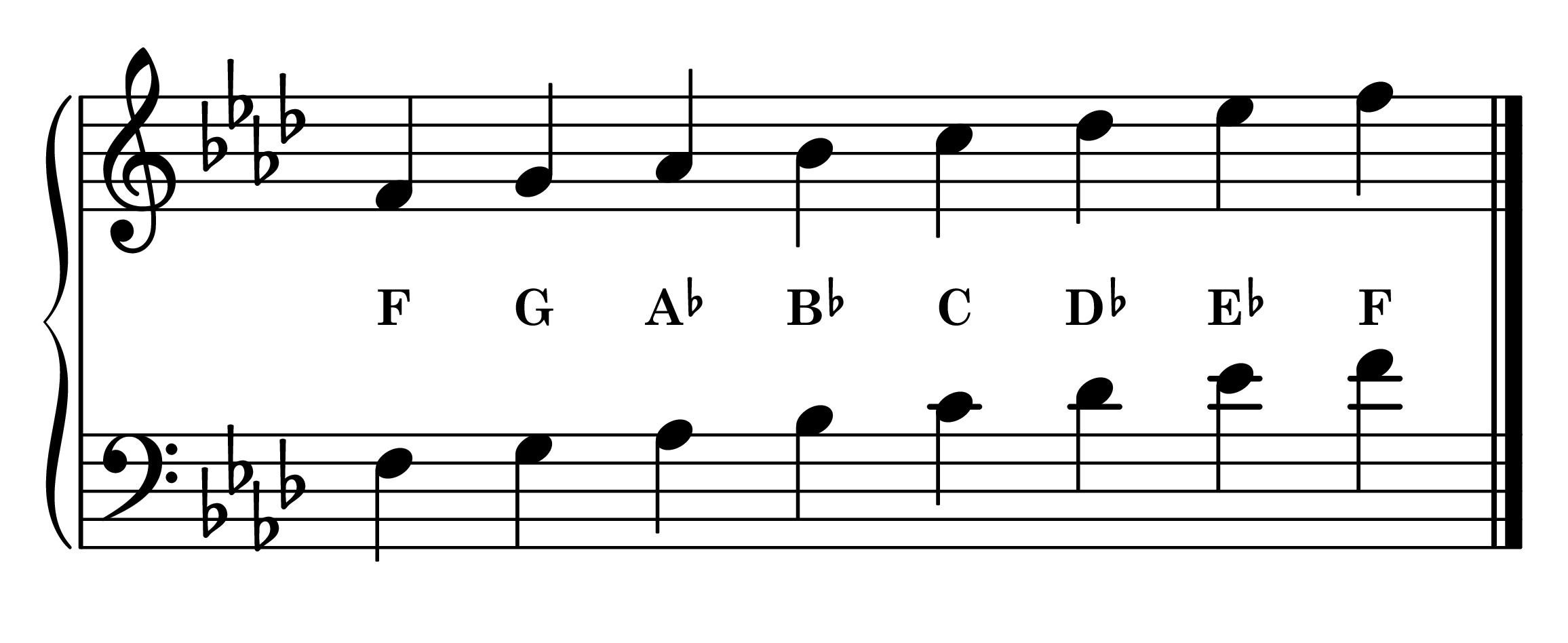
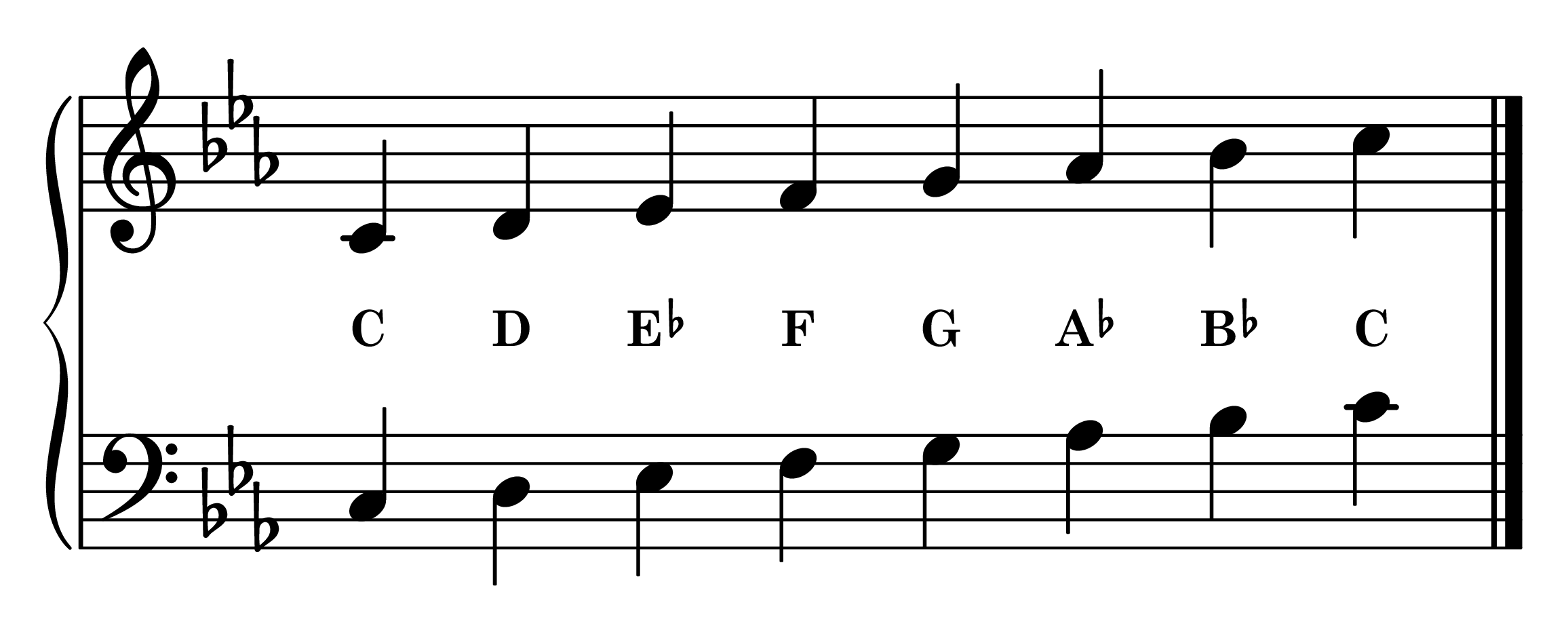
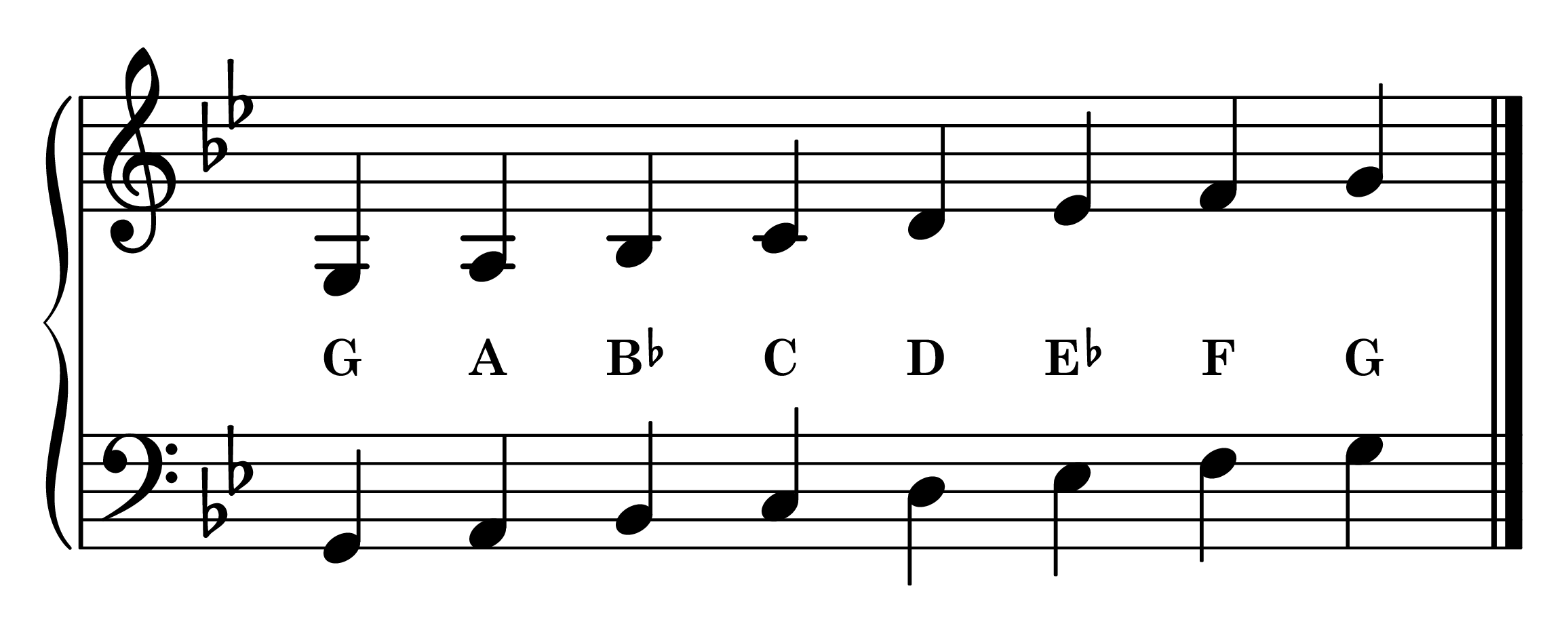
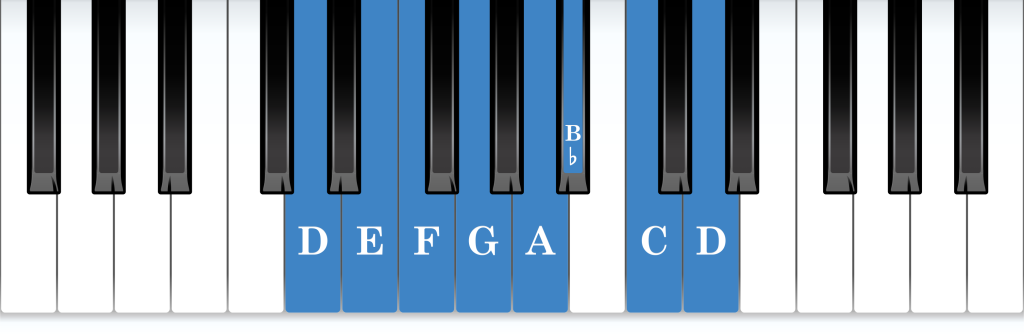
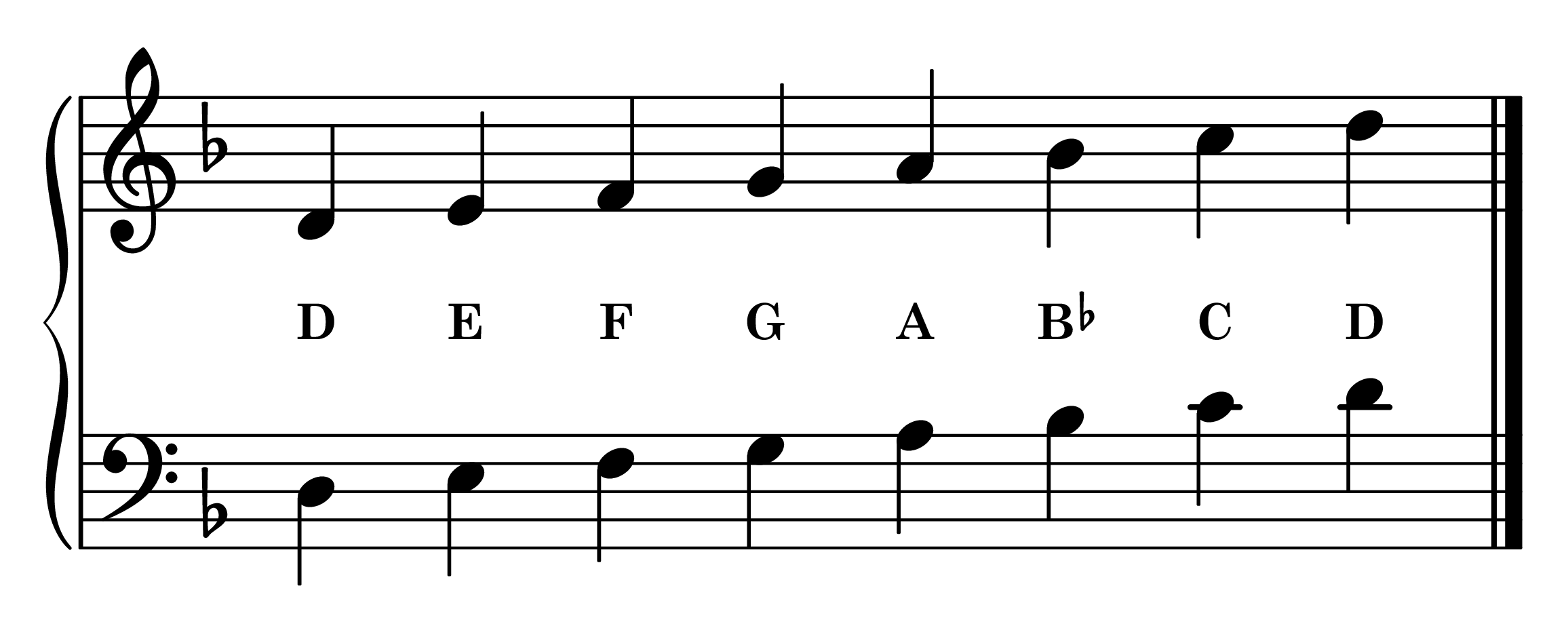
This is the D-flat major scale on the staff, both hands together, one octave ascending and descending. The key signature has five flats.
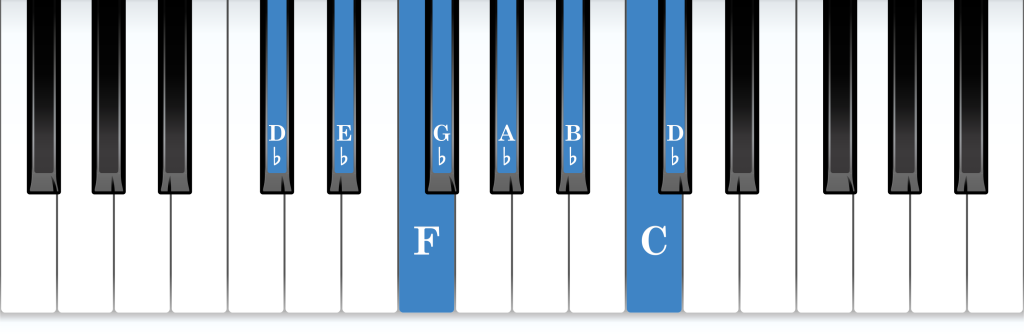
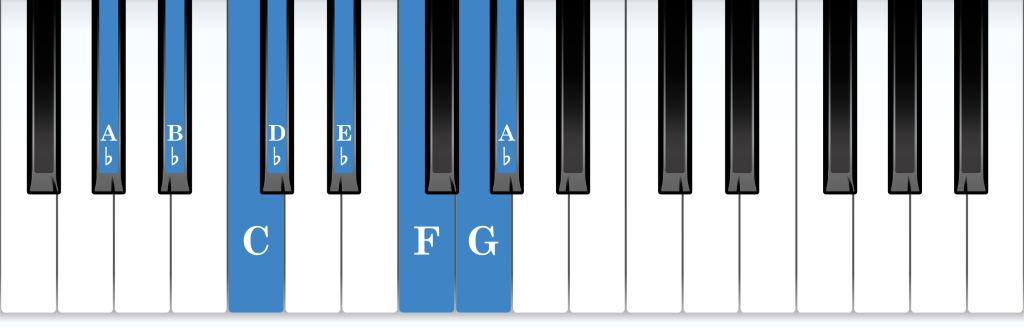
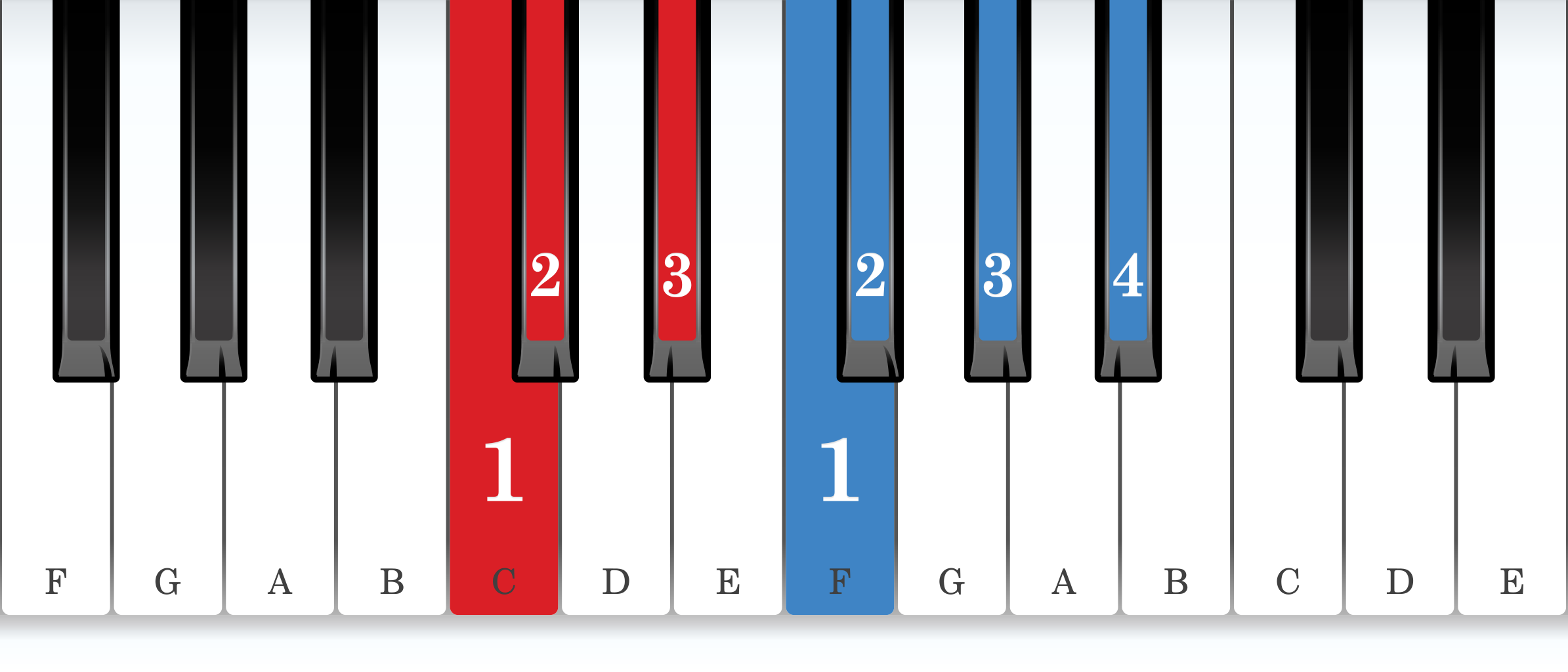
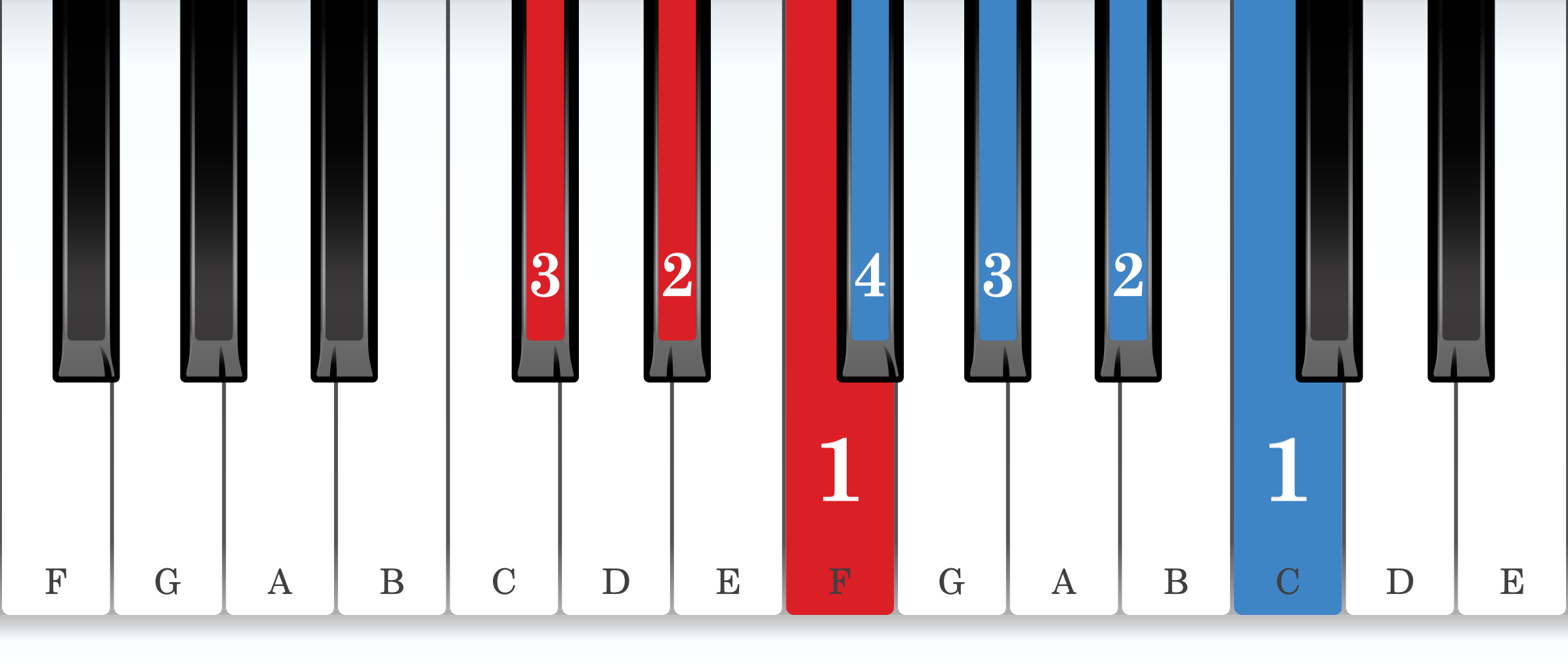
Each hand on its own is the place to begin. The fingering becomes much clearer once we see the scale’s core positions: a group of three notes played with fingers 1-2-3 (red on the charts) and a group of four played with 1-2-3-4 (blue). Between them, they account for the whole scale.
D-flat major is one of the most natural scales for the hand, because the core positions line up with the groups of black keys. In the right hand, 1-2-3 play C, D-flat, and E-flat, and 1-2-3-4 play F, G-flat, A-flat, and B-flat, so the scale starts in the middle of the three-note group, on fingers 2 and 3. In the left hand, 3-2-1 play D-flat, E-flat, and F, and 4-3-2-1 play G-flat, A-flat, B-flat, and C, with the third finger on the top D-flat. The thumbs play only the white keys.
A useful way to work with the core positions is in three stages:
With the hands together, the core positions stop being much help, because the two hands change position at different moments. What we can follow instead are sync points: places where both hands land on the same finger, or where the fingers form a mirror image of each other.
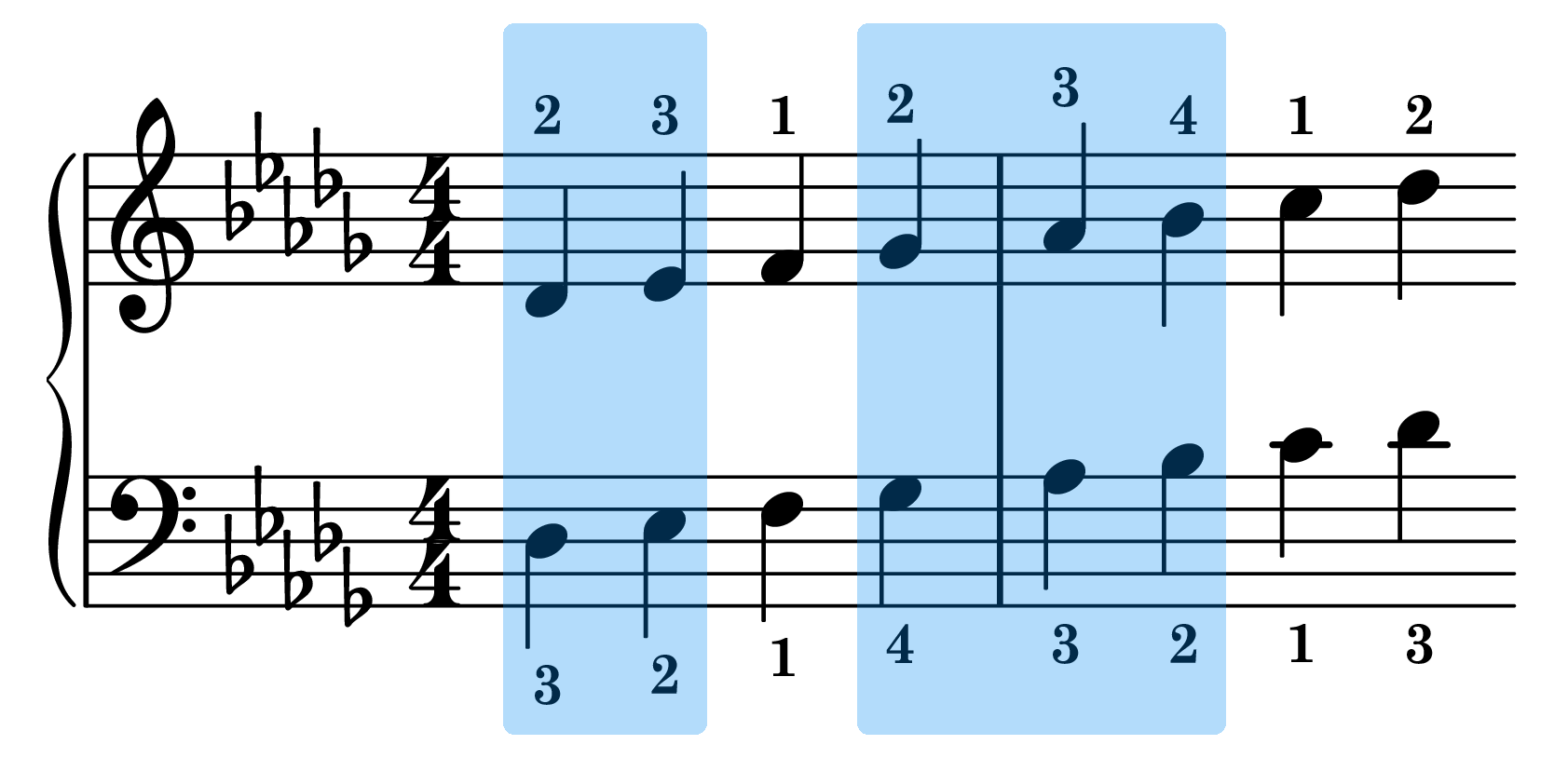
On the black keys, fingers 2 and 3 form a mirror image on D-flat and E-flat, and fingers 2, 3, and 4 on G-flat, A-flat, and B-flat. Each group of black keys fits under the same fingers in both hands.
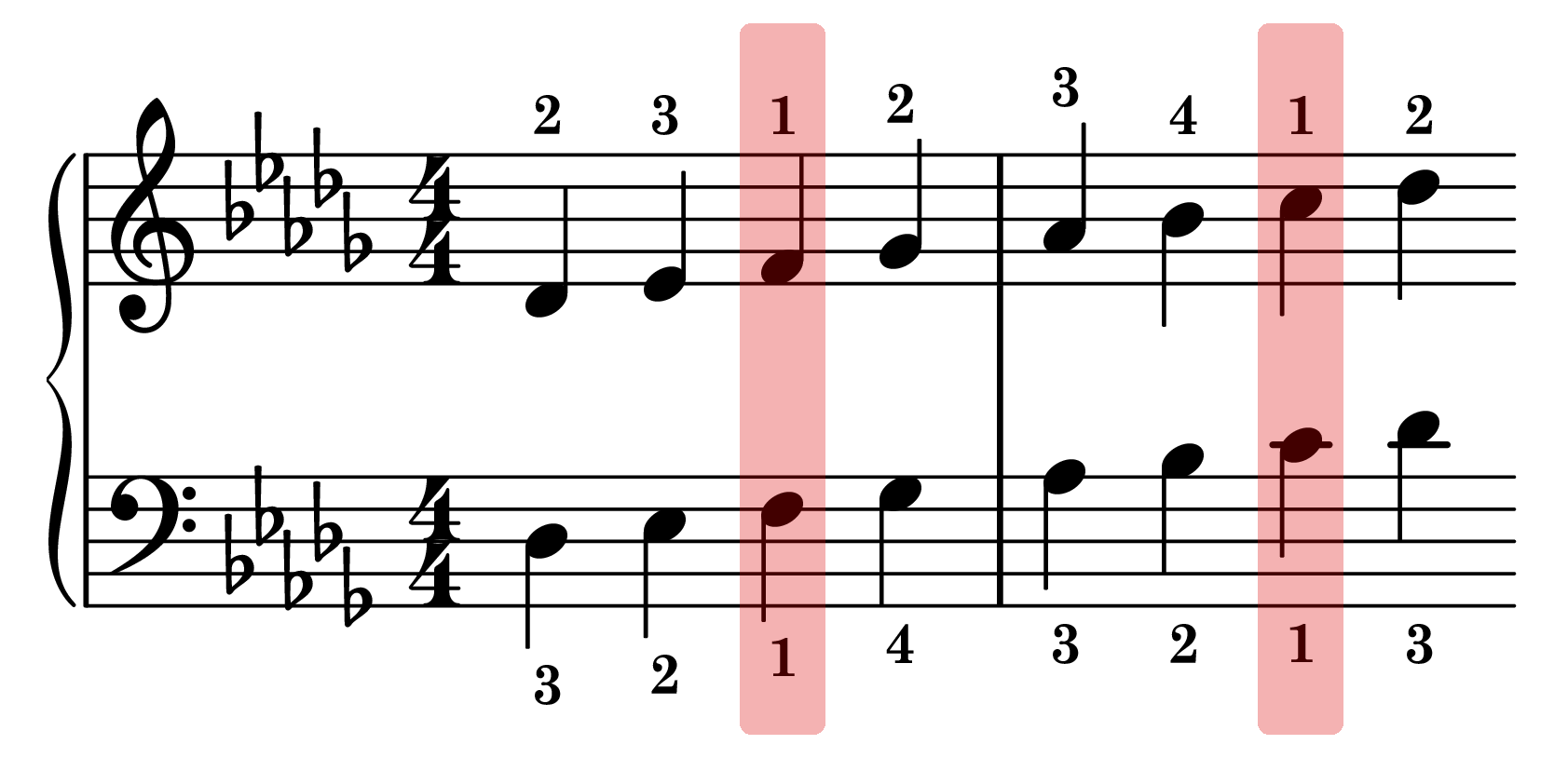
The thumbs come together on the two white keys, first on F and then on C.
The same three stages work for sync points:
Extending the D-flat major scale is simpler than it might seem, because neither hand uses the fifth finger. The same core positions just keep repeating, in both directions, until the top or bottom of the range. The right hand finishes on finger 2 and the left hand on finger 3, exactly as they do in one octave.
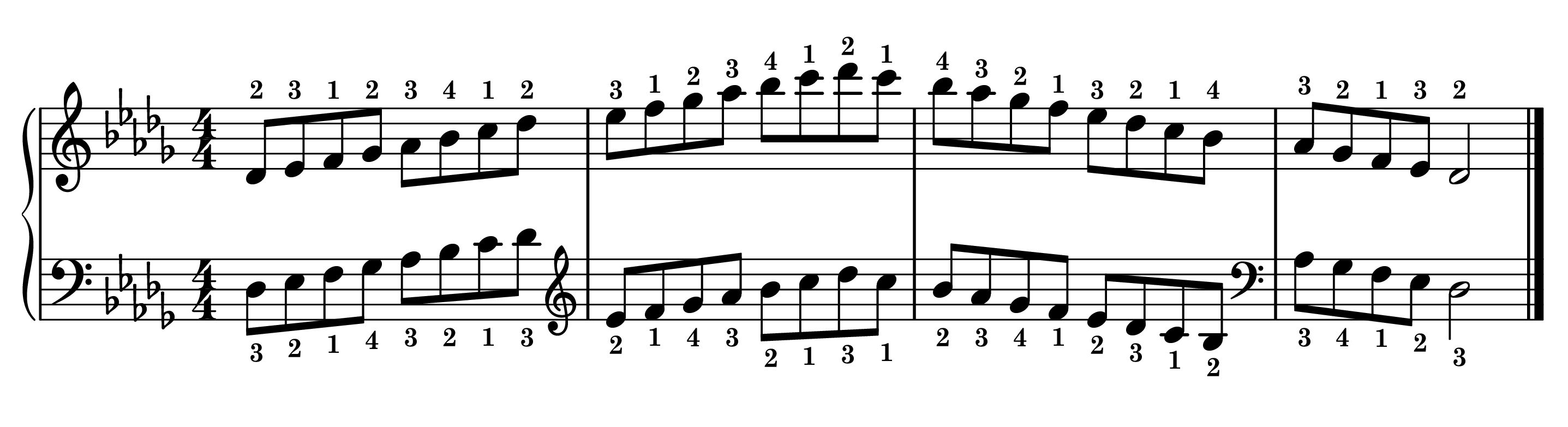
With five flats, D-flat major can look intimidating on paper, but it’s one of the easiest scales to play once we trust the black-key groups. Thinking of it as “two black, white, three black, white” is often more useful than reading every flat.
F and C are the only white keys, and the thumbs need to find them while tucking under. Letting the thumb travel under the hand a little early means it arrives in time.
Other techniques related to the D-flat major piano scale:
No questions on this lesson yet. Be the first to ask one.
Continue learning with our full library of piano scale lessons