Lesson Steps
    Add a header to begin generating the table of contents

    The F-sharp Minor Scale

    The F-sharp minor scale has three sharps, and it starts on a black key, so neither hand begins with the thumb. In the harmonic and melodic forms, the raised seventh note is E-sharp, the white key F. Once we see where the core positions fall, the scale settles comfortably into the hand.

    Lesson Steps
      Add a header to begin generating the table of contents

      F-sharp Minor Scale Overview

      F-sharp Minor Scale Overview
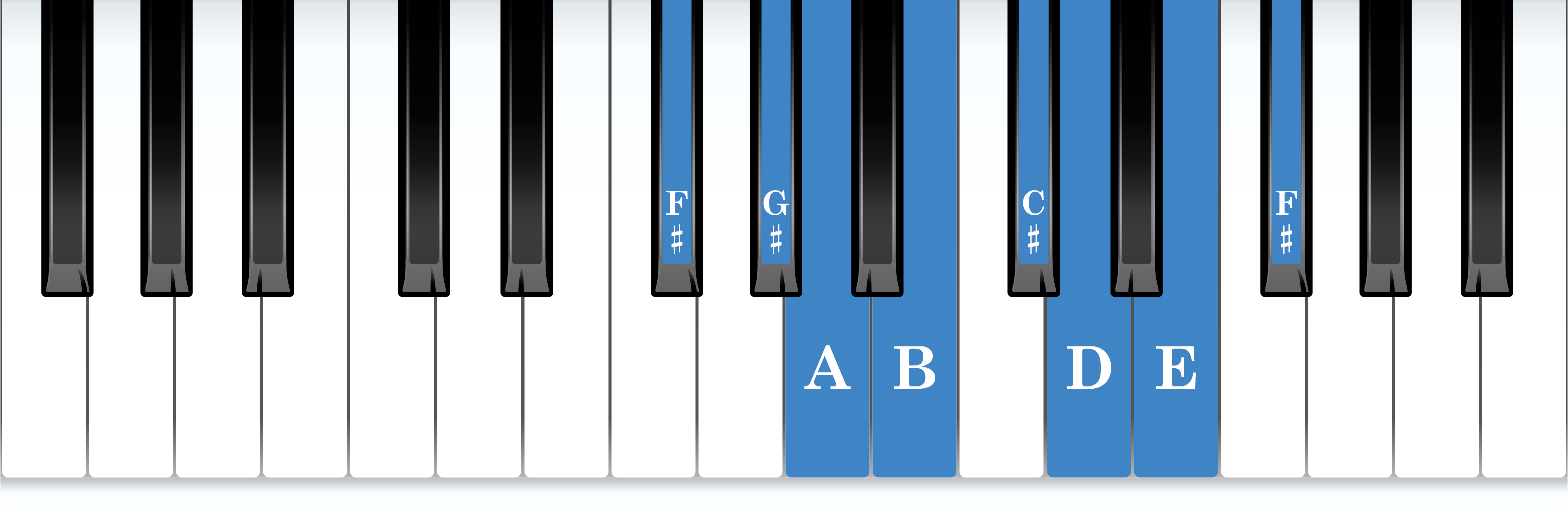
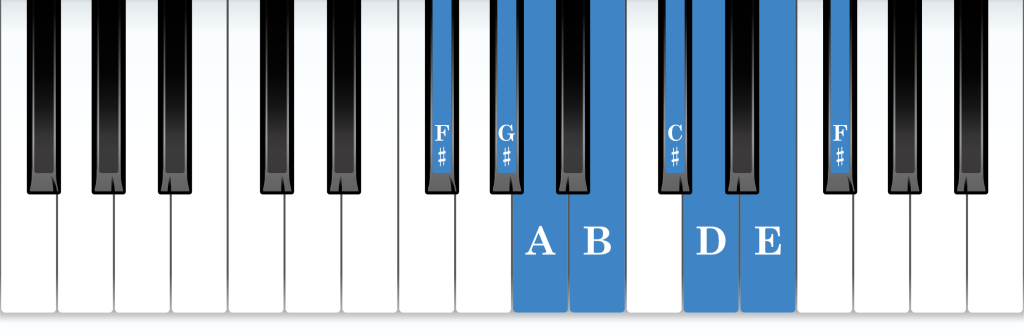
      Keyboard Layout F-sharp natural minor piano scale keyboard layout chart diagram
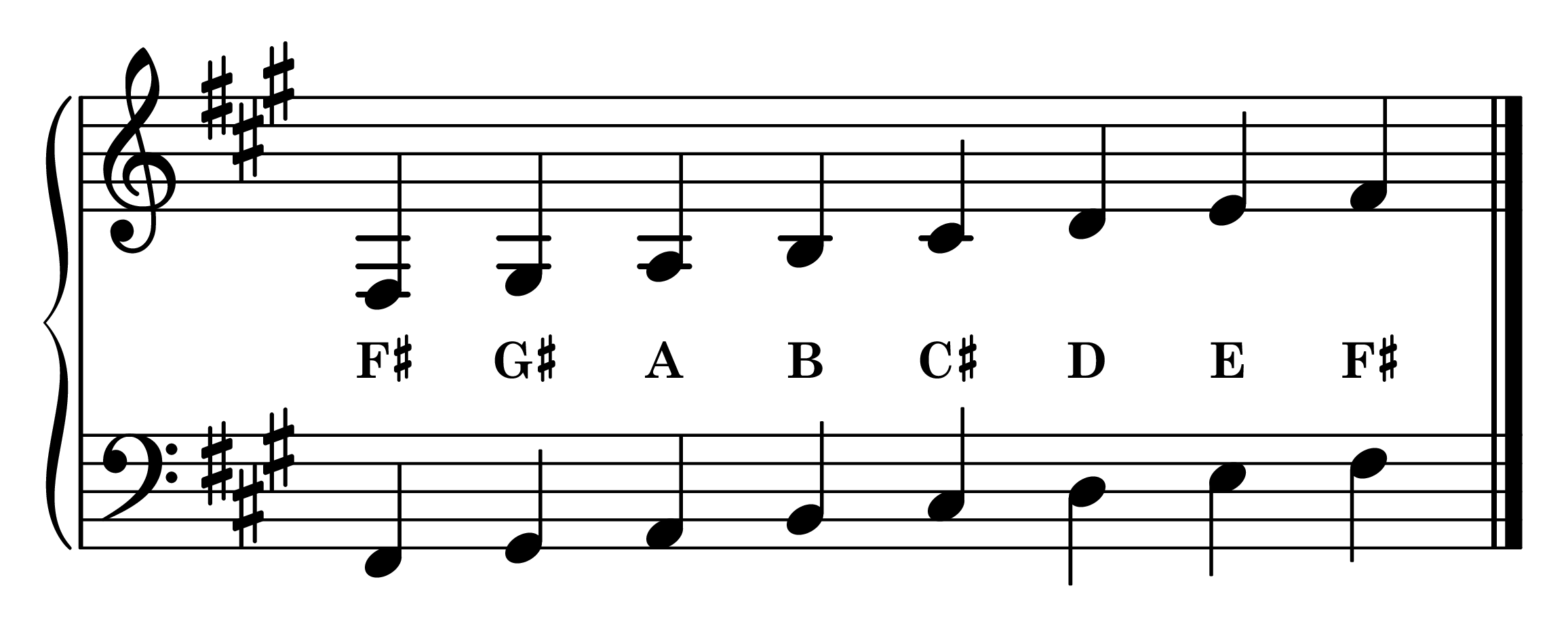
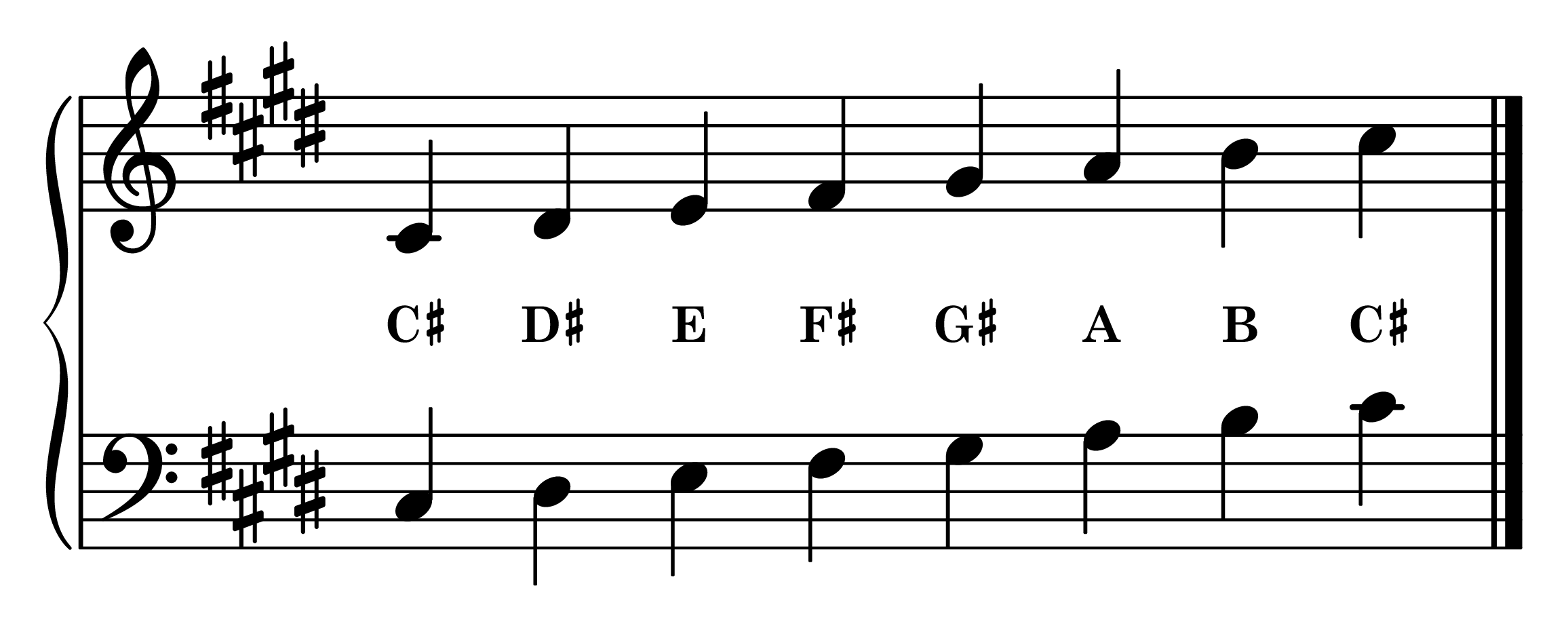
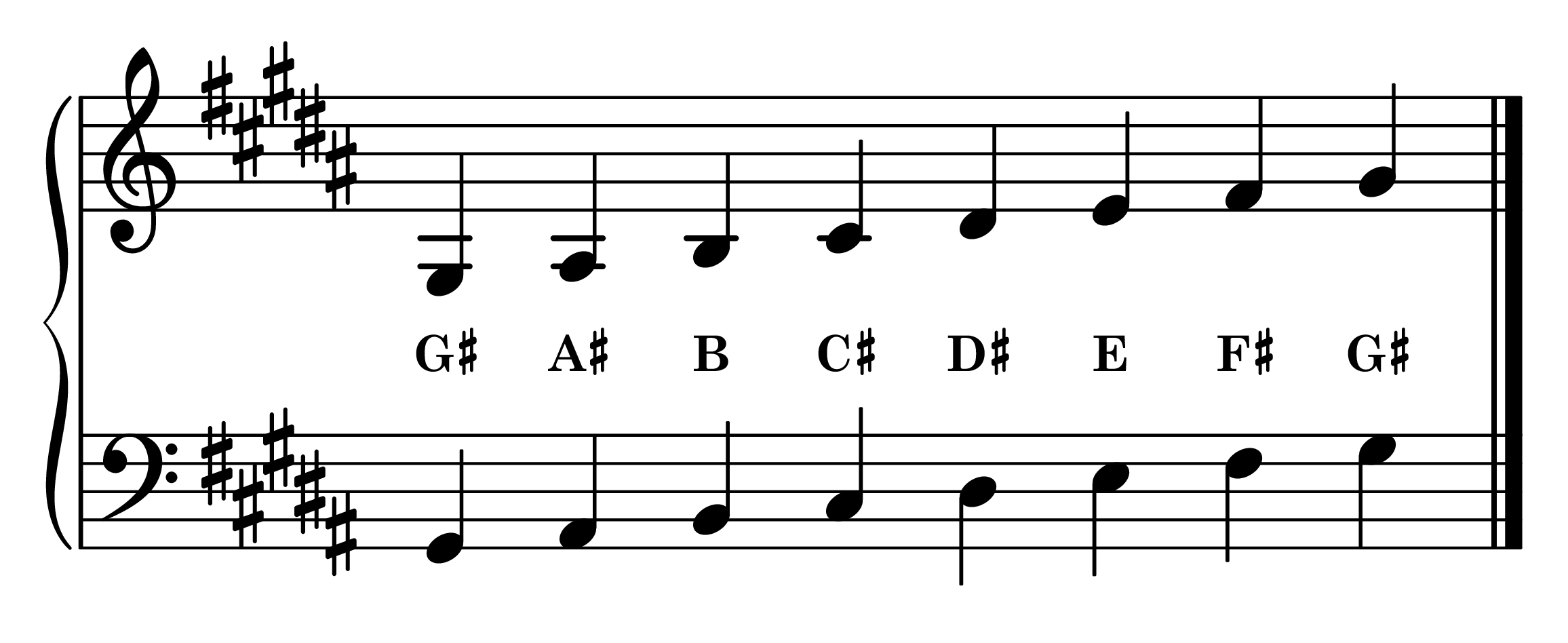
      Staff Layout Notes of the F-sharp natural minor piano scale on the staff
      Key Signature Three sharps (F♯, C♯, G♯)
      Notes of Scale F♯, G♯, A, B, C♯, D, E, F♯
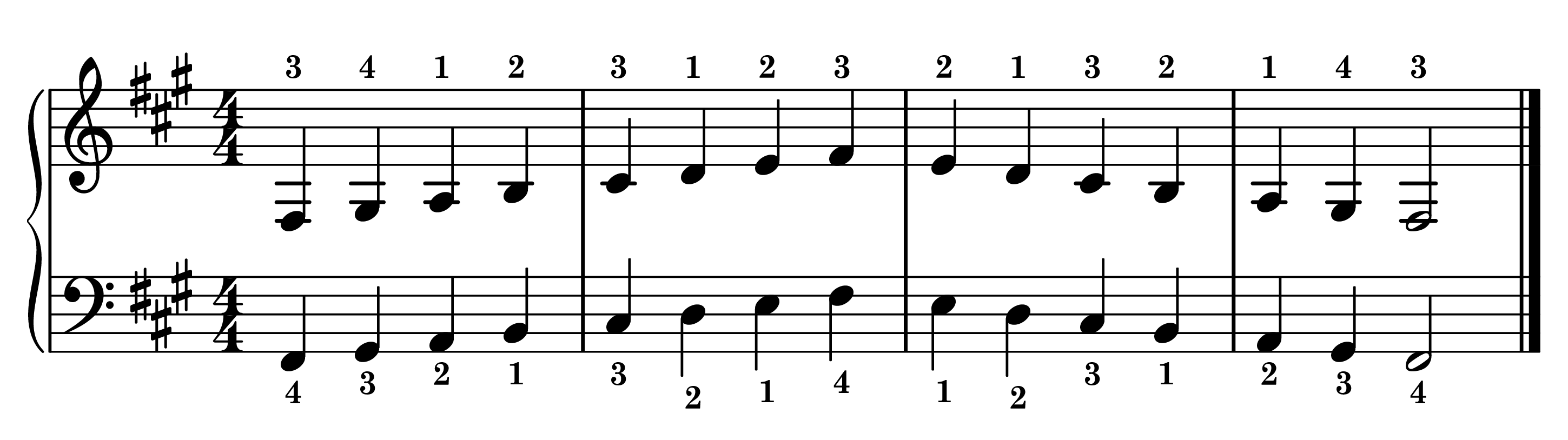
      RH Fingering 3 4 - 1 2 3 - 1 2 3
      LH Fingering 4 3 2 1 - 3 2 1 - 4
      Relative Scale A Major Scale
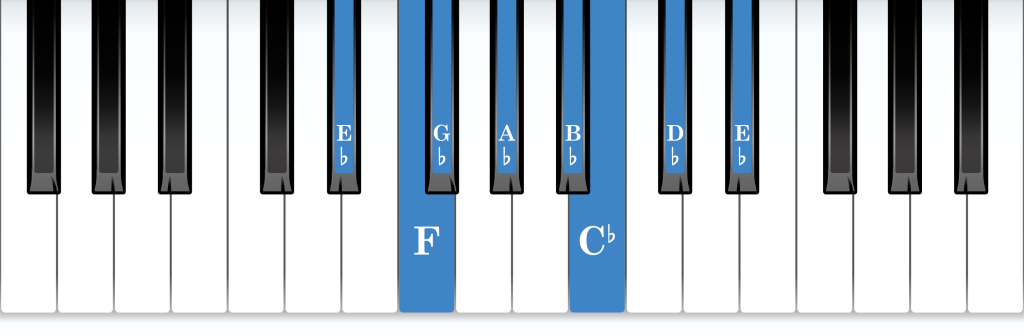
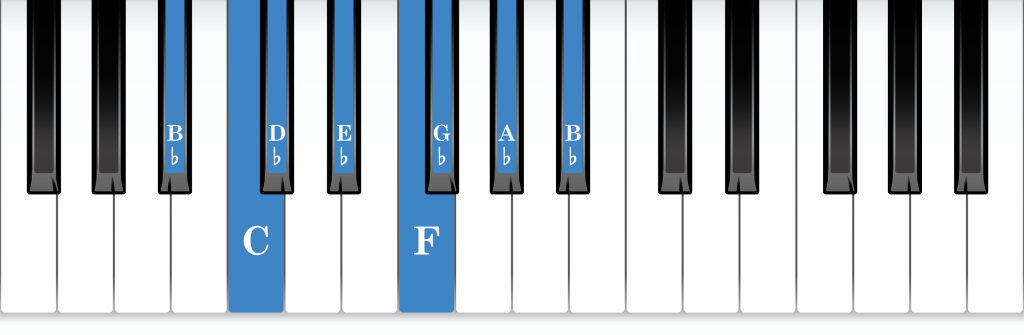
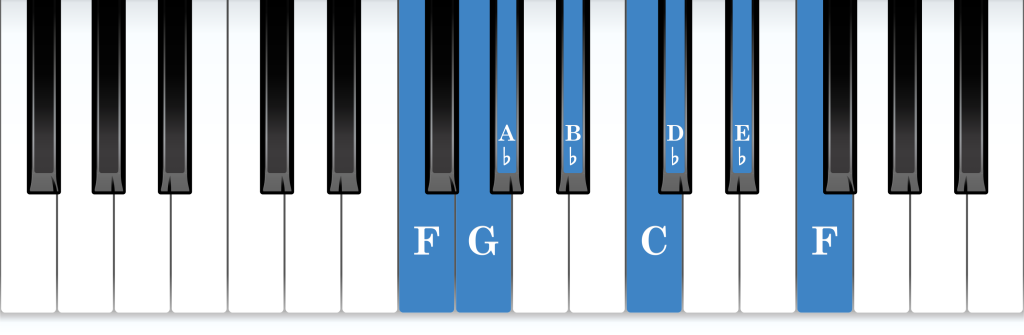
      Parallel Scale G-flat Major Scale

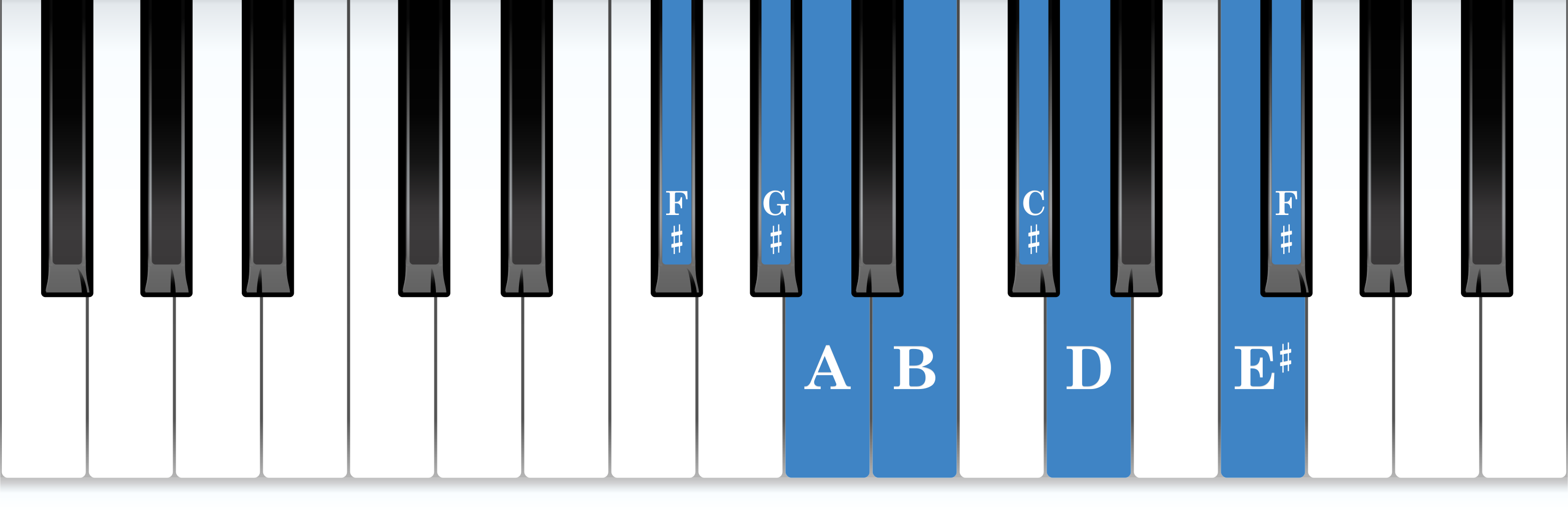
      Visualize the F-sharp minor scale layout on the piano

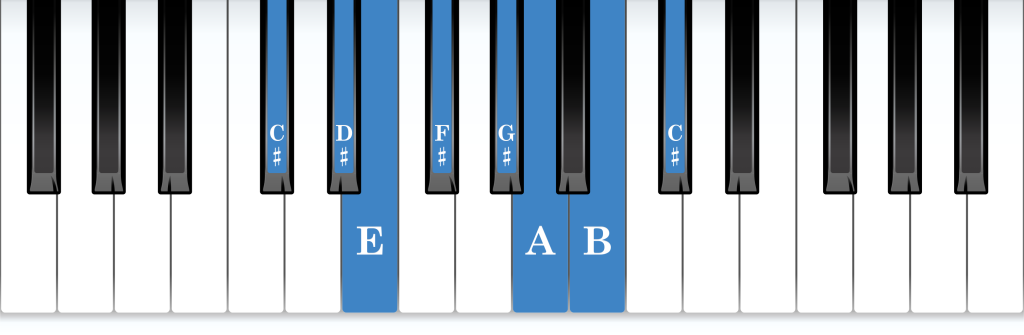
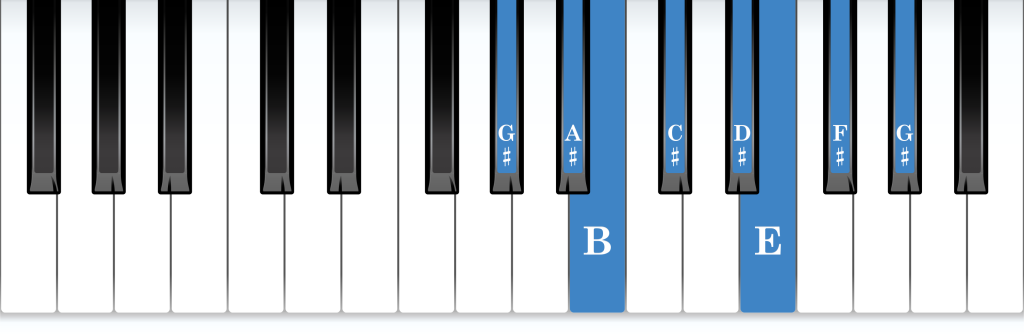
      These charts show the overall layout, or terrain, of the F-sharp minor scale in each of its three forms.

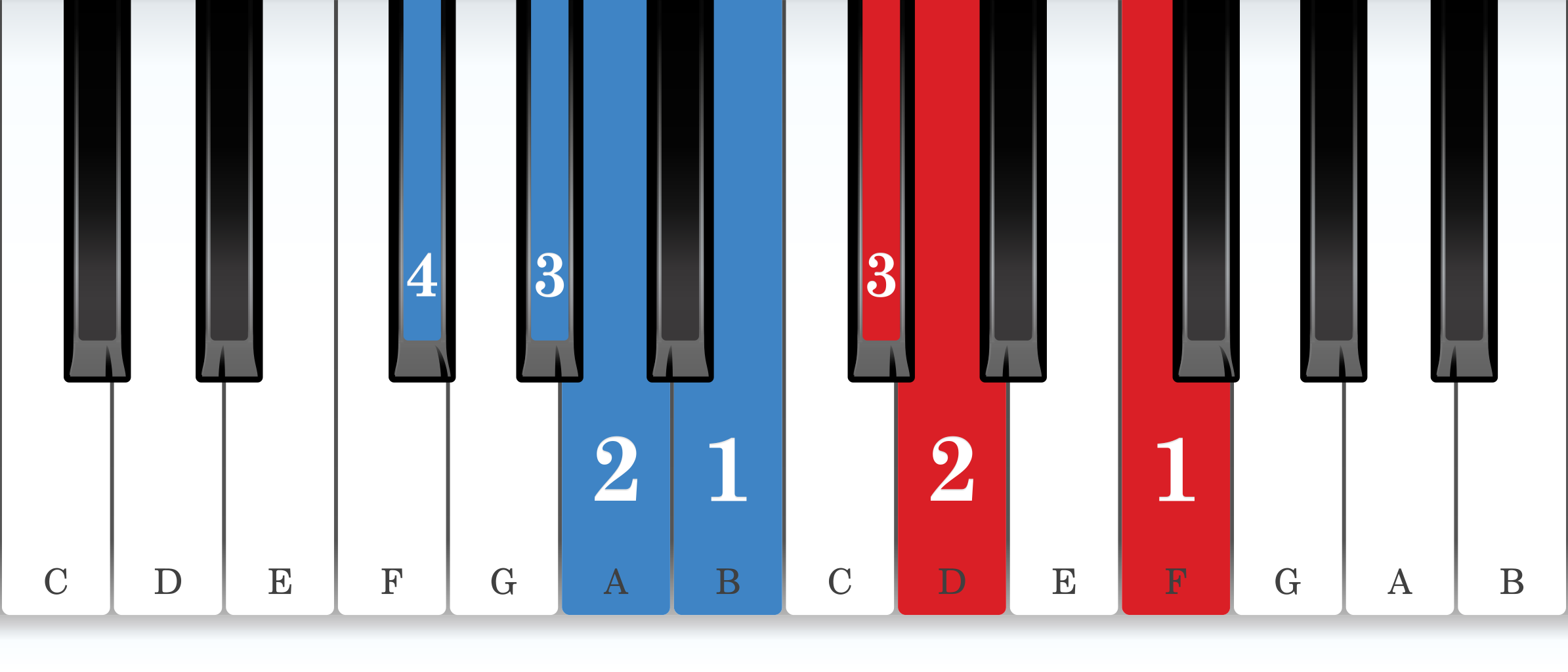
      F-sharp natural minor piano scale keyboard layout chart diagram

      The natural minor has three black keys, F-sharp and G-sharp at the bottom and C-sharp in the middle, with the white keys A and B, then D and E, between them. It shares its notes with A major.
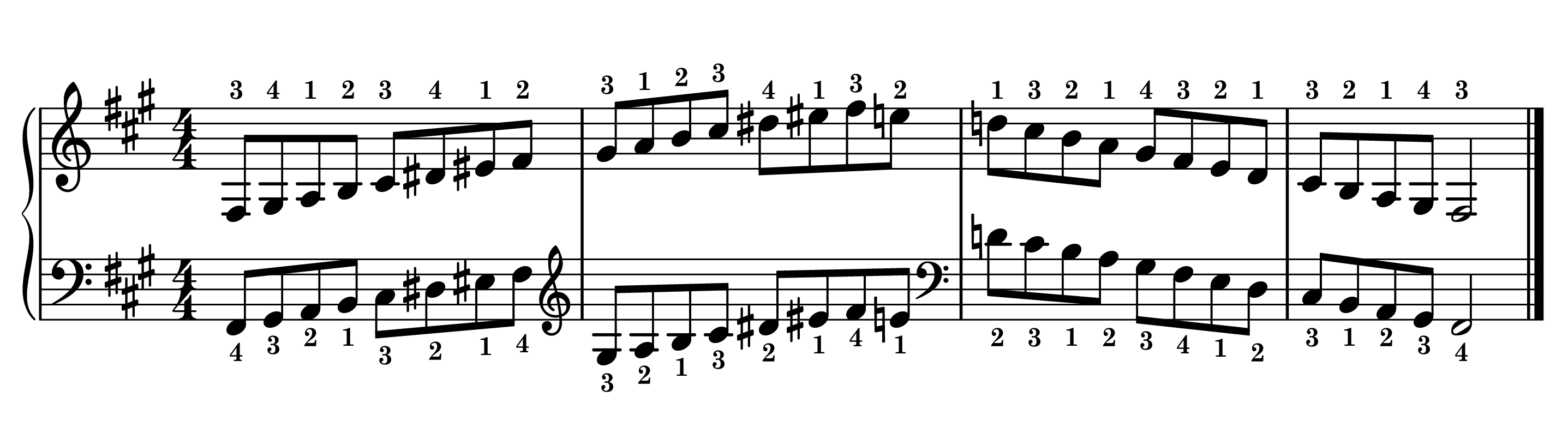
      Read the F-sharp minor scale on the staff

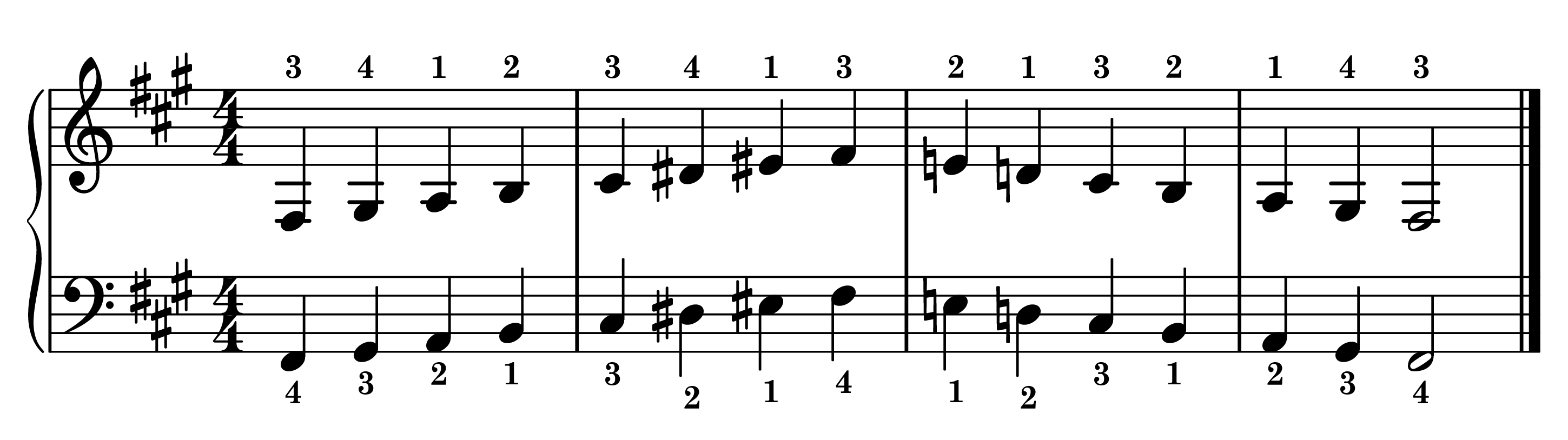
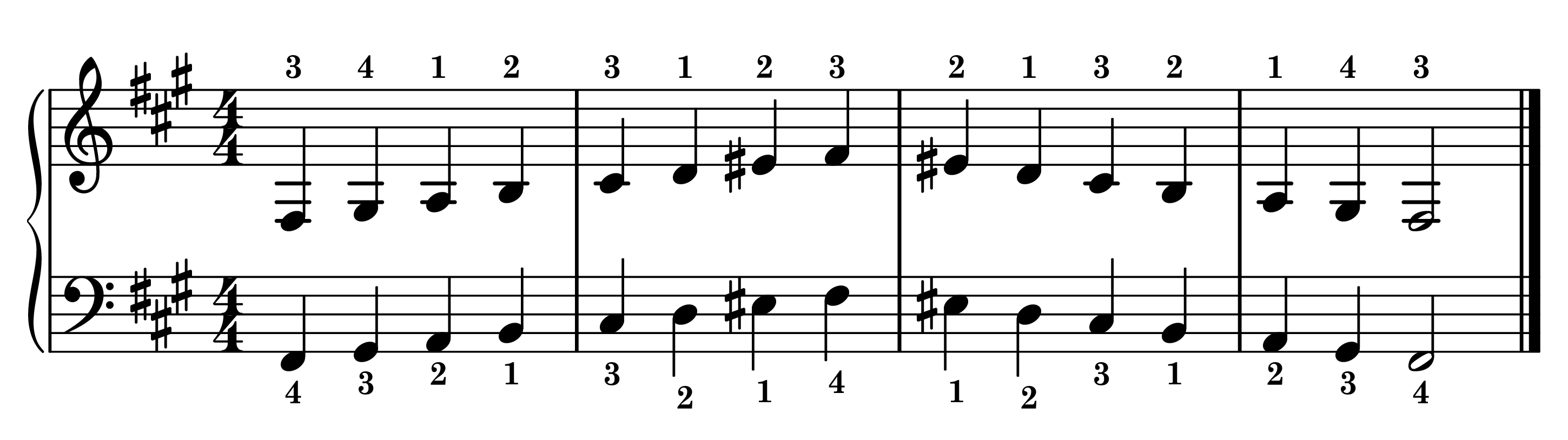
      F-sharp natural minor piano scale on staff with fingering one octave
      Click image to enlarge

      Here is the F-sharp natural minor scale on the staff, one octave up and back down.
      Play the F-sharp minor scale with hands alone

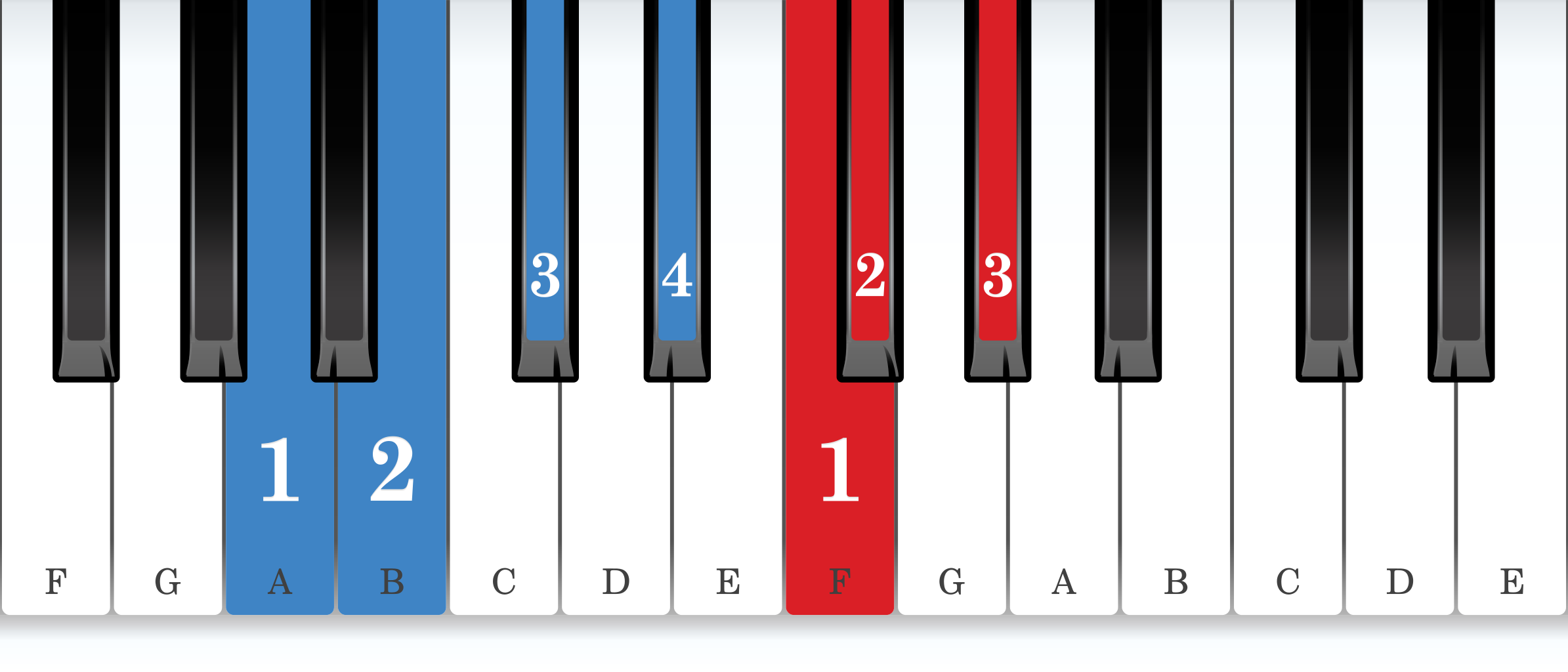
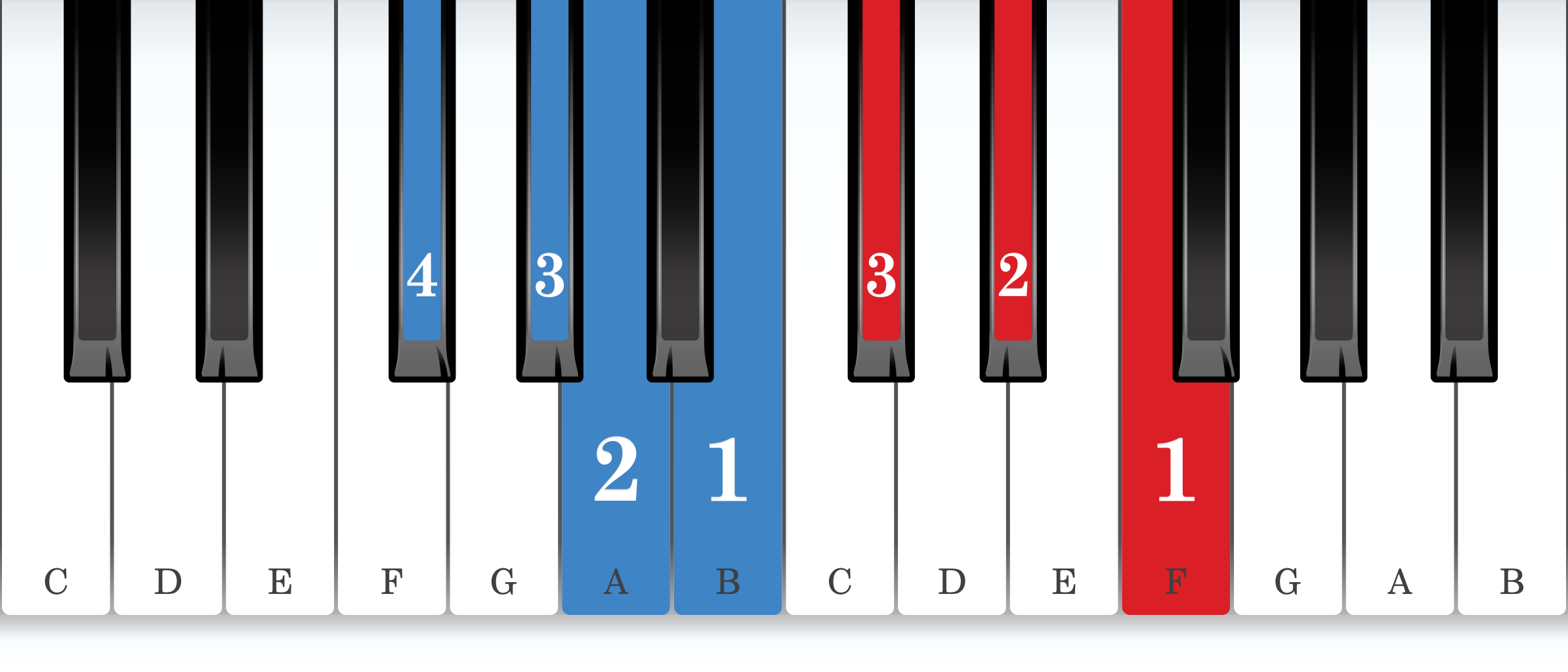
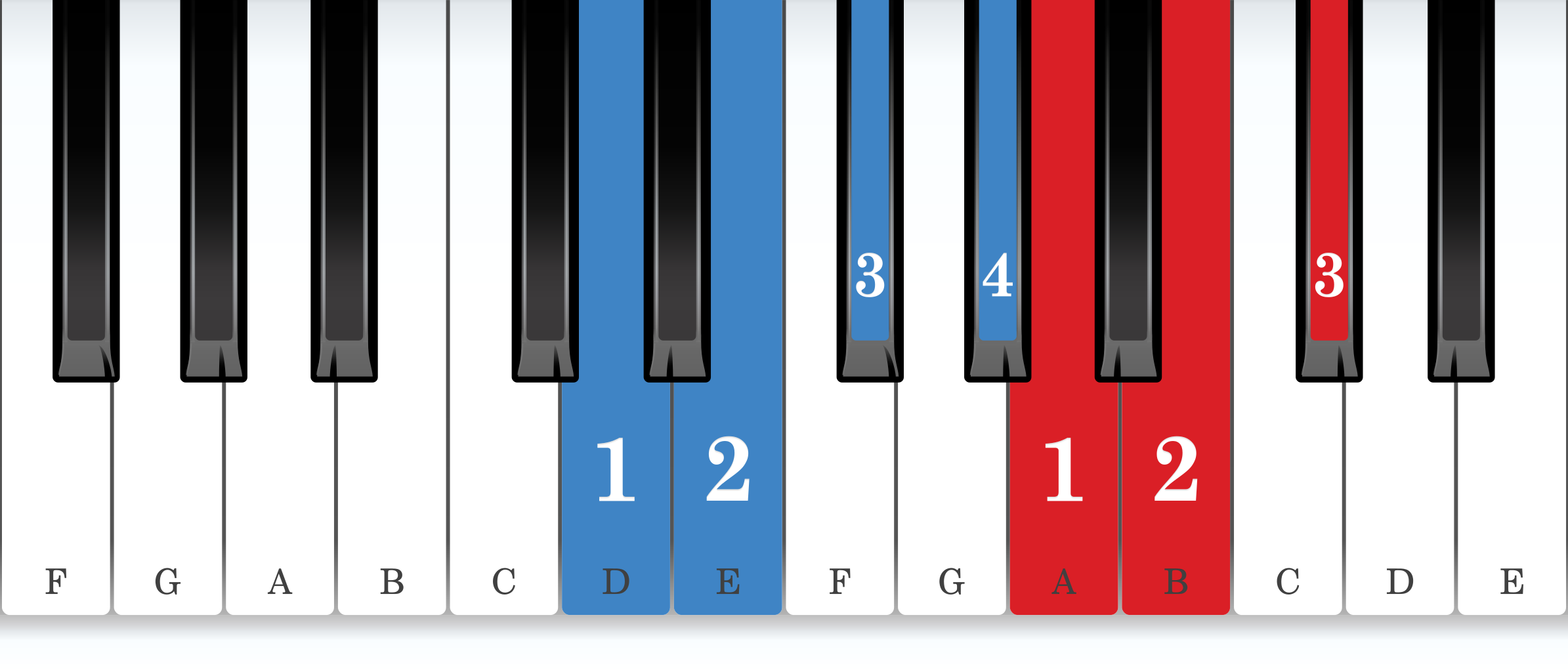
      Let’s start with each hand on its own. Every scale divides into two core positions, the groups of notes the hand can hold in one position: a group of three notes played with fingers 1-2-3 (red on the charts) and a group of four played with 1-2-3-4 (blue).

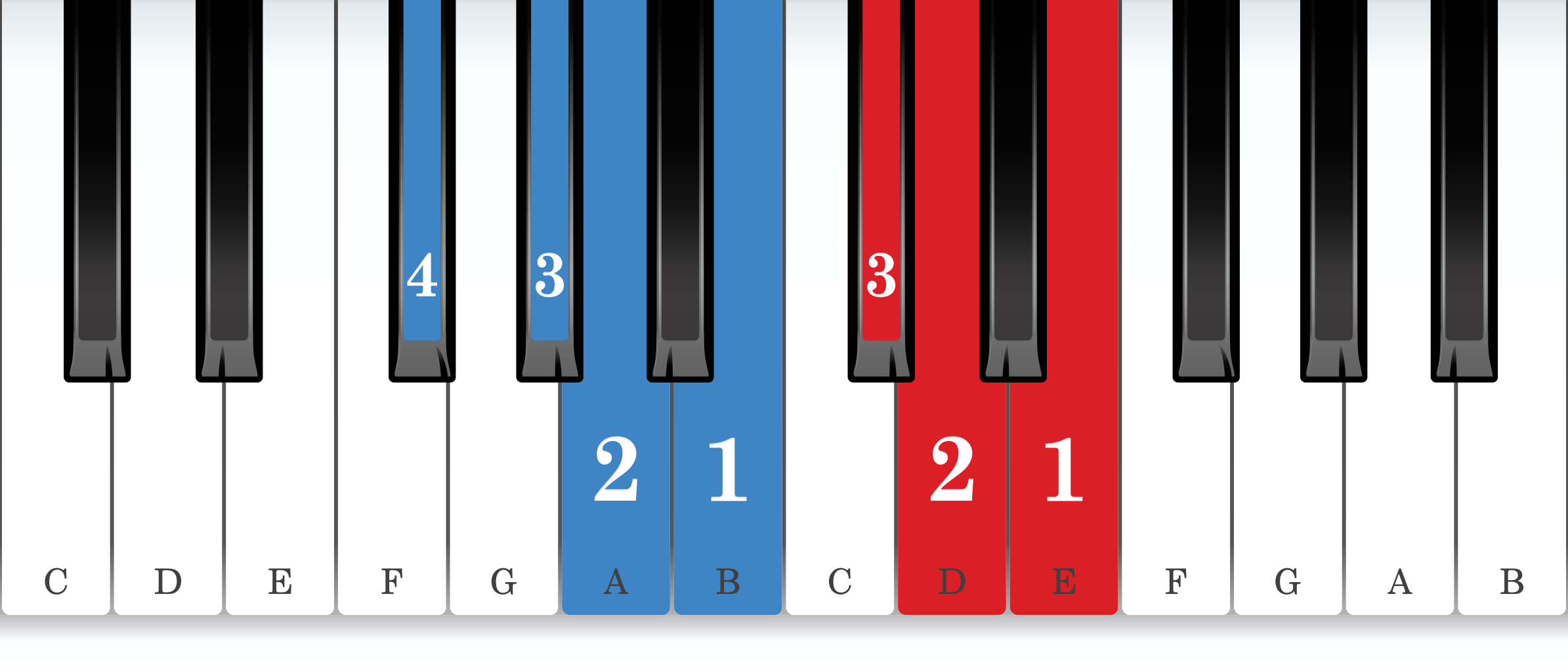
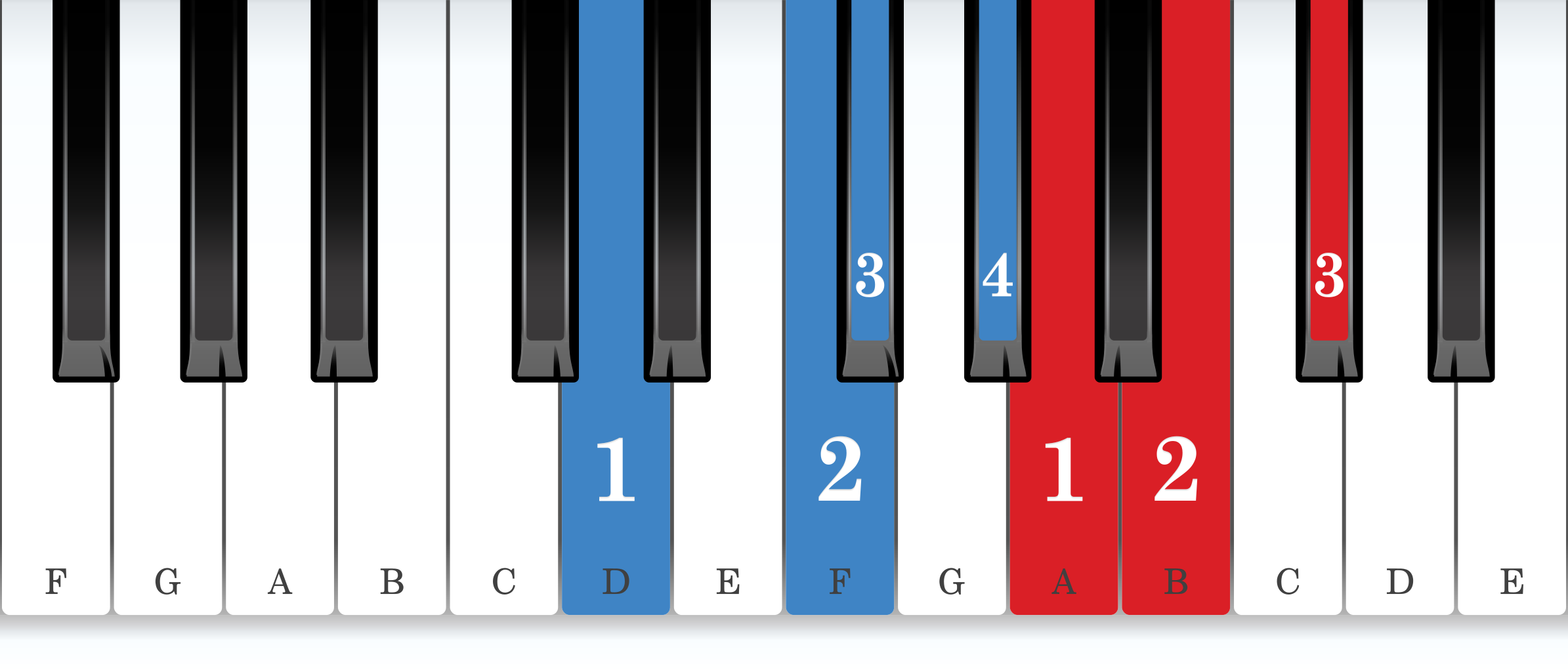
      The core positions don’t start on the first note, since they follow where the hand rests comfortably rather than the order of the notes. The right hand begins with fingers 3 and 4 on F-sharp and G-sharp, then plays A, B, and C-sharp on 1-2-3, and D, E, and F-sharp on 1-2-3. The left hand plays F-sharp, G-sharp, A, and B on 4-3-2-1, and C-sharp, D, and E on 3-2-1, returning to the fourth finger on the top F-sharp.

      The charts below show the core positions of the F-sharp minor scale in each of its three forms.
      F-sharp natural minor piano scale core positions fingering chart for the right hand
      F-sharp natural minor scale core positions for the right hand
      F-sharp natural minor piano scale core positions fingering chart for the left hand
      F-sharp natural minor scale core positions for the left hand

      A useful way to work with the core positions is in three stages:

      1. Block: play all the notes of each core position together, moving up and down the keyboard. This lets us see each position as one shape and get used to the pattern repeating.
      2. Crawl: play one note at a time, but hold each note down until the whole position is under the hand, then pause before moving on. This builds the physical sense of each grouping.
      3. Anticipate: play legato, releasing each finger as the next one plays, while keeping the next position in mind before we arrive at it.

      Play the F-sharp minor scale with hands together

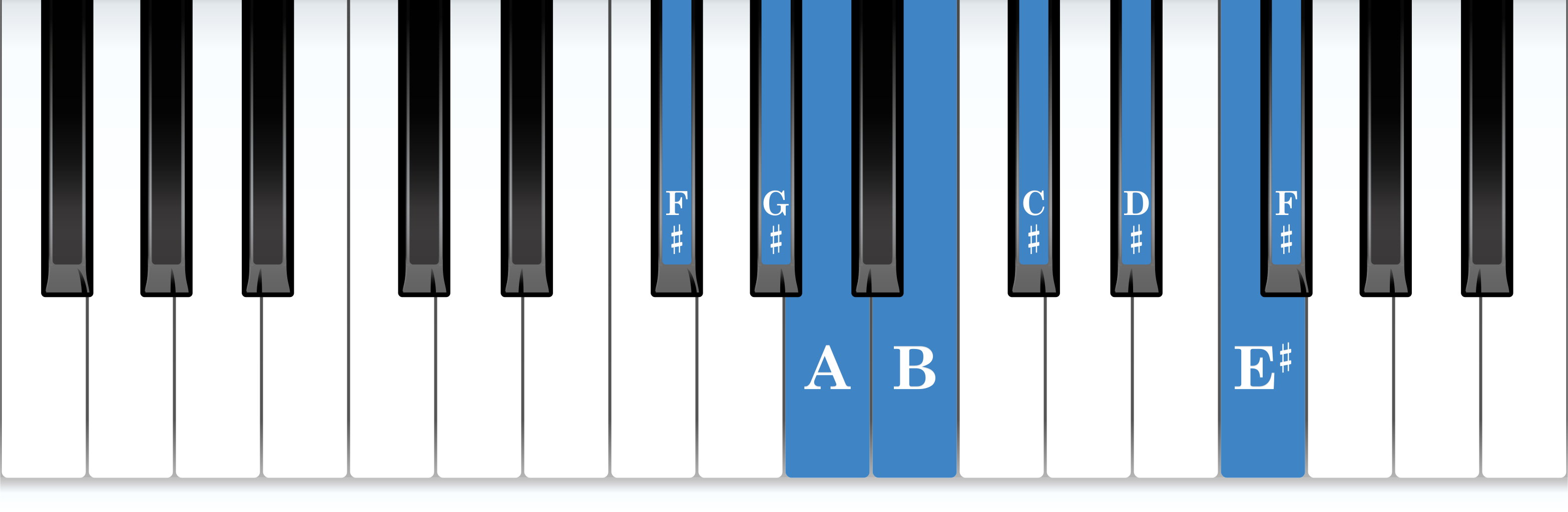
      When we put the hands together in F-sharp minor, the sync points are the thing to follow: the moments where both hands land on the same finger, or where the fingers form a mirror image. They fall in the same places in all three forms, even though some of the notes change, and the examples below use the harmonic minor.
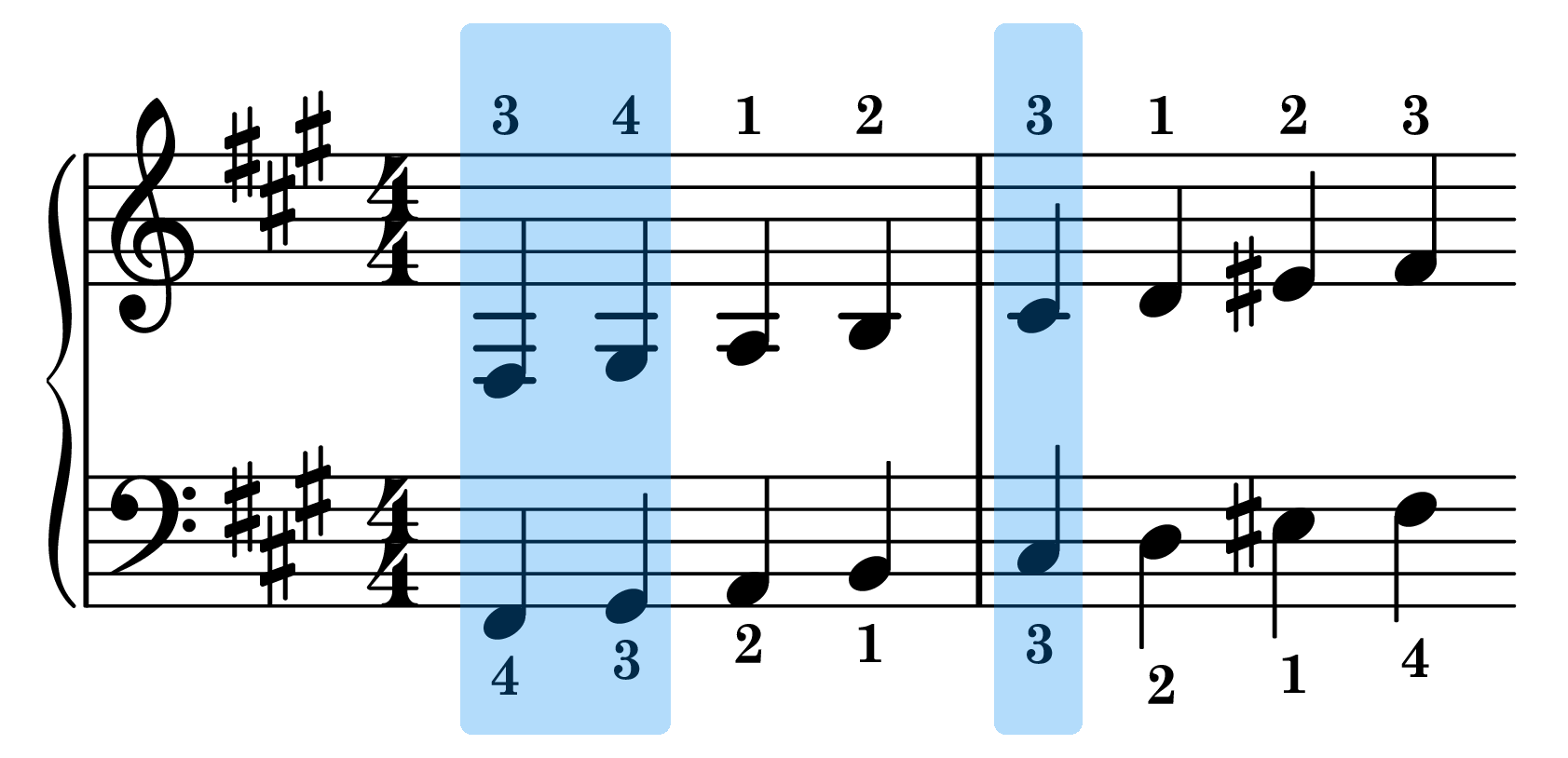
      On the black keys, fingers 3 and 4 form a mirror image on F-sharp and G-sharp, and the 3rd fingers meet on C-sharp in the middle of the scale.
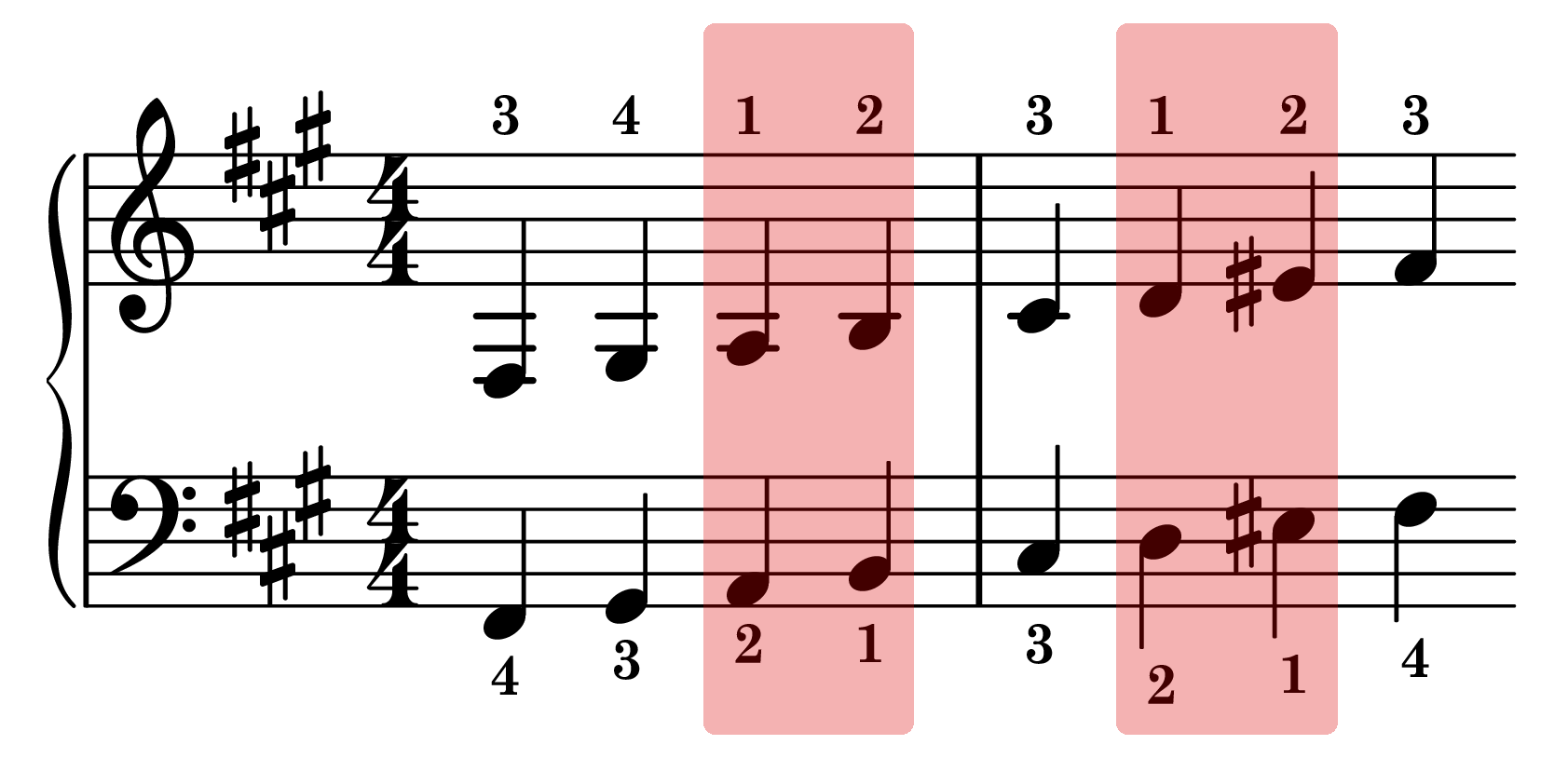
      The thumbs come together on the pairs of white keys, A and B and then D and E-sharp, where fingers 1 and 2 form a mirror image in both hands.

      The same three stages work for sync points:

      1. Block: find each sync point and play it on its own, outside the scale.
      2. Crawl: play the scale up and down, stopping on each sync point to look at it and notice how it feels under the hands. There’s no need for legato here.
      3. Anticipate: play in a steady rhythm, seeing each sync point coming and landing on it with a slight accent.

      Expand the F-sharp minor scale to more octaves

      Because neither hand uses the fifth finger, extending the F-sharp minor scale to more octaves is mostly a matter of letting the core positions keep repeating. The fingering at the top and bottom stays exactly as it is in one octave.
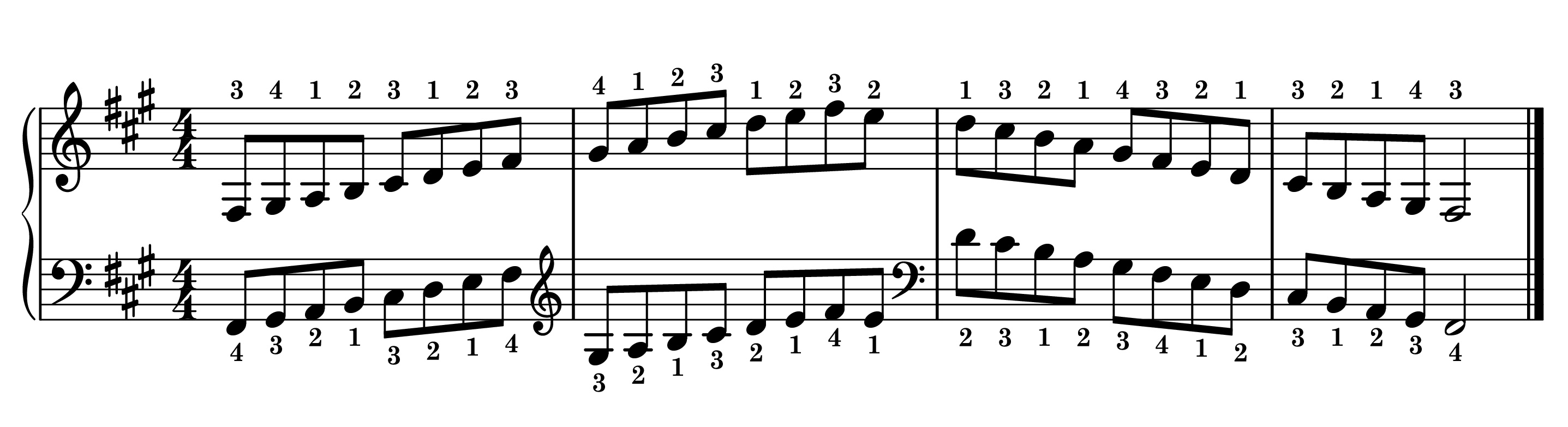
      F-sharp natural minor piano scale on staff with fingering two octaves
      Click image to enlarge

      Here is the F-sharp natural minor scale in two octaves, ascending and descending, with fingering.
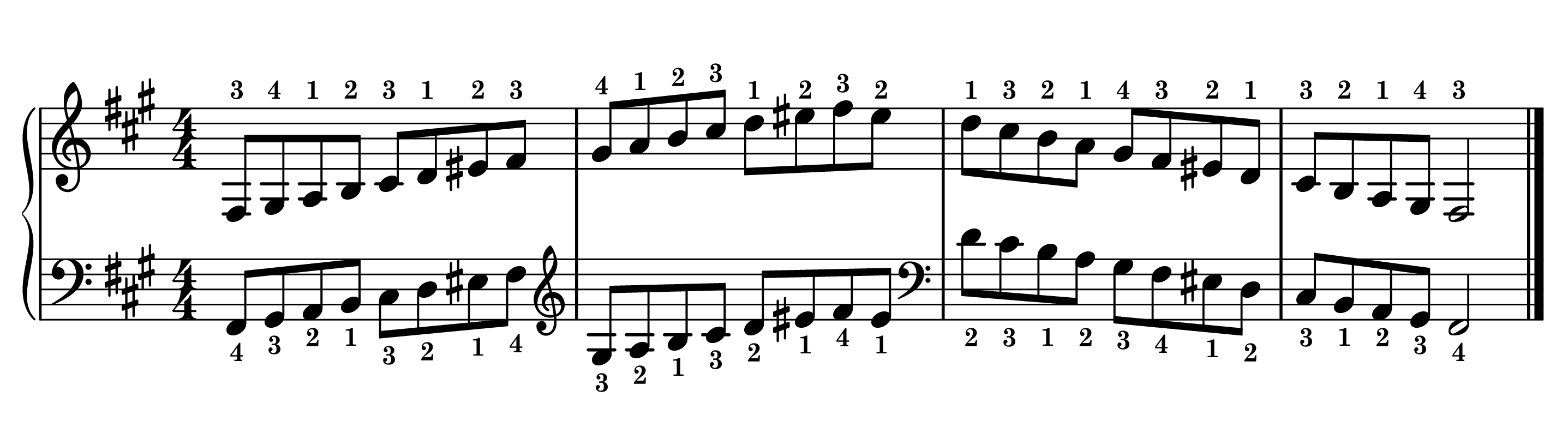
      Avoid common mistakes in the F-sharp minor scale

      In the harmonic and melodic forms, the seventh note is E-sharp, which is played on the white key F. It can look strange on the staff; it’s simply the white key just below the top F-sharp.

      Neither hand starts with the thumb. The right hand begins on the third finger and the left on the fourth, both on the black key F-sharp.

      Other techniques related to the F-sharp minor piano scale:

      Questions and answers

      No questions on this lesson yet. Be the first to ask one.

      Explore More Piano Scales

      Continue learning with our full library of piano scale lessons
      Browse Major Scales

      1. C Major Scale

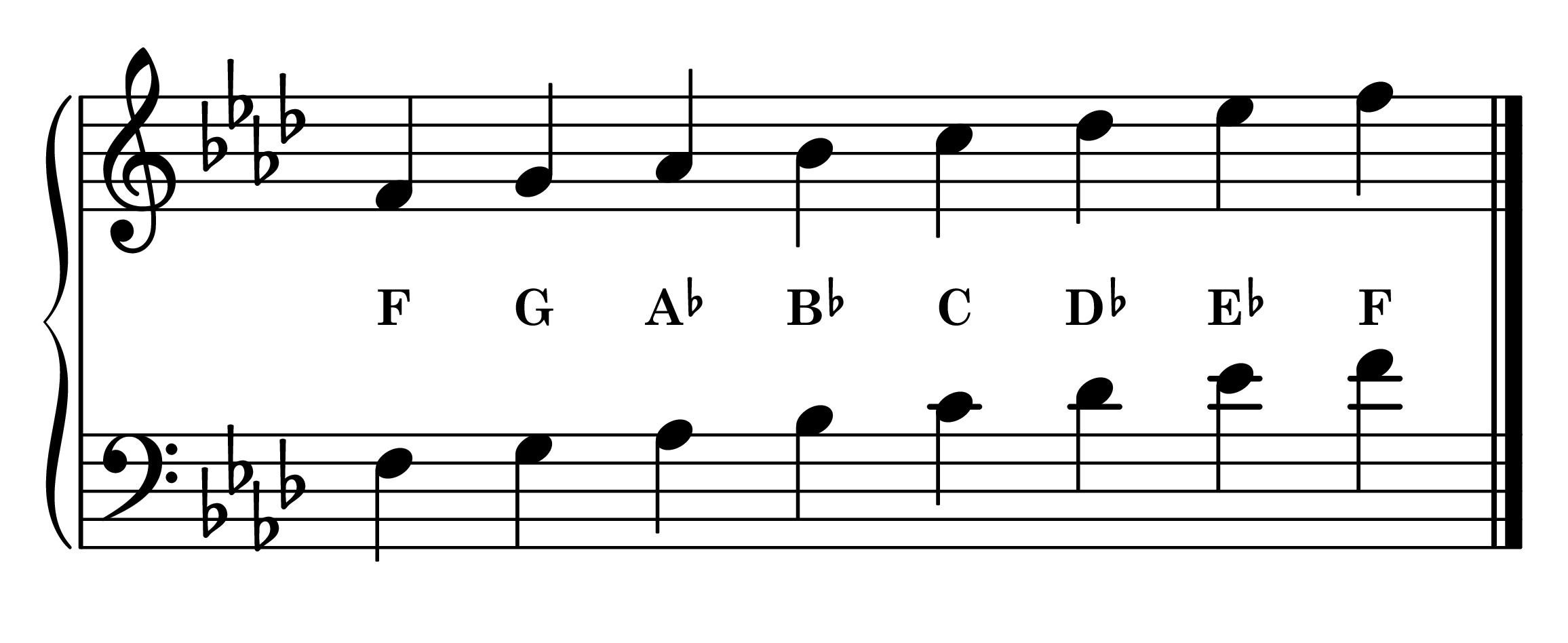
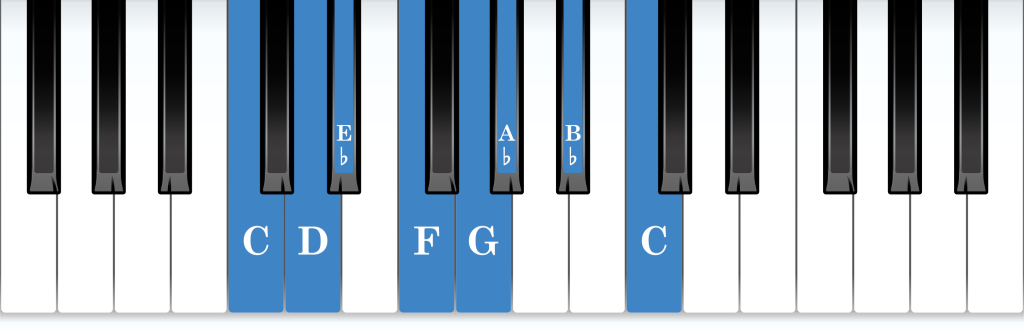
        C major piano scale keyboard layout chart diagram
        Notes of the C major piano scale on the staff
        Notes: C, D, E, F, G, A, B, C
        RH Fingering: 1 2 3 - 1 2 3 4 - 5

        LH Fingering: 5 - 4 3 2 1 - 3 2 1

      2. G Major Scale

        G major piano scale keyboard layout chart diagram
        Notes of the G major piano scale on the staff
        Notes: G, A, B, C, D, E, F♯, G
        RH Fingering: 1 2 3 - 1 2 3 4 - 5

        LH Fingering: 5 - 4 3 2 1 - 3 2 1

      3. D Major Scale

        D major piano scale keyboard layout chart diagram
        Notes of the D major piano scale on the staff
        Notes: D, E, F♯, G, A, B, C♯, D
        RH Fingering: 1 2 3 - 1 2 3 4 - 5

        LH Fingering: 5 - 4 3 2 1 - 3 2 1

      4. A Major Scale

        A major piano scale keyboard layout chart diagram
        Notes of the A major piano scale on the staff
        Notes: A, B, C♯, D, E, F♯, G♯, A
        RH Fingering: 1 2 3 - 1 2 3 4 - 5

        LH Fingering: 5 - 4 3 2 1 - 3 2 1

      5. E Major Scale

        E major piano scale keyboard layout chart diagram
        Notes of the E major piano scale on the staff
        Notes: E, F♯, G♯, A, B, C♯, D♯, E
        RH Fingering: 1 2 3 - 1 2 3 4 - 5

        LH Fingering: 5 - 4 3 2 1 - 3 2 1

      6. B Major Scale

        B major piano scale keyboard layout chart diagram
        Notes of the B major piano scale on the staff
        Notes: B, C♯, D♯, E, F♯, G♯, A♯, B
        RH Fingering: 1 2 3 - 1 2 3 4 - 5

        LH Fingering: 4 3 2 1 - 4 3 2 1

      7. G-flat Major Scale

        G-flat major piano scale keyboard layout chart diagram
        Notes of the G-flat major piano scale on the staff
        Notes: G♭, A♭, B♭, C♭, D♭, E♭, F, G♭
        RH Fingering: 2 3 4 - 1 2 3 - 1 2

        LH Fingering: 4 3 2 1 - 3 2 1 - 4

      8. D-flat Major Scale

        D-flat major piano scale keyboard layout chart diagram
        Notes of the D-flat major piano scale on the staff
        Notes: D♭, E♭, F, G♭, A♭, B♭, C, D♭
        RH Fingering: 2 3 - 1 2 3 4 - 1 2

        LH Fingering: 3 2 1 - 4 3 2 1 - 3

      9. A-flat Major Scale

        A-flat major piano scale keyboard layout chart diagram
        Notes of the A-flat major piano scale on the staff
        Notes: A♭, B♭, C, D♭, E♭, F, G, A♭
        RH Fingering: 3 4 - 1 2 3 -1 2 3

        LH Fingering: 3 2 1 - 4 3 2 1 -3

      10. E-flat Major Scale

        E-flat major piano scale keyboard layout chart diagram
        Notes of the E-flat major piano scale on the staff
        Notes: E♭, F, G, A♭, B♭,C, D, E♭
        RH Fingering: 3 - 1 2 3 4 - 1 2 3

        LH Fingering: 3 2 1 - 4 3 2 1 -3

      11. B-flat Major Scale

        B-flat major piano scale keyboard layout chart diagram
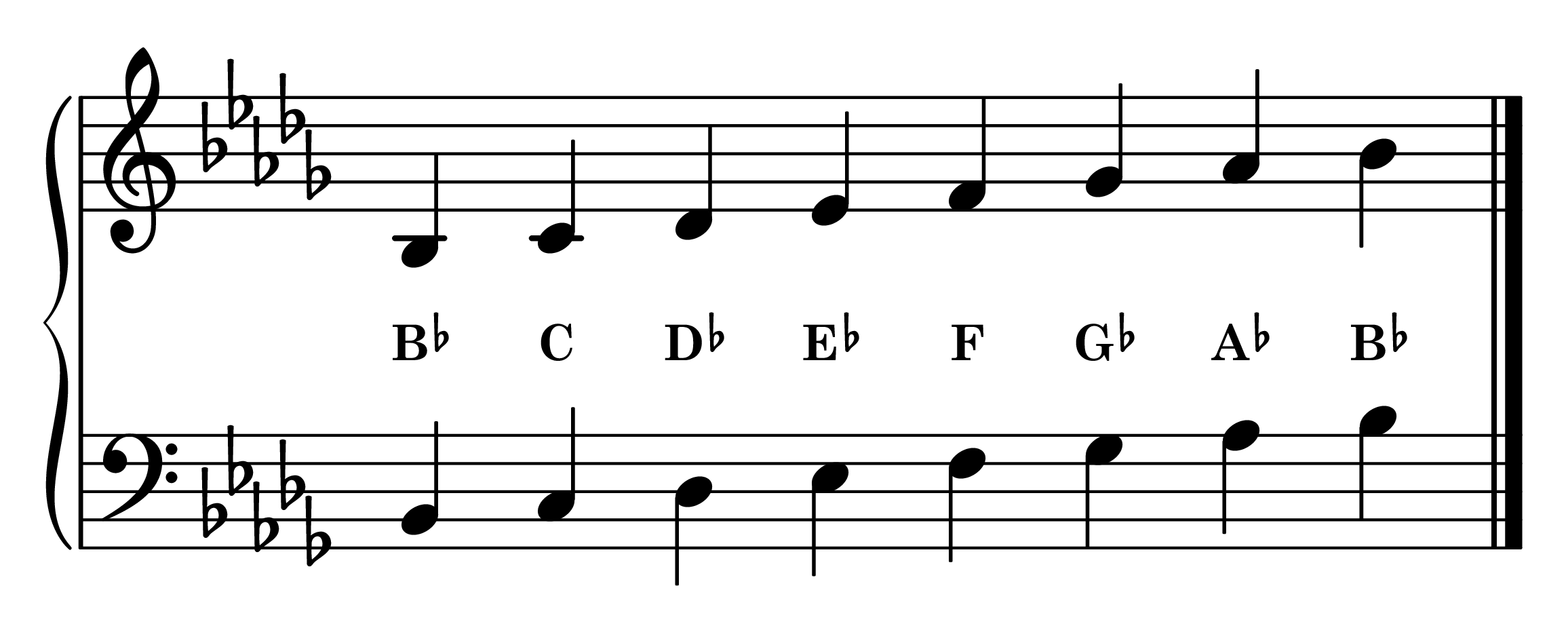
        Notes of the B-flat major piano scale on the staff
        Notes: B♭, C, D, E♭, F, G, A, B♭
        RH Fingering: 4 - 1 2 3 - 1 2 3 4

        LH Fingering: 3 2 1 - 4 3 2 1 - 3

      12. F Major Scale

        F major piano scale keyboard layout chart diagram
        Notes of the F major piano scale on the staff
        Notes: F, G, A, B♭, C, D, E, F
        RH Fingering: 1 2 3 4 -1 2 3 4

        LH Fingering: 5 - 4 3 2 1 - 3 2 1

      Browse Minor Scales

      A Minor Scale

      A natural minor piano scale keyboard layout chart diagram
      Notes of the A natural minor piano scale on the staff
      Notes: A, B, C, D, E, F, G, A
      RH Fingering: 1 2 3 - 1 2 3 4 - 5

      LH Fingering: 5 - 4 3 2 1 - 3 2 1

      E Minor Scale

      E natural minor piano scale keyboard layout chart diagram
      Notes of the E natural minor piano scale on the staff
      Notes: E, F♯, G, A, B, C, D, E
      RH Fingering: 1 2 3 - 1 2 3 4 - 5

      LH Fingering: 5 - 4 3 2 1 - 3 2 1

      B Minor Scale

      B natural minor piano scale keyboard layout chart diagram
      Notes of the B natural minor piano scale on the staff
      Notes: B, C♯, D, E, F♯, G, A, B
      RH Fingering: 1 2 3 - 1 2 3 4 - 5

      LH Fingering: 4 3 2 1 - 4 3 2 1

      F-sharp Minor Scale

      F-sharp natural minor piano scale keyboard layout chart diagram
      Notes of the F-sharp natural minor piano scale on the staff
      Notes: F♯, G♯, A, B, C♯, D, E, F♯
      RH Fingering: 3 4 - 1 2 3 - 1 2 3

      LH Fingering: 4 3 2 1 - 3 2 1 - 4

      C-sharp Minor Scale

      C-sharp natural minor piano scale keyboard layout chart diagram
      Notes of the C-sharp natural minor piano scale on the staff
      Notes: C♯, D♯, E, F♯, G♯, A, B, C♯
      RH Fingering: 3 4 - 1 2 3 - 1 2 3

      LH Fingering: 3 2 1 - 4 3 2 1 - 3

      G-sharp Minor Scale

      G-sharp natural minor piano scale keyboard layout chart diagram
      Notes of the G-sharp natural minor piano scale on the staff
      Notes: G♯, A♯, B, C♯, D♯, E, F♯, G♯
      RH Fingering: 3 4 - 1 2 3 - 1 2 3

      LH Fingering: 3 2 1 - 4 3 2 1 - 3

      E-flat Minor Scale

      E-flat natural minor piano scale keyboard layout chart diagram
      Notes of the E-flat natural minor piano scale on the staff
      Notes: E♭, F, G♭, A♭, B♭, C♭, D♭, E♭
      RH Fingering: 3 - 1 2 3 4 - 1 2 3

      LH Fingering: 2 1 - 4 3 2 1 - 3 2

      B-flat Minor Scale

      B-flat natural minor piano scale keyboard layout chart diagram
      Notes of the B-flat natural minor piano scale on the staff
      Notes: B♭, C, D♭, E♭, F, G♭, A♭, B♭
      RH Fingering: 4- 1 2 3 - 1 2 3 4

      LH Fingering: 2 1 - 3 2 1 - 4 3 2

      F Minor Scale

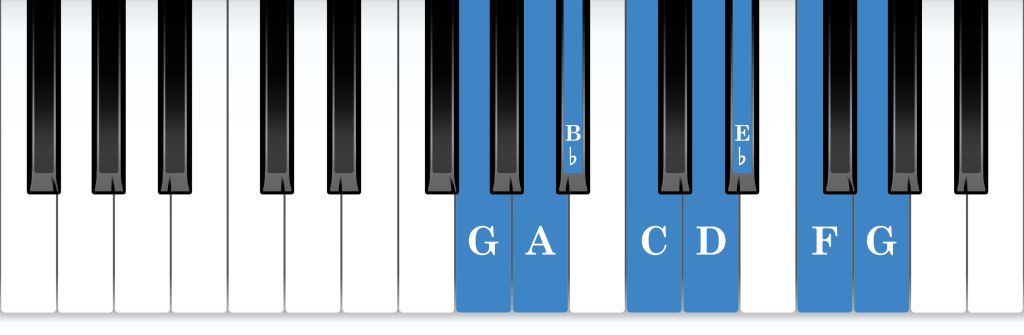
      F natural minor piano scale keyboard layout chart diagram
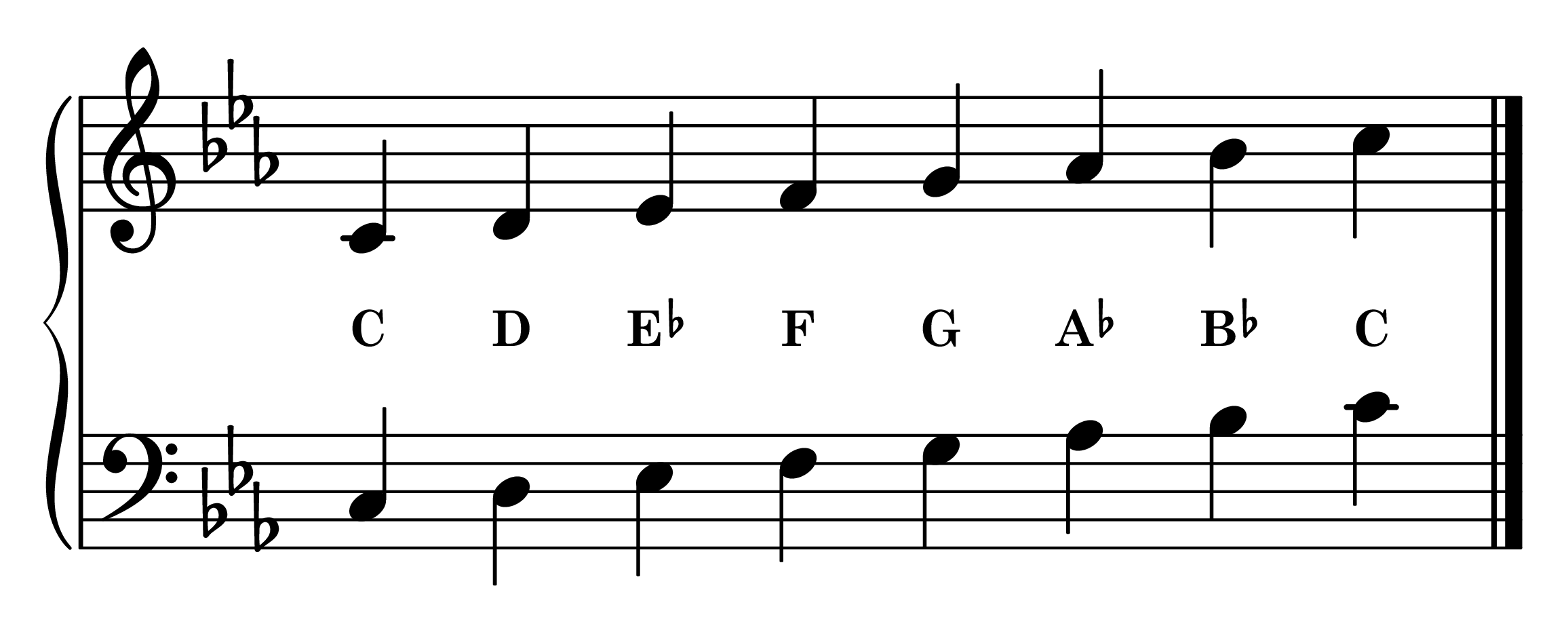
      Notes of the F natural minor piano scale on the staff
      Notes: F, G, A♭, B♭, C, D♭, E♭, F
      RH Fingering: 1 2 3 4 - 1 2 3 4

      LH Fingering: 5 - 4 3 2 1 - 3 2 1

      C Minor Scale

      C natural minor piano scale keyboard layout chart diagram
      Notes of the C natural minor piano scale on the staff
      Notes: C, D, E♭, F, G, A♭, B♭, C
      RH Fingering: 1 2 3 - 1 2 3 4 - 5

      LH Fingering: 5 - 4 3 2 1 - 3 2 1

      G Minor Scale

      G natural minor piano scale keyboard layout chart diagram
      Notes of the G natural minor piano scale on the staff
      Notes: G, A, B♭, C, D, E♭, F, G
      RH Fingering: 1 2 3 - 1 2 3 4 - 5

      LH Fingering: 5 - 4 3 2 1 - 3 2 1

      D Minor Scale

      D natural minor piano scale keyboard layout chart diagram
      Notes of the D natural minor piano scale on the staff
      Notes: D, E, F, G, A, B♭, C, D
      RH Fingering: 1 2 3 - 1 2 3 4 - 5

      LH Fingering: 5 - 4 3 2 1 - 3 2 1

      Scroll to Top

      Ask a question about this lesson

      Questions go straight to Loren. Answers are posted at the bottom of the lesson.
      Your email is only used to reply and is never shown on the site.