The Locrian Mode

The Locrian mode is the most unstable of the seven. On the white keys it runs from B to B, the notes of C major with B as home. Compared with the natural minor on the same note, two notes change: the 2nd and the 5th are both lowered a half step.

The Locrian mode on every note

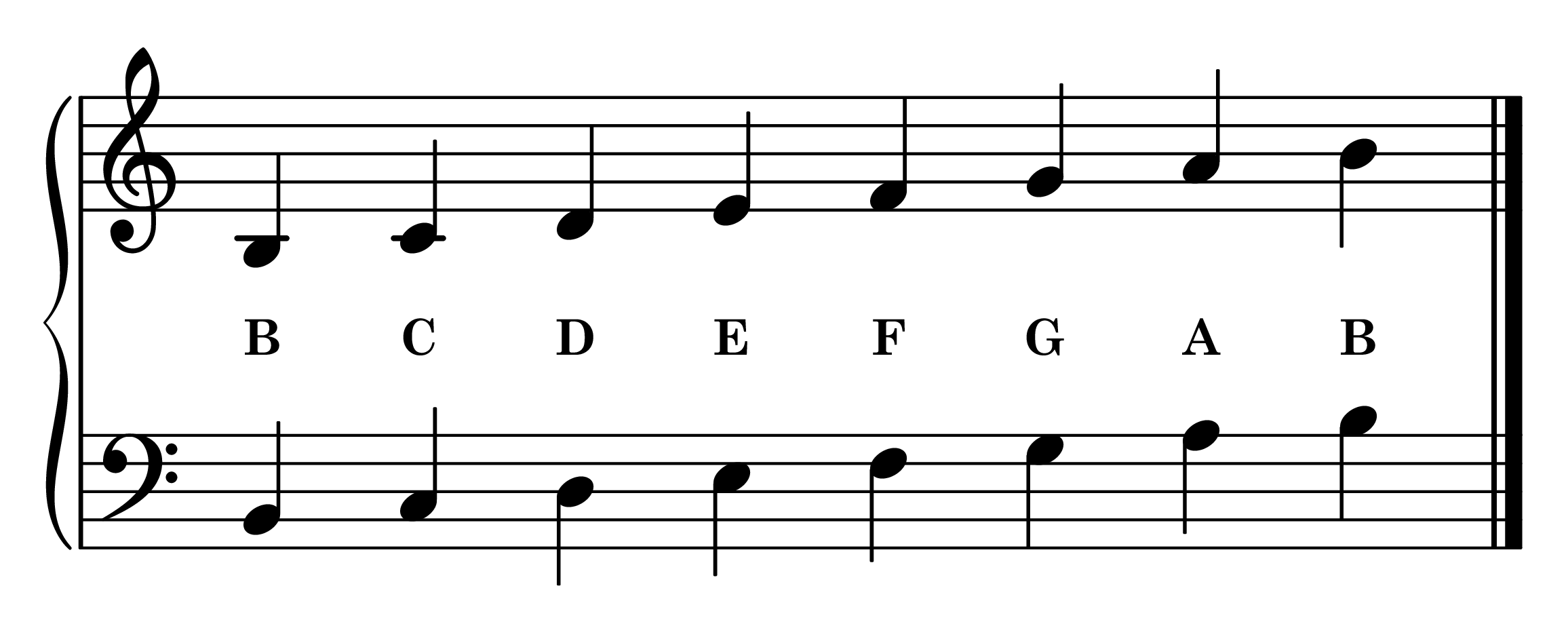
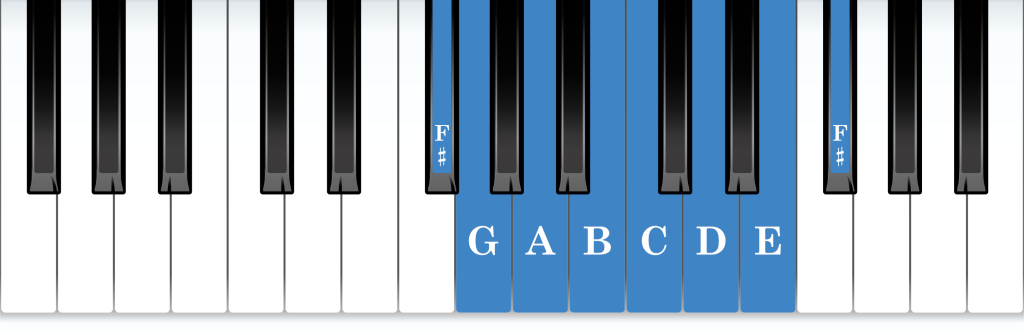
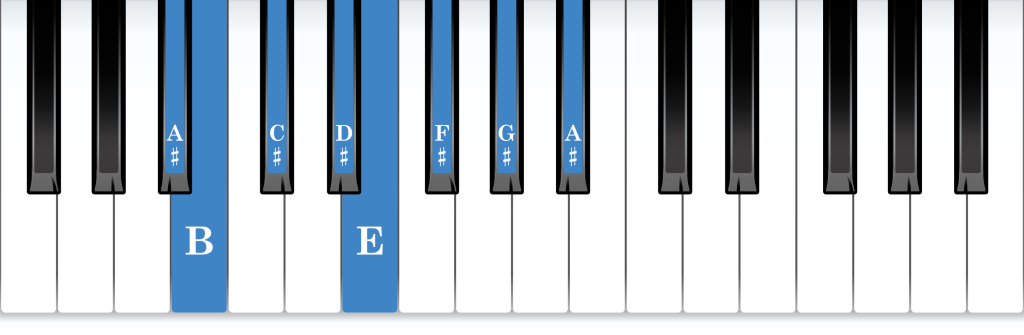
B Locrian
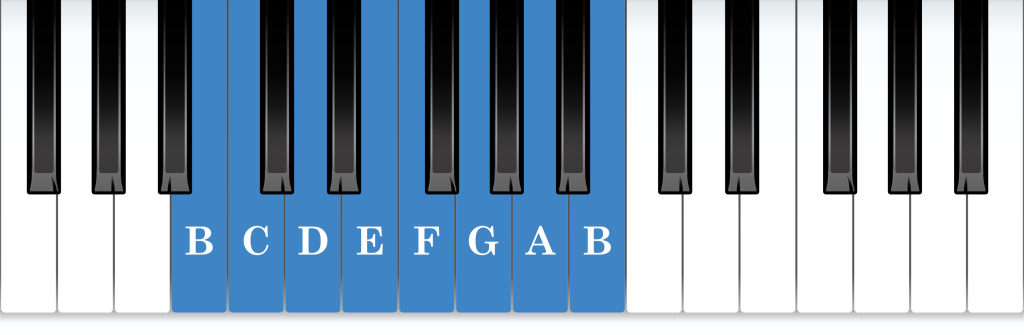
B Locrian mode piano notes diagram
B Locrian mode notes on staff with note names
Notes: B C D E F G A B
RH Fingering: 1 2 3 1 2 3 4 5

LH Fingering: 5 4 3 2 1 3 2 1

Parent Scale: C Major Scale

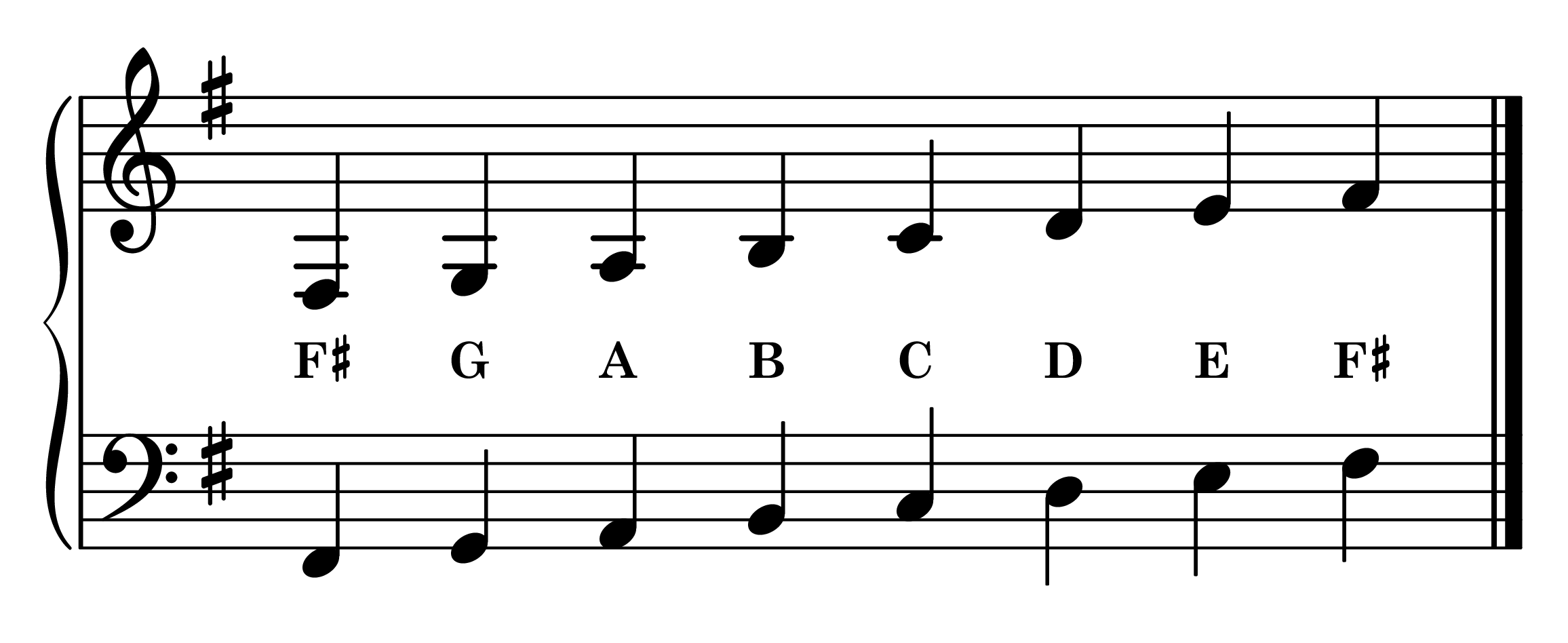
F-sharp Locrian

F-sharp Locrian mode piano notes diagram
F-sharp Locrian mode notes on staff with note names
Notes: F♯ G A B C D E F♯
RH Fingering: 4 1 2 3 1 2 3 4

LH Fingering: 2 1 4 3 2 1 3 2

Parent Scale: G Major Scale

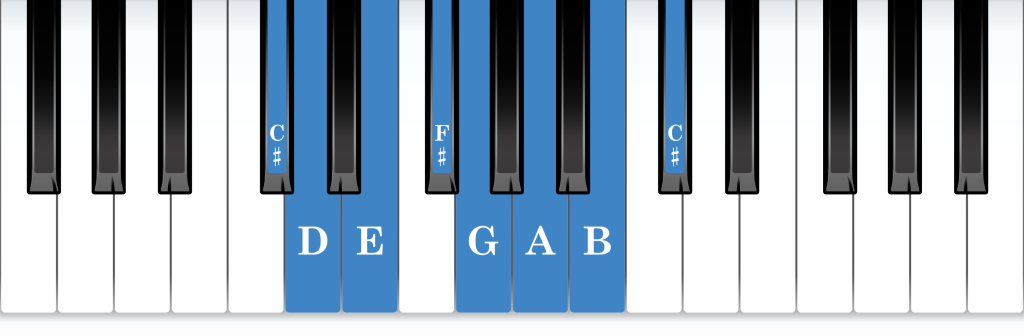
C-sharp Locrian

C-sharp Locrian mode piano notes diagram
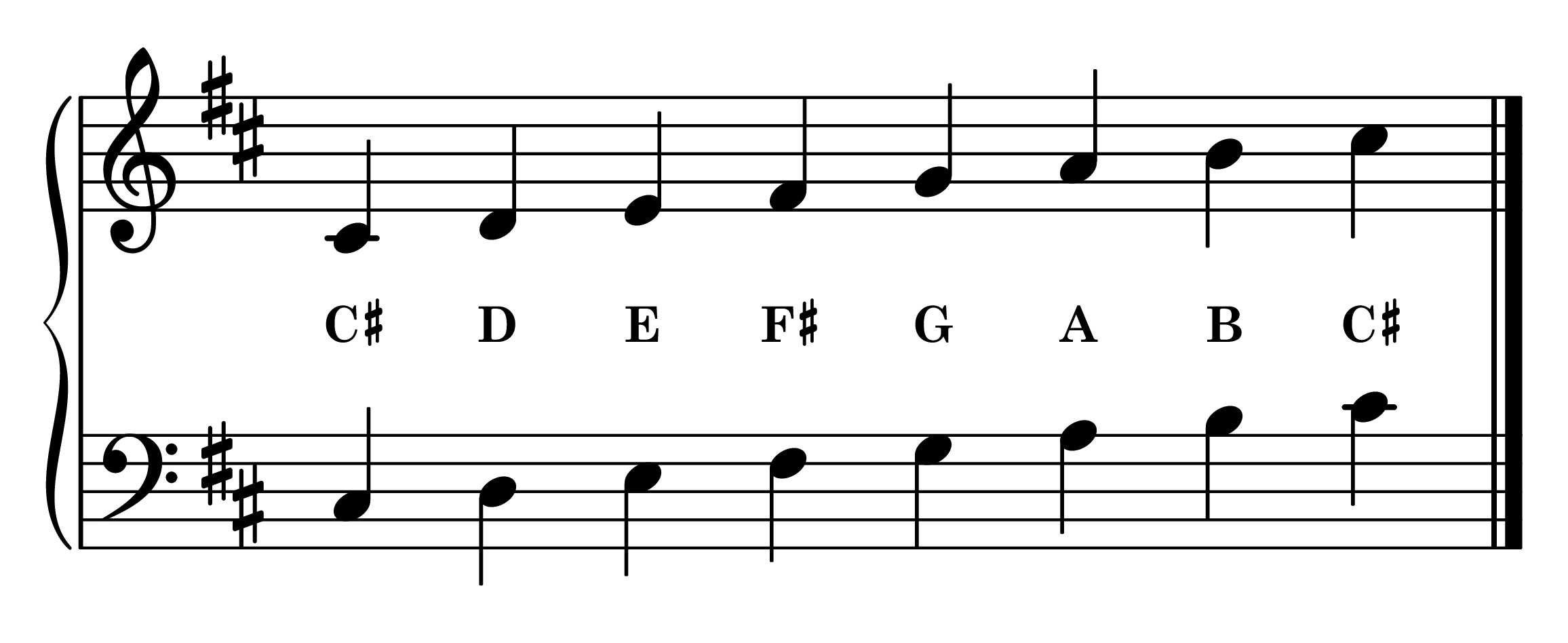
C-sharp Locrian mode notes on staff with note names
Notes: C♯ D E F♯ G A B C♯
RH Fingering: 4 1 2 3 1 2 3 4

LH Fingering: 2 1 4 3 2 1 3 2

Parent Scale: D Major Scale

G-sharp Locrian

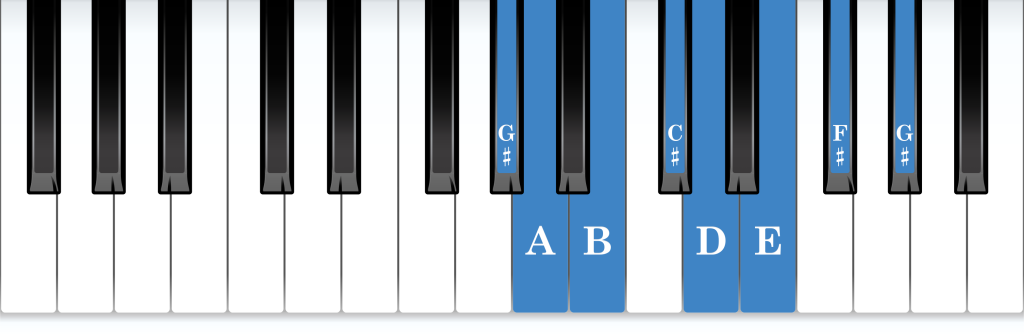
G-sharp Locrian mode piano notes diagram
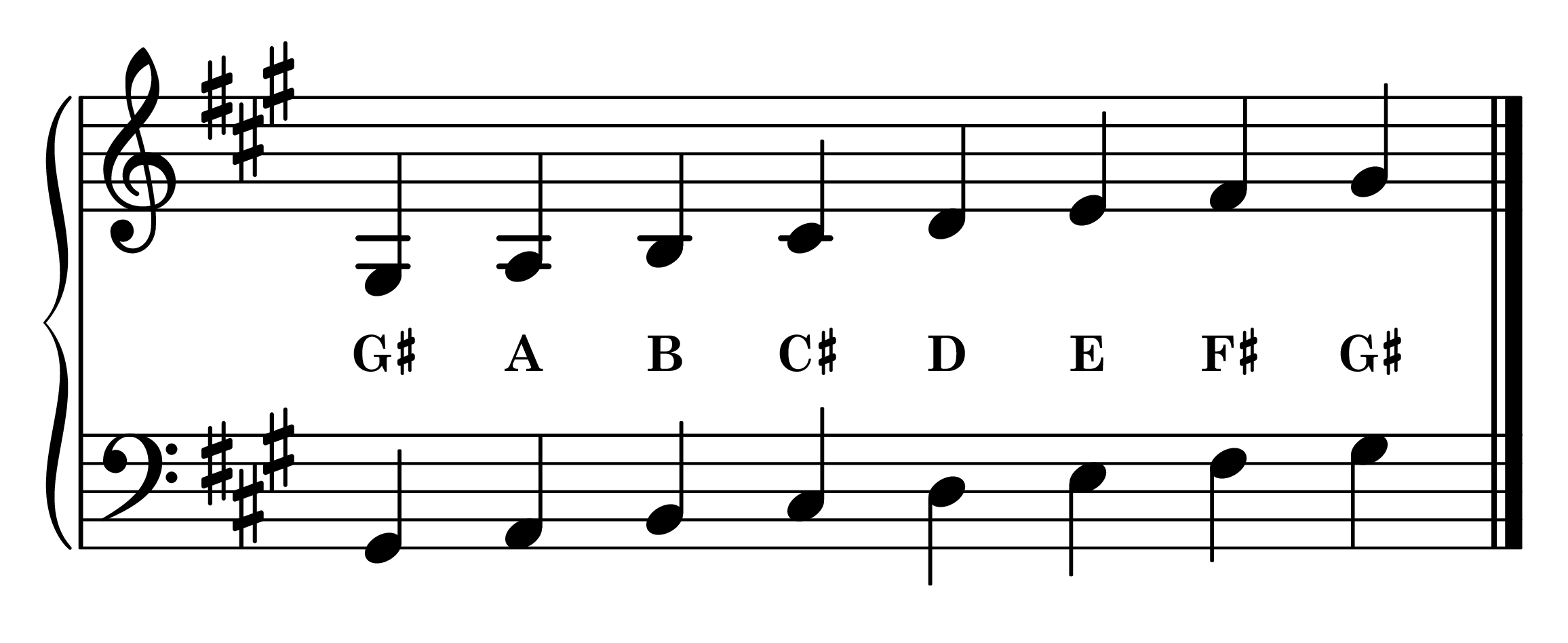
G-sharp Locrian mode notes on staff with note names
Notes: G♯ A B C♯ D E F♯ G♯
RH Fingering: 4 1 2 3 1 2 3 4

LH Fingering: 2 1 4 3 2 1 3 2

Parent Scale: A Major Scale

D-sharp Locrian

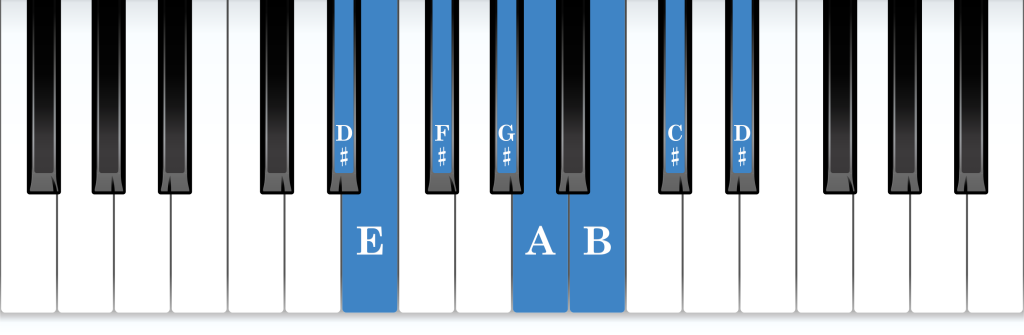
D-sharp Locrian mode piano notes diagram
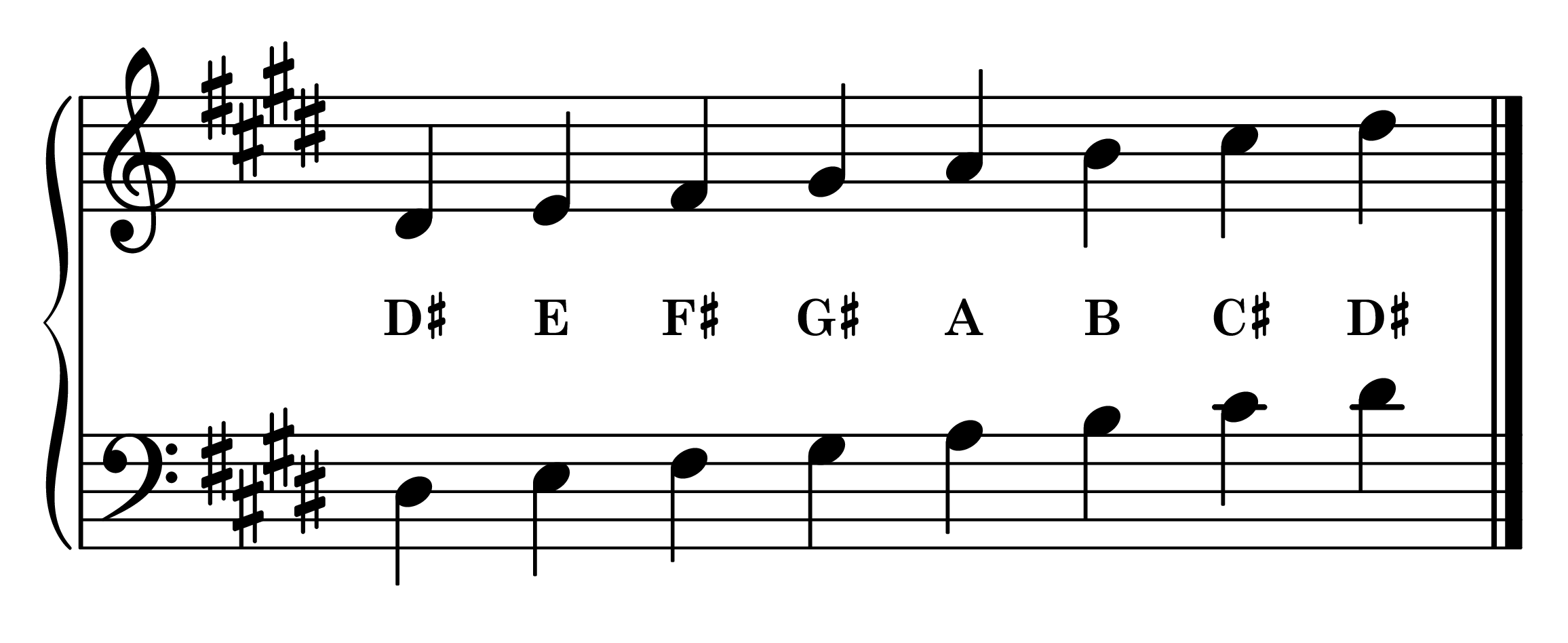
D-sharp Locrian mode notes on staff with note names
Notes: D♯ E F♯ G♯ A B C♯ D♯
RH Fingering: 4 1 2 3 1 2 3 4

LH Fingering: 2 1 4 3 2 1 3 2

Parent Scale: E Major Scale

A-sharp Locrian

A-sharp Locrian mode piano notes diagram
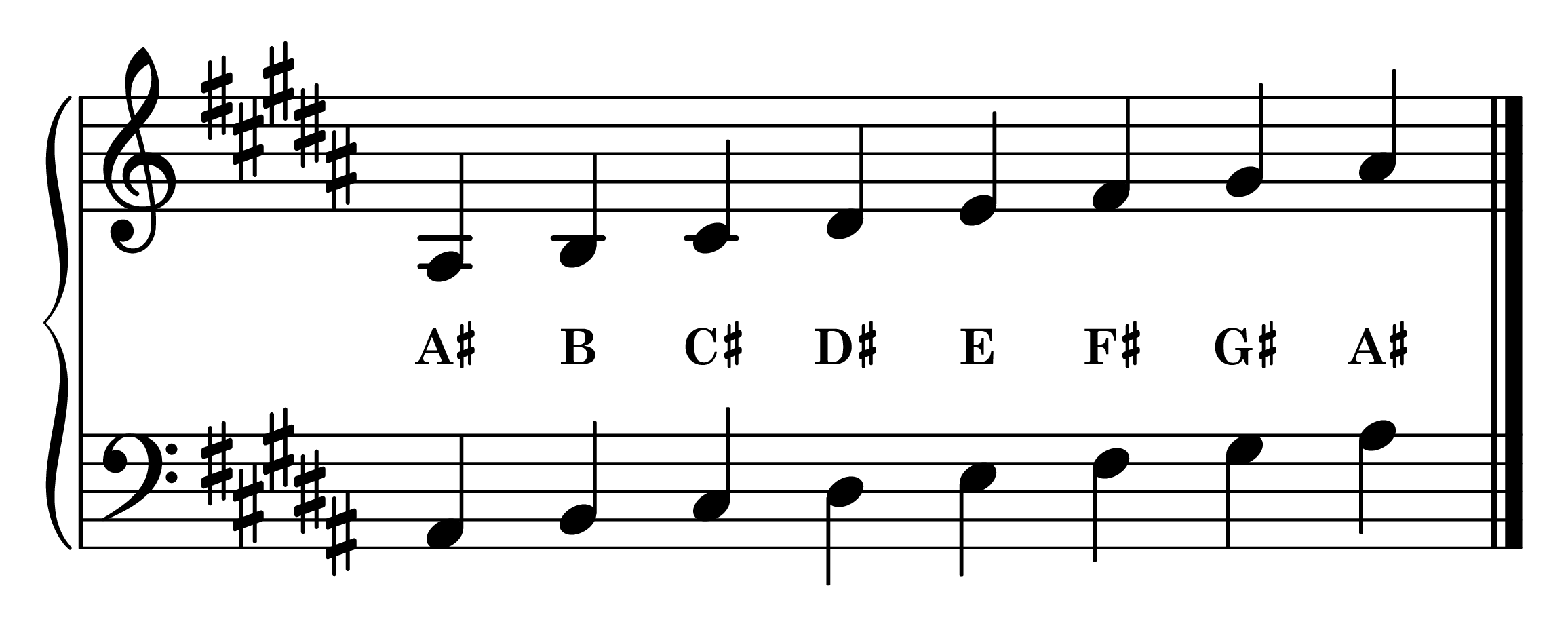
A-sharp Locrian mode notes on staff with note names
Notes: A♯ B C♯ D♯ E F♯ G♯ A♯
RH Fingering: 4 1 2 3 1 2 3 4

LH Fingering: 2 1 3 2 1 4 3 2

Parent Scale: B Major Scale

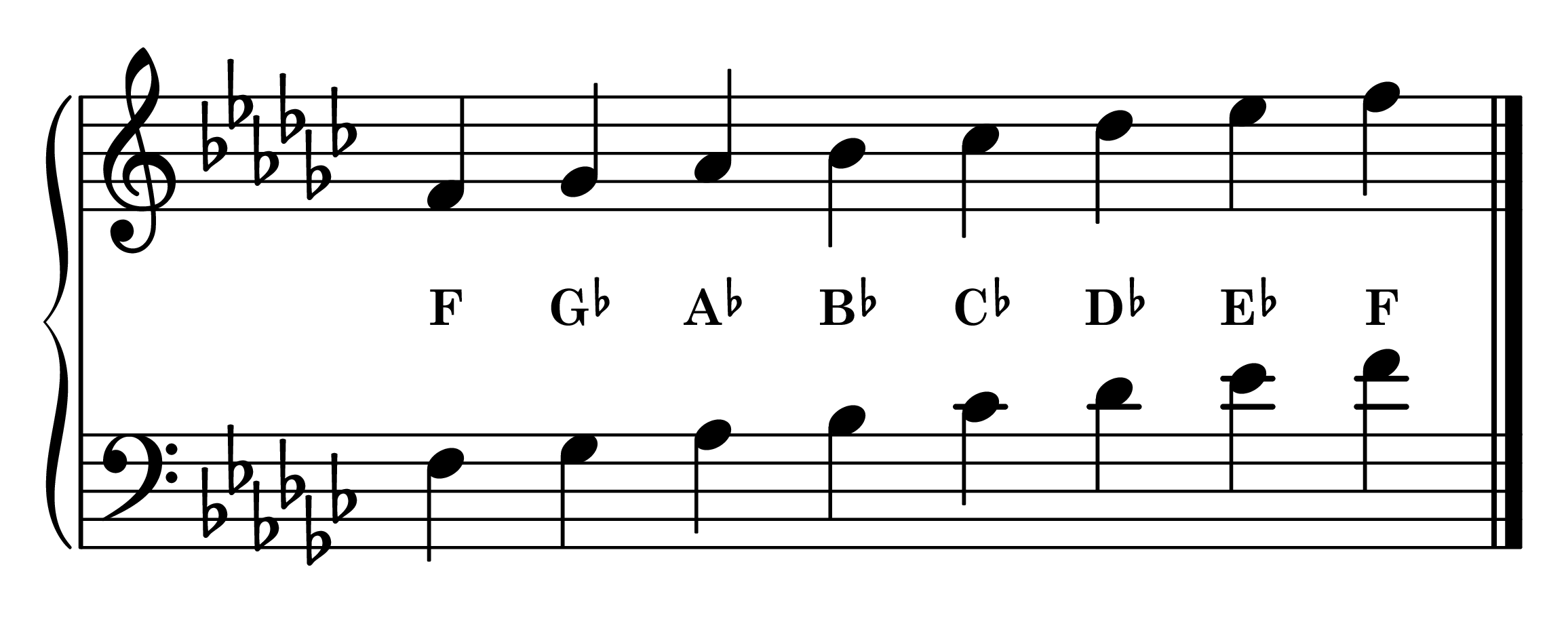
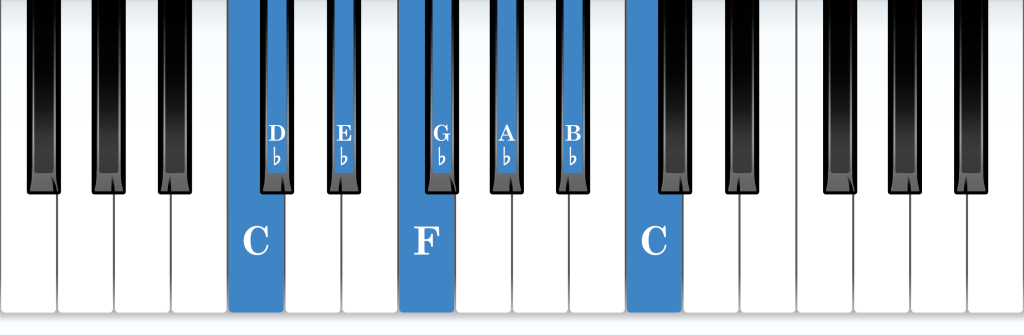
F Locrian

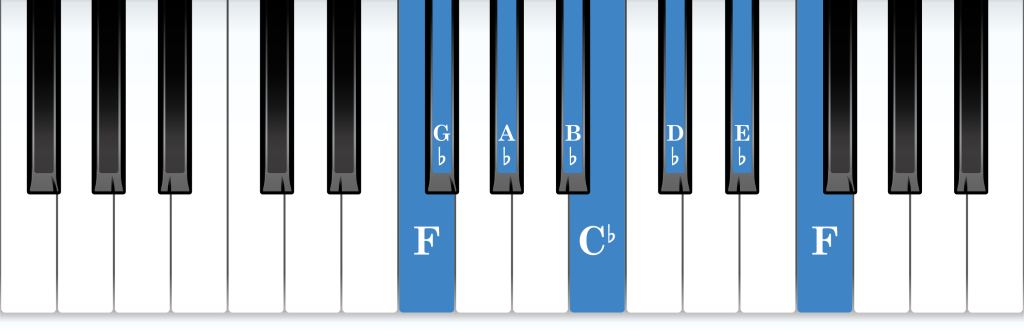
F Locrian mode piano notes diagram
F Locrian mode notes on staff with note names
Notes: F Gâ™­ Aâ™­ Bâ™­ Câ™­ Dâ™­ Eâ™­ F
RH Fingering: 1 2 3 4 1 2 3 4

LH Fingering: 5 4 3 2 1 3 2 1

Parent Scale: G-flat Major Scale

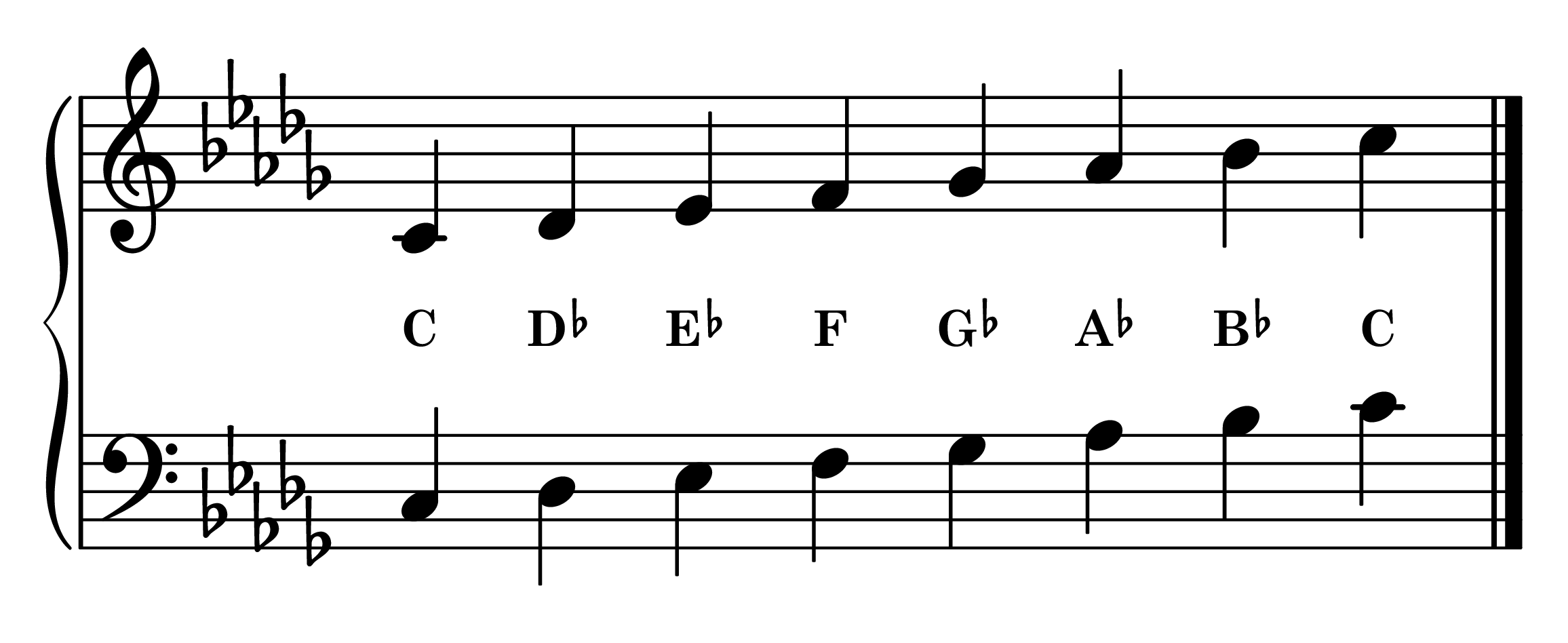
C Locrian

C Locrian mode piano notes diagram
C Locrian mode notes on staff with note names
Notes: C Dâ™­ Eâ™­ F Gâ™­ Aâ™­ Bâ™­ C
RH Fingering: 1 2 3 1 2 3 4 5

LH Fingering: 4 3 2 1 4 3 2 1

Parent Scale: D-flat Major Scale

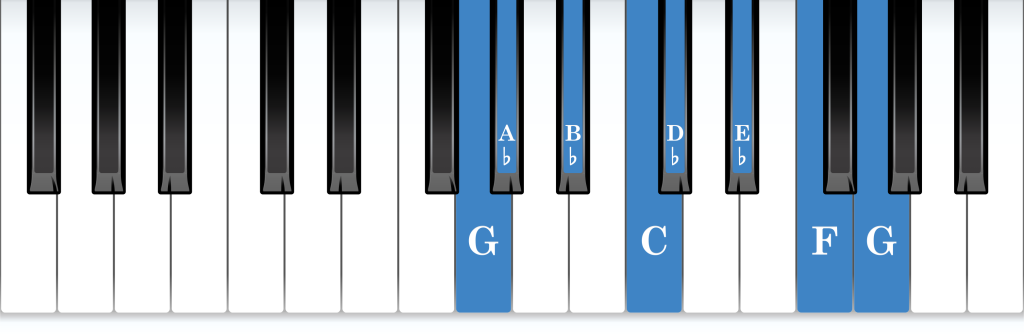
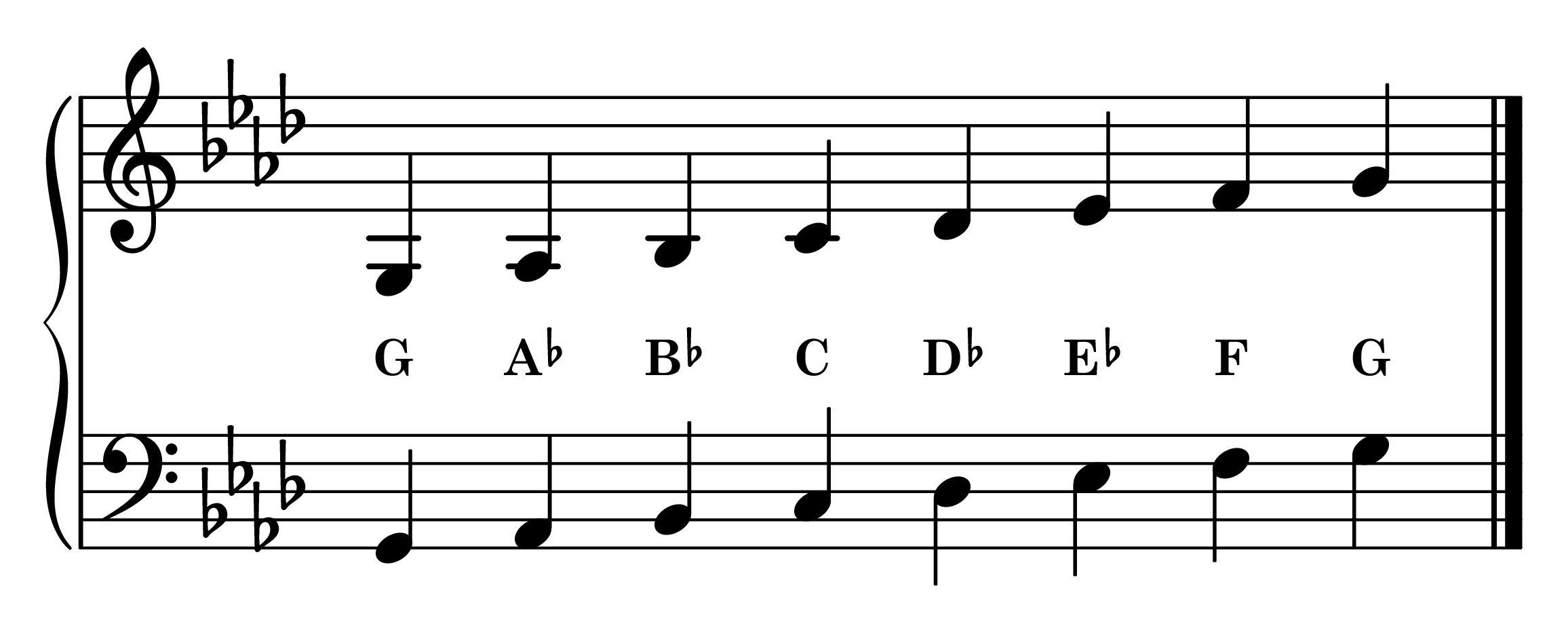
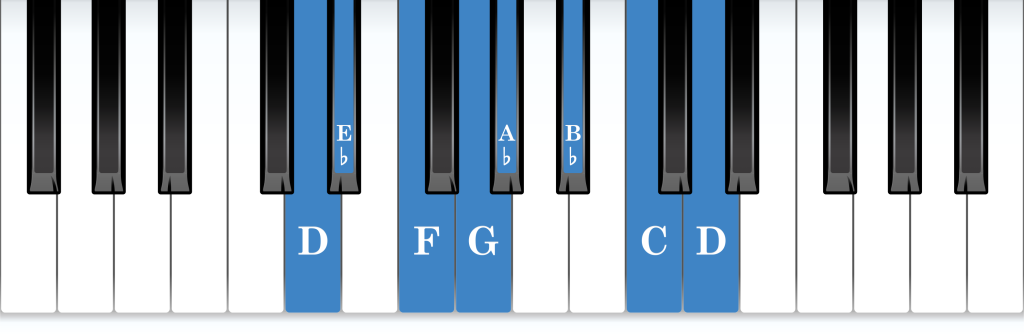
G Locrian

G Locrian mode piano notes diagram
G Locrian mode notes on staff with note names
Notes: G Aâ™­ Bâ™­ C Dâ™­ Eâ™­ F G
RH Fingering: 1 2 3 1 2 3 4 5

LH Fingering: 4 3 2 1 4 3 2 1

Parent Scale: A-flat Major Scale

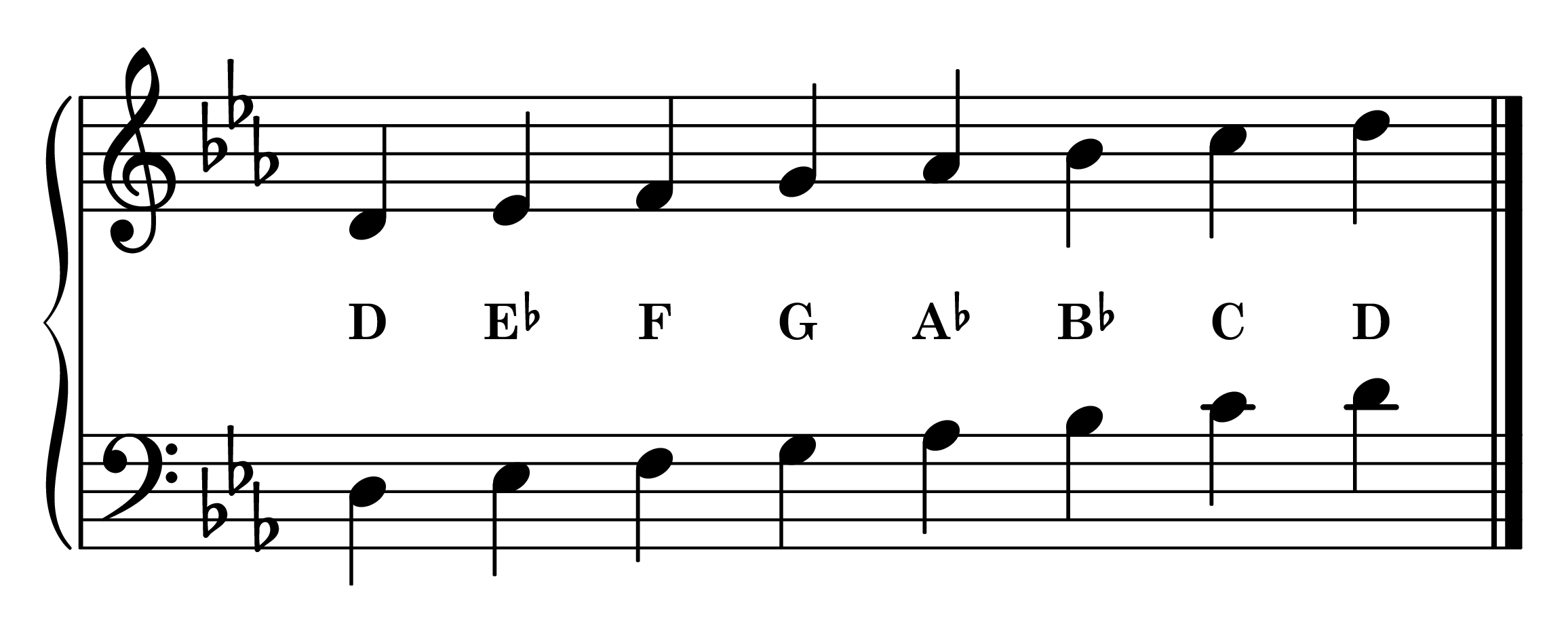
D Locrian

D Locrian mode piano notes diagram
D Locrian mode notes on staff with note names
Notes: D Eâ™­ F G Aâ™­ Bâ™­ C D
RH Fingering: 1 2 3 1 2 3 4 5

LH Fingering: 4 3 2 1 4 3 2 1

Parent Scale: E-flat Major Scale

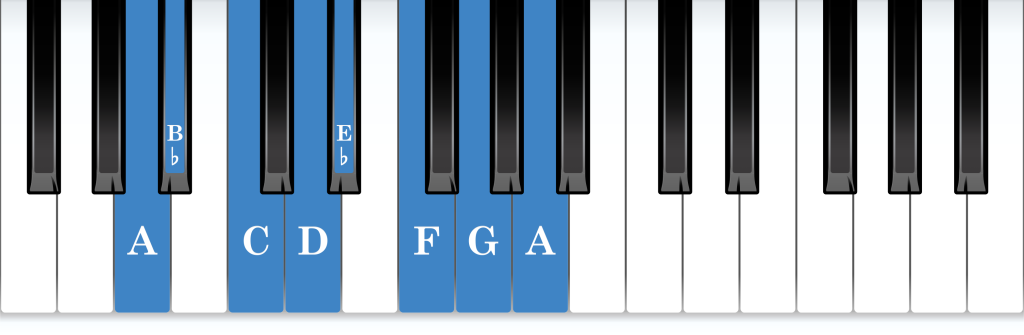
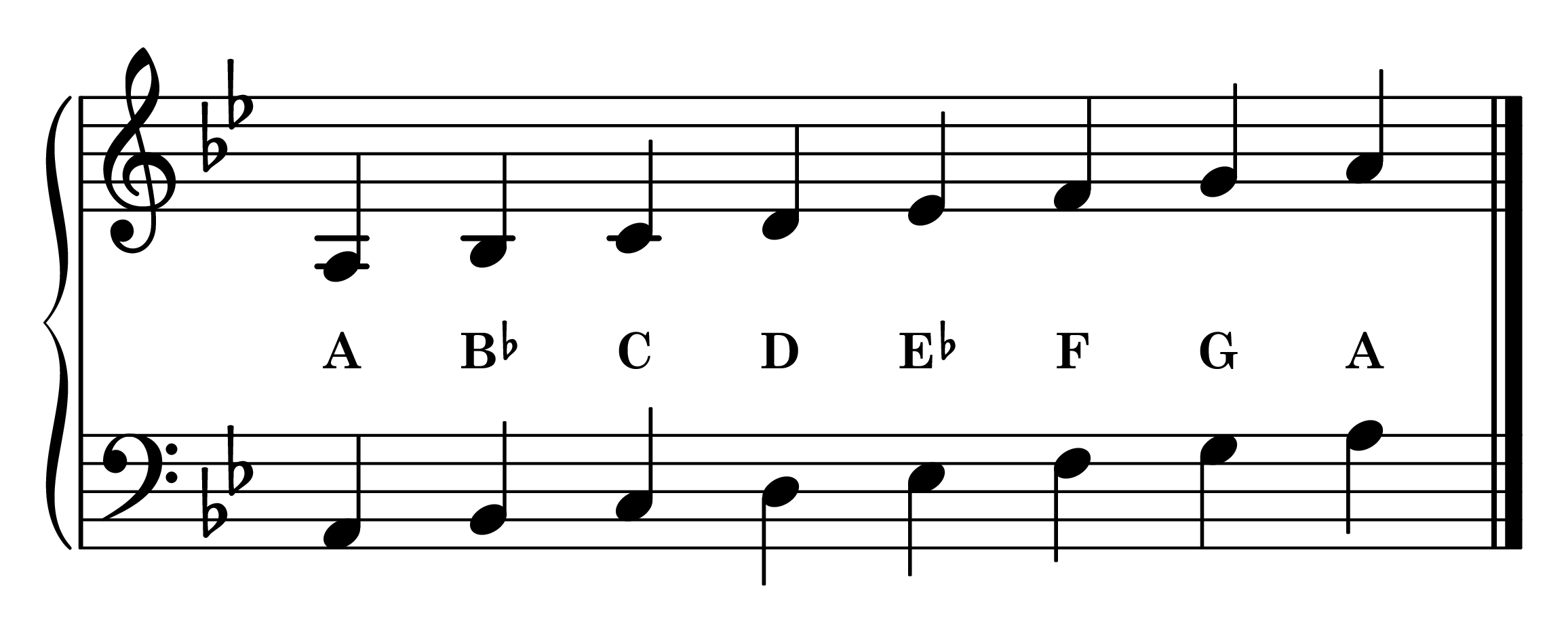
A Locrian

A Locrian mode piano notes diagram
A Locrian mode notes on staff with note names
Notes: A Bâ™­ C D Eâ™­ F G A
RH Fingering: 1 2 3 1 2 3 4 5

LH Fingering: 4 3 2 1 4 3 2 1

Parent Scale: B-flat Major Scale

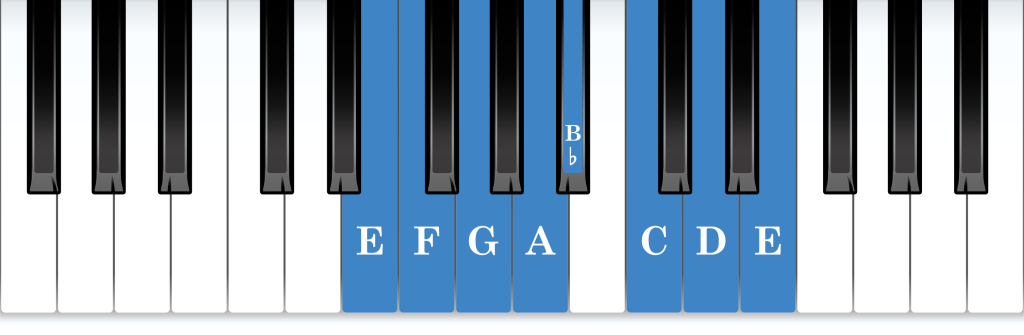
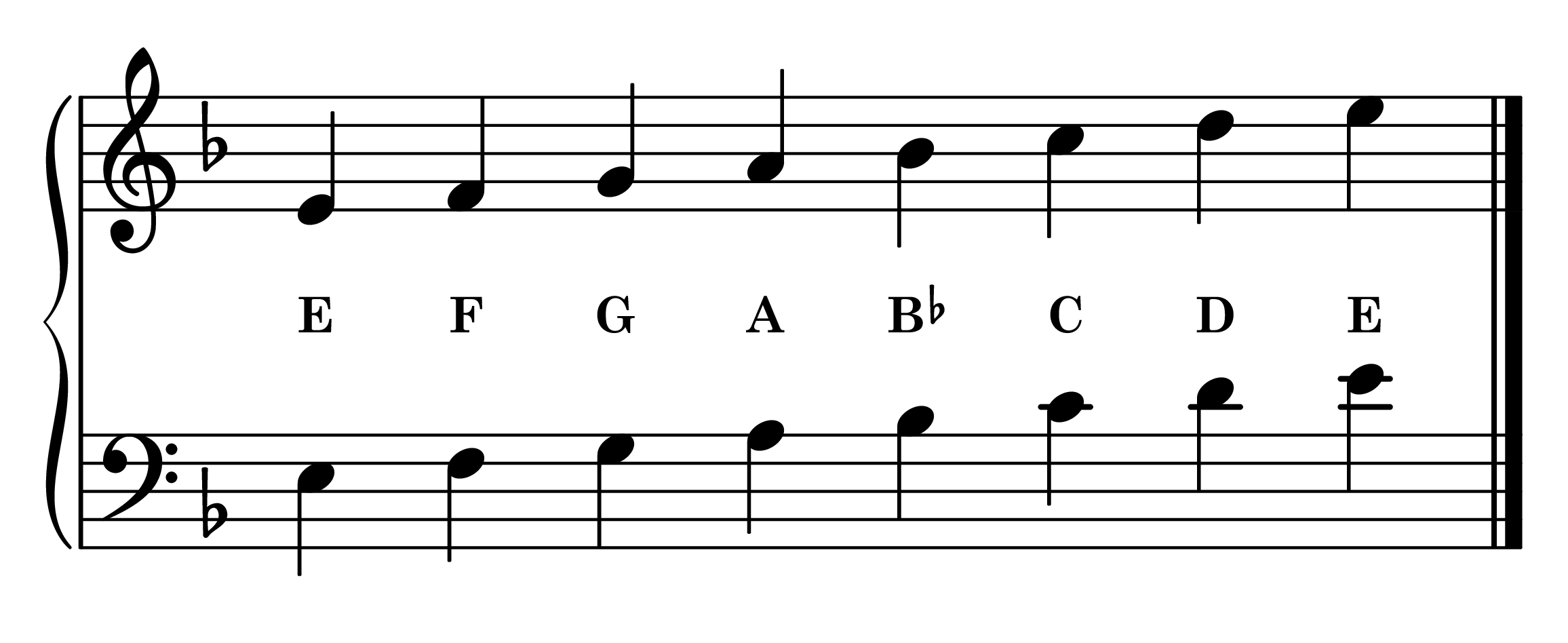
E Locrian

E Locrian mode piano notes diagram
E Locrian mode notes on staff with note names
Notes: E F G A Bâ™­ C D E
RH Fingering: 1 2 3 1 2 3 4 5

LH Fingering: 2 1 4 3 2 1 3 2

Parent Scale: F Major Scale

What gives the Locrian mode its sound

The lowered 5th is the important one. Without a perfect 5th above the tonic, the chord on the tonic is diminished, and the scale has no stable place to rest. The lowered 2nd adds to the tension, pressing down on the tonic from a half step above. Played slowly, Locrian sounds unresolved from beginning to end.

Try playing B natural minor and then B Locrian, and listen to the 2nd and the 5th: C-sharp and F-sharp in one, C and F in the other.

Finding Locrian on any note

Locrian is the major scale played from its 7th note: B Locrian uses the notes of C major, and F-sharp Locrian the notes of G major. Or, starting from the natural minor on the same note, we lower the 2nd and the 5th.

Where Locrian is heard

Glarean described this scale in 1547 but set it aside, because its diminished 5th gave it no stable home; the name Locrian came later. It has stayed mostly theoretical, appearing in passages rather than whole pieces. It’s still worth playing: hearing why Locrian doesn’t settle makes it clearer why the other modes do.

Scroll to Top