
The Complete Guide to Piano Modes
Learn the seven modes on the piano, what sets each one apart, and how to play them on every note
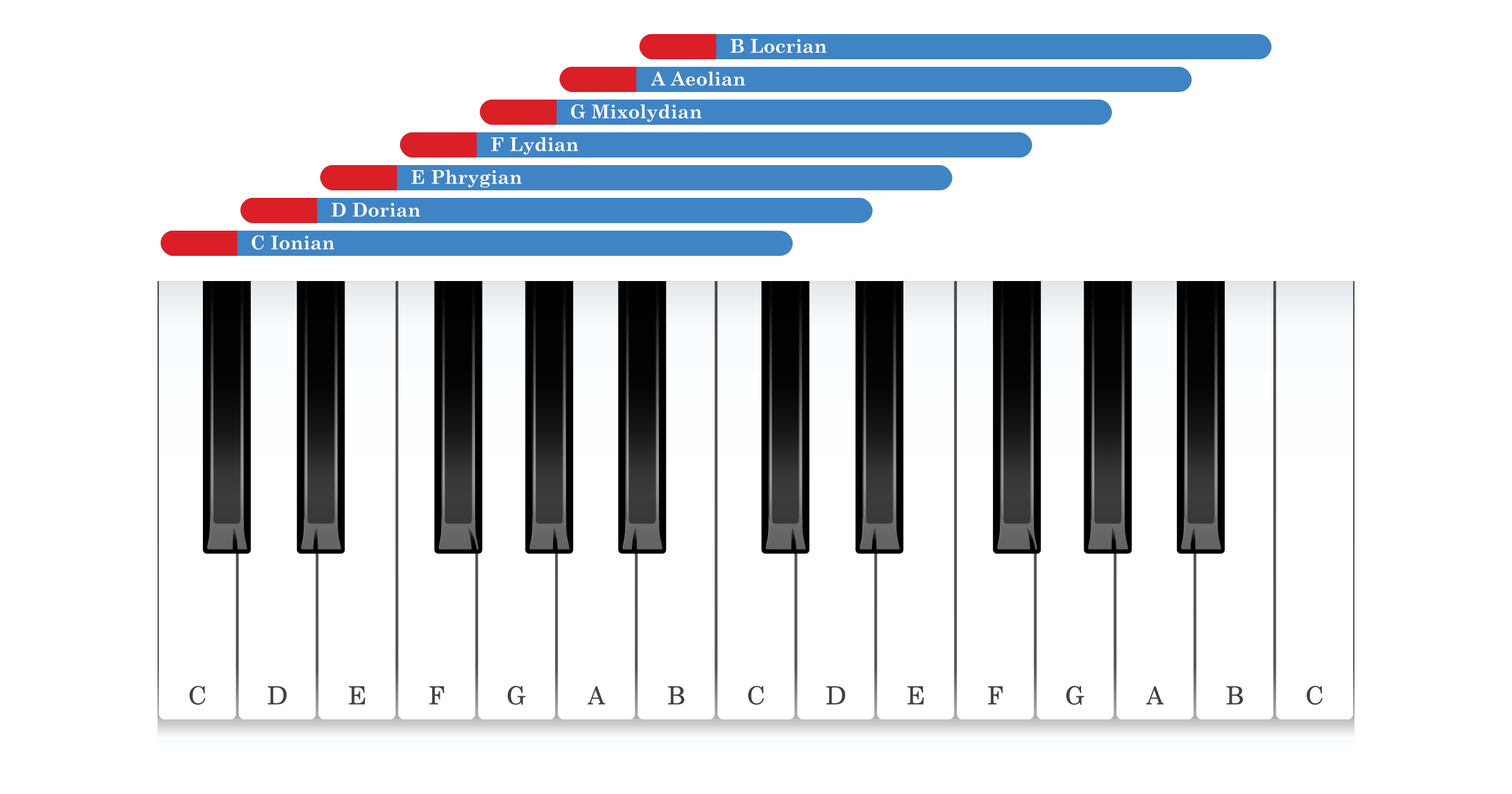
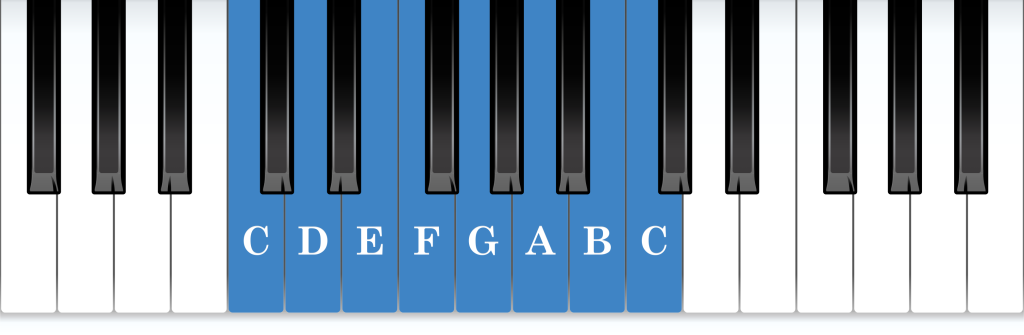
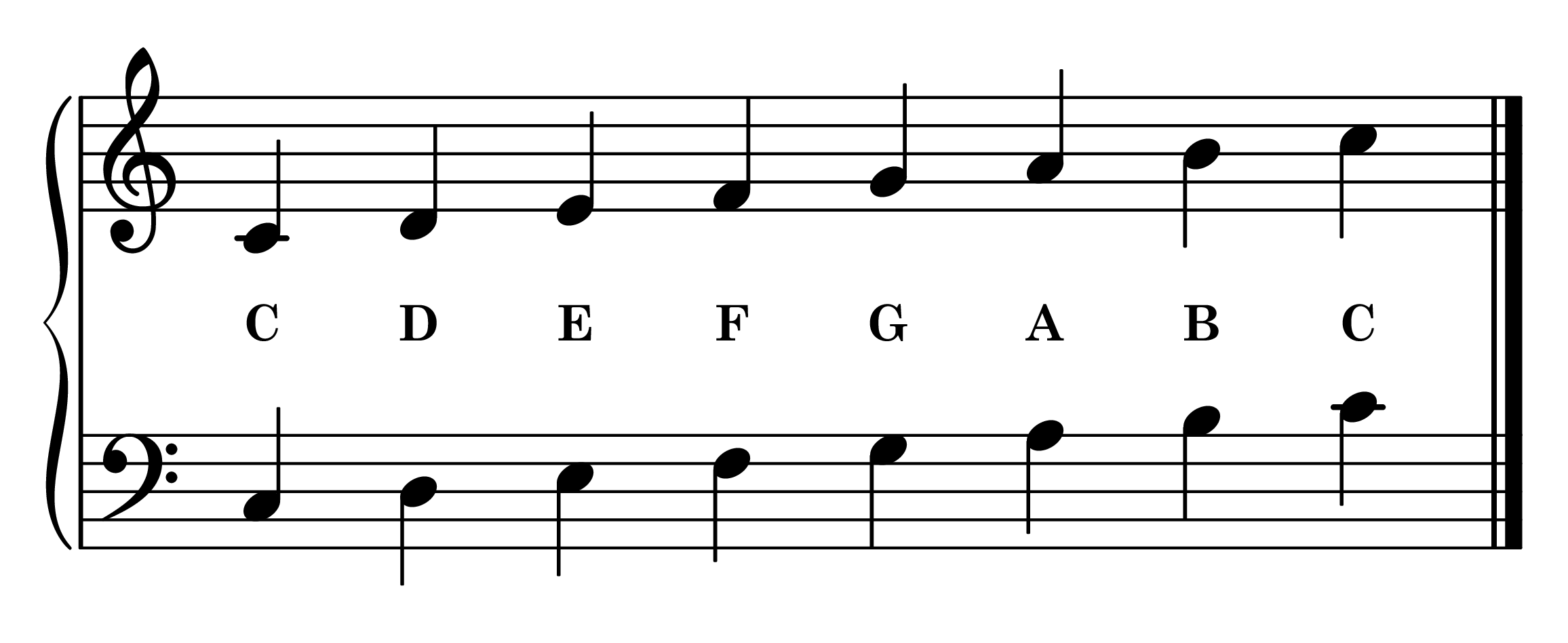
A scale can take on a very different character depending on which pitch feels like home. Play the white keys from C to C and you hear a major scale. Start on D, E, or any of the other white keys, and the collection of pitches stays the same, but the sound changes. What changes is the tonal center, and with it, the pattern of whole and half steps around that center.
These different arrangements are the seven modes. Let’s look at how they are constructed, how to find any mode starting on any note, and what gives each one its characteristic sound. Each mode has its own page, along with individual lessons in all twelve keys with keyboard diagrams, fingering, and notation.
The 7 Modes
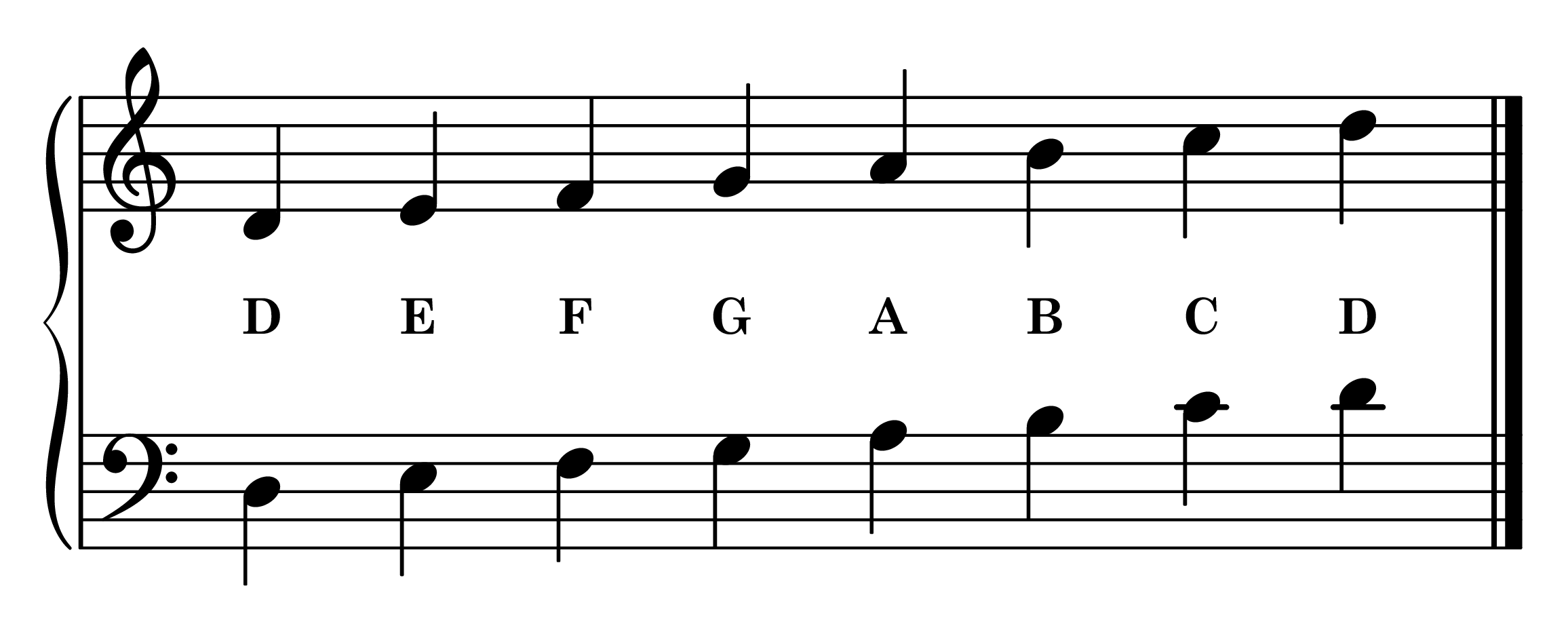
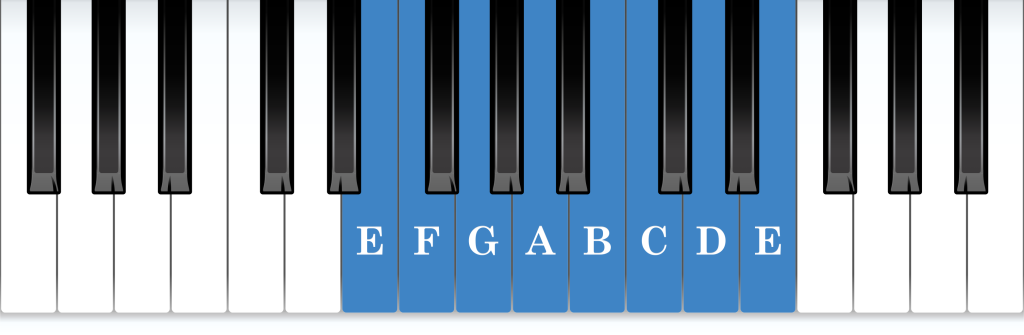
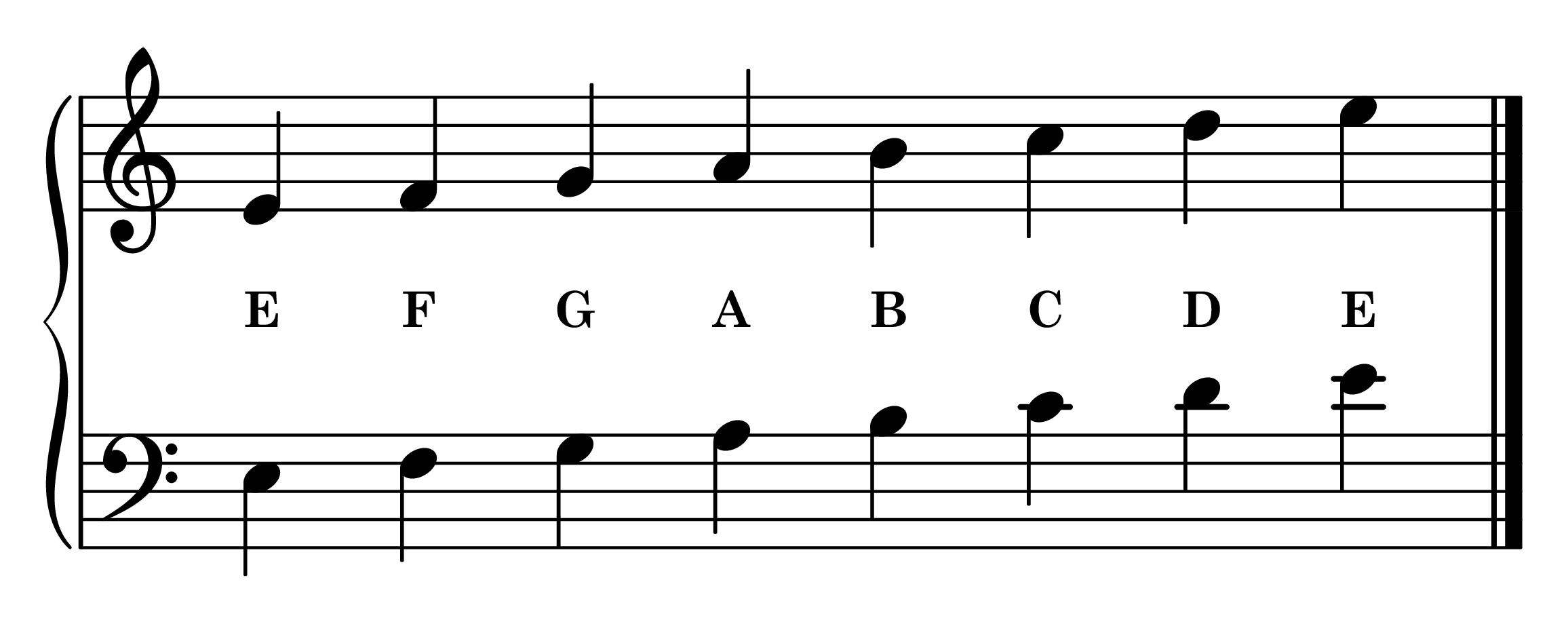
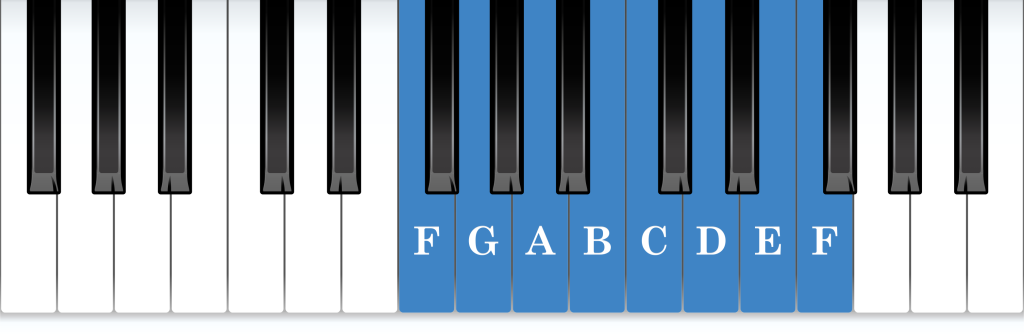
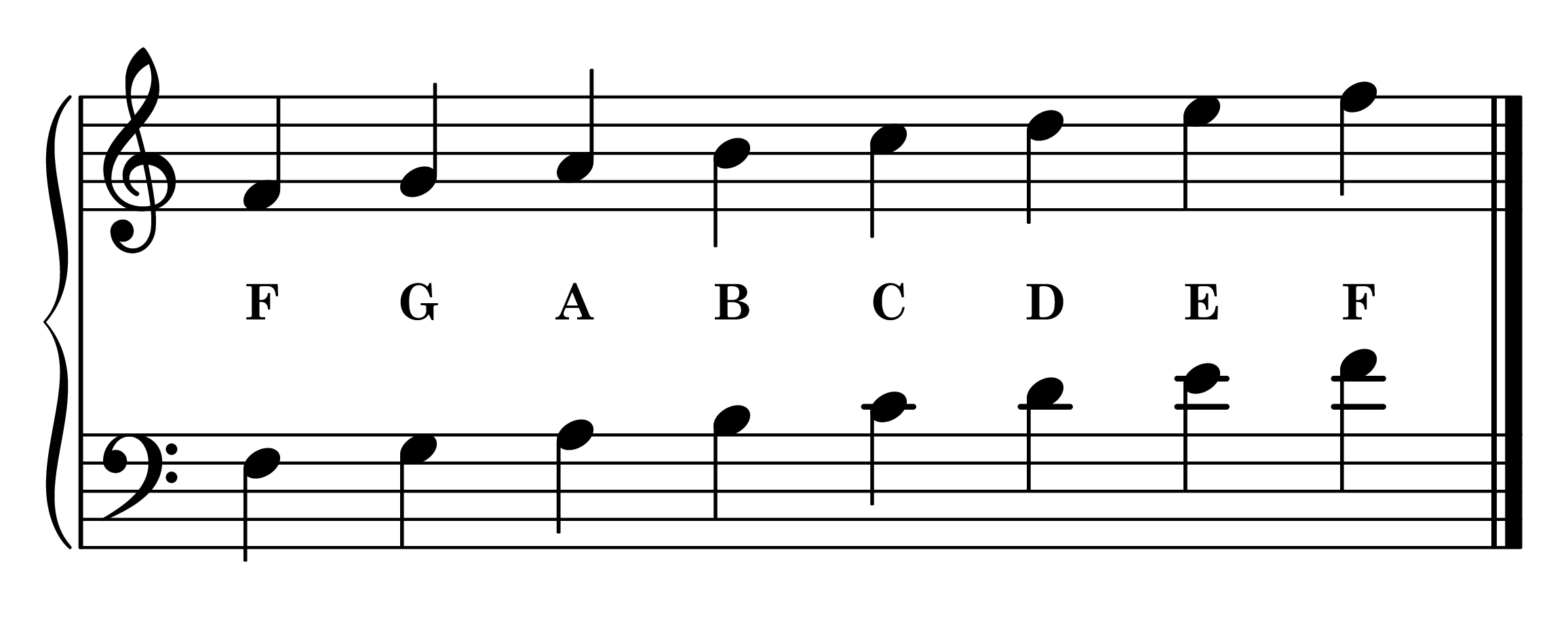
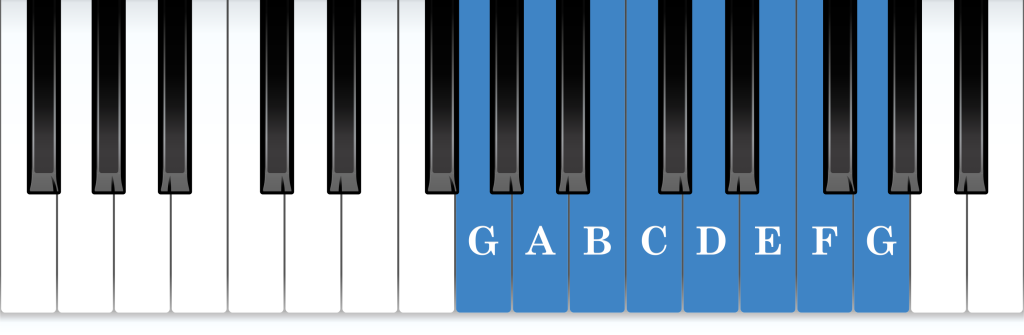
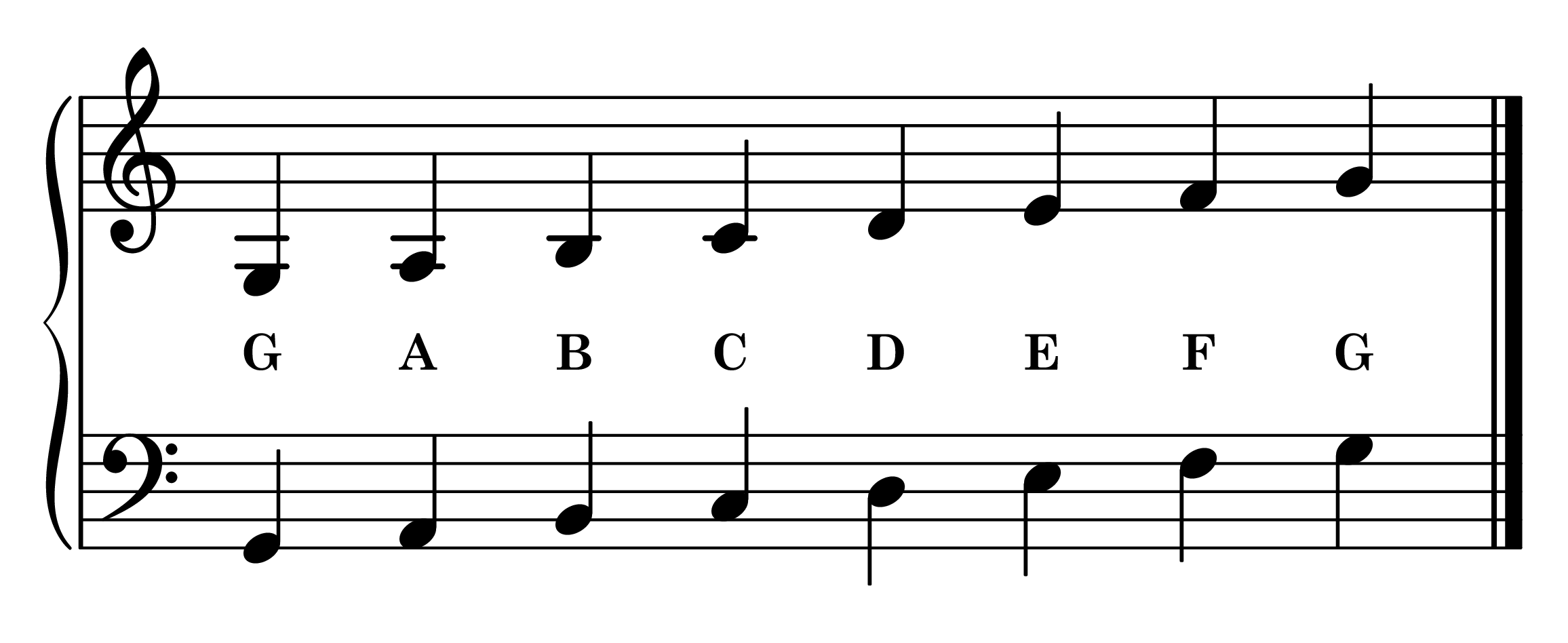
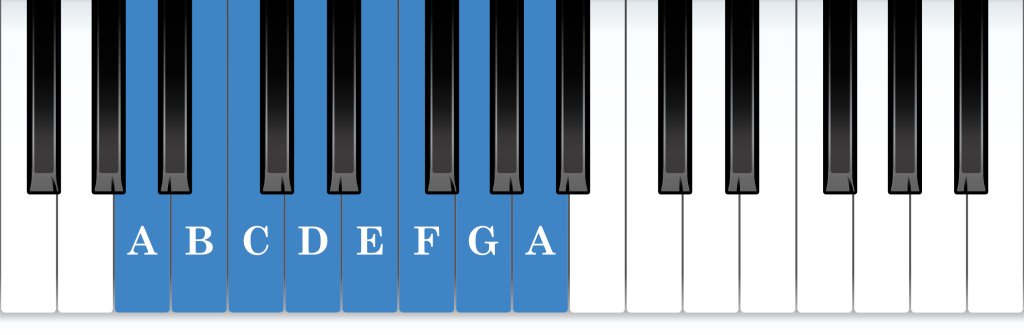
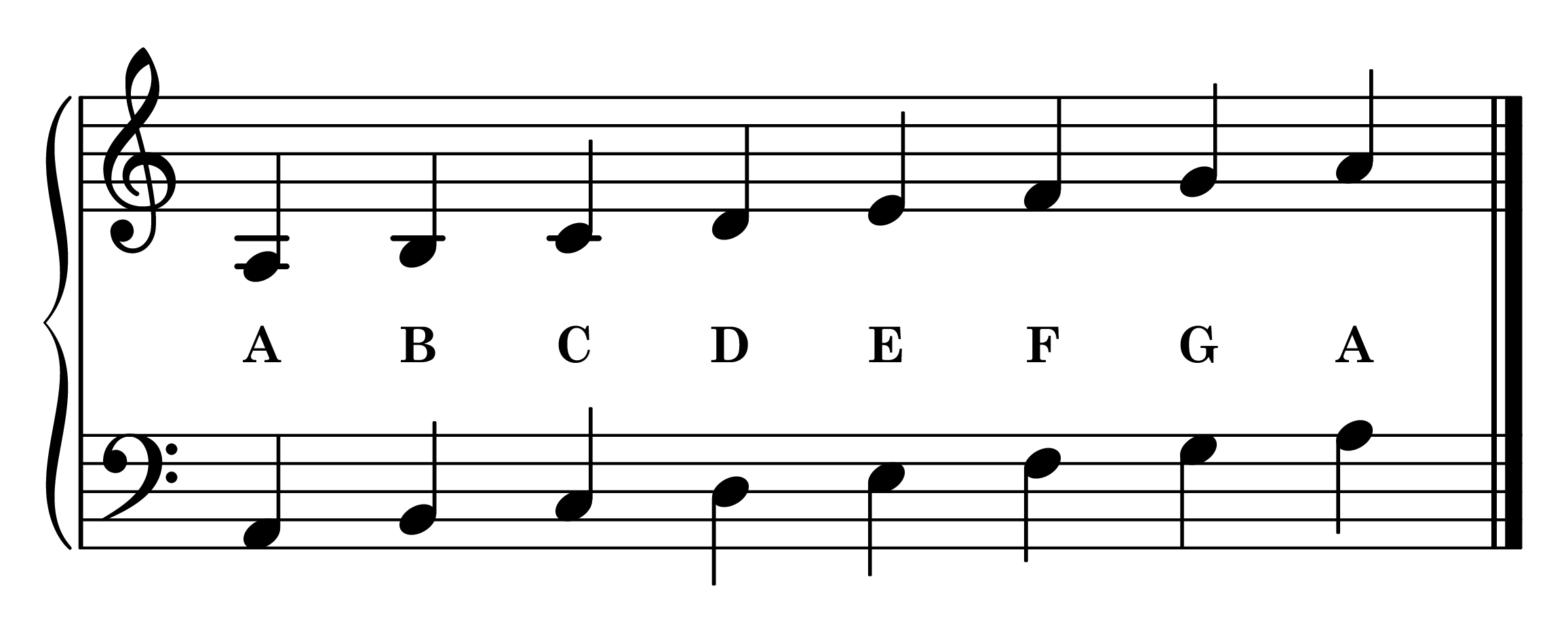
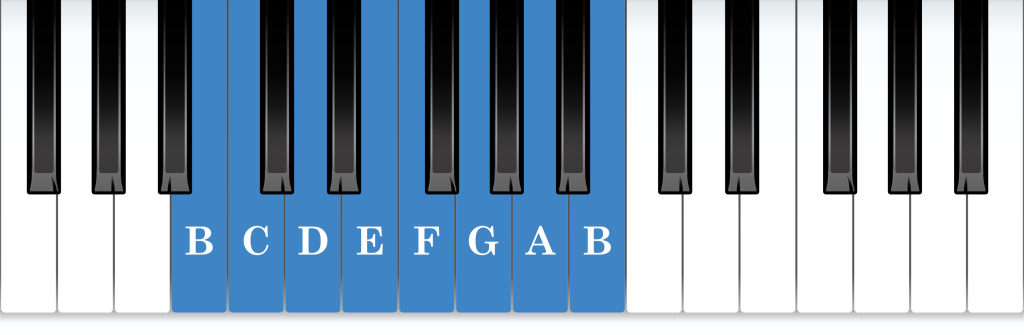
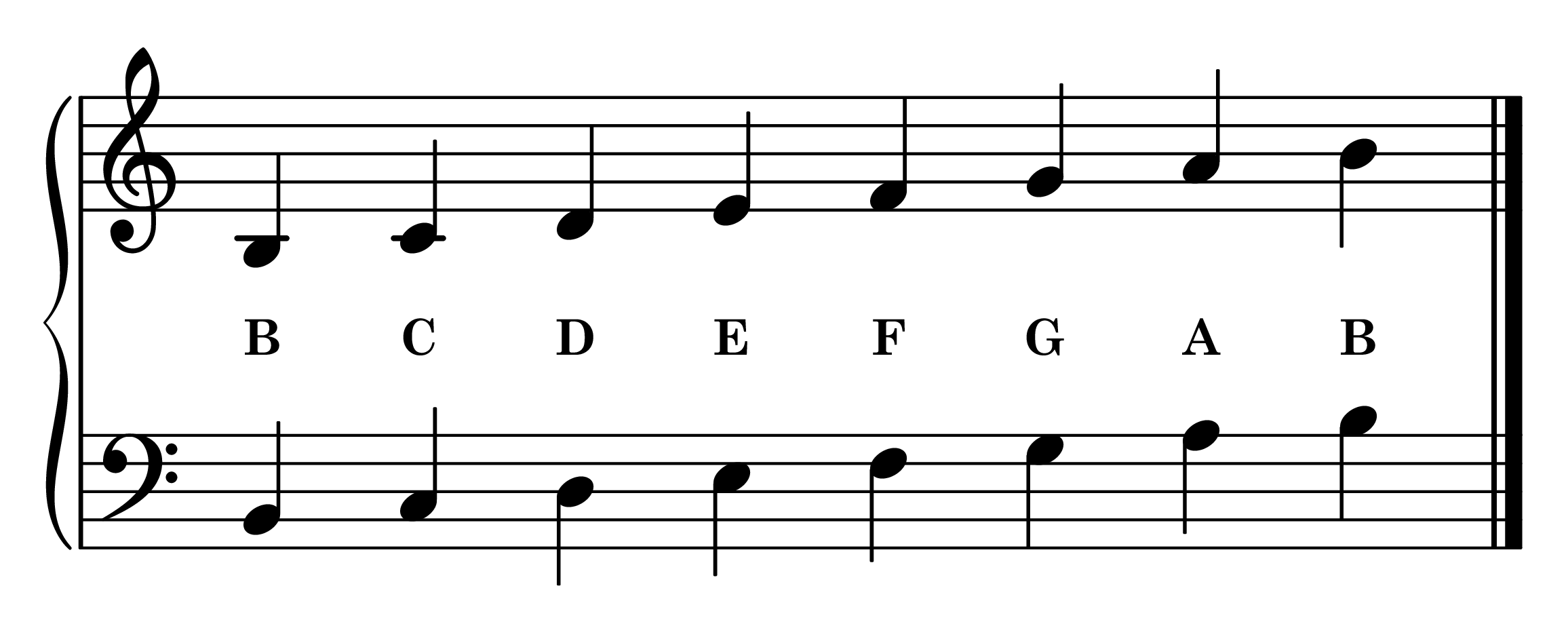
What are modes, and why are they important?
A mode is a scale defined by its pattern of whole and half steps and by the note it treats as home. The major scale is one mode, Ionian. The natural minor scale is another, Aeolian. The other five sit around them, each differing from major or minor by one or two notes.
Learning them is mostly a matter of listening. The fingering usually follows a scale we already know, so the hands have little new to learn. What’s new is the ear’s sense of where home is, and of what a single changed note does to the character of a scale. That kind of listening carries over into everything else: once the raised 6th of Dorian is familiar, it’s easier to notice the same note when a composer borrows it in a minor key.
2 ways to find a mode on any note
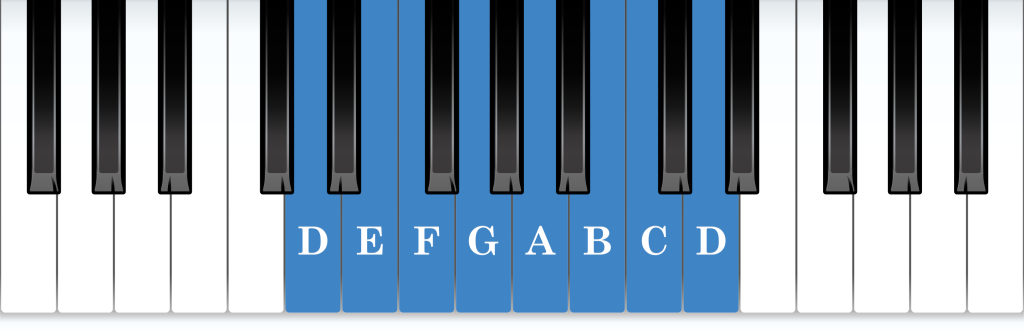
The first way starts from a major scale. Each mode is the major scale played from a different note: Ionian from the 1st, Dorian from the 2nd, Phrygian from the 3rd, Lydian from the 4th, Mixolydian from the 5th, Aeolian from the 6th and Locrian from the 7th. So D Dorian uses the notes of C major, and E Dorian the notes of D major. We call that major scale the parent scale. It gives the notes, the key signature and, on most mode lessons here, the fingering.
The second way starts from the major or natural minor scale on the same note and changes one or two notes. D Dorian is D natural minor with a raised 6th. This is the comparison that tells us how the mode sounds, so each mode lesson describes both.
The modes from brightest to darkest
Arranged by sound rather than by starting note, the modes form a neat sequence. Starting from Lydian, each step lowers one note by a half step, and the scale grows a little darker:
- Lydian: major with a raised 4th
- Ionian: the major scale
- Mixolydian: major with a lowered 7th
- Dorian: minor with a raised 6th
- Aeolian: the natural minor scale
- Phrygian: minor with a lowered 2nd
- Locrian: minor with a lowered 2nd and 5th
Playing them on the same starting note, in this order, is one of the best ways to hear what each changed note does.
Where the modes come from
The modes as we play them today come from the church modes of medieval chant. Medieval theorists organized chant melodies by their final note, D, E, F or G, and borrowed the names Dorian, Phrygian, Lydian and Mixolydian from ancient Greek music theory. The borrowing wasn’t exact: the Greek scales with those names were different, so the names are better treated as labels than as a link to ancient Greece.
In 1547 the Swiss theorist Heinrich Glarean added the modes on A and C, which he called Aeolian and Ionian. He also described the scale on B but set it aside, because its diminished 5th gave it no stable home; it later became known as Locrian. Over the following century, music settled more and more on two of these, Ionian and Aeolian, which became the major and minor keys. The other modes never disappeared. They remained in folk music and hymn tunes, and composers from Beethoven and Brahms to Debussy and Vaughan Williams returned to them for their particular sound.
Where the modes lead
Modes connect to many other fundamental piano techniques and concepts. Each one uses the notes of a major scale, and the fingering on most mode lessons is that scale’s fingering. The chords built on the notes of a mode are the chords of its parent key, which links modes to chord progressions and harmony as well.
Most of all, modes are practice for the ear. Once the difference between Dorian and the natural minor is audible, or between Mixolydian and the major scale, a single changed note in a piece starts to stand out. That kind of listening is what the modes are really for.
Questions and answers
No questions here yet. Be the first to ask one.