Questions and answers
No questions on this lesson yet. Be the first to ask one.
The B-flat minor scale has five flats and uses all five black keys, with only C and F as white keys. Like D-flat major, its shape follows the groups of black keys. The left hand starts on the second finger, so it's worth placing both hands carefully on the first note before starting.
| B-flat Minor Scale Overview | |
|---|---|
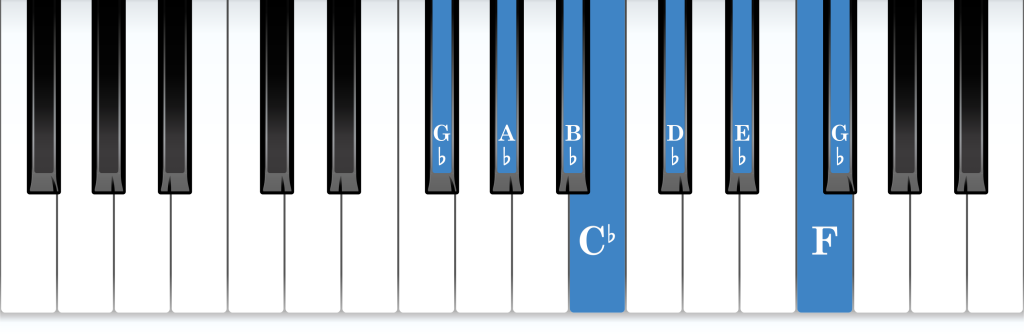
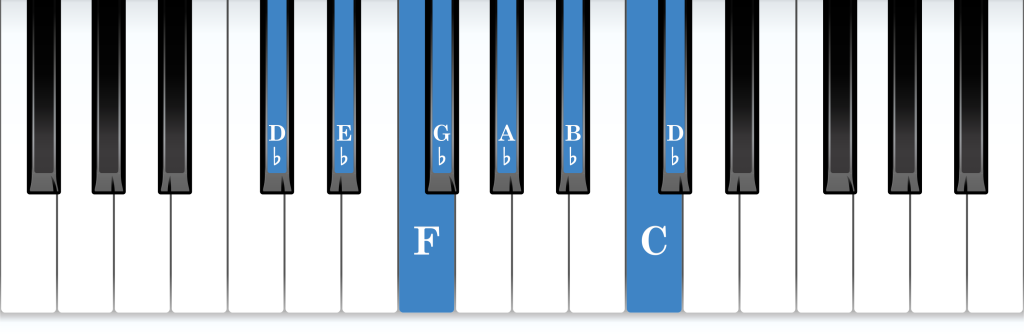
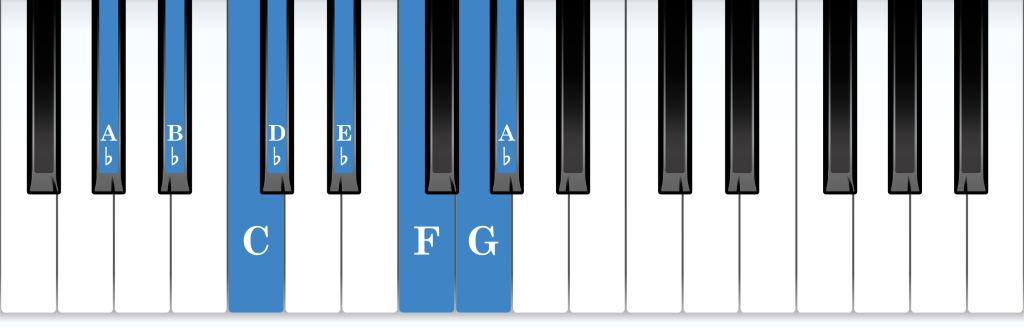
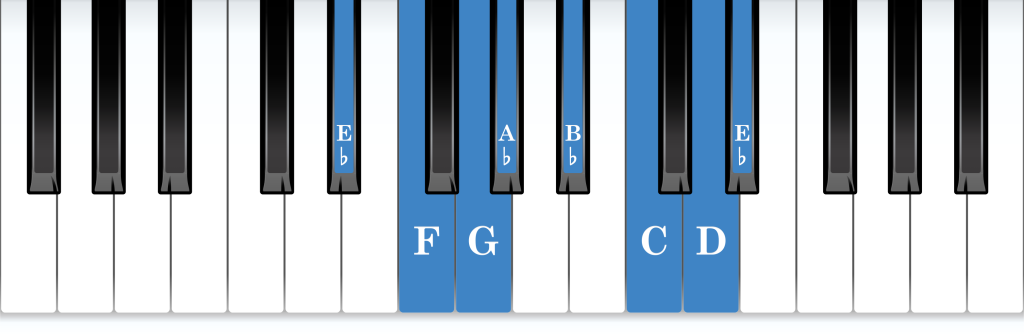
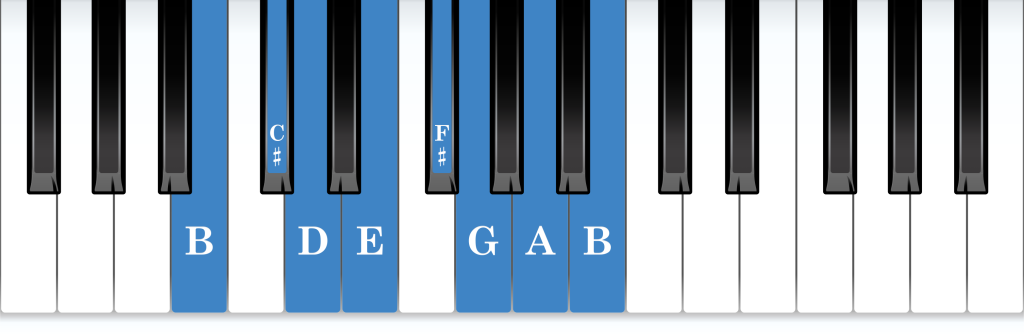
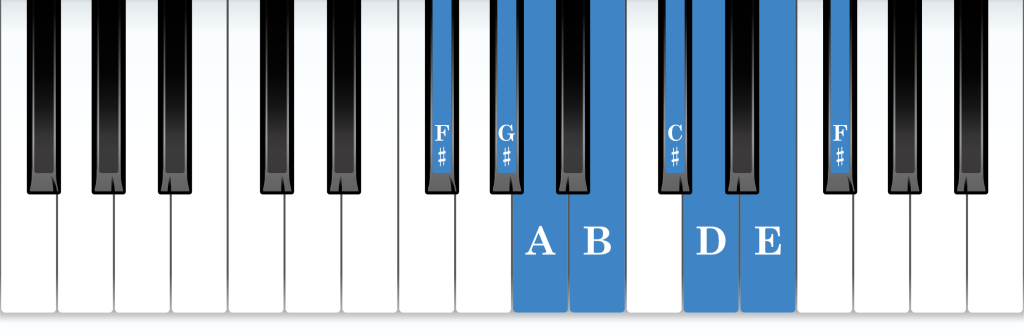
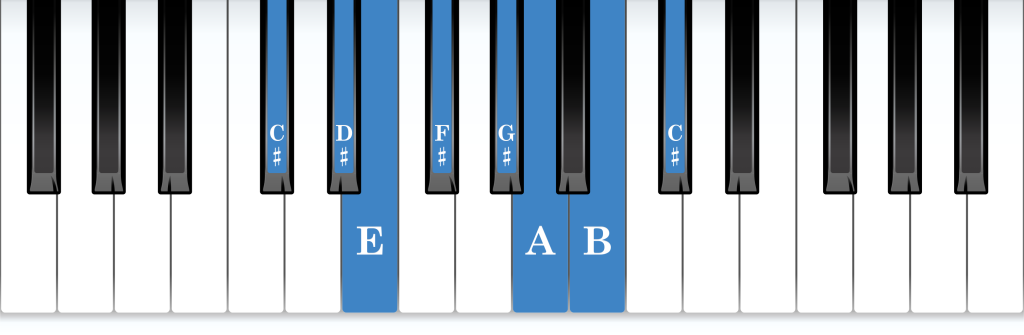
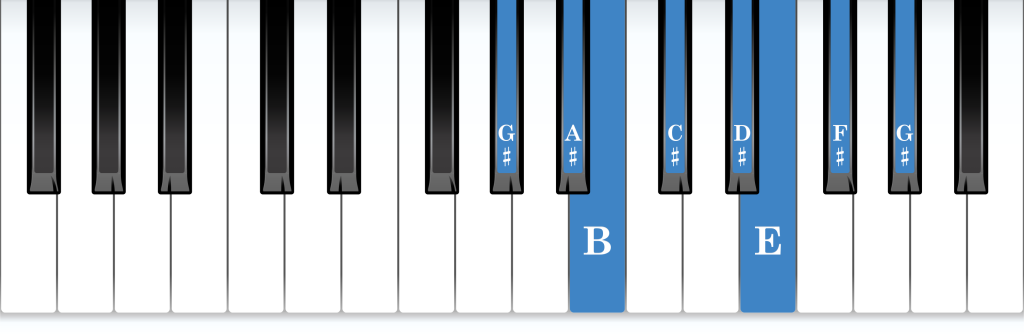
| Keyboard Layout | 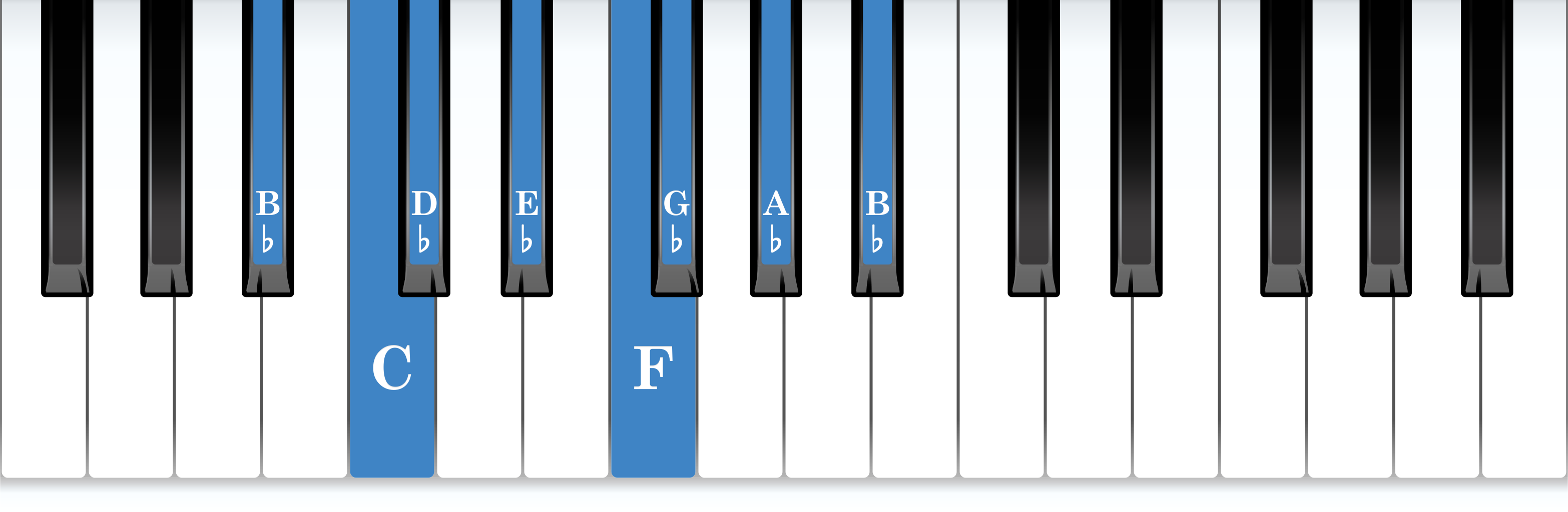 |
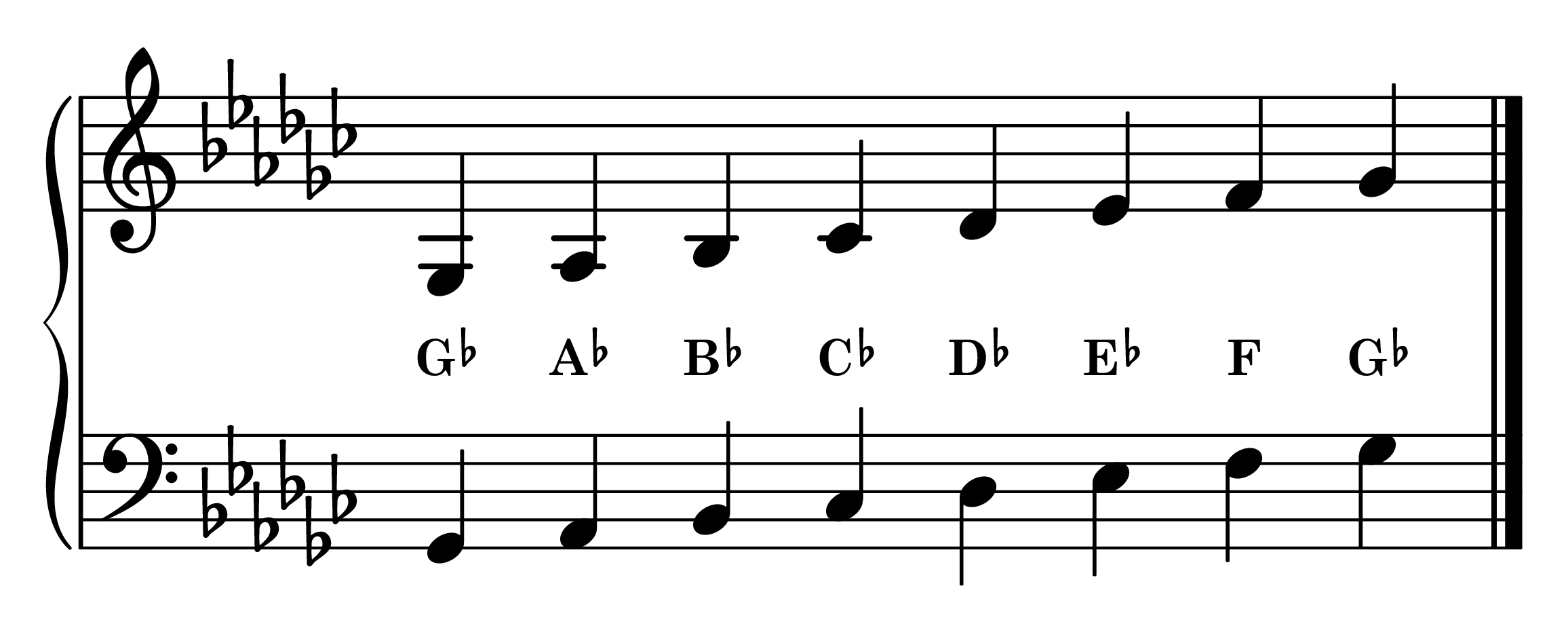
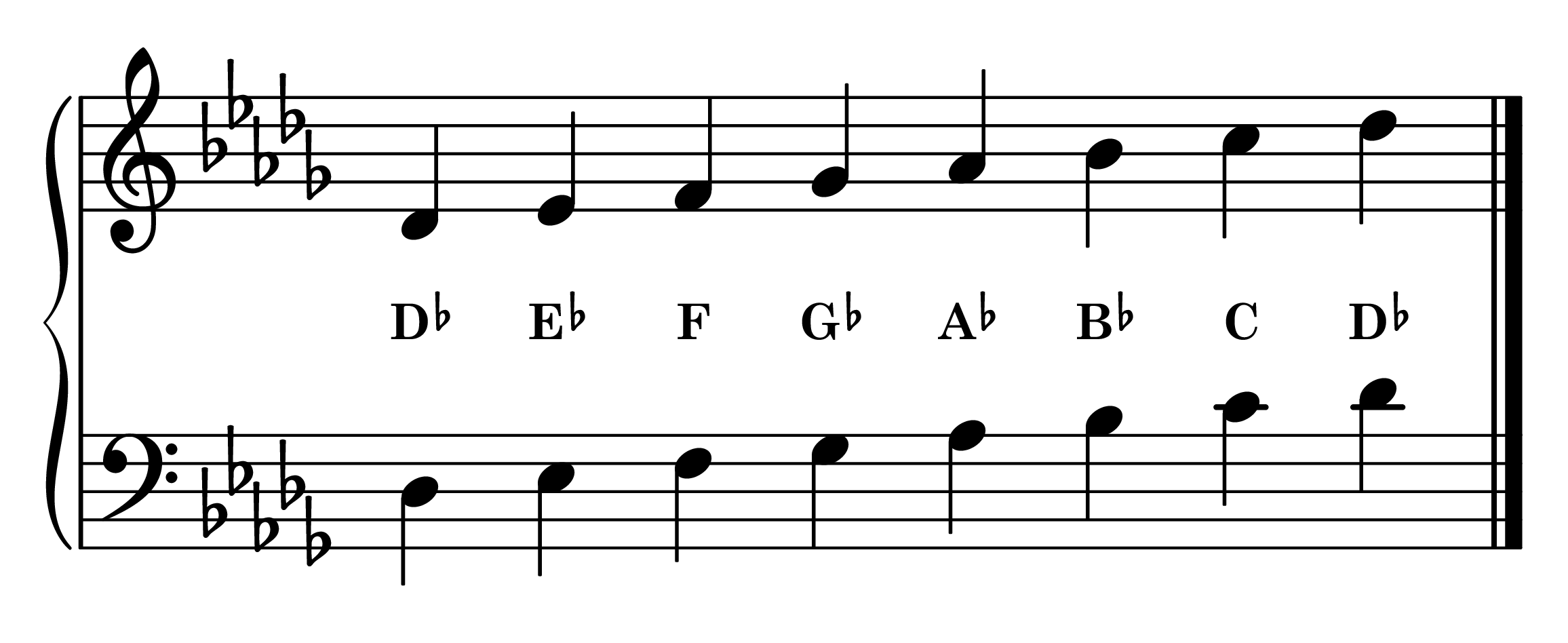
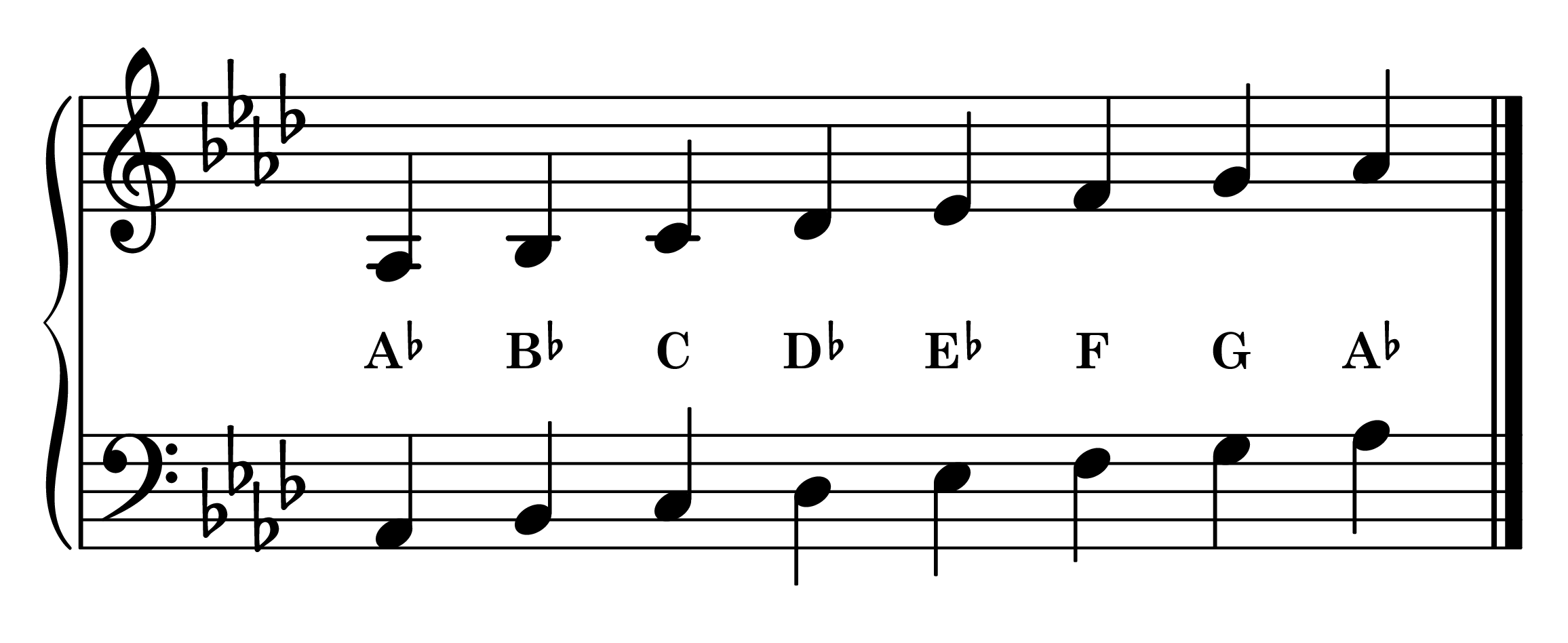
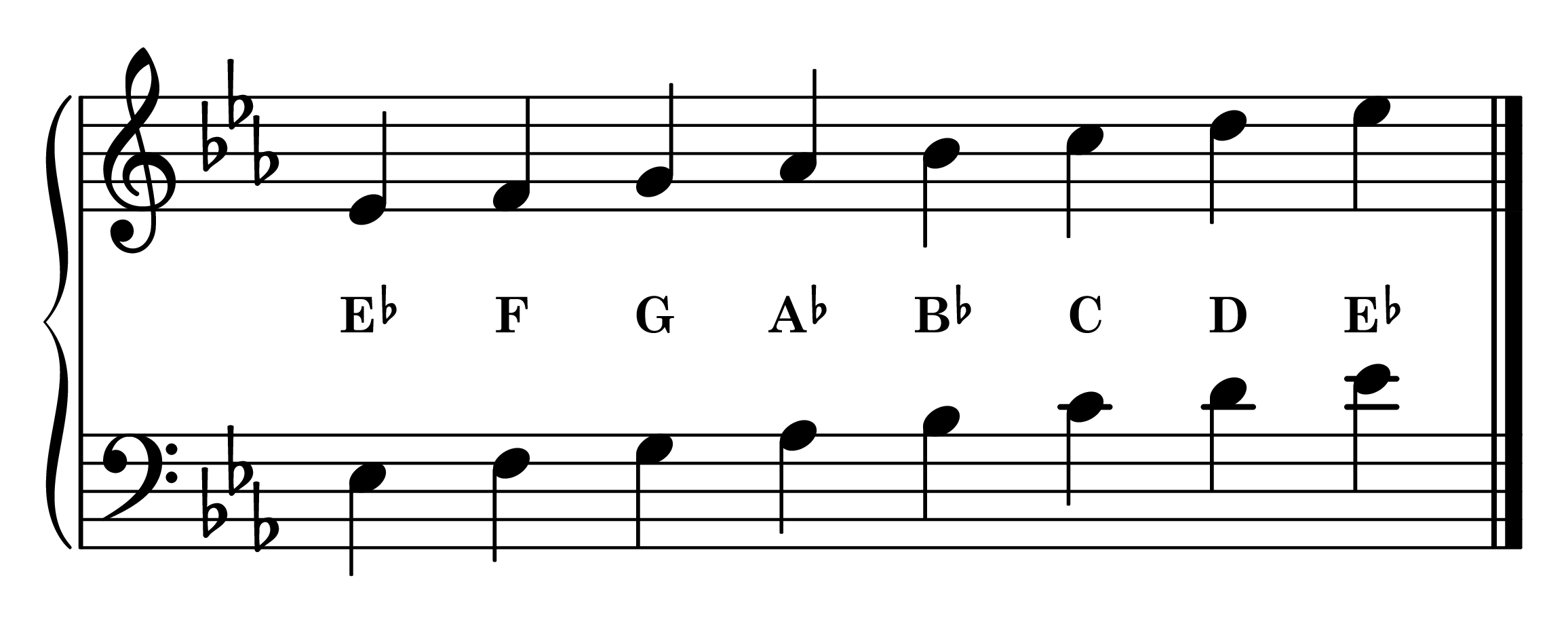
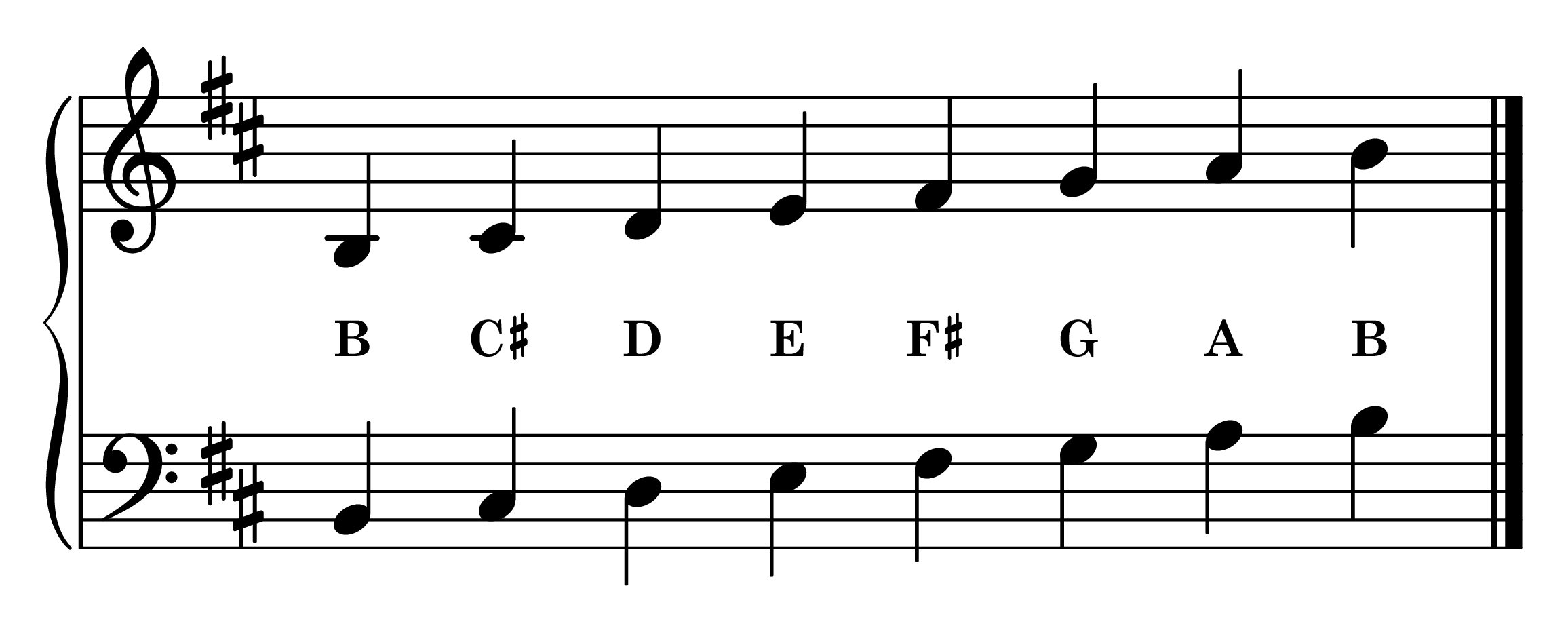
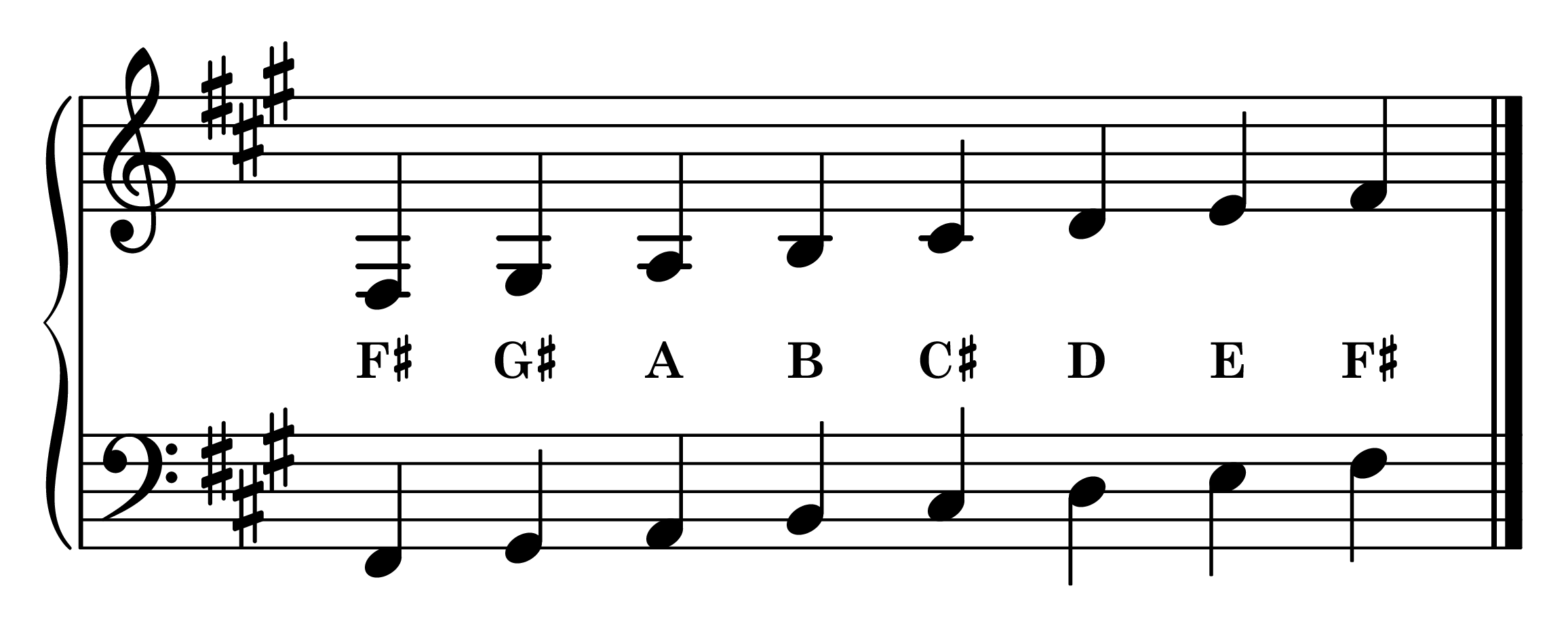
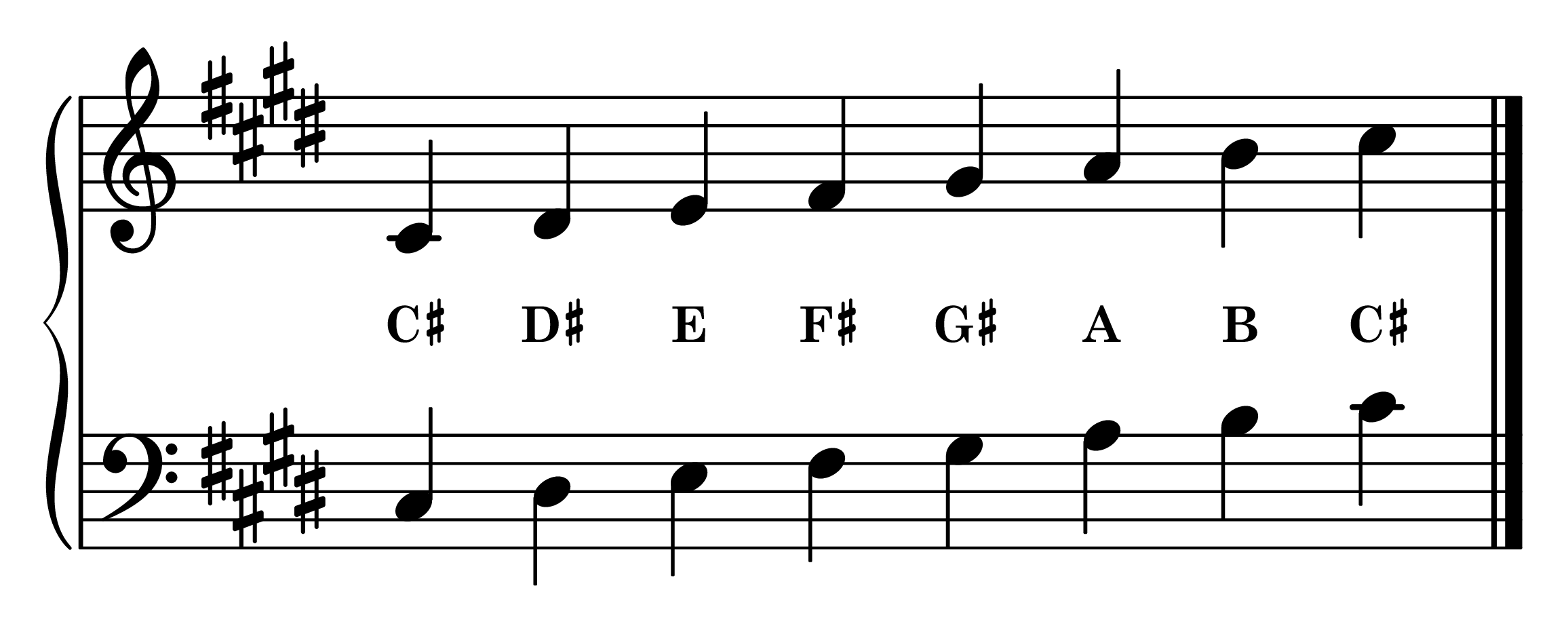
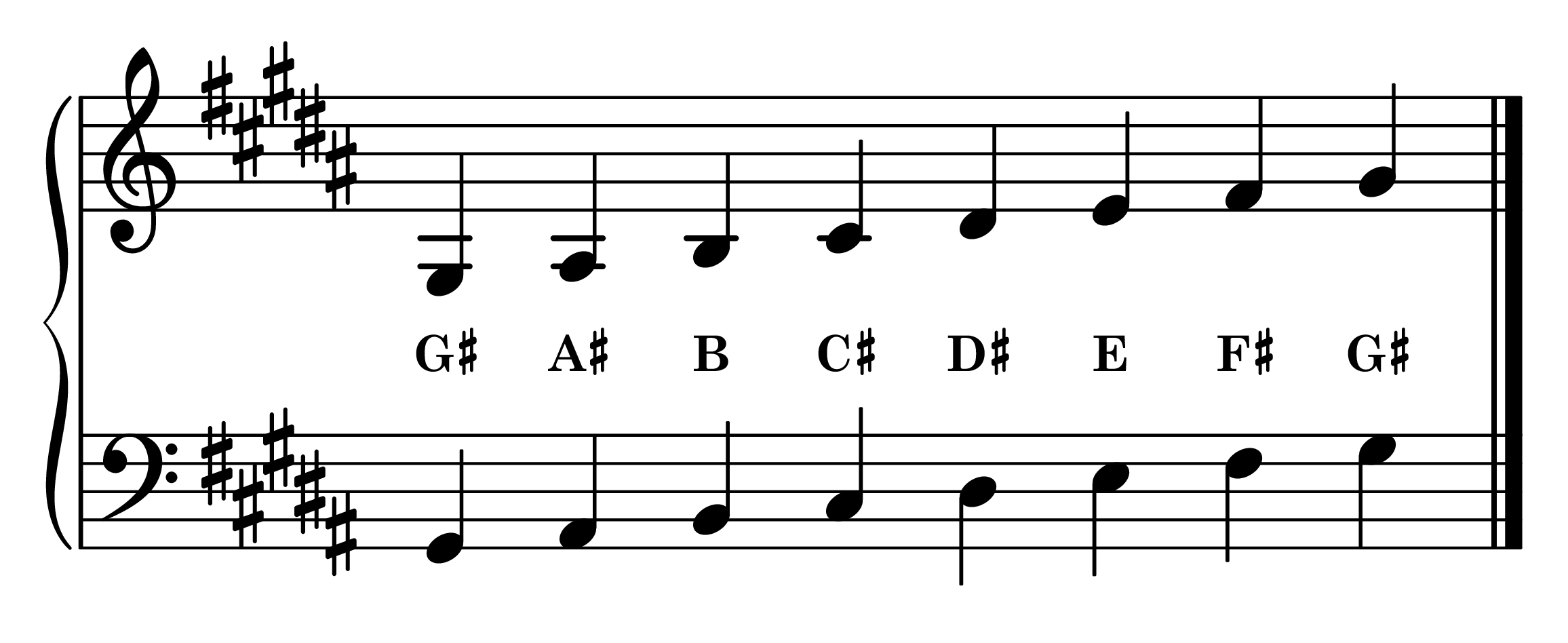
| Staff Layout | 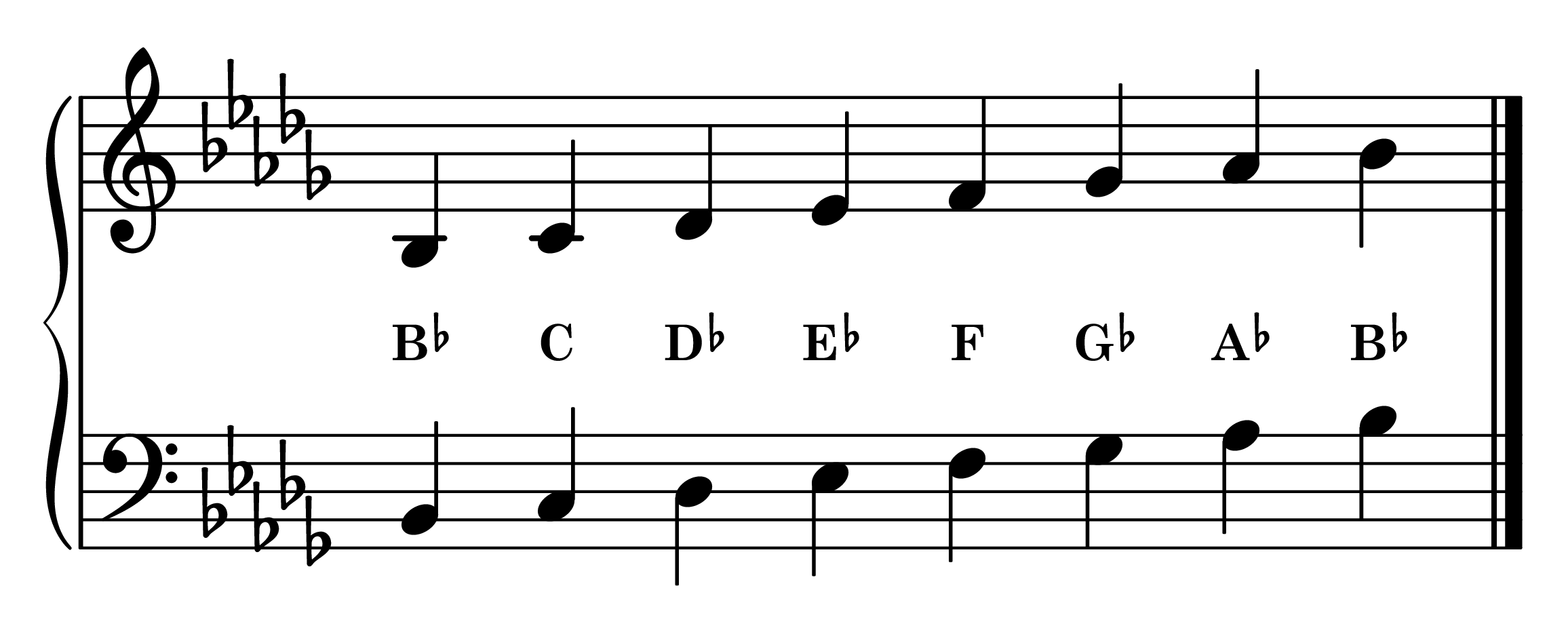 |
| Key Signature | Five flats (B♭, E♭, A♭, D♭, G♭) |
| Notes of Scale | B♭, C, D♭, E♭, F, G♭, A♭, B♭ |
| RH Fingering | 4- 1 2 3 - 1 2 3 4 |
| LH Fingering | 2 1 - 3 2 1 - 4 3 2 |
| Relative Scale | D-flat Major Scale |
| Parallel Scale | B-flat Major Scale |
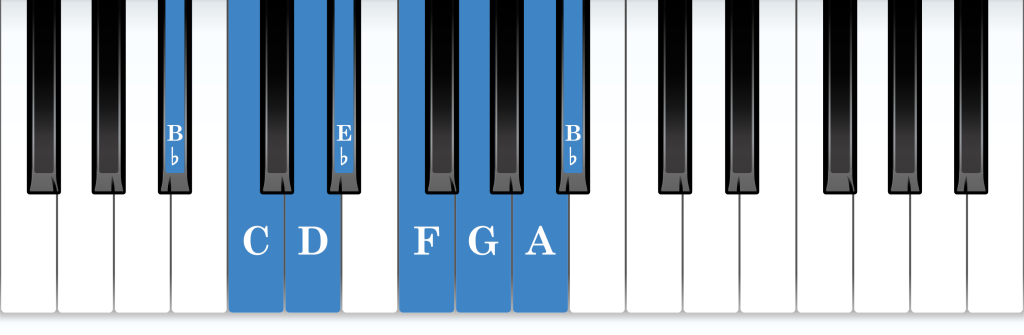
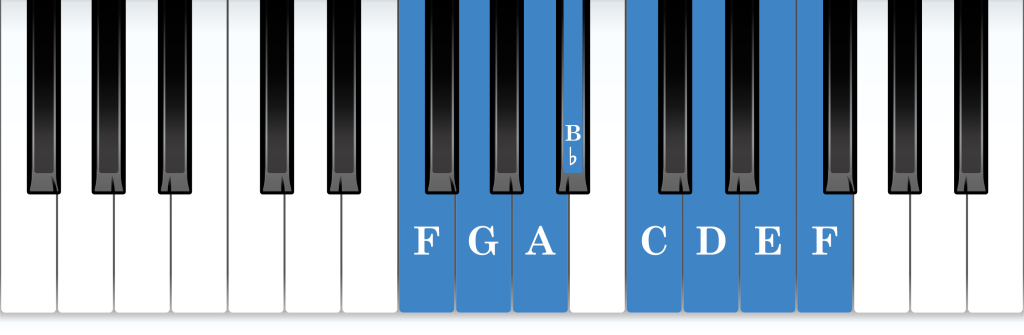
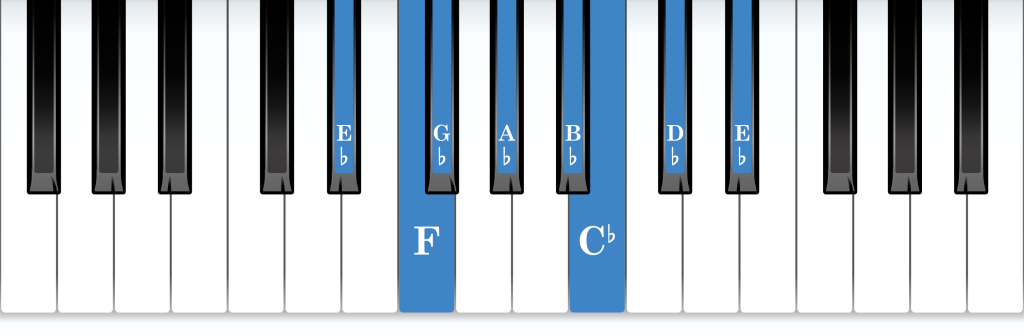
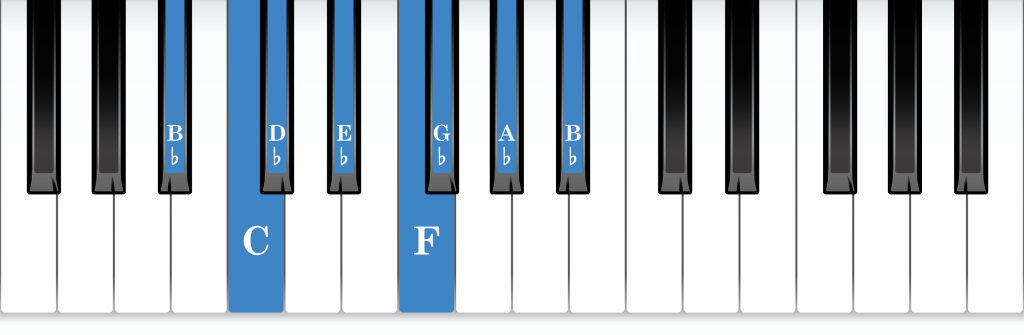
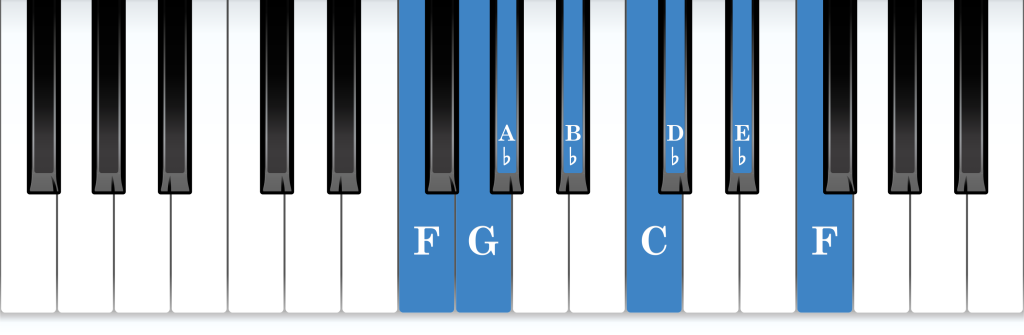
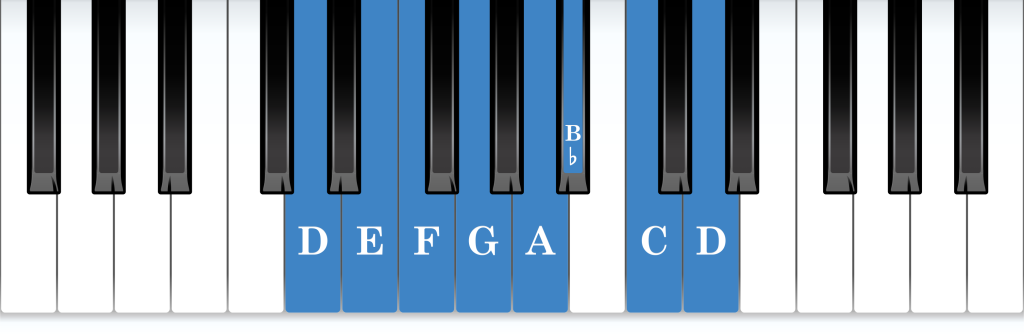
These charts show the overall layout, or terrain, of the B-flat minor scale in each of its three forms.
The natural minor uses all five black keys, with just two white keys, C and F. It shares its notes with its relative major, D-flat major, and can be pictured as the two groups of black keys with C and F filling the gaps.
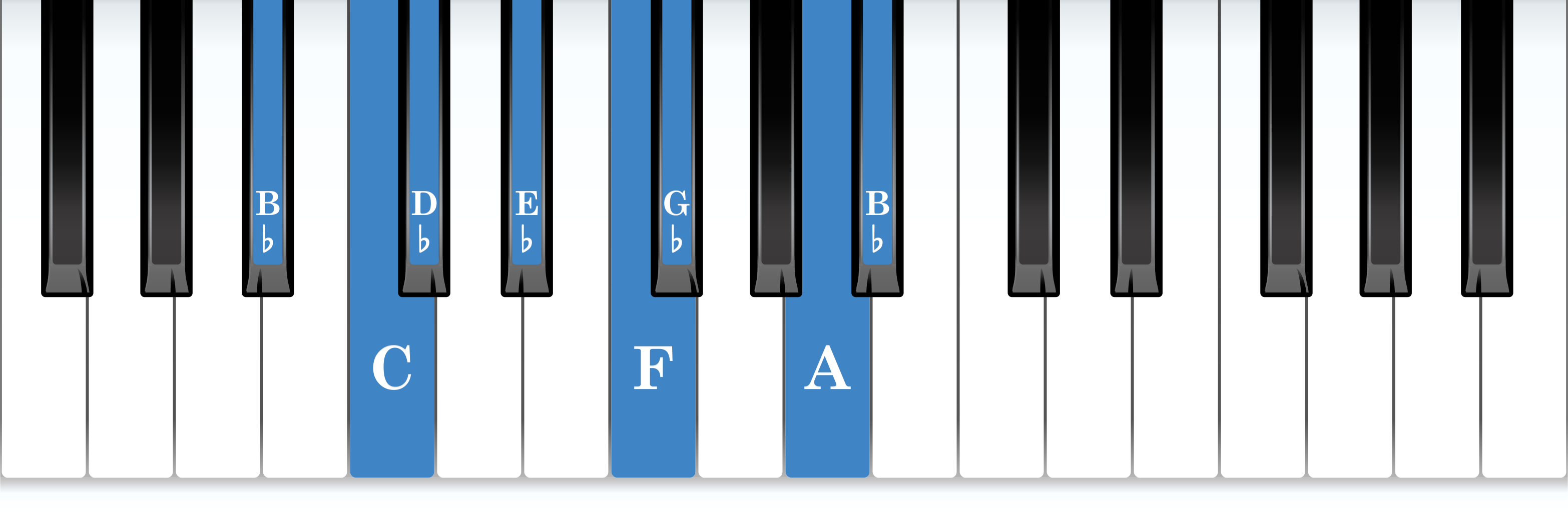
The harmonic minor raises the seventh note to A-natural, replacing A-flat with a white key just below the top B-flat. This creates a larger space between G-flat and A-natural.
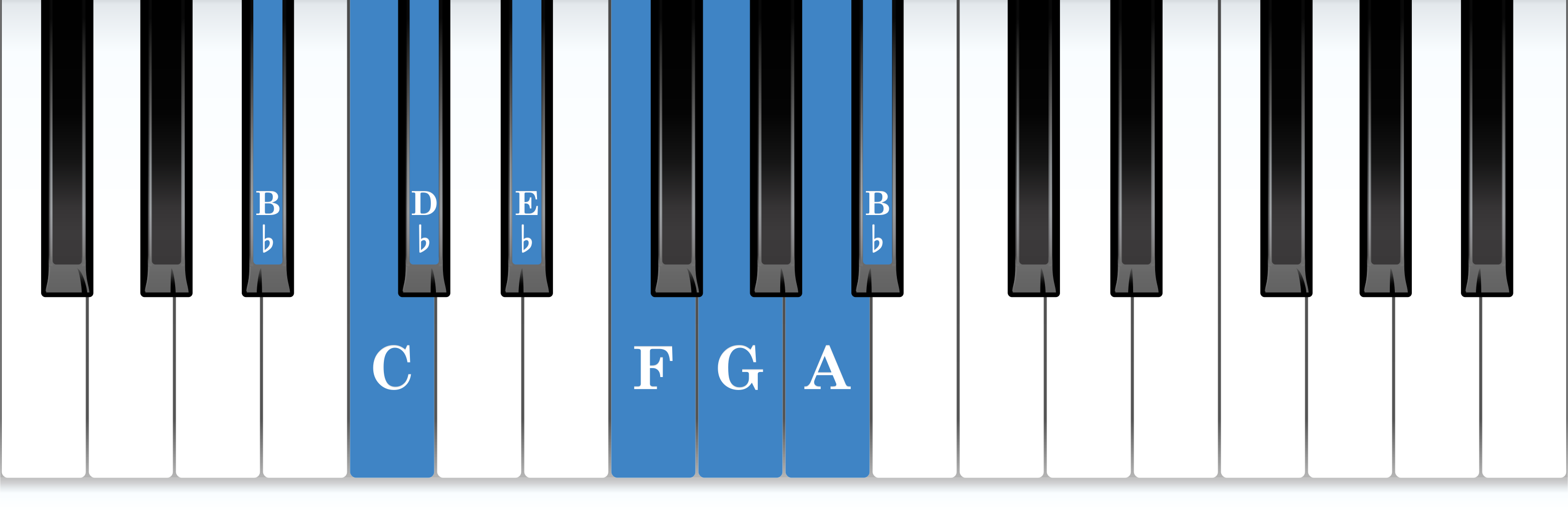
Going up, the melodic minor raises the sixth and seventh notes to G-natural and A-natural, so the top of the scale has three white keys in a row, F, G, and A, before the top B-flat, like the B-flat major scale. Coming down, it returns to the natural minor (first tab).
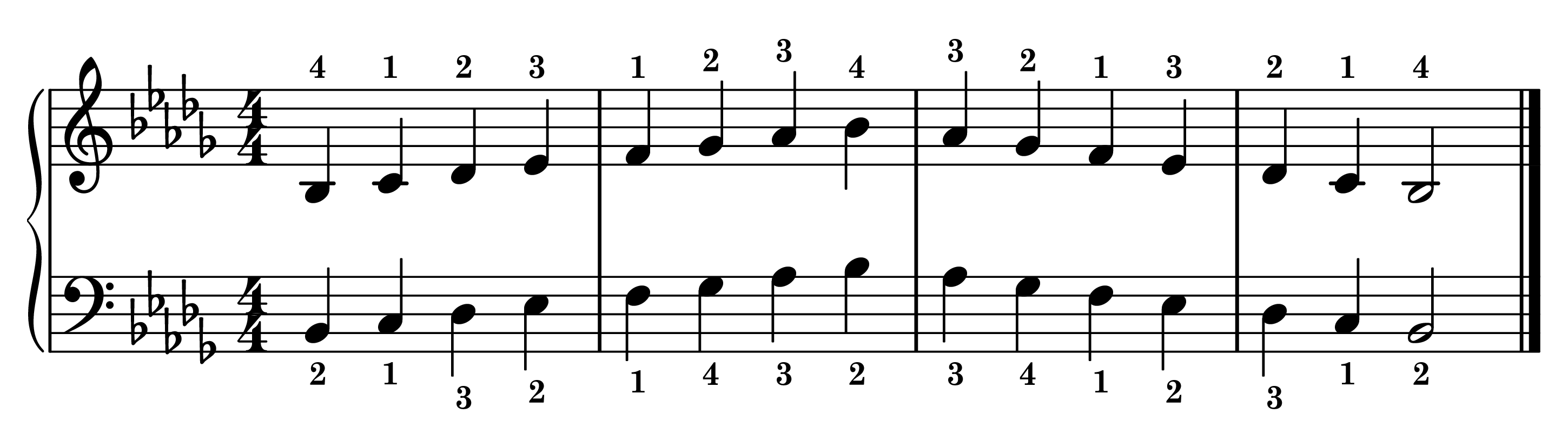
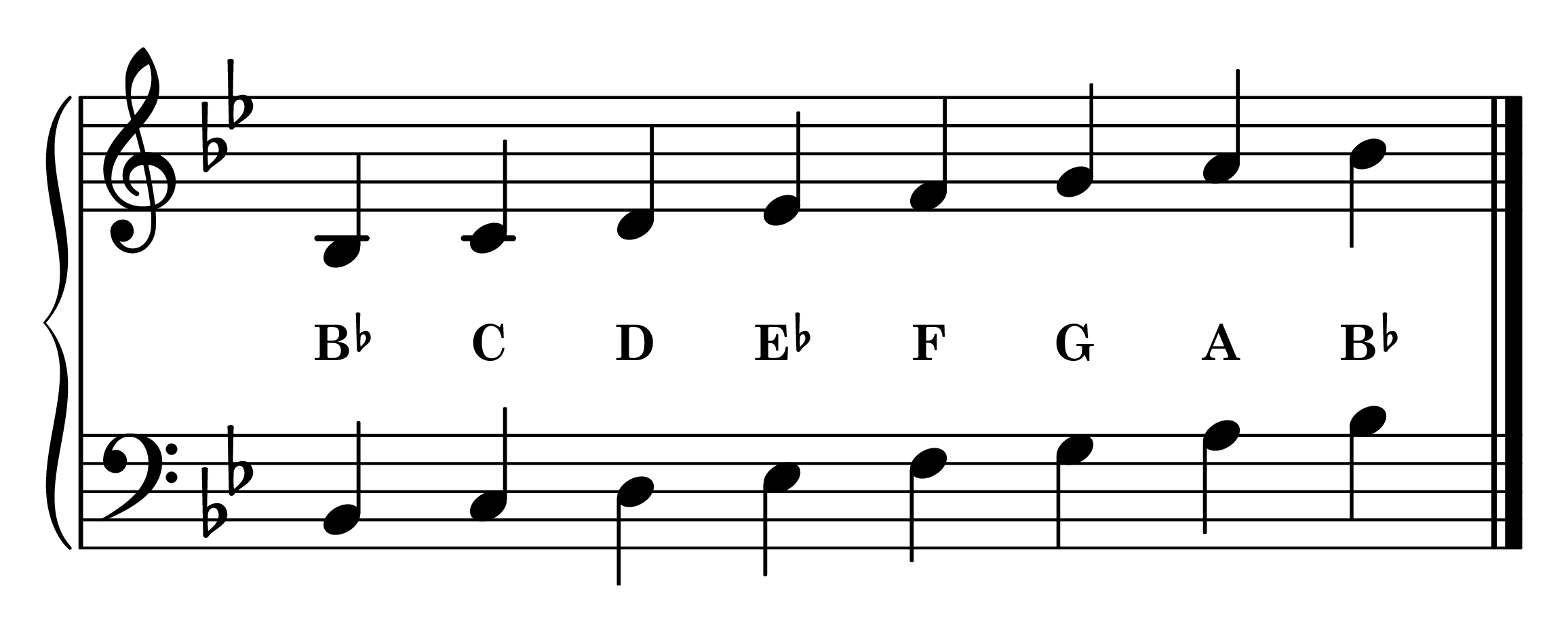
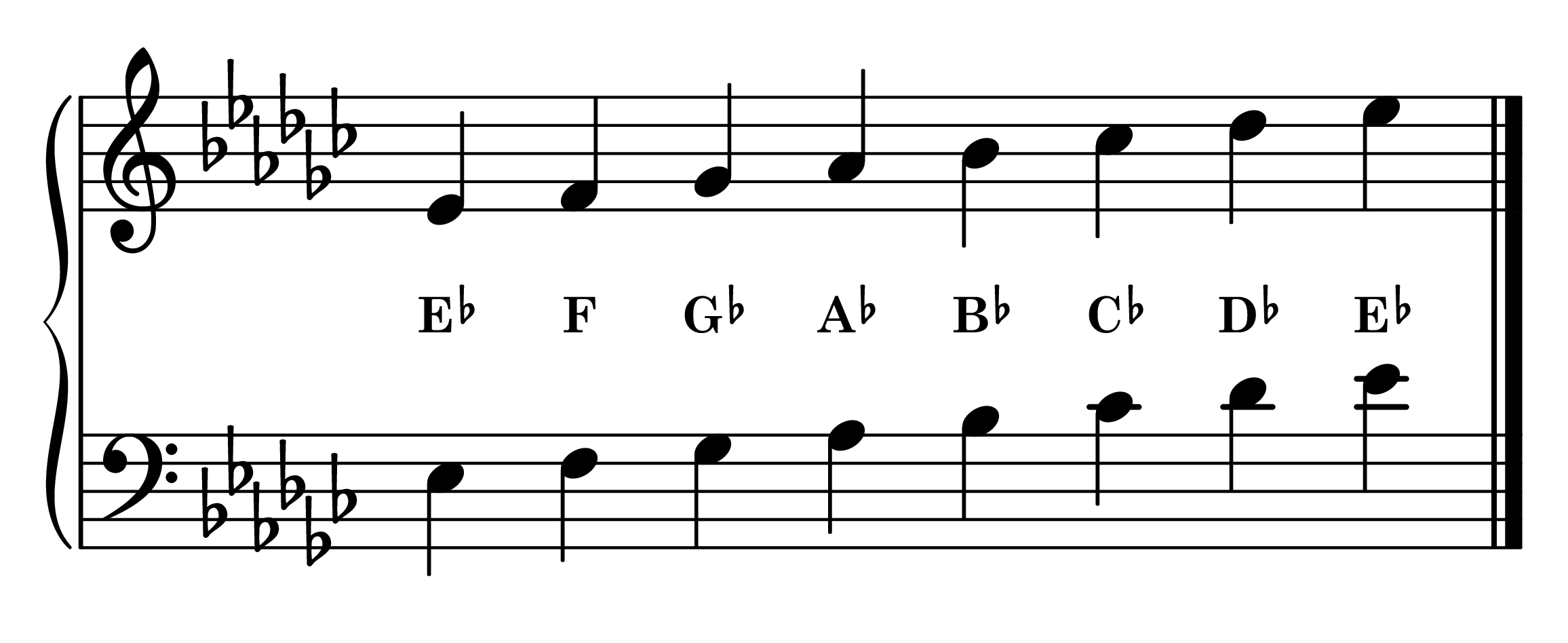
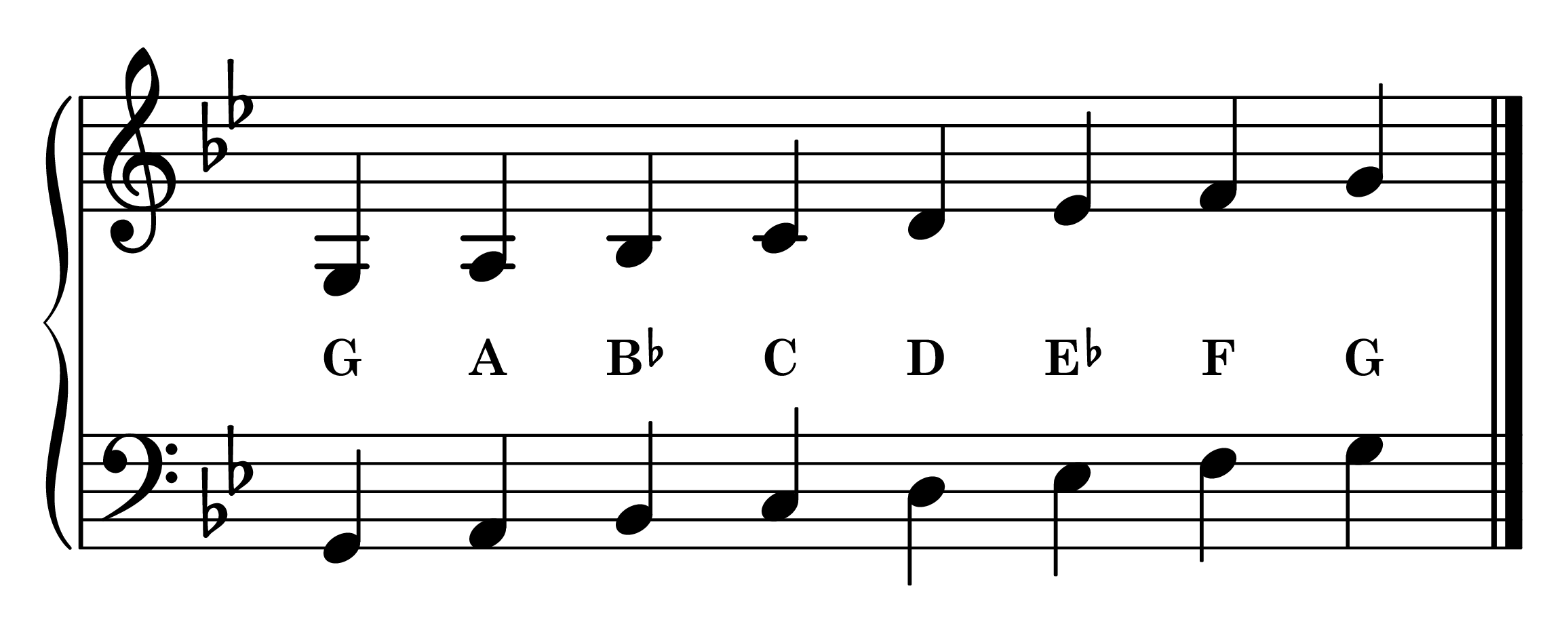
Here is the B-flat natural minor scale on the staff, one octave up and back down.
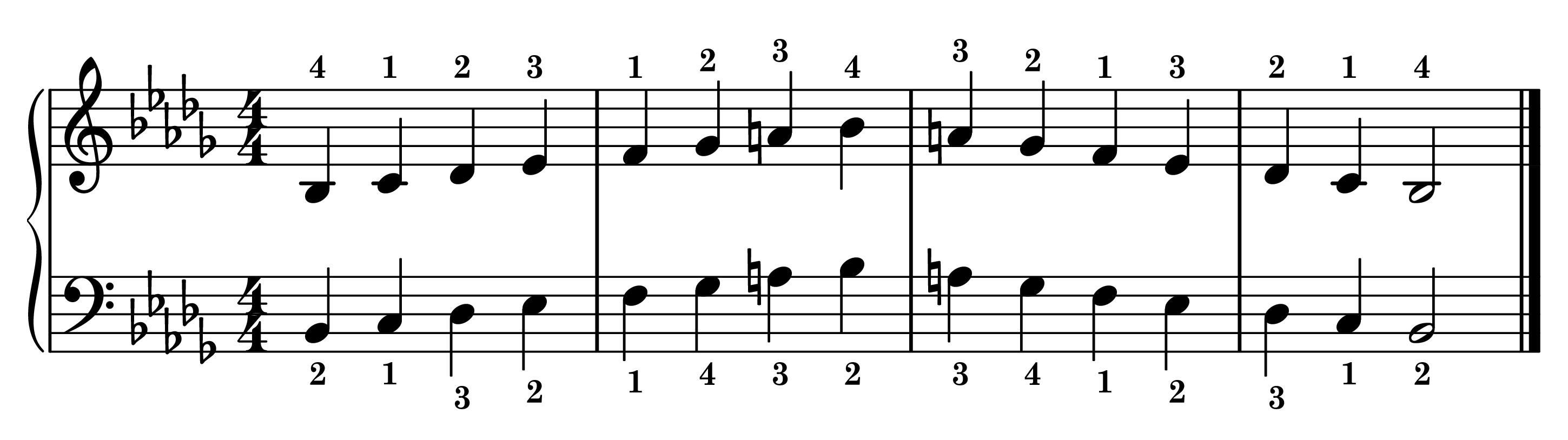
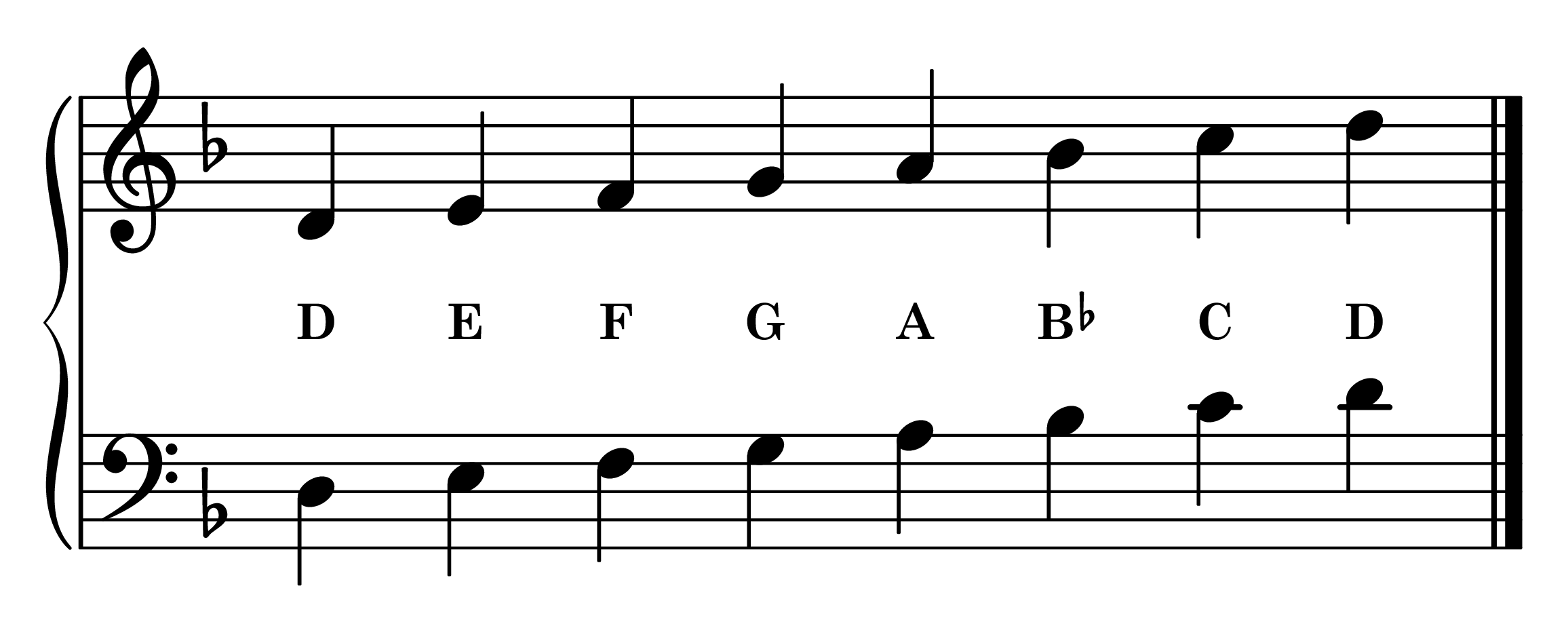
Here is the B-flat harmonic minor scale on the staff, one octave up and back down.
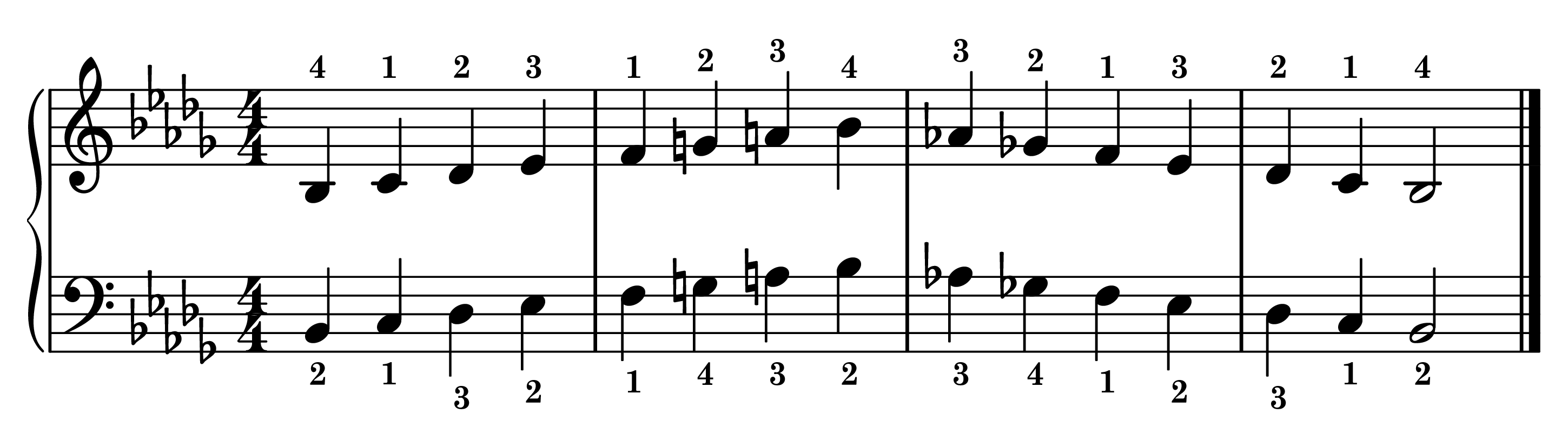
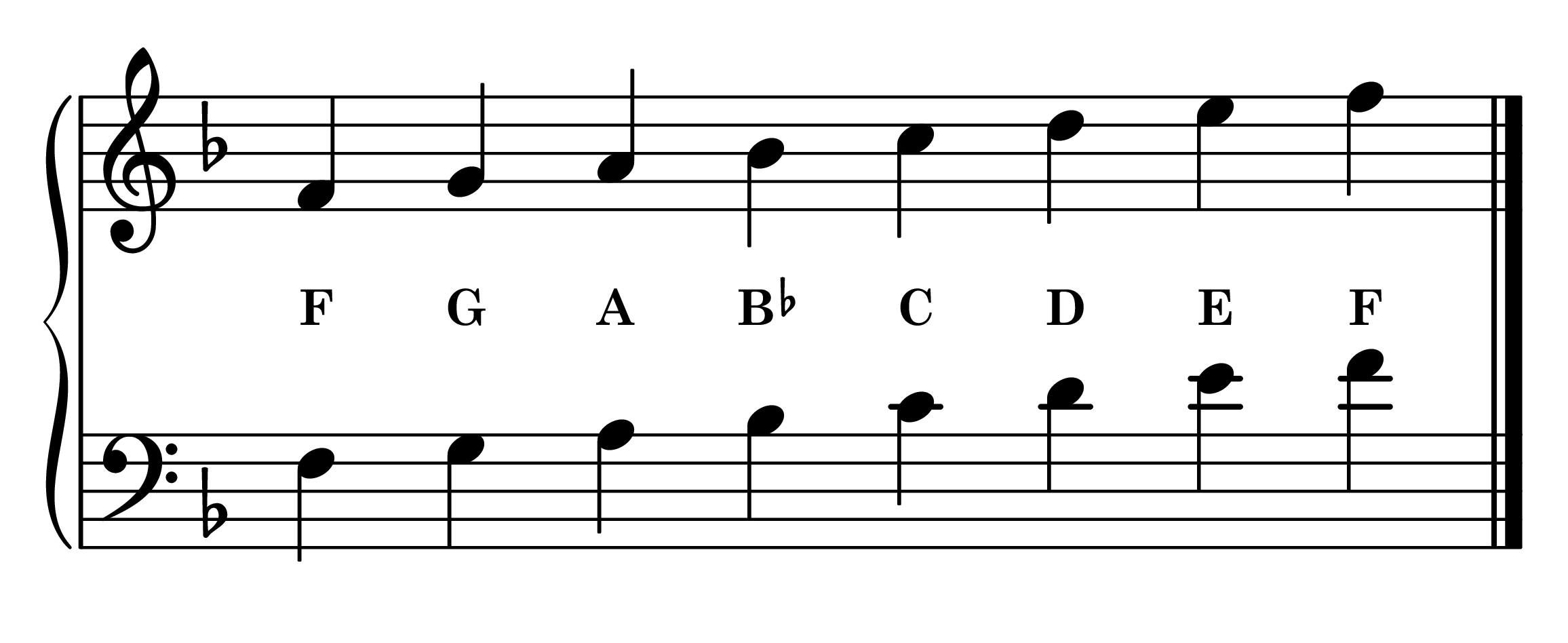
Here is the B-flat melodic minor scale on the staff, one octave up and back down.
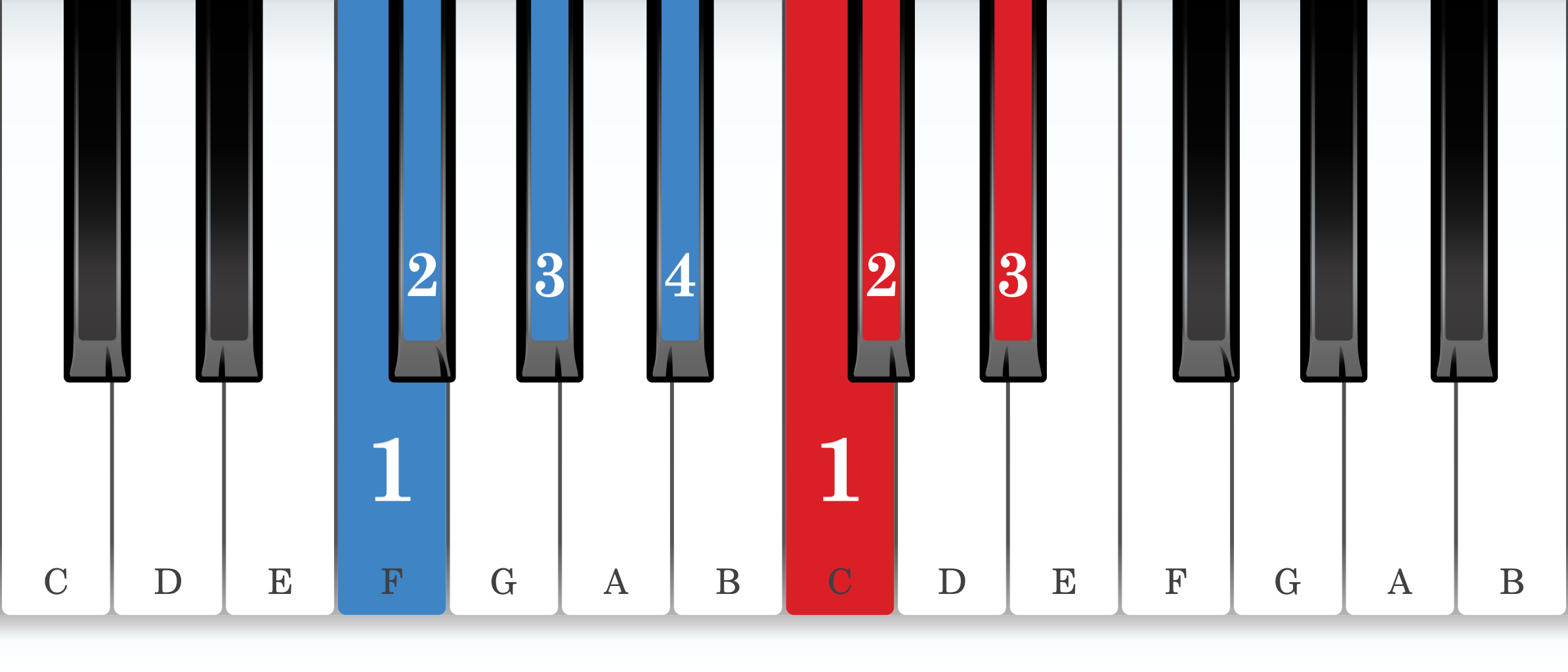
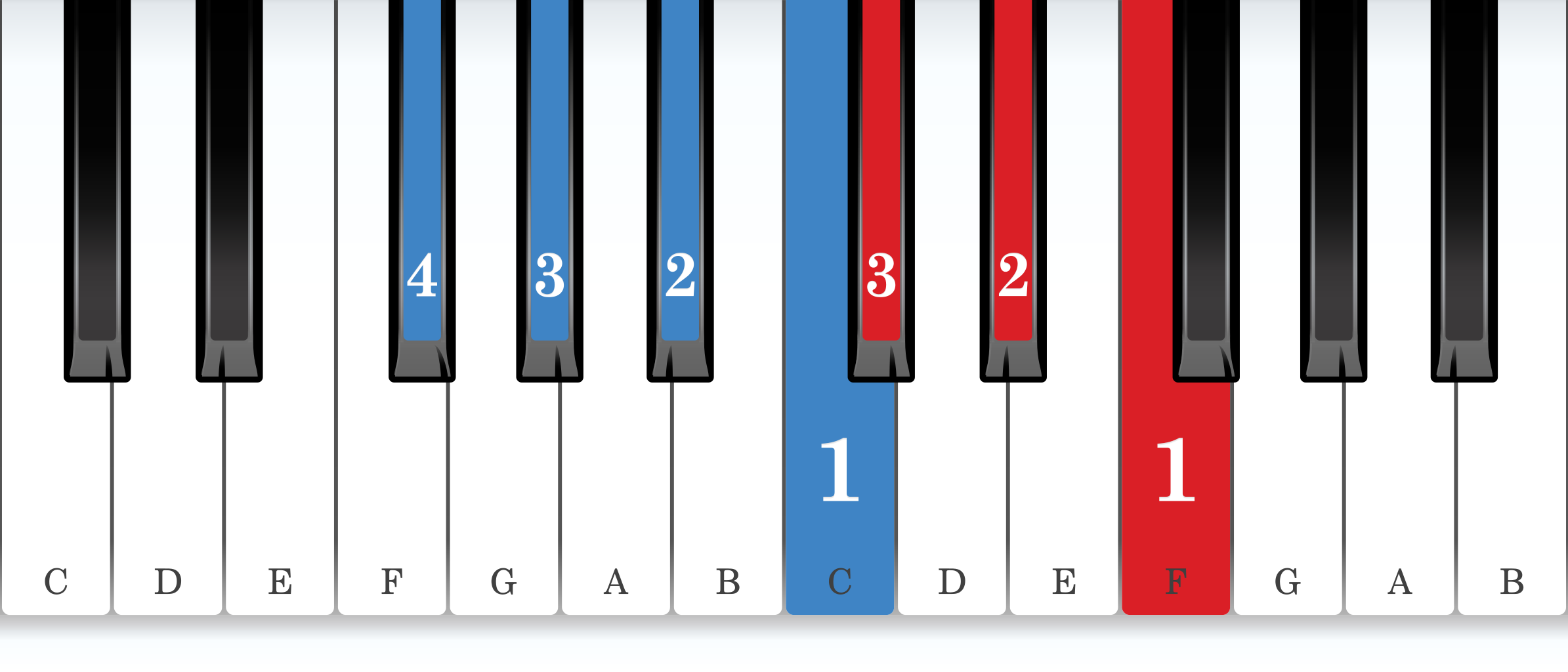
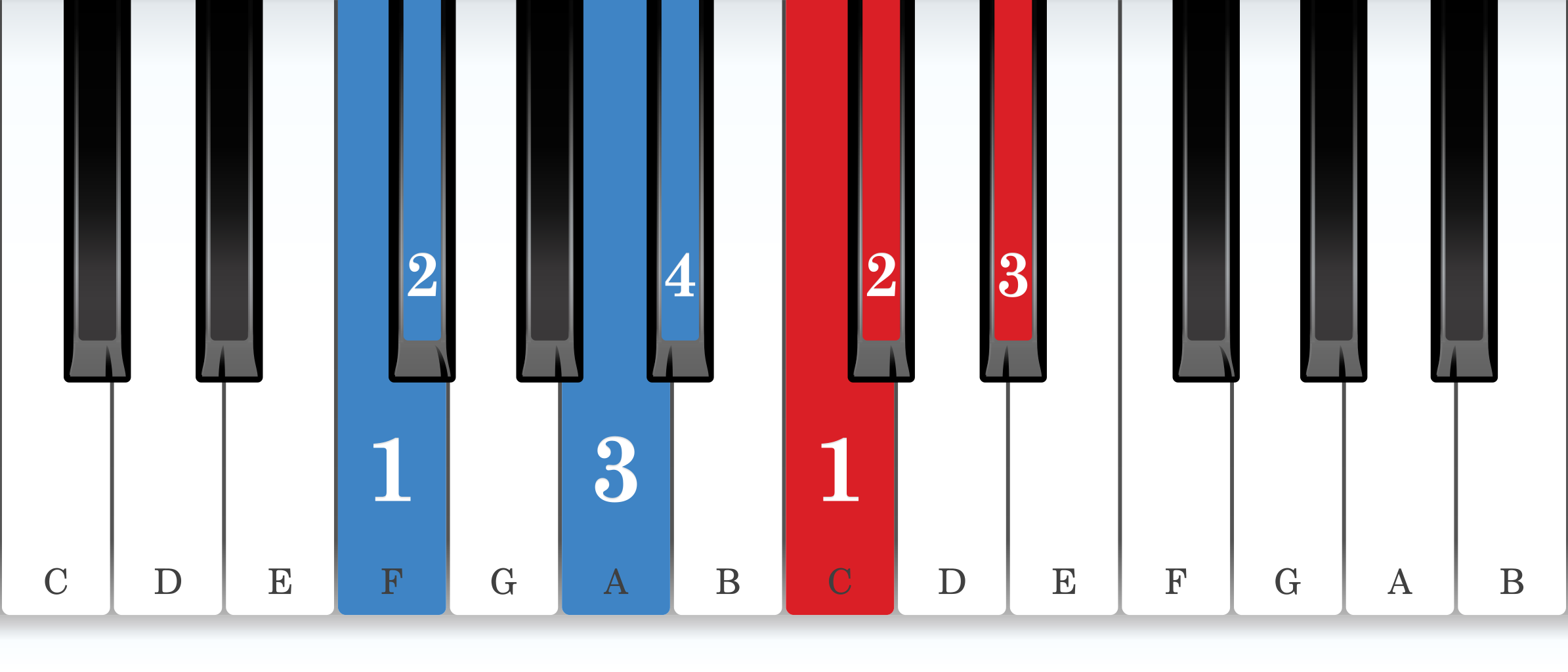
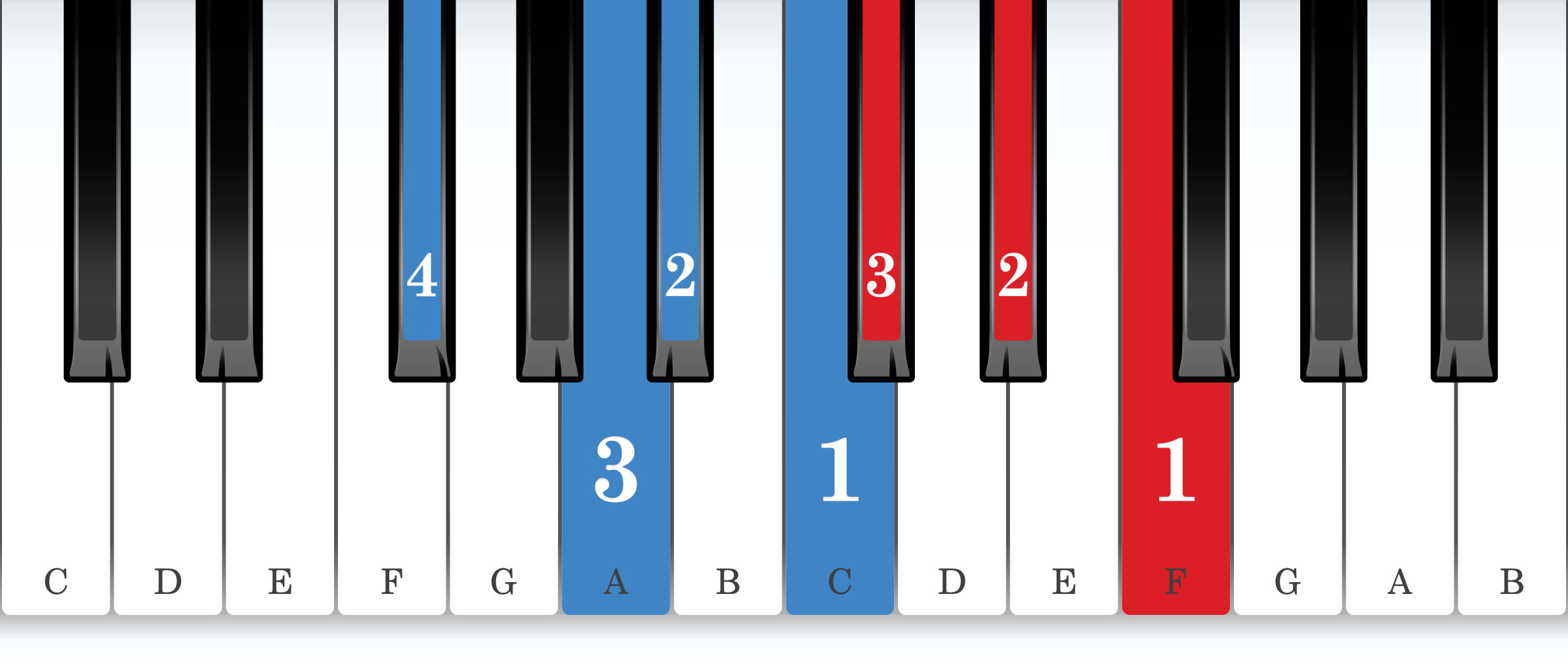
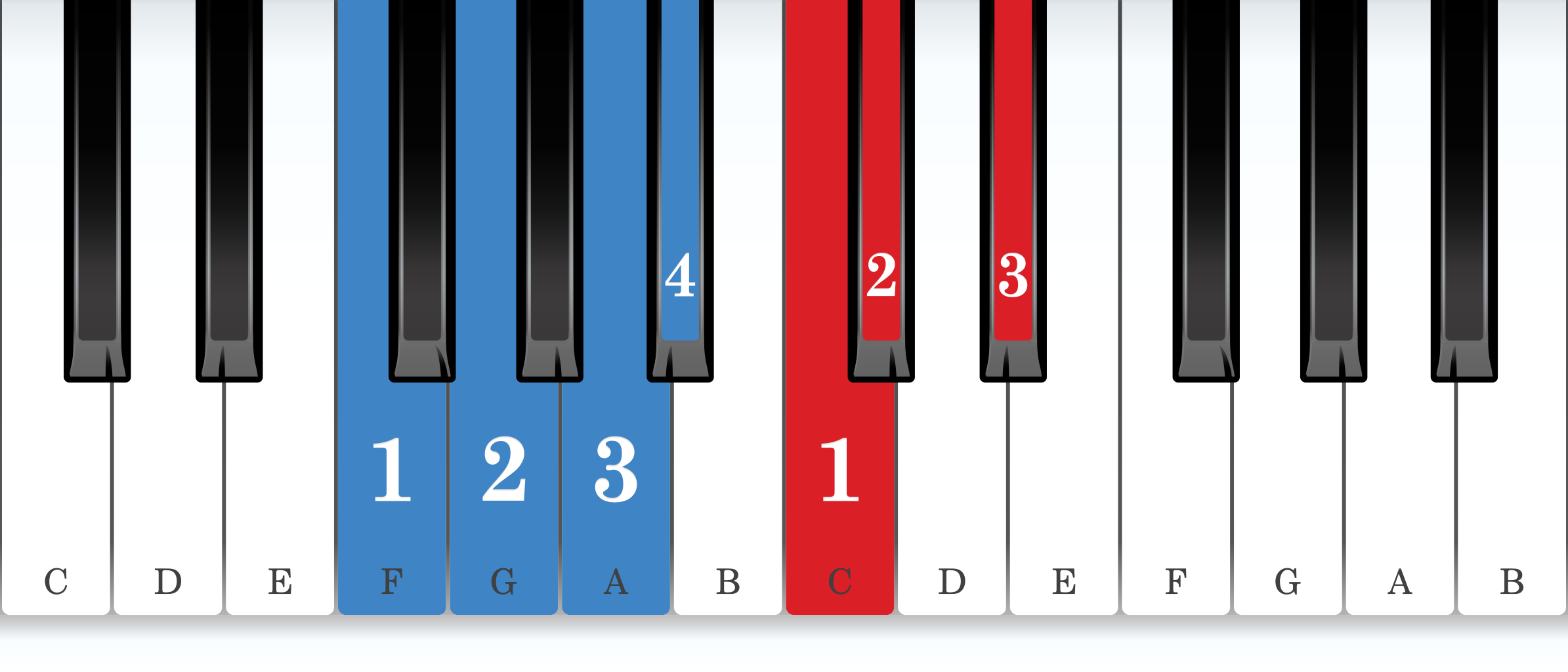
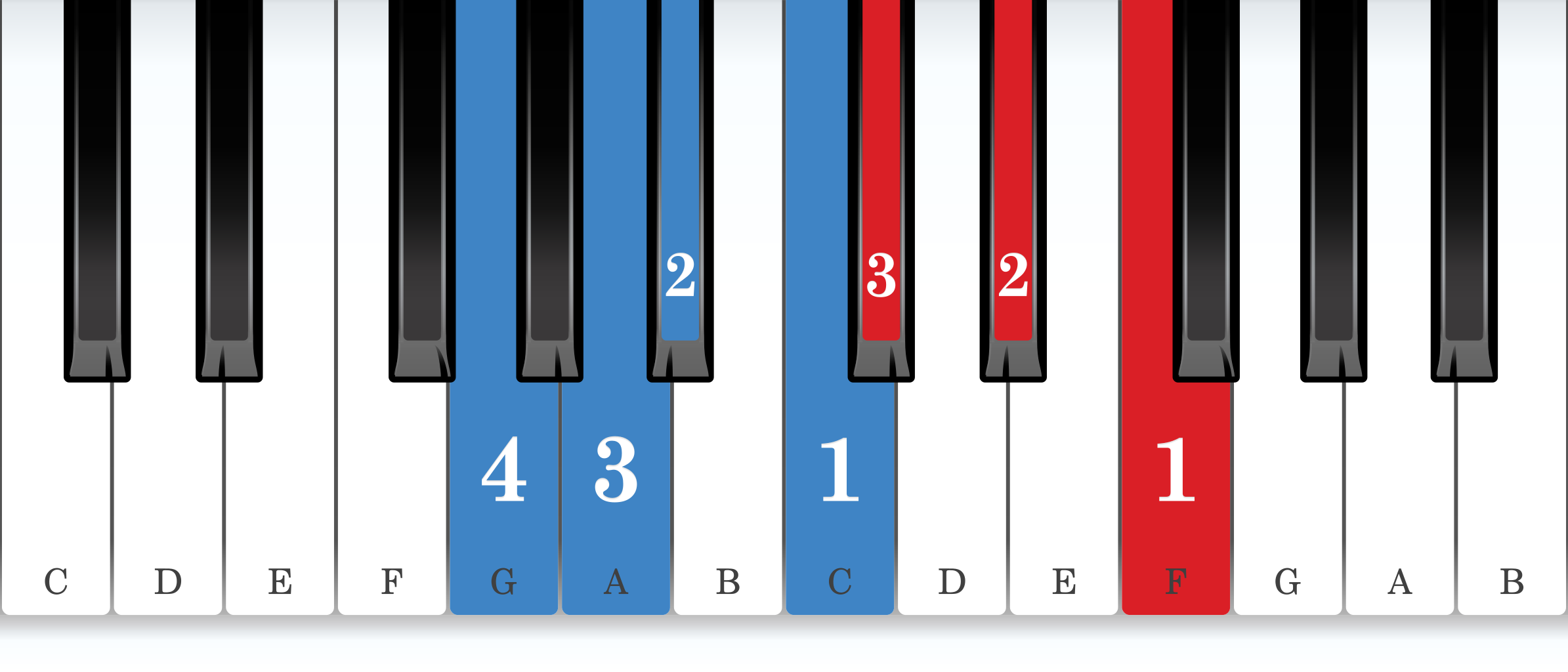
Each hand on its own is the place to begin. The fingering becomes much clearer once we see the scale’s core positions: a group of three notes played with fingers 1-2-3 (red on the charts) and a group of four played with 1-2-3-4 (blue). Between them, they account for the whole scale.
The core positions don’t start on the first note, since they follow where the hand rests comfortably rather than the order of the notes. The right hand begins with the fourth finger on B-flat, then plays C, D-flat, and E-flat on 1-2-3, and F, G-flat, A-flat, and B-flat on 1-2-3-4. The left hand begins with fingers 2 and 1 on B-flat and C, plays D-flat, E-flat, and F on 3-2-1, and G-flat, A-flat, and B-flat on 4-3-2.
The charts below show the core positions of the B-flat minor scale in each of its three forms.
A useful way to work with the core positions is in three stages:
When we put the hands together in B-flat minor, the sync points are the thing to follow: the moments where both hands land on the same finger, or where the fingers form a mirror image. They fall in the same places in all three forms, even though some of the notes change, and the examples below use the harmonic minor.
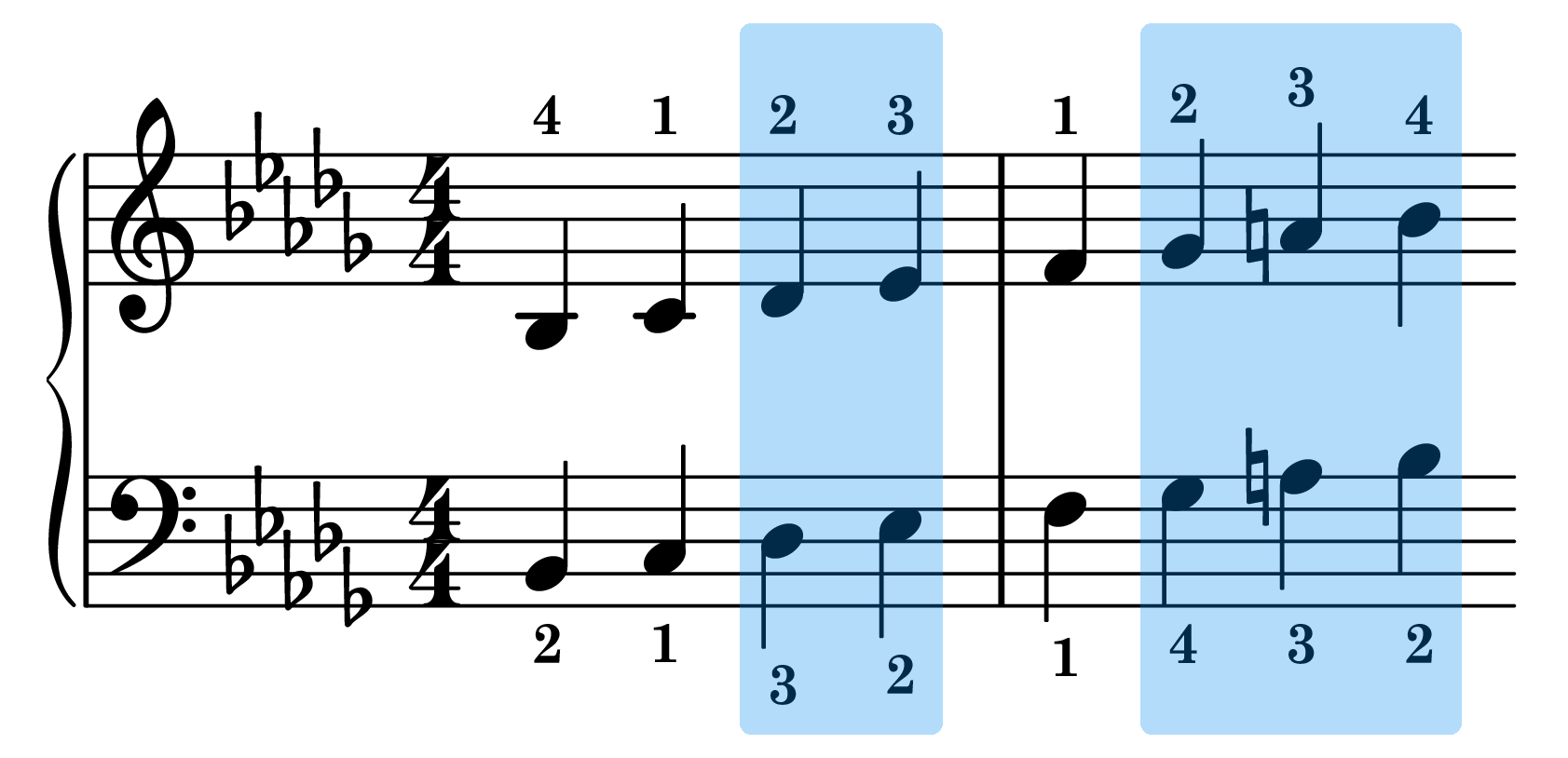
Fingers 2 and 3 form a mirror image on D-flat and E-flat, and fingers 2, 3, and 4 on G-flat, A, and B-flat.
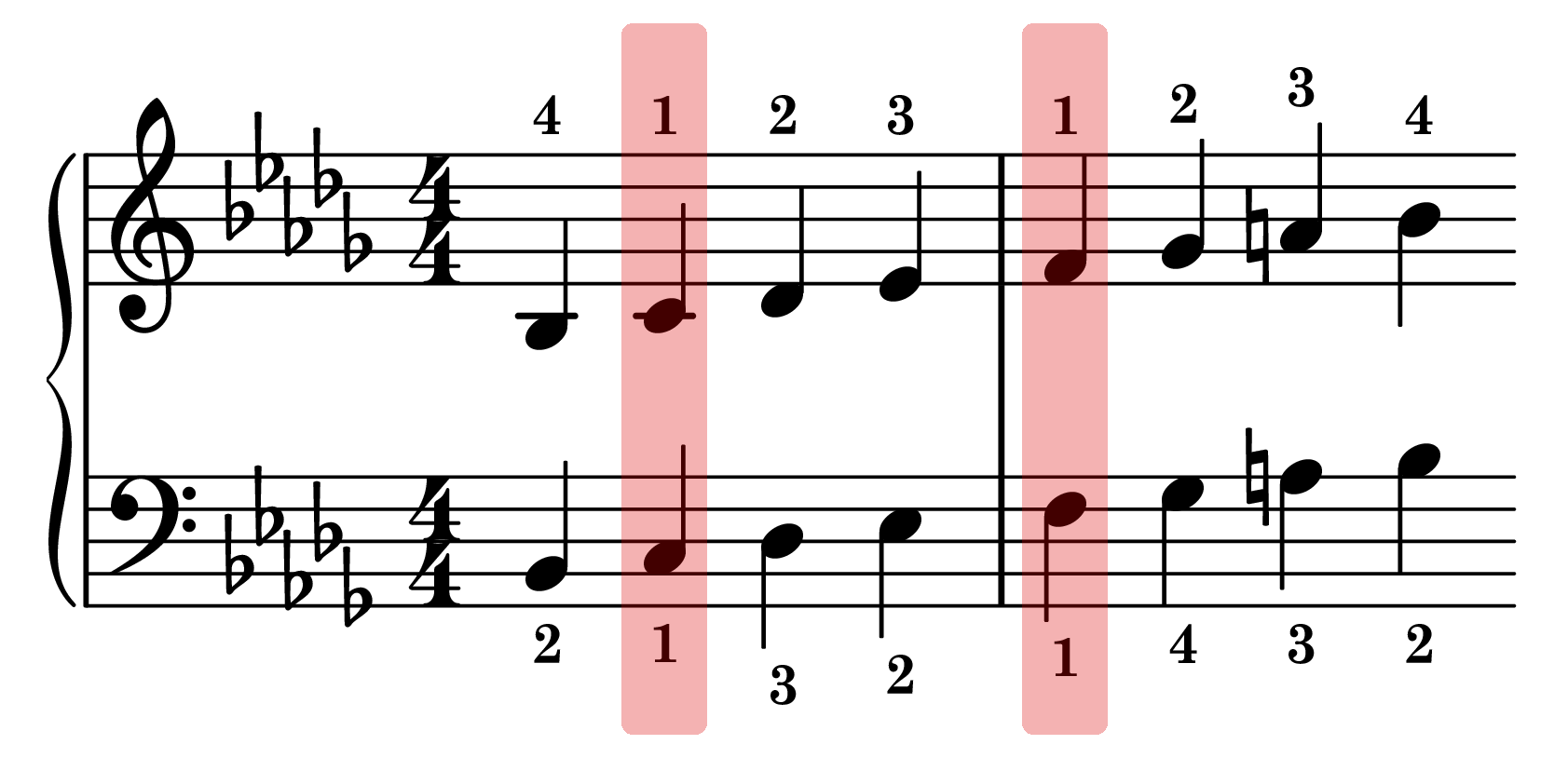
The thumbs come together on the white keys C and F.
The same three stages work for sync points:
Because neither hand uses the fifth finger, extending the B-flat minor scale to more octaves is mostly a matter of letting the core positions keep repeating. The fingering at the top and bottom stays exactly as it is in one octave.
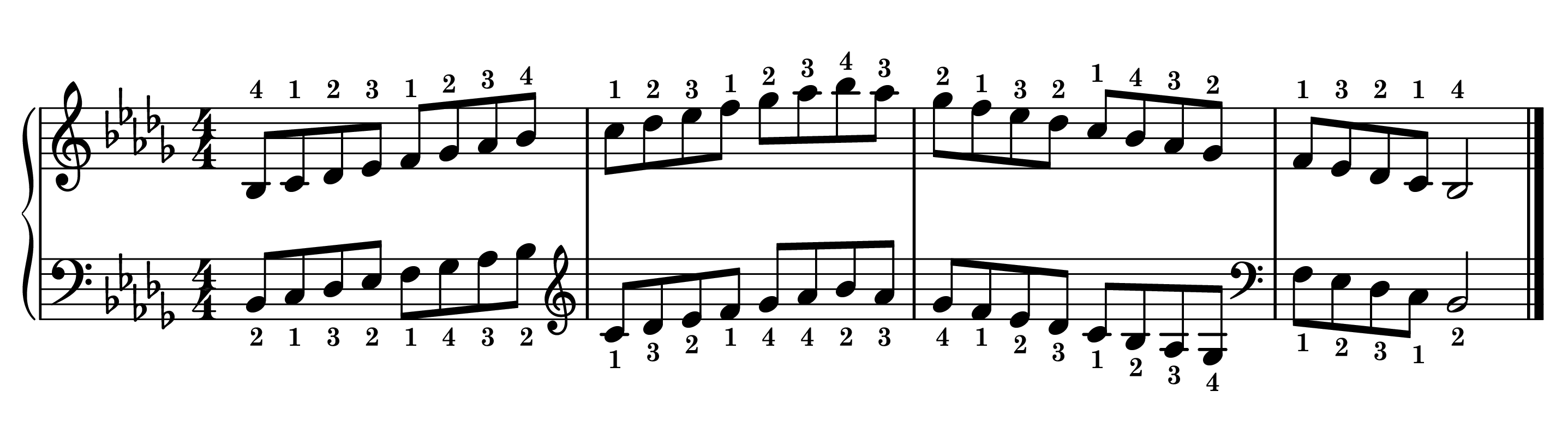
Here is the B-flat natural minor scale in two octaves, ascending and descending, with fingering.
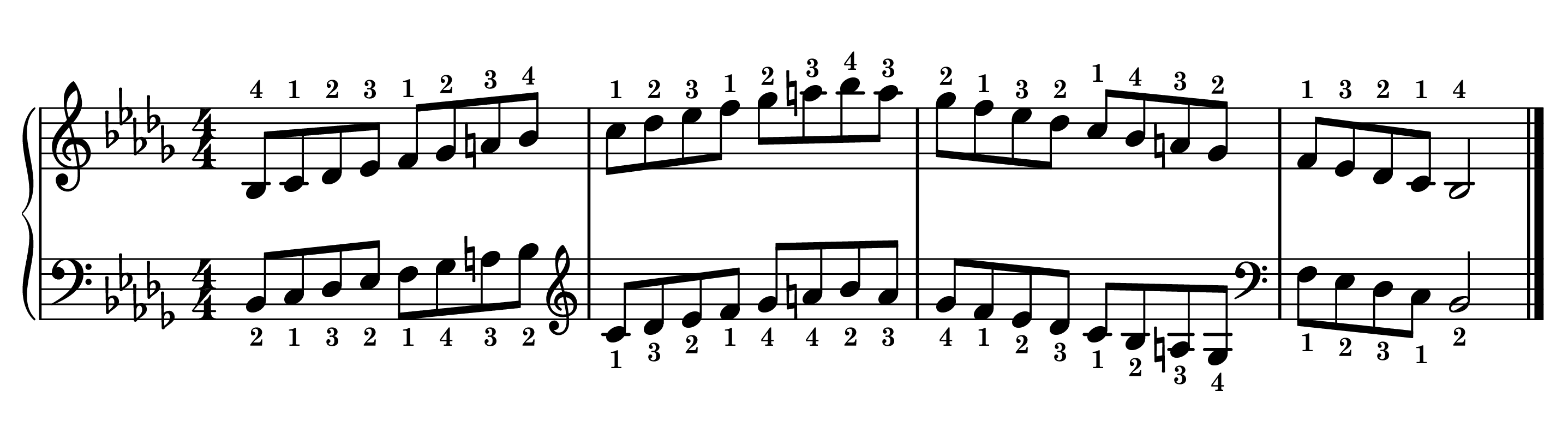
Here is the B-flat harmonic minor scale in two octaves, ascending and descending, with fingering.
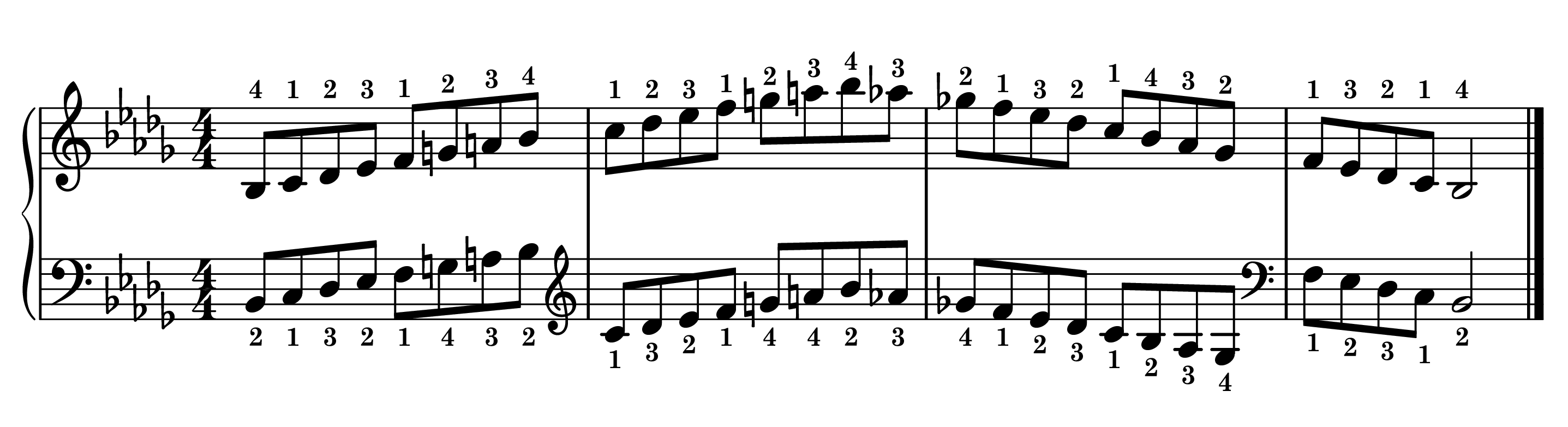
Here is the B-flat melodic minor scale in two octaves, ascending and descending, with fingering.
With so many black keys, it’s easy to second-guess each change of position. Seeing the groups of black keys as units, rather than a sequence of flats, tends to settle this.
The left hand begins on the second finger, not the fifth or third. Placing it carefully before starting means the thumb lands on C where it should.
Other techniques related to the B-flat minor piano scale:
No questions on this lesson yet. Be the first to ask one.
Continue learning with our full library of piano scale lessons