
The Mixolydian Mode
The Mixolydian mode is a major mode without a leading tone. On the white keys it runs from G to G, the notes of C major with G as home. Compared with the major scale on the same note, only the 7th changes: it’s lowered a half step, a whole step below the octave.
The Mixolydian mode on every note
G Mixolydian
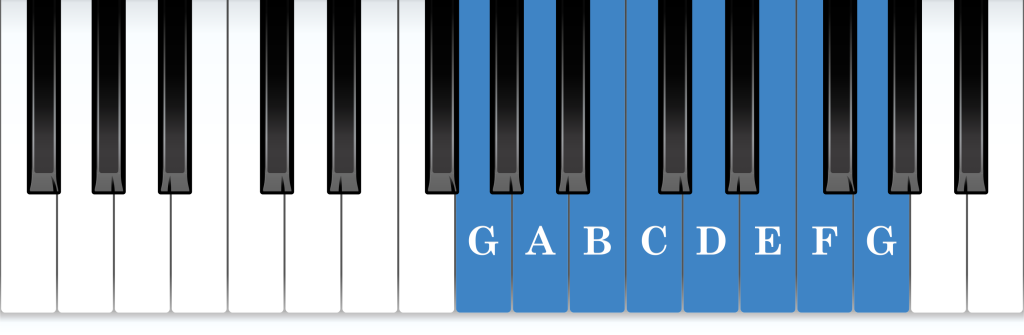
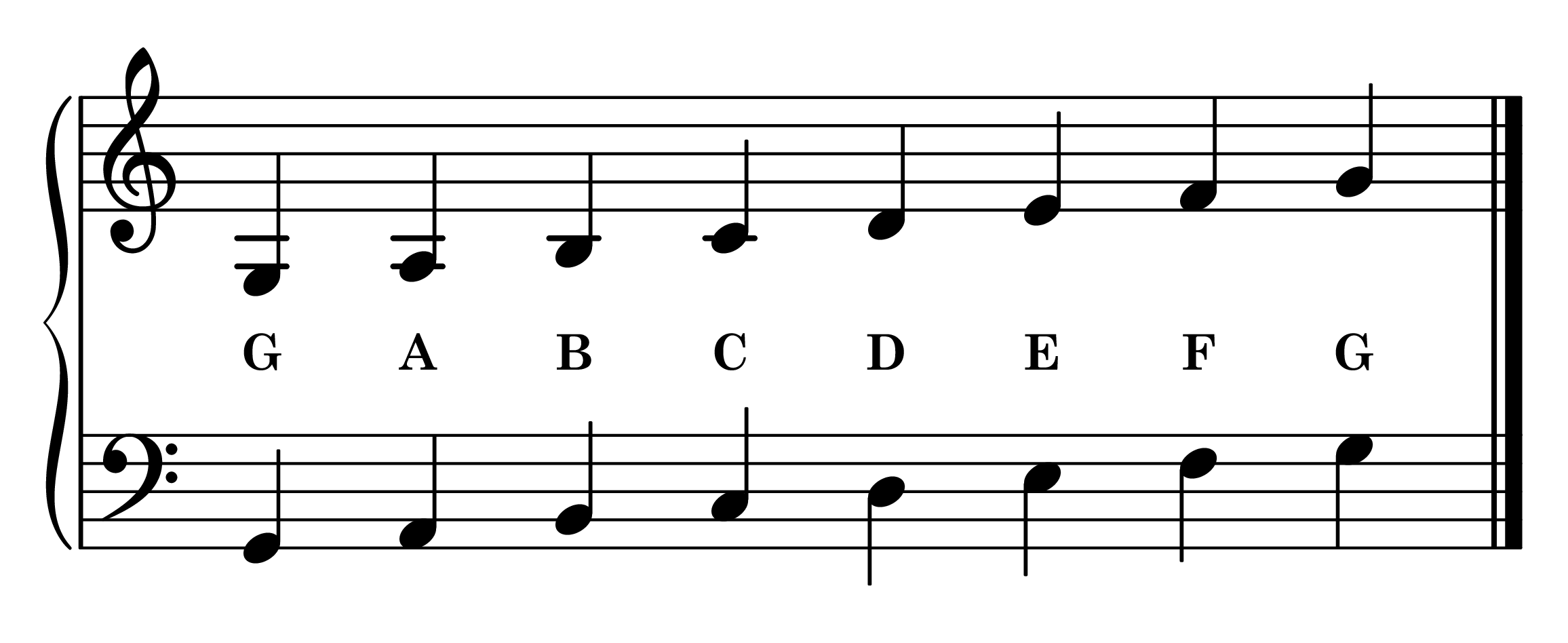
LH Fingering: 5 4 3 2 1 3 2 1
D Mixolydian
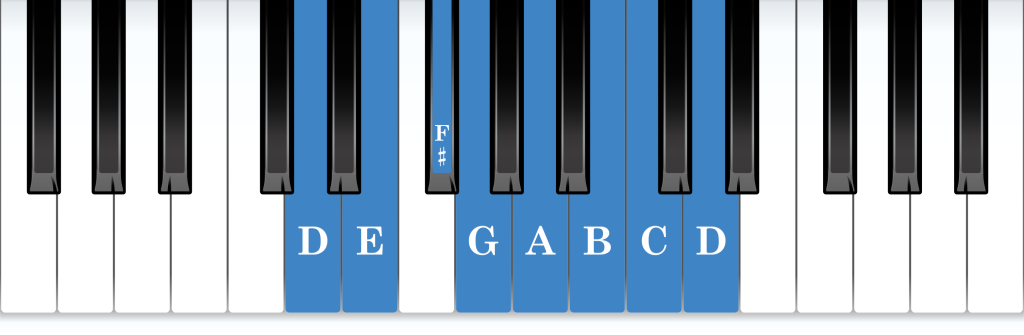
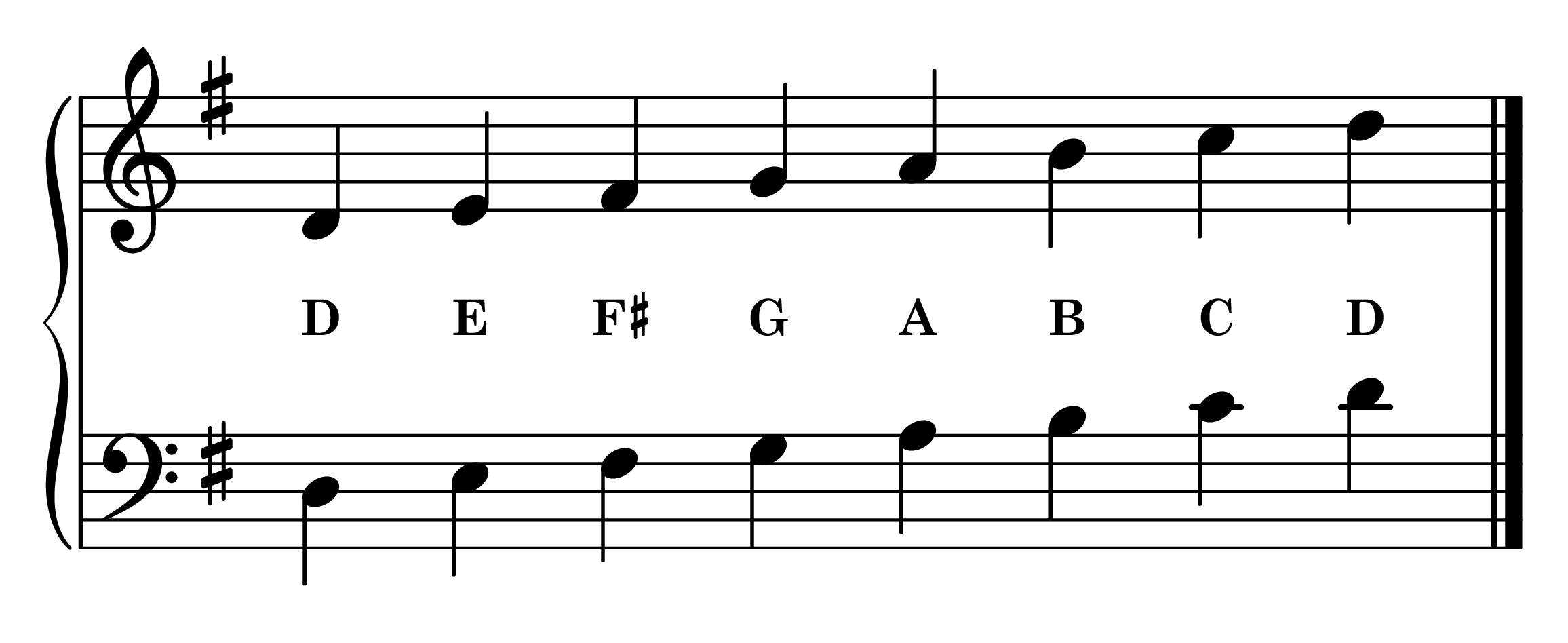
LH Fingering: 5 4 3 2 1 3 2 1
A Mixolydian
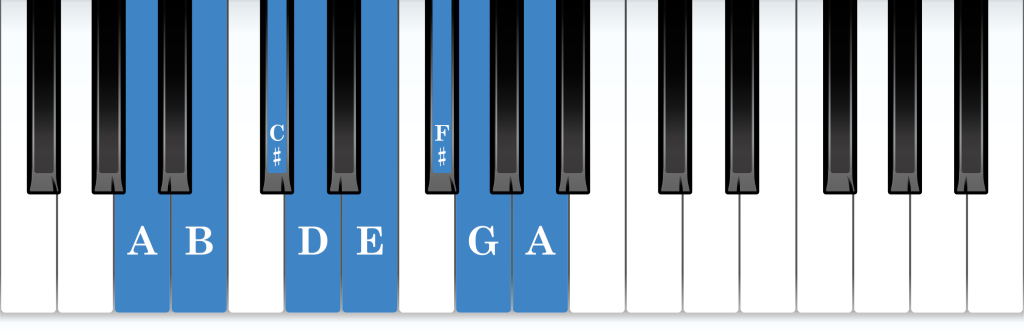
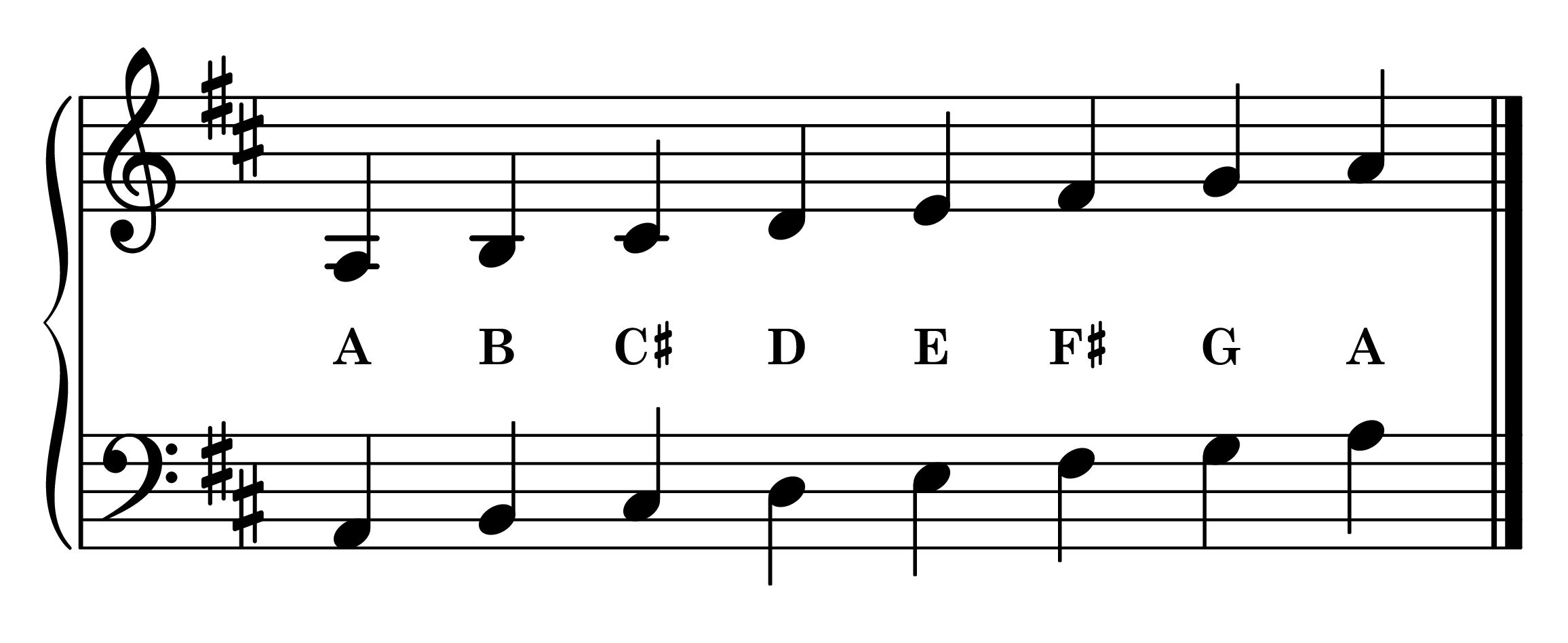
LH Fingering: 5 4 3 2 1 3 2 1
E Mixolydian
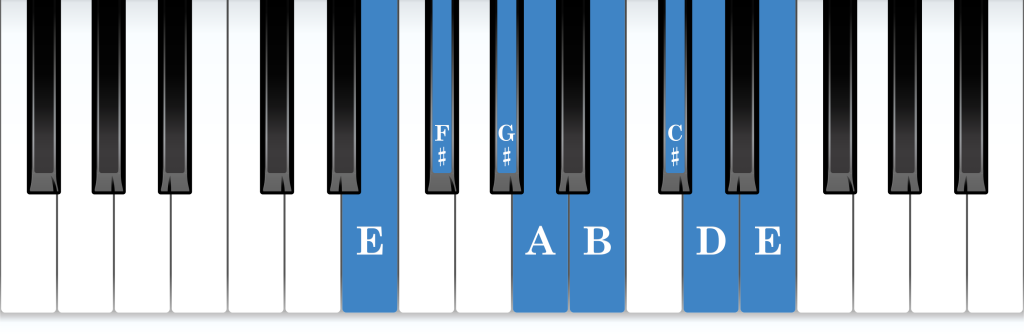
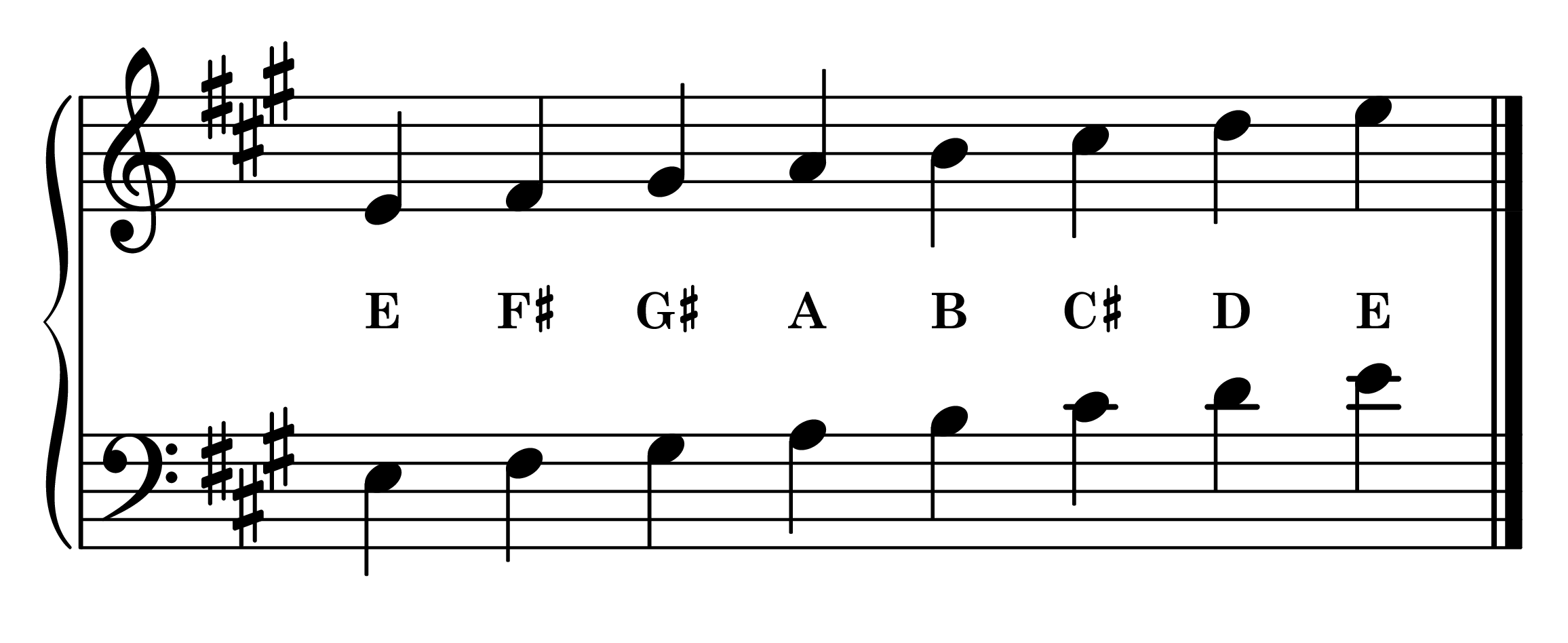
LH Fingering: 5 4 3 2 1 3 2 1
B Mixolydian
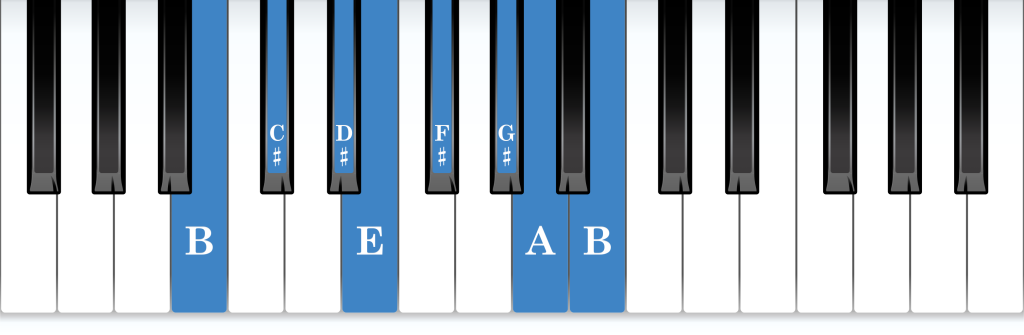
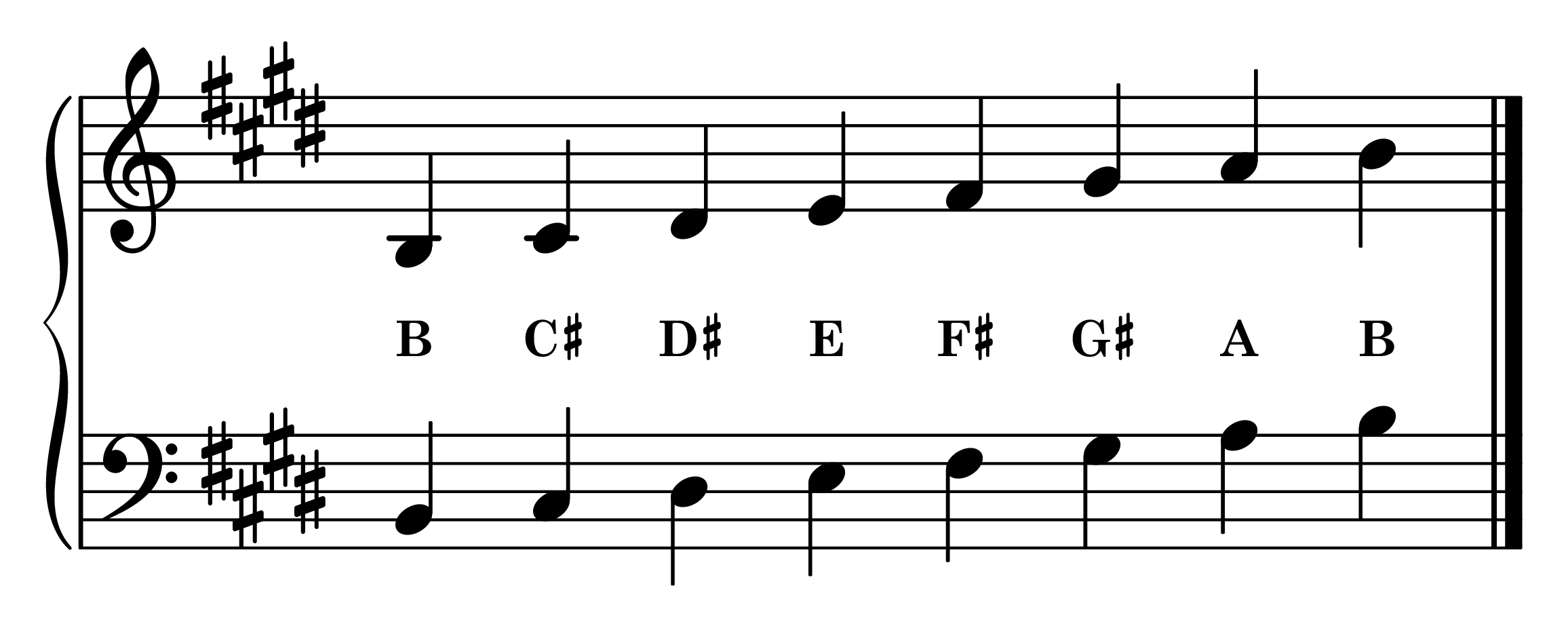
LH Fingering: 4 3 2 1 4 3 2 1
F-sharp Mixolydian
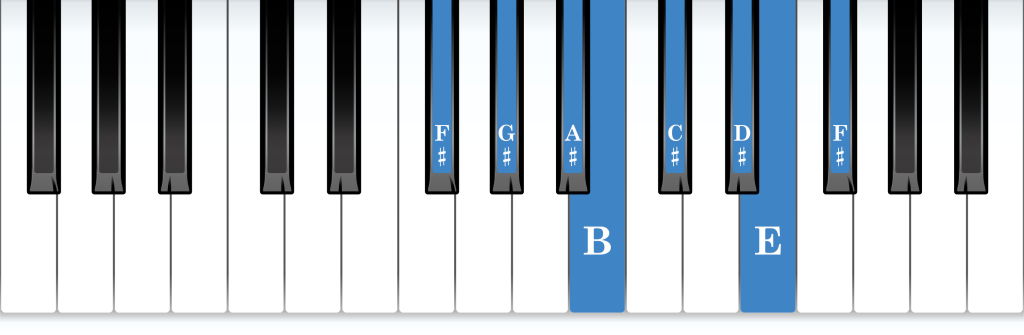
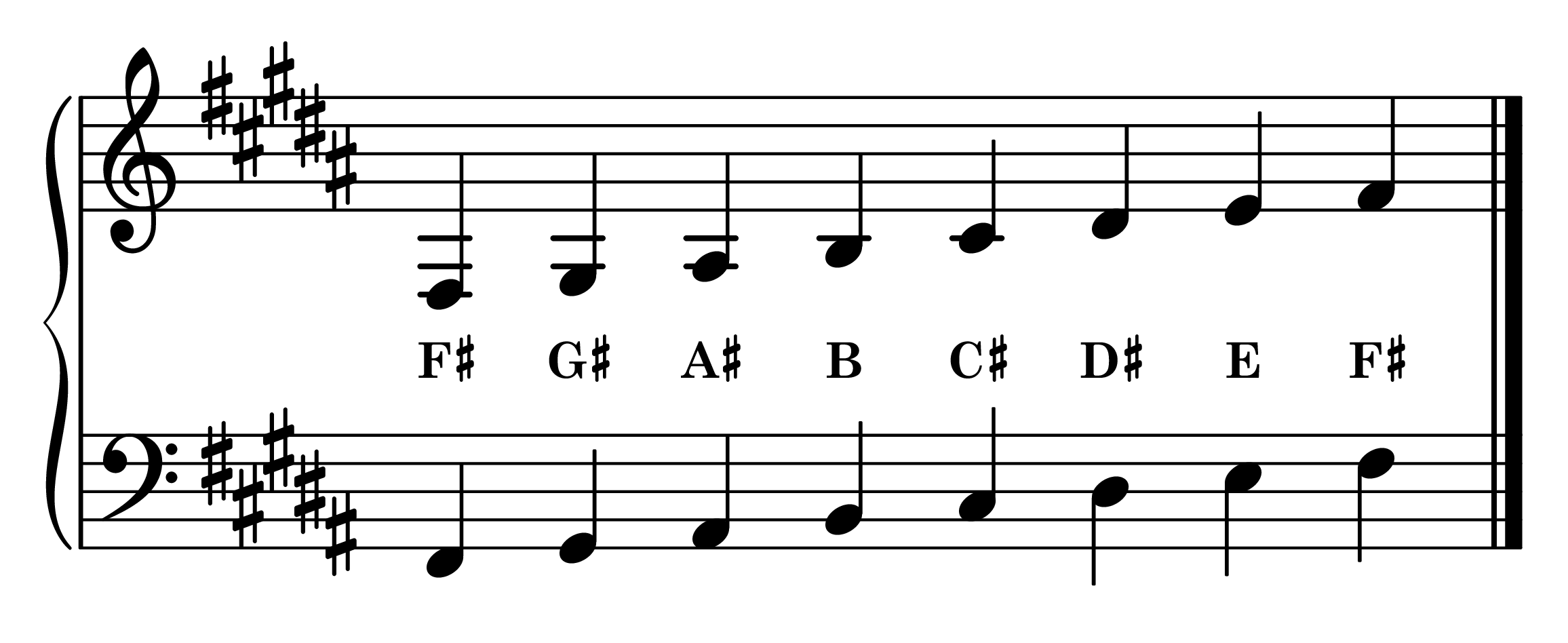
LH Fingering: 4 3 2 1 3 2 1 4
D-flat Mixolydian
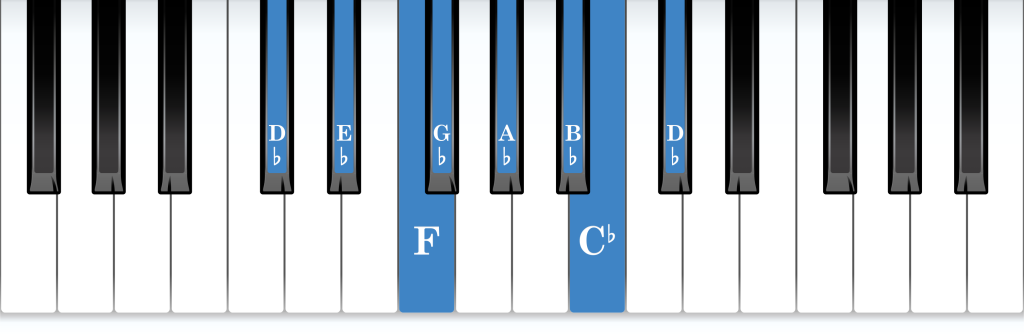
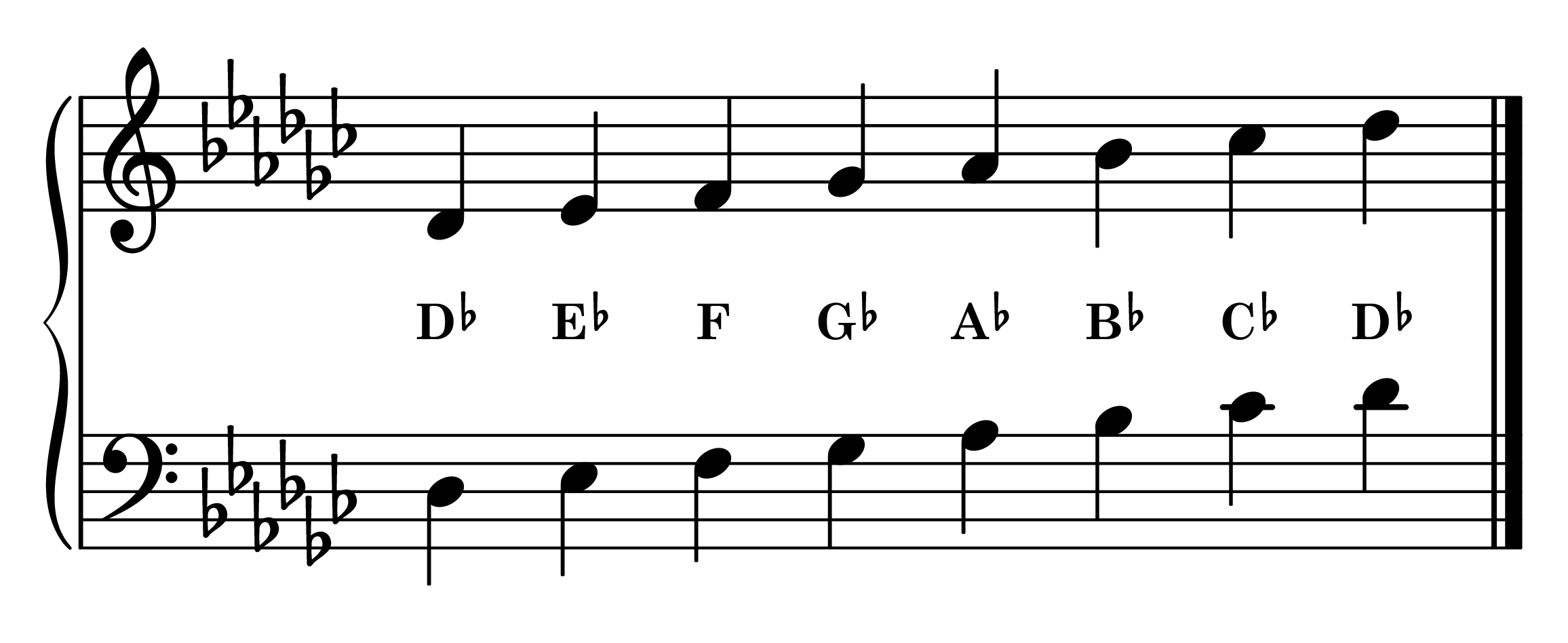
LH Fingering: 3 2 1 4 3 2 1 3
A-flat Mixolydian
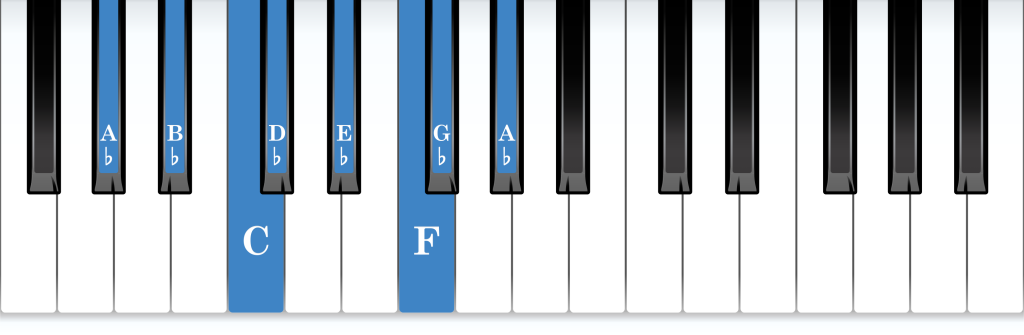
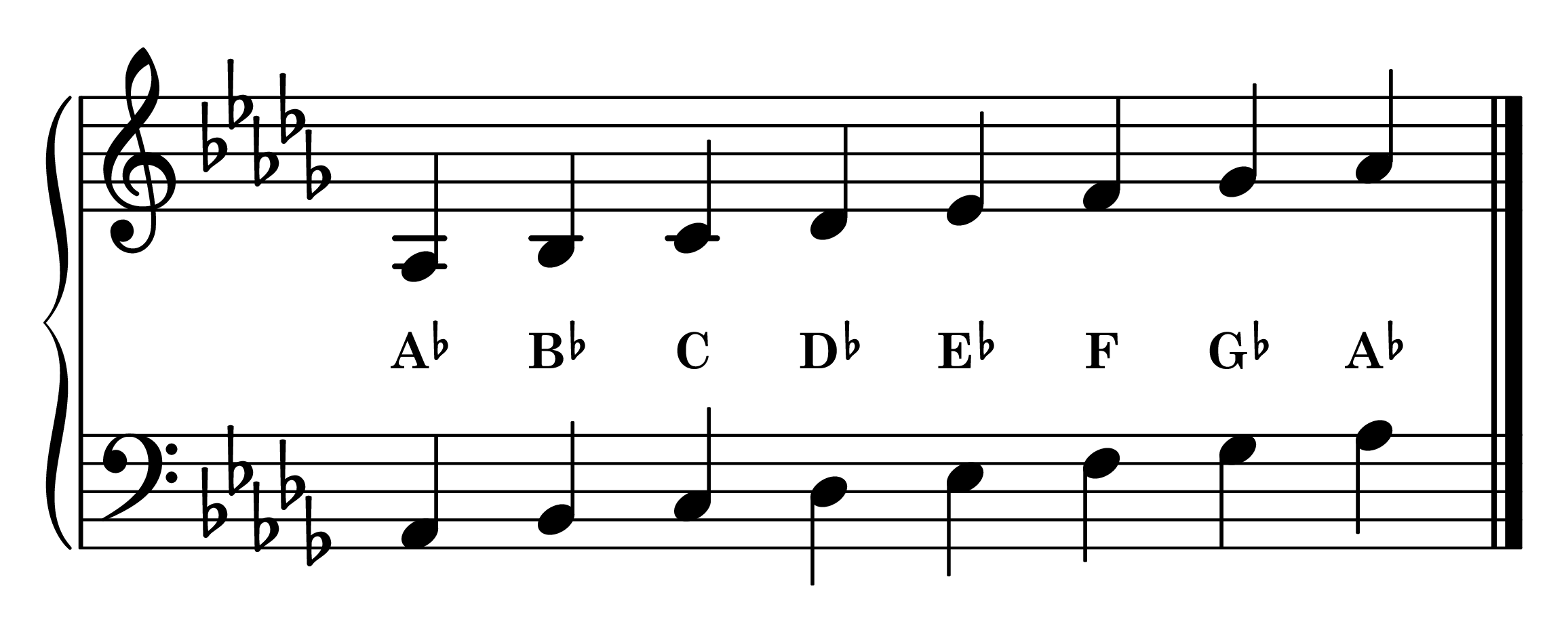
LH Fingering: 3 2 1 3 2 1 4 3
E-flat Mixolydian
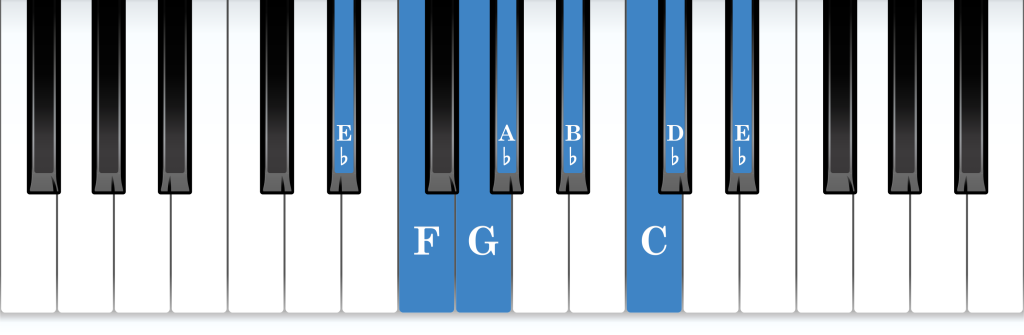
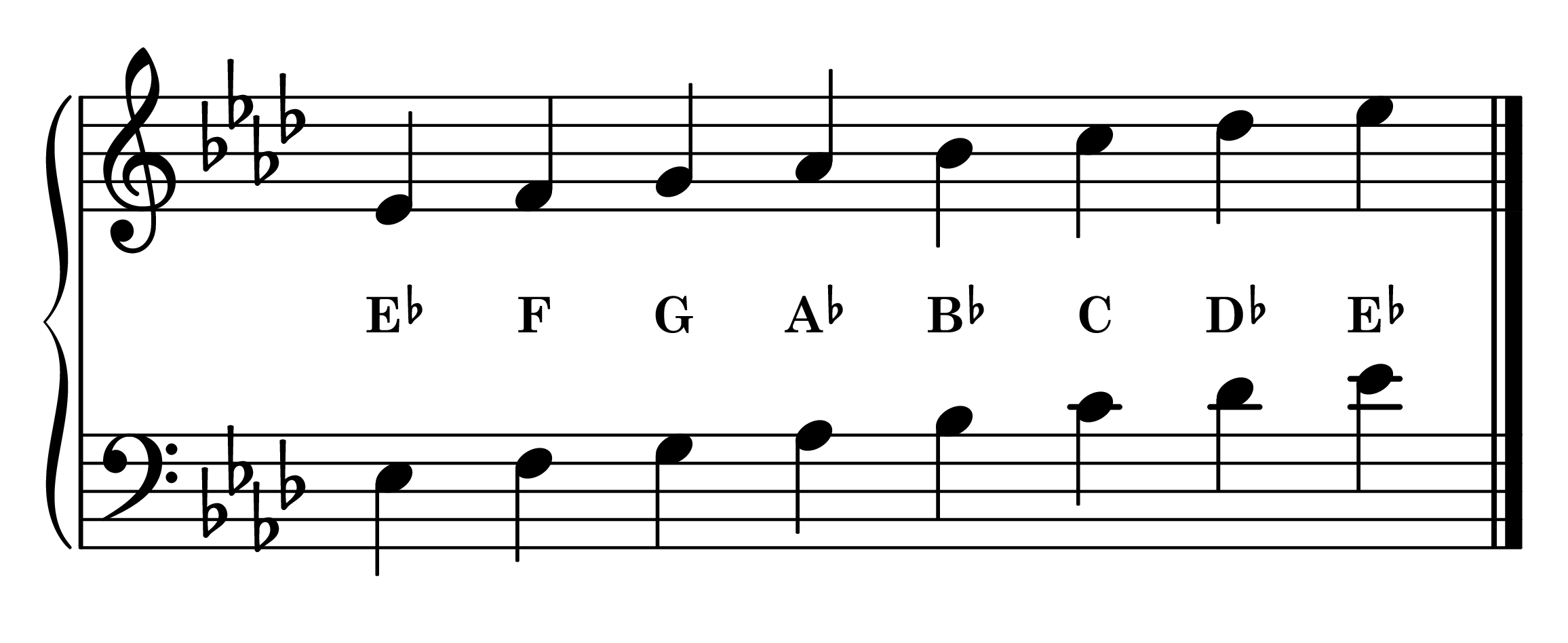
LH Fingering: 3 2 1 3 2 1 4 3
B-flat Mixolydian
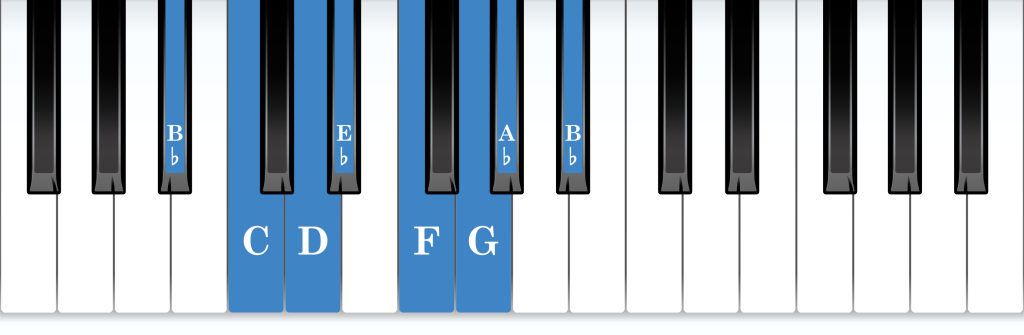
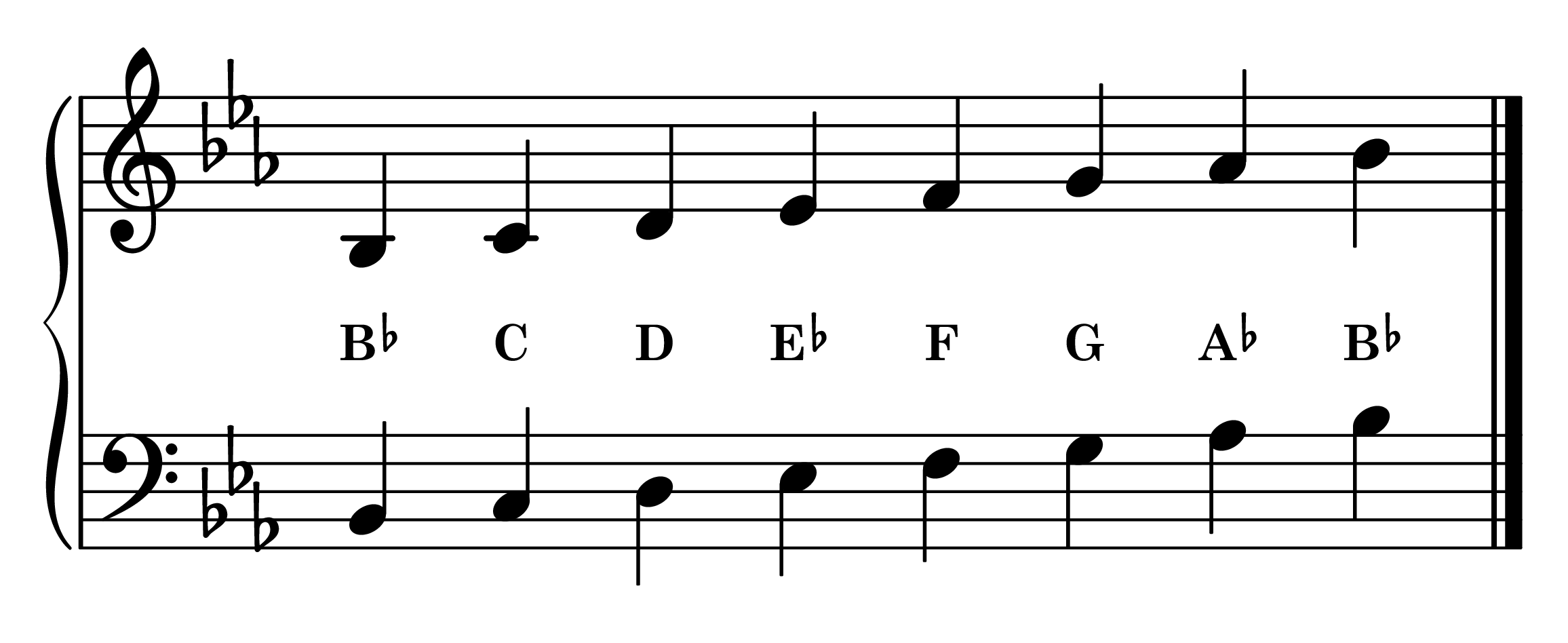
LH Fingering: 3 2 1 3 2 1 4 3
F Mixolydian
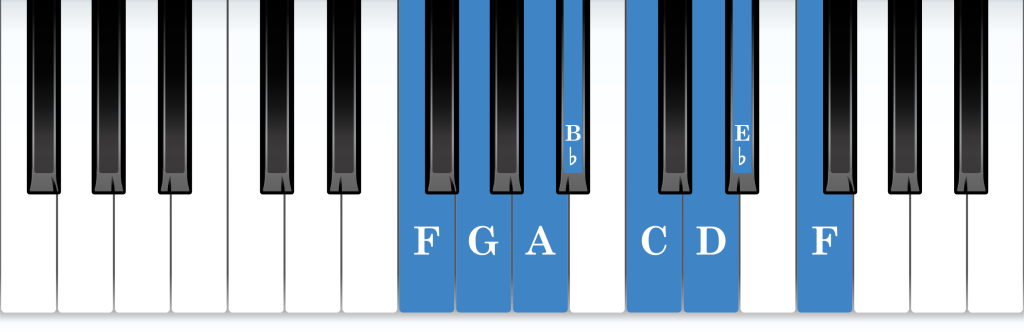
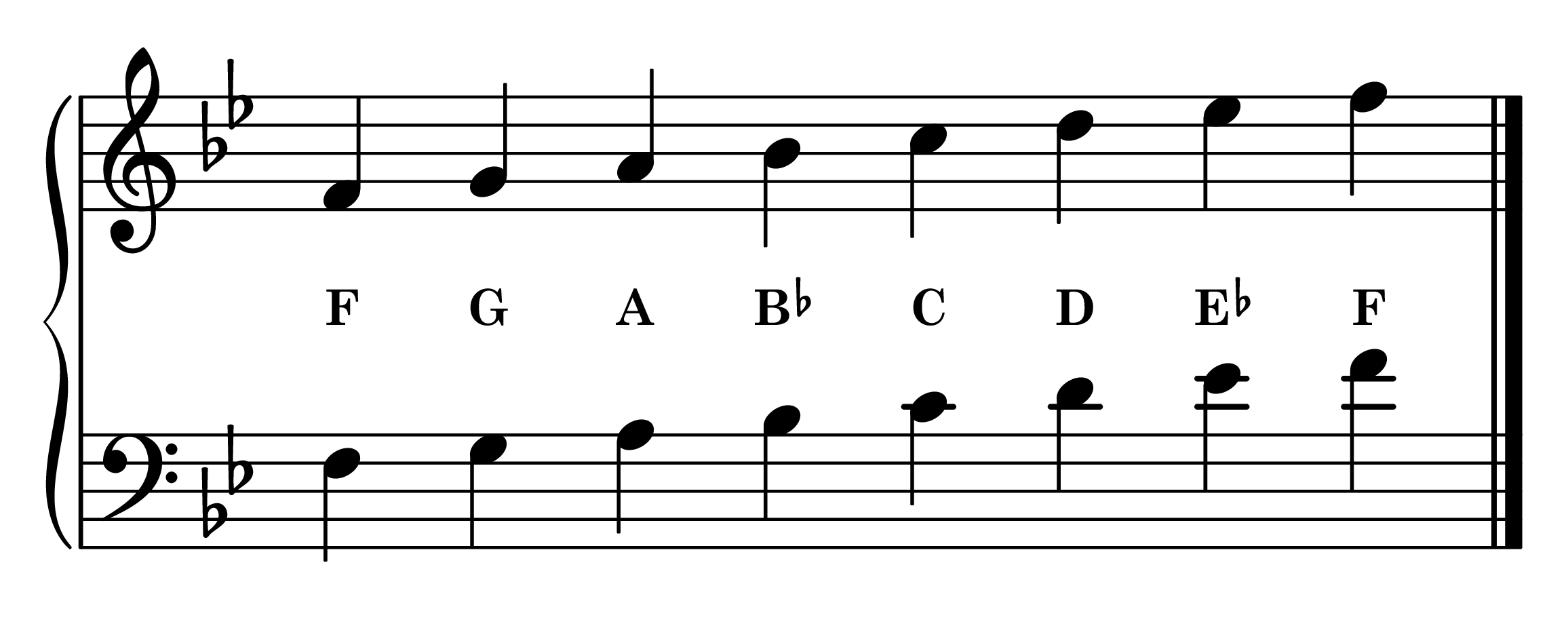
LH Fingering: 5 4 3 2 1 3 2 1
C Mixolydian
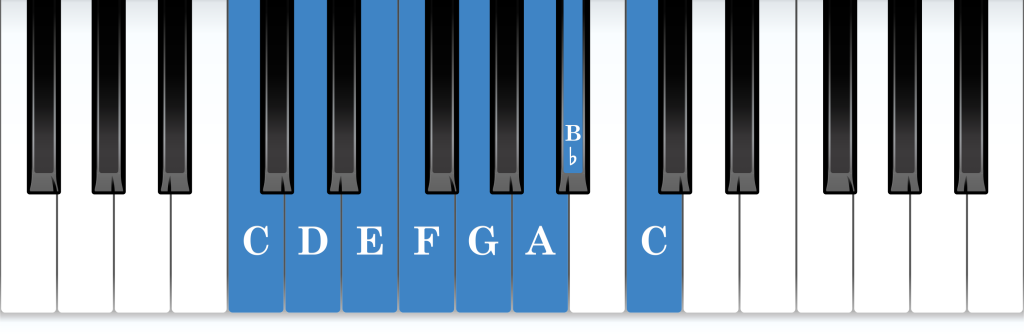
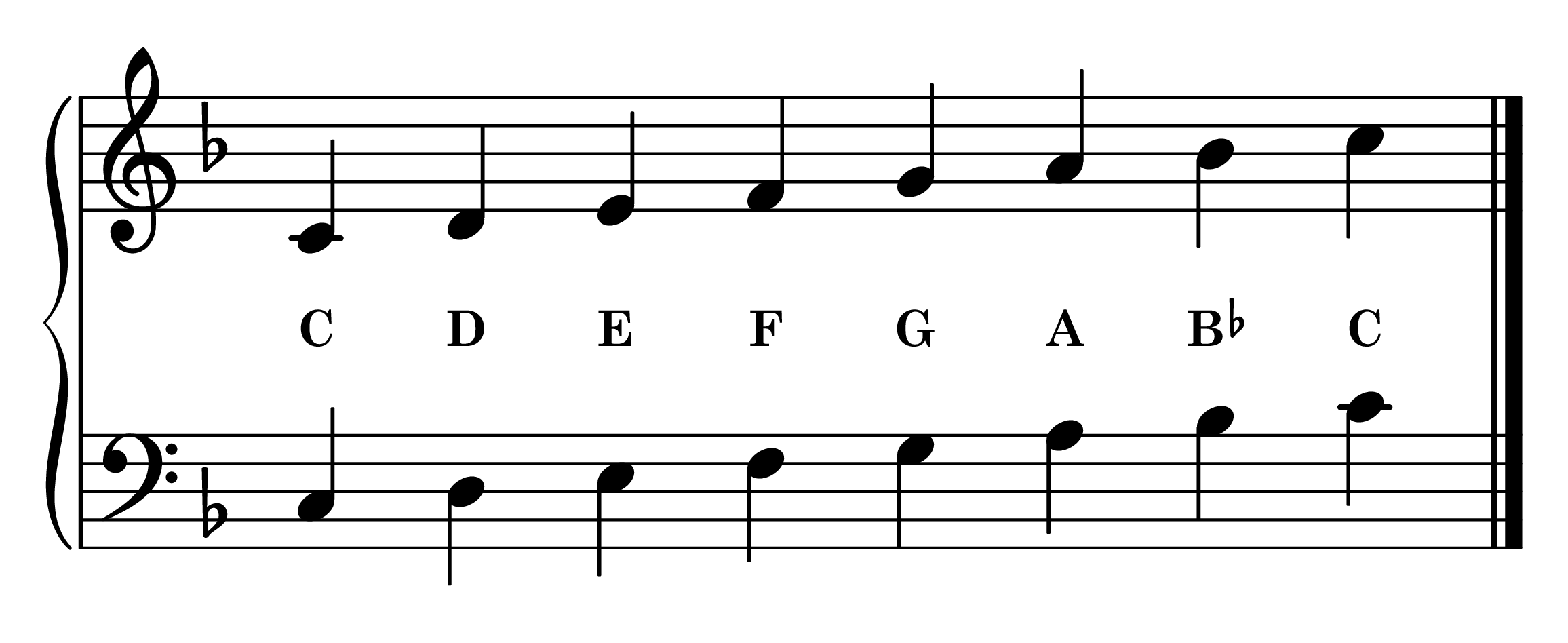
LH Fingering: 5 4 3 2 1 3 2 1
What gives the Mixolydian mode its sound
Without the leading tone, nothing pulls hard toward the tonic from below. The scale arrives home more gently, and the major sound becomes relaxed and open rather than conclusive. The lowered 7th also gives it a slightly older, folk-like quality.
Try playing G major and then G Mixolydian, and listen to the last step up to the tonic: from F-sharp in one, from F in the other.
Finding Mixolydian on any note
Mixolydian is the major scale played from its 5th note: G Mixolydian uses the notes of C major, and D Mixolydian the notes of G major. Or, starting from the major scale on the same note, we lower the 7th: G major with F instead of F-sharp.
Where Mixolydian is heard
Mixolydian is the seventh of the church modes, and it’s common in the folk music of Ireland, Scotland and North America; the old song “Old Joe Clark” is one example. In classical music it often appears for a moment, when a melody in a major key borrows a lowered 7th.
More about the modes: